Maguro Brothers Hawaii Chinatown
A Chinatown food court counter that has become a fixture of Honolulu's working-day tuna trade, Maguro Brothers Hawaii sits inside Maunakea Market on Maunakea Street and draws a crowd that ranges from market regulars to visitors chasing direct, fish-forward plates. The format is counter-casual and the draw is the tuna itself, cut and served with the directness the setting demands.
Pearl is the En Primeur Club membership app — saves, bookings, and concierge access live there. Same editors, same standards.
- Address
- Maunakea Market Foodcourt, 1120 Maunakea St, Honolulu, HI 96817
- Phone
- +1 808 259 7100
- Website
- magurobrothershawaii.com
- Directions
- Get directions
 Saves & bookings on Pearl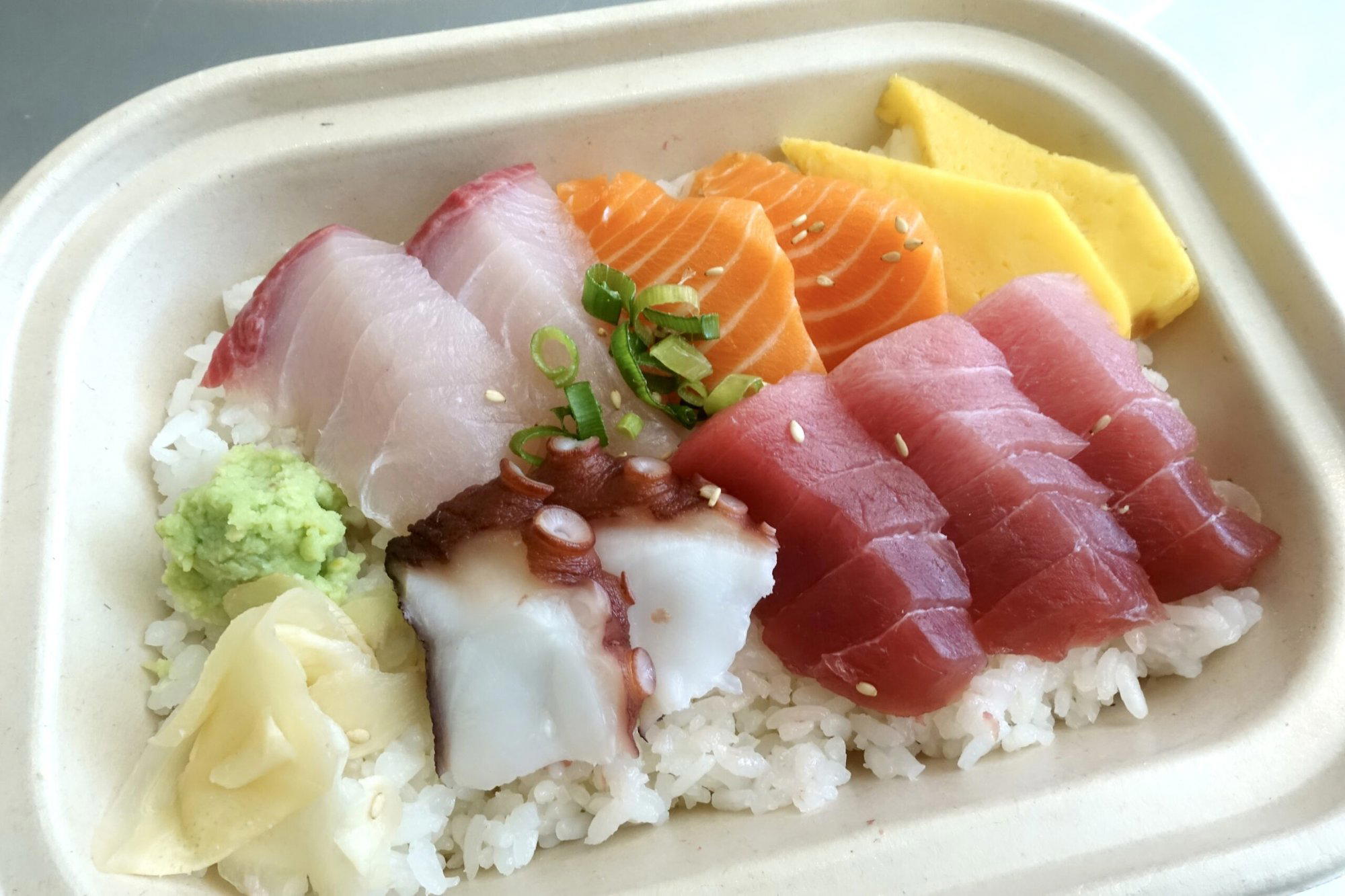
Maunakea Street and the Food Court That Actually Delivers
Honolulu's Chinatown has always operated on two registers: the ornate dim sum houses and noodle shops that anchor the neighbourhood's older restaurant identity, and the rougher, faster counters inside the market buildings where food is transactional in the leading sense. Maunakea Market Food Court, at 1120 Maunakea Street, belongs firmly to the second register. The building moves through a daily rhythm of market activity, wet stalls, produce crates, and foot traffic that has nothing to do with occasion dining in the formal sense and everything to do with the city eating on its own terms.
Maguro Brothers Hawaii occupies space inside that food court, and the context matters. You approach through a market corridor, not a restaurant entrance. The smells are fish and citrus and the ambient noise is stall-keeper conversation rather than curated background music. For anyone conditioned to associate tuna of this quality with composed plating and reservation windows, the friction is instructive. The setting strips away every layer of hospitality theatre and leaves the fish.
Where This Fits in Honolulu's Seafood Picture
Hawaii's position in the Pacific gives its tuna counters a structural advantage that mainland fish programs cannot replicate without logistics cost. Maguro, the Japanese term covering bluefin and related species, arrives in Honolulu through auction systems at Pier 38 and via direct relationships with fishing vessels operating in Hawaiian waters. The quality ceiling at a well-sourced Chinatown counter here can sit surprisingly close to what dedicated omakase counters in the same city charge multiples to serve, because the supply chain is compressed and the overhead is low.
Across Urban Honolulu's dining range, the distance between formats is wide. Beachhouse at the Moana and Alan Wong's Honolulu operate at the composed, table-service end of the spectrum where occasion dining carries a full production value. Bread & Butter and AGU Ramen - Ward Centre sit in a mid-register where comfort and consistency are the pitch. Maguro Brothers operates below all of these in terms of price and formality, but it competes on the thing that actually determines quality at a tuna counter: the fish itself, and how recently it arrived.
Compared against nationally recognised tasting-menu destinations like The French Laundry in Napa, Le Bernardin in New York City, or Providence in Los Angeles, Maguro Brothers represents the opposite end of the production spectrum. Where those kitchens build elaborate frameworks around premium seafood, a counter like this argues that the fish, sourced correctly and handled without intervention, requires no such scaffolding. Both positions are defensible. The more interesting question is which format serves the actual fish better on a given day.
The Case for a Food Court as Occasion
The editorial angle of occasion dining usually conjures white tablecloths and fixed menus priced for anniversaries. But occasions in the broader sense include the kind of meal that becomes a reference point for a city's food character: the bowl of tuna eaten standing, or on a plastic stool, that you find yourself describing years later in terms of the fish rather than the room. Honolulu has several candidates for that category, and Chinatown's market counters are among them.
The food court format also makes Maguro Brothers practically accessible in ways that higher-end venues in the city are not. There is no booking requirement, no dress consideration, and no minimum spend. For visitors working through our full Urban Honolulu restaurants guide, this counter represents a different kind of due diligence: understanding what the city's fish supply actually looks like before evaluating what the table-service restaurants do with it.
That comparative logic applies across any serious food city. The markets and counters that supply or parallel the fine-dining tier tell you more about the raw material than the tasting menus do. In Tokyo it's the depachika fish floors; in San Francisco it's the Ferry Building stalls; in Honolulu, it is partly this stretch of Maunakea Street.
Chinatown's Position in the Honolulu Dining Map
Honolulu's Chinatown sits northwest of the downtown core and has historically been the city's most compressed eating district: a high density of cuisines, price points, and formats in a walkable radius. The neighbourhood draws from overlapping communities, including long-established Chinese and Vietnamese restaurants, newer cocktail bars, and the market infrastructure that has been here for generations. 1050 Ala Moana Blvd anchors the southern edge of this corridor, pointing toward the Kakaako development zone. But Chinatown proper, centred on Hotel Street and Maunakea, operates on its own logic, older and less curated.
For the visitor constructing a serious food itinerary in Honolulu, the neighbourhood rewards a half-day walk that moves between formats: a market counter for tuna midday, a Vietnamese bowl in the early afternoon, a cocktail at one of the bars that have colonised the older commercial blocks. The food court is a waypoint in that sequence, not a destination requiring advance planning.
How to Approach the Visit
Maunakea Market operates on market hours rather than restaurant hours, and the food court counters follow suit. Arriving early in the day, before mid-afternoon, gives access to the fish at its peak freshness window; like any tuna counter operating on morning auction supply, what is available and in what condition shifts as the day progresses. The setting is walk-in only, the format is order-at-counter, and the expectation is speed rather than lingering. Bringing cash is advisable given the market context, though specific payment policies should be confirmed directly.
For visitors who have been tracking ambitious American seafood programs at places like Smyth in Chicago, Atomix in New York City, or Single Thread Farm in Healdsburg, the Chinatown counter offers a useful recalibration. The fish at the summit of the Hawaiian supply chain, served without ceremony, is the argument the counter is making. Whether that argument lands depends on the day's catch and the visitor's willingness to eat in a room that prioritises the product over the presentation.
That same recalibration is available at market-adjacent counters in cities across the country, from Emeril's in New Orleans to Addison in San Diego, though the supply-chain specificity of Hawaiian Pacific tuna gives Honolulu's market counters a geographic argument that most inland or Atlantic-facing programs cannot match. Blue Hill at Stone Barns in Tarrytown, The Inn at Little Washington, Lazy Bear in San Francisco, and Atelier Moessmer Norbert Niederkofler in Brunico all make versions of the locality argument in fine-dining registers. The Maunakea counter makes it in a food court, and the sourcing logic is not weaker for the lower price point.
Cost Snapshot
Comparable venues nearby, for context on price, style, and recognition.
| Venue | Cuisine | Price | Notes |
|---|---|---|---|
| Maguro Brothers Hawaii ChinatownThis venue — the venue you are viewing | Chinatown, Fresh Hawaiian Poke & Sashimi | $ | Not listed |
| Mitsuwa Marketplace | Not listed | $ | Waikiki, Japanese Food Hall - Ramen, Yakitori & Specialty Bites |
| Ethel's Grill | Kalihi, Japanese-American Plate Lunches | $ | Not listed |
| Tanaka of Tokyo Central | Waikiki, Japanese Teppanyaki Steakhouse | $$ | Not listed |
| Rainbow Drive-In | Kapahulu, Hawaiian Plate Lunch | $ | Not listed |
| Livestock Tavern | Chinatown, Seasonal American Gastropub | $$ | Not listed |
Continue exploring
More in Urban Honolulu
Restaurants in Urban Honolulu
Browse all →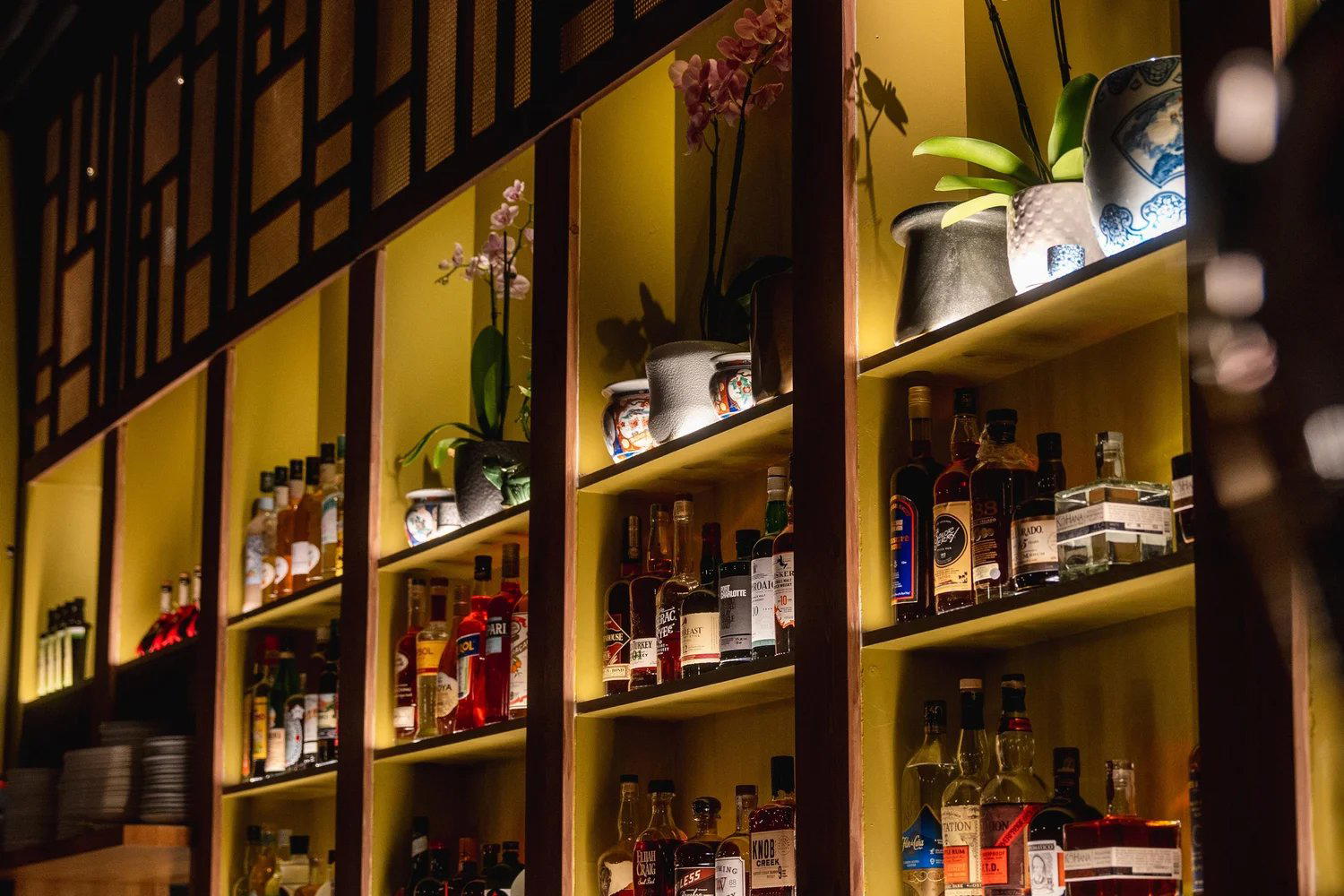
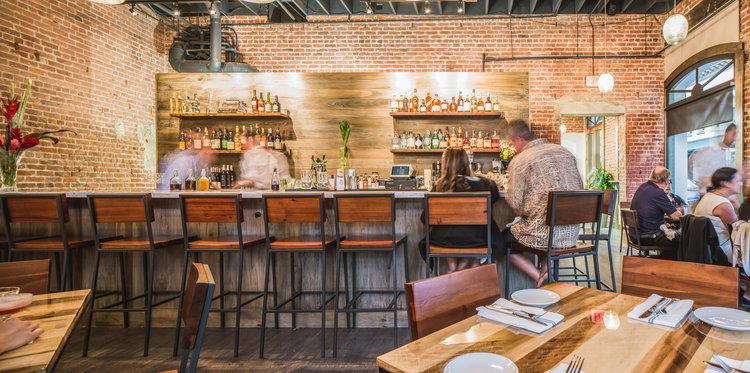
Bars in Urban Honolulu
Browse all →
At a Glance
- Casual
- Rustic
- Casual Hangout
- Solo
- Open Kitchen
- Standalone
- Local Sourcing
- Sustainable Seafood
Current opening hours
- Monday
- 10 AM–2:30 PM
- Tuesday
- 10 AM–2:30 PM
- Wednesday
- 10 AM–2:30 PM
- Thursday
- 10 AM–2:30 PM
- Friday
- 10 AM–2:30 PM
- Saturday
- 10 AM–2:30 PM
- Sunday
- 10 AM–2 PM
Hours can change for holidays and private events. Last verified .
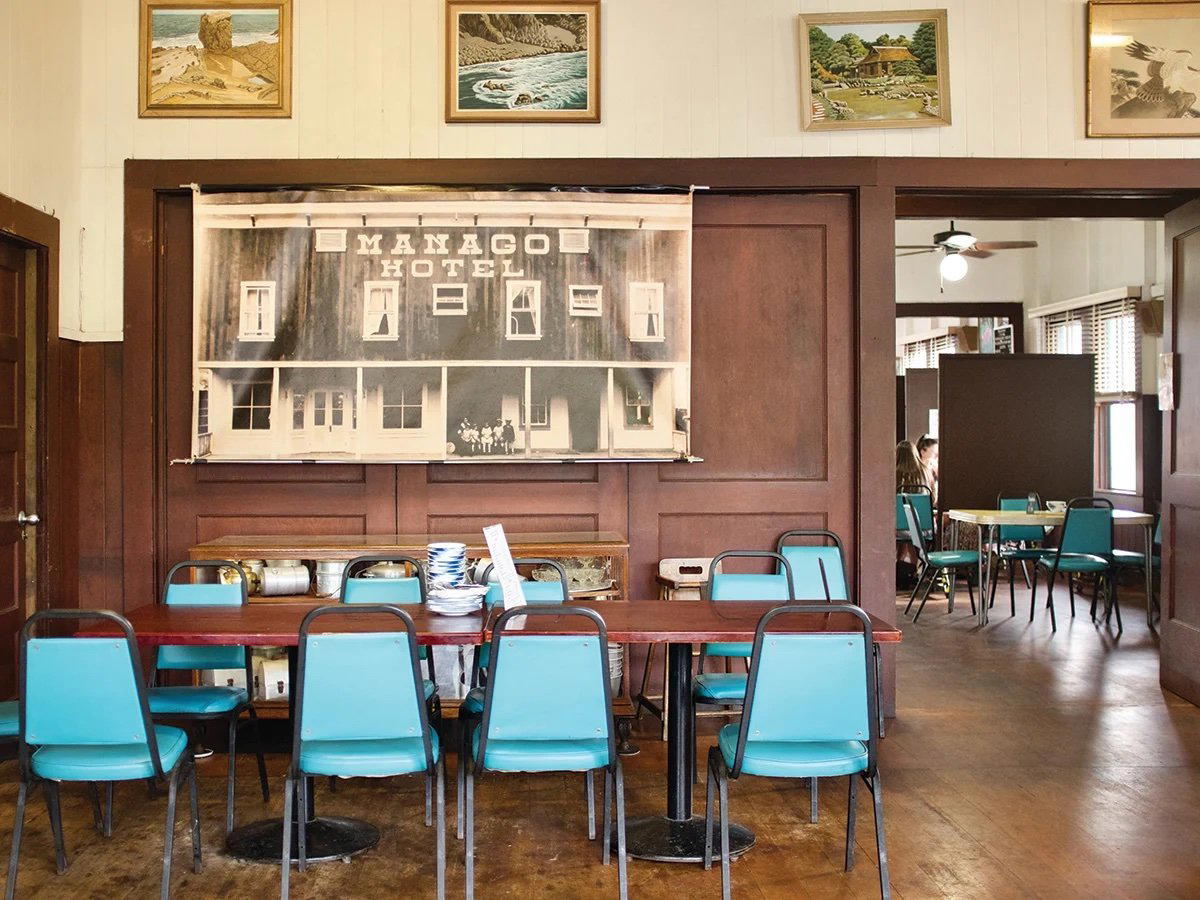
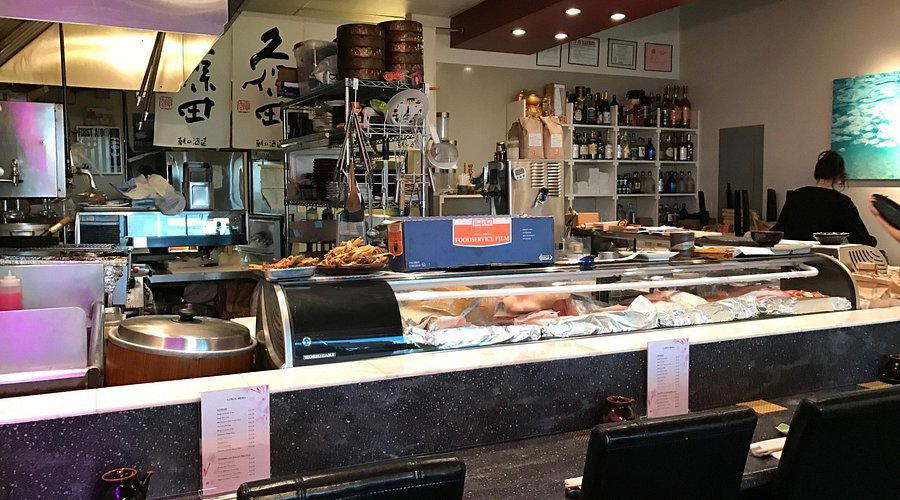
Casual market dining environment with minimal decor; bright daytime lighting in a working fish market setting with only 4 small tables for eating in.