Rainbow Drive-In
Rainbow Drive-In on Kanaina Avenue is one of Honolulu's most enduring plate lunch institutions, serving the kind of local comfort food that defines everyday eating across the Hawaiian islands. The menu reads as a document of Hawaii's multicultural food history: macaroni salad, two scoops of rice, and a protein drawn from Japanese, Korean, and Filipino culinary traditions. It operates at the opposite end of the dining spectrum from Waikiki's resort restaurants, and that contrast is precisely its point.
Pearl is the En Primeur Club membership app — saves, bookings, and concierge access live there. Same editors, same standards.
- Address
- 3308 Kanaina Ave, Honolulu, HI 96815
- Phone
- +1 808 737 0177
- Website
- rainbowdrivein.com
- Directions
- Get directions
 Saves & bookings on Pearl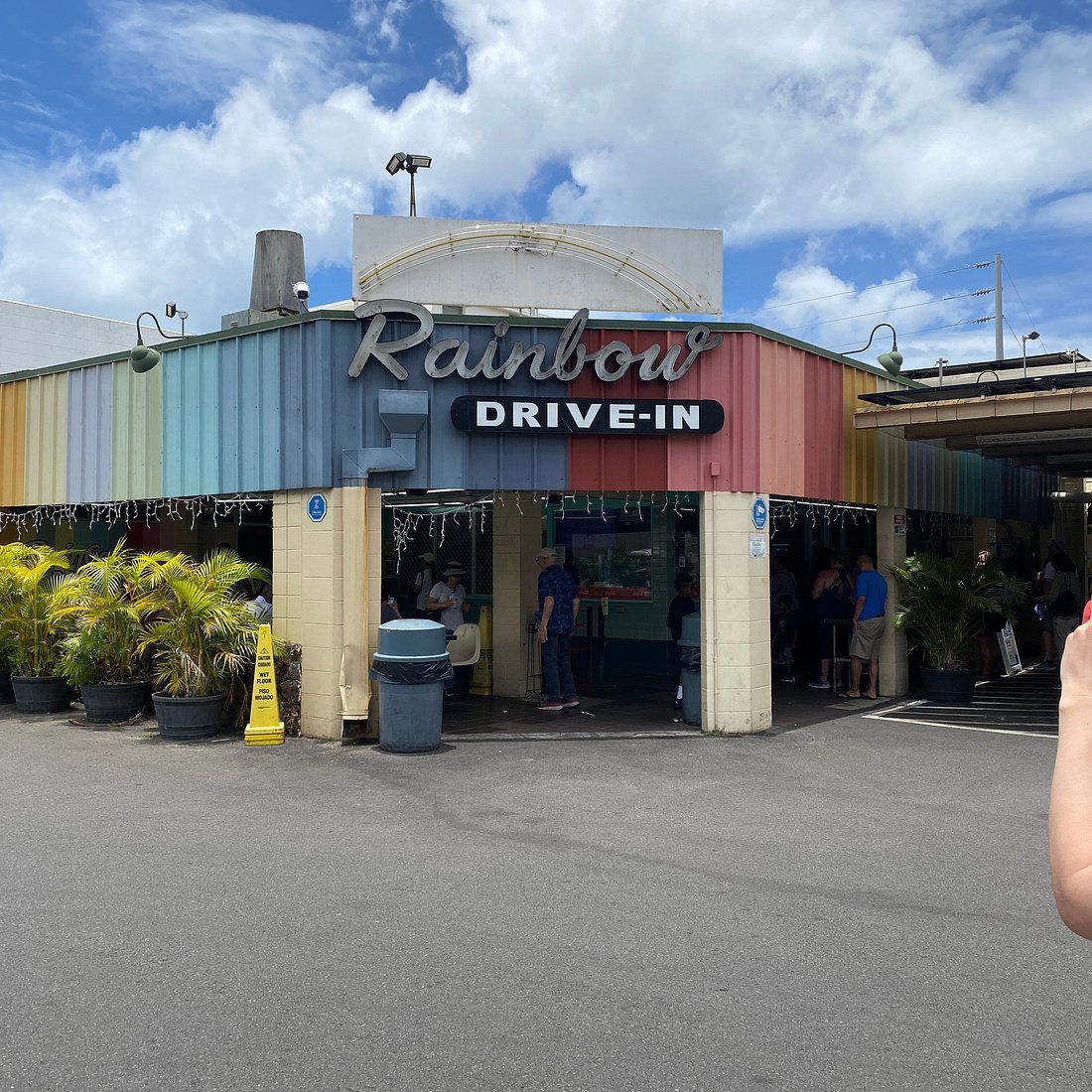
Where Plate Lunch Becomes a Cultural Record
Pull up to the window on Kanaina Avenue on any given morning and the line tells you everything you need to know. Rainbow Drive-In has been feeding Honolulu's working population, surfers heading to Kapiolani Park, and returning locals in search of grounding since 1961. It is not a tourist attraction dressed up as a local institution. It is the thing itself: a drive-in window operation that has remained structurally unchanged while the city around it has accumulated high-rises, resort corridors, and a restaurant scene that now stretches from izakaya counters in Chinatown to the kind of tasting-menu formats you find at Alan Wong's Honolulu.
The broader category Rainbow Drive-In occupies is plate lunch, and plate lunch in Hawaii is not a casual genre. It is the direct descendant of the bento lunches carried to sugar and pineapple plantations by laborers from Japan, the Philippines, Korea, China, and Portugal across the late nineteenth and early twentieth centuries. What emerged was a distinctly Hawaiian form: a compartmentalized meal of protein, two scoops of white rice, and macaroni salad, assembled into a styrofoam container that became the standard delivery format across the islands. The macaroni salad here is not a garnish or an afterthought. In the logic of the plate lunch, it is a full component, creamy and cold against the hot protein, a textural counterpoint that has no real equivalent in mainland American fast-casual eating.
The Menu as a Map of Hawaii's Food History
Reading the menu at Rainbow Drive-In is closer to reading a historical document than browsing a restaurant card. The options span teriyaki beef, fried chicken, Korean-inflected short ribs (kalbi), mixed plates, and loco moco: a bowl of rice topped with a hamburger patty, a fried egg, and brown gravy that has no single cultural origin but feels entirely native to Hawaii. Each item carries the trace of a different migration, a different community that arrived on the islands and contributed a protein preparation, a sauce, a cooking method to a collective vocabulary.
This is how the menu reveals its architecture. There is no tasting progression, no seasonal rotation signal, no chef's note about sourcing. The format is fixed and intentional: you choose a protein or two, the starch and the macaroni salad come automatically, and the meal is assembled and handed to you. The decision is about which protein combination signals your familiarity with the format. A mixed plate, combining multiple proteins in a single container, is the order that regulars default to, and it is the one that demonstrates how the plate lunch was designed to accommodate variety without requiring additional menu complexity.
Compare this structural logic to, say, the tasting sequences at The French Laundry in Napa or Smyth in Chicago, where menu architecture is built around progression, contrast, and revelation across fifteen or more courses. Rainbow Drive-In operates on the opposite principle: total transparency, fixed structure, and a menu that has remained stable because its purpose has never been novelty. It is a reliability machine, not an exploration engine. That distinction matters when thinking about what Honolulu's food culture actually contains, because both ends of that spectrum coexist here in a way that few American cities can claim.
The Place It Holds in Honolulu's Eating Order
Honolulu's dining spectrum runs wider than its resort-heavy reputation suggests. At one end sit the white-tablecloth rooms and resort restaurants like Beachhouse at the Moana. In the mid-range, ramen and noodle operations such as AGU Ramen at Ward Centre and casual dining destinations like Bread and Butter anchor everyday eating for residents. Rainbow Drive-In sits below all of them on price, and above all of them in terms of local cultural weight. This is not a contradiction. In cities with strong regional food traditions, the most culturally significant venues are rarely the most expensive ones.
The Kanaina Avenue address places Rainbow Drive-In between Kapiolani Park and the Kaimuki neighborhood, away from the Waikiki hotel corridor. That location is deliberate in what it signals: this is not a stop on the tourist circuit. Visitors who find it have usually been directed there by someone local, or have come across it through editorial coverage that specifically positions plate lunch as the core local eating experience. The neighborhood context reinforces the menu's logic: it is surrounded by residential streets, car washes, and the kind of mid-century commercial fabric that Waikiki's resort zone has long since replaced with hotel towers.
For visitors who want to understand what Honolulu actually eats, plate lunch is the required reference point, in the same way that a po'boy is the required reference point for New Orleans street food or a Detroit-style slice for that city's pizza culture. Operations like Emeril's in New Orleans exist because the local food culture is deep enough to support both fine dining and its vernacular counterpart. Rainbow Drive-In is the vernacular counterpart in Honolulu, and it functions as a baseline against which everything else in the city's food scene can be measured. Our full Urban Honolulu restaurants guide maps where Rainbow Drive-In sits relative to the broader dining picture across the city.
Visiting: What to Know Before You Go
Rainbow Drive-In operates as a walk-up and drive-through window service, which means there is no reservation process and no table to secure. The line moves, though mornings and midday on weekends can see waits that extend past thirty minutes. The address is 3308 Kanaina Avenue, and the operation is cash-friendly, with order points at the window rather than inside a dining room. Seating exists in the form of outdoor covered areas, which is consistent with the format: this is not a sit-down meal by design. Ordering a mixed plate on a first visit is the standard approach for anyone unfamiliar with the menu, since it provides the broadest cross-section of the kitchen's output in a single container. Those looking for broader context on Honolulu's restaurant options alongside venues like 1050 Ala Moana Blvd will find the drive-in fits into a day that moves between price registers without contradiction.
How Rainbow Drive-In Urban Honolulu: Casual Daily Option compares with similar nearby venues.
| Venue | Cuisine |
|---|---|
| Tonkatsu Tamafuji | Tonkatsu |
| Ono Seafood | Seafood |
Recognition history
Dated appearances from independent guides and award organizations, with the underlying list record or original source where available.
Diners, Drive-Ins and Dives Featured Restaurant
Diners, Drive-Ins and Dives · 2026 Diners, Drive-Ins and Dives Featured Restaurants
Continue exploring
More in Urban Honolulu
Restaurants in Urban Honolulu
Browse all →
Bars in Urban Honolulu
Browse all →
At a Glance
- Well Known
- Casual
- Rustic
- Casual Hangout
- Family
- Group Dining
- Brunch
- Late Night
- Standalone
Current opening hours
- Monday
- 7 AM–9 PM
- Tuesday
- 7 AM–9 PM
- Wednesday
- 7 AM–9 PM
- Thursday
- 7 AM–9 PM
- Friday
- 7 AM–9 PM
- Saturday
- 7 AM–9 PM
- Sunday
- 7 AM–9 PM
Hours can change for holidays and private events. Last verified .
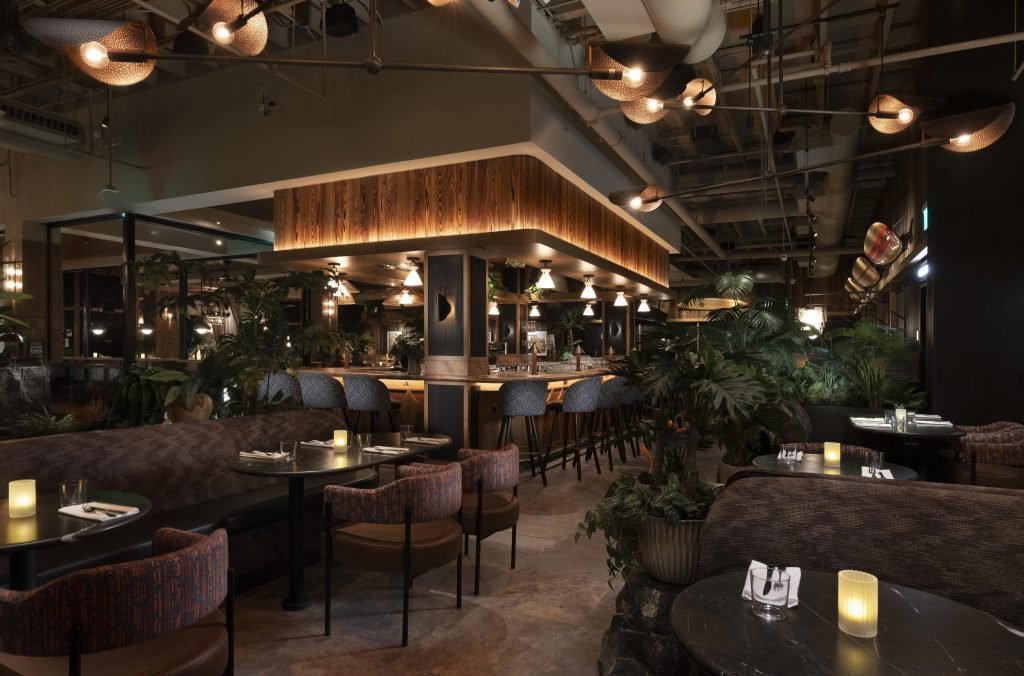
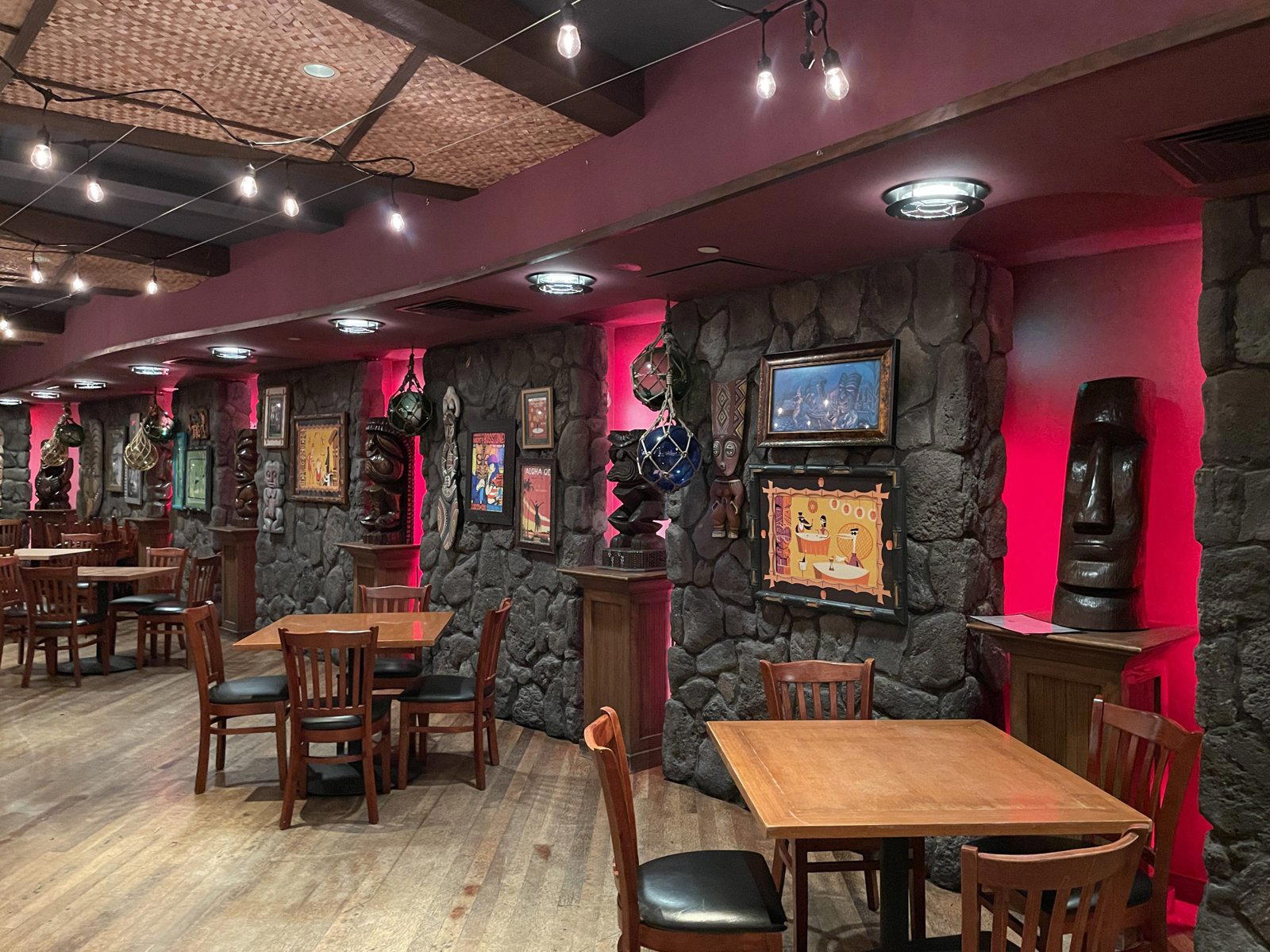
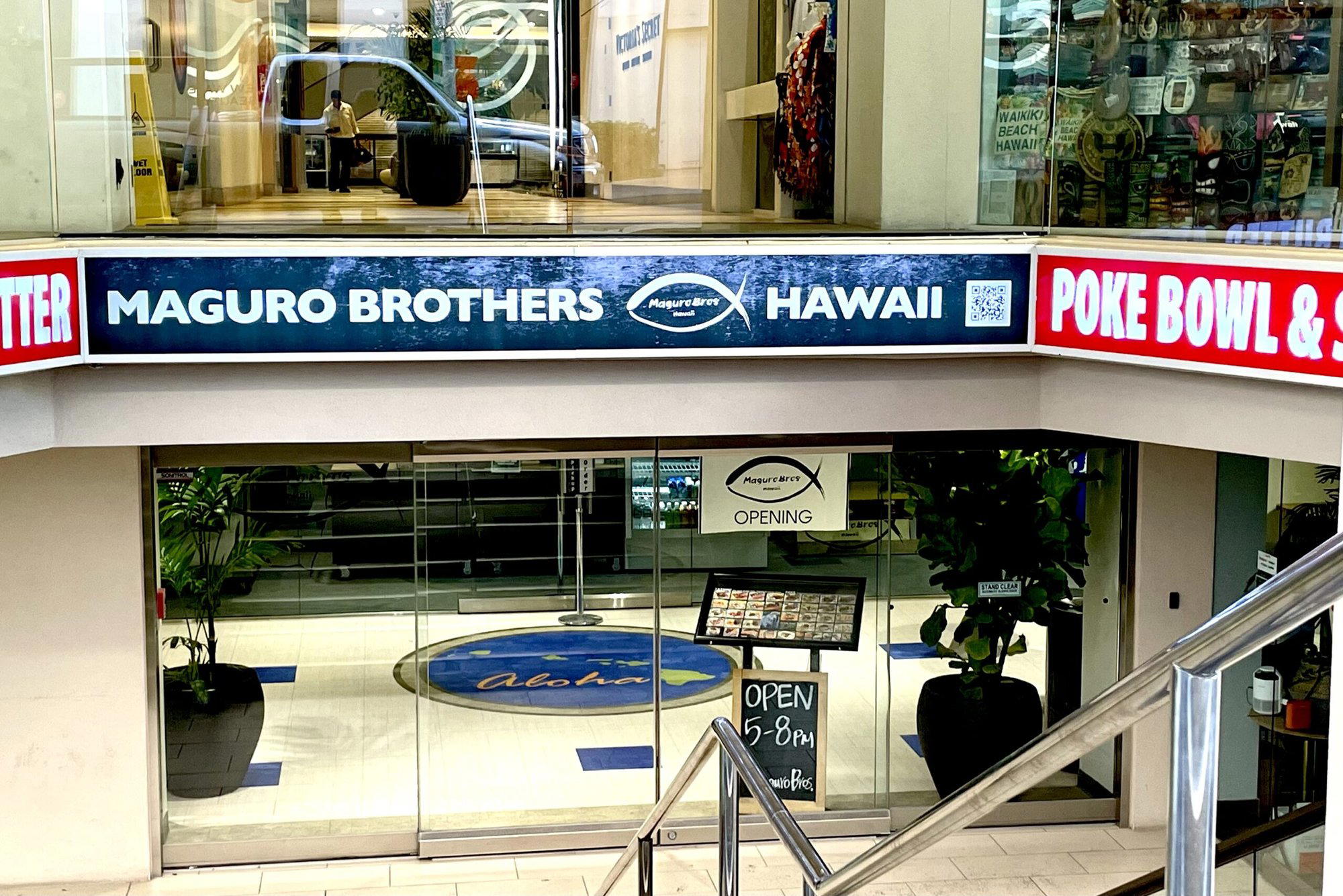
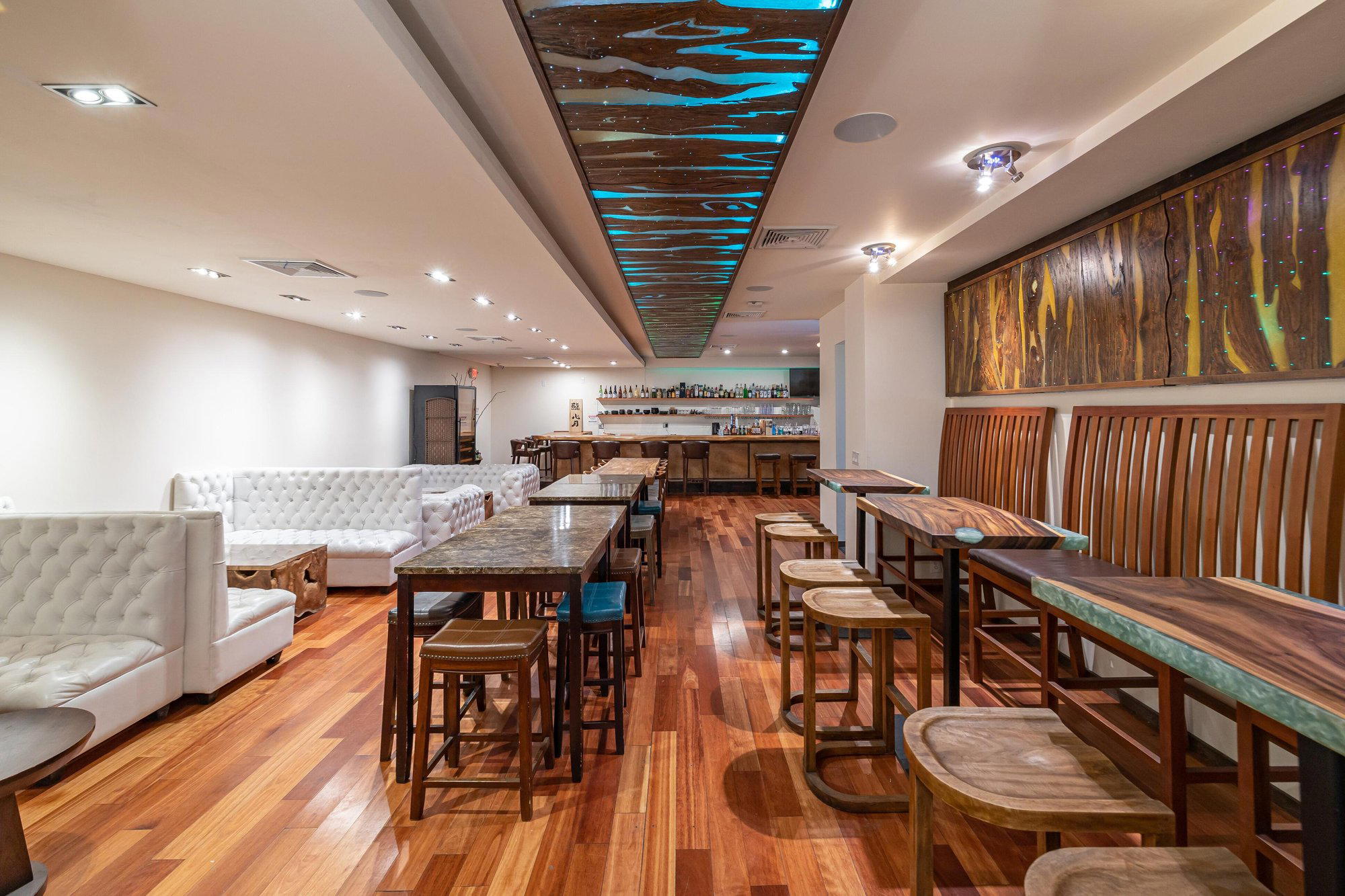
Casual outdoor covered seating with a gift shop, casual fast-food diner atmosphere with no frills; lively with lines typical during peak hours.
Know Before You Go
- Getting there
- 3308 Kanaina Ave, Honolulu, HI 96815