Our verdict
Positioned on Place Jacques-Cartier in Old Montreal, Maggie Oakes sits at one of the city's most historically charged addresses, where the divide between tourist-facing terrasse culture and serious local dining is sharpest. The room and its service cadence shift noticeably between lunch and dinner, making the time of day you choose to visit a genuine editorial consideration rather than a trivial detail.

Pearl is the En Primeur Club membership app — saves, bookings, and concierge access live there. Same editors, same standards.
The menu
What to order
- Dry-Aged Côte de Boeuf
- Eggs Benedict
- Tomahawk
Old Montreal and the Problem of Place Jacques-Cartier
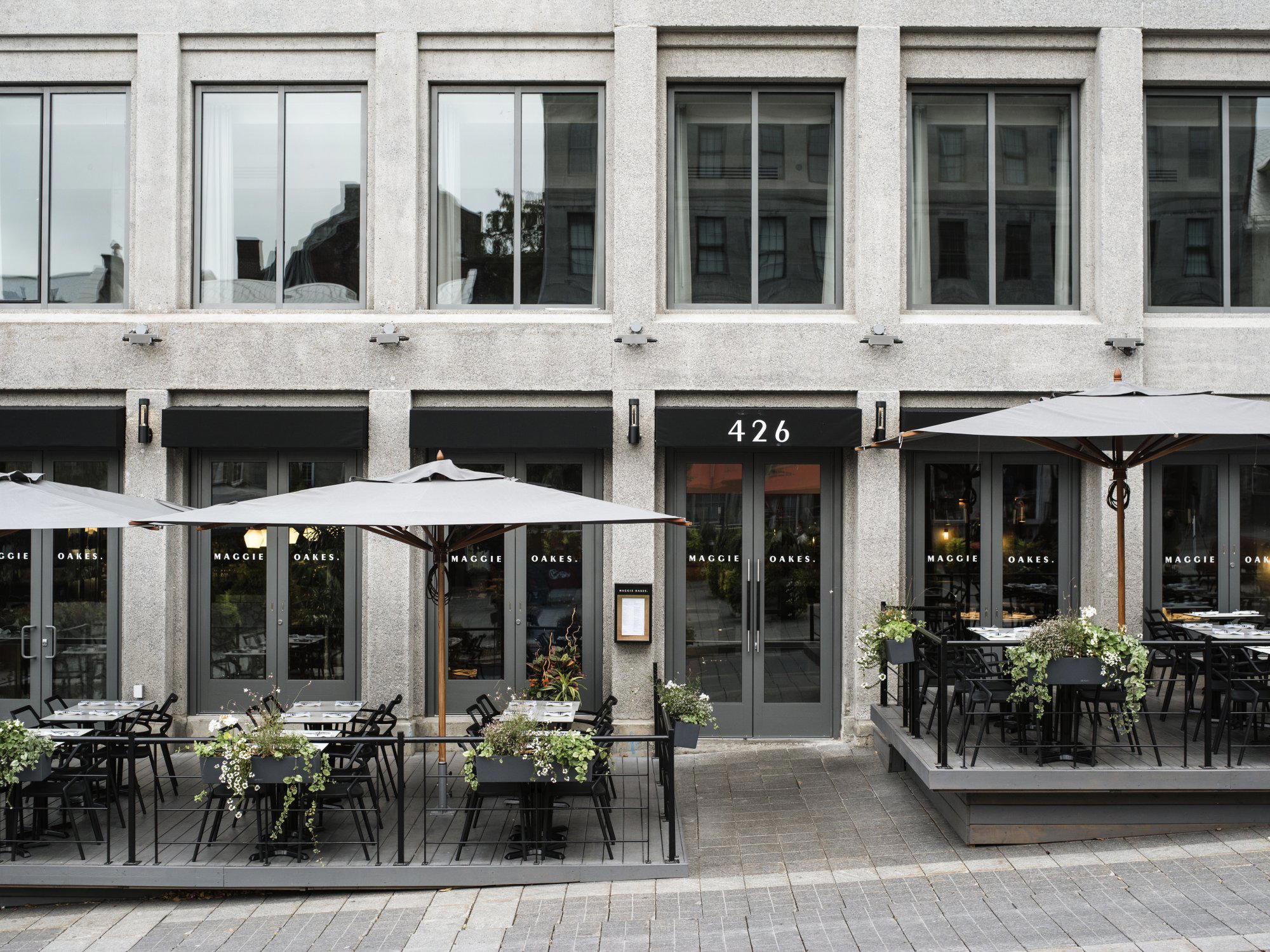
Few addresses in Canadian dining carry as much contextual weight as Place Jacques-Cartier. The cobblestoned square at the heart of Old Montreal draws more foot traffic per square metre than almost any other public space in the city, and restaurants here tend to split into two distinct camps: those oriented toward the tourist economy of summer terrasses and group menus, and those that use the location as real estate while building a program that speaks to a different clientele. Where a restaurant falls on that spectrum is usually apparent within the first few minutes of sitting down. Maggie Oakes, at 426 Place Jacques-Cartier, occupies this charged geography and invites the kind of scrutiny that comes with it.
Old Montreal's dining scene has matured considerably over the past decade. The neighbourhood that once leaned almost entirely on its visual drama — the grey stone, the carriage routes, the St. Lawrence sightlines — now houses some of the city's more considered rooms alongside the crowd-facing establishments. That maturation has made it worth separating signal from noise when choosing where to eat here. For context on how the broader Montreal restaurant scene is structured across price tiers and traditions, the full Montreal restaurants guide maps the city's key dining clusters and what distinguishes them.
The Lunch-to-Dinner Shift
In a neighbourhood where terrasse culture peaks between May and September, the difference between a lunch sitting and an evening service at a restaurant like Maggie Oakes is not merely atmospheric, it reflects a genuine bifurcation in who is dining and why. Lunch at Place Jacques-Cartier draws a mix of visitors orienting themselves around the Old Port, local workers from nearby offices and the financial district, and a midday crowd for whom the surrounding squares and waterfront are part of the experience. The pace is faster, the natural light does the room's work, and value-per-plate tends to matter more to the average table.
Evening service shifts the calculus. The tourist foot traffic that defines the square by day recedes into the background, and the room's character is more dependent on how the kitchen and front-of-house choose to orient themselves after dark. Across Montreal's dining tiers, this pattern is consistent: places that handle both services well are comparatively rare. The leading dinner-only programs in the city, including high-commitment tasting menus at addresses like Jérôme Ferrer - Europea and more ingredient-driven modern rooms such as Mastard and Sabayon, tend to specialise in one register rather than straddle both.
For a restaurant on Place Jacques-Cartier, the question is whether the evening service distinguishes itself from the daytime offering in a way that justifies the deliberate choice of coming at night, or whether the location's tourist-facing pull flattens the distinction. That question is worth holding in mind when booking.
Old Montreal in a Wider Canadian Context
Montreal's dining culture sits at a particular intersection within the broader Canadian restaurant map. It is neither as export-driven in its fine dining ambitions as Toronto, where Alo has established a formal tasting menu benchmark, nor as ingredient-focused in its regional sourcing as some of the province's own outliers, like Tanière³ in Quebec City, which has built its reputation around hyper-local Québécois terroir. Montreal occupies a more plural space: French bistro tradition running through addresses like L'Express, deli culture anchored by institutions like Schwartz's, and a modern dining tier that includes four-dollar-sign rooms such as Toqué and Europea at one end, and more accessible contemporary addresses in the mid-range.
Regionally, Canada's more interesting dining experiments are often happening in smaller cities or rural contexts: AnnaLena in Vancouver, Narval in Rimouski, Restaurant Pearl Morissette in Lincoln, and destination-format properties like Eigensinn Farm in Singhampton or The Pine in Creemore represent a category of Canadian dining that is deliberately removed from urban restaurant competition. Old Montreal's restaurants operate under different pressures: high visibility, significant real estate costs, and a customer base that is partly local and partly transient.
That context shapes what a restaurant at this address can realistically be. It is not the format for a 12-seat counter operating on a single nightly seating. The Old Montreal restaurant that works across lunch and dinner, in both languages, for both visitors and regulars, is doing something structurally difficult.
Neighbourhood Placement and Practical Considerations
Place Jacques-Cartier is a short walk from the Old Port metro area and sits within easy reach of the Champ-de-Mars metro station on the Green Line. The square itself becomes considerably more animated from late spring through early autumn, when the terrasse season is in full effect and competition for outdoor tables is high. Arriving at peak lunch hours during summer without a reservation at any address on or near the square is a calculated risk. Evenings mid-week offer more flexibility than Friday and Saturday, when the neighbourhood's combination of hotel guests, pre-theatre diners, and weekend visitors creates consistent demand pressure across most rooms.
For those building a wider Old Montreal dining itinerary, nearby options worth considering include 3 Pierres 1 Feu and Abu el zulof, which represent different points on the neighbourhood's cuisine spectrum. Further afield, Aux Anciens Canadiens in Quebec City offers a useful reference point for how heritage Québécois dining operates in a similarly historic setting.
For comparison with restaurants operating at different price tiers in other Canadian cities, Barra Fion in Burlington and Bearspaw Golf Club in Calgary illustrate how dining formats adapt across regional contexts. For reference points at the upper end of North American restaurant programming, Le Bernardin in New York City and Atomix in New York City anchor what the most decorated rooms on the continent are doing at the tasting menu level.
Frequently asked questions
Where do I go for Maggie Oakes?
Maggie Oakes is located at 426 Pl. Jacques-Cartier, Montréal, QC H2Y 3B3, Canada, Montreal.
Is Maggie Oakes a good option for dining in Old Montreal near the Old Port metro area?
Maggie Oakes is located at 426 Place Jacques-Cartier, within walking distance of the Old Port waterfront and a short distance from the Champ-de-Mars metro station on the Green Line. That placement puts it at the geographic centre of Old Montreal's restaurant cluster, which means it benefits from the neighbourhood's historic setting while competing within one of Montreal's most visited dining corridors. For visitors already in the area, the address requires no significant detour.
What should I eat at Maggie Oakes?
Given its position on Place Jacques-Cartier in Old Montreal, the kitchen operates within a neighbourhood where terrasse dining and seasonal Quebec produce shape most menus.
Cuisine Lens
Comparable venues nearby, for context on price, style, and recognition.
| Venue | Cuisine | Price | Awards | Notes |
|---|---|---|---|---|
| Maggie OakesThis venue — the venue you are viewing | Modern Steakhouse Brasserie | $50–100 | Not listed | Not listed |
| Moishes | Classic Montreal Steakhouse | $50–100 | Wine Spectator Best of Award of Excellence | Quartier international de Montreal |
| Restaurant Veranda | Modern Indian Fusion | $30–50 | Not listed | Vieux Montréal |
| Pincette | Modern Seafood Lobster Bar | $50–100 | Not listed | Vieux Montréal |
| Santos | Spanish Tapas Bar | $30–50 | Not listed | Vieux Montréal |
| Fiorellino | Modern Italian Pizza & Pasta | $30–50 | Not listed | Quartier international de Montreal |
Continue exploring
More in Montréal
Restaurants in Montréal
All restaurants in Montréal →
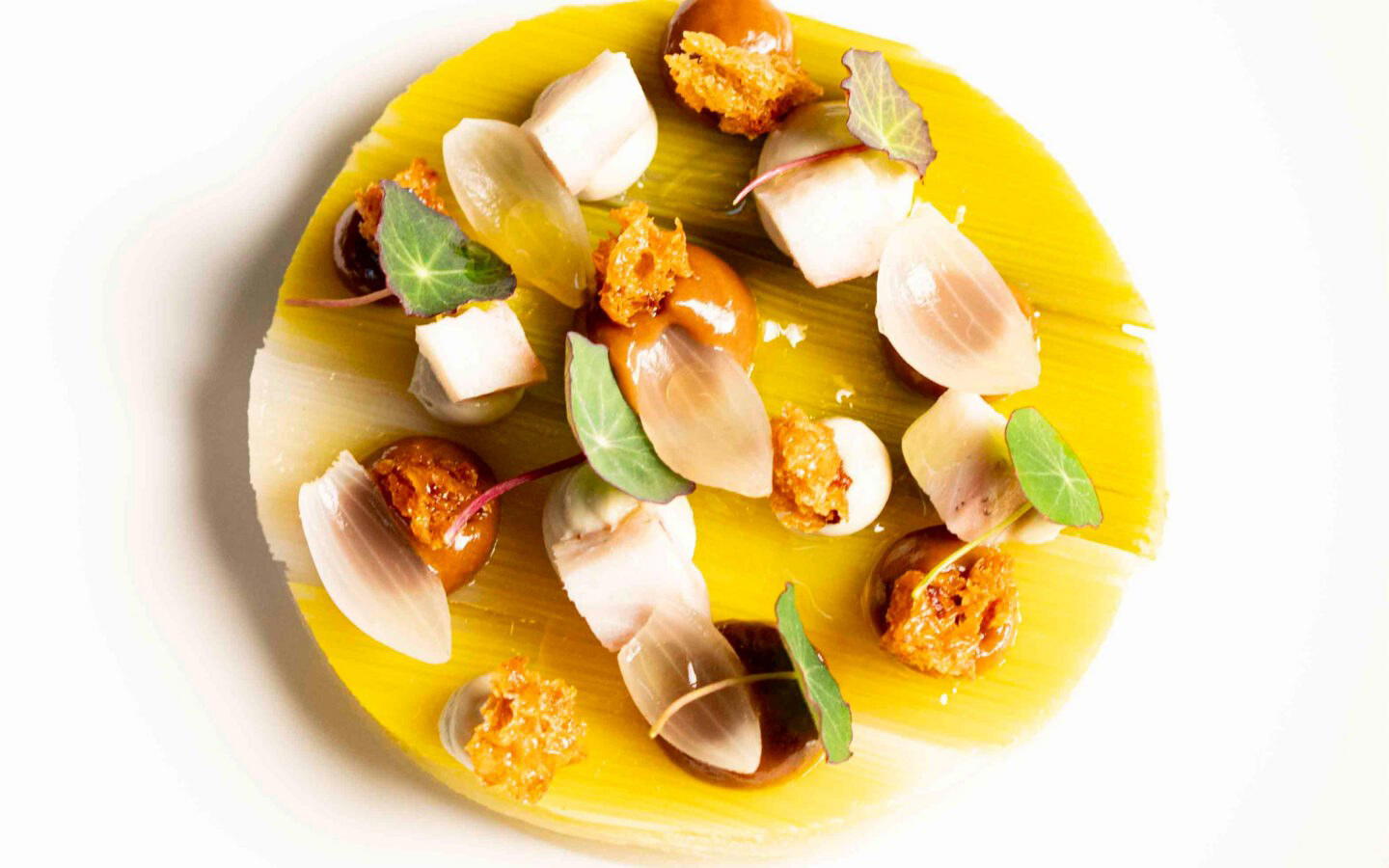
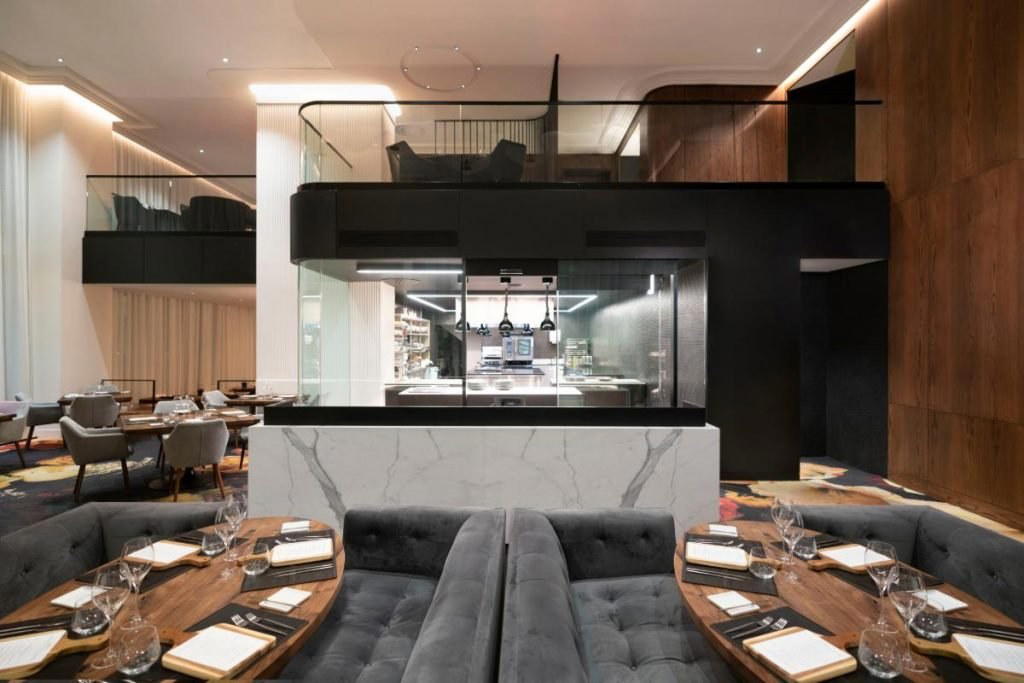
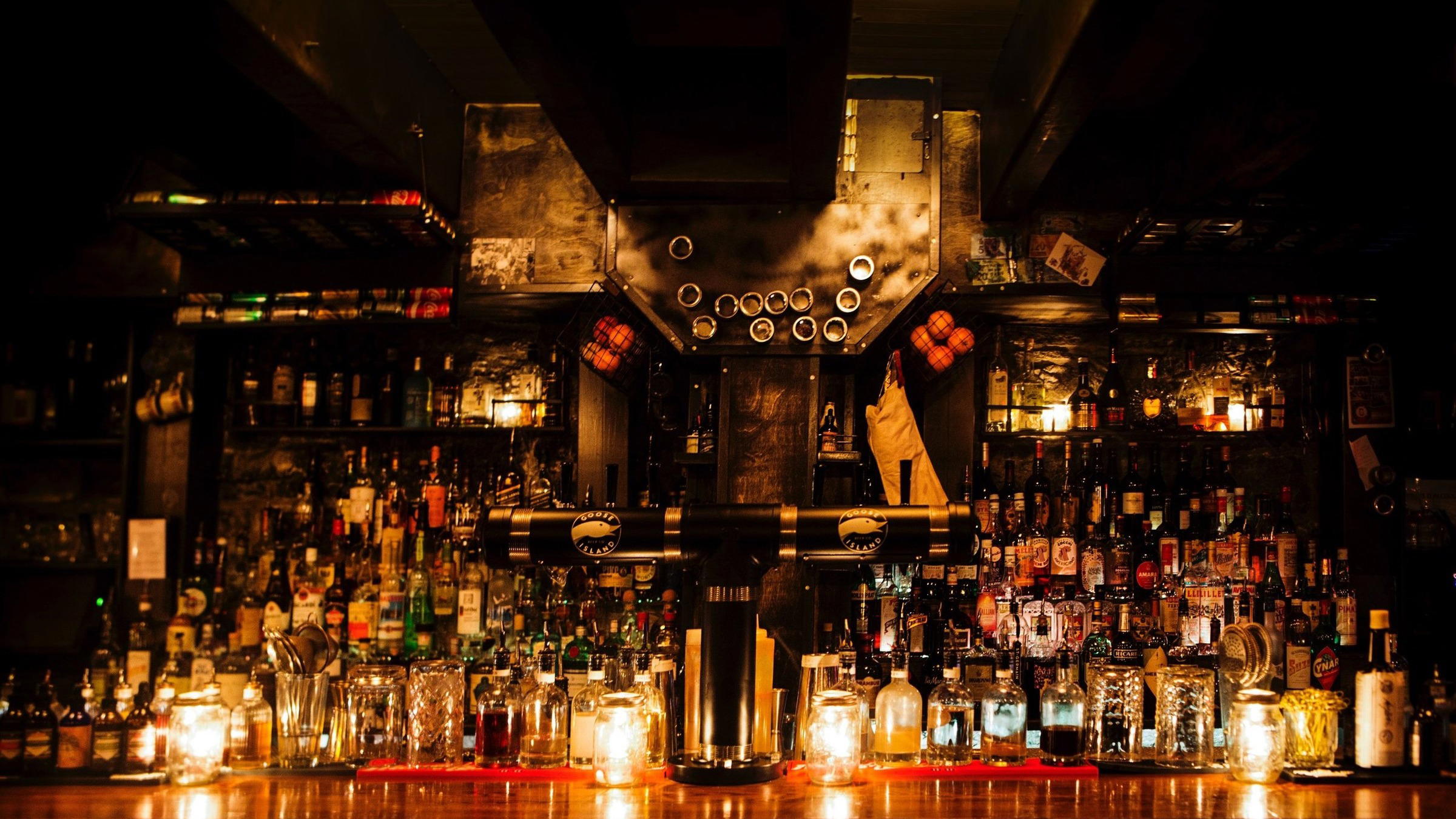
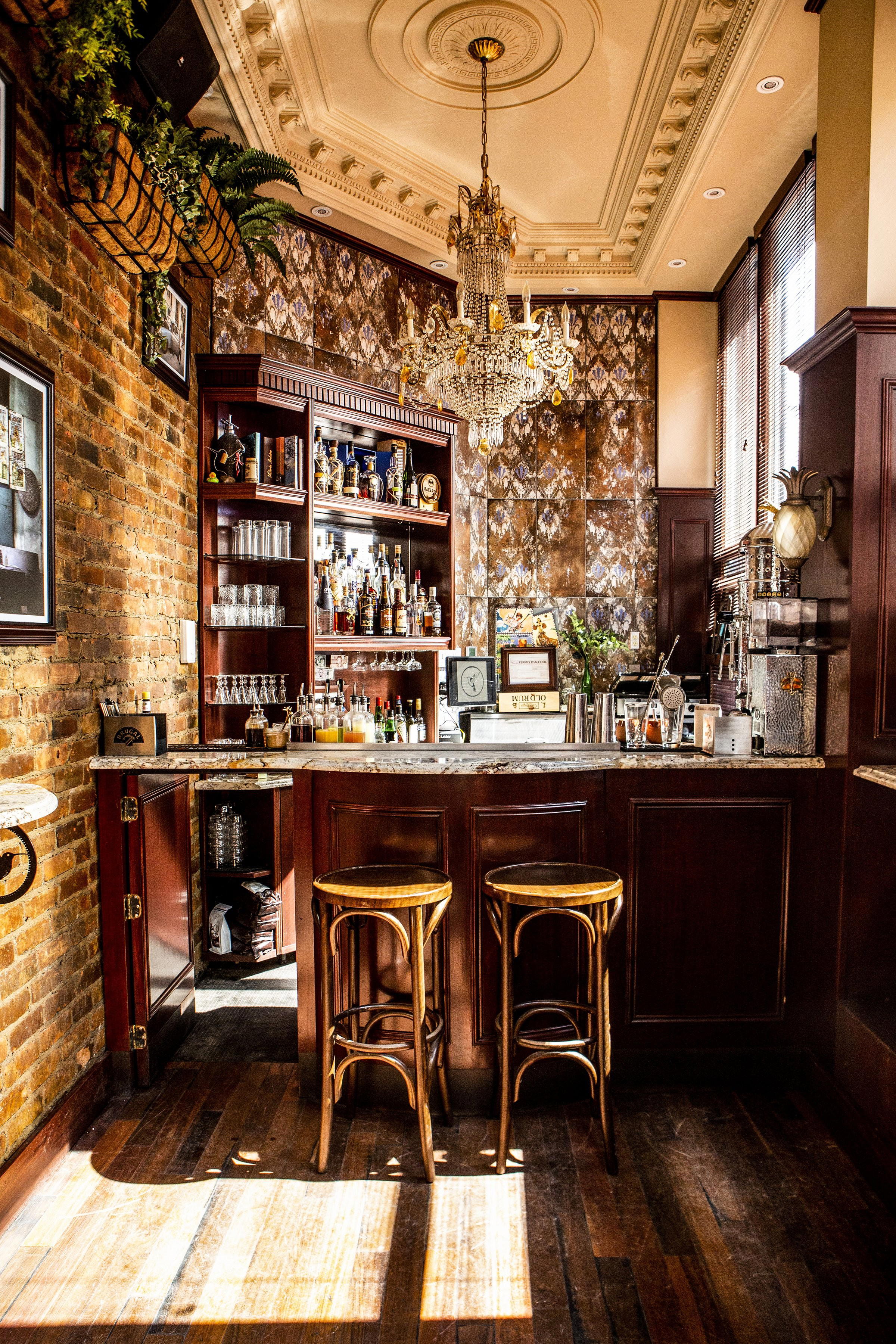
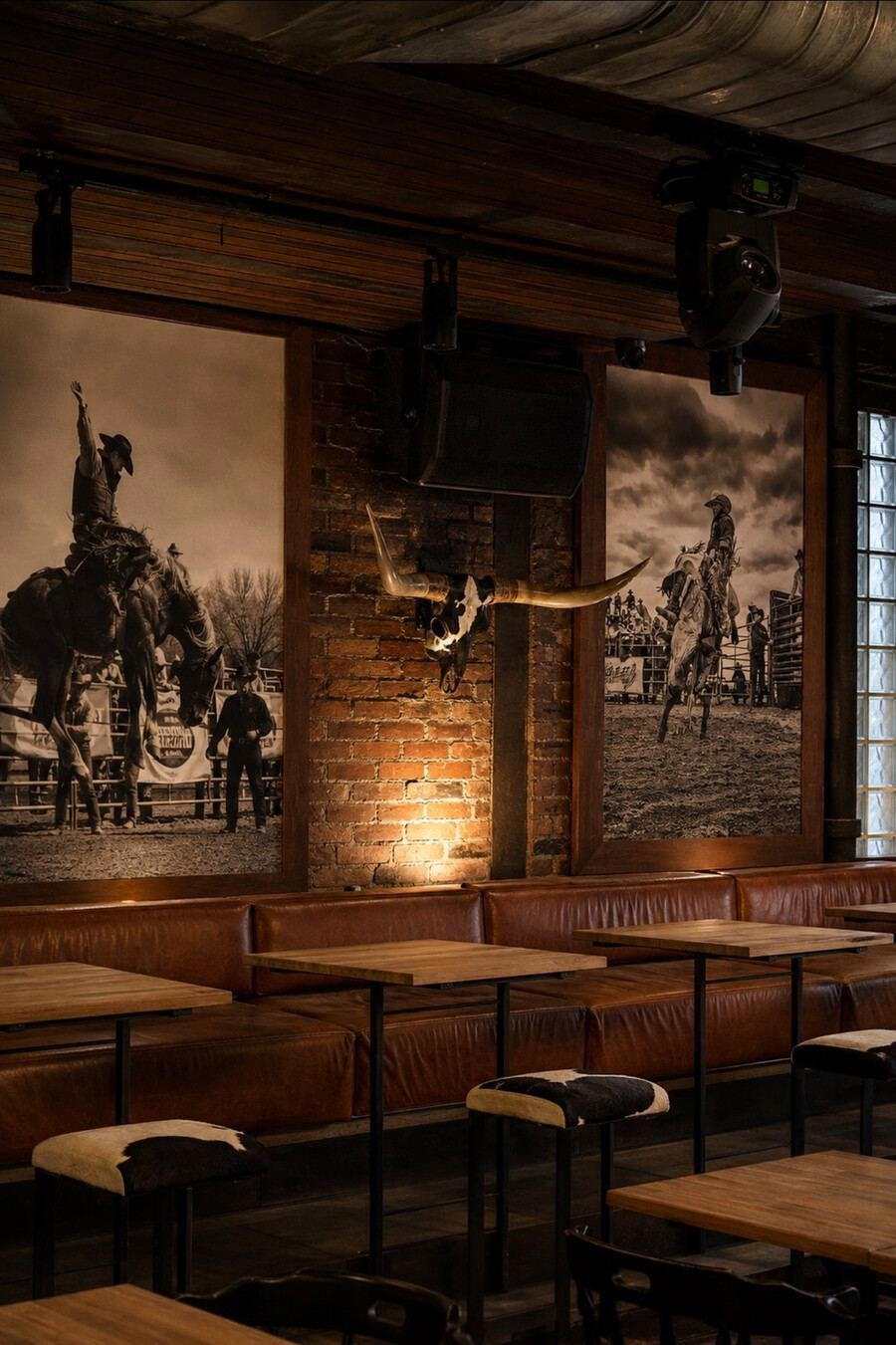
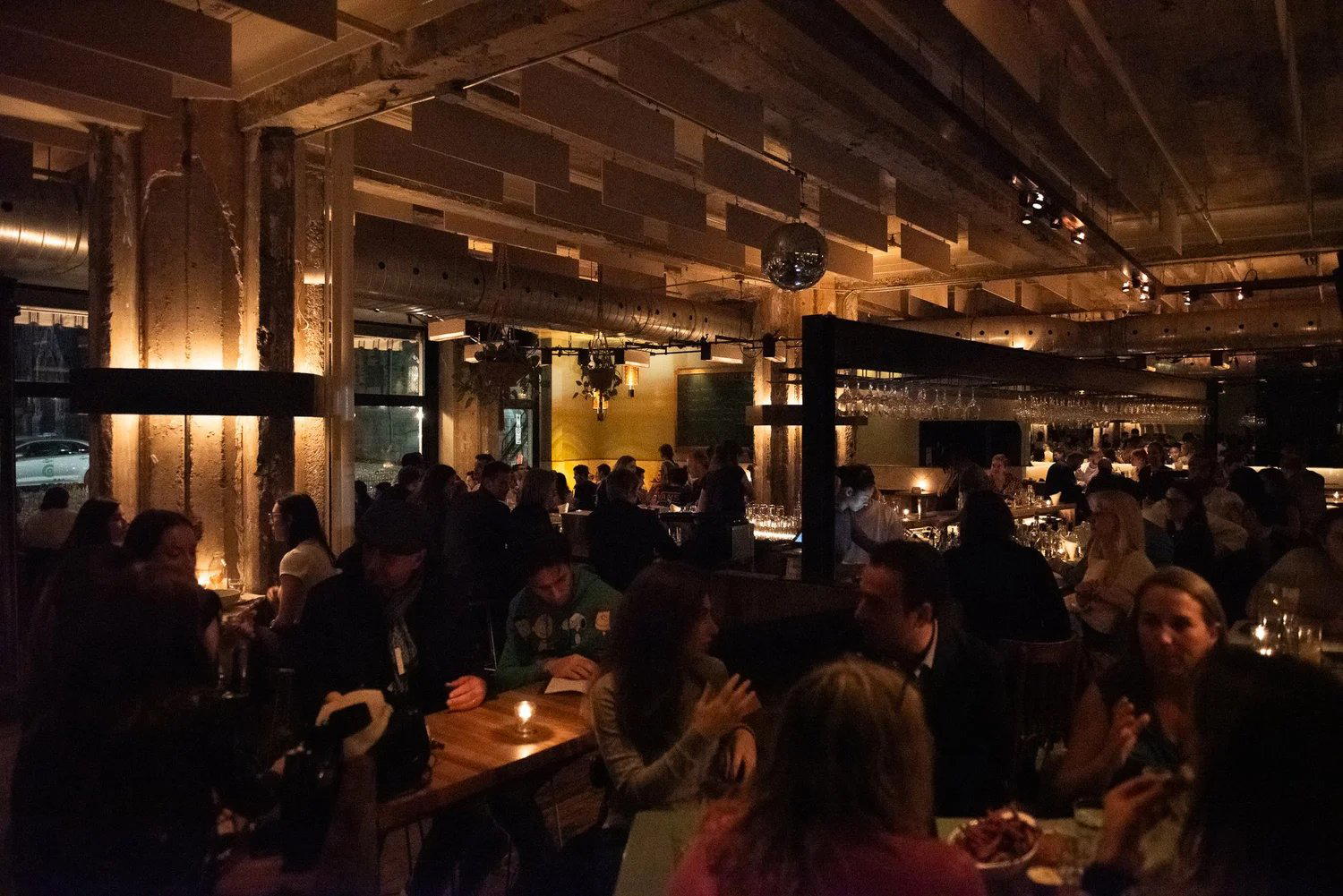
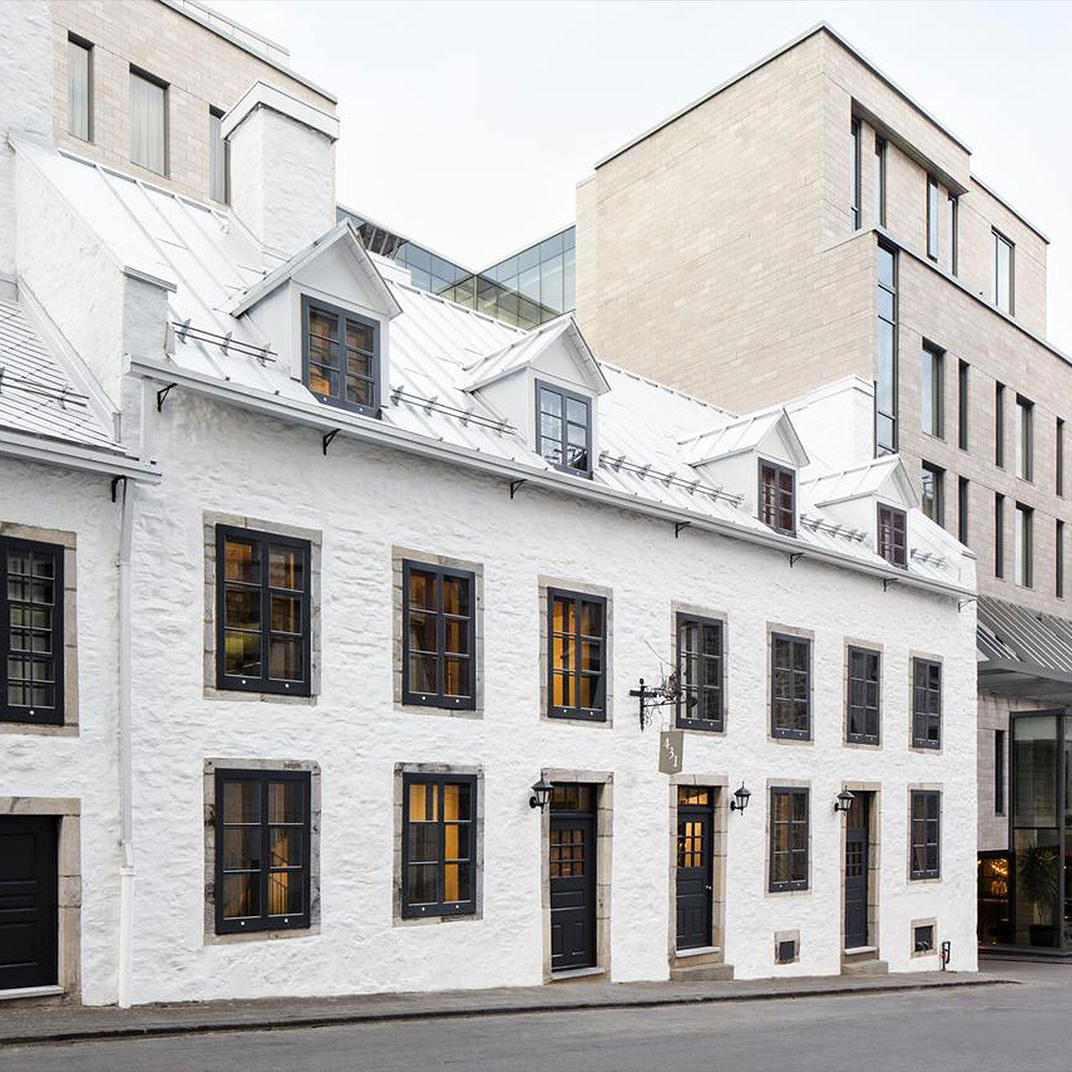
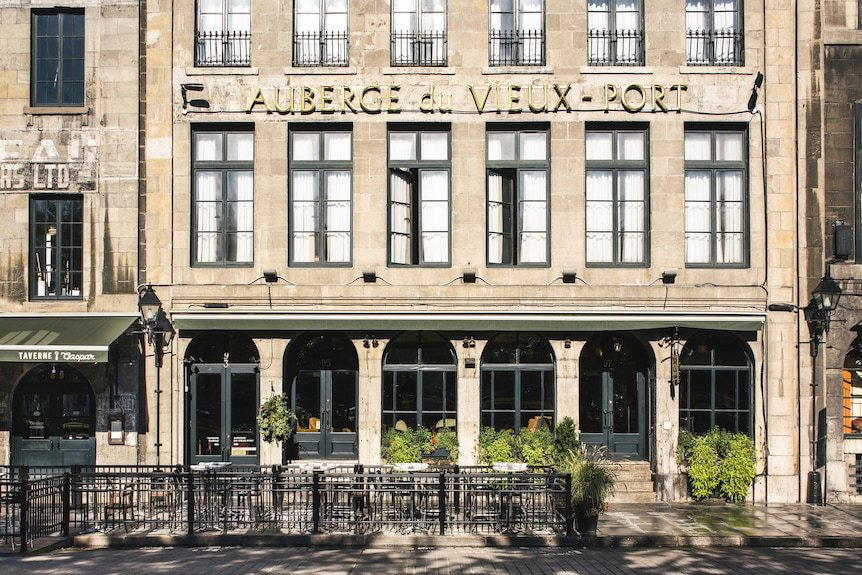
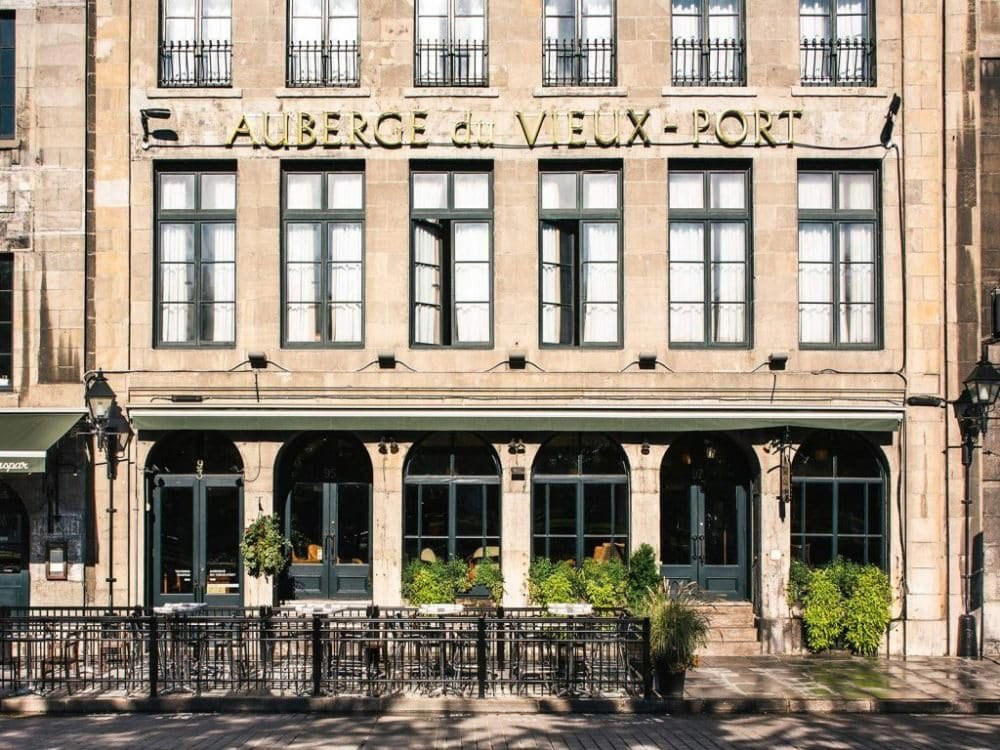
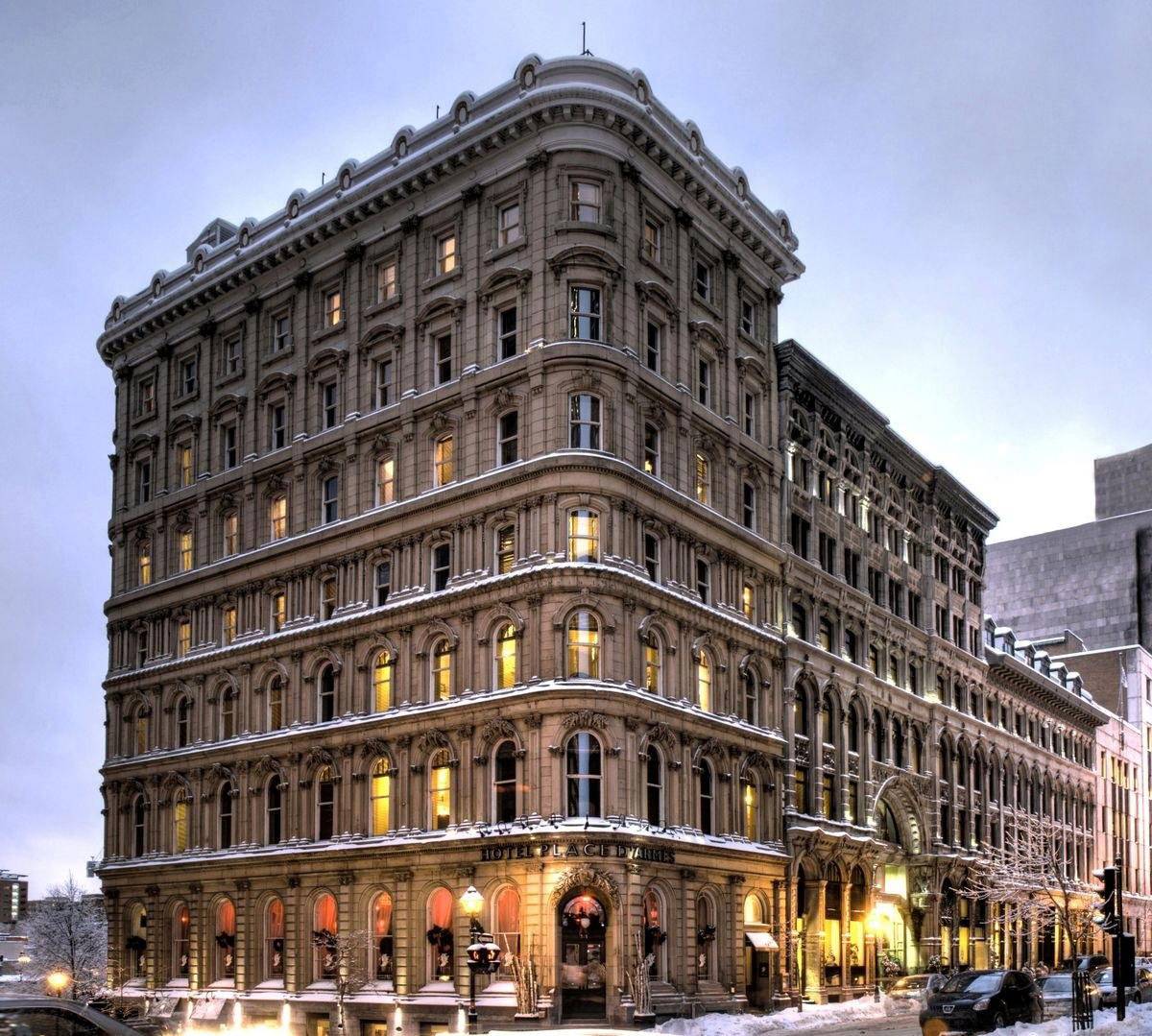
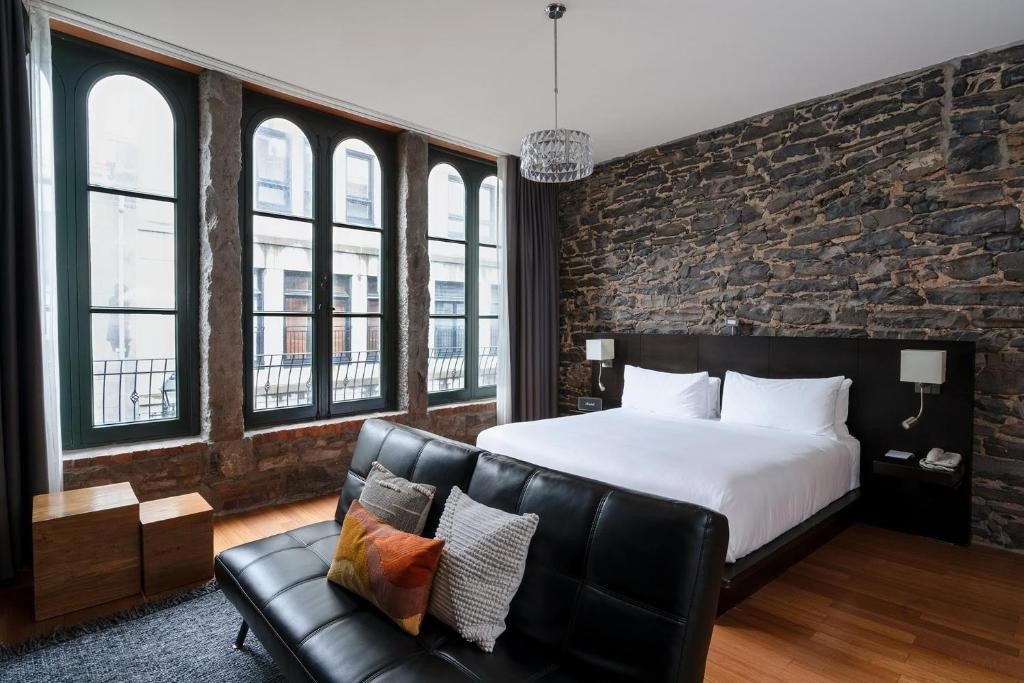
Maggie Oakes
The wine
- Wine program
- Deep wine list
- Extensive wine list
- Craft cocktails
Details
- Elegant
- Cozy
- Sophisticated
- Date Night
- Business Dinner
- Brunch
- Terrace
- Open Kitchen
- Hotel Restaurant
- Extensive Wine List
- Craft Cocktails
- Local Sourcing
- Street Scene
- A La Carte
- Wine
- Cocktails
- Vegetarian Friendly
- Vegan Options
- Gluten Free Options
Current opening hours
- Monday
- 7:30 AM–10 PM
- Tuesday
- 7:30 AM–10 PM
- Wednesday
- 7:30 AM–10 PM
- Thursday
- 7:30 AM–11 PM
- Friday
- 7:30 AM–11 PM
- Saturday
- 7:30 AM–11 PM
- Sunday
- 7:30 AM–10 PM
Hours can change for holidays and private events. Last verified .
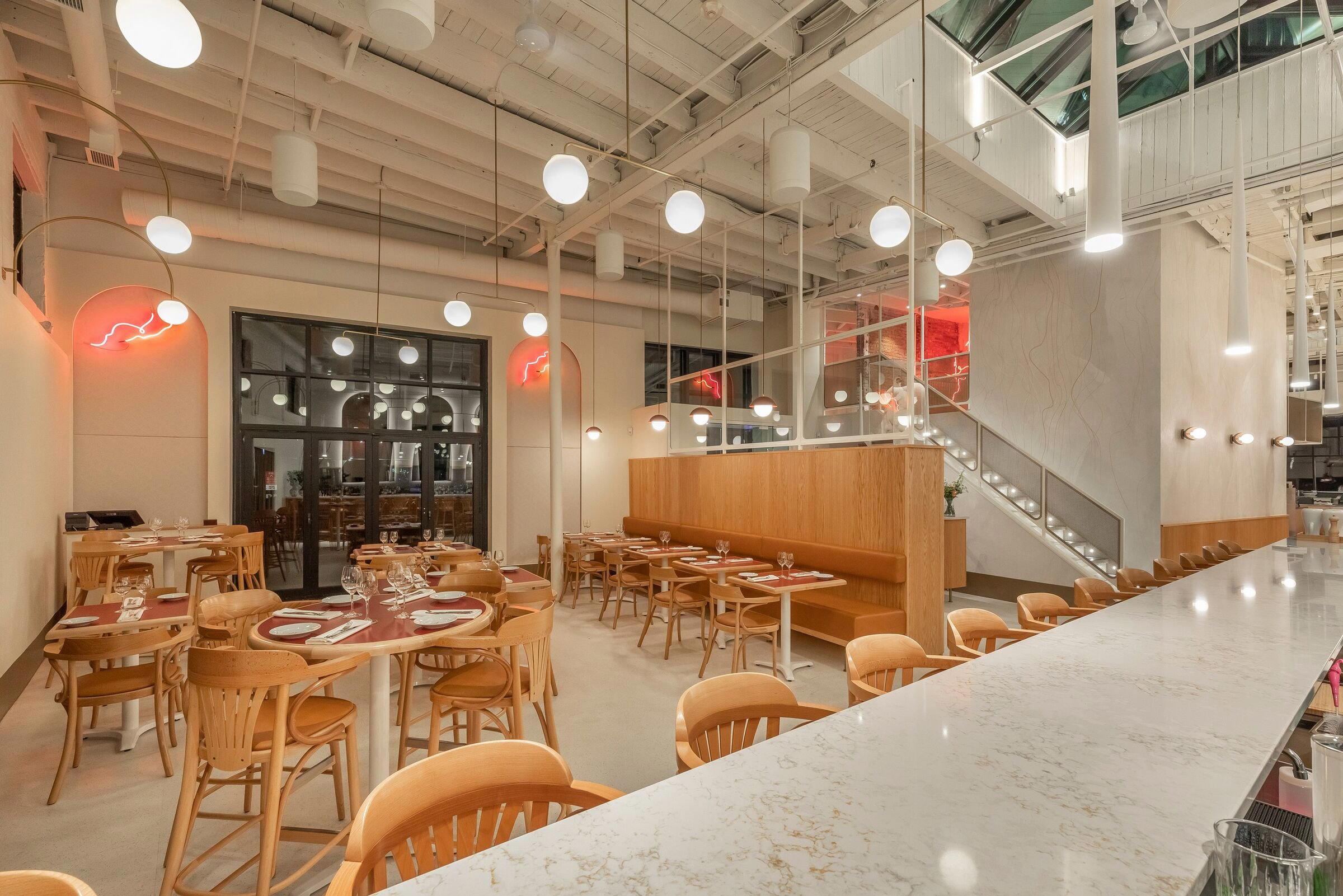
Cozy, warm, and elegant atmosphere with marble, walnut, brass finishes, large glass wine cellar, and distinctive green wall for herbs.