On Rue Saint-Paul Est in Old Montreal, Pincette occupies a stretch where the neighbourhood's stone-walled character and the city's modern dining ambitions meet. The address places it within one of Canada's most concentrated dining corridors, where sourcing ethics and seasonal discipline now define which restaurants hold long-term relevance. A reservation here signals engagement with that conversation.
Pearl is the En Primeur Club membership app — saves, bookings, and concierge access live there. Same editors, same standards.
- Address
- 94 Rue Saint-Paul E, Montréal, QC H2Y 1J1, Canada
- Phone
- +15148764261
- Website
- pincettemtl.com
- Directions
- Get directions
 Saves & bookings on Pearl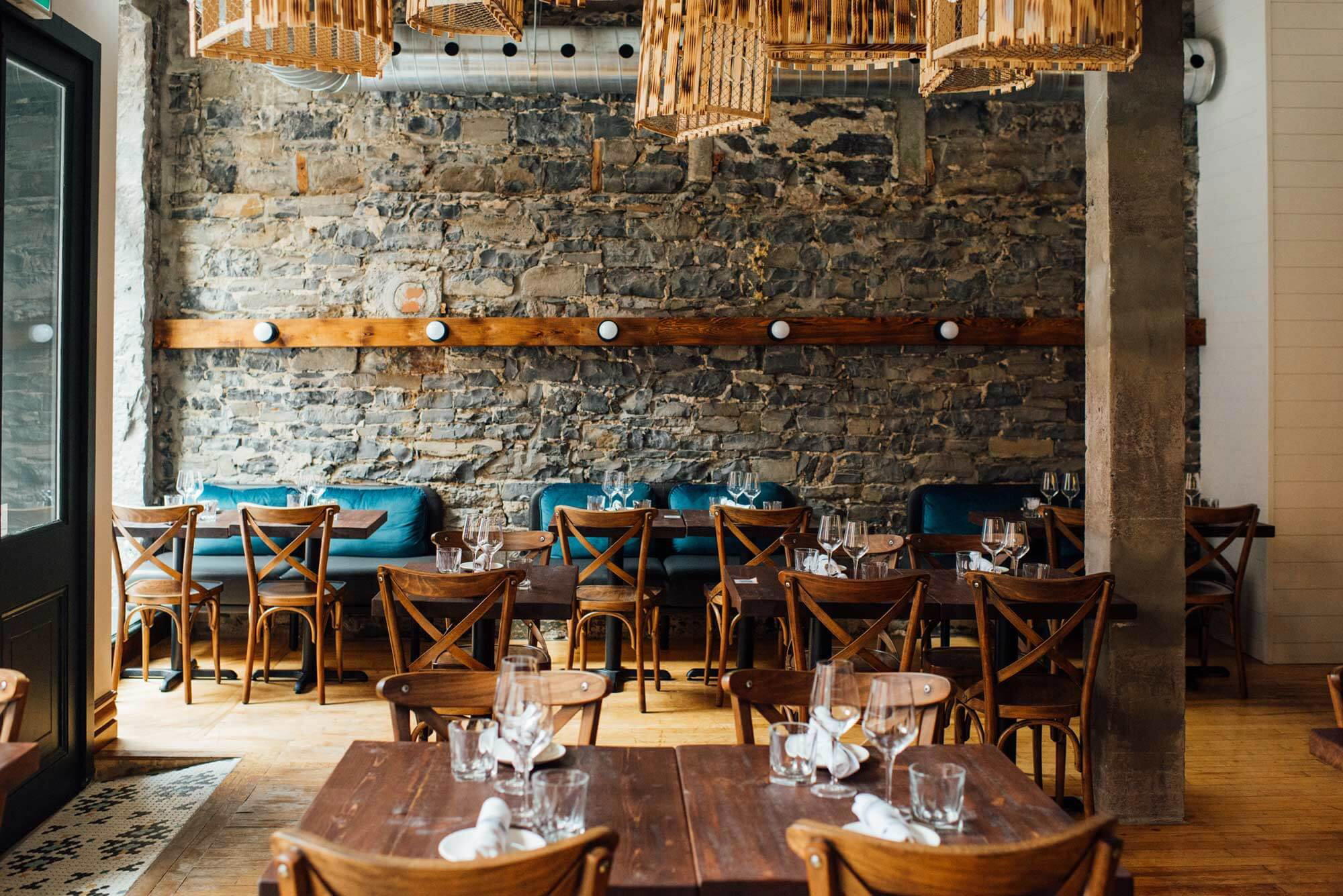
Old Montreal's Sourcing-Driven Dining Shift
Rue Saint-Paul Est has long been Old Montreal's most legible dining address: cobblestones, limestone facades, and a foot-traffic pattern that pulls visitors and locals alike through the same narrow corridor. What has changed in recent years is the nature of the ambition on display inside these rooms. The bistro-and-terrace formula that once defined the street has given way, at the serious end of the market, to something more considered — kitchens treating sourcing transparency and waste reduction not as marketing positions but as operational constraints that shape menus from the ground up. Pincette, at 94 Rue Saint-Paul Est, sits within that shift.
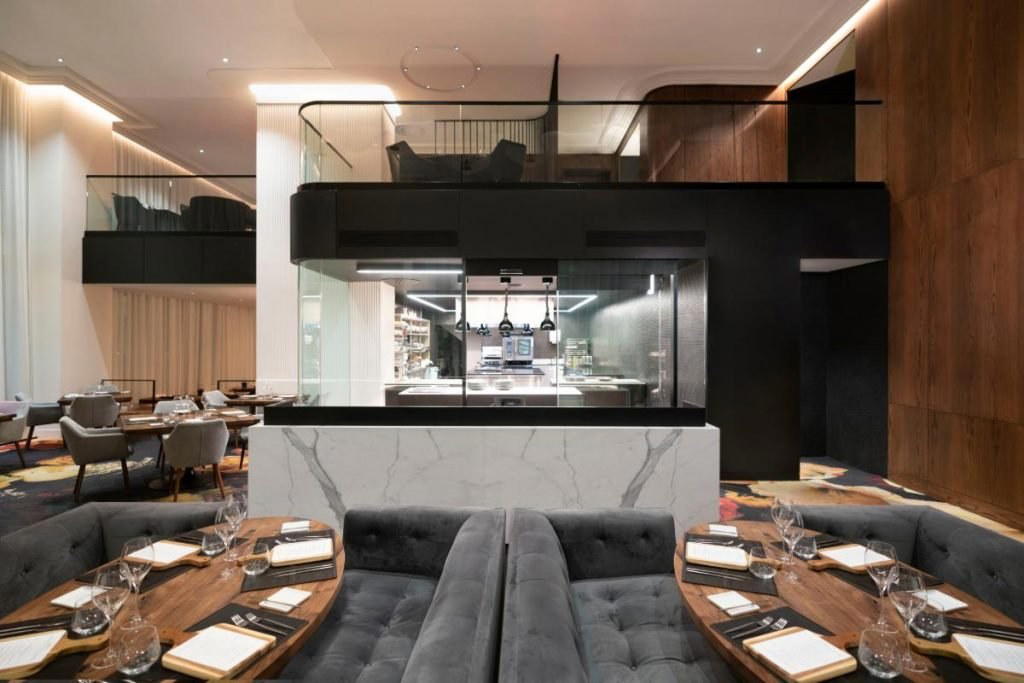
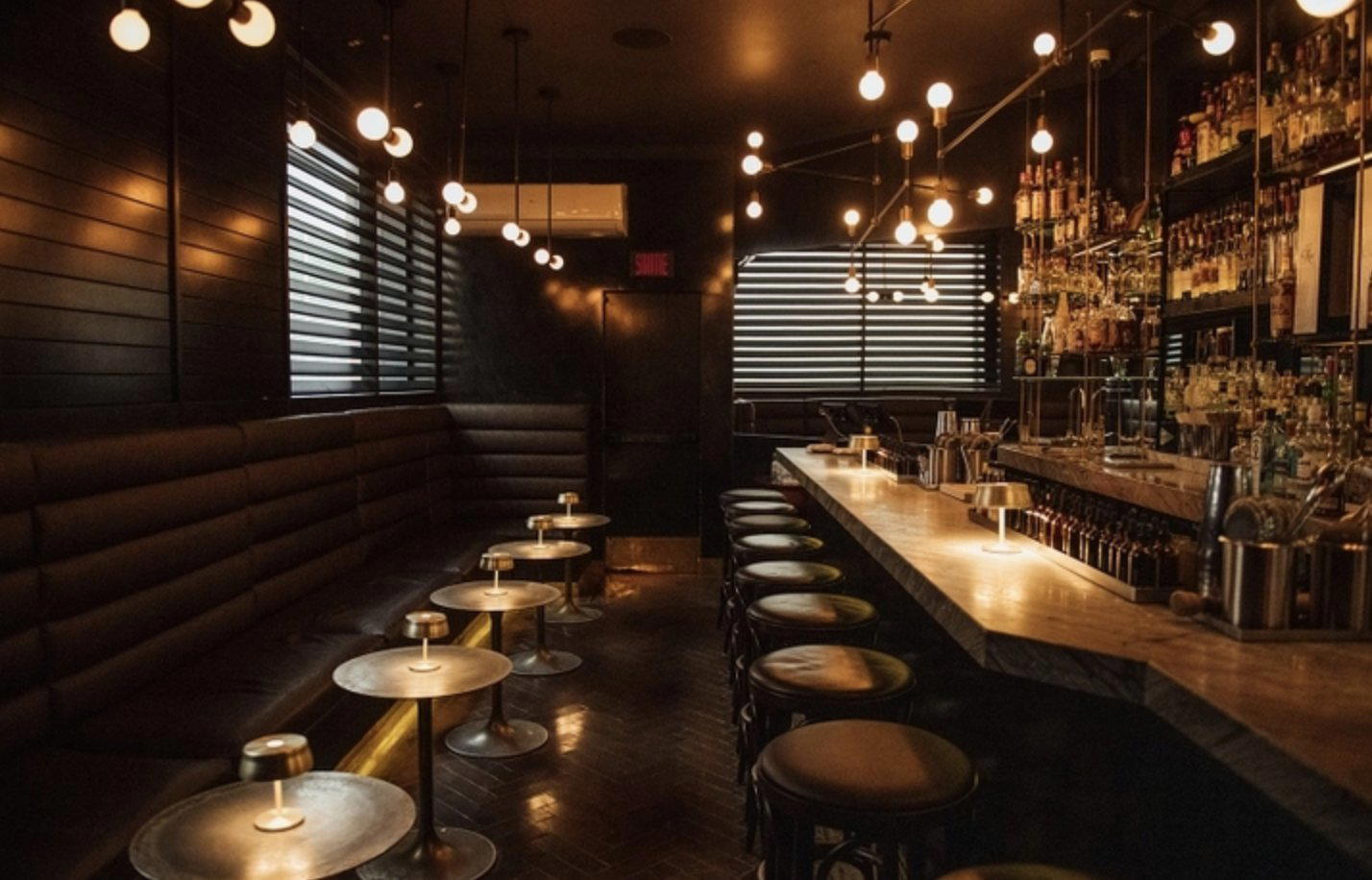
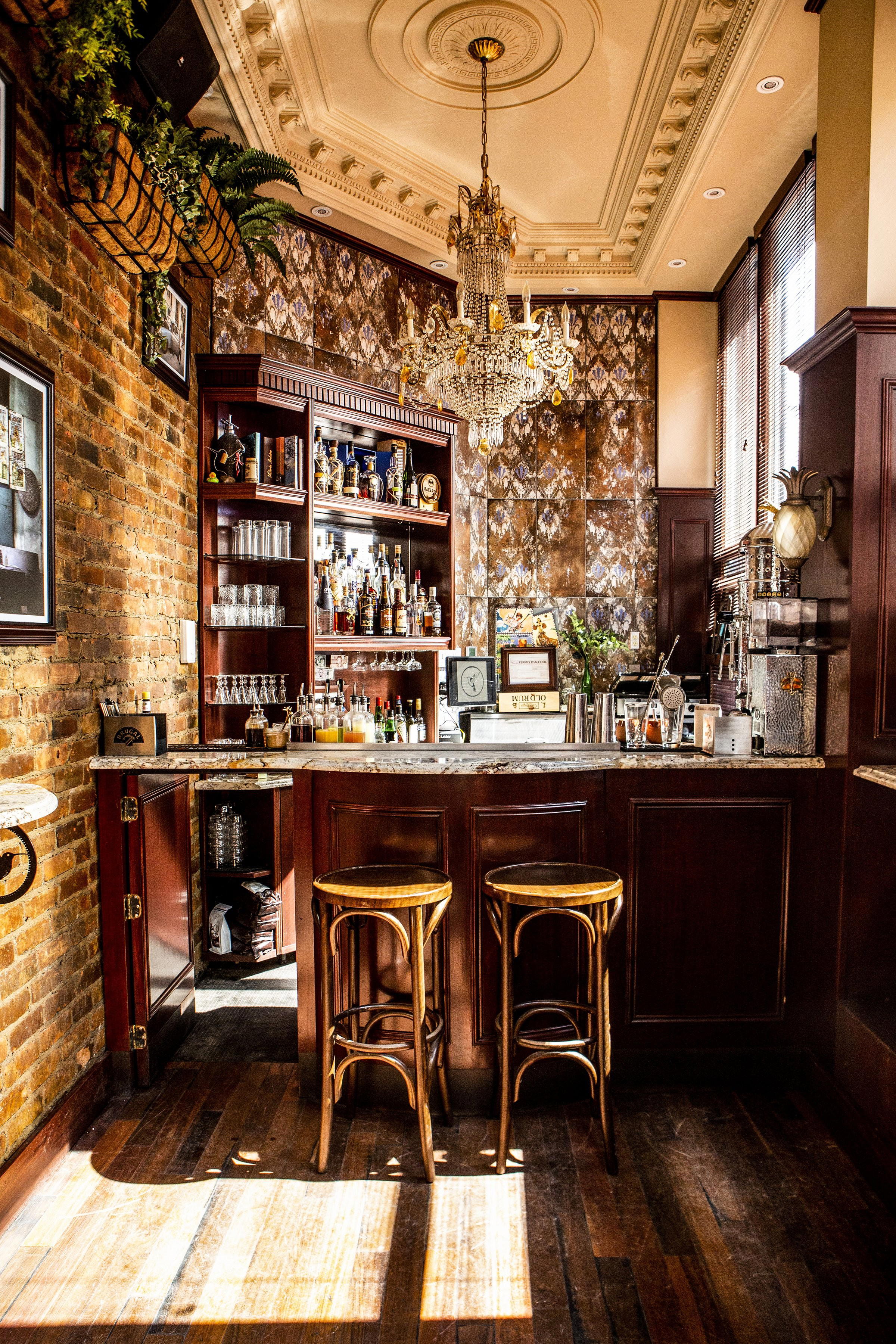
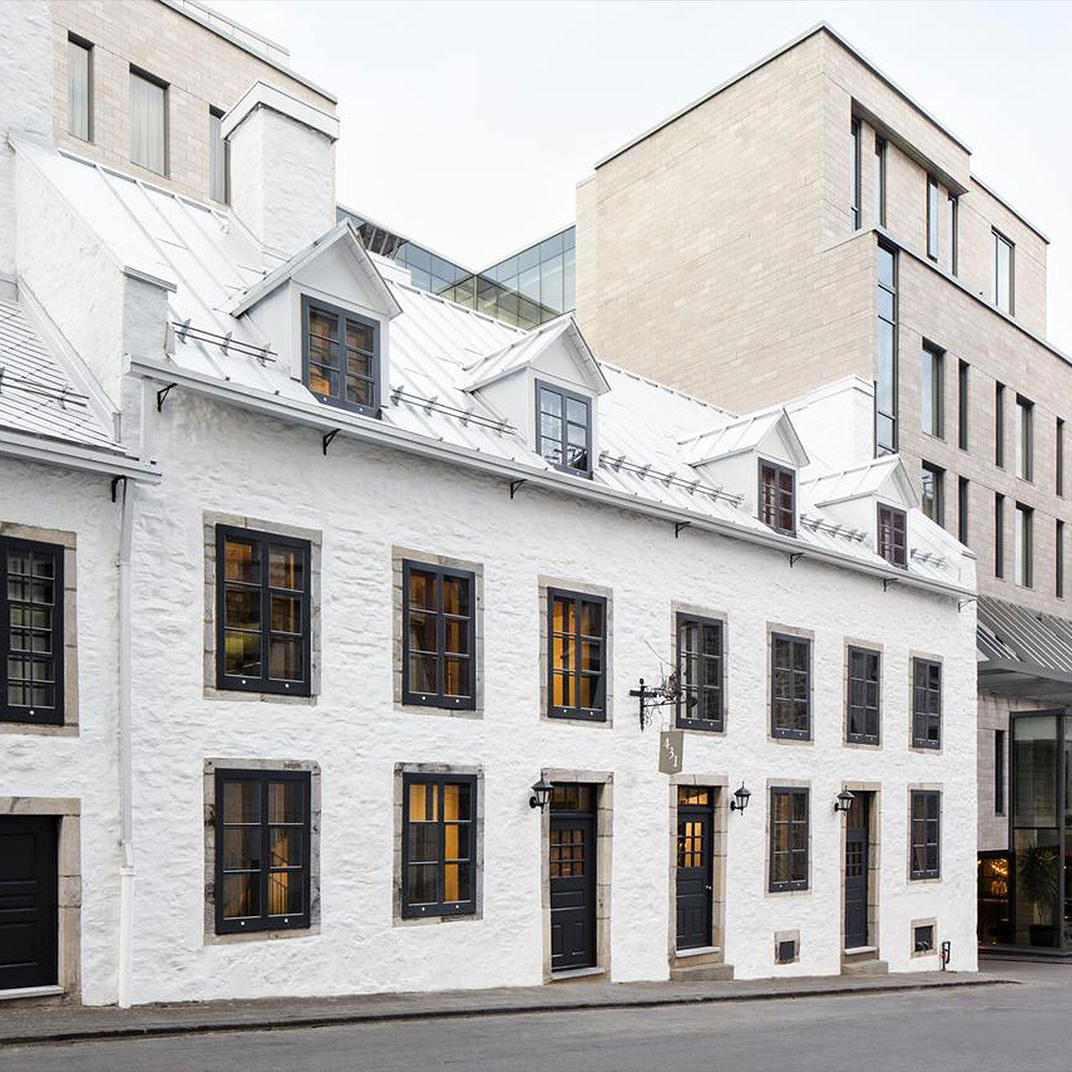
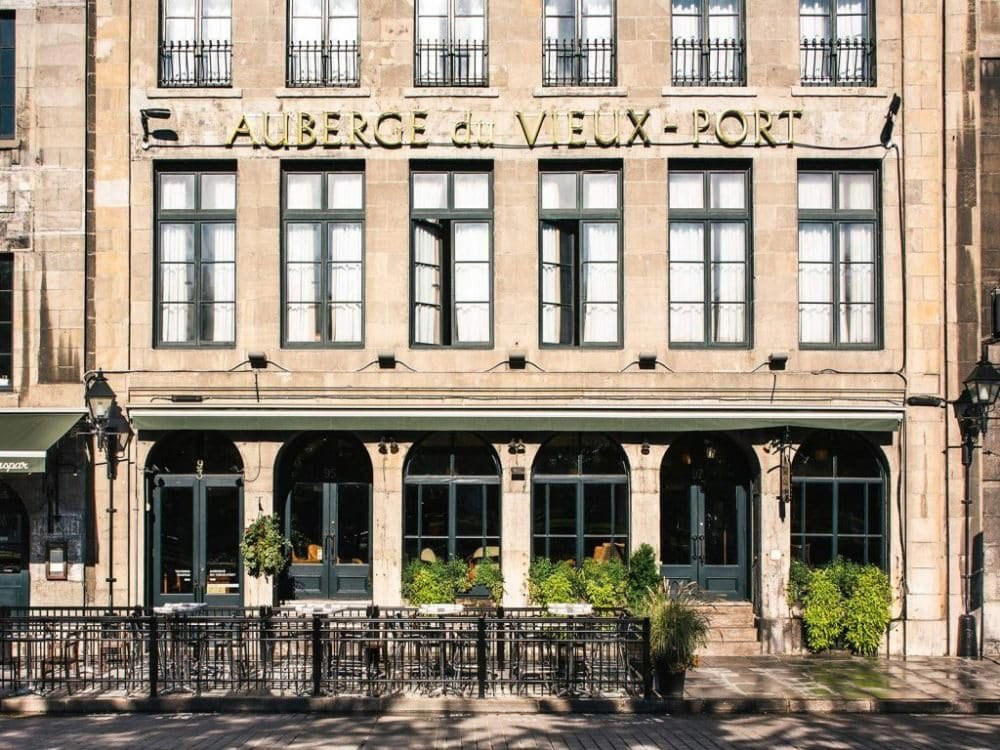
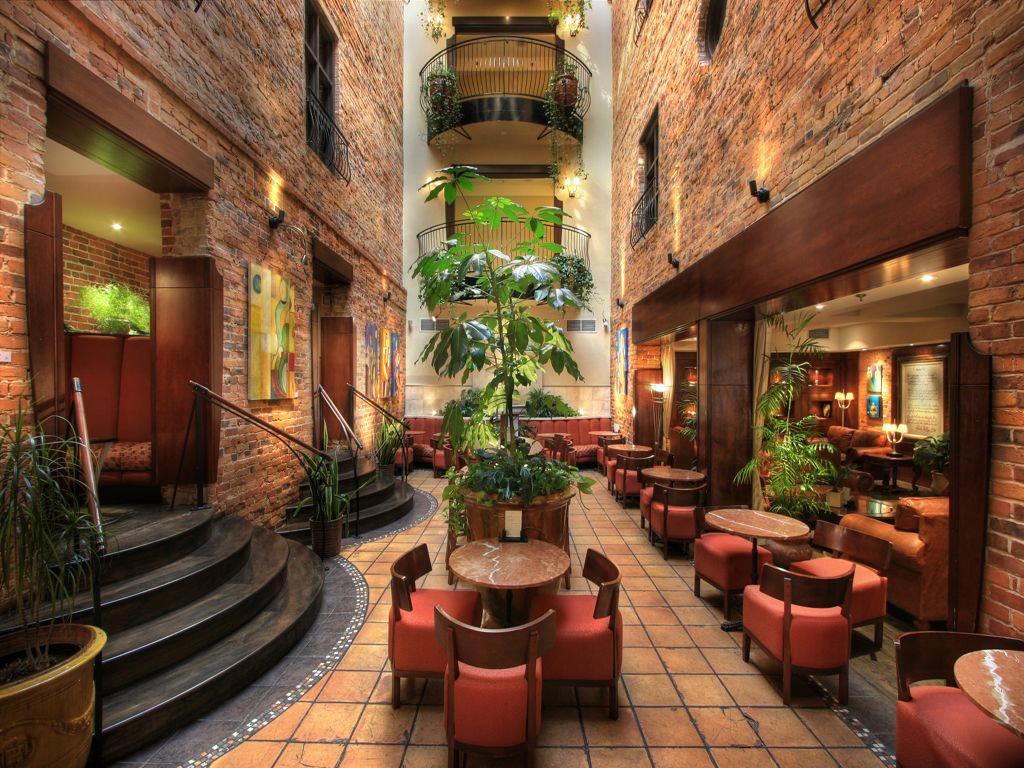
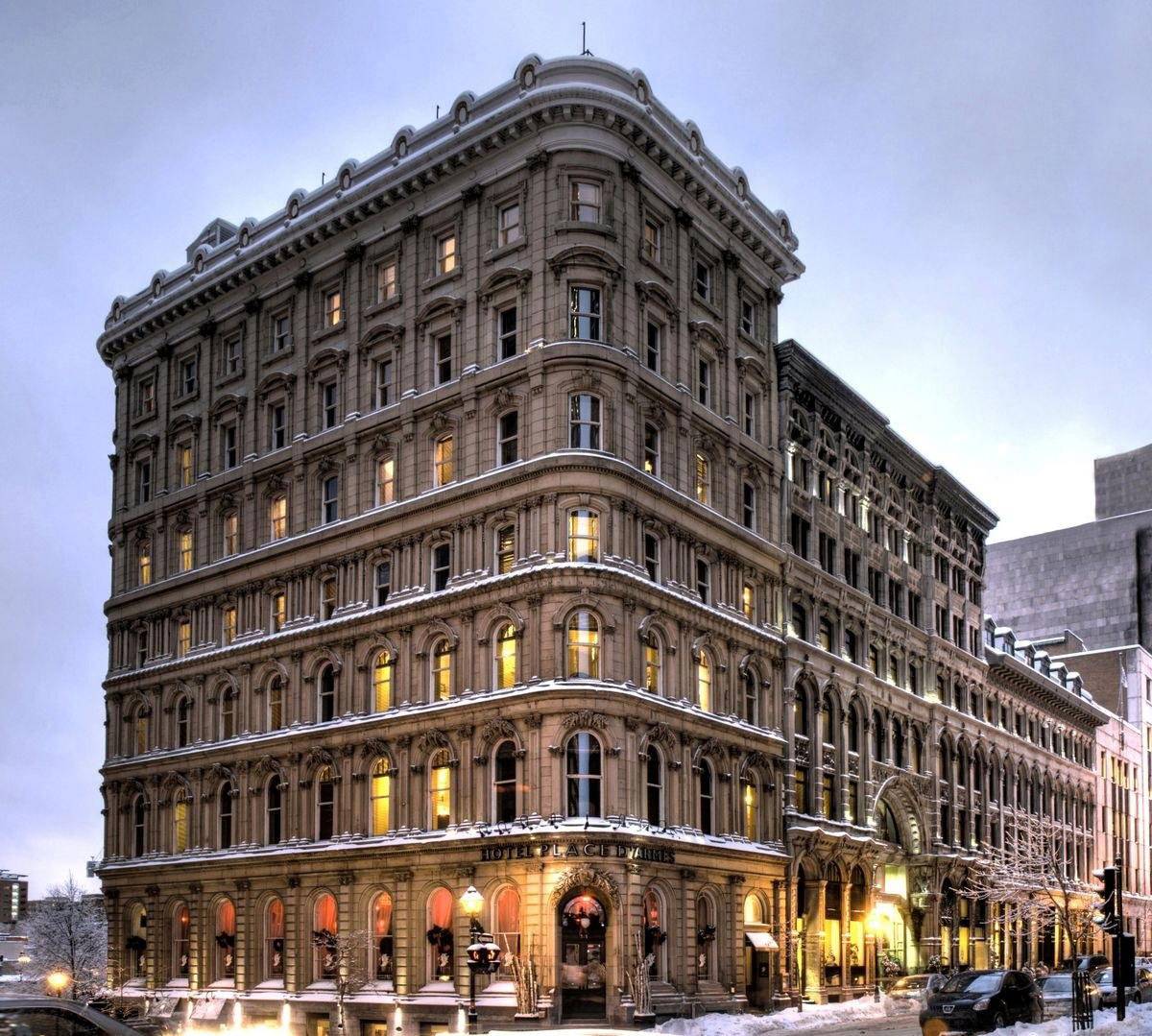
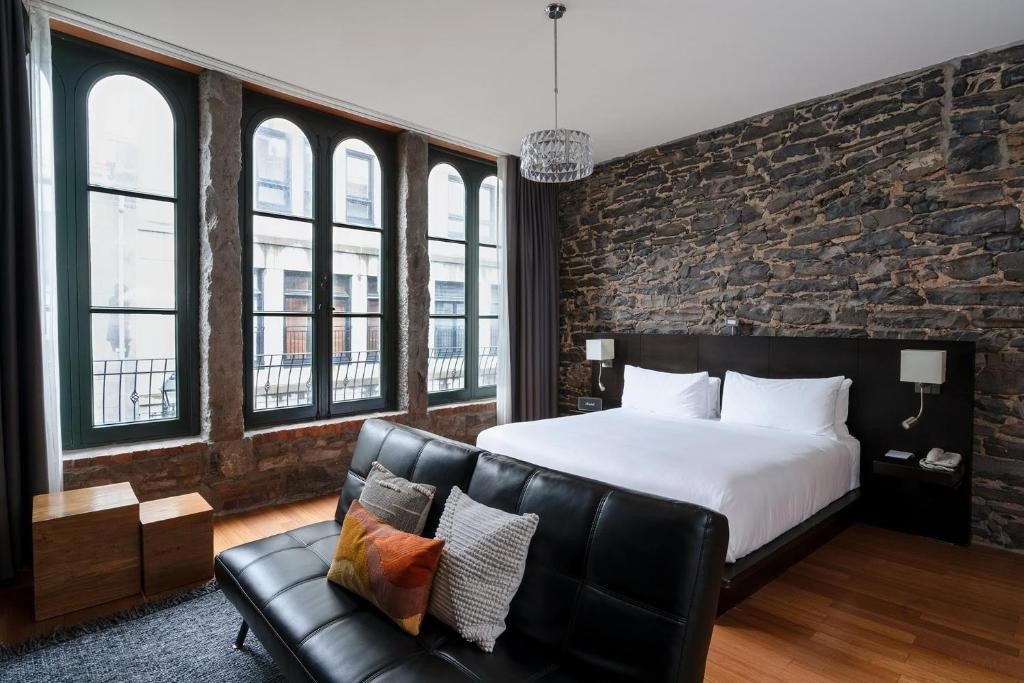
The physical approach to Pincette tracks with the Old Montreal aesthetic: the building stock on this block dates to the 18th and 19th centuries, and the interiors that work leading here lean into existing architectural character rather than fighting it. Stone, timber, and controlled light are the recurring materials vocabulary of the neighbourhood's better rooms, and they reward a pace that most of the city's newer dining districts don't ask of their guests. Arriving on a weeknight — when the tourist volume drops and the street quiets, changes the register of the experience entirely.
Where Pincette Sits in the Montreal Modern Cuisine Tier
Montreal's modern cuisine category has fragmented into distinct sub-tiers over the past decade. Below that, a middle tier, represented by addresses like Mastard and Sabayon, has become the most interesting space in the city: ambitious without the apparatus of white-tablecloth formality, specific about producers without performing it.
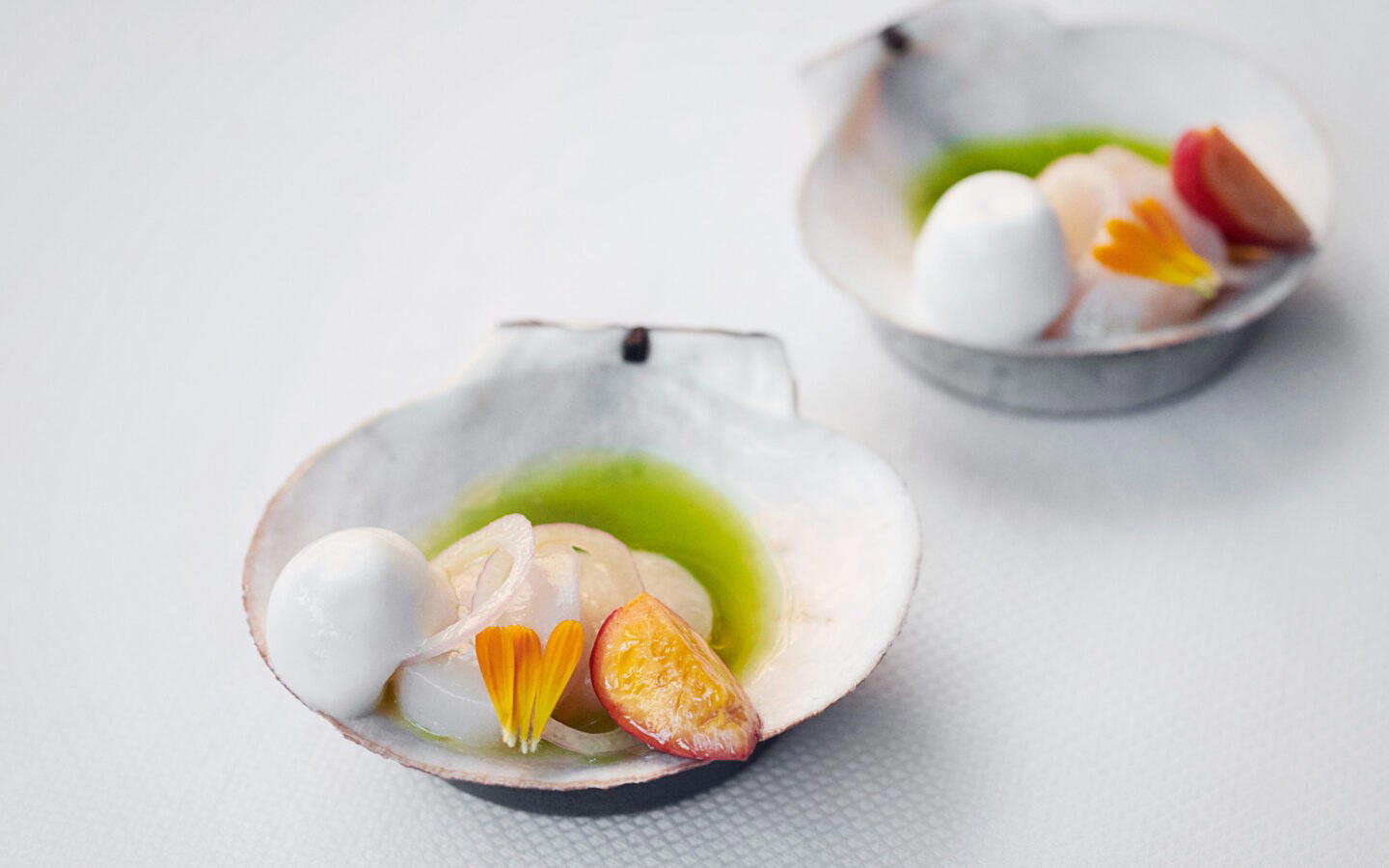
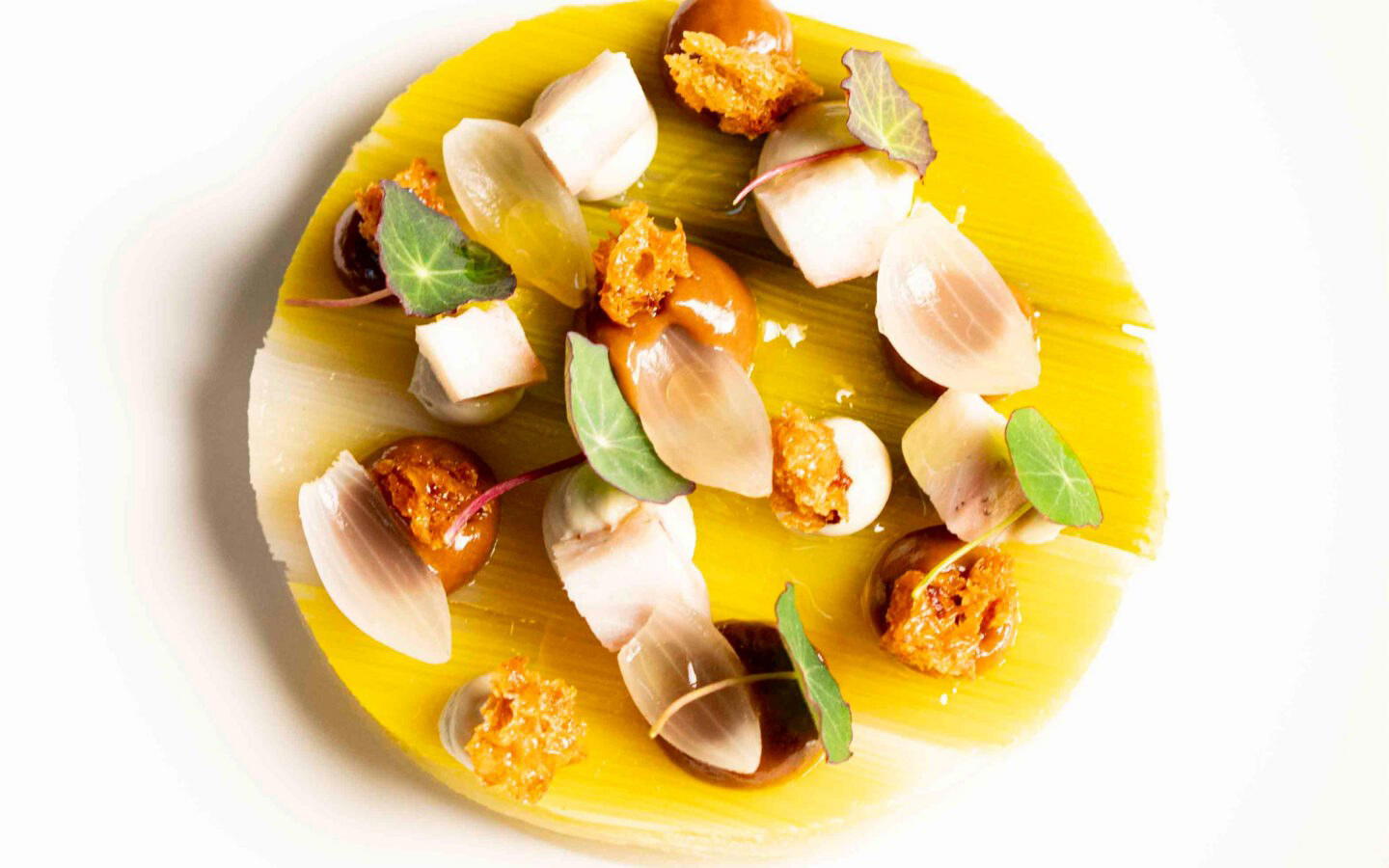
Pincette competes in that middle register. The name itself, French for tweezers, the precision instrument that became shorthand for a certain kind of plated fine dining, carries some irony in the current moment, when the city's more credible kitchens have moved away from fussy plate architecture toward a directness that lets ingredient quality carry the argument. That directness is the dominant mode in the Montreal dining conversation right now, and it aligns with a broader Canadian shift visible in rooms from Tanière³ in Quebec City to AnnaLena in Vancouver and Alo in Toronto.
The Sustainability Frame: Sourcing as Editorial Position
In the Montreal dining context, sustainability operates less as a certification category and more as a set of decisions that accumulate into a recognisable kitchen posture. The restaurants that have built durable reputations in this city over the past five years tend to share a few characteristics: close relationships with Quebec producers, menus that change with enough frequency to signal genuine seasonal responsiveness, and a willingness to work with secondary cuts and underused ingredients rather than defaulting to the prestige proteins that more tourism-facing kitchens lean on.
That model has Canadian precedents worth understanding. Eigensinn Farm in Singhampton established an early template for farm-to-table as a structural commitment rather than a menu tagline. Restaurant Pearl Morissette in Lincoln extended that model into fine dining with serious wine program integration. In Quebec, Narval in Rimouski has shown that rigorous sourcing doesn't require a major city address. Pincette's position on Rue Saint-Paul Est places it at the urban end of this spectrum, where the challenge is bringing the same producer specificity to a street that still sees significant tourist volume.
The practical tension in Old Montreal is real: the neighbourhood's foot traffic supports a wide range of price points and commitments, which means a kitchen choosing to operate with sourcing discipline is making a conscious decision to serve a different kind of guest than the walk-in tourist demographic. That decision shapes everything from menu length to reservation patterns. Restaurants elsewhere in the city with similar commitments, including 3 Pierres 1 Feu and Abu el Zulof, move through the same trade-off from different neighbourhoods and at different price points.
Reading Pincette Against the Broader Canadian Scene
For visitors arriving from other Canadian cities or from international markets, Pincette's address on Rue Saint-Paul Est is usefully understood against the broader geography of where serious Canadian cooking is happening. The farm-adjacent model that drives The Pine in Creemore or the hyper-local seafood focus at Narval plays differently in an urban Old Montreal room, where the sourcing story has to coexist with a dining room that serves guests arriving from hotels and day tours as well as local regulars who know the neighbourhood's rhythms.
The international reference point that holds in this conversation is Le Bernardin in New York City, not because the cooking styles are comparable, but because Le Bernardin represents what it looks like when a restaurant treats a single sourcing commitment (in that case, fish) with the discipline of a fine dining operation. The equivalent in Montreal's modern cuisine tier is the kitchen that treats the Quebec growing calendar as a genuine constraint, not a seasonal garnish. For a more technique-forward counterpoint in the chef-driven tasting format, Atomix in New York demonstrates what happens when sourcing rigour meets structured tasting progression at the top of the market.
Practical Considerations
Know Before You Go
- Address: 94 Rue Saint-Paul Est, Old Montreal, QC H2Y 1J1
- Neighbourhood: Old Montreal, within walking distance of the Old Port and Place-d'Armes
- Getting there: Place-d'Armes metro station (Orange Line) is the closest transit point; Rue Saint-Paul Est is a 5-7 minute walk from the station exit
- Timing: Weeknight visits after 20:00 reduce tourist-volume overlap and reflect the street at its most local
- Seasonal note: Old Montreal's dining character shifts noticeably between summer terrace season and the quieter autumn and winter months, the latter tends to favour the indoor dining experience most kitchen-focused guests prefer
- Context: For the full range of Montreal's dining options at this level, see our full Montreal restaurants guide
At a Glance
- Cozy
- Intimate
- Trendy
- Modern
- Date Night
- Brunch
- Terrace
- Open Kitchen
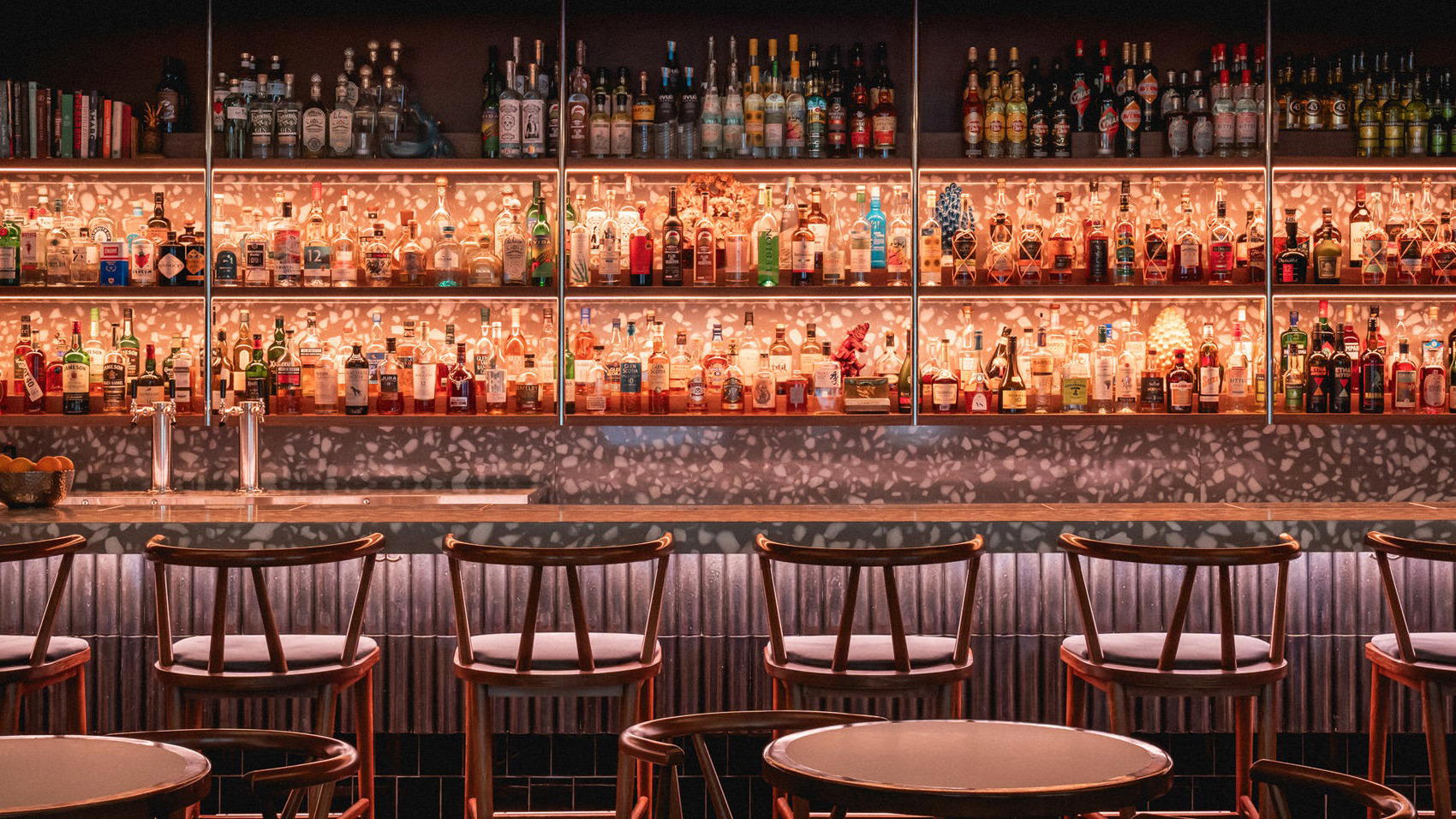
- Craft Cocktails
- Local Sourcing
- Street Scene
Current opening hours
- Monday
- 8 AM–10 PM
- Tuesday
- 8 AM–10 PM
- Wednesday
- 8 AM–10 PM
- Thursday
- 8 AM–10 PM
- Friday
- 8 AM–10 PM
- Saturday
- 8 AM–10 PM
- Sunday
- 8 AM–10 PM
Hours can change for holidays and private events. Last verified .
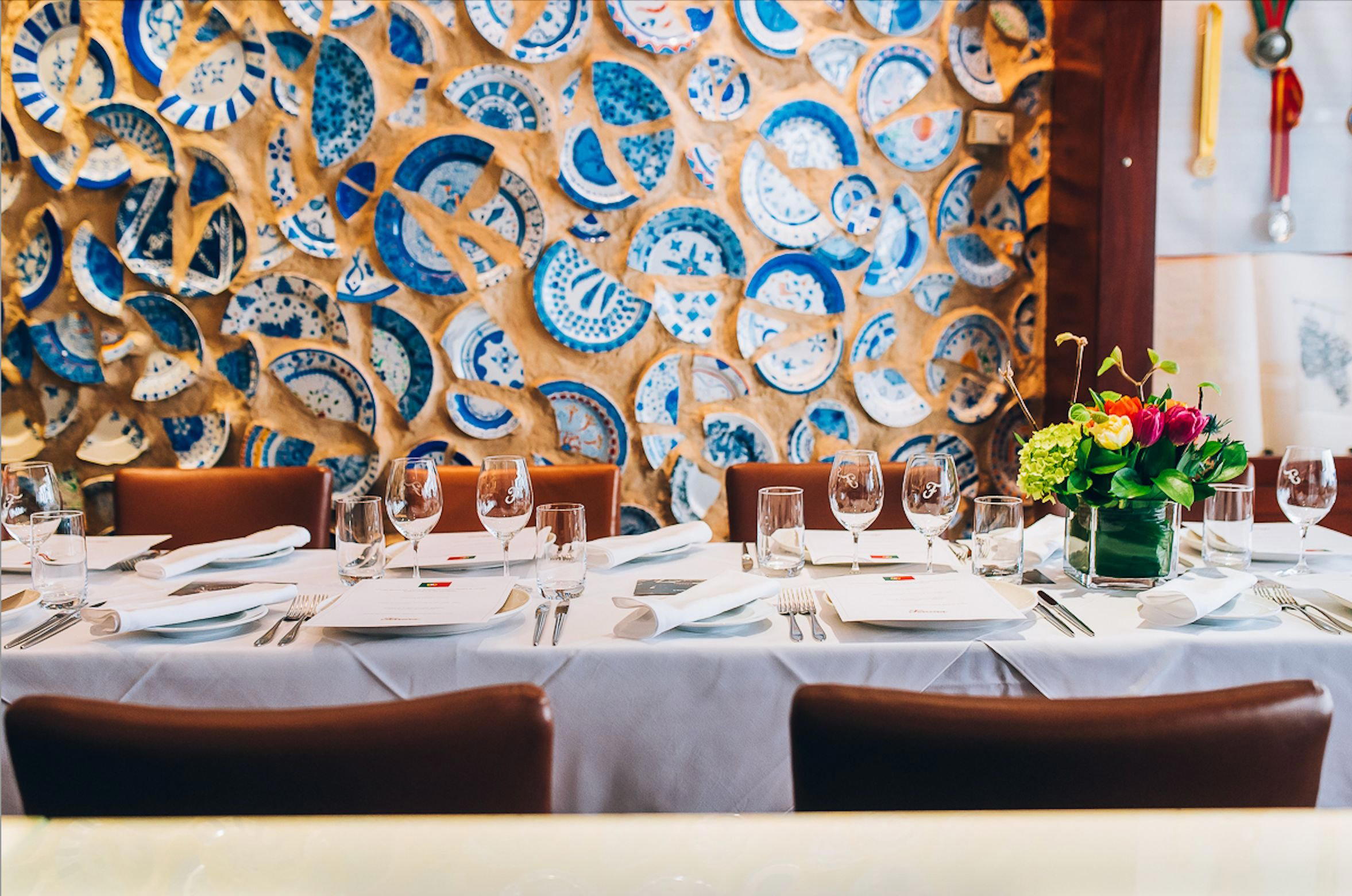
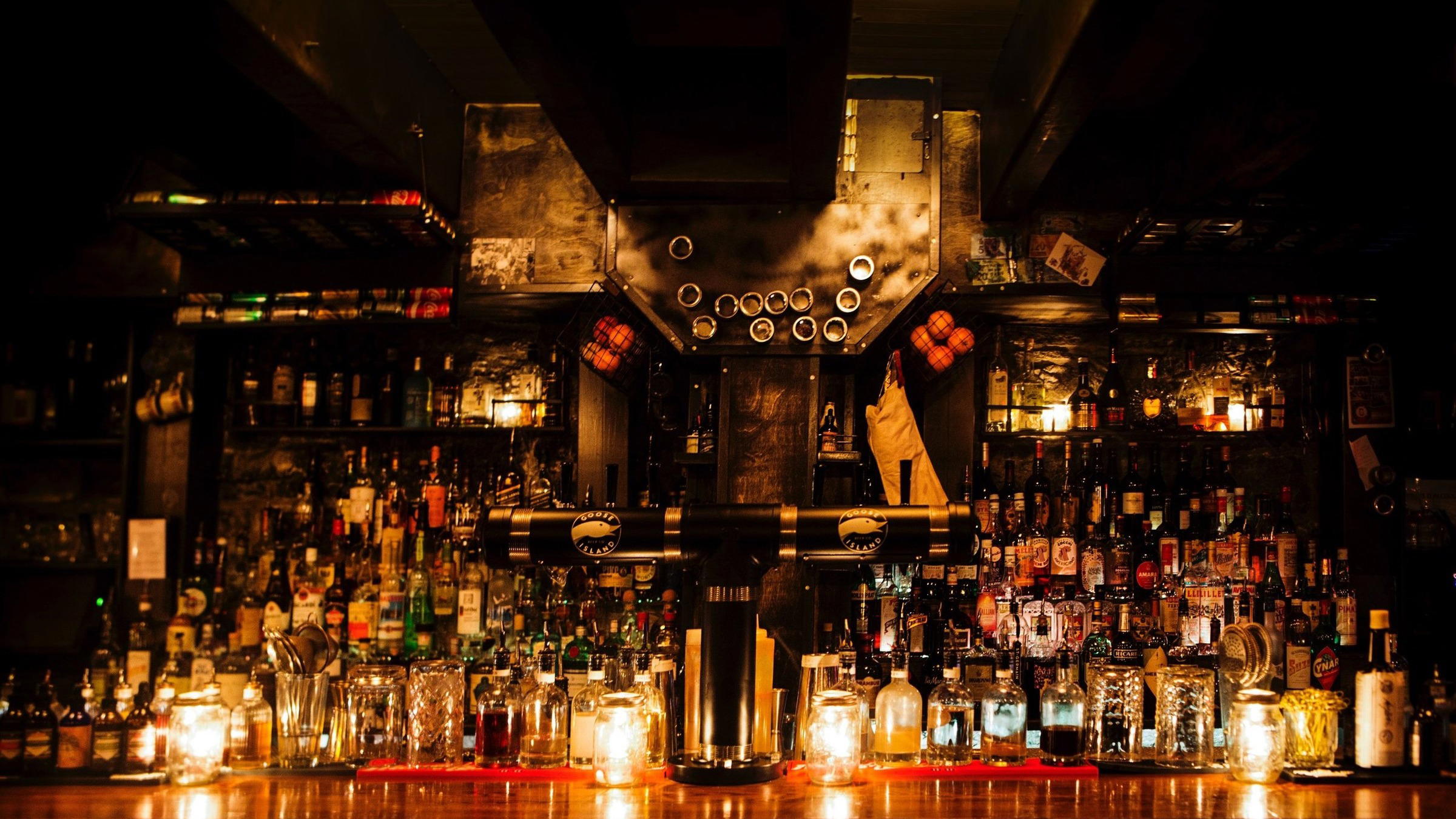
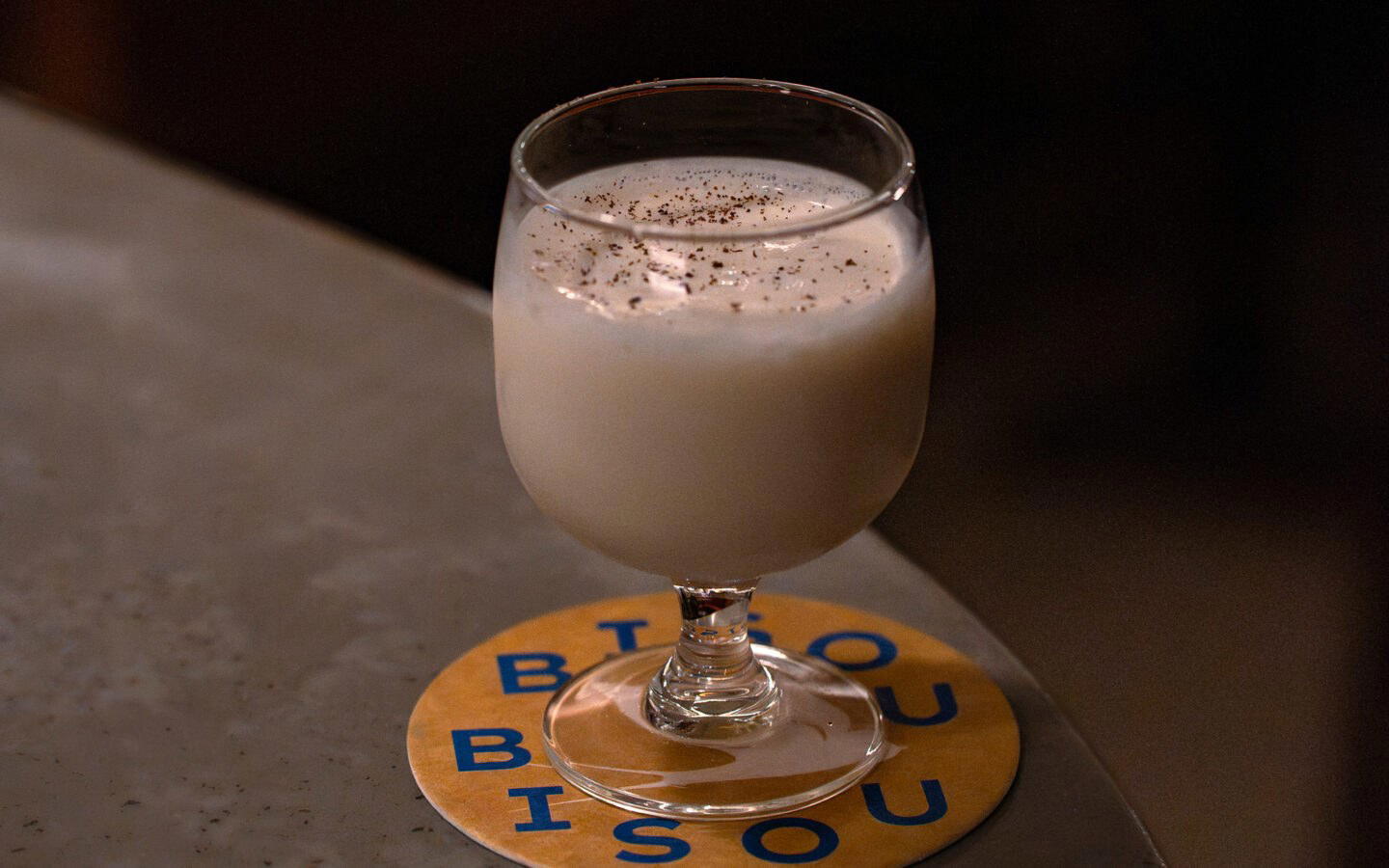
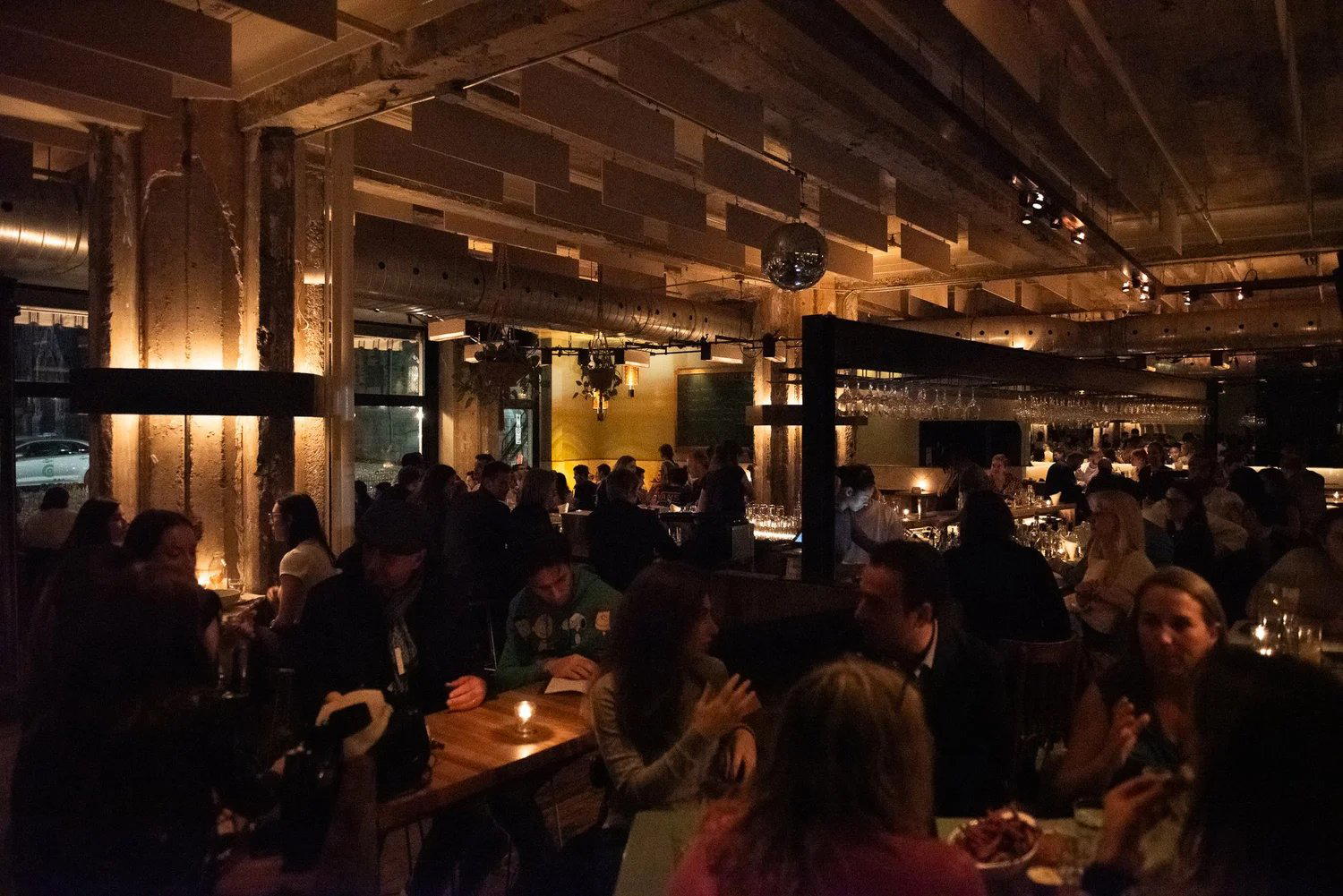
Warm and intimate with light blue and gold decor, wood accents evoking seaside vibes, and moderate noise suitable for conversation.
Know Before You Go
- Getting there
- 94 Rue Saint-Paul E, Montréal, QC H2Y 1J1, Canada