Fiorellino sits on Rue De la Gauchetière in Montreal's downtown core, where Italian-leaning dining has long occupied a distinct tier between the city's French bistro tradition and its modern tasting-menu scene. The room draws a loyal crowd for whom the atmosphere and sourcing philosophy matter as much as what arrives on the plate. For the Montreal dining calendar, it belongs in the same conversation as the city's more considered mid-to-upper bracket tables.
Pearl is the En Primeur Club membership app — saves, bookings, and concierge access live there. Same editors, same standards.
- Address
- 470 Rue De la Gauchetière O, Montréal, QC H2Z 1E3, Canada
- Phone
- +1 514 878 3666
- Website
- fiorellino.ca
- Directions
- Get directions
 Saves & bookings on Pearl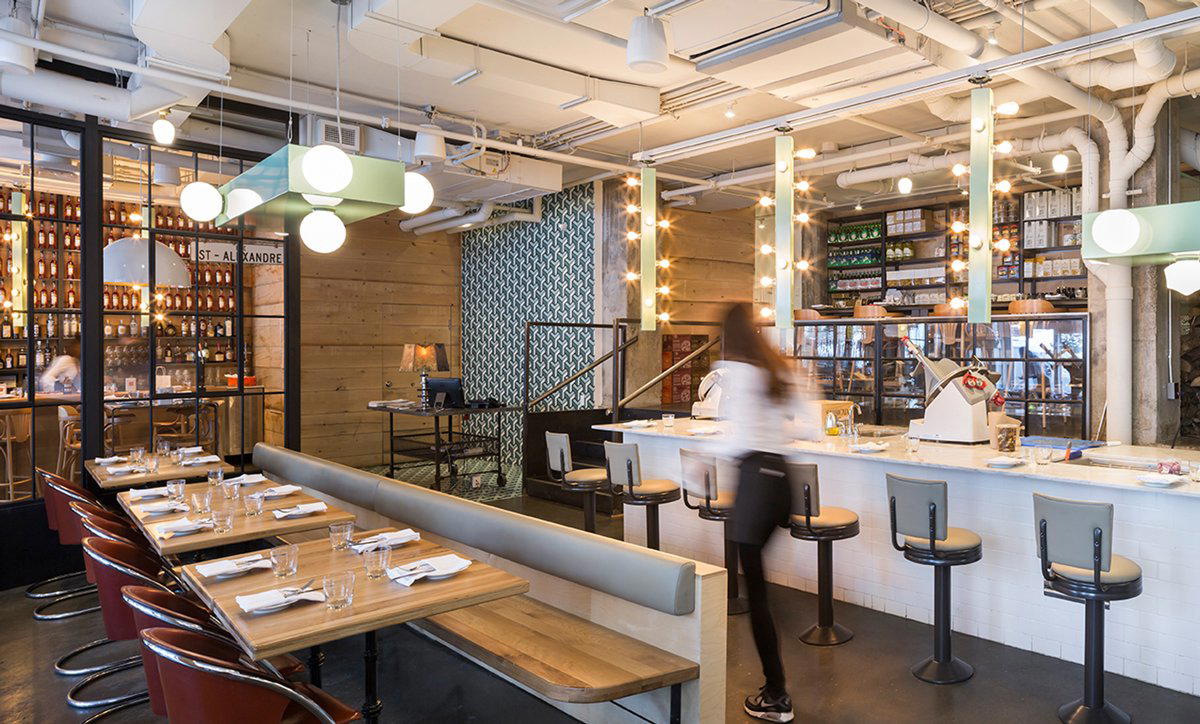
Where Downtown Montreal's Italian Thread Holds Its Ground
Montreal's restaurant geography has always been layered. The French bistro tradition, anchored by rooms like Mastard and the long-running formula of L'Express, sits alongside a growing cohort of modern tasting-menu addresses such as Jérôme Ferrer's Europea and Sabayon. Between those poles, the city's Italian dining tradition has held surprisingly consistent ground, offering a warmer register and a more sociable format without the ceremony of an omakase-style progression. Fiorellino, at 470 Rue De la Gauchetière Ouest, occupies that middle ground with some confidence.
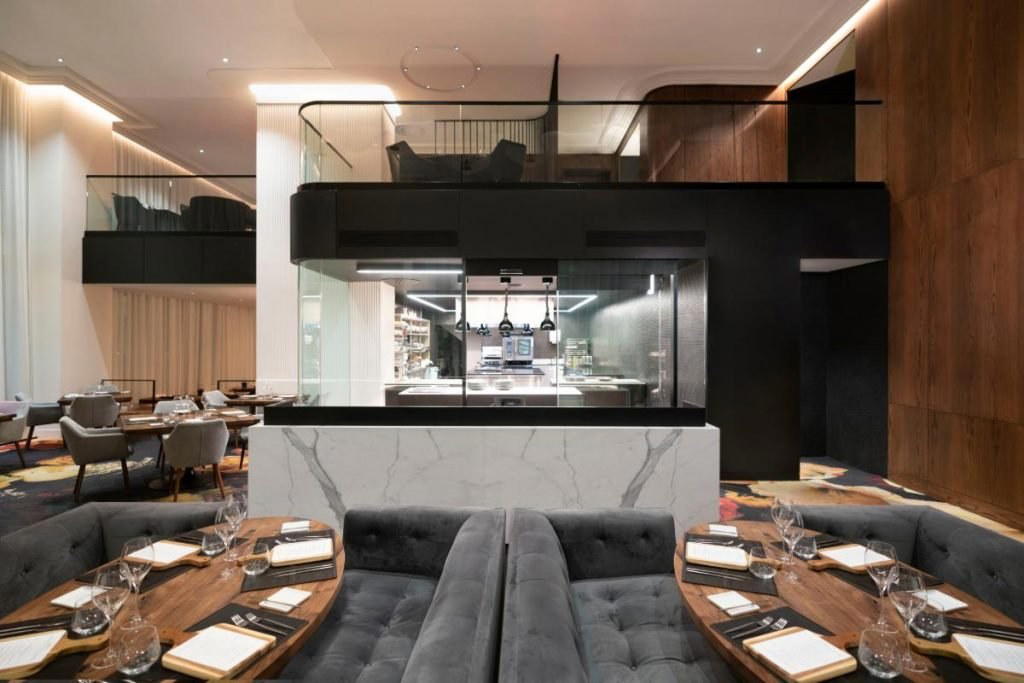
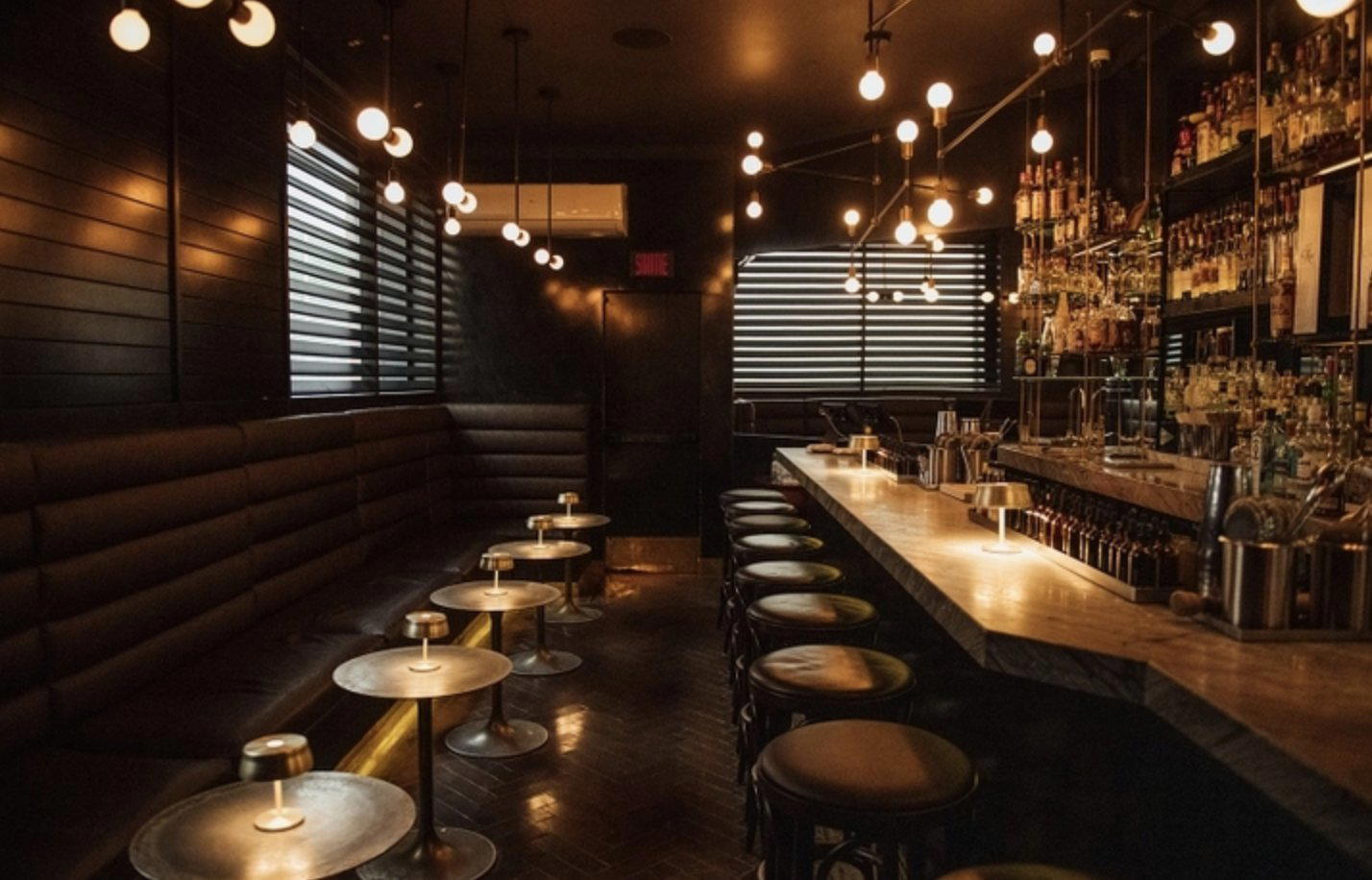
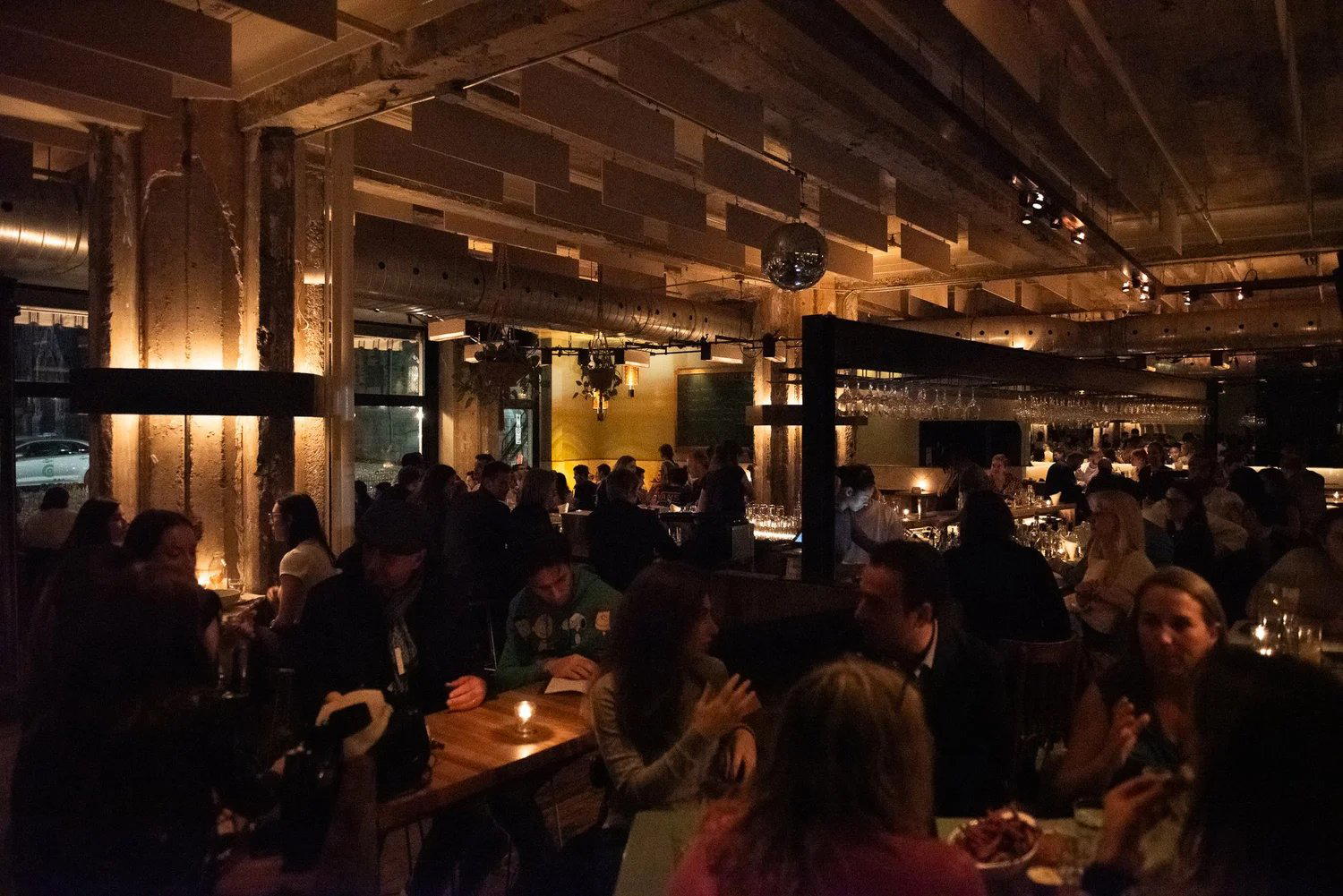
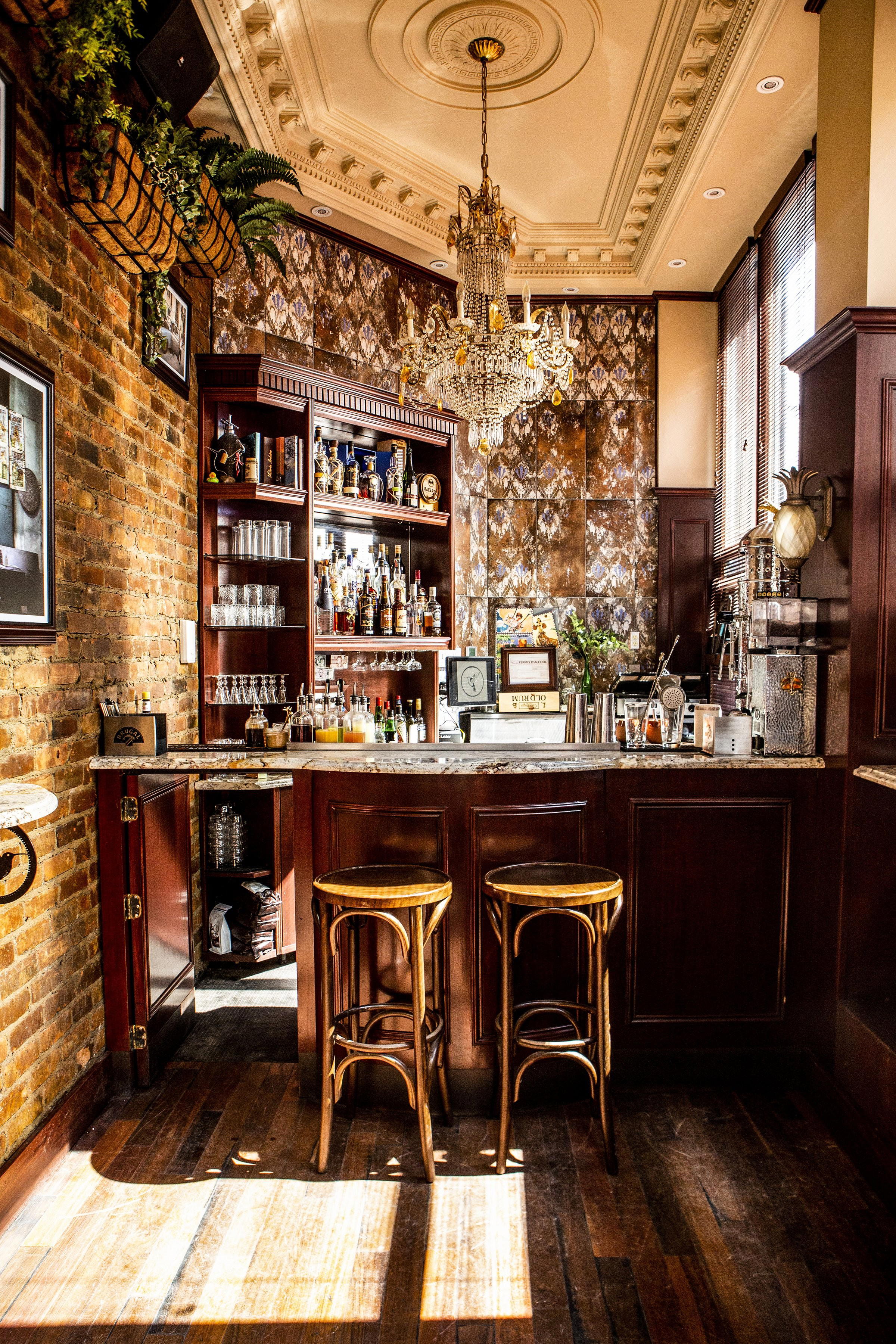
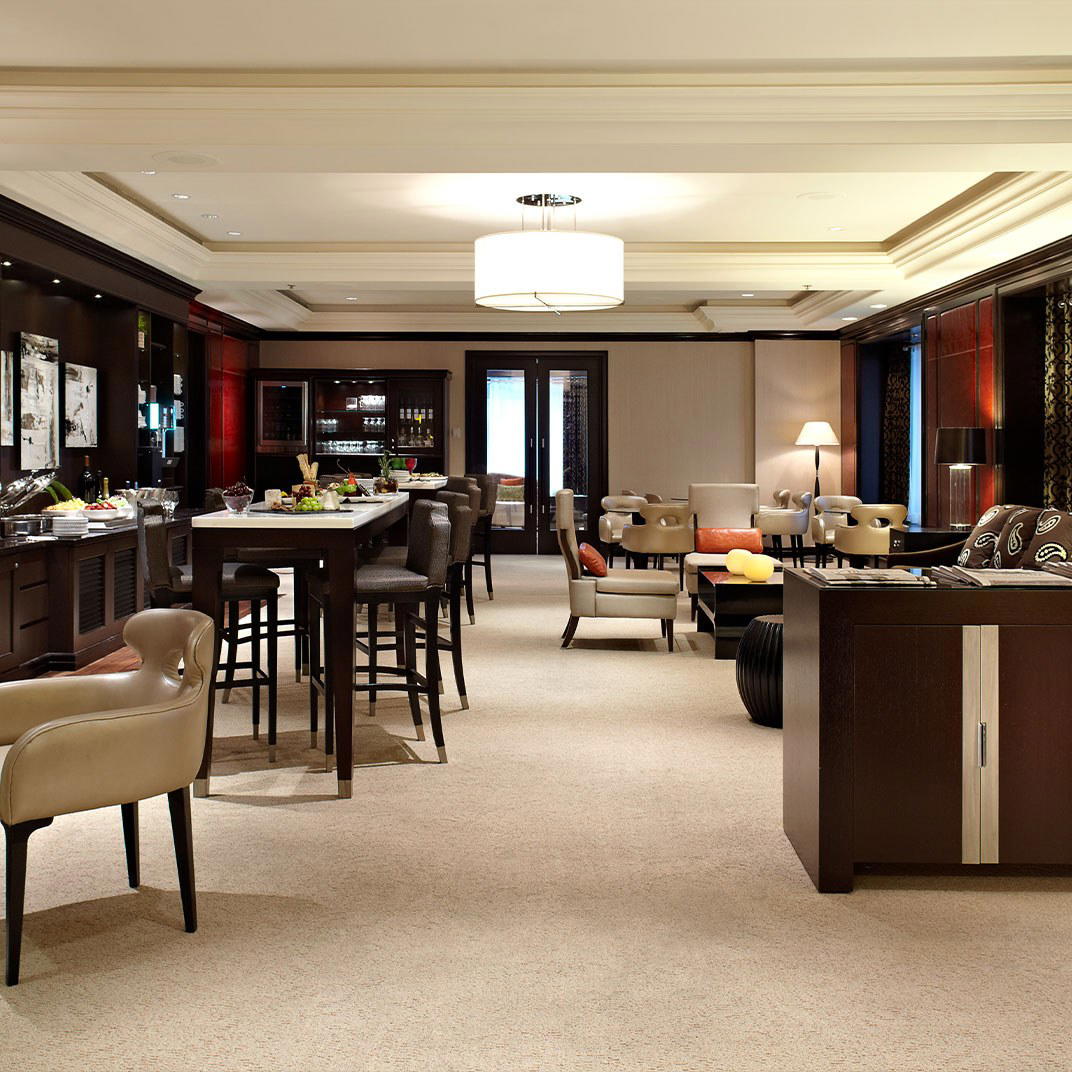
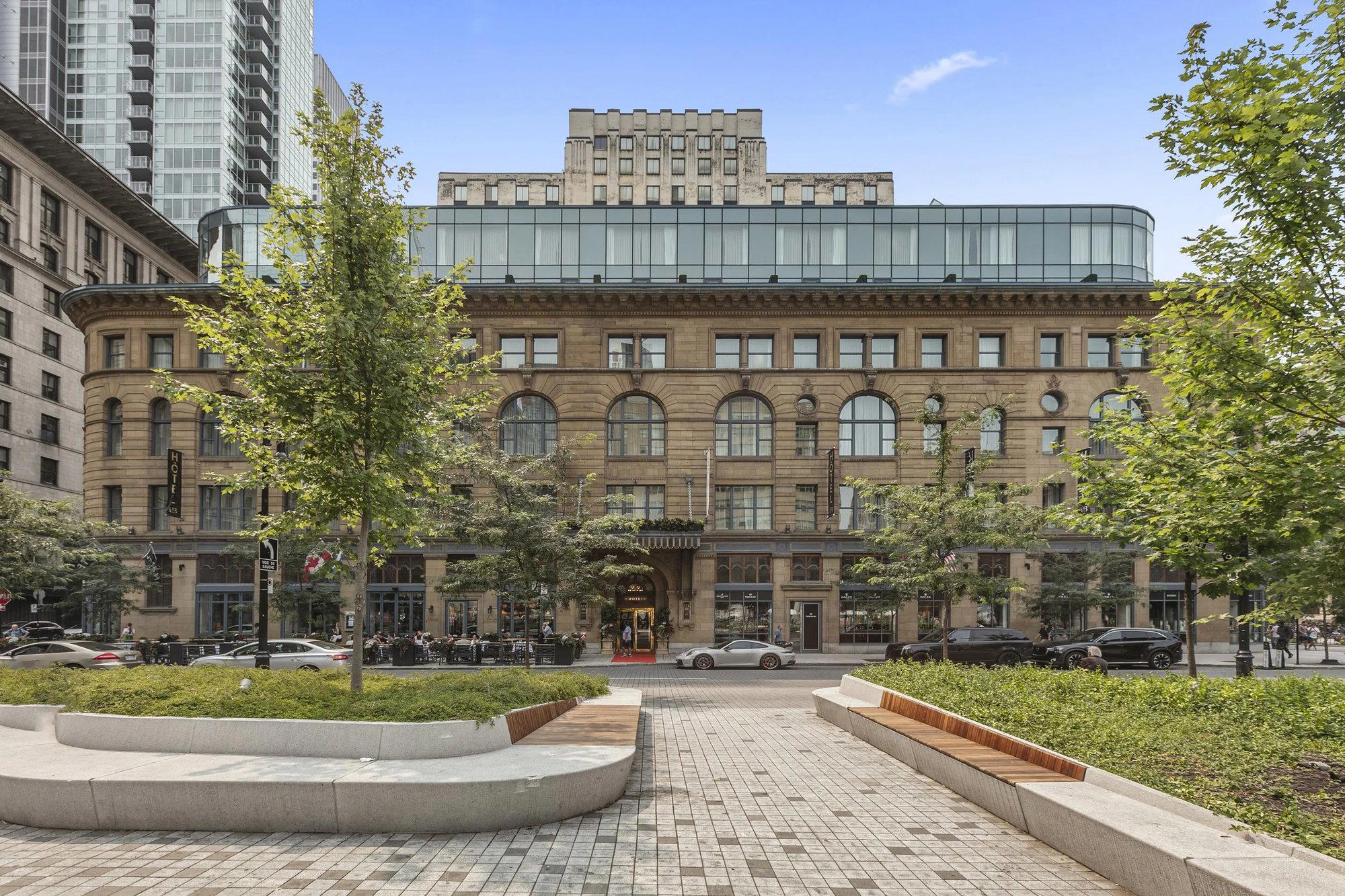
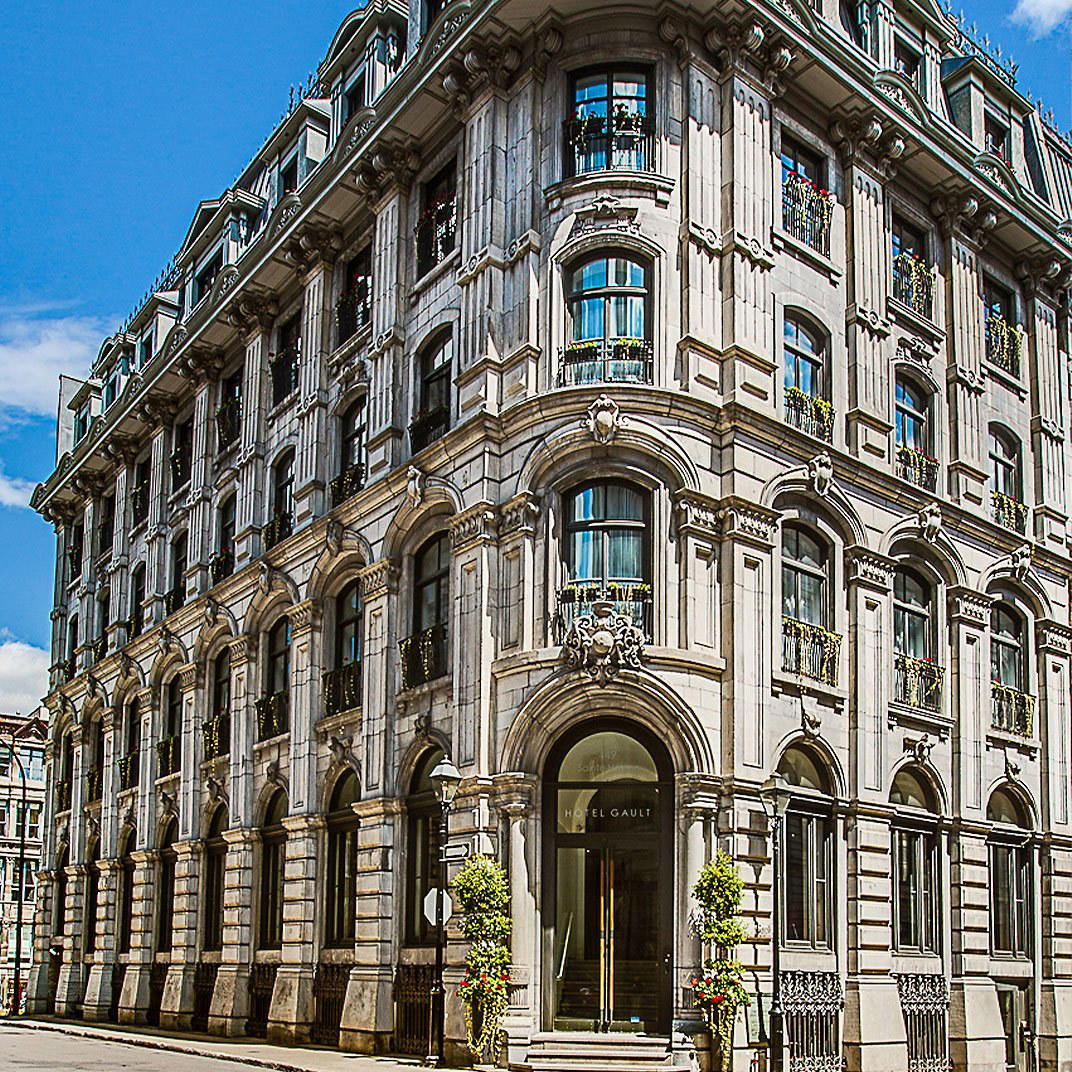
The address itself sets a tone. Rue De la Gauchetière sits at the edge of the Quartier des spectacles influence zone, close enough to the downtown business core that a weekday lunch fills as reliably as a Friday dinner service. The physical approach — a street-level entry on a block that mixes older Montreal commercial architecture with the occasional glass tower — signals nothing theatrical. What the room delivers instead is the kind of considered warmth that Italian-format restaurants in North American cities have historically done better than most other traditions: noise levels that permit conversation, materials that age rather than date, and a pace that doesn't rush the table between courses.
Sourcing as Editorial Argument, Not Marketing Footnote
Across Canadian dining, the conversation around ethical sourcing has matured considerably. What once appeared as a marketing footnote, a few buzzwords about local farms tucked into a menu's back page, has become a structural argument in how serious restaurants build their supply chains. Restaurants like Eigensinn Farm in Singhampton and Fogo Island Inn's dining room have pushed that argument to its logical extreme, where sourcing and setting become almost indistinguishable. In an urban Italian format, the parameters are different: the cuisine's DNA involves imported pantry staples, olive oil, aged vinegar, cured product, that resist easy localization. The more honest position, and the one that characterises Montreal's more thoughtful Italian tables, is selective localism: Quebec proteins, dairy, and seasonal produce anchoring dishes that still draw on Italian technique and imported dry goods where substitution would compromise the result.
That selective approach reflects a broader shift in how the city's mid-to-upper bracket restaurants think about their carbon and sourcing footprint. Narval in Rimouski has demonstrated how rigorously a Quebec kitchen can commit to hyperlocal sourcing even in a format with significant technical ambition. The parallel for an urban Italian room is less about eliminating imported ingredients and more about establishing a clear hierarchy: what comes from Quebec, what comes from Italy for legitimate technical reasons, and what the kitchen has deliberately removed from its supply chain because the provenance couldn't be verified.
Montreal's Italian Tier and Where This Room Fits
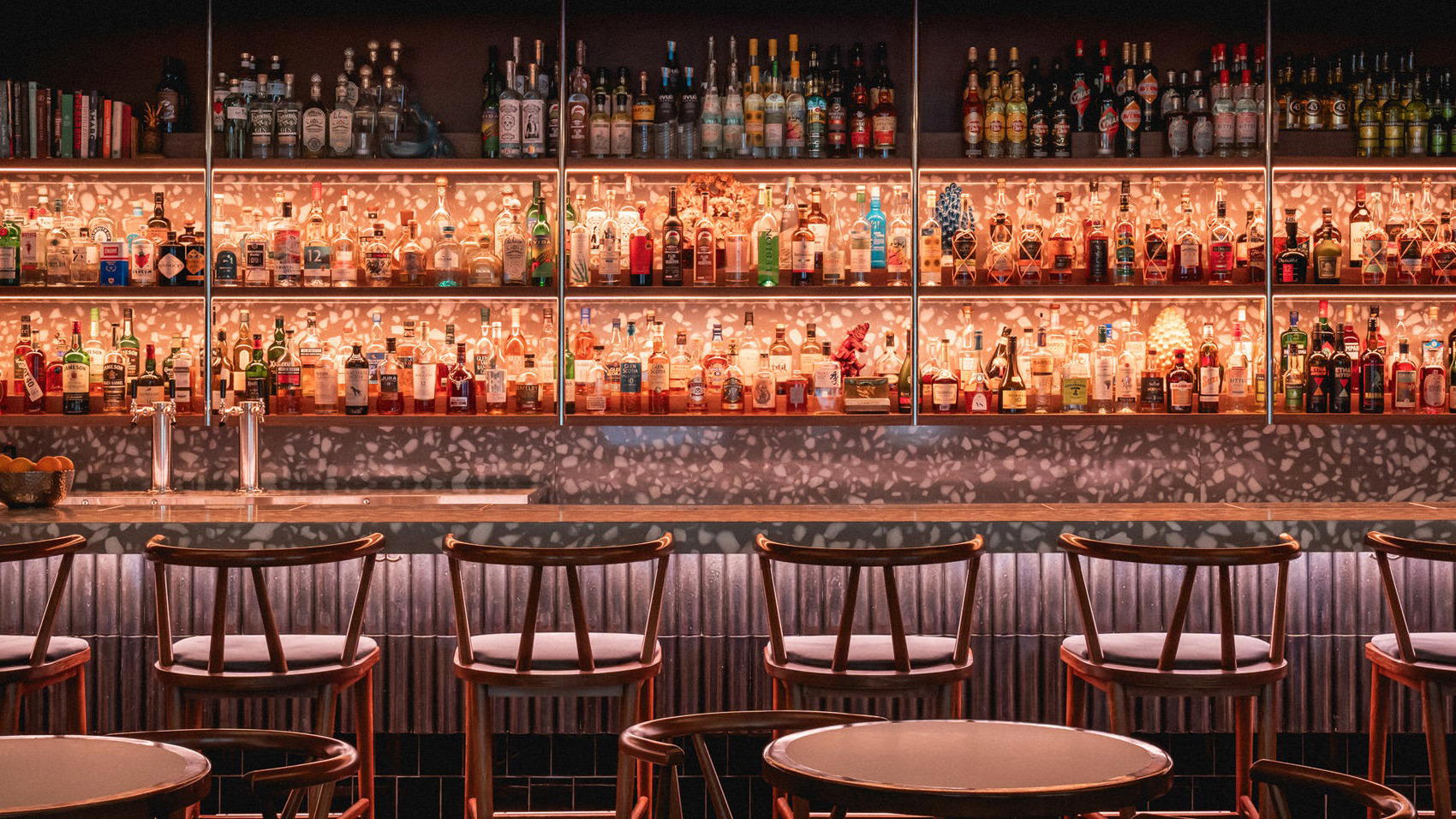
Montreal's Italian dining scene divides roughly into three tiers. At the entry level, the city has a large number of neighbourhood trattorias and red-sauce rooms that function more as community anchors than destination restaurants. At the opposite end, a smaller number of Italian-influenced fine dining addresses have absorbed the tasting-menu format and the price points that accompany it. The middle tier, sociable, ingredient-focused, priced accessibly relative to the four-star bracket, is where rooms like Fiorellino compete. In that tier, the differentiating factors are consistency, wine program depth, and whether the kitchen's sourcing decisions actually show up on the plate rather than existing only in the menu copy.
For context on how this tier compares across Canada, it's worth noting that the mid-bracket Italian conversation in Toronto has been shaped by proximity to Alo's influence, see Alo in Toronto, and a large Italian-Canadian community that sets quality benchmarks from the demand side. Montreal's version of that conversation is inflected differently, by the city's French culinary infrastructure and by a food media culture that has historically paid more attention to the French bistro and modern Quebec tasting-menu formats than to Italian dining specifically. That relative inattention has created space for Italian rooms to develop without the scrutiny, or the hype cycles, that tend to distort quality signals in more celebrated categories.
The Canadian Sourcing Conversation and What It Means for Urban Italian Kitchens
The sustainability argument in Canadian restaurants has moved well beyond organic certification and into questions of supply chain transparency, waste reduction protocols, and the relationship between menu format and ingredient utilisation. Restaurants operating at the ambitious end of that conversation, Pearl Morissette in Lincoln, AnnaLena in Vancouver, Cafe Brio in Victoria, have each found different structural answers to the same question: how do you run a high-quality kitchen that doesn't generate waste at the volume that a classical brigade system typically produces?
For an Italian-format room, the answer often lies in the cuisine's own logic. Italian cooking has historically been built around whole-animal utilisation, seasonal preservation, fermentation, salting, drying, and the kind of nose-to-tail thinking that predates the contemporary sustainability movement by several centuries. A kitchen working within that tradition has structural advantages that a more freestyle modern menu doesn't always enjoy. The challenge is whether those advantages are actually activated in the kitchen's daily practice or whether they remain latent in the tradition while the actual operation runs on the same high-waste model as any other busy city restaurant. Montreal's 3 Pierres 1 Feu and Abu el Zulof each approach ingredient utilisation from different cultural traditions, demonstrating that the city's interest in waste-conscious cooking extends well beyond any single cuisine format.
Planning a Visit: Practical Notes
Fiorellino's location on Rue De la Gauchetière puts it within walking distance of the main downtown Metro stations, making it one of the more transit-accessible tables in Montreal's upper-mid bracket. For visitors building an itinerary around serious eating, it sits plausibly alongside a broader Montreal dining plan that might also include a tasting-menu evening at a room like Tanière³ in Quebec City for those extending the trip, or a more casual afternoon at any number of the city's neighbourhood tables covered in our full Montreal restaurants guide. For international reference points, say, a traveller calibrating expectations against Le Bernardin in New York or Lazy Bear in San Francisco, Fiorellino sits in a warmer, less formal register, closer in spirit to a well-run Italian room than to a destination tasting-menu experience. Reservations for weekend evenings in Montreal's downtown core typically require at least a week's lead time across most tables in this tier; mid-week bookings tend to have more flexibility. For regional context across Canada, Fiorellino represents the kind of urban, ingredient-conscious Italian room that cities of Montreal's scale sustain well.
The Quick Read
A quick snapshot of similar venues for side-by-side context.
| Venue | Cuisine | Price |
|---|---|---|
| FiorellinoThis venue — the venue you are viewing | Not listed | Not listed |
| L’Express | French Bistro | $$ |
| Schwartz’s | Delicatessen | $ |
| Toqué | French | $$$$ |
| Jérôme Ferrer - Europea | Modern Cuisine | $$$$ |
| Mastard | Modern Cuisine | $$$ |
At a Glance
- Lively
- Cozy
- Date Night
- Group Dining
- Casual Hangout
- Open Kitchen
- Extensive Wine List
- Local Sourcing
Current opening hours
- Monday
- 11:30 AM–3 PM, 5–10 PM
- Tuesday
- 11:30 AM–3 PM, 5–10 PM
- Wednesday
- 11:30 AM–3 PM, 5–10 PM
- Thursday
- 11:30 AM–3 PM, 5–11 PM
- Friday
- 11:30 AM–3 PM, 5–11 PM
- Saturday
- 5–11 PM
- Sunday
- 5–10 PM
Hours can change for holidays and private events. Last verified .
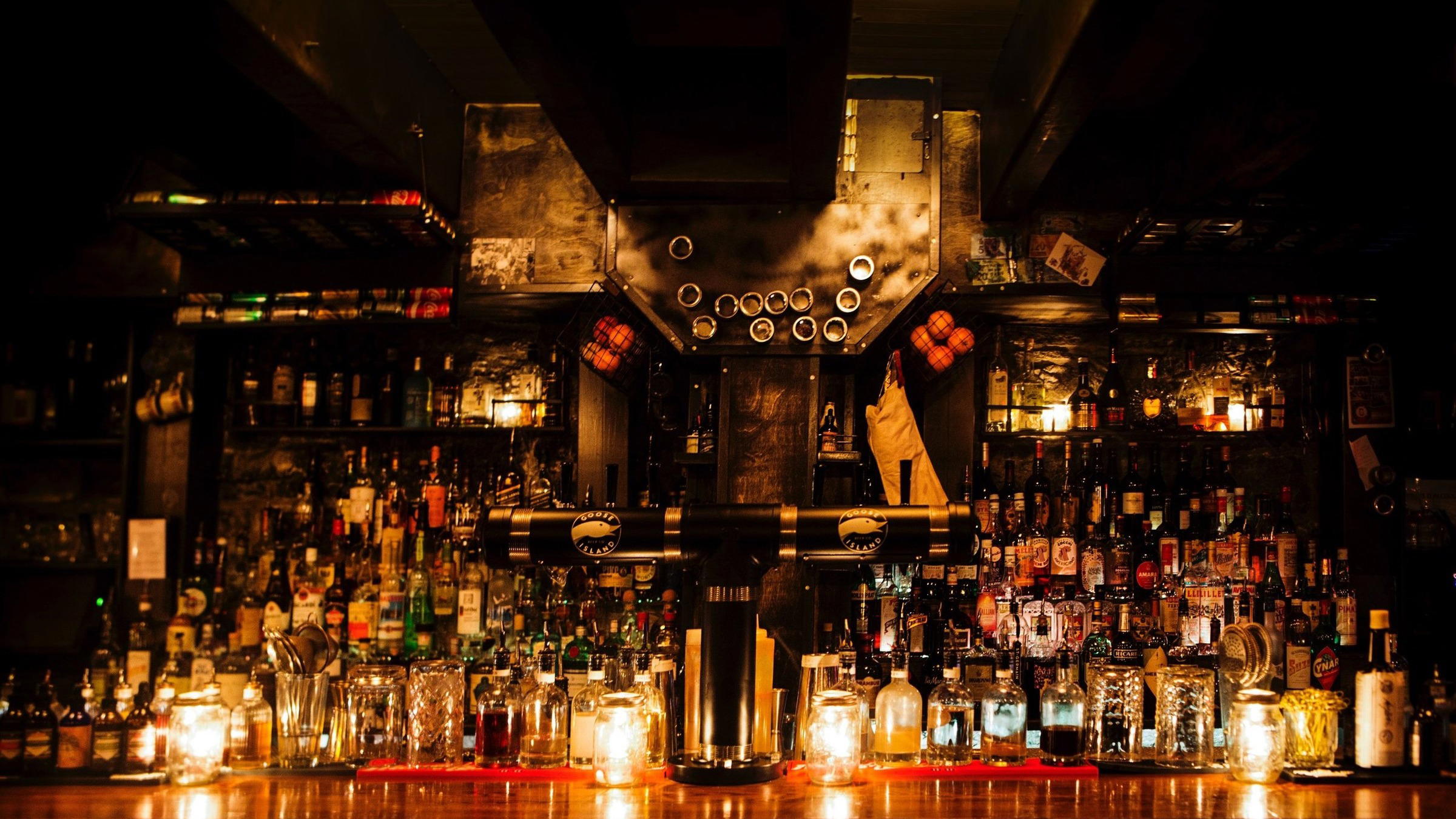
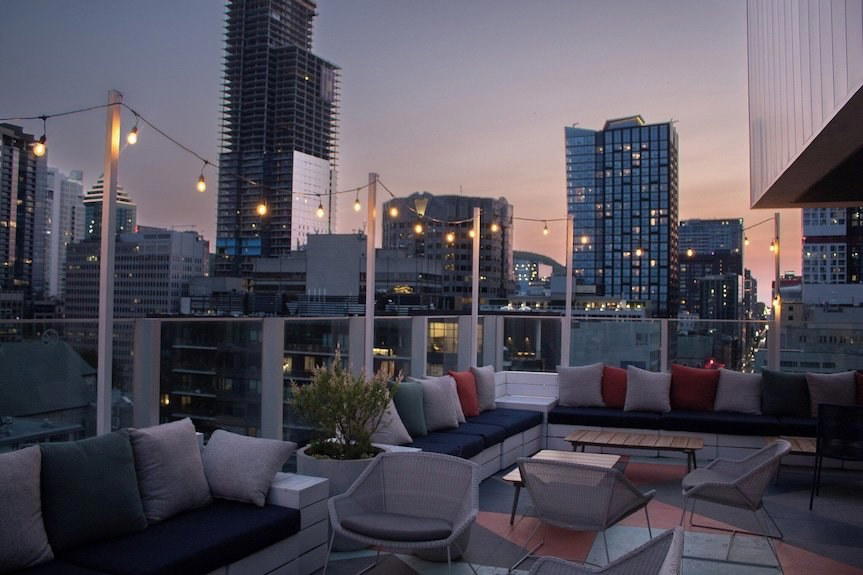
Warm and inviting with lovely lighting at lunch transitioning to a feel-good vibe at night, featuring cozy and charming atmosphere.
Know Before You Go
- Getting there
- 470 Rue De la Gauchetière O, Montréal, QC H2Z 1E3, Canada