On Sankt Eriksgatan in Kungsholmen, Magari occupies a corner of Stockholm's dining scene where Italian sensibility and Nordic instinct meet without ceremony. The menu architecture here does the talking: a structure built around sharing, sequence, and restraint that places it in a distinct register from the city's tasting-menu institutions. For visitors calibrating between Stockholm's formal and informal fine-dining tiers, Magari sits in useful middle ground.
Pearl is the En Primeur Club membership app — saves, bookings, and concierge access live there. Same editors, same standards.
- Address
- Sankt Eriksgatan 110, 113 31 Stockholm, Sweden
- Phone
- +46105558929
- Website
- magaripizza.com
- Directions
- Get directions
 Saves & bookings on Pearl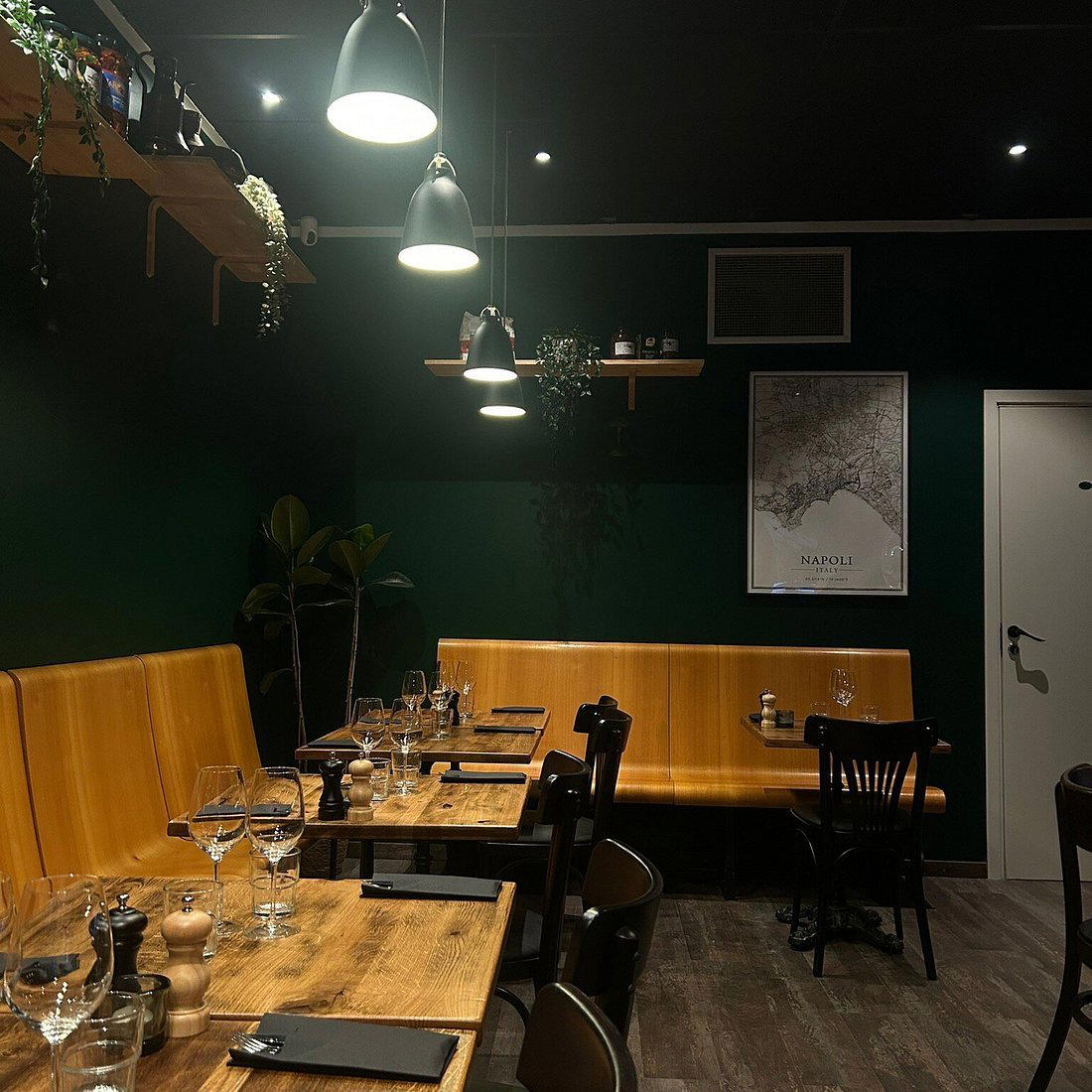
A Street-Level Case for Considered Informality
Stockholm's fine-dining conversation tends to orbit a familiar set of addresses: the tasting-counter institutions, the New Nordic flagships, the hotel dining rooms with their Michelin hardware. What gets less attention is the tier just beneath that ceiling, where the cooking can be just as deliberate but the format drops the ceremony. Sankt Eriksgatan 110 in Kungsholmen is that kind of address. The neighbourhood itself signals something: Kungsholmen runs quieter than Östermalm, less performative than Södermalm, and the restaurants here tend to reflect that register.
Magari lands in this context as a restaurant where the room and the menu share a similar disposition. The name is Italian for "how nice" or, more loosely, "wouldn't it be lovely" — a phrase that carries warmth without grandeur. That tonal cue matters when you are trying to read what a restaurant is actually trying to do, because the name is often the first structural decision a kitchen makes.
How the Menu Is Built, and What That Tells You
The editorial angle that makes Magari worth examining is not a single dish or a chef credential — it is the architecture of the menu itself. Stockholm's upper tier has largely converged on the long tasting format: eight to fourteen courses, wine pairing, a single seating. Frantzén operates at the apex of that model, and restaurants like AIRA and Adam / Albin have built their reputations inside the same structure. Even Operakällaren, with its grand Swedish institutional weight, formats the experience as a curated progression.
Magari does not do that, or at least not in the same way. The menu structure here leans toward a sharing model influenced by Italian trattoria logic: smaller plates, a middle section of pasta, a main, and the implicit expectation that the table will move through the menu together rather than be guided through a fixed sequence. This is a distinct structural choice, and it carries real consequences for how the meal feels. Sharing formats push decision-making back to the diner. They reward tables that know how to order, and they work leading when the kitchen has designed the menu with internal coherence, so that the sum of what a table orders actually makes sense as a meal arc, not just as a collection of dishes.
The Italian skeleton is relevant here because Italian menu logic, at its most disciplined, is one of the more demanding formats to execute well. The antipasto-primo-secondo sequence exists for a reason: it creates a natural pacing rhythm, and pasta in the primo position functions as a pivot point between the lighter opening notes and the heavier protein course. When that structure is applied with genuine craft, the result is a meal that builds momentum rather than simply accumulating dishes. That is the standard Magari is implicitly working against, and it is a meaningful one.
Across Sweden more broadly, the restaurants that have built the most durable reputations outside of Stockholm, Vollmers in Malmö, VYN in Simrishamn, ÄNG in Tvååker, have tended to anchor their menus in strong regional identity. The most interesting question Magari poses is whether an Italian structural approach, applied in Stockholm with Swedish produce and instincts, generates something that feels genuinely resolved rather than simply eclectic.
Stockholm's mid-to-upper dining tier has expanded considerably over the past decade. The city now has options across a much wider range of formats and price points than the Michelin list alone would suggest. Aloë operates in the creative-informal register with a defined point of view. The comparison set for Magari is not primarily the three-star rooms, it is the layer of restaurants where the cooking is serious but the format invites repeat visits rather than once-a-year occasions.
That positioning is commercially sensible and editorially interesting. A restaurant built around sharing and a shorter, more flexible menu structure can sustain a different kind of loyalty than a tasting-menu institution. Tables return more often because the format allows for variation: you do not order the same thing twice when the kitchen is rotating dishes and the menu is designed to be navigated rather than received.
For context outside Sweden, the closest structural analogs are the Italian-adjacent restaurants in New York that have moved away from the full-service Italian-American format toward something leaner and more produce-driven. Le Bernardin and Atomix represent entirely different format categories, but they illustrate the same underlying principle: that menu architecture is a statement of intent, and the structure of a meal shapes the experience as much as the individual dishes do.
The Kungsholmen Factor
Location shapes expectation. Restaurants on Östermalm carry a certain social register. Restaurants in Södermalm carry another. Kungsholmen sits slightly apart from both, which gives restaurants here a degree of freedom from neighbourhood typecasting. It is largely a residential district, and the dining room on Sankt Eriksgatan reflects that: this is not a restaurant designed to be seen at, but one designed to be eaten in. That is a meaningful distinction in a city where the social function of dining rooms has become increasingly legible.
For visitors planning time in Stockholm, Kungsholmen is worth the short journey from the more heavily trafficked dining districts. The neighbourhood has a local-use quality that the central islands can lose during peak tourist season. Sankt Eriksgatan itself runs through a stretch of the district with everyday commerce, bakeries, bottle shops, the small infrastructure of a neighbourhood that eats and drinks at home as much as out.
Planning a Visit
Because the venue data available for Magari is limited, specific booking lead times, price points, and hours cannot be confirmed here. Visitors are advised to check directly with the restaurant for current reservation availability and menu pricing before visiting. As a practical point, Kungsholmen is well connected by metro and tram, with Fridhemsplan station approximately a ten-minute walk from the address on Sankt Eriksgatan. The neighbourhood has limited hotel stock, so most visitors will be arriving from Östermalm, the Old Town, or Norrmalm. For a broader view of where Magari fits within Stockholm's dining options, EP Club's full Stockholm restaurants guide covers the city across all price tiers and formats.
Elsewhere in Sweden, for those combining a Stockholm trip with wider regional dining, Signum in Mölnlycke, 28+ in Gothenburg, PM & Vänner in Växjö, Adrian Restaurang in Borås, Brasserie Park in Jonköping, Enoteket in Norrköping, and Knystaforsen in Rydöbruk represent the range of what serious Swedish regional dining looks like outside the capital.
How Magari Stockholm compares with similar nearby venues.
| Venue | Cuisine | Price |
|---|---|---|
| Etoile | Contemporary French, Creative | €€€€ |
| Lilla Ego | Modern Cuisine | €€ |
Continue exploring
More in Stockholm
Restaurants in Stockholm
Browse all →
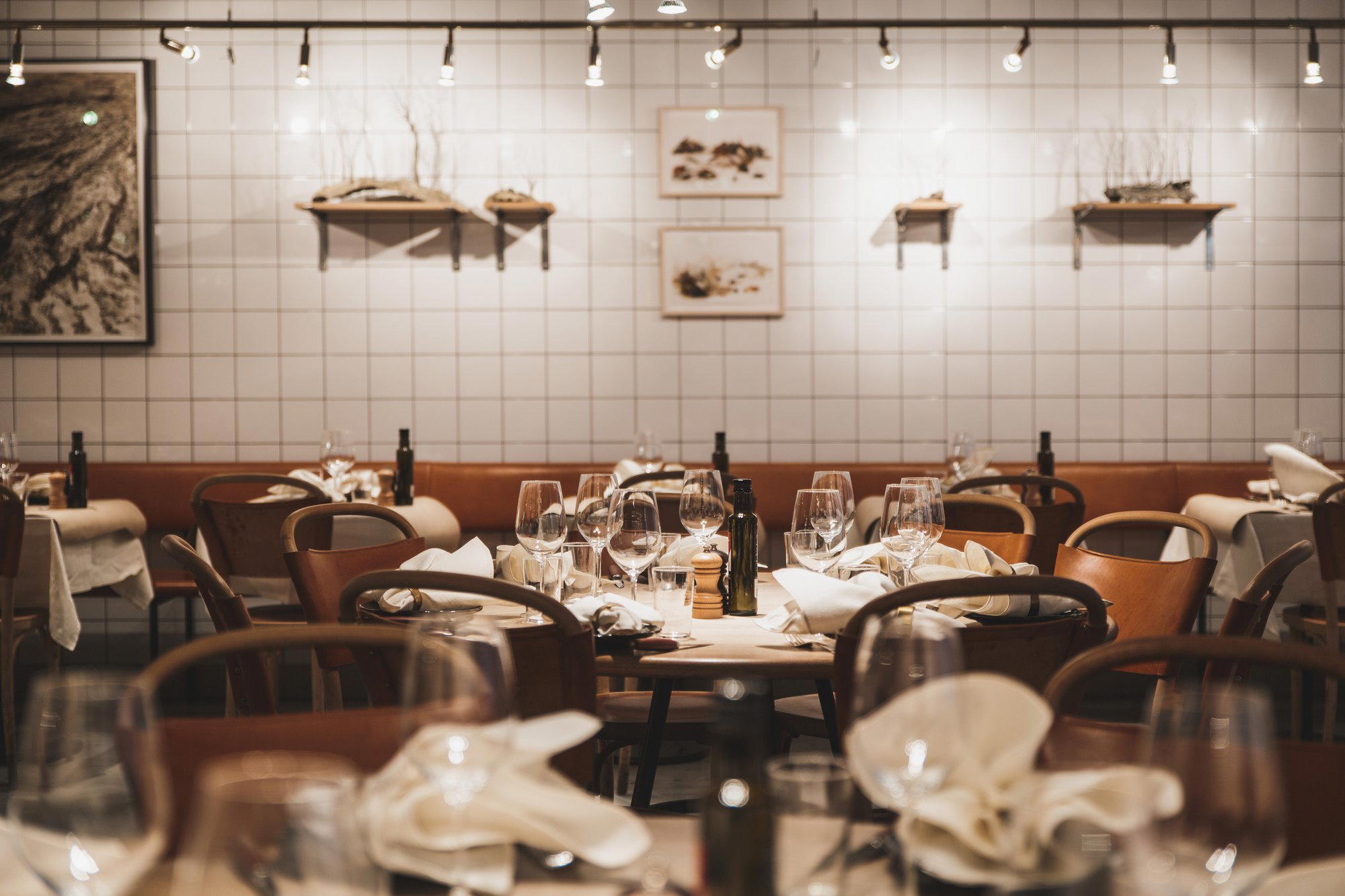
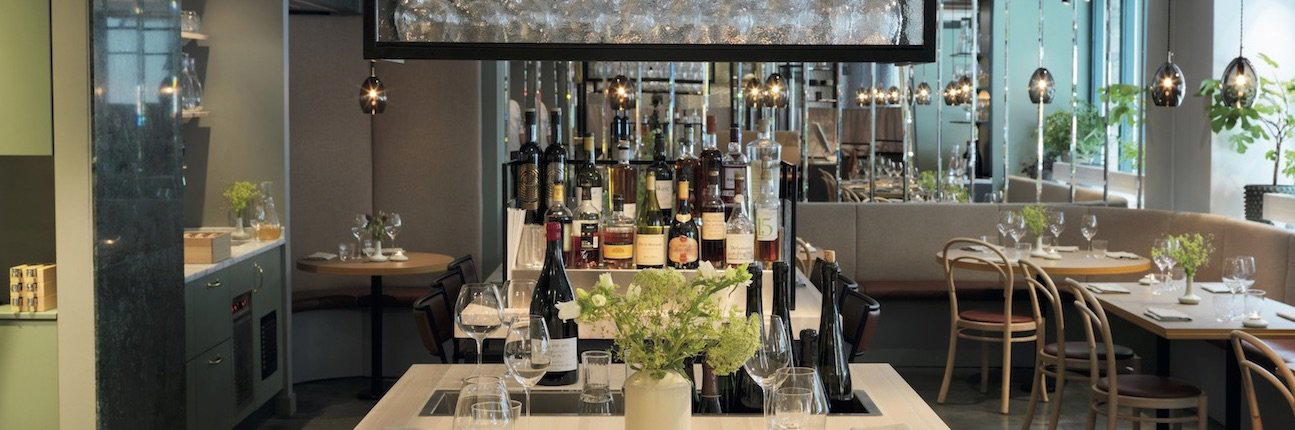
Bars in Stockholm
Browse all →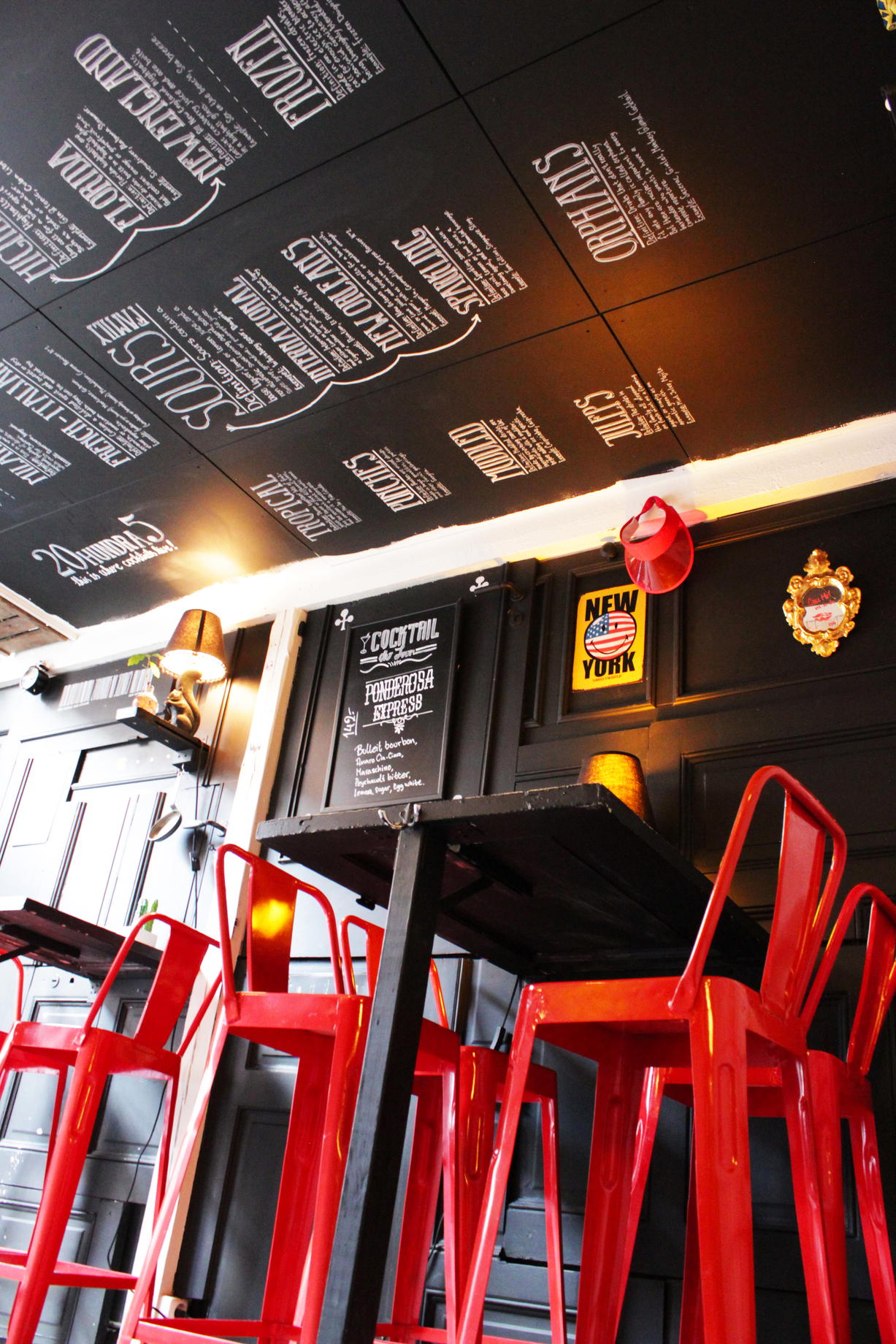
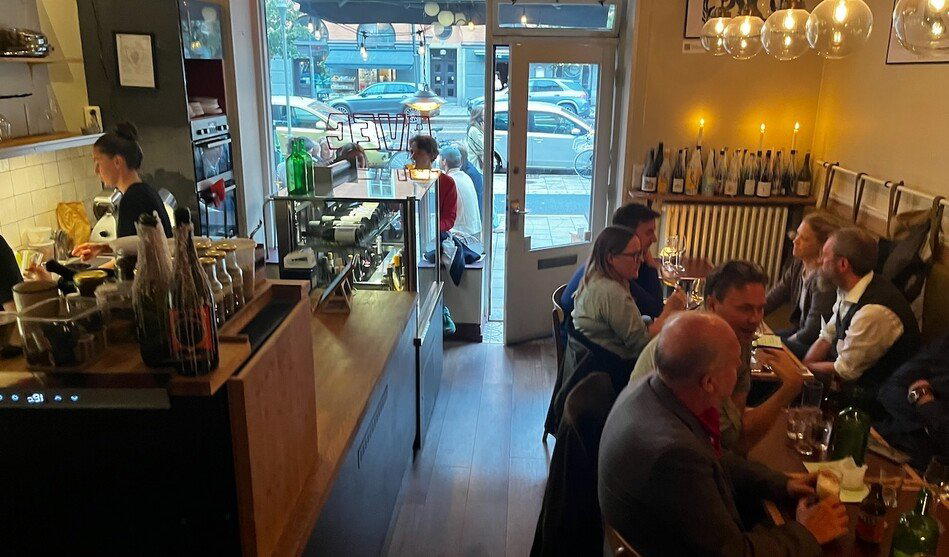
At a Glance
- Trendy
- Modern
- Cozy
- Casual Hangout
- Date Night
- Open Kitchen
Current opening hours
- Monday
- 11 AM–10 PM
- Tuesday
- 11 AM–10 PM
- Wednesday
- 11 AM–10 PM
- Thursday
- 11 AM–10 PM
- Friday
- 11 AM–10:30 PM
- Saturday
- 12–10:30 PM
- Sunday
- 12–10 PM
Hours can change for holidays and private events. Last verified .
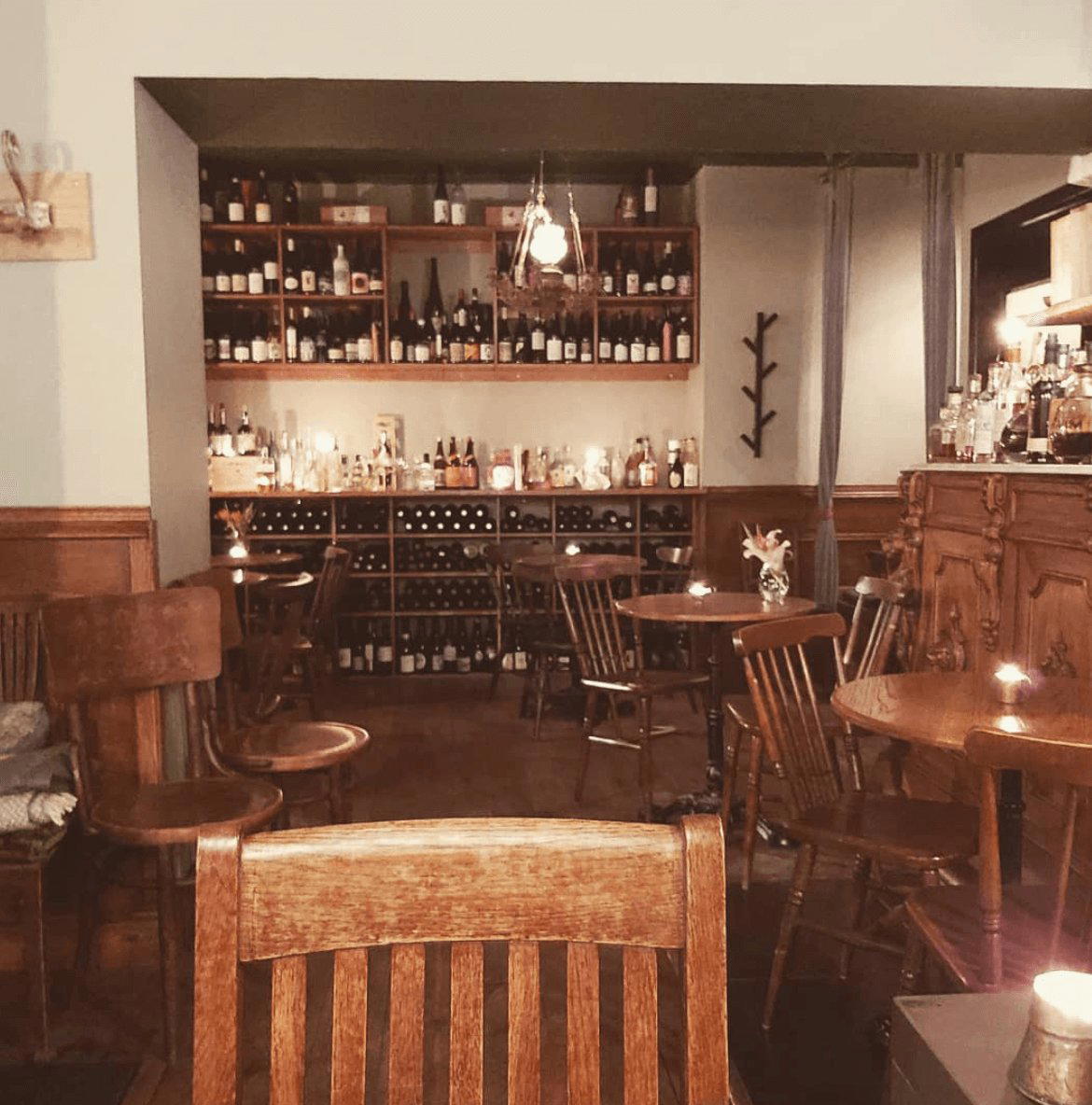
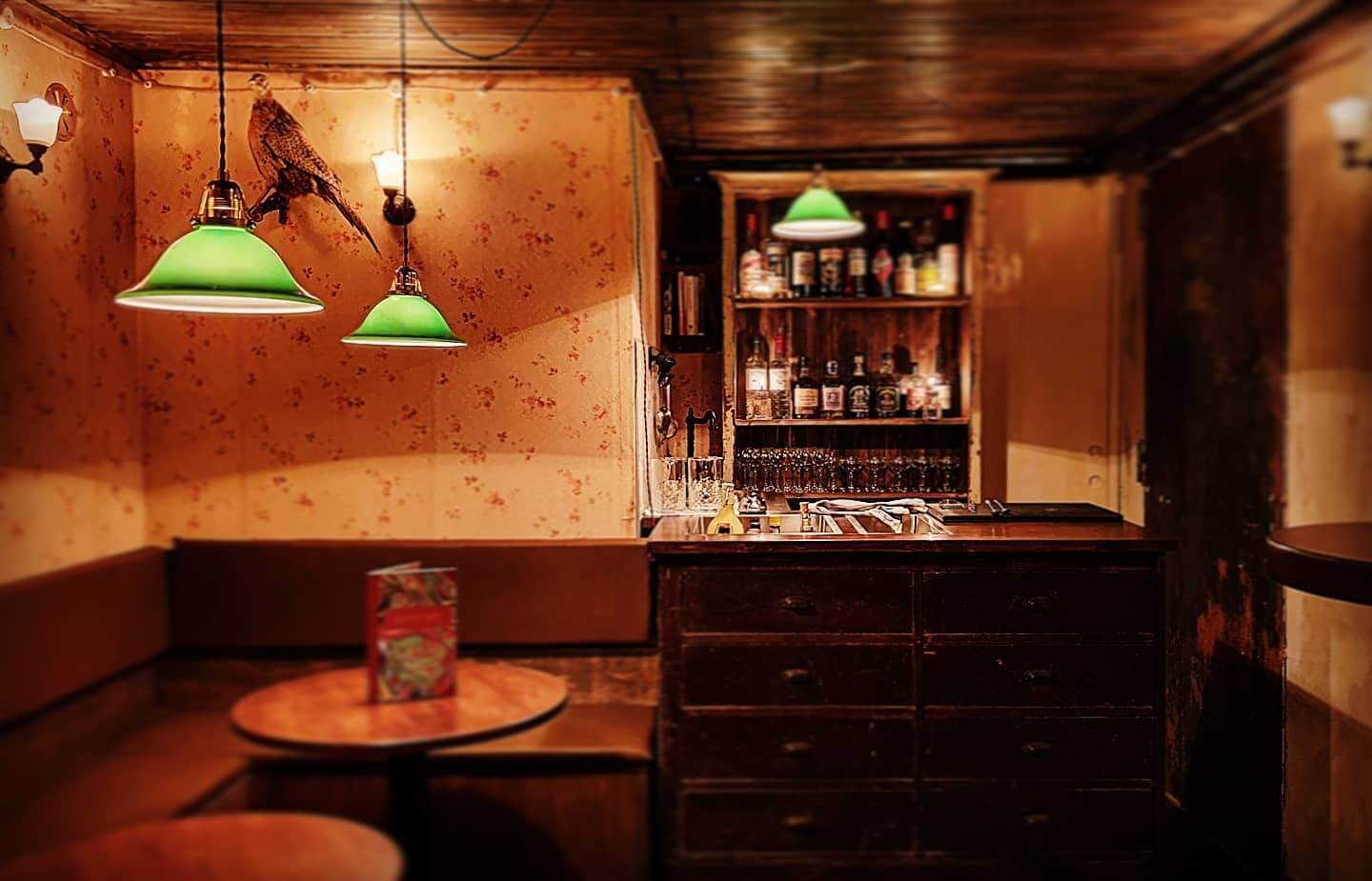
Pleasant and inviting with moss-green walls contrasting light wooden furniture, though can be noisy indoors.
Know Before You Go
- Getting there
- Sankt Eriksgatan 110, 113 31 Stockholm, Sweden