On Sveavägen, one of central Stockholm's main arteries, Giro occupies a position in a city where ingredient provenance and seasonal discipline have become baseline expectations rather than selling points. Where Stockholm's top tables — from Frantzén to AIRA — treat sourcing as a competitive differentiator, Giro operates in that same current. A practical address for those tracking Sweden's broader dining conversation.
Pearl is the En Primeur Club membership app — saves, bookings, and concierge access live there. Same editors, same standards.
- Address
- Sveavägen 46, 111 34 Stockholm, Sweden
- Phone
- +4684406767
- Website
- giropizzeria.com
- Directions
- Get directions
 Saves & bookings on Pearl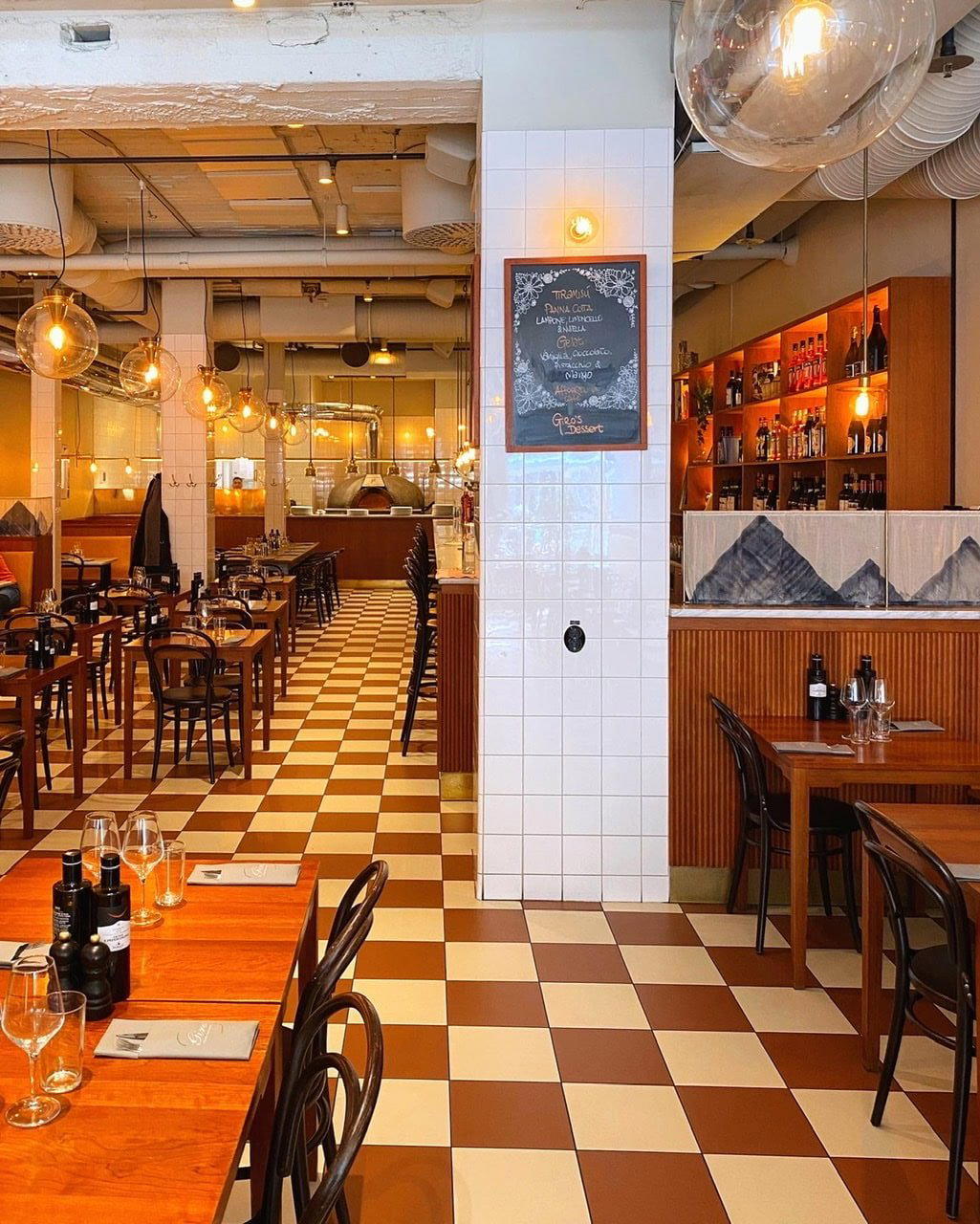
Sveavägen and the Stockholm Sourcing Conversation
Stockholm's dining culture has undergone a structural shift over the past decade. What began as a New Nordic movement centered on foraged ingredients and fermentation has matured into something more exacting: a city-wide expectation that restaurants at every price tier know where their food comes from and can defend those choices on the plate. Venues like Frantzén and AIRA operate at the high end of this, with sourcing programs that function as competitive architecture. But the same logic filters down across the city, shaping what diners expect when they walk through any door on Sveavägen.
Giro sits at Sveavägen 46, a central Stockholm address with consistent foot traffic and strong transport access. The street runs from the city's commercial core toward Vasastan, passing through a neighbourhood that mixes everyday Stockholm with destination dining. It is not the hushed, side-street setting of Östermalm's tasting-menu rooms, but that distinction matters: Sveavägen restaurants operate under a different kind of scrutiny, one where accessibility and value are weighed alongside ambition.
Where the Food Comes From
In the Swedish dining context, ingredient sourcing is not a marketing gesture. It is the organizing principle around which serious kitchens build their seasonal calendars. Sweden's geography — long winters, short summers, a coastline that yields cold-water fish and shellfish, inland forests producing game and mushrooms — means that a kitchen's relationship with producers is effectively its menu strategy. The restaurants that have earned sustained recognition in this city, from Aloë to Adam / Albin, treat that producer network as a long-term investment rather than a seasonal footnote.
This approach mirrors what has happened in other Nordic dining cities, but Stockholm's version has its own texture. The Swedish larder leans heavily on preserved and fermented products during winter months, pickled vegetables, cured fish, dried mushrooms, while spring and early summer bring a compressed window of fresh produce that kitchens treat with near-surgical precision. A restaurant serious about its sourcing in this city is also, by necessity, serious about timing. The ingredient calendar drives everything else.
Internationally, the comparison is instructive. At Le Bernardin in New York City, sourcing discipline is expressed through a seafood-focused supply chain built over decades. At Lazy Bear in San Francisco, the sourcing conversation connects to a particular California producer ecosystem. In Stockholm, the conversation is shaped by Nordic geography and seasonality, with kitchens building supplier relationships that extend to specific farms, specific fishing boats, and specific foragers operating across Sweden's regions.
Stockholm's Sveavägen Tier
To understand where a restaurant on Sveavägen sits in Stockholm's dining map, it helps to look at how the city's scene stratifies. At the leading, a small cluster of tasting-menu destinations, Operakällaren, Frantzén, AIRA, command prices and booking lead times that place them in a separate competitive bracket. Below that, a larger group of serious, mid-tier restaurants serves the bulk of Stockholm's food-aware dining population. These are the places that sustain a city's culinary reputation on a day-to-day basis, and Sveavägen has historically housed several of them.
The broader Swedish scene provides useful comparison. Outside Stockholm, award-recognized kitchens like Vollmers in Malmö and VYN in Simrishamn demonstrate that rigorous sourcing and seasonal discipline are not exclusively metropolitan pursuits. Destinations such as Signum in Mölnlycke, ÄNG in Tvååker, and Knystaforsen in Rydöbruk operate in smaller centres but hold significant culinary credibility, which raises the standard Stockholm restaurants are benchmarked against. In southern Sweden, Sydkustens at Pillehill in Skivarp and Claesgatan 8 in Malmo push the same conversation in different registers, while Bistro Jarlen in Halmstad and PM & Vänner in Växjö show how the sourcing-led ethos extends into provincial dining. Hoze in Gothenburg adds another reference point from Sweden's second city. The net effect is a national dining culture that holds Stockholm restaurants accountable to a wider frame of reference than the capital alone.
Reading the Room on Sveavägen
Central Stockholm restaurants on high-traffic streets like Sveavägen tend to operate with a different rhythm than the reservation-heavy tasting-menu circuit. Walk-in culture is more viable, lunch service often carries more weight, and the pressure to perform across a broader customer range is higher. The trade-off is a different kind of energy: the room reads as part of the city rather than apart from it.
For diners working through Stockholm's dining scene systematically, this matters. A Sveavägen address is a different kind of commitment than booking three months out for a counter seat in Östermalm. The entry point is lower, the flexibility is greater, and the experience is shaped by the neighbourhood's mix of regulars and visitors. Whether that exchange serves a given diner's priorities depends on what they are optimizing for: the tightly controlled tasting progression of Stockholm's leading tables, or the more contingent, city-embedded experience of a serious restaurant in daily operation.
For a fuller map of where Giro fits within Stockholm's dining scene, see our full Stockholm restaurants guide, which covers the city's key neighbourhoods, price tiers, and the booking dynamics that govern its most sought-after tables.
Know Before You Go
Address: Sveavägen 46, 111 34 Stockholm, Sweden
Phone: Not available
Website: Not available
Getting There: Sveavägen is accessible via Stockholm's T-bana (metro) with multiple nearby stops along the central corridor. The address sits in a walkable section of the city well-served by public transit.
Seasonal Note: Swedish kitchens adjust menus significantly between seasons. Spring and summer bring fresh produce windows; autumn and winter shift toward preserved and cured preparations. Timing your visit to a particular season will shape what appears on the plate.
How Giro Stockholm compares with similar nearby venues.
| Venue | Cuisine | Price |
|---|---|---|
| Allegrine | French | €€ |
| Rolfs Kök | Nordic, Traditional Cuisine | €€ |
Continue exploring
More in Stockholm
Restaurants in Stockholm
Browse all →
Bars in Stockholm
Browse all →
At a Glance
- Rustic
- Trendy
- Lively
- Cozy
- Family
- Group Dining
- Casual Hangout
- Open Kitchen
- Extensive Wine List
Current opening hours
- Monday
- 5–10 PM
- Tuesday
- 5–10 PM
- Wednesday
- 5–10 PM
- Thursday
- 5–10 PM
- Friday
- 5–10 PM
- Saturday
- 5–10 PM
- Sunday
- 5–10 PM
Hours can change for holidays and private events. Last verified .
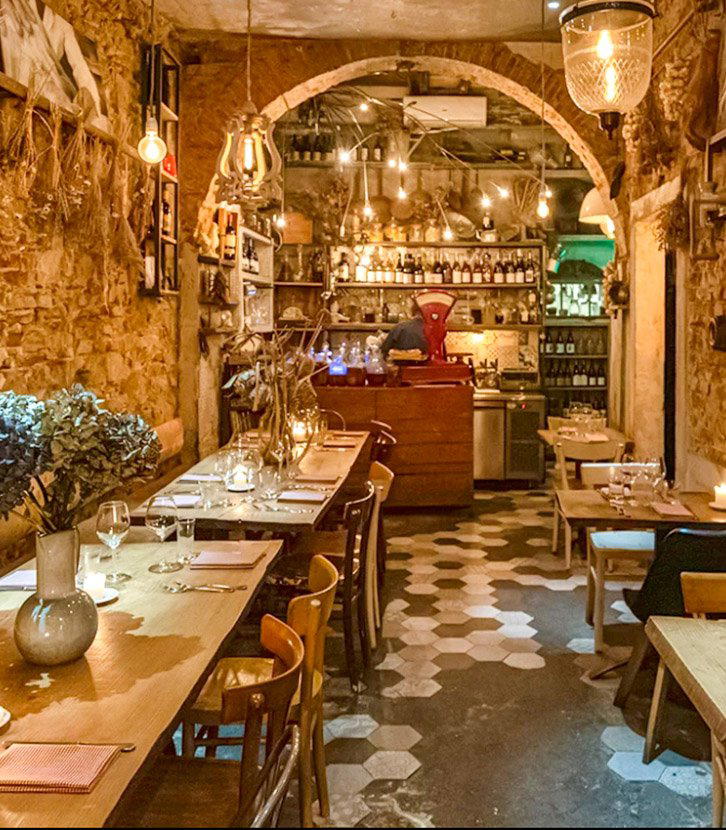
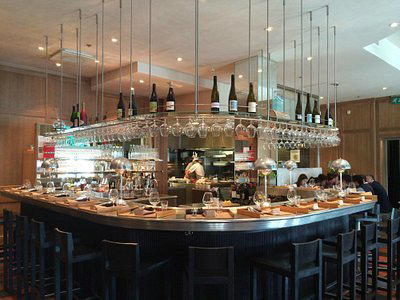
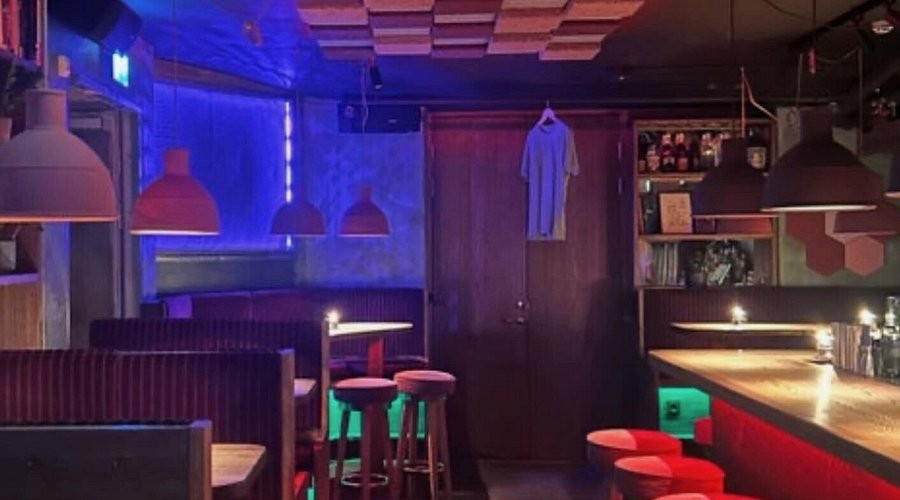
Rustic yet trendy atmosphere with wooden tables, black and white tiles, intimate booths, marble bar, and open wood-fired pizza oven creating a warm, lively vibe.
Know Before You Go
- Getting there
- Sveavägen 46, 111 34 Stockholm, Sweden