


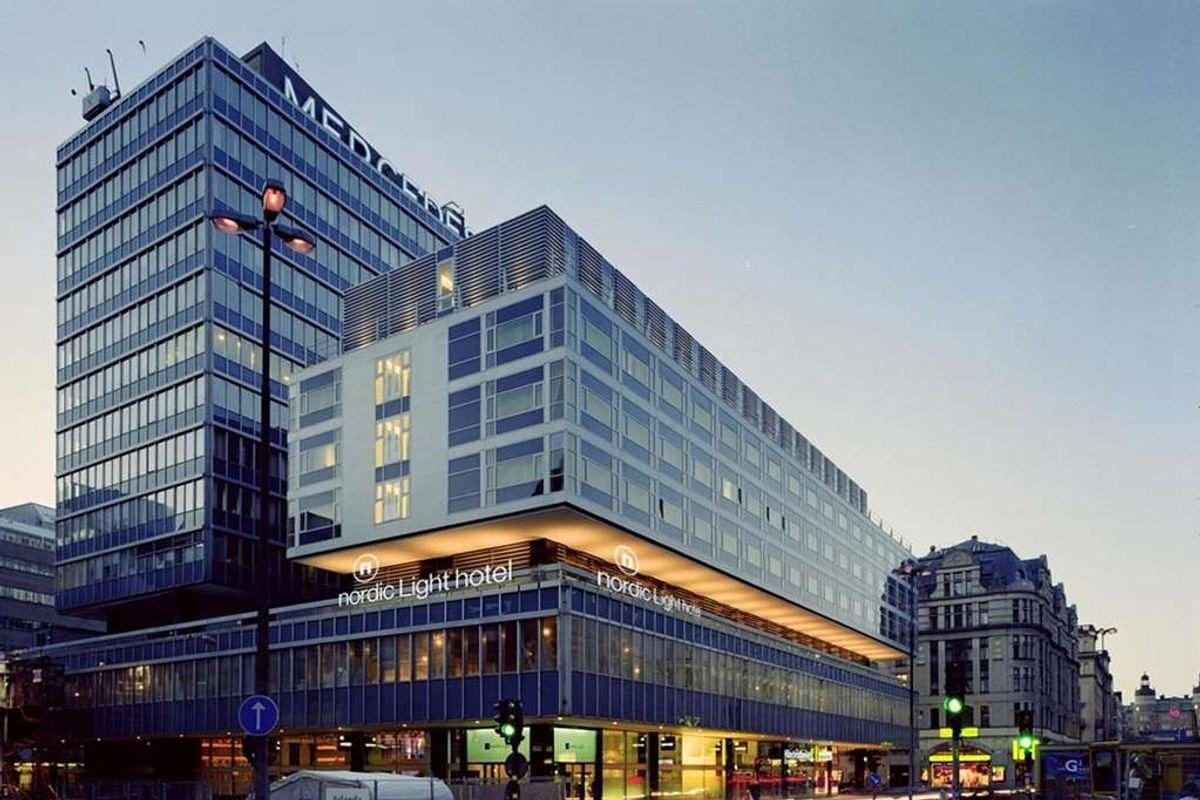
A 1930s industrial warehouse transformed into one of Stockholm's most architecturally considered hotels, Blique by Nobis sits at the centre of the city's contemporary art district in Hagastaden. The conversion preserves the building's raw materiality while layering in design intelligence that places it firmly in the design-led, limited-footprint tier of Nordic hospitality. Proximity to Hagastaden's galleries and studios makes it a natural base for culturally engaged travellers.
Pearl is the En Primeur Club membership app — saves, bookings, and concierge access live there. Same editors, same standards.
- Address
- Gavlegatan 18, Stockholm 11330, Sweden
- Phone
- +46 8 557 666 00
- Website
- marriott.com
- Directions
- Get directions
 Saves & bookings on Pearl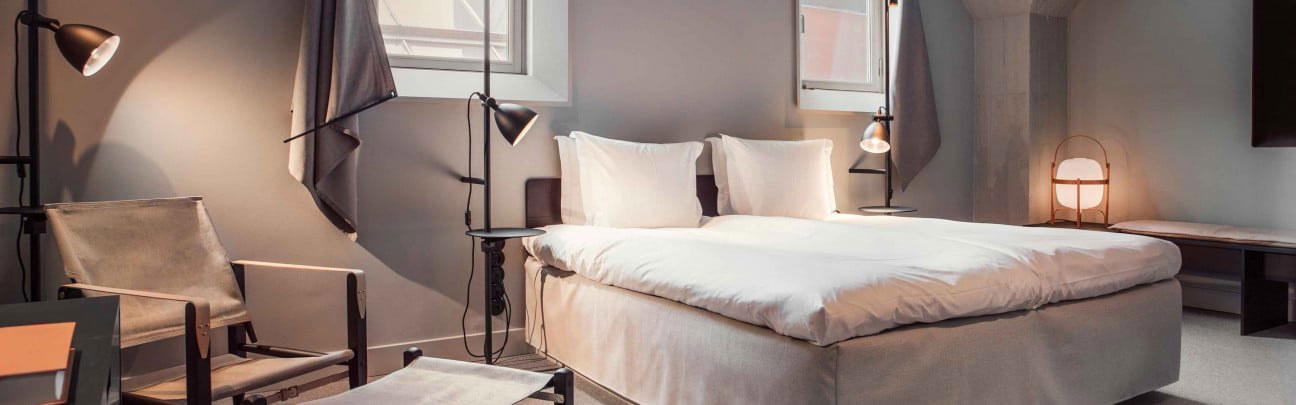
Industrial Stockholm, Reconsidered
Blique by Nobis is a 4-star hotel in Stockholm's Hagastaden district, housed in a 1930s warehouse at Gavlegatan 18. Blique by Nobis belongs firmly to the second category. The building at Gavlegatan 18 was a functioning warehouse in the 1930s, and the neighbourhood it anchors, Hagastaden, has spent the better part of two decades converting its industrial skeleton into one of the city's most concentrated zones of contemporary art, architecture, and independent creative enterprise. That arc from utility to culture is precisely what Blique embodies in built form.
Arriving at the property, the conversion logic is immediately apparent. The scale of the original structure is retained rather than disguised: high volumes, raw material references, and structural honesty that reads as deliberate rather than unfinished. Stockholm's better design hotels, including At Six in Norrmalm and Ett Hem in Lärkstaden, each take a different approach to the question of what a considered Stockholm hotel should feel like. At Six is urban and art-gallery clean; Ett Hem is domestic and intimate to the point of deliberate smallness. Blique operates in a register that is architecturally assertive without being cold, which places it in a niche between those two poles.
Hagastaden and the Art District Context
Location is inseparable from the Blique proposition. Hagastaden, sometimes described as Stockholm's newest urban district, has been built deliberately around creative and knowledge-economy activity. The galleries, studios, and cultural institutions in the immediate area form a circuit that the hotel is positioned to serve as a base rather than a destination in isolation. For travellers whose primary interest is Stockholm's contemporary art and design scene, proximity to that ecosystem carries more weight than proximity to the Old Town or the traditional hotel clusters around Stureplan.
This is a meaningful distinction in Stockholm's broader hotel geography. Properties like Grand Hôtel Stockholm on Blasieholmen and Berns Hotel near Berzelii Park anchor themselves to the established city centre. Haymarket by Scandic and Bank Hotel occupy the historic retail and financial corridors. Blique's positioning in Hagastaden is a deliberate step away from those zones, into a district that is still consolidating its identity but moving with considerable momentum. For the right traveller, that is a feature rather than a compromise.
Adaptive Reuse as a Sustainability Argument
The broader European hospitality conversation around sustainability has moved well beyond green certification checklists. What is increasingly recognised across the sector is that the consequential environmental decision a building makes is the one not to demolish and rebuild. Adaptive reuse of existing structures, particularly large-footprint industrial buildings like warehouses and factories, avoids the embodied carbon costs of new construction and preserves the material memory of urban neighbourhoods in the process.
Blique's 1930s warehouse conversion sits directly within that argument. Retaining and reinterpreting existing fabric rather than replacing it is, in material terms, one of the more defensible sustainability positions a hospitality project can take. The same principle underpins several of Sweden's more thoughtful hotel conversions: Arctic Bath in Harads was designed around minimal environmental intervention in the river landscape, and Görvälns Slott in Järfälla operates through the stewardship of an existing historic estate. The logic differs across these cases, but the underlying commitment to working with what exists rather than replacing it connects them. Blique's industrial reuse aligns with that Swedish instinct for material honesty in architecture and design.
Stockholm itself has strong infrastructural credentials on sustainability: the city operates one of Europe's most efficient district heating and cooling networks, and its broader urban development strategy has consistently prioritised low-carbon mobility. A hotel embedded in a newly developing district like Hagastaden benefits from and contributes to that infrastructure in ways that a standalone rural property or an isolated island resort cannot. For travellers for whom environmental footprint is a genuine factor in accommodation choice, rather than a marketing consideration, those structural details carry weight.
Positioning Within the Nobis Group
Blique operates under the Nobis Group umbrella, which gives it access to the operational infrastructure and design thinking of a group that has demonstrated consistent seriousness in how it approaches Stockholm hospitality. The Nobis Group's approach has generally favoured cultural investment and design specificity over points-program mechanics or chain standardisation. That positioning aligns Blique with a set of independent-minded European hospitality groups that prioritise a coherent point of view in their properties.
For travellers comparing Stockholm options, the group context matters. Backstage Hotel Stockholm and Freys Hotel represent different points on the city's hotel spectrum. Internationally, the design-led boutique cohort that Blique most closely resembles includes properties like Castello di Reschio in Lisciano Niccone and Cheval Blanc Paris, though those operate at different price points and scales. Closer in spirit is the design-led Scandinavian hospitality model also visible at Vyn Restaurant in Östra Nöbbelöv and Fjällbacka on the west coast, where architectural intention and landscape sensitivity drive the offer rather than amenity lists.
Travellers seeking reference points in other Swedish cities might also consider Dorsia Hotel and Restaurant in Gothenburg or Marstrands Kurhotell on the western archipelago, both of which operate with comparable levels of design seriousness in their respective settings.
Planning Your Stay
Blique by Nobis is located at Gavlegatan 18 in Hagastaden, Stockholm's northern development district. The area is well connected by metro and tram, making access to the city centre and to the Arlanda Express rail link at Stockholm Central Station direct from the hotel. For travellers interested in Stockholm's art and design circuit, Hagastaden's immediate surroundings reward on-foot exploration, and the gallery density in the area makes it worth building in time that is not structured around conventional tourism itineraries.
For comparison at the higher end of the global design-hotel market, properties like Aman New York, Amangiri in Canyon Point, and Bvlgari Hotel Tokyo represent the international tier against which architecturally serious hotels are increasingly measured. Blique operates at a different scale and price point, but the underlying commitment to architectural coherence and cultural positioning connects it to that broader conversation about what hotel design can and should do.
Pricing, Compared
Comparable venues nearby, for context on price, style, and recognition.
| Venue | Price | Awards | Notes |
|---|---|---|---|
| Blique by NobisThis venue — the venue you are viewing | $$$$ | 4-Star | Not listed |
| Hôtel Reisen, part of The Unbound Collection by Hyatt | $$$$ | 5-Star | Skeppsholmen, Historic luxury waterfront hotel in Old Town |
| Downtown Camper by Scandic | $$$ | 4-Star | Norrmalm, Lifestyle hotel promoting affinity, creativity, and urban exploration |
| Freys Hotel | $$$ | 4-Star | Norrmalm, Charming family-run hotel with rich history and modern comforts. |
| Sheraton Stockholm Hotel | $$$ | 4-Star | Riddarholmen, Polished modern sanctuary in city center |
| Scandic Södra Kajen | $$ | 4-Star | Östermalm, Large urban waterfront business hotel with Scandic’s contemporary Nordic branding. |
Recognition history
Dated appearances from independent guides and award organizations, with the underlying list record or original source where available.
Design Hotels Member
Design Hotels
Mr & Mrs Smith Smith Seal of Approval
Mr & Mrs Smith
White Guide Sweden Hotels - Very Fine Level
White Guide
White Guide Nordic Hotels - Very Fine Level
White Guide
Michelin Selected
Michelin
Continue exploring
More in Stockholm
Hotels in Stockholm
Browse all →
Bars in Stockholm
Browse all →
Restaurants in Stockholm
Browse all →
At a Glance
- Modern
- Trendy
- Sophisticated
- Industrial
- Minimalist
- Business Trip
- Weekend Escape
- Rooftop Pool
- Terrace
- Historic Building
- Design Destination
- Panoramic View
- Wi Fi
- Sauna
- Fitness Center
- Room Service
- Concierge
- Skyline
- Wi Fi
- Sauna
- Fitness Center
- Room Service
- Concierge
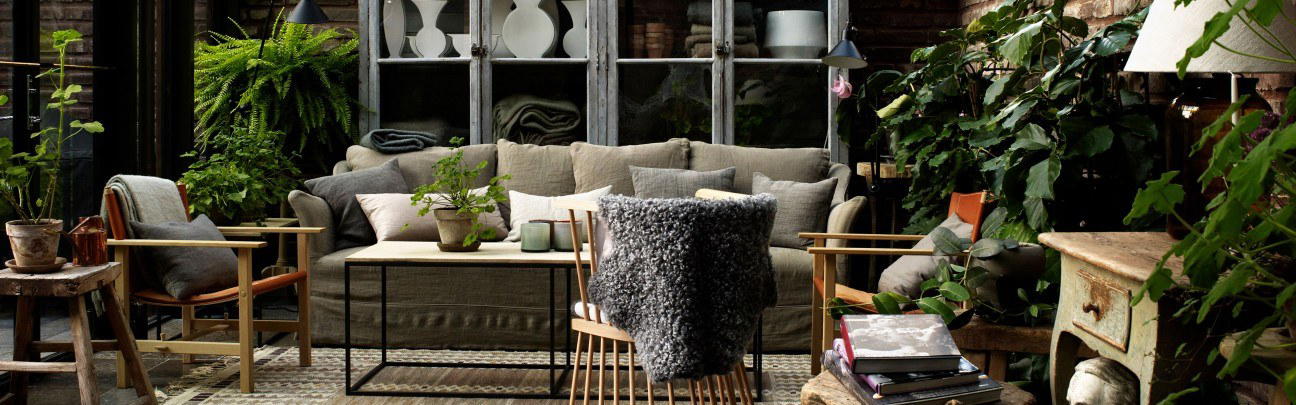
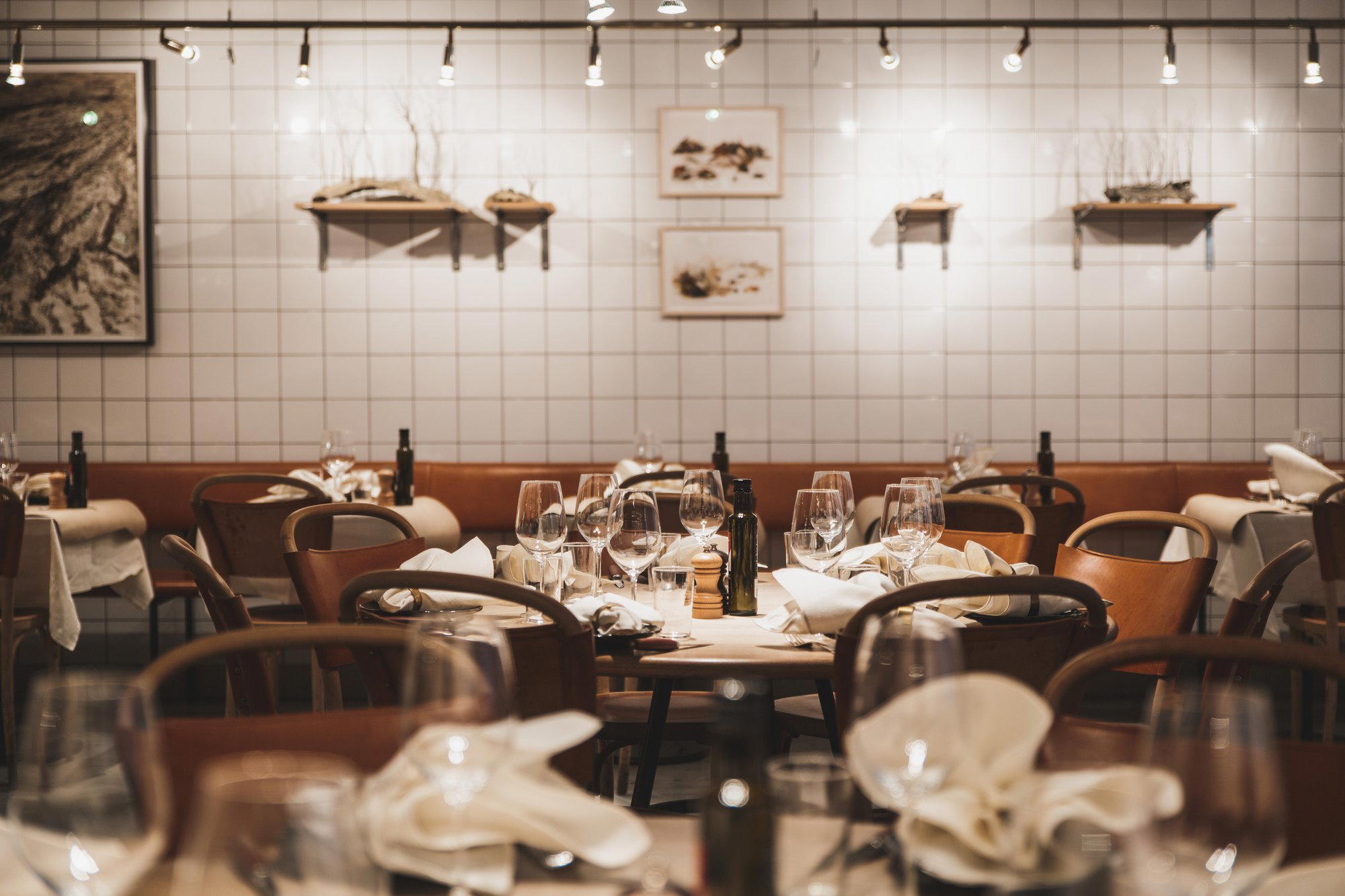
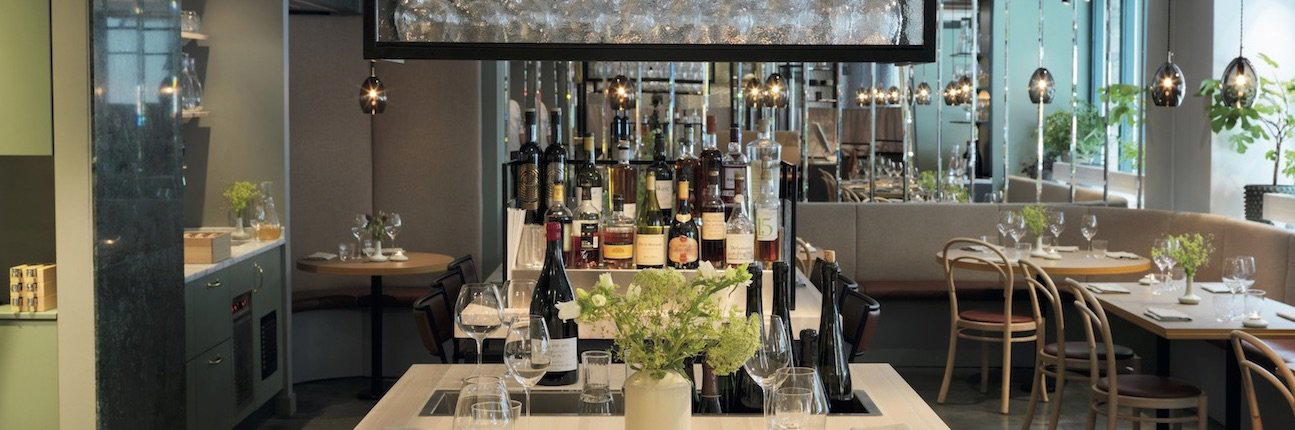
Modern industrial atmosphere with exposed concrete, dark metals, polished surfaces, cozy seating areas, and stylish lighting creating a trendy, artistic vibe.