Eataly Stockholm on Biblioteksgatan 5 brings Italy's landmark food marketplace format to Sweden's capital, pairing imported and artisan Italian produce with a dining culture that prizes traceability and slow-food principles. The Östermalm address places it among Stockholm's most food-literate retail corridors, making it a practical stop for ingredients, a counter meal, or a considered bottle from the Italian peninsula.
Pearl is the En Primeur Club membership app — saves, bookings, and concierge access live there. Same editors, same standards.
- Address
- Biblioteksgatan 5, 111 44 Stockholm, Sweden
- Phone
- +46840017500
- Website
- eataly.se
- Directions
- Get directions
 Saves & bookings on Pearl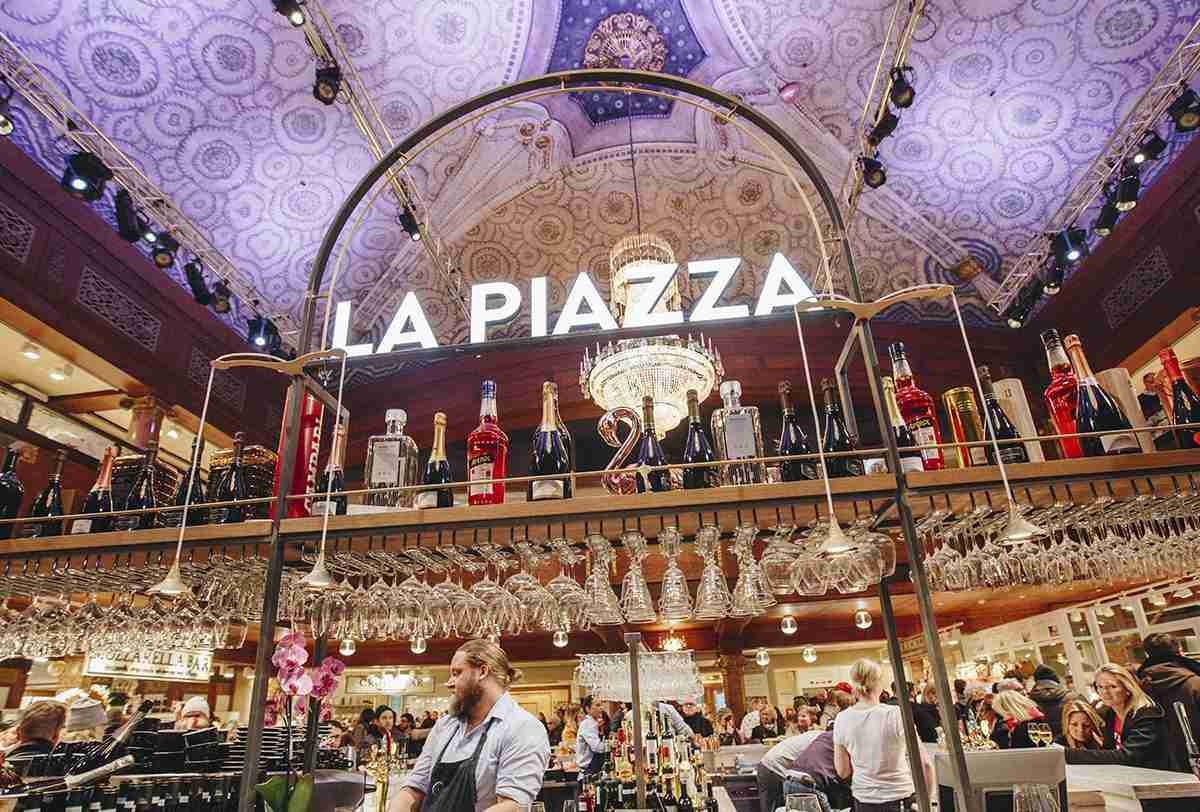
Italian Food Culture, Transplanted to Östermalm
Stockholm's premium food corridor along Biblioteksgatan has long supported a particular kind of retail seriousness: cheese counters with provenance cards, delis with specific regional sourcing, wine merchants who know their growers by name. Eataly, which expanded from its 2007 Turin origin into a global format with locations in New York, Tokyo, Munich, and beyond, fits that register without apology. The Stockholm outpost at Biblioteksgatan 5 operates on the same founding logic as every other Eataly: that the distance between producer and plate should be made visible, and that a marketplace, restaurants, and an education programme can occupy the same building without contradiction.
That format has proved durable precisely because it addresses something structural in how premium food culture has shifted. Across Northern Europe and North America, the most commercially successful food destinations of the past decade are not single-concept restaurants but mixed environments where purchasing, eating, and learning about provenance happen simultaneously. Eataly was not the first to test this model, but it refined it at scale, and Stockholm, a city with genuine consumer appetite for ingredient quality and supply-chain transparency, is a logical home for it.
The Sustainability Architecture Behind the Format
The Eataly model is, at its core, a sustainability argument made physical. The original Slow Food affiliation that shaped the Turin flagship was not branding: it reflected a commitment to producers operating outside industrial supply chains, to varietals and curing traditions that would otherwise lose commercial viability, and to a retail environment where the story of how something was made is considered part of its value. That philosophy travels with the format.
In practice, this means the Stockholm location draws on a supplier network that prizes small-batch production, protected designation of origin credentials (DOP and IGP classifications that the EU uses to anchor food identity to specific geography and method), and in many cases direct relationships with farms and cooperatives in Italy. For the Stockholm consumer, this represents a different kind of Italian food access than the import-and-distribute model that supplies most European supermarkets. The emphasis falls on products that have a reason to exist as they are, rather than products optimised for shelf life and logistical convenience.
This sourcing ethic also connects Eataly Stockholm to a broader shift in how Swedish consumers engage with food provenance. Sweden has, over the past two decades, built a dining culture genuinely attentive to origin labelling, seasonal logic, and reduced-waste cooking. The farm-to-table framing that the Nordic restaurant scene helped popularise globally, through the work of restaurants like Frantzén and the New Nordic movement associated with Adam / Albin, has raised baseline consumer literacy around these questions. Eataly arrives into a market already primed to read provenance as a quality signal rather than a marketing add-on.
Where It Sits in Stockholm's Dining Hierarchy
Stockholm operates across several distinct dining tiers. Eataly occupies a different register entirely: it is not competing with those counters, and its value proposition is not built on a single chef's creative vision. It is closer, in function, to a well-curated Italian food institution where the quality ceiling is set by the producer network rather than by kitchen ambition.
That distinction matters for how visitors should approach it. The question is not whether to choose Eataly over a Michelin-level dinner in Stockholm, but whether the format delivers on its own terms: ingredient quality, honest counter cooking, and access to products that are difficult to find elsewhere in the Swedish market. In those terms, it competes with the city's better specialist retailers and casual Italian dining options, not with the tasting-menu tier. For travellers building a multi-day Stockholm itinerary, it functions as a daytime anchor, a place to eat a proper lunch at a counter, buy something worth carrying home, and spend time in an environment where the product on the shelf is taken as seriously as the food on the plate.
Sweden's southern regions have developed their own serious food-focused destinations over the same period, with places like Vollmers in Malmö, ÄNG in Tvååker, and Knystaforsen in Rydöbruk representing a rural-produce-led seriousness that mirrors, in Nordic terms, what Eataly does with Italian regional identity. The parallel is instructive: both models insist that geography and method are the primary markers of food quality.
Italian Regionalism in a Nordic Context
One of the more interesting tensions in the Eataly format is the question of what Italian regional food culture means when it is transplanted into a country with its own equally specific food identity. Italy and Sweden share a producer-respect culture and a resistance to homogenisation, but their culinary traditions diverge sharply in technique, ingredient base, and seasonality logic. The Stockholm location does not try to resolve this tension. It presents Italian food culture on its own terms, which is, arguably, the more honest approach: rather than fusion or localisation, it offers a window into a different tradition, one that Swedish consumers can engage with through purchase and through the counter restaurants inside the space.
For context on how this kind of regional-specificity approach plays out at the highest level internationally, the Italian-influenced sourcing rigour visible in formats like Eataly is not dissimilar to the philosophy behind acclaimed seafood-focused restaurants like Le Bernardin in New York City, where the sourcing chain is considered as fundamental as the cooking technique. The scale is different, but the underlying argument, that the integrity of the raw material is non-negotiable, is the same.
Planning a Visit
Biblioteksgatan 5 places the Stockholm Eataly within easy walking distance of Östermalmstorg metro station, in a neighbourhood that also contains Östermalms Saluhall, the city's historic indoor market. That proximity makes the area a logical half-day food itinerary on its own terms. The multi-concept format means that arrival time shapes the experience: early in the day, the retail and deli offer is at its most complete; at lunch, the counter restaurants absorb the area's office and shopping crowd, so timing slightly before or after the midday peak tends to produce a more comfortable experience. For travellers whose Stockholm visit includes evenings at formal dining rooms and days exploring the city's food retail, Eataly fits the daytime slot without competing with dinner reservations at restaurants in the full Stockholm restaurants guide.
Those extending beyond Stockholm will find that Sweden's food geography rewards exploration: Signum in Mölnlycke, VYN in Simrishamn, PM & Vänner in Växjö, Hoze in Gothenburg, Claesgatan 8 in Malmö, Sydkustens at Pillehill in Skivarp, and Bistro Jarlen in Halmstad represent a serious regional circuit for food-focused travellers. And for those drawn to the community-dining format that Eataly shares in spirit, Lazy Bear in San Francisco offers a comparable sense of the meal as a shared, producer-aware occasion, albeit through a very different culinary lens.
A Pricing-First Comparison
| Venue | Cuisine | Price | Awards |
|---|---|---|---|
| Eataly StockholmThis venue — the venue you are viewing | Not listed | This venue | Not listed |
| Operakällaren | Swedish, Modern Cuisine | €€€€ | Michelin 1 Star |
| AIRA | Modern European, Modern Cuisine | €€€€ | Michelin 2 Star |
| Adam / Albin | New Nordic | €€€€ | Michelin 1 Star |
| Ekstedt | Progressive Asador, Grills | €€€€ | Michelin 1 Star |
| Etoile | Contemporary French, Creative | €€€€ | Michelin 1 Star |
Continue exploring
More in Stockholm
Restaurants in Stockholm
Browse all →
Bars in Stockholm
Browse all →
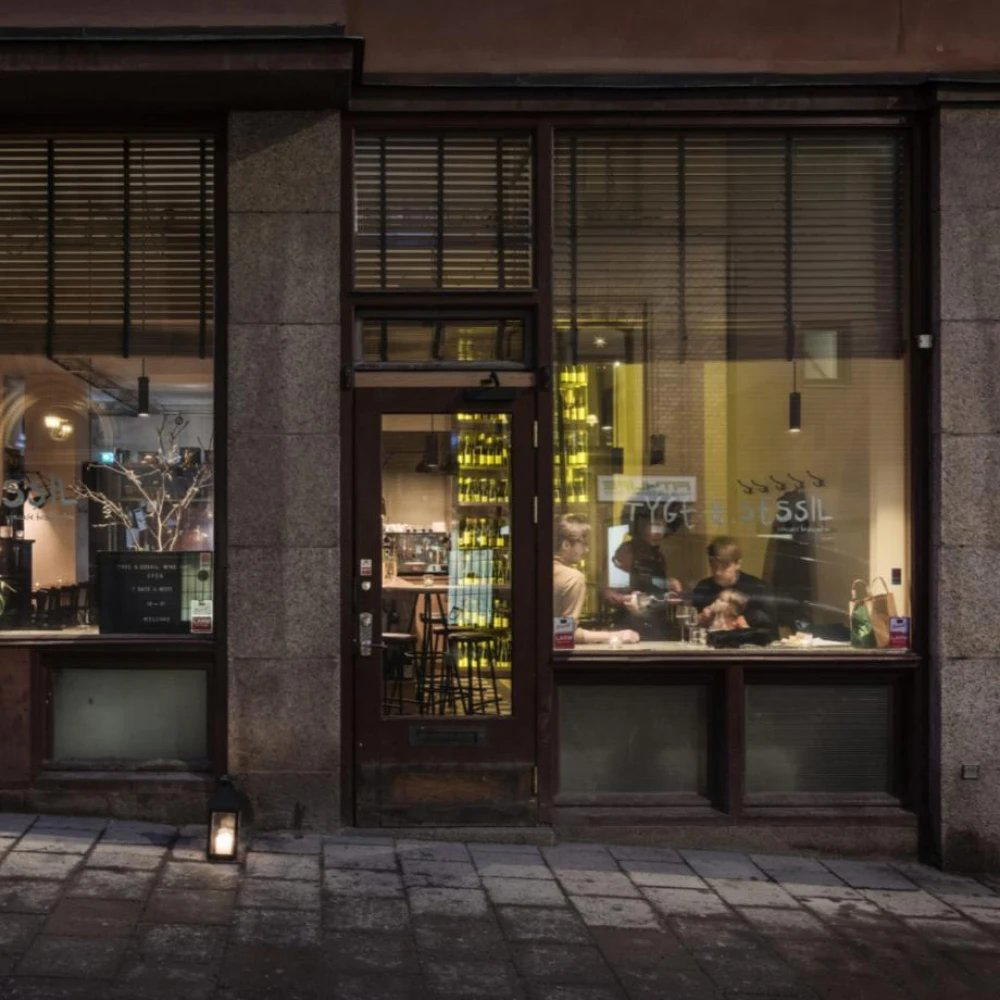
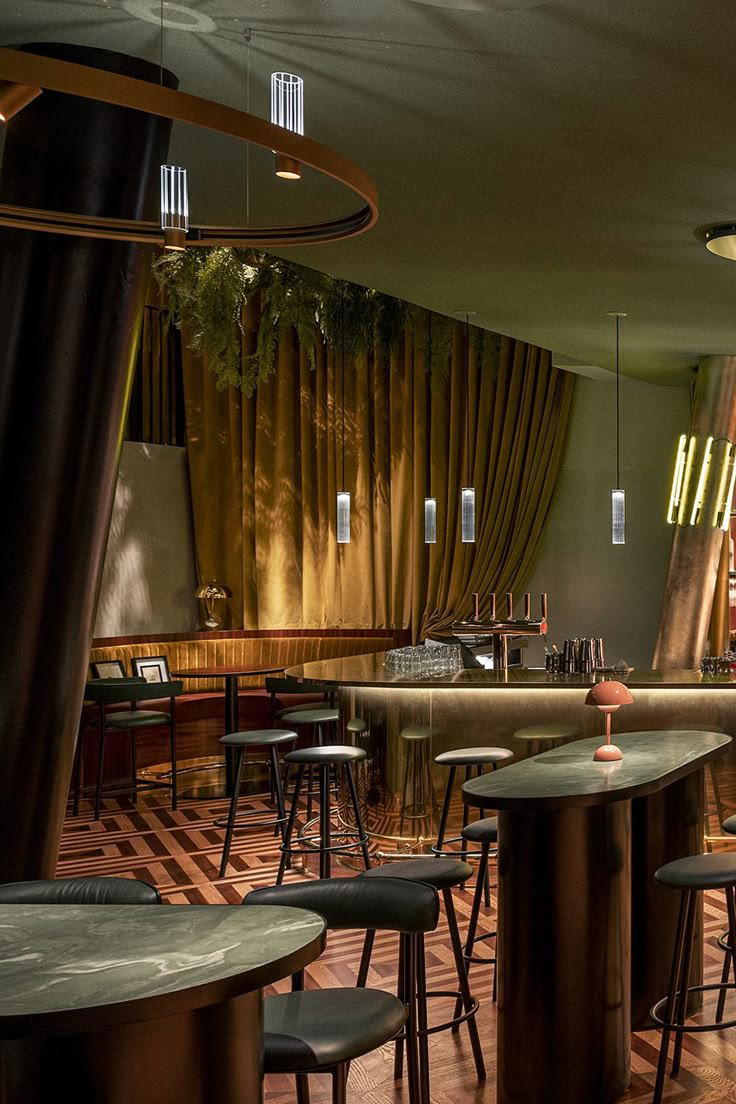
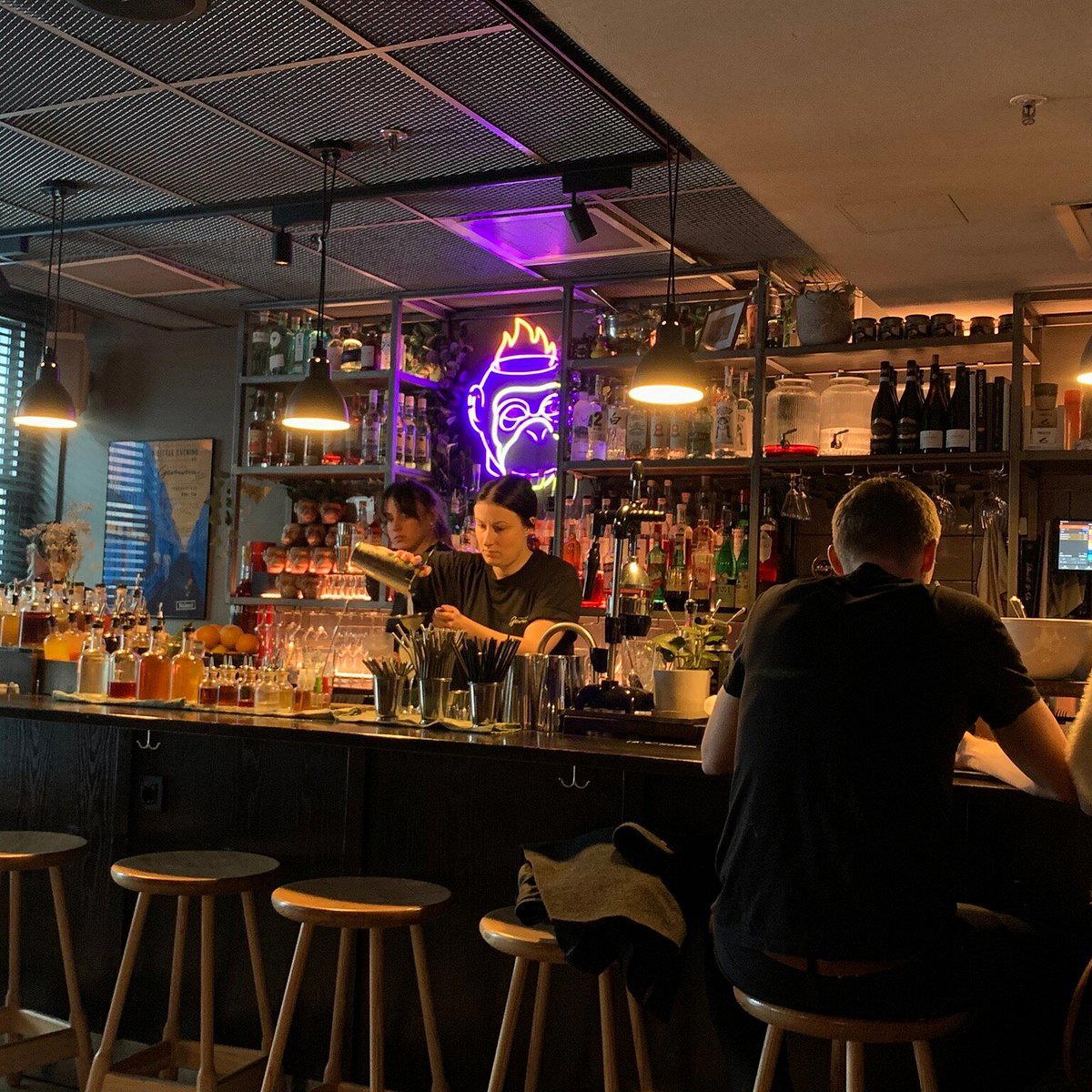
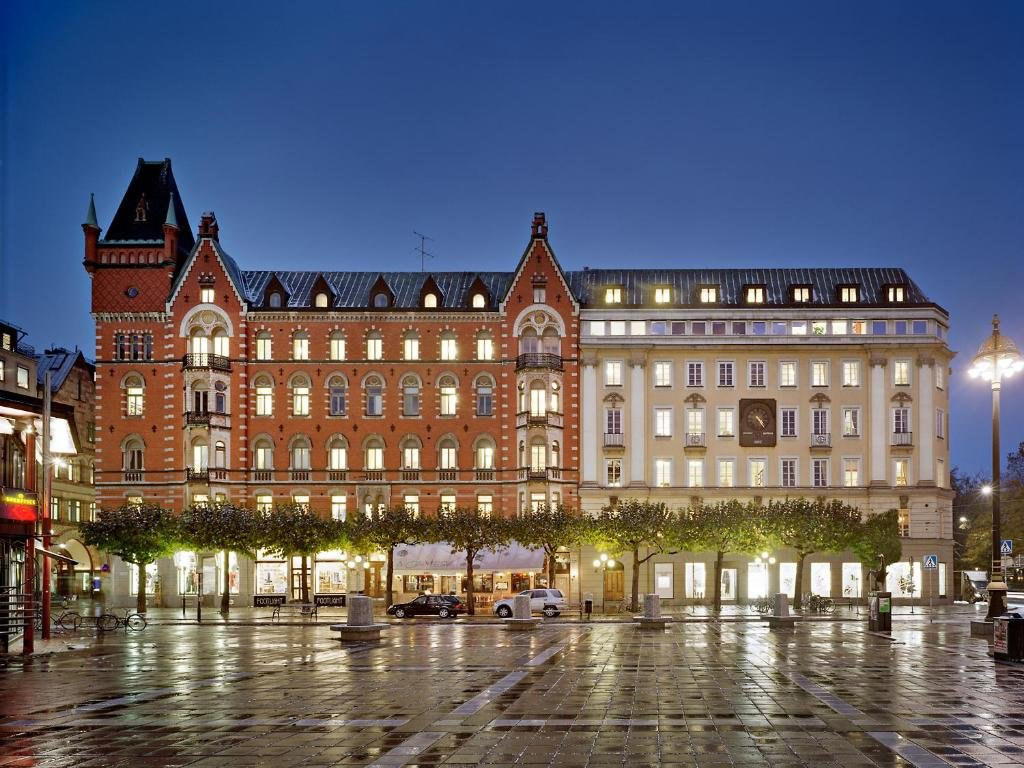

At a Glance
- Lively
- Trendy
- Well Known
- Elegant
- Casual Hangout
- Group Dining
- Brunch
- Open Kitchen
- Historic Building
- Extensive Wine List
Current opening hours
- Monday
- 9:30 AM–10:30 PM
- Tuesday
- 9:30 AM–10:30 PM
- Wednesday
- 9:30 AM–10:30 PM
- Thursday
- 9:30 AM–10:30 PM
- Friday
- 9:30 AM–11 PM
- Saturday
- 10 AM–11 PM
- Sunday
- 10 AM–10:30 PM
Hours can change for holidays and private events. Last verified .
Jovial Italian piazza atmosphere in a beautifully restored historic theater with lively, open spaces.
Know Before You Go
- Getting there
- Biblioteksgatan 5, 111 44 Stockholm, Sweden