28+




1 Michelin Star · Star Wine List · Falstaff Restaurant - 93 Falstaff Points
Our verdict
Few restaurants anywhere carry a Michelin star across more than three decades, and 28+ in Gothenburg is Sweden's record-holder. Anchored on Götabergsgatan since before most of the city's current fine-dining scene existed, it operates alongside its own wine bar, Vinbaren 28+, giving regulars a more casual entry point into the same kitchen's sensibility. The price tier sits at €€€, in line with Gothenburg's other starred contemporaries.

Pearl is the En Primeur Club membership app, where members save venues, book tables and use the concierge.
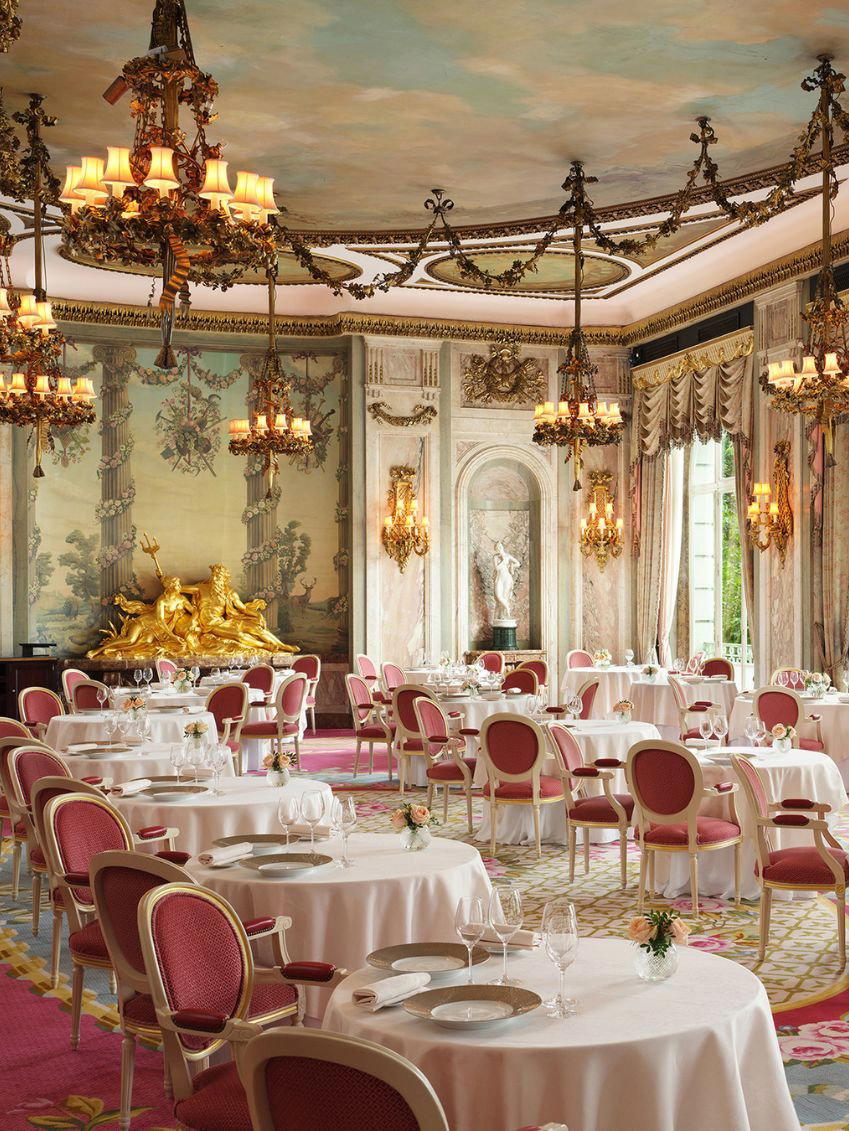
Three Decades, One Star, No Interruptions
Longevity in fine dining is its own argument. Trends cycle through cities, New Nordic austerity, fermentation-forward menus, the tasting-menu-versus-à-la-carte debate, and most restaurants are reshaped by each wave or quietly disappear. Götabergsgatan 28 has outlasted all of it. The address has held a Michelin star for over 30 years, a record within Sweden, which places it in a narrow international cohort of restaurants where continuity itself has become a credential. In a city that now fields multiple starred tables, Koka, Project, and Hoze among them, 28+ occupies a different temporal position from all of them. It was here before Gothenburg was widely discussed as a serious dining city, and it remains here now that it unquestionably is.
The Room and What It Signals
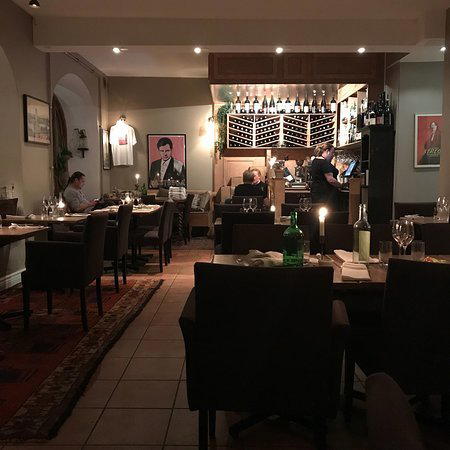
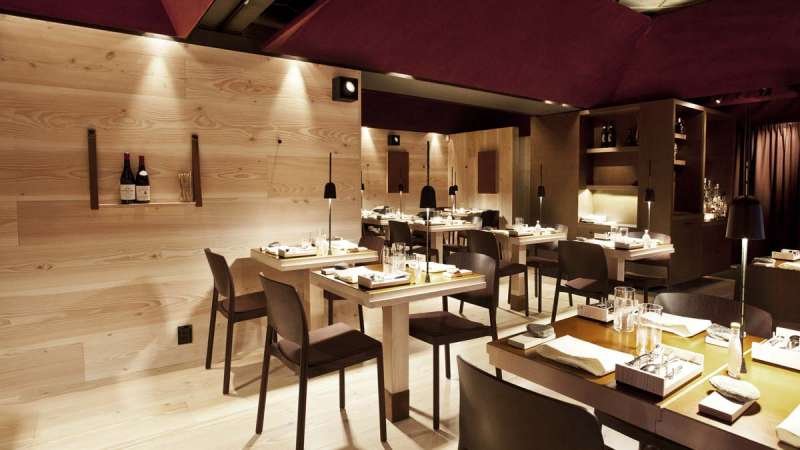
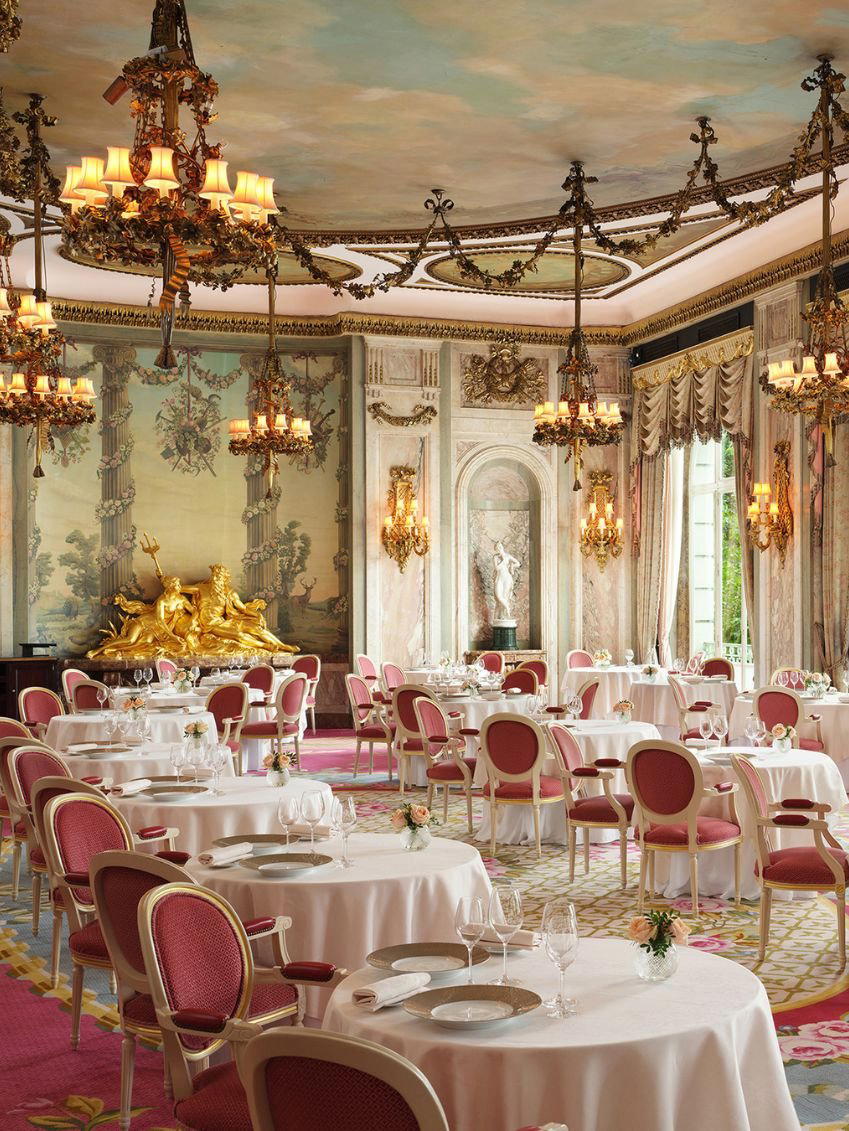
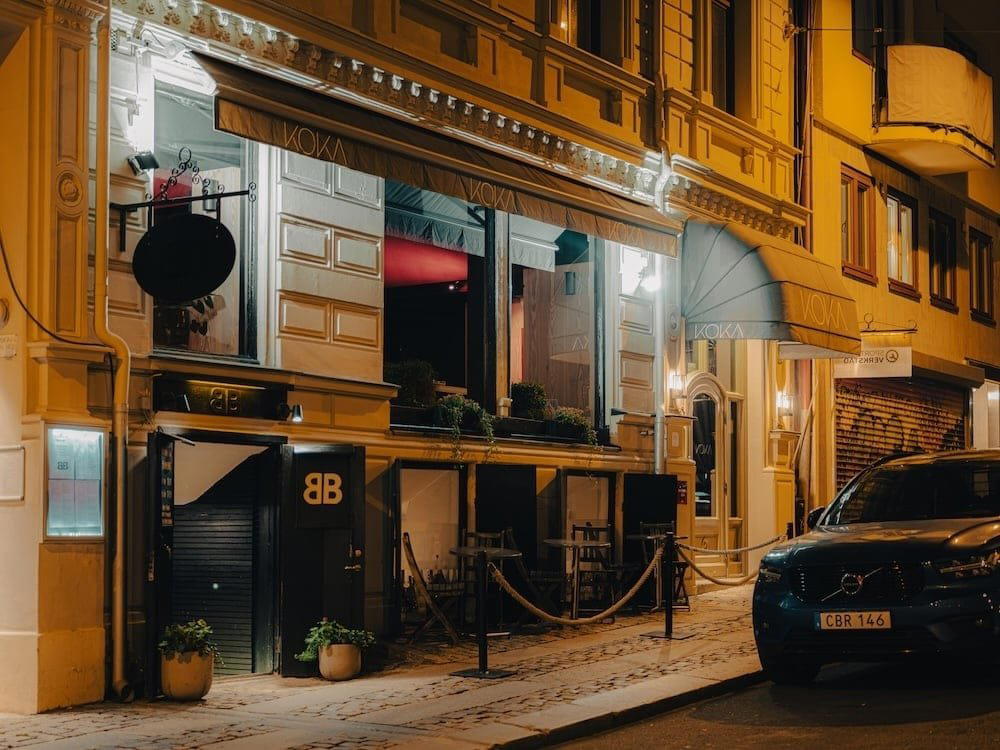
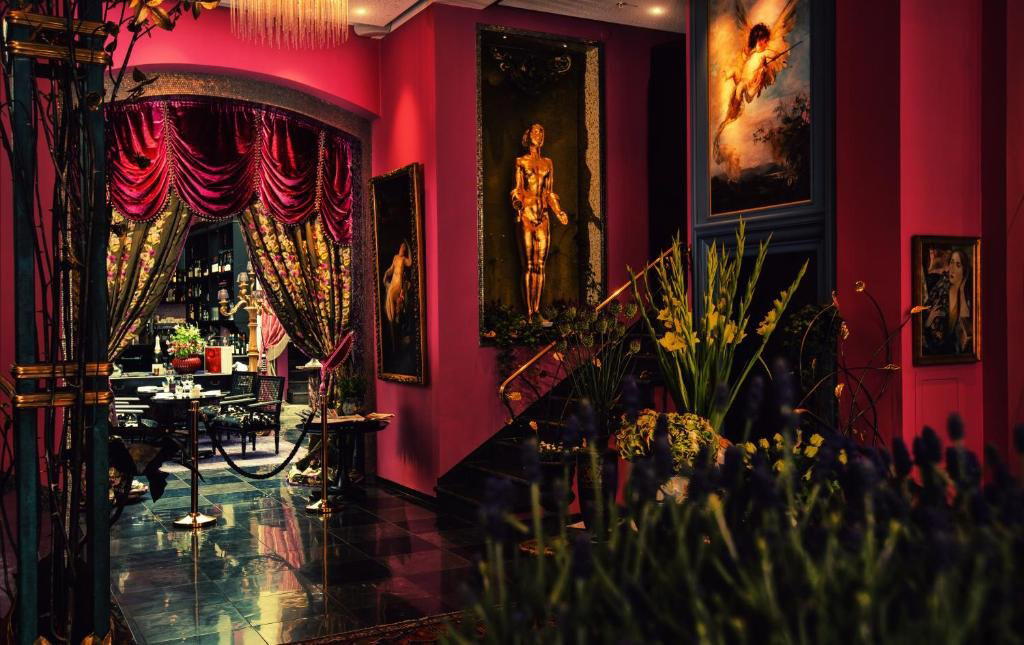
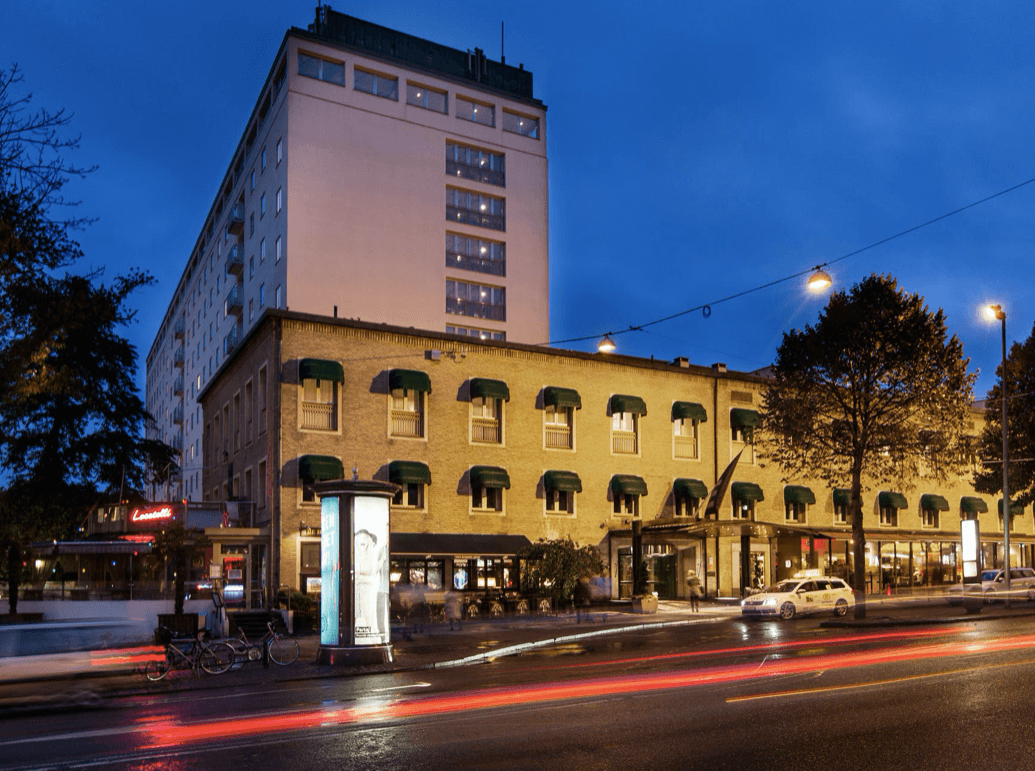
The building on Götabergsgatan sits in the Vasastan district, a residential quarter of broad avenues and 19th-century apartment blocks a short walk from the city centre. The neighbourhood has never been a restaurant row in the way that some of Gothenburg's more obvious dining corridors have, which means arriving at 28+ carries a sense of having sought it out deliberately. That geography suits a restaurant whose reputation is built on earned loyalty rather than passing foot traffic. Inside, the physical environment has the quality of a room that has been refined over time rather than designed for an opening moment, a distinction that regulars in long-established European dining rooms tend to notice immediately.
Chef Credentials in Context
Kim Jonsson and Markus Pettersson lead the kitchen at 28+. In the broader Scandinavian fine-dining conversation, the names that draw the most international attention tend to be attached to newer projects or to restaurants with higher star counts: Frantzén in Stockholm, or the regional productions associated with the west-coast terroir movement. But the Michelin framework rewards consistency as much as invention, and the multi-decade retention of a star by any kitchen signals something about the discipline of the cooking operation rather than simply the novelty of its ideas. At Signum in Mölnlycke or Vollmers in Malmö, you see similar commitments to precision in the southern Swedish fine-dining tier. At 28+, the commitment has simply been running longer.
The editorial angle on chef continuity matters here because it defines what kind of restaurant 28+ is. This is not a venue in an opening phase, still calibrating its voice. The cooking at this address represents accumulated decision-making over three decades: what stays on the menu, what gets retired, which techniques are adopted and which are set aside. That process produces a different kind of restaurant from one built around a single founding vision not yet tested by time. Chefs Jonsson and Pettersson are the current expression of that continuity, operating within a kitchen culture that predates them both in its Michelin identity, even as they shape its present form.
Modern Cuisine at the €€€ Tier in Gothenburg
The price positioning at €€€ places 28+ in the same band as Koka and Project, and a tier below Hoze at €€€€. That pricing structure is relevant to how readers should understand the city's fine-dining hierarchy. Gothenburg's starred restaurants are not uniformly expensive by northern European standards, the €€€ bracket is accessible relative to comparable tables in Stockholm or Copenhagen. What the star at 28+ adds to that price point is a record of consistency that none of its local peers at the same tier can match by age alone.
Modern Cuisine as a classification is deliberately broad, and at restaurants with this kind of history, it typically means a kitchen that absorbs influences without wholesale reinvention. Seasonal Swedish produce, classical European technique, and an awareness of contemporary plating sensibility tend to coexist at tables like this. The cooking is less likely to be ideologically committed to a single doctrine, pure New Nordic, strict localism, than to represent a practised synthesis. That places 28+ in a different register from ÄNG in Tvååker or VYN in Simrishamn, where the terrain and its produce function almost as co-authors of the menu. At 28+, the restaurant itself is the primary lens.
Vinbaren 28+: The Wine Operation
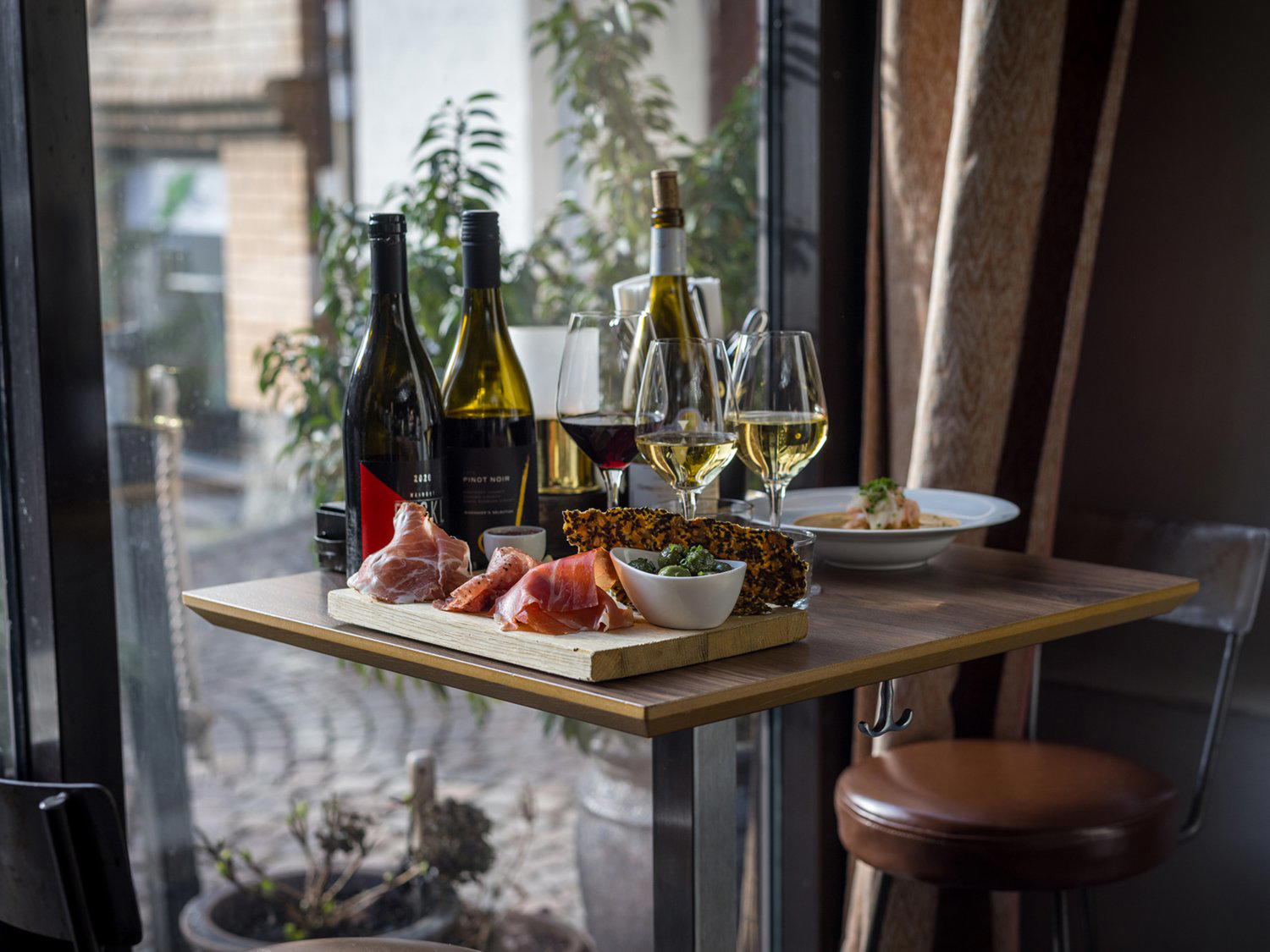
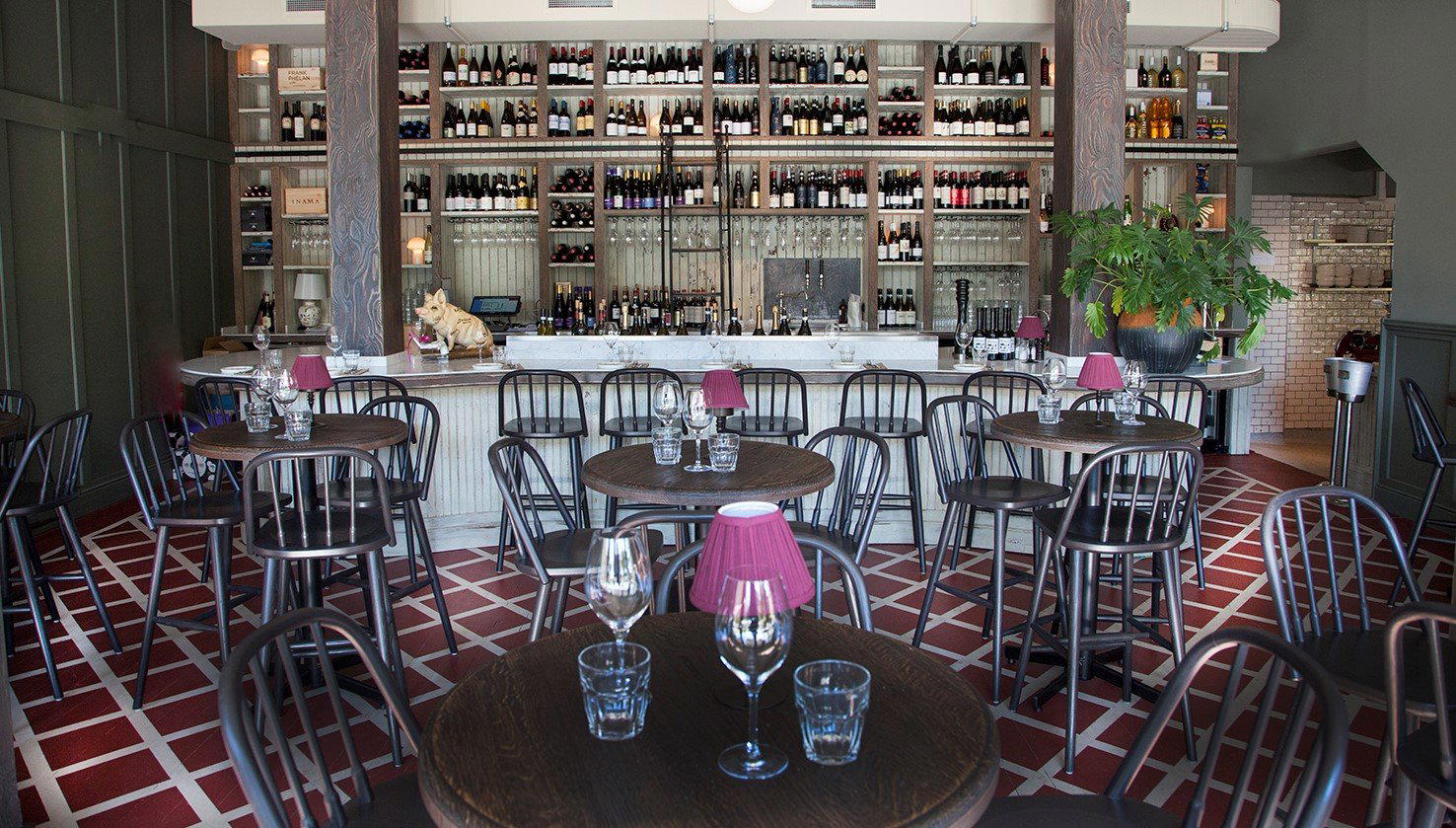
In 2016, the restaurant opened Vinbaren 28+ in an adjacent space, described as a compact, informal setting with a selection of exclusive wines served by knowledgeable staff. The addition is worth examining as a strategic and cultural decision. Across Scandinavian fine dining, wine bars attached to or affiliated with starred restaurants have become one of the more coherent ways to extend a kitchen's reach to guests who want access to the cellar without the full tasting menu commitment. Knystaforsen in Rydöbruk operates with a similarly considered approach to hospitality breadth. For 28+, the wine bar creates a second point of entry: guests who are not ready for the main dining room, or who have already been and want a lower-formality return, can access the same address and the same wine intelligence in a different register.
The wine operation also signals something about where the restaurant's priorities lie. Long-standing Michelin tables in Europe, Maison Lameloise in Chagny would be a comparable reference in the French tradition, tend to invest heavily in their cellars precisely because the food identity is already stable. The wine list becomes a second dimension of expertise, one that compounds over the same decades as the cooking. Vinbaren 28+ makes that expertise available on its own terms.
Where 28+ Sits in the Gothenburg Picture
Gothenburg's dining identity has shifted considerably in the past fifteen years. The city now draws international visitors specifically for its restaurants, and its starred tables, alongside well-regarded places outside the Michelin system, like SK Mat & Människor and Carbon, represent a range of styles and price points that support a full dining itinerary. The EP Club full Gothenburg restaurants guide covers that breadth. But within that picture, 28+ holds a structural position that none of the other entries share: it is the restaurant against which Gothenburg's fine-dining history is partly measured, simply by having been here long enough to function as a reference point.
For visitors building a Gothenburg stay, the practical geography is direct: the address is walkable from most central accommodation, and the affiliated wine bar means the venue can absorb more than one visit in a single trip without repetition. The Gothenburg hotels guide, bars guide, and experiences guide cover the surrounding context, and for those extending the trip toward Sweden's west coast or south, VYN, ÄNG, and Knystaforsen offer starred experiences at different scales and settings. The Gothenburg wineries guide is also worth consulting for those whose interest extends to the regional wine picture that Vinbaren 28+ draws from.
Internationally, the comparison that sharpens the case for 28+ is with restaurants that have retained single-star recognition across multiple decades in stable culinary cultures: the French provincial tradition being the clearest analogue. FZN by Björn Frantzén in Dubai represents the opposite trajectory, Scandinavian fine-dining expertise deployed in a new market. 28+ is the inverse of that: local expertise that has held its ground in one city across an era of significant change. Both are arguments for Swedish cooking at the highest level, made through entirely different structures.
Planning a Visit
The restaurant is located at Götabergsgatan 28, 411 34 Göteborg. At the €€€ price tier with 30-plus years of starred history, 28+ warrants advance planning, reservations at restaurants with this profile in Scandinavian cities typically require booking several weeks ahead, particularly for weekend sittings. Vinbaren 28+, the adjacent wine bar, offers an alternative if the main room is full, and may prove the better first approach for guests who want to test the address before committing to the full dining experience. Current hours and booking availability are best confirmed directly with the venue.
What Regulars Order at 28+
Without access to the current menu, it would be speculative to name specific dishes, and at a restaurant that has run for over three decades, the menu has necessarily evolved many times. What the venue's record does suggest is that regulars return for the consistency of execution rather than novelty. At long-established Michelin tables, the dishes with the deepest following tend to be those that have survived multiple menu cycles: preparations that reflect accumulated kitchen confidence rather than seasonal experimentation. The wine list, curated with the same long-term attention evident in Vinbaren 28+, is regularly cited alongside the food as a reason to return. For specific current dishes, the restaurant's own communication is the only reliable source.
Frequently asked questions
How much does it cost to eat at 28+?
Pricing at 28+ is listed as €€€.
At-a-Glance Comparison
Comparable options at a glance, pulled from our tracked venues.
| Venue | Cuisine | Price | Awards | Notes |
|---|---|---|---|---|
| 28+This venue (the venue you are viewing) | French-Scandinavian Fine Dining | $150–200 | 1 Michelin Star · Star Wine List | Not listed |
| Hoze | Nordic-Japanese Omakase | $200–300 | 1 Michelin Star · White Guide Nordic Restaurants - Masters Level | Sushi |
| Koka | Modern Swedish Gastronomy | $50–100 | 1 Michelin Star · Star Wine List | New Nordic, Modern Cuisine |
| Project | Modern New Nordic | $100–150 | 1 Michelin Star · Star Wine List | Modern Cuisine |
| Familjen | Modern Swedish Bistro | $30–50 | Michelin Bib Gourmand · Star Wine List | Scandinavian |
| Bar La Lune | French-inspired European small plates & natural wine | Not listed | Falstaff Wine Bar - 94 Falstaff Points | French-Inspired |
Recognition history
Dated appearances from independent guides and award organizations, with the underlying list record or original source where available.
Michelin 1 Star
Michelin
Star Wine List
Star Wine List
Falstaff Restaurant - 93 Falstaff Points
Falstaff
White Guide Sweden Restaurants - Masters Level
White Guide
Full recognition history (6 entries)
Michelin 1 Star
Michelin
Michelin 1 Star
Michelin
Continue exploring
More in Gothenburg
Restaurants in Gothenburg
All restaurants in Gothenburg →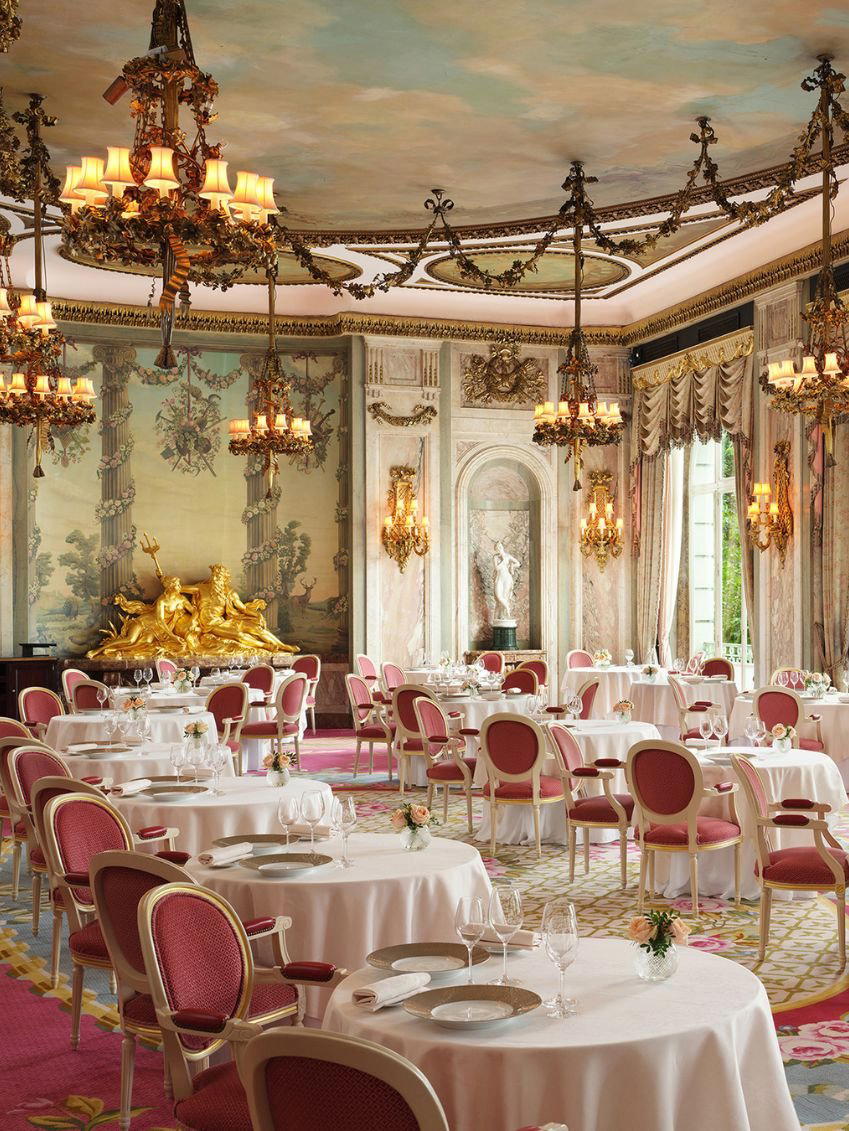
Details
- Cozy
- Elegant
- Classic
- Intimate
- Sophisticated
- Special Occasion
- Date Night
- Business Dinner
- Private Dining
- Extensive Wine List
- Local Sourcing
- Tasting Menu
- A La Carte
- Wine
Current opening hours
- Monday
- Closed
- Tuesday
- 6 PM–1 AM
- Wednesday
- 6 PM–1 AM
- Thursday
- 6 PM–1 AM
- Friday
- 6 PM–1 AM
- Saturday
- 6 PM–1 AM
- Sunday
- Closed
Hours can change for holidays and private events. Hours as of .
Cozy basement with white-washed walls, candlelight, exposed stone, classic decoration, and warm atmospheric lighting.