On Karlavägen in Östermalm, Un Poco occupies the quieter end of Stockholm's restaurant conversation — a neighbourhood address that sits at some distance from the tasting-menu intensity of the city's Michelin tier.
Pearl is the En Primeur Club membership app — saves, bookings, and concierge access live there. Same editors, same standards.
- Address
- Karlavägen 28, 114 31 Stockholm, Sweden
- Phone
- +46 8 611 02 69
- Website
- unpoco.se
- Directions
- Get directions
 Saves & bookings on Pearl
Östermalm's Quieter Register
Stockholm's restaurant culture has, over the past decade, sorted itself into increasingly legible tiers. At the leading, a cluster of destination addresses — Frantzén, AIRA, and Aloë — compete on a global scale, drawing visitors who have built an itinerary around a single booking. Below that sits a second tier of technically ambitious rooms with Michelin recognition or strong critical momentum, places like Adam / Albin and Operakällaren, where the food is the explicit occasion. Un Poco, at Karlavägen 28 in Östermalm, occupies a different register entirely: the neighbourhood address that functions as a local institution rather than a destination marker.
Karlavägen itself is one of the district's grand residential boulevards, lined with late-nineteenth-century apartment buildings and the kind of unhurried foot traffic that distinguishes Östermalm from the denser commercial energy of Södermalm or Norrmalm. A restaurant on this stretch is positioned, almost by geography, to serve residents first and destination-seekers second. That positioning shapes expectation before the door opens.
How the Format Has Shifted
The evolution of neighbourhood dining in Stockholm over the past fifteen years mirrors what happened in comparable Scandinavian cities: an early phase of New Nordic formalism, in which even mid-tier restaurants adopted the tasting-menu structure and foraged-ingredient vocabulary of the movement's leaders, followed by a corrective swing toward informality, shorter menus, and formats that could sustain a midweek dinner rather than only a weekend occasion. Un Poco's address on Karlavägen places it within that corrective wave, a part of the city where the appetite for four-hour tasting menus was always limited, and where longevity tends to reward adaptability over concept rigidity.
Across the Swedish restaurant scene more broadly, this evolution has produced a recognisable pattern. The venues that have proved most durable are those that adjusted their format in response to their actual customer base rather than tracking trends set by the Michelin circuit. Outside Stockholm, this is visible in places like PM & Vänner in Växjö and Bistro Jarlen in Halmstad, where regional loyalty and format flexibility have sustained operations across multiple dining cycles. The same logic applies at the neighbourhood level within a city like Stockholm.
Placing Un Poco in the Östermalm Context
Östermalm has its own internal hierarchy. Stureplan and the streets immediately surrounding it attract the city's more visible dining spending, higher covers, more prominent names, the kind of room where being seen matters alongside what arrives at the table. Karlavägen, running east from the centre toward Djurgårdsbrunn, is quieter in ambition if not in footfall. Restaurants here tend to draw from the surrounding residential catchment, which in Östermalm means a clientele with genuine spending capacity but a preference for reliability over novelty.
That context matters when thinking about what Un Poco is and is not. It is not competing with the destination tier represented by Frantzén or with the technically progressive rooms that feed Stockholm's critical conversation.
For comparison, Sweden's wider restaurant geography shows how this neighbourhood-anchor model plays out at different scales: Vollmers in Malmö and Signum in Mölnlycke demonstrate how serious cooking can coexist with formats that prioritise access and regularity. Hoze in Gothenburg and VYN in Simrishamn show the range of ambition operating outside the capital. Un Poco sits within a different part of that ecosystem, defined by its location and its relationship with a specific neighbourhood rather than by a position in national critical rankings.
What the Address Signals
A restaurant that has maintained a presence on Karlavägen in Östermalm has, by that fact alone, demonstrated a capacity to hold local custom across changing conditions. Stockholm's restaurant market is not forgiving of addresses that fail to connect with their immediate environment: the operating costs of the city, particularly in districts like Östermalm, create pressure that eliminates venues unable to generate consistent repeat business. Longevity at this address is itself a signal, separate from any question of awards or critical profile.
The broader Swedish restaurant circuit that runs through destinations like Knystaforsen in Rydöbruk, ÄNG in Tvååker, Sydkustens at Pillehill in Skivarp, and Claesgatan 8 in Malmö is built around very different propositions, destination travel, regional identity, tasting-menu ambition. Un Poco is not part of that circuit. It is part of a different and arguably more numerous category: the urban neighbourhood restaurant that sustains a city's daily dining life outside the moments of formal occasion.
For international reference, the model is recognisable. Le Bernardin in New York or Lazy Bear in San Francisco represent the destination-first end of the spectrum, where the venue organises the evening. Un Poco represents the opposite organising principle: the evening organises the venue choice, and the venue's role is to deliver a reliable, well-executed experience rather than to define the occasion from the outside in.
Planning a Visit
Karlavägen 28 is direct to reach by public transport from central Stockholm; the Östermalm area is well served by both metro and bus connections, and the boulevard itself is walkable from Östermalmstorg. As a neighbourhood address in a prosperous residential district, the expectation is a format suited to regular use rather than a single high-stakes occasion. See our full Stockholm restaurants guide for broader context on how Un Poco fits within the city's dining geography.
The Quick Read
A small set of peers for context, based on recorded venue fields.
| Venue | Cuisine | Price |
|---|---|---|
| Un PocoThis venue — the venue you are viewing | Not listed | Not listed |
| Operakällaren | Swedish, Modern Cuisine | €€€€ |
| AIRA | Modern European, Modern Cuisine | €€€€ |
| Adam / Albin | New Nordic | €€€€ |
| Ekstedt | Progressive Asador, Grills | €€€€ |
| Etoile | Contemporary French, Creative | €€€€ |
Continue exploring
More in Stockholm
Restaurants in Stockholm
Browse all →
Bars in Stockholm
Browse all →
At a Glance
- Cozy
- Intimate
- Trendy
- Date Night
- Terrace
- Natural Wine
Current opening hours
- Monday
- 5–10 PM
- Tuesday
- 5–10 PM
- Wednesday
- 5–11 PM
- Thursday
- 5–11 PM
- Friday
- 5 PM–12 AM
- Saturday
- 4 PM–12 AM
- Sunday
- 5–10 PM
Hours can change for holidays and private events. Last verified .
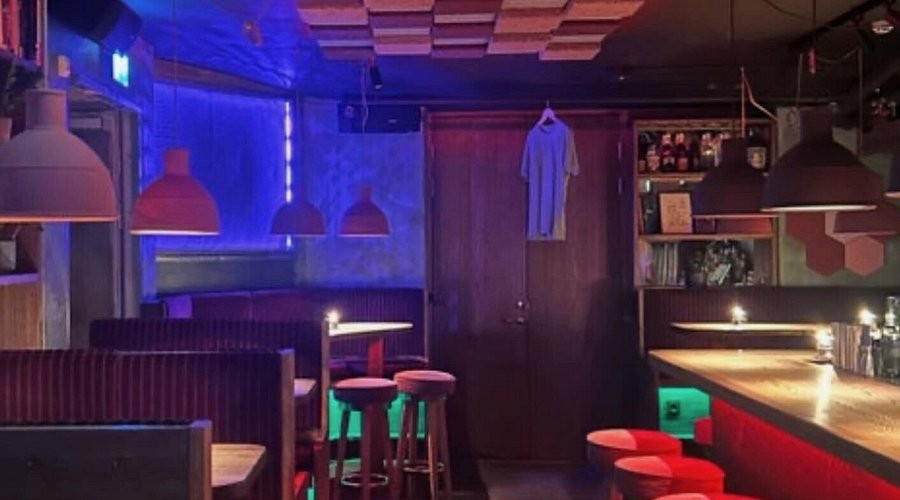
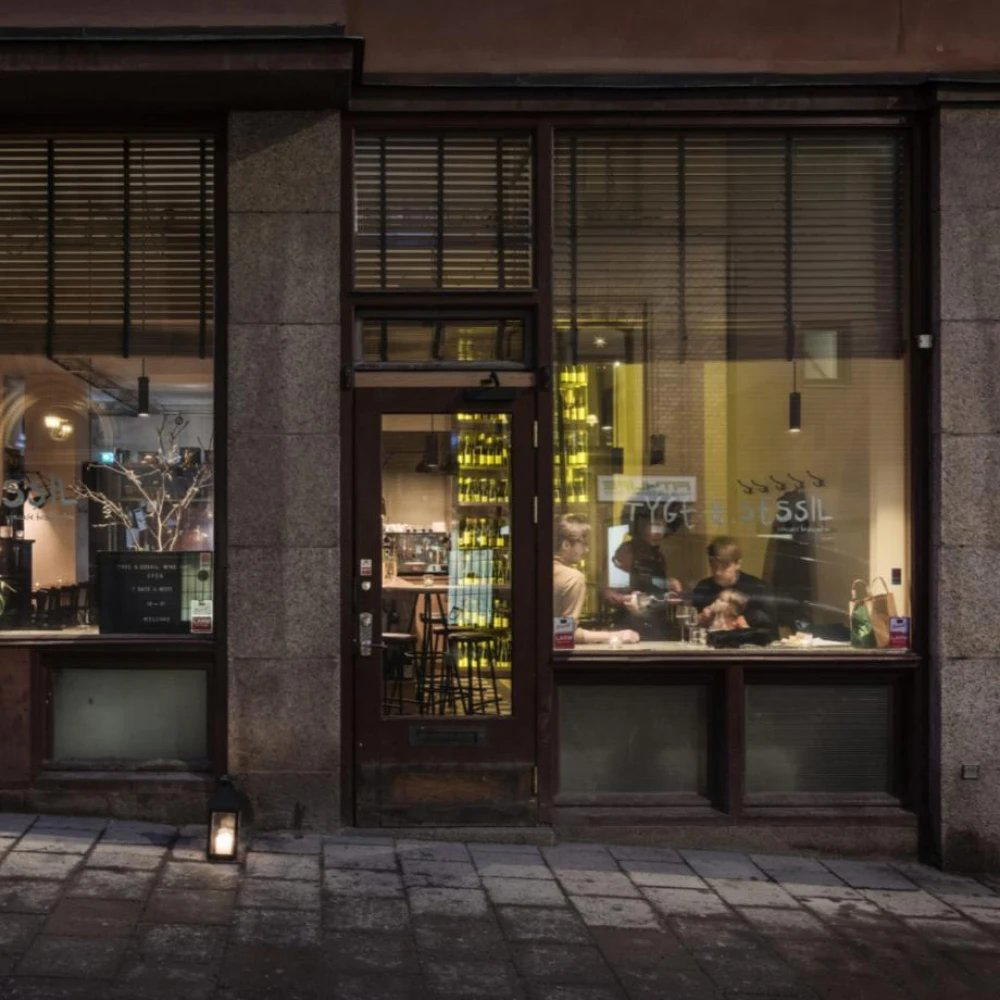
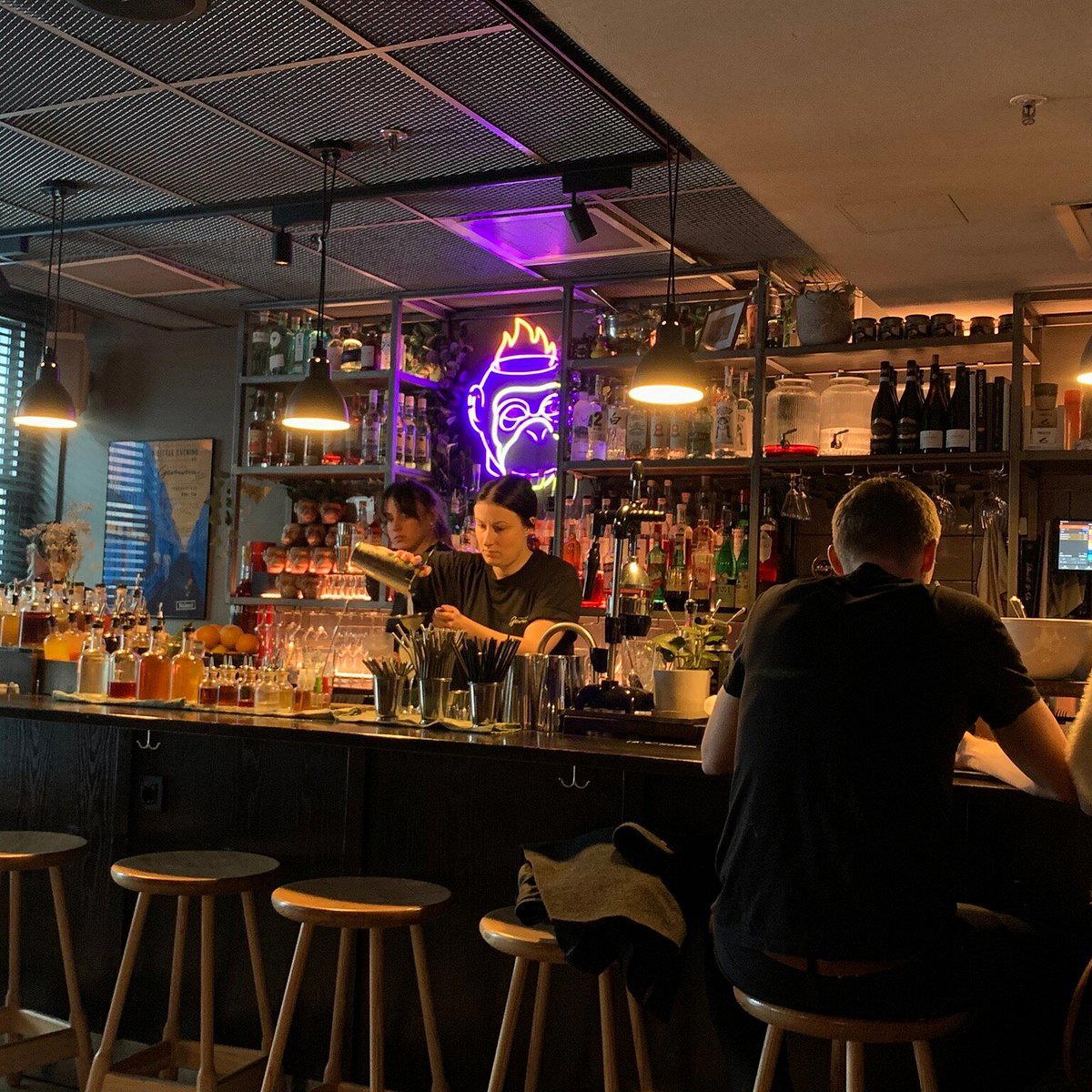
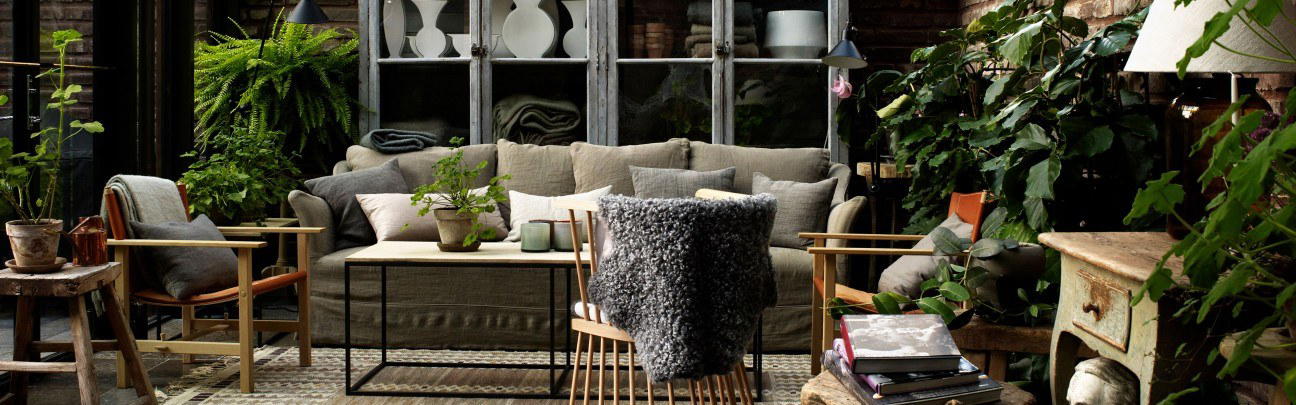
Cozy and welcoming atmosphere with an inviting patio, praised for its warm Italian family trattoria vibe.
Know Before You Go
- Getting there
- Karlavägen 28, 114 31 Stockholm, Sweden