A brasserie address on Kyrkogatan in central Jönköping, Brasserie Park sits in a city where Scandinavian ingredient discipline increasingly shapes mid-to-upper dining. The format here leans toward the relaxed European brasserie tradition rather than the tasting-menu rigour found further south in Sweden, making it a practical entry point into the city's table culture for visitors and locals alike.
Pearl is the En Primeur Club membership app — saves, bookings, and concierge access live there. Same editors, same standards.
- Address
- Kyrkogatan 6, 553 16 Jönköping, Sweden
- Phone
- +4636719999
- Website
- brasseriepark.se
- Directions
- Get directions
 Saves & bookings on Pearl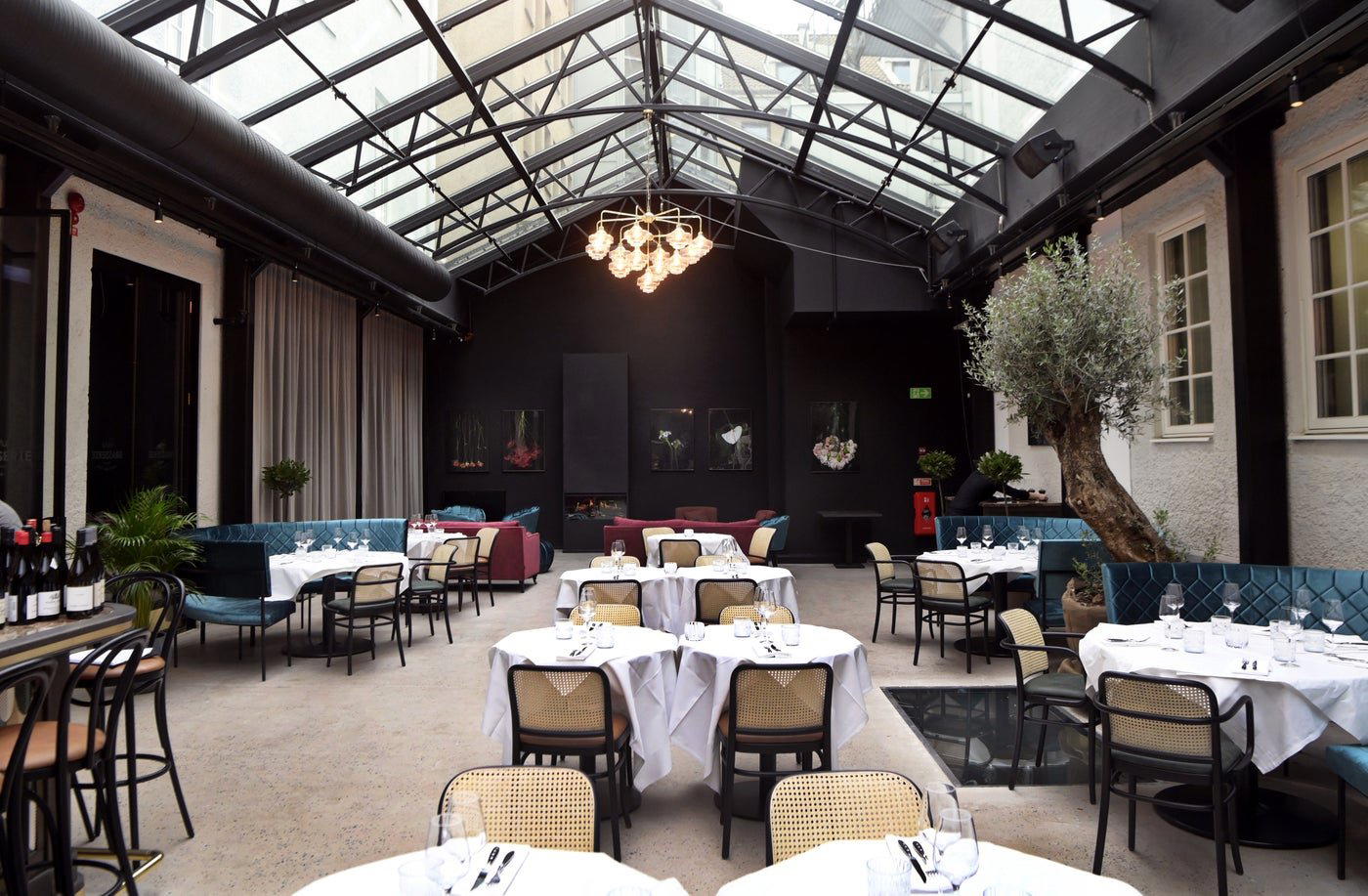
Jönköping at the Table
Jönköping occupies an odd position in Sweden's dining conversation. It is large enough to sustain a serious restaurant culture, positioned on Lake Vättern with access to some of the country's more interesting freshwater produce, yet it rarely appears in the same breath as Gothenburg or Malmö when critics map the country's leading addresses. That gap is closing. The city's central dining strip, concentrated around Kyrkogatan and the adjacent squares, now holds a range of formats from neighbourhood pizza to more considered European cooking. Brasserie Park, at Kyrkogatan 6, occupies that central corridor, where foot traffic from the city's commercial core meets a clientele that knows what it wants from an evening out.
The European brasserie format has proved durable in Swedish cities precisely because it sidesteps the binary choice between casual and ceremonial. It permits a kitchen to take produce seriously without demanding that diners commit to a three-hour tasting format. Across Sweden's mid-tier cities, this model has gained ground as an alternative to both the stripped-back Nordic tasting menu and the generic European café.
Where the Ingredients Come From
The sourcing story in this part of Sweden runs through the lake and the surrounding agricultural counties. Lake Vättern, one of Europe's deepest freshwater lakes, produces Arctic char and whitefish that appear on better menus across the region. The cool, clean water yields fish with a texture and fat content that hold up well under relatively simple preparations, which is why Scandinavian kitchens have tended to handle them with restraint rather than complexity. Inland from the lake, Småland and the neighbouring counties supply game, root vegetables, and foraged produce that define the seasonal rhythm of any kitchen paying attention to geography.
That sourcing tradition is not distinctive to Jönköping, but it is more concentrated here than in coastal cities where imported product is easier to justify. ÄNG in Tvååker, which has built a nationally recognised program around hyperlocal sourcing, or Knystaforsen in Rydöbruk, where the rural setting makes provenance a structural commitment rather than a marketing position.
Further south, the ingredient discipline that defines Swedish fine dining is visible at Vollmers in Malmö and VYN in Simrishamn, both of which have Michelin recognition and operate with explicit commitments to Swedish produce.
The Brasserie Tradition in a Swedish Context
Sweden adopted the brasserie format later than France or Belgium, and the local interpretation has generally absorbed Scandinavian ingredient instincts into a format that is otherwise European in its bones: linen, longer menus, à la carte flexibility, and a wine list that earns its length. The format sits between the Nordic tasting counter and the neighbourhood café in terms of both price and expectation. Frantzén in Stockholm and Signum in Mölnlycke operate in a different tier entirely, where the tasting format is the product. The brasserie sits between the Nordic tasting counter and the neighbourhood café in terms of both price and expectation.
In Jönköping, that flexibility matters. The city draws business travellers, lake visitors, and a local professional population that wants a reliable room with a kitchen that takes the plate seriously. The brasserie format answers that demand more efficiently than either a casual bistro or a commitment-heavy tasting menu. PM & Vänner in Växjö and Bistro Jarlen in Halmstad, both of which show how the format can hold its own in cities outside Sweden's major dining centres.
Pizzeria TicTac Jönköping anchors the more casual end of Kyrkogatan's dining options, which underlines how varied the street's offer has become.
Broader Swedish Context Worth Knowing
Sweden's restaurant scene has become more geographically distributed over the past decade. Cities outside Stockholm, Gothenburg, and Malmö now hold addresses that would have been implausible in smaller urban centres fifteen years ago. The pressure on kitchens to source locally has come partly from a dining public that has absorbed New Nordic principles through years of coverage. Even addresses operating without awards or formal recognition have adjusted their sourcing language and their menus accordingly.
That shift creates a more interesting field for visitors to explore. Hoze in Gothenburg, Claesgatan 8 in Malmo, and Sydkustens at Pillehill in Skivarp each represent different local expressions of the same broad tendency: Swedish kitchens taking geography seriously. The international reference points for that tendency stretch from Le Bernardin in New York City, which built its identity around sourcing discipline in a specific protein category, to Lazy Bear in San Francisco, which combines produce commitment with an unconventional format. The Swedish version of that conversation tends to be quieter and less self-promotional, which makes Brasserie Park worth taking on its own terms rather than measuring against capitals. Beyond Sweden, the coastal sourcing tradition finds a related expression at Archipelago of Gothenburg in Styrso and the more austere ruralism that defined the now-closed Fäviken in Kall, which set a benchmark for Swedish provenance cooking that influenced kitchens well beyond its immediate geography. The thermal dimension of Swedish dining culture, often overlooked, can be explored at Ribersborgs open-air bath in Slottsstaden, a reminder that Swedish food culture extends well beyond the restaurant room.
Planning a Visit
Brasserie Park is at Kyrkogatan 6 in central Jönköping, within walking distance of the city's main transport connections and the lakefront. Jönköping is served by direct rail from Gothenburg and Stockholm, with journey times that make a day or evening visit practical from either city. The Kyrkogatan address places the restaurant in the active commercial core, which means the neighbourhood is accessible on foot from most central accommodation. The broader dining context for the city, including format and price-range comparisons across addresses, is covered in our full Jonkoping restaurants guide.
At-a-Glance Comparison
Comparable venues nearby, for context on price, style, and recognition.
| Venue | Cuisine | Price | Notes |
|---|---|---|---|
| Brasserie ParkThis venue — the venue you are viewing | French Brasserie with Scandinavian Influences | $$$ | Not listed |
| Pizzeria TicTac Jönköping | Pizza | $$ | central |
| Bar La Lune | French-inspired Small Plates & Natural Wine | $$$ | Lorensberg |
| Wagners Bistro | Modern French-Swedish Bistro | $$$ | Kungsportshuset |
| Grodan | French-Swedish Fine Dining | $$$ | Östermalm |
| Dorsia | Refined French Bistro | $$$$ | city center |
Continue exploring
More in Jonkoping
Restaurants in Jonkoping
Browse all →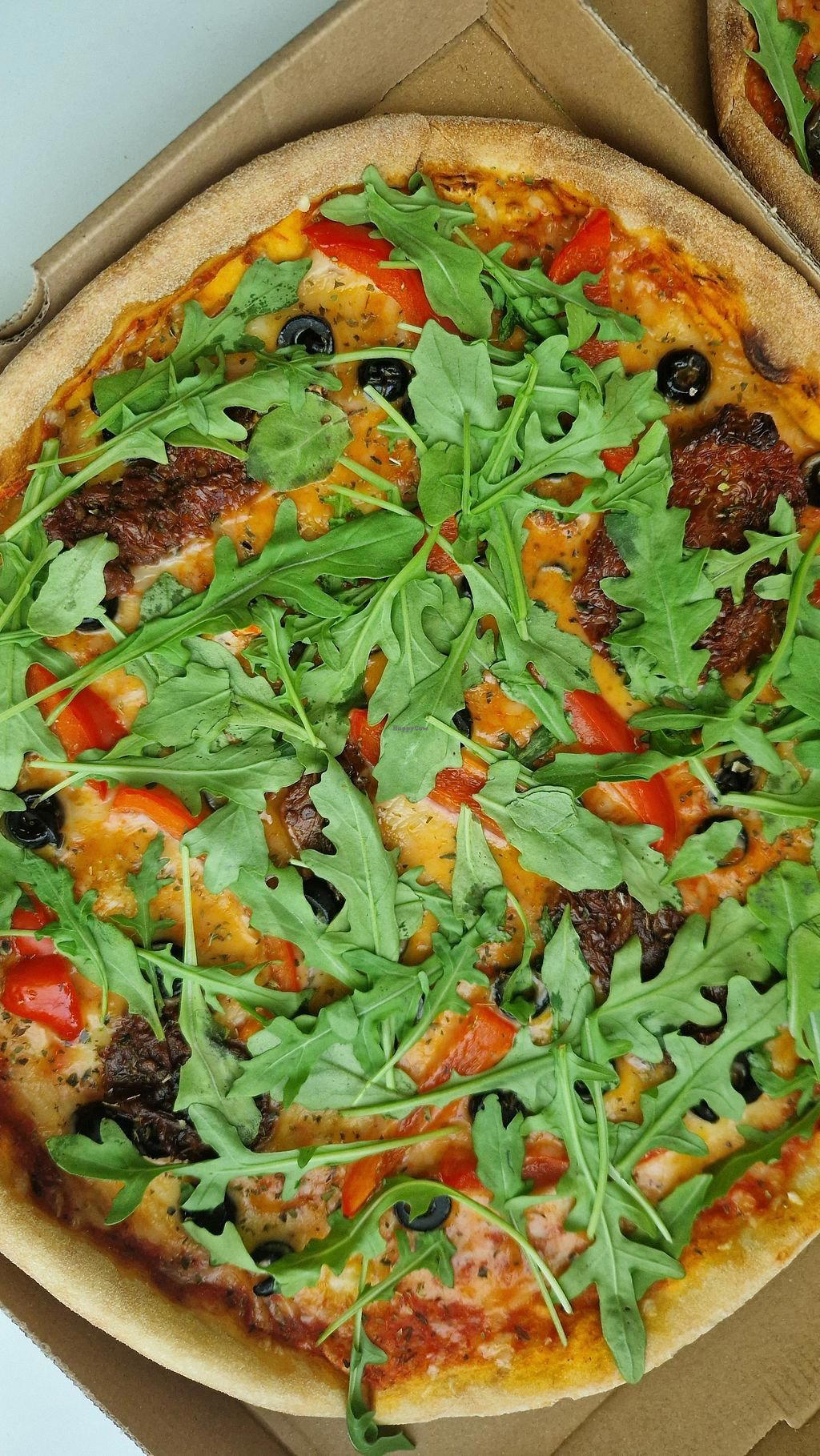
Hotels in Jonkoping
Browse all →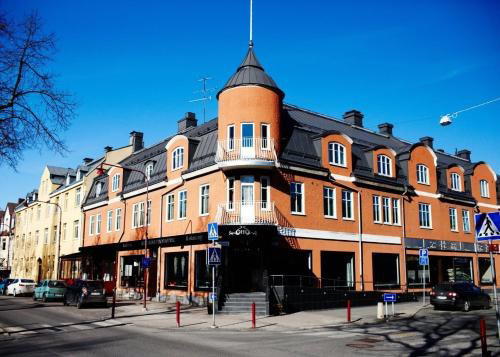
At a Glance
- Elegant
- Classic
- Sophisticated
- Date Night
- Business Dinner
- Brunch
- Wine Cellar
- Extensive Wine List
Current opening hours
- Monday
- 11:30 AM–11 PM
- Tuesday
- 11:30 AM–11 PM
- Wednesday
- 11:30 AM–11 PM
- Thursday
- 11:30 AM–11 PM
- Friday
- 11:30 AM–1 AM
- Saturday
- 12 PM–1 AM
- Sunday
- Closed
Hours can change for holidays and private events. Last verified .
Elegant yet relaxed setting with dark furniture, white tablecloths, and an inviting, cozy atmosphere praised in guest reviews.