





2 Michelin Stars · La Liste Top Restaurants · Falstaff Restaurant - 99 Falstaff Points
Our verdict
AIRA holds two Michelin stars and ranks 114th in Europe on the Opinionated About Dining 2025 list, placing it firmly inside Stockholm's upper tier of modern Nordic dining. Set beside Royal Djurgården with a waterside terrace and an open kitchen as its focal point, the restaurant builds its menu around high-quality Nordic ingredients prepared with precision and finished tableside. Service runs Tuesday through Saturday from the afternoon.

Pearl is the En Primeur Club membership app, where members save venues, book tables and use the concierge.
The menu
What to order
- Quenelle with scallop, king crab and chervil
- Halibut with fermented melon, sesame and jalapeno
- Langoustine with hibiscus, tomato and basil
Where Djurgården Meets the Nordic Larder
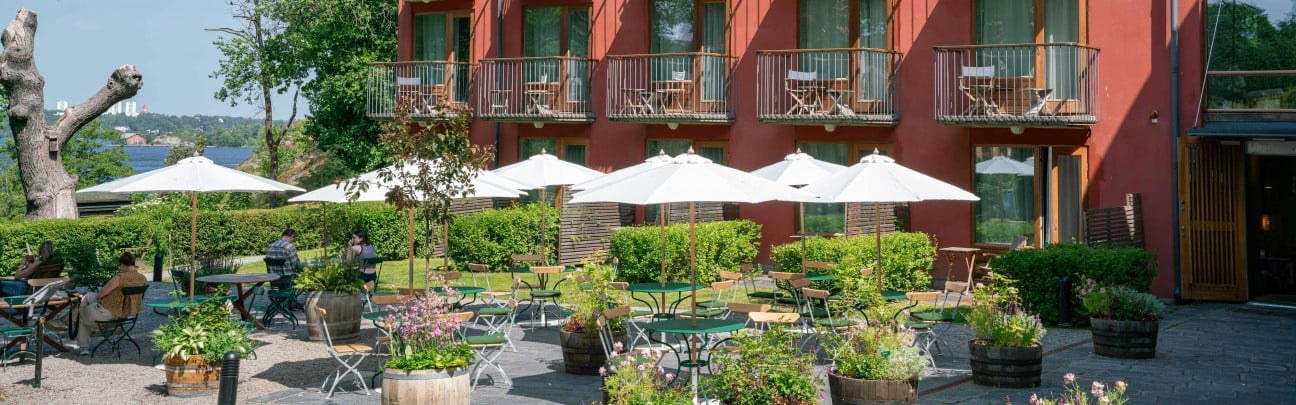
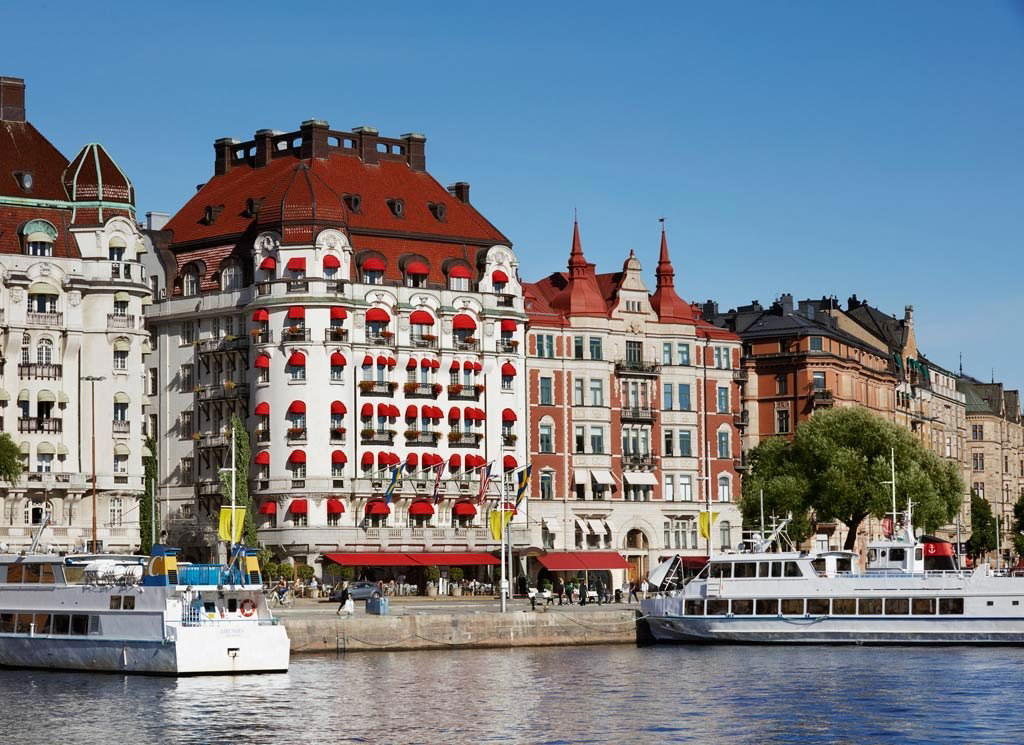
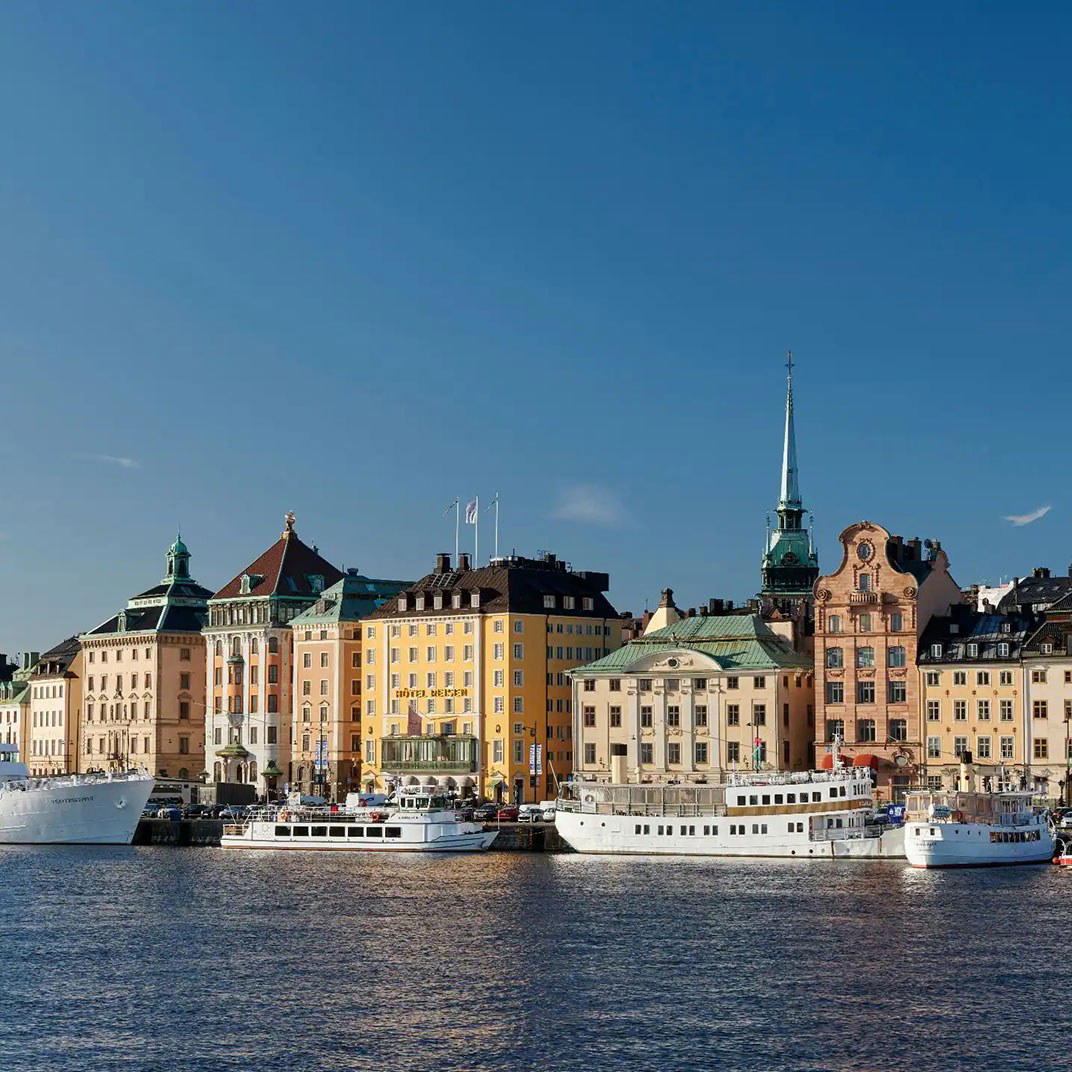
Approaching Biskopsvägen from the water, the setting frames the restaurant before a single dish arrives. Royal Djurgården, Stockholm's tree-lined island park, positions AIRA at a distance from the dense restaurant clusters of Östermalm and the Old Town, and that physical remove is part of the proposition. The city's two-Michelin-star tier has historically concentrated in more central neighbourhoods, so a restaurant of this credential sitting beside a royal park and facing a waterside terrace makes a quiet argument about what fine dining in Stockholm can look like when uncoupled from street-level foot traffic.
That terrace matters logistically as much as atmospherically. Arriving early for a drink before the kitchen takes over is the advised approach, and Friday and Saturday service begins at noon, extending the window for longer, afternoon-anchored meals that the Djurgården location naturally encourages. Tuesday through Thursday, service opens at five in the evening. Sunday and Monday are dark.
Nordic Sourcing as the Kitchen's Organizing Principle
Modern Nordic cuisine has spent the last two decades refining its argument about what makes Scandinavian ingredients worth building a serious kitchen around. At the highest level of that tradition, sourcing is not a marketing position but a technical one: it determines what the kitchen can do with fermentation, ageing, and season-specific preparation that would be impossible or arbitrary with ingredients flown in from elsewhere. AIRA operates firmly within that school.
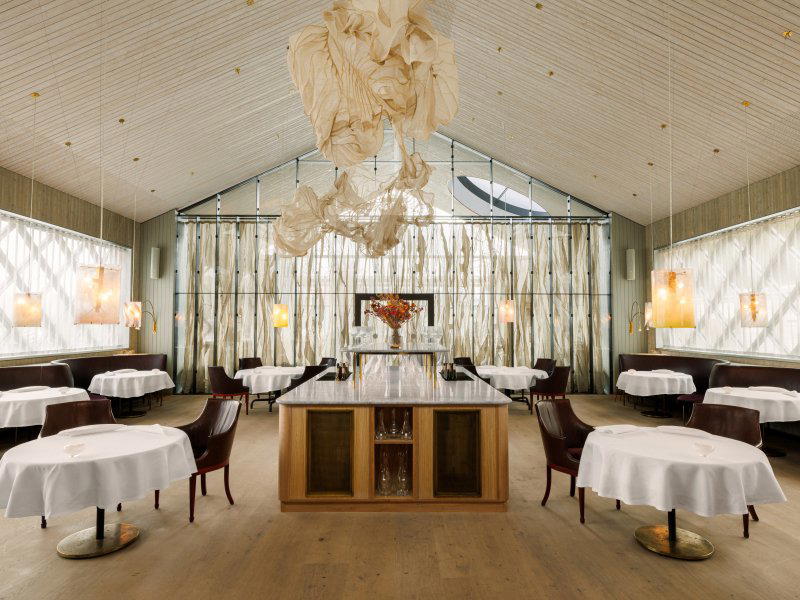
The open kitchen is the visual expression of that approach. Chefs completing tableside finishing work puts the sourcing and technique in direct view, which is both a service gesture and a statement of confidence in the process. Restaurants at this price point and credential level increasingly operate on the premise that the sourcing story is worth telling in real time.
Where AIRA Sits in Stockholm's Fine Dining Tier
Stockholm's top tier is relatively compact but meaningfully differentiated. Frantzén operates at the three-star level with a tasting format that has become a reference point in European fine dining more broadly. Operakällaren holds one Michelin star and draws on a long institutional history tied to Swedish cuisine's formal tradition. Aloë and Adam / Albin represent the one-star New Nordic cohort, and Celeste brings a French-leaning modern cuisine perspective at the same price bracket.
AIRA's two-star position and its 114th ranking in Europe on the Opinionated About Dining 2025 list places it above that one-star cohort but within a different competitive frame than Frantzén. Its 93-point score from La Liste in both 2025 and 2026 adds a second external reference point, and the consistency across those two annual cycles suggests the kitchen is not in a transitional phase. OAD also listed the restaurant among its highly recommended new European openings in 2023, which contextualizes how quickly it established credibility after opening.
Chef Tommy Myllymäki is the named credential on the awards record. His profile is what positions AIRA within the international conversation about Nordic cooking rather than keeping it purely local.
The Beverage Program as a Parallel Argument
Michelin's note specifically flags two beverage routes: a wine pairing and a creative non-alcoholic option drawing on ingredients from the restaurant's own garden. Both details carry editorial weight. Wine pairing at this tier is standard; what distinguishes one program from another is curation logic and how closely the selection tracks the sourcing philosophy of the kitchen. The non-alcoholic alternative is the more telling signal. Garden-sourced ingredients as the basis for a non-alcoholic pairing program represents a sourcing commitment that extends beyond the food menu, and it positions the restaurant alongside a small number of European kitchens that have built genuinely complex non-wine beverage programs rather than treating abstainers as an afterthought.
AIRA in the Wider Swedish Fine Dining Context
Sweden's serious restaurant scene extends well beyond Stockholm, and understanding where AIRA sits nationally requires accounting for what is happening in other cities and regions. Vollmers in Malmö and Signum in Mölnlycke represent the Skåne region's growing contribution to the national fine dining conversation. VYN in Simrishamn and ÄNG in Tvååker take a more rurally grounded approach to Nordic sourcing, with proximity to the ingredients creating a different kind of kitchen logic. 28+ in Gothenburg and Knystaforsen in Rydöbruk add further geographic spread to what is, in European terms, a small country producing a disproportionate concentration of recognised fine dining.
AIRA's Djurgården address gives it a Stockholm identity that is distinct from the downtown cluster, but the restaurant's awards profile connects it to a national conversation about Nordic ingredient-led cooking that is happening across multiple Swedish regions simultaneously.
For visitors arriving from elsewhere in Europe, the relevant comparisons shift. Modern European kitchens working at two-Michelin-star level with strong ingredient provenance logic are a recognizable category. The Ledbury in London and Rutz in Berlin occupy analogous positions in their respective markets: two-star credential, modern European framework, sourcing-led menus, and a level of external recognition that extends beyond national guides.
Planning a Visit
AIRA operates at the €€€€ price point, consistent with Stockholm's two-Michelin-star tier. Service runs Tuesday through Saturday, with Friday and Saturday offering the extended midday-to-evening window that suits longer meals or afternoon arrivals from outside the city. Sunday and Monday are closed.
The waterside terrace is worth factoring into seasonal timing. Stockholm's summers are short but extended in daylight, and an early evening arrival in June or July that begins on the terrace before moving inside to the kitchen counter format represents a different experience than a winter Thursday dinner. Booking in advance is advisable at this tier, particularly for weekend slots. The restaurant's address at Biskopsvägen 9 places it within the Djurgården area, accessible by tram from central Stockholm.
For a broader picture of Stockholm's dining scene across price points and formats, consult our Stockholm experiences guide.
Frequently asked questions
When can I go to AIRA?
Hours: Monday Closed Tuesday 5–11 pm Wednesday 5–11 pm Thursday 5–11 pm Friday 12–11 pm Saturday 12–11 pm Sunday Closed.
Is AIRA chef-led?
The chef associated with AIRA is Tommy Myllymäki.
What's the signature dish at AIRA?
The pairing of fermented fruit with a mild white fish, sharpened by jalapeño heat, reflects Tommy Myllymäki's broader approach: disciplined flavour contrast over decoration. Treat this as a representative example rather than a guaranteed current listing.
What style of cooking does AIRA do?
AIRA is a Modern European restaurant in the Modern Cuisine category.
What's the price range at AIRA?
Pricing at AIRA is listed as €€€€.
Where is AIRA located?
AIRA is located at Biskopsvägen 9, 115 21 Stockholm, Sweden.
Is AIRA Michelin-listed?
AIRA holds two Michelin stars.
Budget and Context
A quick look at comparable venues for context.
| Venue | Cuisine | Price | Awards | Notes |
|---|---|---|---|---|
| AIRAThis venue (the venue you are viewing) | Modern Nordic Seasonal Tasting Menu | $200–300 | 2 Michelin Stars · La Liste Top Restaurants | Not listed |
| Operakällaren | Modern Scandinavian Fine Dining | $150–200 | 1 Michelin Star · World's 50 Best #27 | Swedish, Modern Cuisine |
| Adam / Albin | Modern Scandinavian Fine Dining | $100–150 | 1 Michelin Star · La Liste Top Restaurants | New Nordic |
| Ekstedt | Wood-Fire Nordic Fine Dining | $200–300 | 1 Michelin Star · La Liste Top Restaurants | Progressive Asador, Grills |
| Etoile | Creative International Fine Dining | $300–500 | 1 Michelin Star · Star Wine List | Contemporary French, Creative |
| Brasserie Astoria | Modern Brasserie Classics | $50–100 | Michelin Plate · Star Wine List | French, Classic Cuisine |
Recognition history
Dated appearances from independent guides and award organizations, with the underlying list record or original source where available.
Michelin 2 Stars
Michelin
La Liste Top Restaurants
La Liste
Falstaff Restaurant - 99 Falstaff Points
Falstaff
Opinionated About Dining Top Restaurants in Europe Ranked #101
Opinionated About Dining
White Guide Sweden Restaurants - Global Masters Level
White Guide
Full recognition history (13 entries)
La Liste Top Restaurants
La Liste
Michelin 2 Stars
Michelin
Opinionated About Dining Top Restaurants in Europe Ranked #114
Opinionated About Dining
Opinionated About Dining Top Restaurants in Japan Ranked #581
Opinionated About Dining
The Best Chef One Knife
The Best Chef
Michelin 2 Stars
Michelin
Opinionated About Dining Top Restaurants in Europe Ranked #145
Opinionated About Dining
Opinionated About Dining Top New Restaurants in Europe Highly Recommended
Opinionated About Dining
Continue exploring
More in Stockholm
Restaurants in Stockholm
All restaurants in Stockholm →

Bars in Stockholm
All bars in Stockholm →
AIRA
The wine
- Wine program
- Deep wine list
- Extensive wine list
- Sommelier-led
- Zero-proof drinks
Details
- Elegant
- Sophisticated
- Modern
- Scenic
- Special Occasion
- Celebration
- Date Night
- Open Kitchen
- Waterfront
- Terrace
- Private Dining
- Extensive Wine List
- Sommelier Led
- Zero Proof
- Local Sourcing
- Waterfront
- Tasting Menu
- Prix Fixe
- Wine Pairings
- Non Alcoholic Pairings
- Vegetarian Friendly
- Allergy Accommodating
Current opening hours
- Monday
- Closed
- Tuesday
- 6–11:30 PM
- Wednesday
- 6–11:30 PM
- Thursday
- 12–11:30 PM
- Friday
- 12–11 PM
- Saturday
- 12–11 PM
- Sunday
- Closed
Hours can change for holidays and private events. Hours as of .
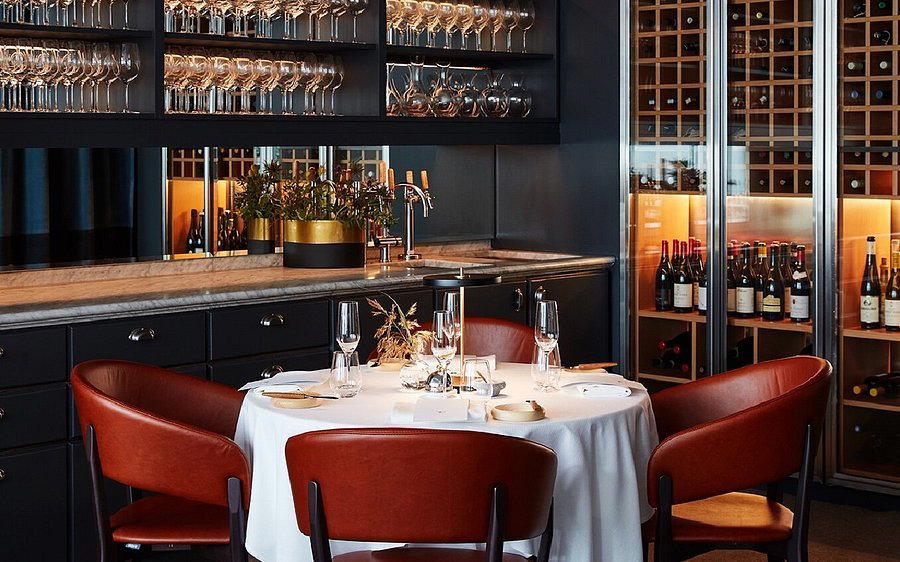
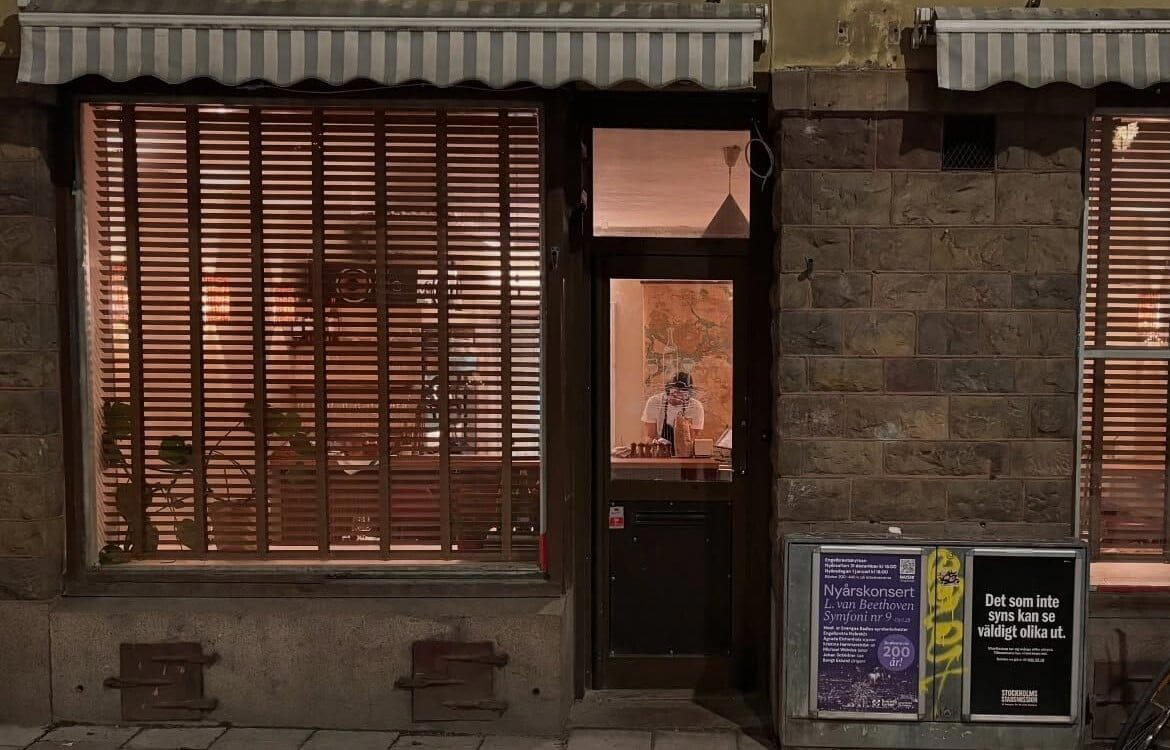
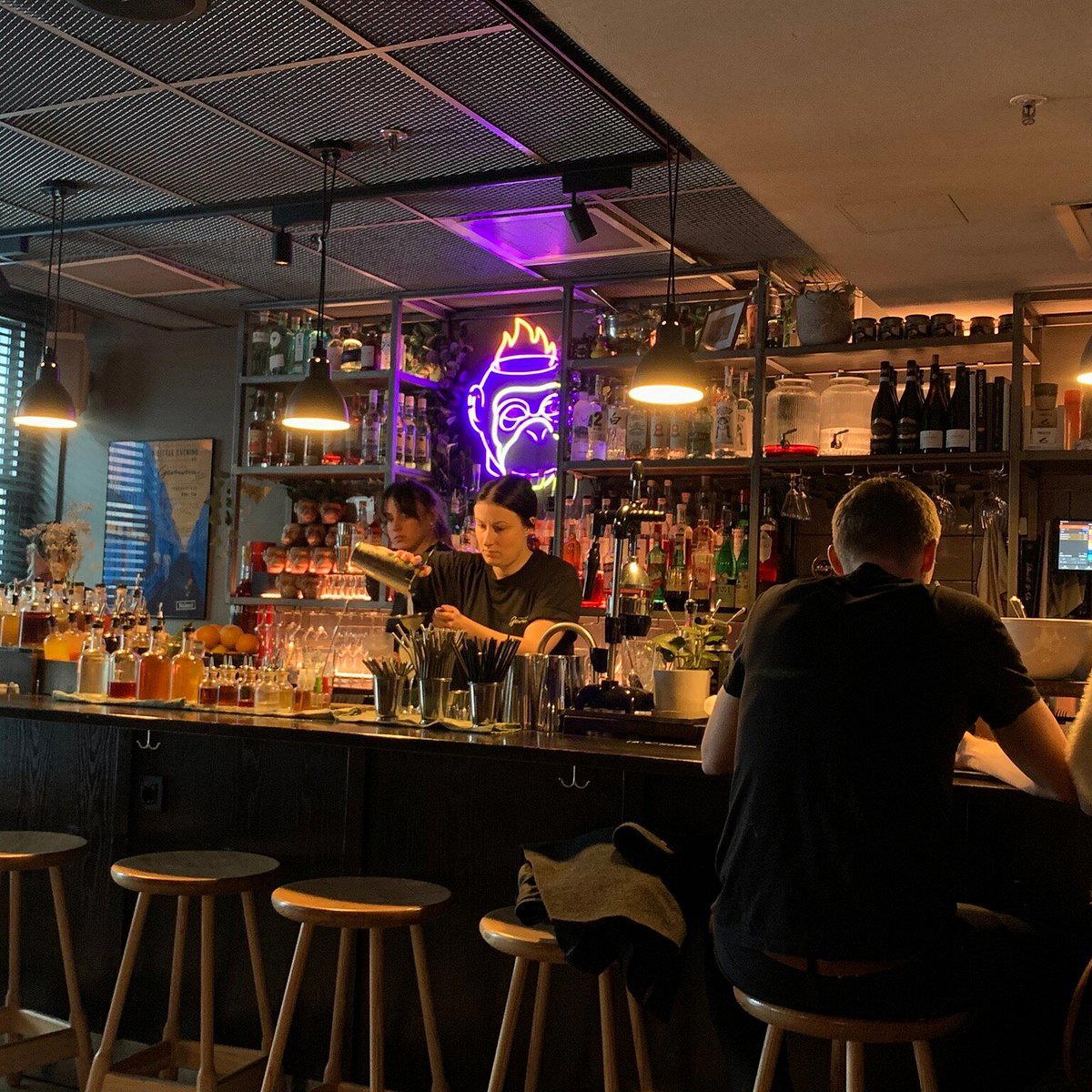
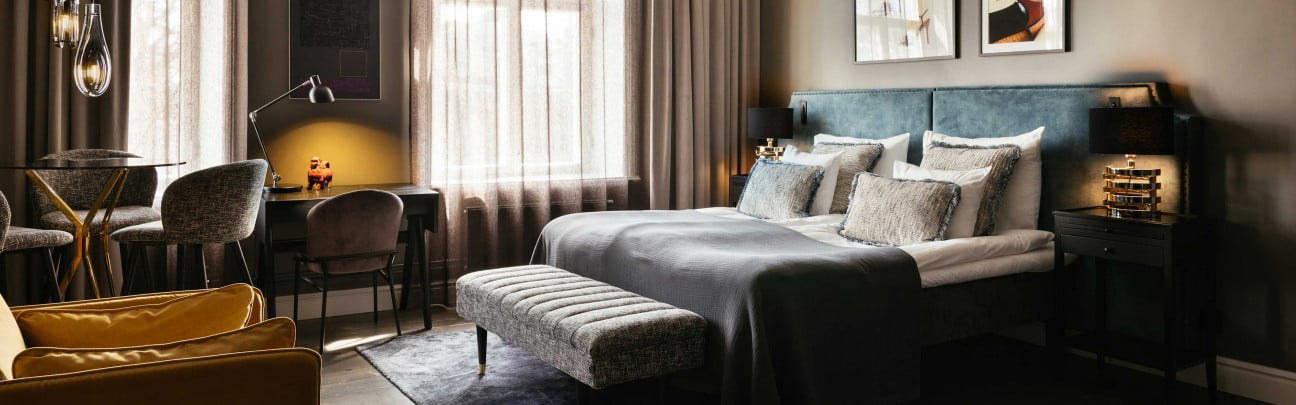
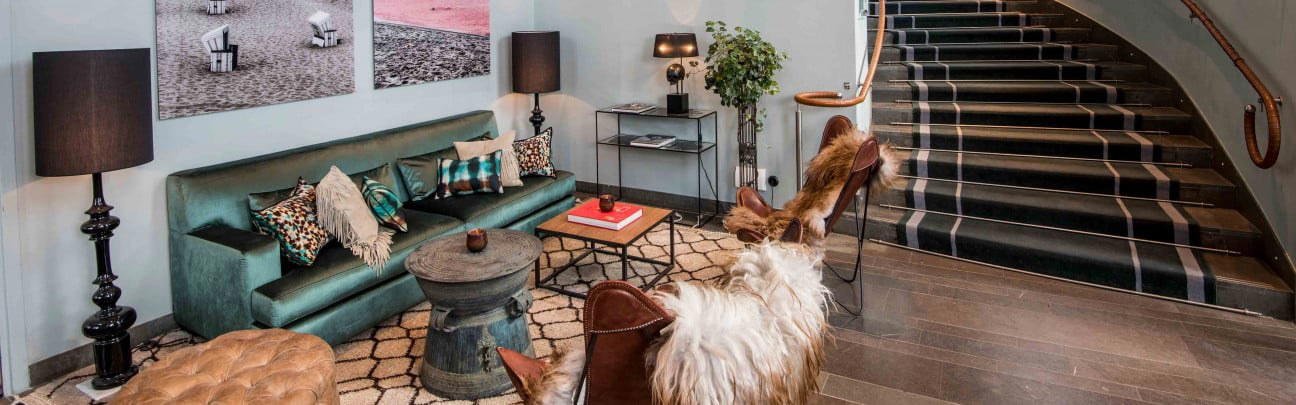
Bright, naturally lit dining room with massive windows, modern barn-like architecture featuring latticed windows and mirrored facades; warm, welcoming atmosphere despite fine dining formality; elegant lounge areas for petit fours and digestifs.