


Stockholm's Tomtebogatan wine bar built its identity around amber and orange wines, with a list broad enough to cover natural, conventional, and everything between. The name is a direct reference to the amber hue that oxidative skin-contact wines leave in the glass. A neighbourhood anchor in Vasastan with a wine-forward programme that rewards slow evenings.
Pearl is the En Primeur Club membership app — saves, bookings, and concierge access live there. Same editors, same standards.
- Address
- Tomtebogatan 22, 113 38 Stockholm, Sweden
- Phone
- +46 73 158 51 53
- Website
- ambarvinbar.se
- Directions
- Get directions
 Saves & bookings on Pearl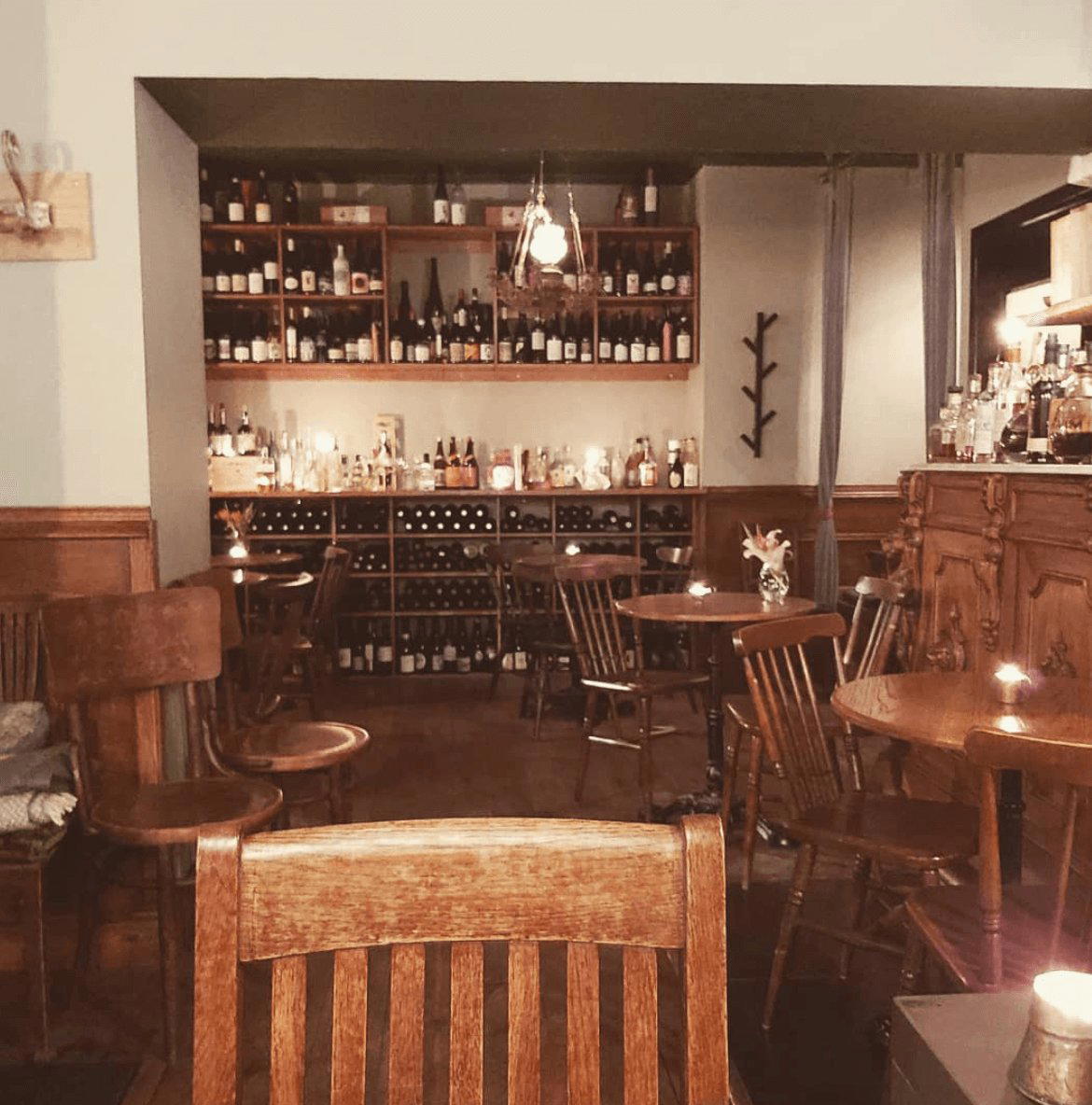
Vasastan's Wine Frequency
Stockholm's wine bar scene has developed a clear split over the past decade. One side favours minimal intervention, natural production, and a kind of studied informality where the bottle matters more than the room. The other leans classical, with deep cellars of Burgundy and Bordeaux and a formal service register to match. Ambar, on Tomtebogatan 22 in Vasastan, sits firmly in the first camp, though it avoids the doctrinaire naturalist position that can make some bars in this category feel like ideology dressed as hospitality.
The name carries its argument plainly: amber, as in the colour that skin-contact and oxidative wines leave in the glass, the hue that marks out a category still treated with suspicion in more conservative rooms. That framing tells you something about the bar's editorial position before you've read a single label on the list.
The Amber Logic and What Surrounds It
Orange and skin-contact wines occupy the conceptual centre of the Ambar programme, but the list does not stop there. Bars that build an identity around a single wine style often box themselves in, relying on novelty to sustain interest once the initial positioning wears off. Ambar avoids that trap by maintaining a broader list that moves across colours and production methods. The amber framing functions as a point of view, not a constraint.
Within Stockholm's current wine bar geography, that position is a meaningful one. The city has a strong cohort of serious wine venues, from the long-standing technical programme at Tjoget to the neighbourhood warmth of Lucy's Flower Shop and the more eclectic, spirit-adjacent offer at A Bar Called Gemma. Ambar occupies a niche in that set: wine-first, with a clear curatorial stance on skin-contact production, but without the technical formality that can make serious wine rooms feel inhospitable to anyone arriving without a pre-formed opinion.
Curation as Editorial Act
The selection of orange and amber wines requires a different kind of editorial judgement than assembling a conventional list. These wines resist easy categorisation by region or grape alone. A Georgian qvevri wine, an Italian ramato Pinot Grigio, and a Slovenian macerated white share the amber designation but represent entirely distinct production traditions, soil types, and texture profiles. Building a list that reads coherently across that range demands genuine knowledge rather than trend-chasing.
Stockholm's alcohol retail structure, dominated by Systembolaget, shapes what independent bars can access and how they differentiate themselves. The state monopoly's purchasing decisions set a baseline across the market. Wine bars like Ambar distinguish themselves through the selection of producers and styles that sit outside mainstream Systembolaget lines, sourced through the specialist importers that have grown alongside Scandinavia's natural wine interest over the past fifteen years. That sourcing context is part of what makes Ambar's list meaningful as a curation exercise rather than simply an assembly of available bottles.
The Room and How to Use It
Vasastan is a residential district, not a tourist circuit. Tomtebogatan is a quiet street in the upper part of the neighbourhood, and Ambar draws from a local crowd that treats it as a regular rather than a destination. That dynamic shapes the atmosphere more than any design decision. Bars in residential Stockholm tend to run at a different register from those in Södermalm or the central hotel corridors: lower ambient noise, longer average dwell times, more conversation between strangers at the bar.
Arriving earlier means a quieter room and more direct engagement with whoever is behind the bar, which in a wine-forward venue like this represents a meaningful trade.
Comparable wine programmes elsewhere in Sweden demonstrate how strong the regional interest in this category has become. Röda Huset in Stockholm approaches the category from a different angle, while outside the capital, venues like Dorsia in Gothenburg and Bageriet Mat and Bar in Visby show how wine-forward programming has spread across Swedish cities beyond Stockholm.
Orange Wine in Context
The broader orange wine category has moved from fringe to familiar across Northern European cities over roughly the last decade. What began as a niche pursued by a small number of importers and sommeliers with ties to Georgia, Slovenia, and Friuli has become an established category on serious lists. Stockholm adopted it early relative to other Northern European capitals, partly because of the city's strong sommelier community and partly because Systembolaget's specialist buyer network created legitimate access to the key producers before they became difficult to source.
That early adoption means the Stockholm scene is now past the first wave of novelty. Bars like Ambar are not introducing a concept to a sceptical audience. They are serving a category that a portion of their regular clientele already knows and returns for specifically. That shift changes the curation challenge from education to depth.
The international wine bar context is worth noting here: venues like Bar Leather Apron in Honolulu demonstrate how wine-forward programming has extended well beyond traditional wine capitals, which puts Ambar's Vasastan position within a genuinely global shift in how bars build identity through beverage curation rather than spirit-led programming.
For those exploring beyond Stockholm, Vyn in Östra Nöbbelöv, the Koster Islands in Tjärnö, Ölkaféet in Malmö, and Ångbryggeriet in Piteå each offer a distinct register of Swedish drinks culture worth mapping against what Stockholm's more concentrated scene provides.
Planning Your Visit
Ambar is at Tomtebogatan 22, 113 38 Stockholm, in Vasastan. Odenplan is the nearest metro station, a short walk south. As noted above, the room rewards earlier arrival for a quieter experience, and weekend evenings benefit from advance booking. Hours are Mon: Closed; Tue: 4–11 PM; Wed: 4–11 PM; Thu: 4–11 PM; Fri: 2 PM–12 AM; Sat: 2 PM–12 AM; Sun: Closed. Reservations are recommended, and the bar is casual.
Pricing, Compared
Comparable venues nearby, for context on price, style, and recognition.
| Venue | Cuisine | Price | Notes |
|---|---|---|---|
| AmbarThis venue — the venue you are viewing | Not listed | $$ | Not listed |
| Teddys | Not listed | $$ | Östermalm, wine_bar |
| Bar Europa | Not listed | $$ | Riddarholmen, wine_bar |
| Rost | Hornstull, lounge | $$ | Not listed |
| Bar Nacka | Not listed | $$ | Södermalm, wine_bar |
| NOFO Vinbar | Södermalm, Bar | Not listed | Not listed |
Recognition history
Dated appearances from independent guides and award organizations, with the underlying list record or original source where available.
Falstaff Wine Bar - 88 Falstaff Points
Falstaff
Star Wine List
Star Wine List
White Guide Sweden Bars - Very Fine Level
White Guide
Continue exploring
More in Stockholm
Bars in Stockholm
Browse all →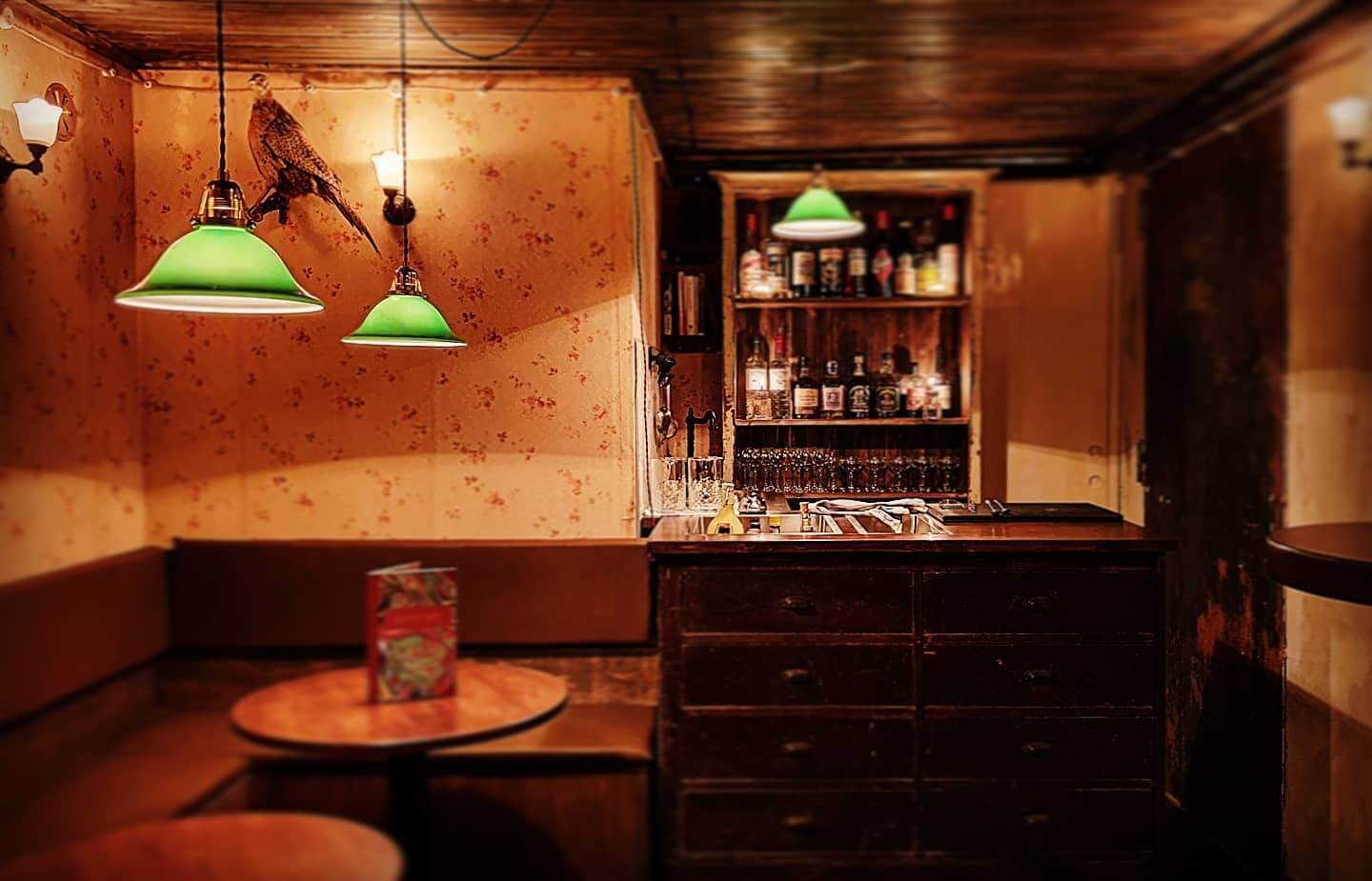
Restaurants in Stockholm
Browse all →
At a Glance
- Cozy
- Intimate
- Sophisticated
- Date Night
- Casual Hangout
- Group Outing
- After Work
- Standalone
- Terrace
- Seated Bar
- Lounge Seating
- Outdoor Terrace
- Natural Wine
- Sake
- Rum
Current opening hours
- Monday
- Closed
- Tuesday
- 4–11 PM
- Wednesday
- 4–11 PM
- Thursday
- 4–11 PM
- Friday
- 2 PM–12 AM
- Saturday
- 2 PM–12 AM
- Sunday
- Closed
Hours can change for holidays and private events. Last verified .
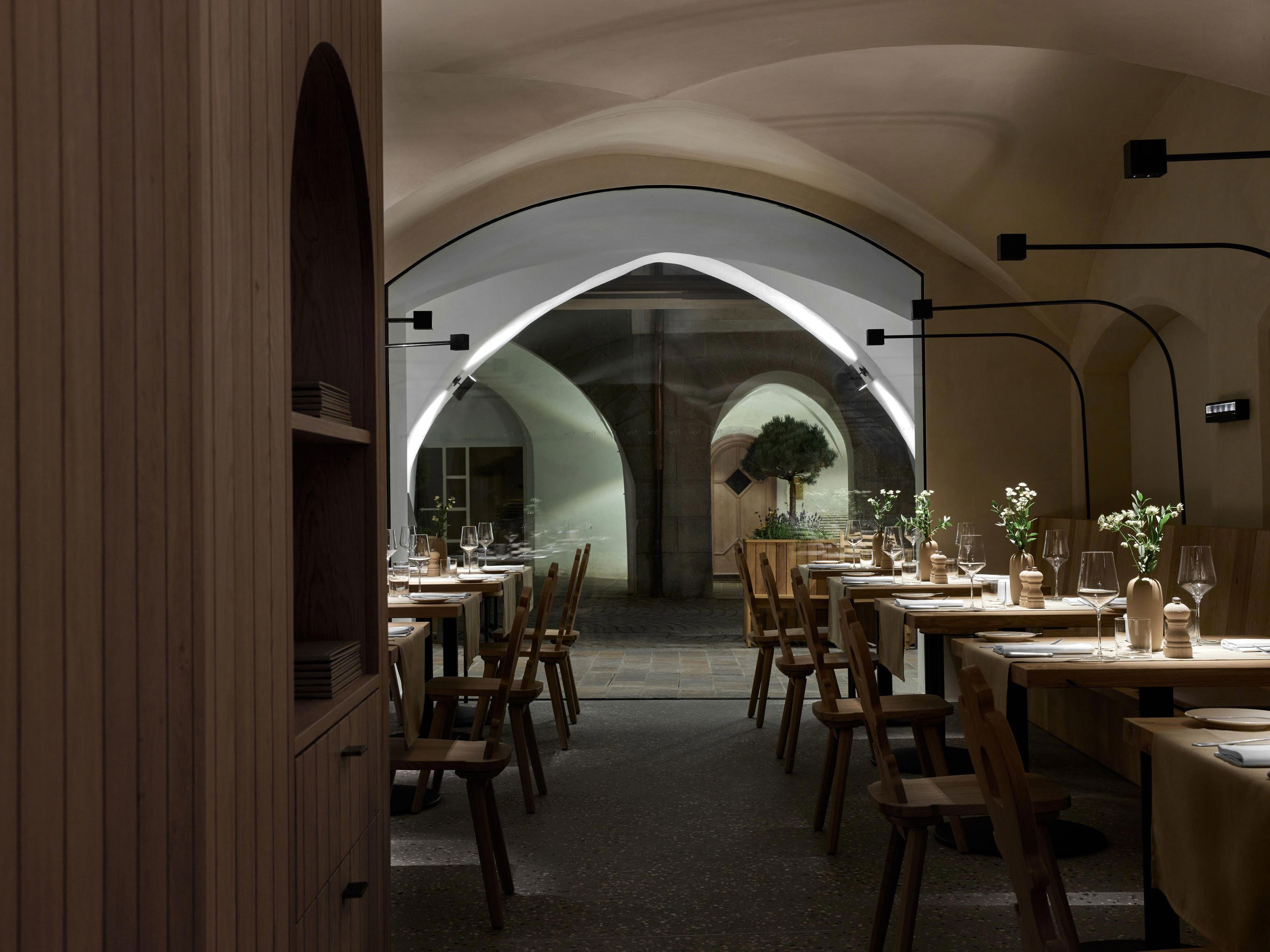
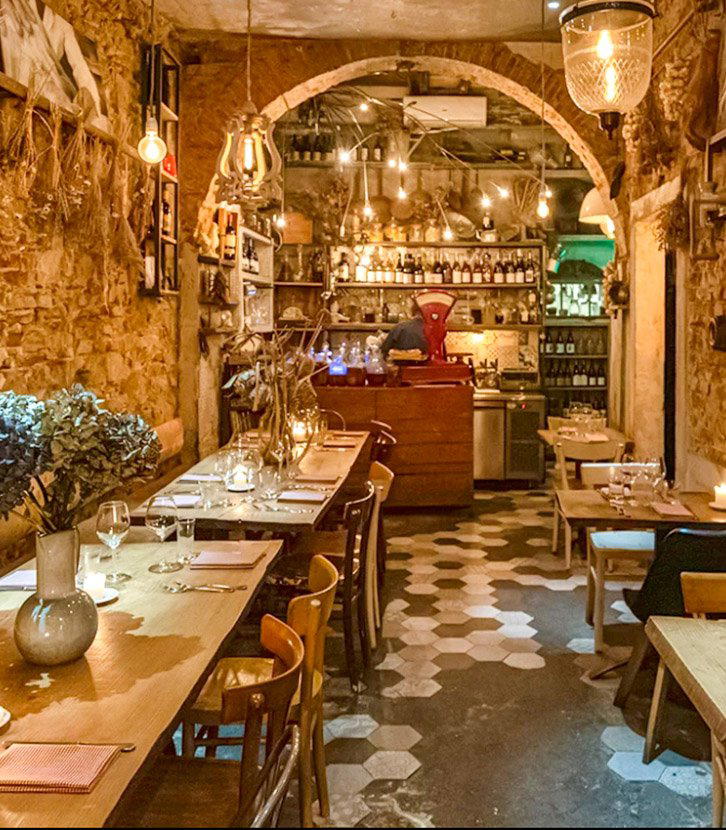
Warmly lit, cozy, and intimate space with bottles displayed along walls and bar, creating a living room-like setting with laid-back vibe and polished service.