
Among Stockholm's Italian restaurants, Mancini occupies a particular position: classically minded, white-tablecloth formal, and committed to the kind of lunch service that the city's Nordic-focused dining scene rarely prioritises. The seafood risotto has become a reference point for regulars. At Tunnelgatan 1A, it functions as a reliable counterweight to the New Nordic tasting menu circuit.
Pearl is the En Primeur Club membership app — saves, bookings, and concierge access live there. Same editors, same standards.
- Address
- Tunnelgatan 1A, 111 37 Stockholm, Sweden
- Phone
- +46 8 21 53 10
- Website
- mancini.se
- Directions
- Get directions
 Saves & bookings on Pearl
The Case for Classical Italian in a New Nordic City
Stockholm's restaurant conversation runs heavily toward tasting menus and New Nordic idiom. Frantzén, AIRA, and Aloë represent the city at its most technically ambitious, and that ambition has real depth. But it crowds out a different kind of restaurant entirely: the formally set Italian room where the point is not progression or provocation, but the reliable authority of a well-executed risotto. Mancini, at Tunnelgatan 1A in the Norrmalm district, operates in that second register. White tablecloths, seasonal Italian ingredients, and a room designed for conversation rather than theatre. In a city where Adam / Albin and Operakällaren compete for the same ambitious dinner reservation, Mancini draws a clientele that has largely moved past the novelty of Nordic experimentation and arrived at a preference for something older and more settled.
What the Room Signals Before You Order
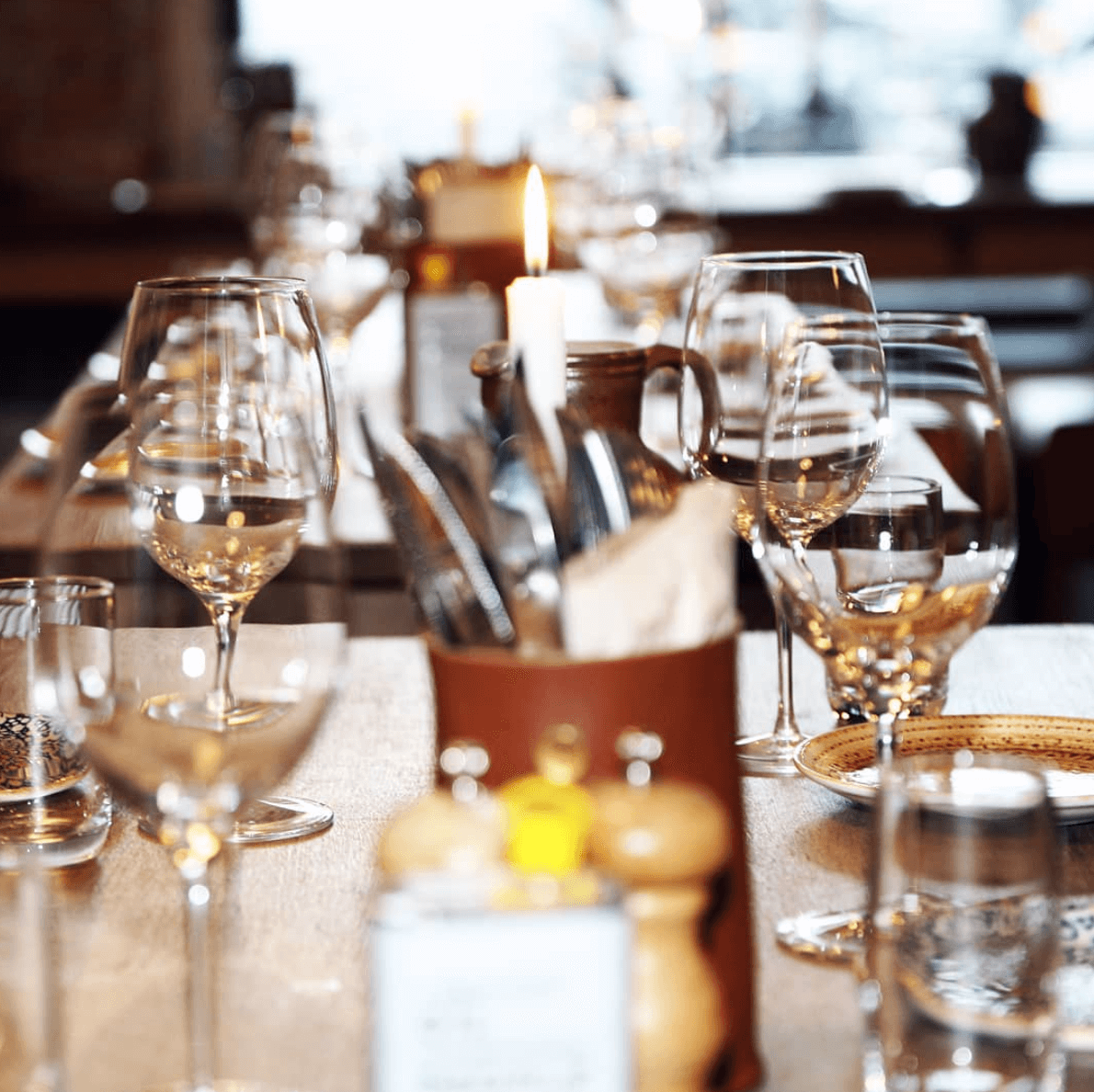
The white tablecloth is a statement in contemporary Stockholm. Most of the city's celebrated rooms have drifted toward pared-back Scandinavian interiors: natural materials, low lighting, an aesthetic that reads as deliberately casual even when the bill is not. Mancini makes no such concession. The formality here is Italian in character — attentive without being stiff, the kind of service culture that treats a weekday lunch with the same seriousness as a Friday dinner. That consistency is part of what keeps regulars returning. You do not have to recalibrate your expectations depending on the day or the table. The room behaves the same way every time, which is a harder thing to maintain than it sounds.
The Regulars' Calculus
The clientele at a restaurant like Mancini tells you something about what the room actually delivers. This is not a destination for first-time visitors chasing Stockholm's tasting menu circuit. The loyal contingent here tends to be professionals with a fixed lunch habit, Italian-food-literate diners who measure a risotto against a specific mental standard, and a broader group who have tired of the performance that surrounds much of the city's high-end dining. What keeps them returning is not surprise. It is repetition of a quality: the knowledge that the seafood risotto will arrive correctly made, that the ingredients will be fresh, and that the room will not ask anything difficult of them in return.
That dynamic is worth understanding if you are deciding whether Mancini belongs in a Stockholm itinerary. It is not a restaurant built for discovery. It is built for confirmation — of a preference, a standard, a kind of Italian cooking that relies on sourcing and execution rather than novelty. In cities like New York, that niche is held by institutions. In Stockholm, where Italian classicism has less history to draw on, a room like this occupies a more singular position in the market.
The Seafood Risotto as Benchmark
Across classical Italian restaurant traditions, from Milan to Rome to the transplanted versions that survive in northern European cities, risotto functions as a test. It requires more precise technique than most pasta, more attentiveness during service, and it degrades faster than almost anything else on a menu. A kitchen that produces a reliable seafood risotto is telling you something about its discipline. At Mancini, the dish has accumulated enough word-of-mouth authority that it functions as the reference point regulars cite when recommending the restaurant. That kind of reputation is not manufactured. It accumulates through repetition and consistency across hundreds of covers.
For context, the classical Italian room in Northern Europe faces structural pressures that its southern counterparts do not. Ingredient access is more complicated, the local supply of trained Italian kitchen staff is thinner, and the customer base has different reference points. Restaurants like Le Bernardin in New York demonstrate how classical European technique can be sustained at the highest level outside its country of origin, but that requires a particular institutional commitment. Mancini operates at a different scale, with different ambitions, but the underlying challenge, maintaining classical standards in an unsympathetic geography, is comparable in kind if not in degree.
The Lunch Argument
Mancini's lunch service is one of the more consequential things about it. Stockholm's fine-dining landscape concentrates overwhelmingly at dinner. The Nordic tasting menu format, which drives most of the city's international reputation, is almost exclusively an evening proposition. A room that takes its weekday lunch seriously, white tablecloths, full kitchen, attentive service, fills a gap that the city's celebrated rooms leave open. For visitors structuring a Stockholm trip around food, this creates a practical opportunity: Mancini at lunch leaves the evening free for the longer, more expensive format at places like AIRA or the New Nordic progression at Adam / Albin, without sacrificing quality at the midday meal.
That kind of itinerary logic is what separates a well-planned Stockholm visit from one that clusters everything at dinner and leaves lunch to chance. For broader planning across the region, Vollmers in Malmö, Signum in Mölnlycke, and ÄNG in Tvååker represent the broader Swedish dining circuit worth considering alongside Stockholm's own offer. Further afield, VYN in Simrishamn, Knystaforsen in Rydöbruk, and PM & Vänner in Växjö extend the case for treating southern Sweden as a serious food region rather than a stopover.
Planning a Visit
Mancini is located at Tunnelgatan 1A in central Stockholm, within easy reach of the city's main transport corridors. The restaurant operates at both lunch and dinner, which makes it one of the few classical European rooms in Stockholm that functions across both dayparts. For full planning resources, our Stockholm restaurants guide covers the broader dining map, while our Stockholm hotels guide, bars guide, wineries guide, and experiences guide cover the rest of a stay. Given the restaurant's loyal regular base, booking ahead for dinner is advisable, particularly toward the end of the week. Lunch tends to operate with more flexibility, but the room's quality means it attracts a steady office-adjacent crowd during the working week. Arrive with a specific order in mind, the seafood risotto is the reference dish, and let the room do the rest.
How Mancini Stockholm compares with similar nearby venues.
| Venue | Awards |
|---|---|
| Mancini | Star Wine List (2026) |
Recognition history
Dated appearances from independent guides and award organizations, with the underlying list record or original source where available.
Star Wine List
Star Wine List
Continue exploring
More in Stockholm
Restaurants in Stockholm
Browse all →
Bars in Stockholm
Browse all →
At a Glance
- Cozy
- Elegant
- Intimate
- Sophisticated
- Date Night
- Business Dinner
- Special Occasion
- Wine Cellar
- Extensive Wine List
Current opening hours
- Monday
- 11 AM–2 PM, 5–11 PM
- Tuesday
- 11 AM–2 PM, 5–11 PM
- Wednesday
- 11 AM–2 PM, 5–11 PM
- Thursday
- 11 AM–2 PM, 5–11 PM
- Friday
- 11 AM–2 PM, 5–11 PM
- Saturday
- 5–11 PM
- Sunday
- Closed
Hours can change for holidays and private events. Last verified .
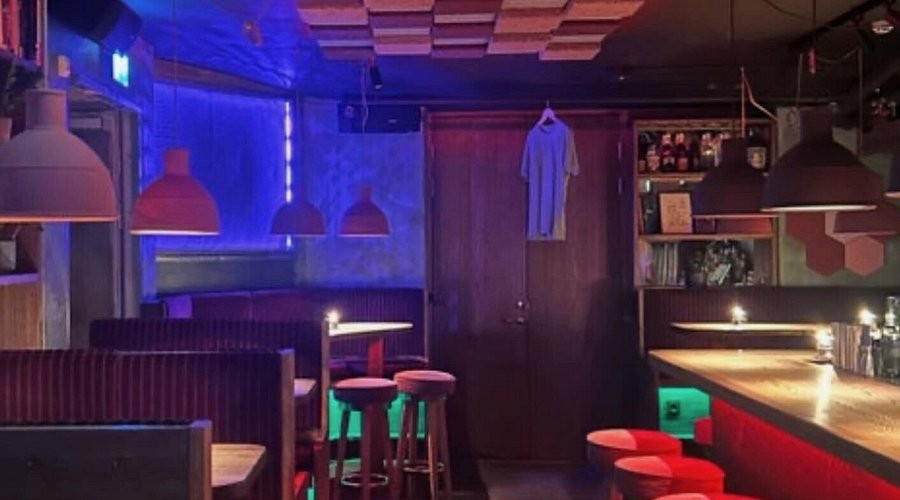
Cozy and inviting with rustic exposed brick walls, warm lighting, and an authentic Italian feel enhanced by professional service.
Know Before You Go
- Getting there
- Tunnelgatan 1A, 111 37 Stockholm, Sweden