On Gamla Stan's Stora Nygatan, Portofino brings the Italian coastal tradition to Stockholm's medieval core, where the surrounding New Nordic orthodoxy makes a well-executed Italian kitchen feel like a deliberate counterpoint. The address alone situates it within one of the city's most visited corridors, and the Italian name signals a clear positioning: Mediterranean warmth against Scandinavian restraint.
Pearl is the En Primeur Club membership app — saves, bookings, and concierge access live there. Same editors, same standards.
- Address
- Stora Nygatan 46, 111 27 Stockholm, Sweden
- Phone
- +46468101534
- Website
- ristoranteportofino.se
- Directions
- Get directions
 Saves & bookings on Pearl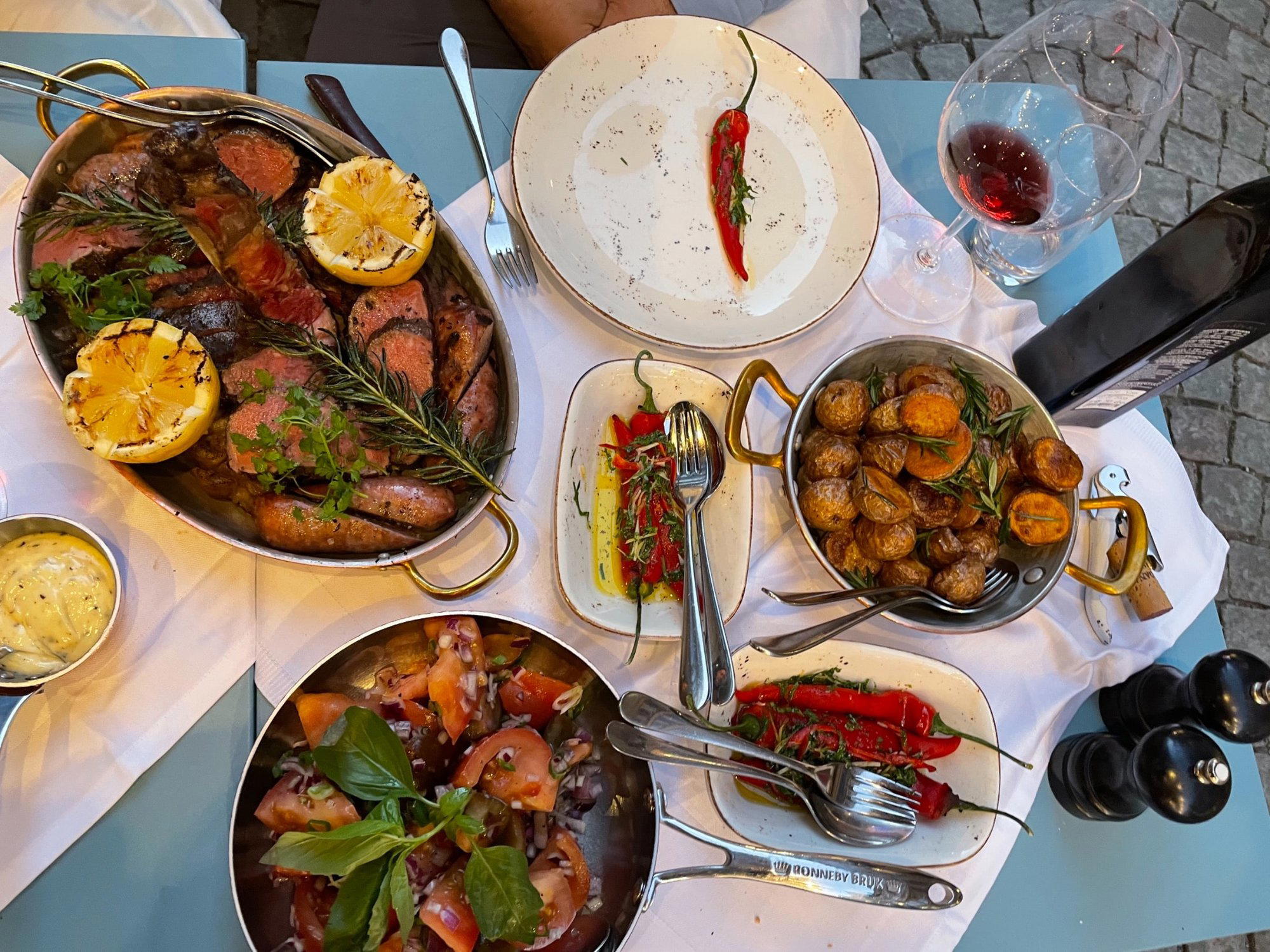
Italian Cooking in Stockholm's Old Town
Gamla Stan, Stockholm's medieval island district, is a neighbourhood that resists easy categorisation. The cobbled lanes and ochre-painted facades draw tourists by the thousand, yet the area also sustains a clutch of serious restaurants that serve a local clientele well past the summer season. Stora Nygatan, one of the island's longer streets, runs through the quieter western edge of the district, where the foot traffic thins and the buildings press close enough to channel the Baltic wind off Riddarfjärden. It is here, at number 46, that Portofino occupies its address — a setting that frames any Italian kitchen in an immediate and particular way.
The name alone is a positioning statement. Portofino, the Ligurian fishing village that became synonymous with a certain sun-struck Italian coastal ease, carries associations of olive oil, seafood, and the unhurried rhythms of the Mediterranean littoral. Importing that reference into the granite-grey restraint of a Swedish winter city is either a provocation or a form of hospitality, depending on how the kitchen delivers.
What Italian Cooking Means in a Nordic Context
Stockholm's restaurant scene has spent the better part of two decades building an identity around Nordic produce and technique. The generation of kitchens that followed in the wake of the New Nordic movement — represented at its most formal by destinations like Frantzén, and at various registers by places like AIRA, Aloë, and Adam / Albin, has made foraged ingredients, fermentation, and tasting-menu formality the dominant grammar of serious dining in the city. Operakällaren occupies a different register, anchoring Swedish culinary heritage to an operatic setting. Against that backdrop, a restaurant named for an Italian village and cooking in the Italian tradition operates as a genuine alternative, not a gap in the market so much as a deliberate change of register.
Italian cooking's relationship with seasonality and ingredient primacy has always made it compatible with Nordic sensibilities, even if the flavour profiles diverge sharply. Where Nordic kitchens tend toward acidity, smoke, and preservation, the Ligurian and broader Italian coastal tradition runs to brightness, fat, and the assertive flavour of good olive oil. The cultural argument for Italian cooking in Stockholm is that it offers the same respect for produce that the city's Nordic kitchens demand, but routes it through a different set of traditions, traditions with their own rigour and their own long history.
Gamla Stan as a Dining Address
The Old Town's dining reputation is complicated. For much of the twentieth century, the island sustained a tourist economy that rewarded volume over quality, and the legacy of that era lingers in the form of restaurants that trade on the setting rather than the cooking. The shift, visible over the past decade across Swedish cities, in places as varied as Vollmers in Malmö and VYN in Simrishamn, toward kitchens that take their regional or adopted culinary tradition seriously has begun to reach Gamla Stan as well. The result is a neighbourhood where a serious restaurant now has to work against assumptions as much as it works with them.
Stora Nygatan 46 is a specific enough address that it rewards planning. The street is accessible on foot from Gamla Stan's T-bana station, which sits at the eastern end of the island, making the walk a matter of minutes through the historic core. The surrounding block is quieter than the more trafficked Västerlånggatan, which tends to draw the heavier tourist flow. For visitors using Stockholm as a base to explore the broader Swedish restaurant scene, including the itinerary of destinations like Signum in Mölnlycke, 28+ in Gothenburg, or ÄNG in Tvååker, a well-placed Gamla Stan dinner fits naturally into the geography of a longer Scandinavian itinerary.
The Italian Restaurant as a Category in European Capitals
Across northern European cities, the Italian restaurant occupies a peculiar position. It is simultaneously the most familiar format, every city of any size has one, and, at the upper tier, one of the harder formats to execute with genuine credibility. The gap between a perfunctory pasta kitchen and one that understands the regional specificity of Italian cooking is wide, and the signals that separate them are often subtle: the quality of the olive oil, the handling of pasta texture, the sourcing of cured meats, the structure of the wine list. Internationally, kitchens like Le Bernardin in New York City have demonstrated what it means to hold a single culinary tradition to an exceptionally high standard over decades. The question any serious Italian kitchen in a northern European city has to answer is whether it operates with that kind of discipline or whether it relies on the familiarity of the format to carry the room.
The Italian coastal tradition that the Portofino name invokes is specific: Liguria runs a different culinary register from Piedmont, Emilia-Romagna, or the south. The emphasis falls on seafood, on pesto, on farinata, on a cooking style that the surrounding mountains and the sea have shaped over centuries. Bringing that specificity to a Stockholm address is a more demanding proposition than a generic Italian menu, and it is that specificity, or its absence, that ultimately defines what kind of restaurant Portofino is in practice.
Planning a Visit
Portofino sits at Stora Nygatan 46 in Gamla Stan, Stockholm's most historically concentrated district. The address is a short walk from the Gamla Stan metro station, and the neighbourhood is compact enough that it pairs naturally with a walk along the waterfront before or after dinner. Stockholm's dining culture across formats, from the more experimental rooms surveyed in the full Stockholm restaurants guide to regional destinations like Knystaforsen in Rydöbruk, PM & Vänner in Växjö, Adrian Restaurang in Borås, Brasserie Park in Jonköping, and Enoteket in Norrköping, tends toward advance booking, and a restaurant in as trafficked a district as Gamla Stan is unlikely to be an exception. Contacting the venue directly before visiting is advisable. Comparable experiences in different culinary registers, such as Atomix in New York City, illustrate how much the pre-visit planning process shapes the experience at serious restaurants, and the same principle applies here regardless of cuisine type.
How Portofino Stockholm compares with similar nearby venues.
| Venue | Cuisine | Price |
|---|---|---|
| Leijontornet | European | €€ |
Continue exploring
More in Stockholm
Restaurants in Stockholm
Browse all →

Bars in Stockholm
Browse all →
At a Glance
- Cozy
- Lively
- Modern
- Date Night
- Group Dining
- Terrace
- Extensive Wine List
- Street Scene
Current opening hours
- Monday
- 5 PM–12 AM
- Tuesday
- 5 PM–12 AM
- Wednesday
- 5 PM–12 AM
- Thursday
- 5 PM–12 AM
- Friday
- 4 PM–12 AM
- Saturday
- 12 PM–12 AM
- Sunday
- Closed
Hours can change for holidays and private events. Last verified .
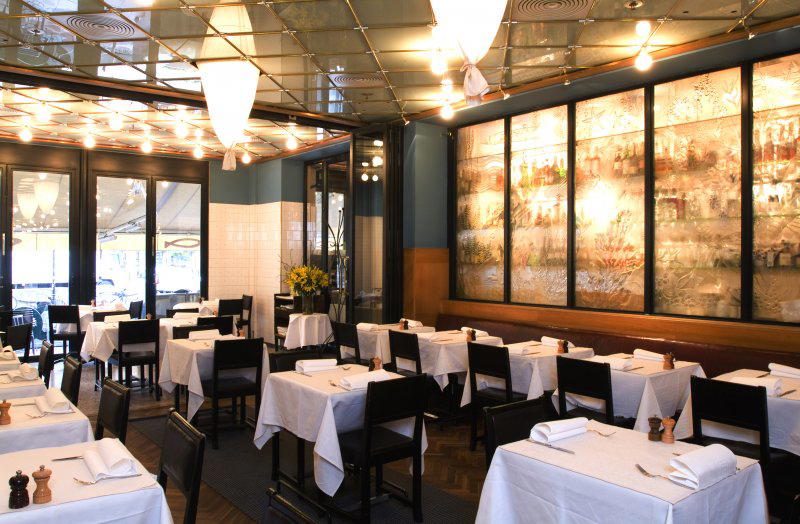
Cozy and lively atmosphere celebrating Italian traditions with attention to detail.
Know Before You Go
- Getting there
- Stora Nygatan 46, 111 27 Stockholm, Sweden