Madrid Tapas Y Vinos
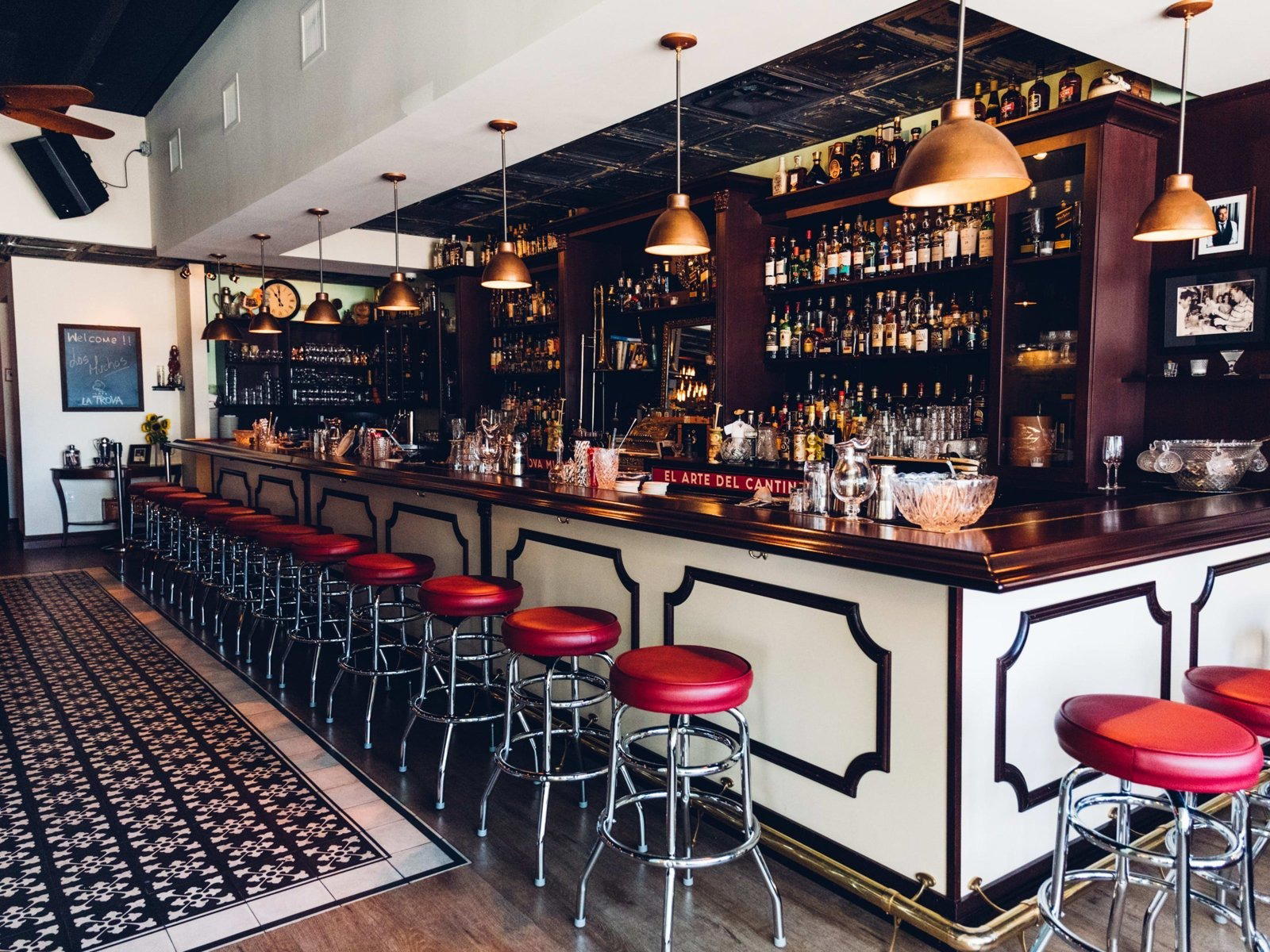
A neighborhood tapas and wine spot on Miami's west side, Madrid Tapas Y Vinos draws a steady local following to a corner of the city that most visitors never reach. The format is Spanish in spirit — small plates, shared tables, a wine list built for grazing rather than ceremony. It sits outside Miami Beach's tourist circuit, which is precisely why its regulars keep coming back.
Pearl is the En Primeur Club membership app — saves, bookings, and concierge access live there. Same editors, same standards.
- Address
- 525 NW 42nd Ave, Miami, FL 33126
- Phone
- +17863912471
- Website
- madridtapasyvinos.com
- Directions
- Get directions
 Saves & bookings on Pearl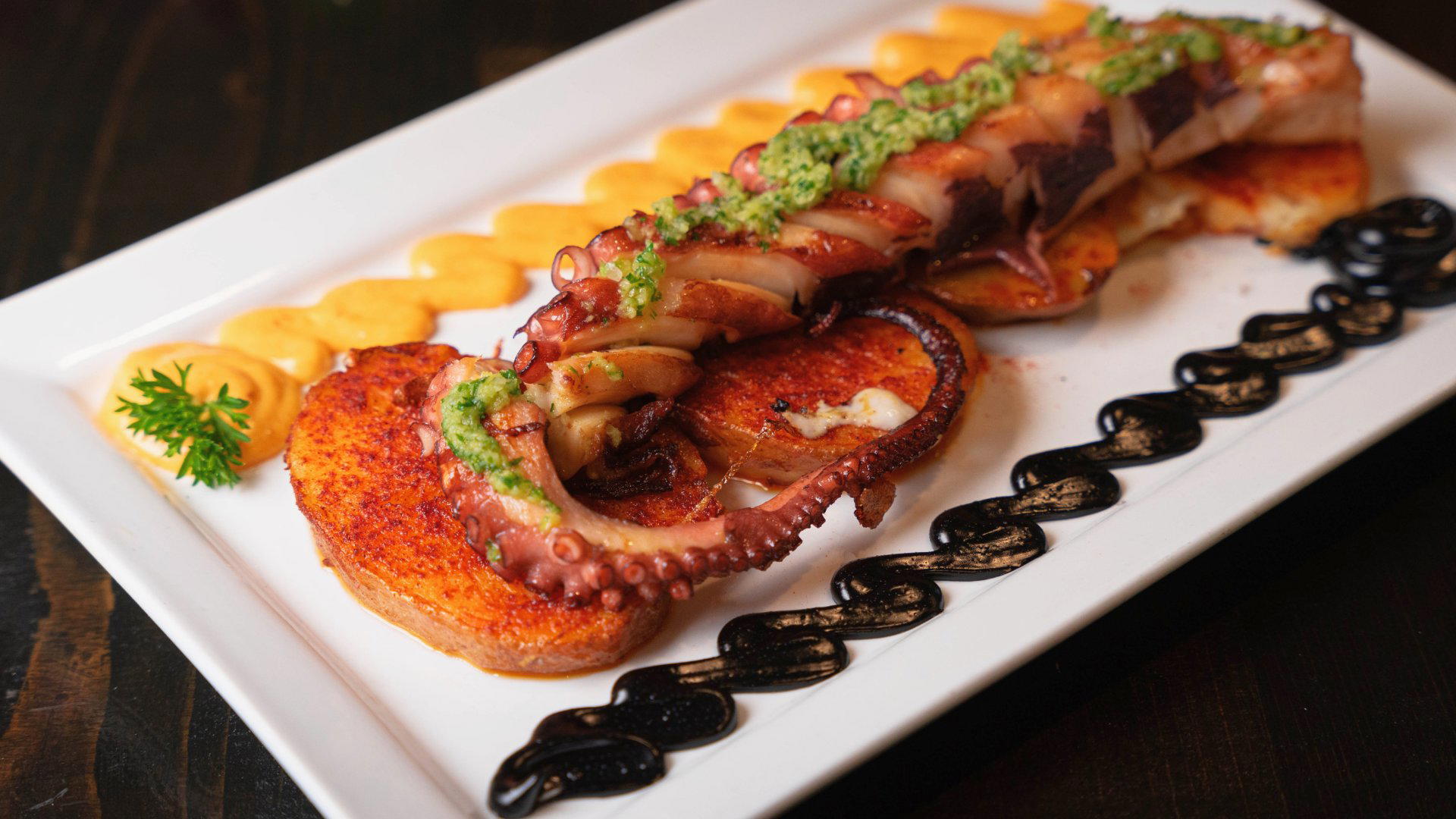
West of the Noise
Miami's dining attention runs east: South Beach, Brickell, Wynwood, the Design District. The restaurants that draw international coverage and award-season chatter cluster there, from the Michelin-recognised tasting counters like ITAMAE and L'Atelier de Joël Robuchon Miami to the neighbourhood-anchored kitchens that have earned a place in the city's serious dining conversation, including Ariete and Boia De. But Miami also has a west side — a denser, quieter, more residential Miami that feeds itself on a different set of loyalties. Madrid Tapas Y Vinos, at 525 NW 42nd Ave in the 33126 zip code, sits in that territory. The address alone tells you something about who this place is for.
The corridor around NW 42nd Avenue runs through a part of Miami where Cuban coffee counters and Latin grocery stores shape the rhythm of daily life more than any reservation platform. Spanish tapas culture — plates designed for sharing, wine poured by the glass without ceremony, no fixed end to the meal, lands naturally in this context. The format requires neither explanation nor translation for much of the local population, which is part of why places operating in this mode in Miami's western neighborhoods accumulate regulars rather than tourists.
The Grammar of the Regular
What keeps a tapas regular returning is not novelty. It is the opposite: the reliability of a cold glass of white wine at the right moment, a plate of jamón that arrives without negotiation, the understanding between a kitchen and its clientele that certain things will always be available and will always be right. The tapas format, as practiced across Spain and in its diaspora, is one of the few dining structures that explicitly rewards return visits, you learn the menu not from reading it but from grazing through it across multiple evenings.
In Miami's Spanish-inflected dining scene, that pattern plays out across a range of registers. At the higher end, Spanish technique has found its way into ambitious modern American menus. Lower in the price register, neighborhood spots like Madrid Tapas Y Vinos operate closer to the source material: small plates, wine, and a room that functions as much as a social anchor as a restaurant. The distinction matters because it shapes what you should want from a visit. This is not the place to benchmark against Cote Miami's theatrical service or the tasting-menu architecture of Lazy Bear in San Francisco. The comparison set is narrower and more local: the tapas bars that Miami's Cuban-Spanish community has supported for decades, places where the point is the company and the ease of the format.
Spanish Tapas in an American City
Spanish dining culture migrated to South Florida through a combination of Cuban, Spanish, and broader Latin immigration patterns that run back to the mid-twentieth century. Ybor City in Tampa got there first, but Miami's Spanish-speaking population, with its Cuban-Galician and Asturian threads, sustained a tapas tradition in the city long before the format became fashionable in New York or Los Angeles. Today, the neighborhood tapas bar exists in a more complicated market, it competes with a Miami dining scene that has absorbed Spanish influence into fine dining on one end and fast-casual formats on the other.
What survives in between is the genuinely local spot: a place where the clientele is not assembled by a PR campaign or a Michelin recommendation, but by proximity, habit, and word of mouth. These restaurants tend to have a different relationship with their wine lists, too. Rather than the curated, sommelier-driven selections you find at spots like Alinea in Chicago or The French Laundry in Napa, the wine program here is likely built around accessibility and compatibility with food: Albariños, Tempranillos, Riojas, and perhaps a Cava or two, priced to encourage a second glass rather than restrain it.
What the Regulars Know
The unwritten menu at a place like this is the regulars' menu, the combination of plates that a table of four who have been coming for years will order without looking at the printed list. In tapas culture, that menu almost always includes something cured, something fried, something braised, and something that depends entirely on the kitchen's judgment that day. The rhythm of the meal is set by the kitchen's pace rather than a fixed tasting sequence, which means a good tapas evening has a looseness to it that tasting-counter formats deliberately avoid.
For first-time visitors approaching Madrid Tapas Y Vinos from the outside, the practical move is to follow the table next to you. Order what is moving. Ask what is coming out of the kitchen rather than anchoring to the menu's leading line. That approach tends to surface the house strengths faster than working through the card in sequence. It is also, not coincidentally, exactly what the regulars do.
Miami's broader restaurant scene offers more structured routes into Spanish-inflected dining, and EP Club covers those in the full Miami restaurants guide. For context on what the city's most decorated kitchens look like, the range runs from the ingredient-driven ambition of Blue Hill at Stone Barns to the precision of Providence in Los Angeles, from the seafood focus of Le Bernardin in New York City to the Southern hospitality of Emeril's in New Orleans. Madrid Tapas Y Vinos does not operate in that register, and it does not try to.
For a broader view of what Miami's dining scene covers across formats and price points, including venues like Addison in San Diego-style precision dining and the Korean steakhouse category anchored by Cote Miami, the EP Club Miami guide maps the full picture. Reference venues like Atomix in New York City, Single Thread Farm in Healdsburg, The Inn at Little Washington, and 8 1/2 Otto e Mezzo Bombana in Hong Kong illustrate what the best of the global fine dining market looks like for readers who want to calibrate across registers.
Know Before You Go
Address: 525 NW 42nd Ave, Miami, FL 33126
Neighbourhood: West Miami, west of Coral Gables, outside the main tourist circuit
Format: Tapas and wine; small plates designed for sharing
Phone / Website: Not publicly listed, walk-in or local enquiry recommended
Price: Not confirmed; category context suggests accessible neighbourhood pricing
Getting There: The address sits well west of Brickell and Wynwood; a car or rideshare is the practical approach from central Miami
How Madrid Tapas Y Vinos Miami compares with similar nearby venues.
| Venue | Cuisine | Price |
|---|---|---|
| Kojin 2.0 | Contemporary | $$$ |






At a Glance
- Lively
- Date Night
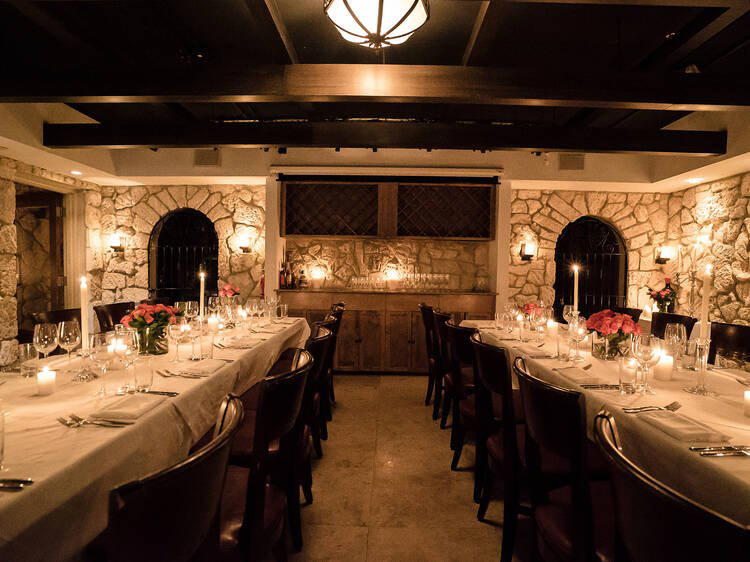
- Group Dining
- Special Occasion
- Live Music
- Extensive Wine List
Current opening hours
- Monday
- 12–10 PM
- Tuesday
- 12–10 PM
- Wednesday
- 12–10 PM
- Thursday
- 12–10 PM
- Friday
- 12–11 PM
- Saturday
- 12–11 PM
- Sunday
- 12–10 PM
Hours can change for holidays and private events. Last verified .
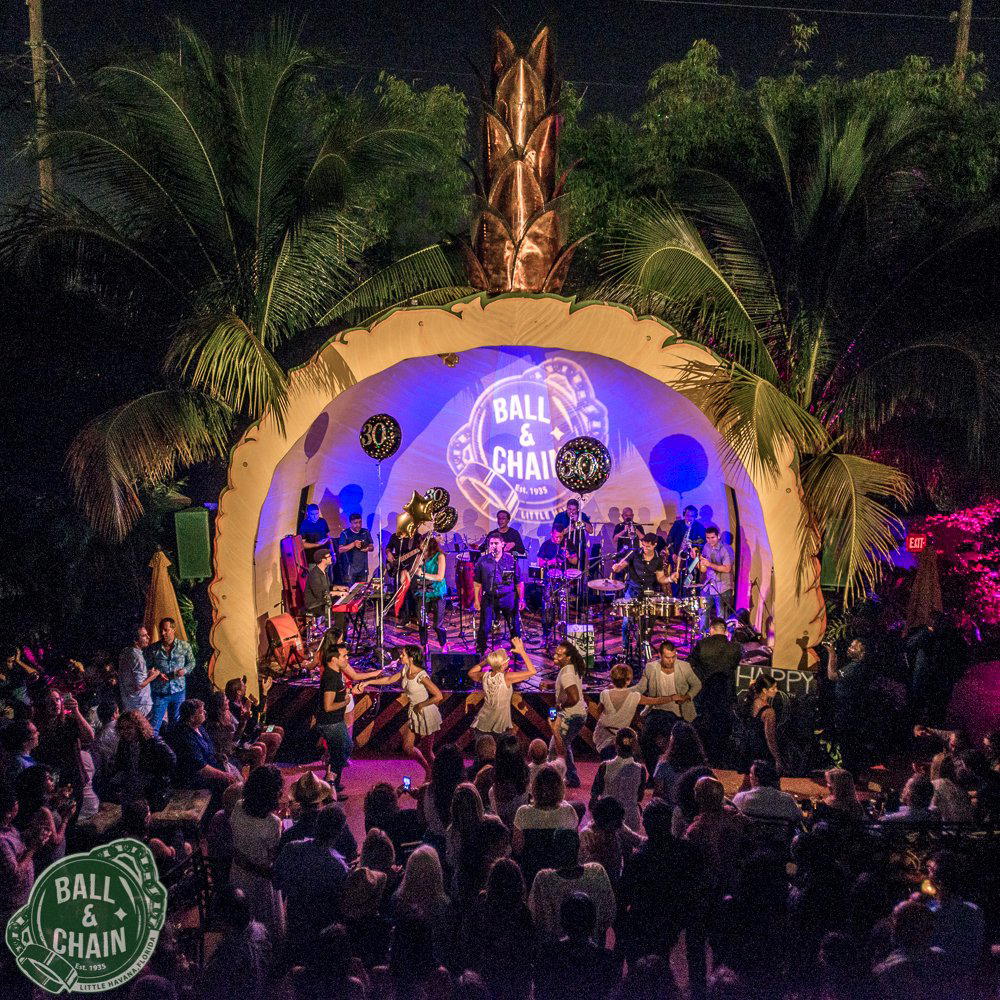
Cheerful atmosphere with live flamenco music creating an energetic Spanish vibe.
Know Before You Go
- Getting there
- 525 NW 42nd Ave, Miami, FL 33126