Taipa Peruvian Restaurant-
Taipa Peruvian Restaurant on Bird Road sits within Miami's evolving South American dining corridor, where ceviche traditions and fire-kissed proteins meet a city that has long rewarded bold, acid-forward cooking. The address at 5751 Bird Rd places it in a residential stretch that quietly houses some of the city's more serious ethnic kitchens, away from the noise of Brickell and Wynwood.
Pearl is the En Primeur Club membership app — saves, bookings, and concierge access live there. Same editors, same standards.
- Address
- 5751 Bird Rd, Miami, FL 33155
- Phone
- +13056611462
- Website
- taiparestaurants.com
- Directions
- Get directions
 Saves & bookings on Pearl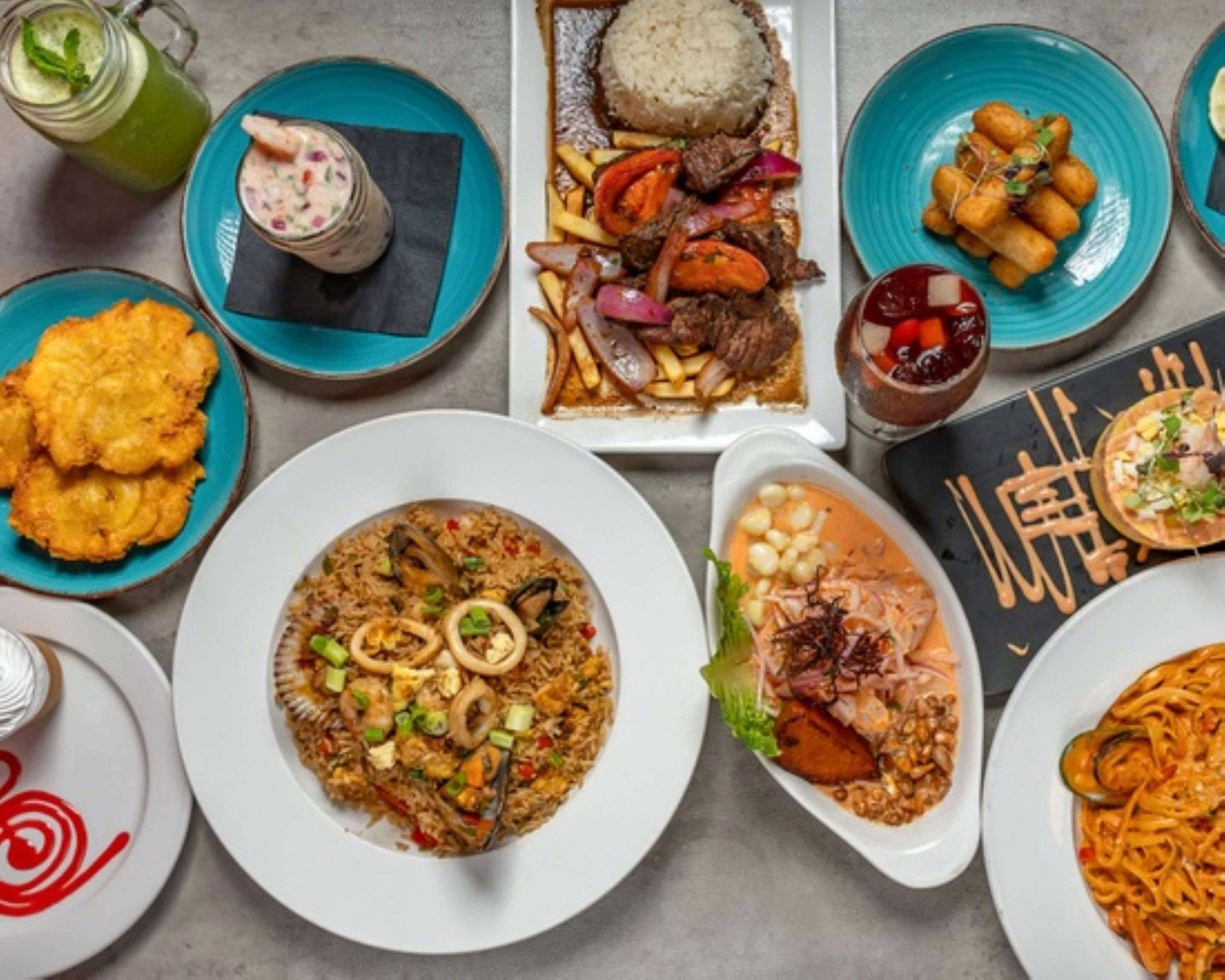
Bird Road and the Peruvian Table in Miami
Miami's relationship with Peruvian cuisine runs deeper than most North American cities can claim. The city's large South American diaspora created demand early, and that demand shaped a restaurant culture where ceviche is not a novelty but a reference point — a dish diners measure against memory and expectation rather than novelty. Along Bird Road in the Coral Terrace and West Miami corridor, that demand has sustained a cluster of Latin American kitchens that operate with neighborhood conviction rather than tourist orientation. Taipa Peruvian Restaurant, at 5751 Bird Rd, sits inside that pattern.
The Bird Road stretch is a useful lens for understanding where Miami's serious everyday eating happens. Away from the high-decibel dining rooms of Brickell and the self-consciously designed rooms of Wynwood, this corridor trades in consistency and community familiarity. Restaurants here are measured by whether regulars return twice a week, not whether they photograph well. That operating logic tends to produce cooking with less performance and more discipline — particularly in cuisines like Peruvian, where technique speaks through acidity, seasoning, and the sourcing of ingredients like aji amarillo and leche de tigre.
What Peruvian Cooking Looks Like in Practice
Peruvian cuisine occupies a specific position in the hierarchy of South American cooking: it is simultaneously one of the most technically precise and one of the most ingredient-dependent traditions in the hemisphere. The ceviche canon requires lime acidity calibrated against fish freshness, salt, and the heat of rocoto or aji limo. Lomo saltado demands high-heat wok technique borrowed from the Chinese-Peruvian chifa tradition that arrived with Cantonese immigration in the nineteenth century. Causa, the layered potato terrine, rewards patience and restraint in seasoning. These are not dishes that forgive shortcuts.
Miami's Peruvian restaurants cluster into roughly two tiers. The first tier is represented by counters like ITAMAE, where Peruvian-Japanese nikkei technique is applied at a level that draws comparisons to the precision you might associate with destination dining at places like Le Bernardin in New York City or Providence in Los Angeles. The second tier, deeper, less visible, and far more numerous, operates as the daily infrastructure of Peruvian eating in Miami: family-run rooms where the cooking is calibrated to the expectations of an audience that grew up eating this food. Taipa operates in this second tier, and that positioning carries its own form of accountability.
The Sensory Register of a Neighborhood Peruvian Room
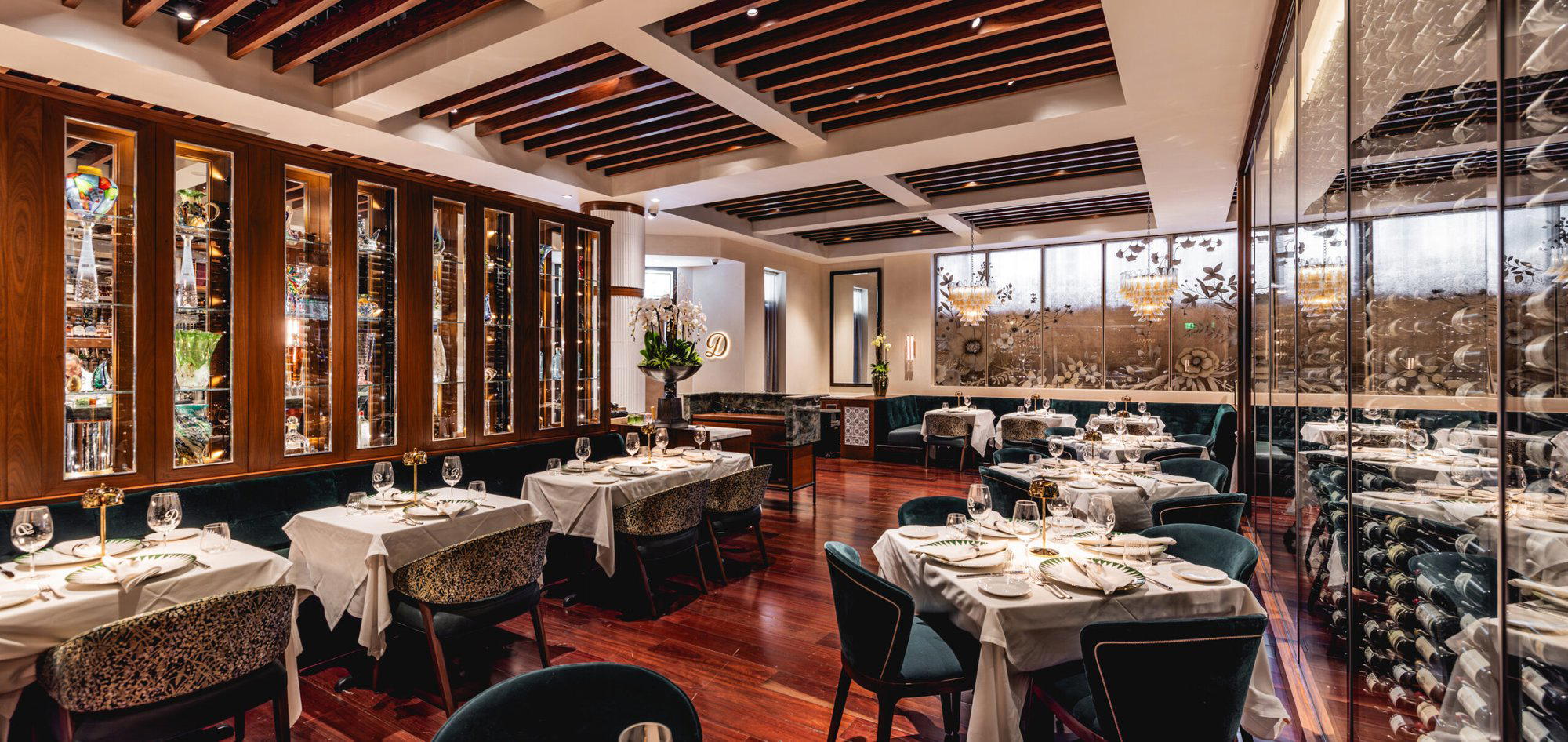
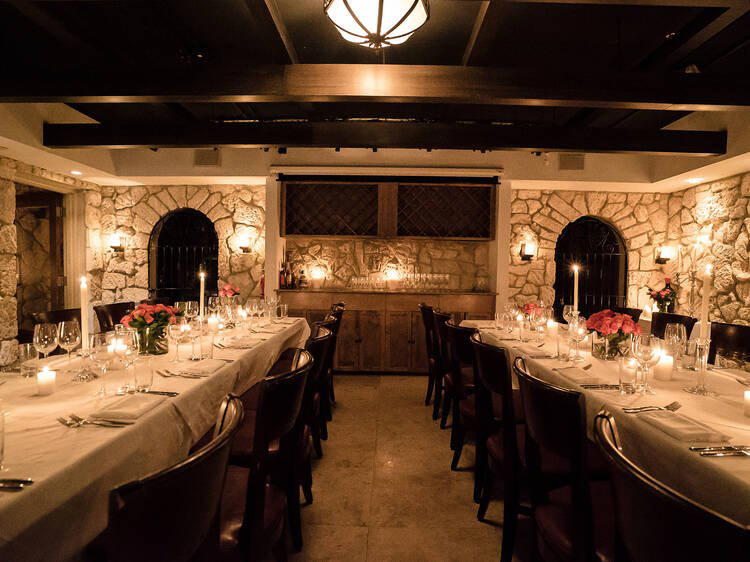
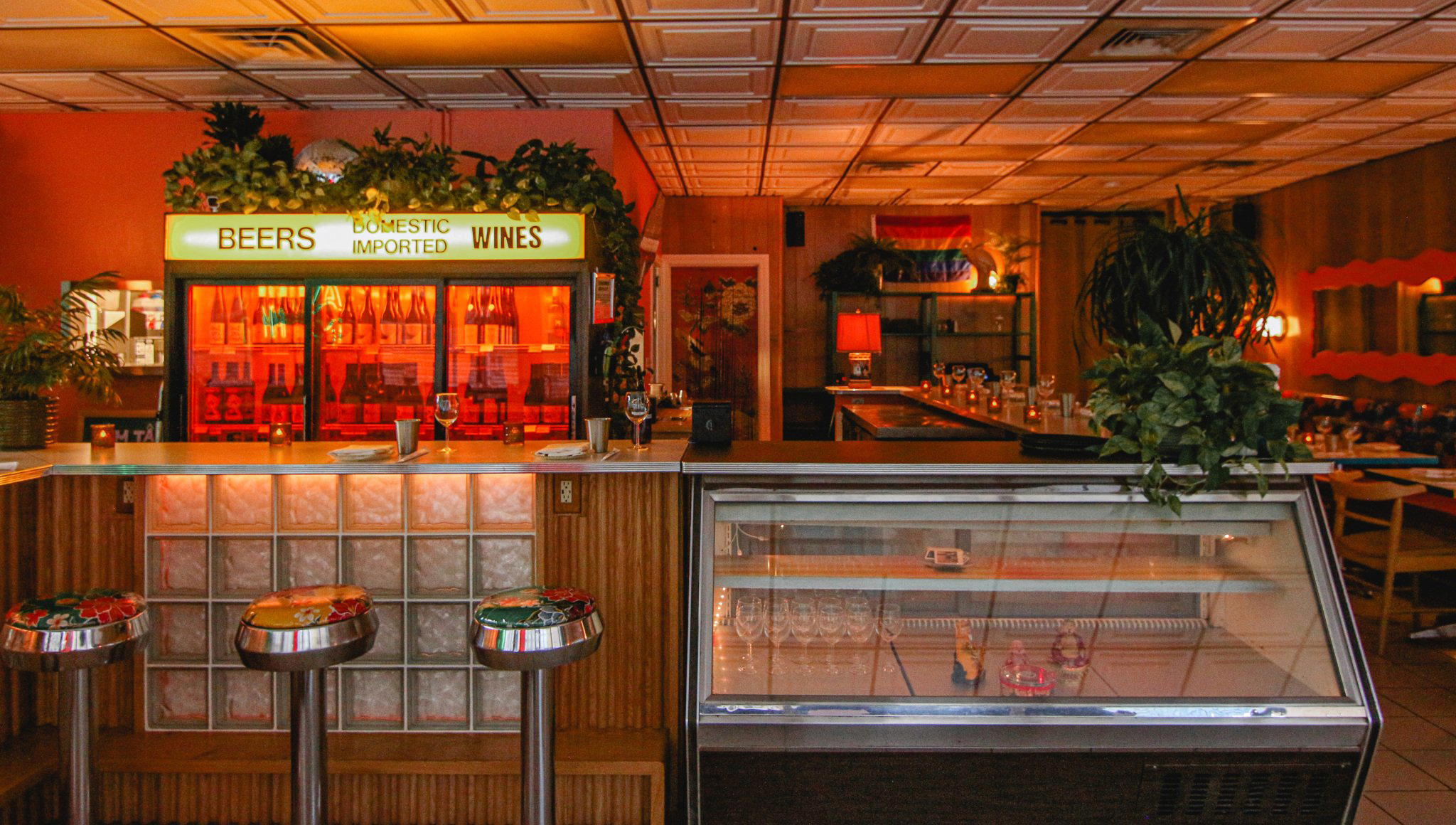
The sensory experience of a neighborhood Peruvian restaurant in Miami follows a recognizable grammar. The smell of aji amarillo paste hitting a hot pan carries through a room in a way that signals confidence rather than caution, it is not a kitchen tempering its flavors for an unfamiliar audience. The sound profile tends toward the domestic: conversation in Spanish, the clatter of ceramic plates, a television in a corner. The visual register is functional rather than designed, which in practice means the attention went into the kitchen rather than the lighting plan.
These sensory cues are data, not aesthetics. They indicate a restaurant calibrated for return visits from a specific community rather than first impressions from a passing audience. In cities like Miami, that calibration often produces more honest cooking than rooms designed with Instagram sightlines in mind. Compare this to the deliberate atmosphere-building of Miami's more designed rooms, the studied cool of Boia De in Little Haiti or the theatrical precision of Cote Miami, and the contrast clarifies what each mode of restaurant is optimizing for.
Miami's Broader Dining Context
Miami in the current period is a city navigating two parallel dining economies. One is high-visibility and increasingly decorated: Ariete in Coconut Grove, L'Atelier de Joël Robuchon Miami in the Design District, and a cohort of chef-driven rooms that now place Miami in conversations that once belonged exclusively to New York, Chicago (home to Alinea), and San Francisco (where Lazy Bear helped define a particular mode of collaborative fine dining). The other economy is quieter and more rooted: the Latin American kitchens, the Caribbean rooms, the Vietnamese and Haitian spots that give Miami's food culture its actual depth.
Peruvian restaurants in Miami participate in that second economy. The cuisine's complexity, the Japanese influence through nikkei cooking, the Chinese influence through chifa, the Andean base of potatoes and chiles, the coastal fish tradition, makes it one of the most layered traditions operating in the city. Restaurants serving it well, even without the visibility of a Michelin listing or a James Beard nomination, contribute to a dining culture that cities like New Orleans (where Emeril's helped anchor a culinary identity) and Napa (home to The French Laundry) built over decades: the idea that a city's food identity is the sum of all its rooms, not just the decorated ones.
For readers building an itinerary that also includes San Diego's Addison, Healdsburg's Single Thread Farm, Tarrytown's Blue Hill at Stone Barns, Washington's The Inn at Little Washington, New York's Atomix, or Hong Kong's 8 1/2 Otto e Mezzo Bombana, a neighborhood Peruvian stop in Miami provides a useful counterpoint: evidence that the city's food culture operates at multiple registers simultaneously. See our full Miami restaurants guide for the broader picture.
Know Before You Go
Address: 5751 Bird Rd, Miami, FL 33155
Cuisine: Peruvian
Neighbourhood: Coral Terrace / West Miami corridor, Bird Road
Phone: Not available, confirm via Google Maps or walk-in
Website: Not listed, verify current hours before visiting
Price range: Not confirmed, neighborhood Peruvian rooms in Miami typically sit in the $15–$35 per person range for mains
Parking: Street and lot parking available along Bird Rd corridor

At a Glance
- Lively
- Casual
- Energetic
- Family
- Group Dining
- Casual Hangout
- Standalone
Current opening hours
- Monday
- 11:30 AM–10 PM
- Tuesday
- 11:30 AM–10 PM
- Wednesday
- 11:30 AM–10 PM
- Thursday
- 11:30 AM–10 PM
- Friday
- 11:30 AM–10 PM
- Saturday
- 11:30 AM–10 PM
- Sunday
- 12–9 PM
Hours can change for holidays and private events. Last verified .
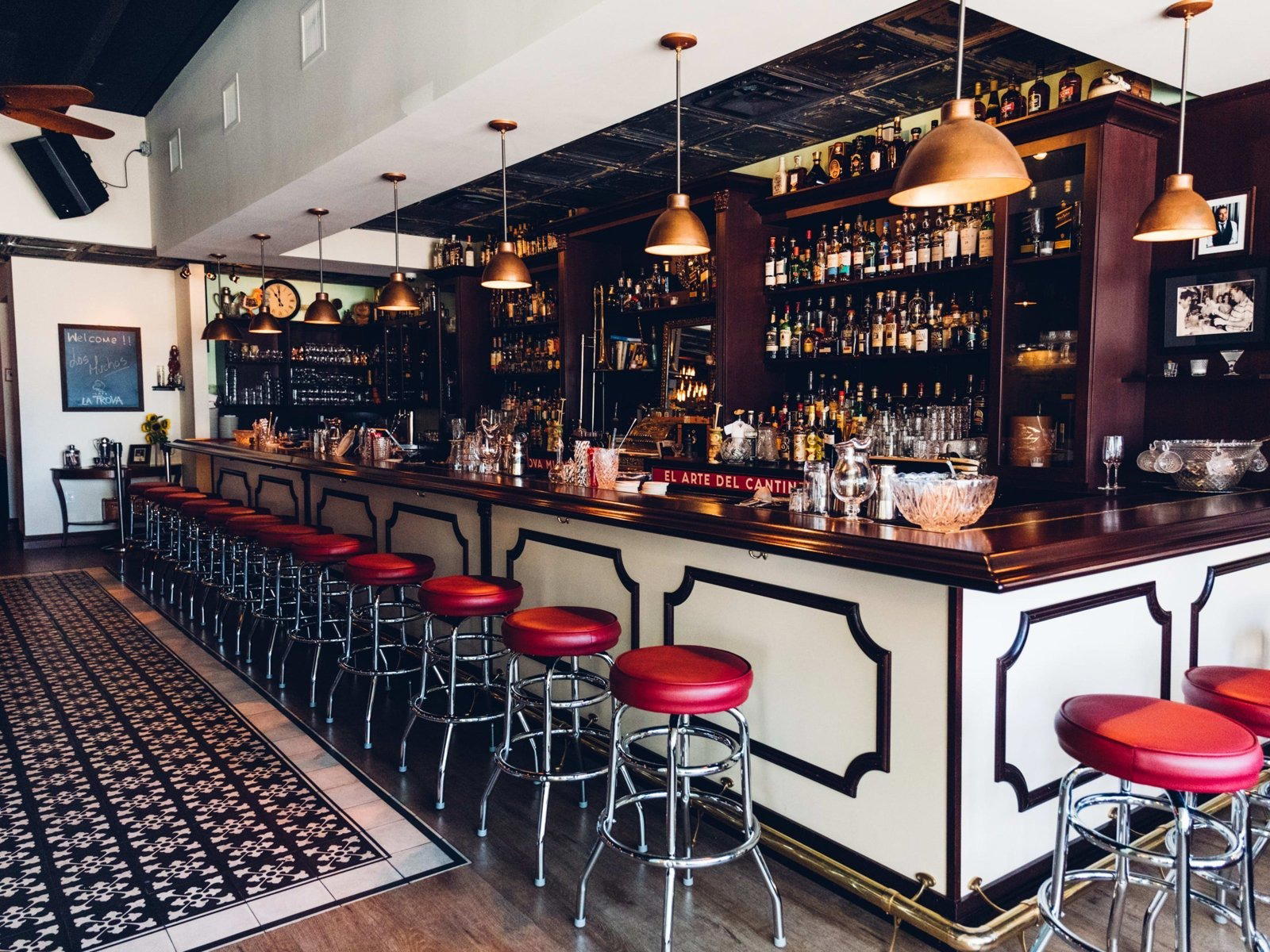
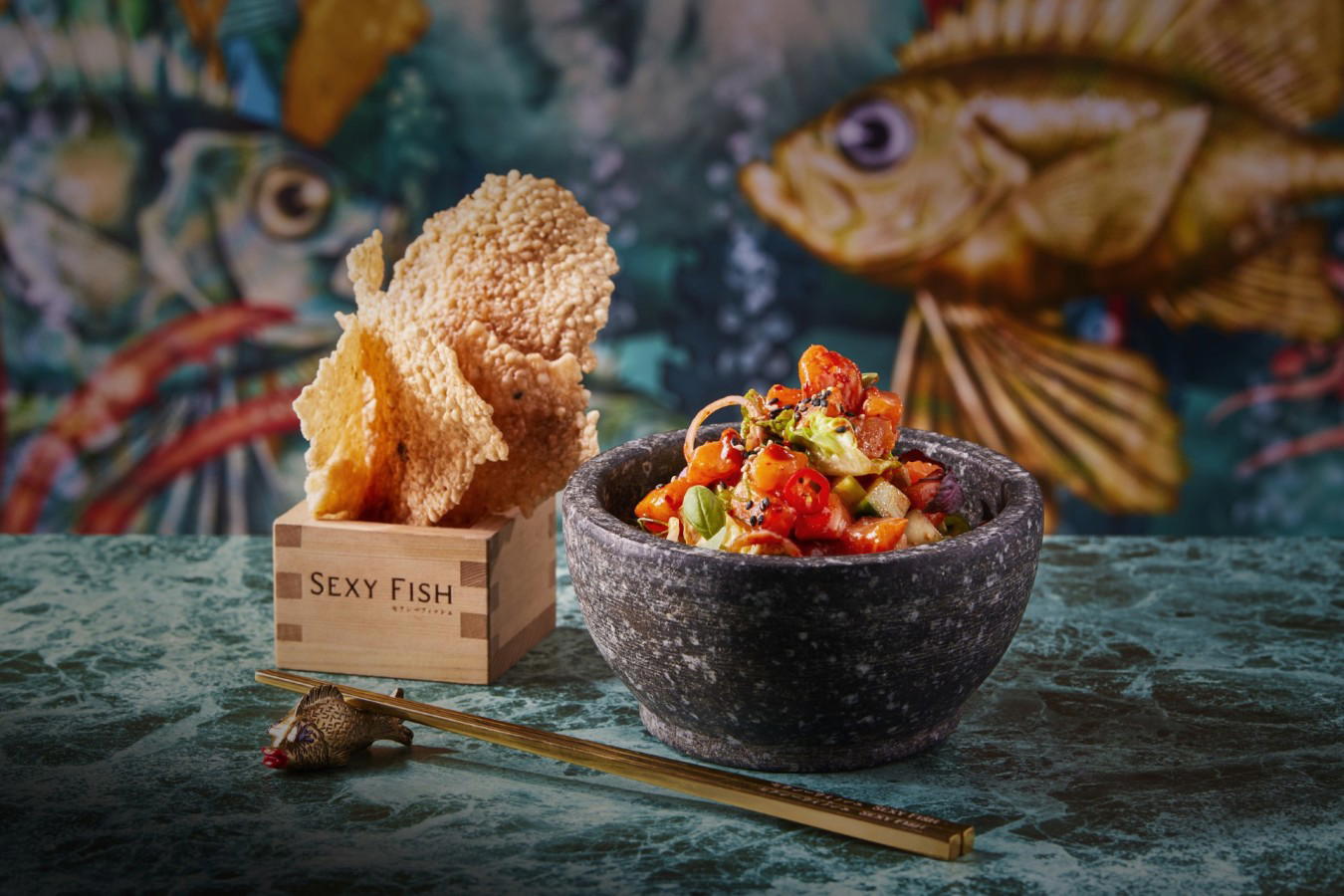
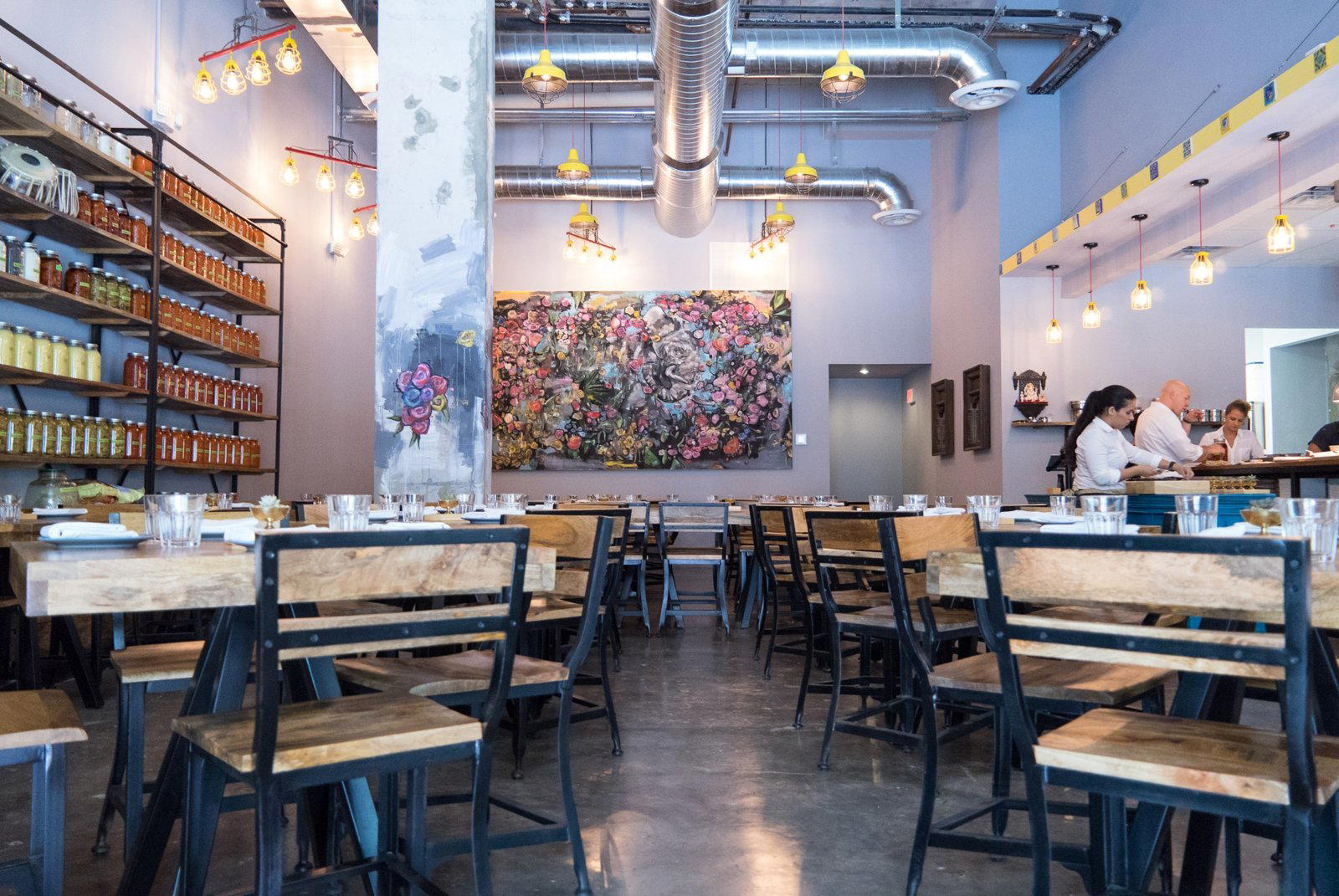
Casual, lively dining atmosphere with a focus on traditional Peruvian cuisine and family-friendly service.
Know Before You Go
- Getting there
- 5751 Bird Rd, Miami, FL 33155