Located on Kolosseumstraße in Munich's Au-Haidhausen district, Madam Anna Ekke occupies a position in the city's emerging mid-to-upper dining tier, where collaborative front-of-house dynamics and a considered room define the experience as much as the plate.
Pearl is the En Primeur Club membership app — saves, bookings, and concierge access live there. Same editors, same standards.
- Address
- Kolosseumstraße 6, 80469 München, Germany
- Phone
- +498945240141
- Website
- madamannaekke.de
- Directions
- Get directions
 Saves & bookings on Pearl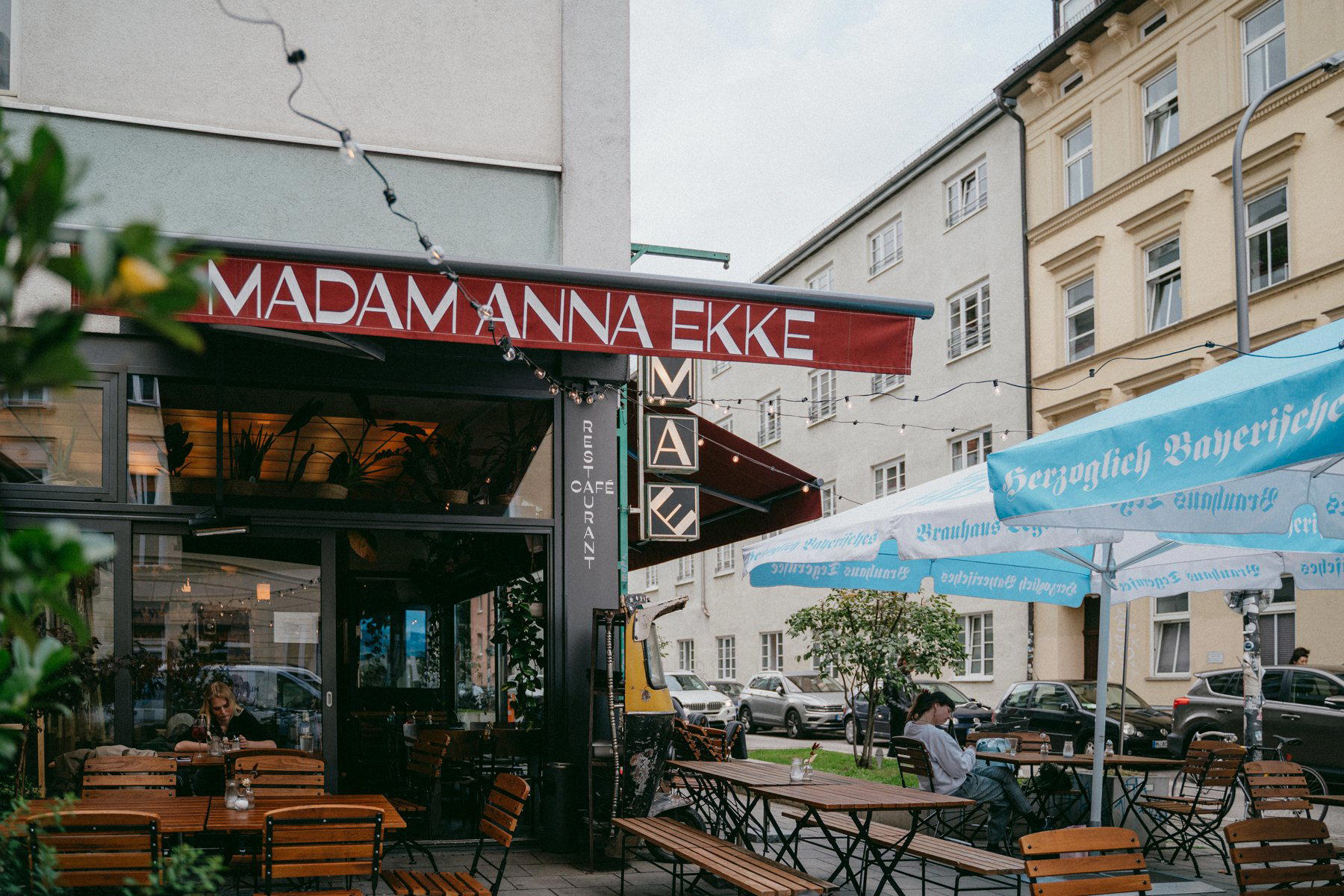
Munich's Dining Scene and Where Madam Anna Ekke Sits Within It
At the leading end, rooms like Tantris and Atelier continue to anchor the city's dining reputation with formal structures, deep wine programmes, and menus that change by season rather than whim. A step below, a more restless cohort of addresses has emerged, drawing on the kind of chef-sommelier-front-of-house collaboration that cities like Berlin and Hamburg normalised years ago. Madam Anna Ekke, on Kolosseumstraße in the Au-Haidhausen neighbourhood, belongs to this second conversation, a room where the interplay between kitchen and floor is the defining characteristic, not a secondary one.
Au-Haidhausen itself matters here. The district sits east of the Isar, historically working-class but now home to a mix of design studios, independent wine bars, and restaurants that operate with fewer of the conventions you find closer to the Maxvorstadt institutions. It is the kind of neighbourhood where a dining room can set its own terms, and where guests arrive with expectations shaped by curiosity rather than reputation alone. Madam Anna Ekke's address on Kolosseumstraße places it squarely in this context.
The Room and What It Signals
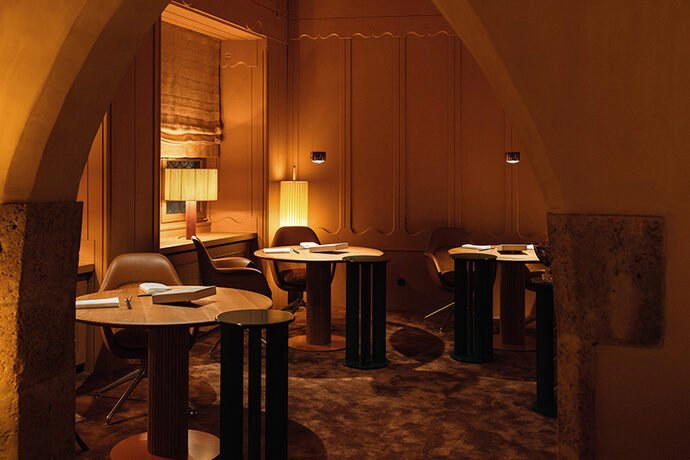
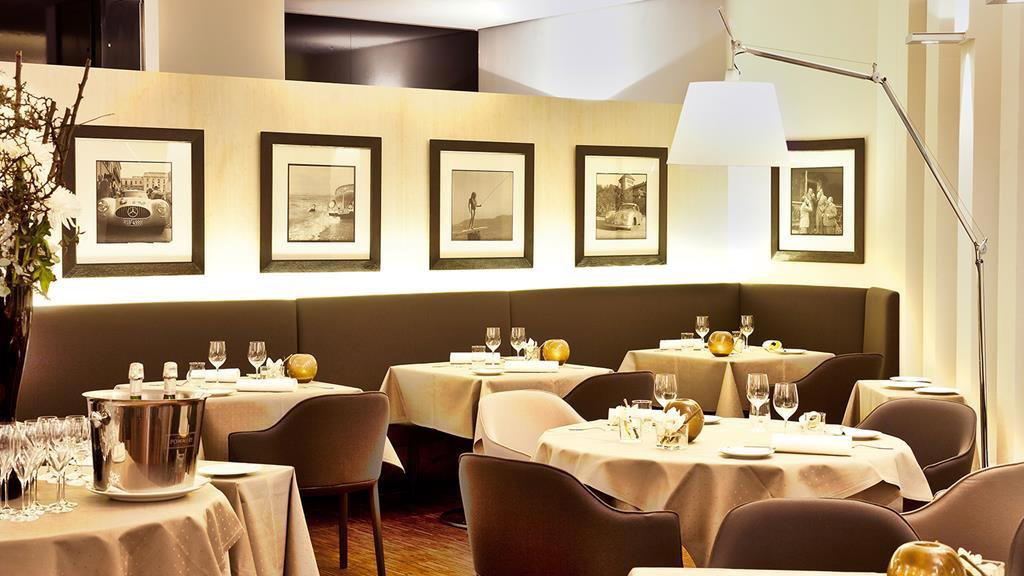
Approaching a restaurant in Au-Haidhausen, you tend to read the exterior before you read the menu. The neighbourhood's better addresses project restraint from the street: no oversized signage, no velvet rope logic. Inside, the dining rooms that work in this part of Munich tend to prioritise acoustic comfort and considered lighting over visual spectacle. These are spaces designed for a two-hour conversation across a table, not a photo opportunity. Whether the restaurant's interior reflects this precisely is something leading confirmed on arrival, but the address and neighbourhood position it in a cohort of rooms that take the physical environment seriously as a frame for what happens at the table.
Across Germany's more progressive dining addresses, from CODA Dessert Dining in Berlin to ES:SENZ in Grassau, the trend has been toward rooms where atmosphere is constructed through material detail and pacing rather than through formal ritual. The restaurant operates in this broader current.
The Team Dynamic as the Core Proposition
Germany's most discussed dining rooms of the past five years have often been defined not by a single chef's vision but by the coherence between kitchen, sommelier, and front-of-house. At Tohru in der Schreiberei, the dialogue between Japanese and German culinary frameworks requires a service team that can translate context as fluently as the kitchen translates technique. At Alois - Dallmayr Fine Dining, the house's own provenance as a delicatessen institution gives the floor a specific kind of product literacy that shapes the entire guest experience. The point is that in Munich's serious dining rooms, the person who opens the bottle and explains the reasoning behind a pairing carries as much editorial weight as the person who composed the dish.
The restaurant's positioning suggests a similar logic. In rooms of this type, the guest's experience is assembled through a series of small decisions made by different members of a team, the temperature at which a wine is served, the moment a dish is described, the pacing between courses. When these decisions align, the result is a meal that feels authored. When they don't, even technically accomplished cooking can feel disconnected. The restaurants in Munich's current upper-mid tier that have built durable reputations have done so by treating floor craft as a creative discipline rather than a support function.
This mirrors what has happened at the higher end of the German dining circuit more broadly. Houses like Aqua in Wolfsburg, Vendôme in Bergisch Gladbach, and Victor's Fine Dining by Christian Bau in Perl have long operated with sommelier programmes that are as carefully constructed as the kitchen's tasting menus. At the other end of the spectrum, addresses like Bagatelle in Trier and Schanz in Piesport show that this kind of integration is not exclusively a big-city phenomenon. The restaurant inherits this broader conversation about what a cohesive dining team actually produces at the table.
Placing Madam Anna Ekke Against Munich Peers
Munich's fine-dining tier is densely credentialed. JAN has built a following through creative restraint that places it alongside European peers rather than just local ones. Tantris carries decades of institutional authority. Against these rooms, the restaurant's proposition is different in register: it sits in a space where the expectations are still being defined, which gives both the kitchen and the floor more room to operate on their own terms. Particularly interesting dining in Germany is happening in rooms without the weight of a long Michelin history, Waldhotel Sonnora in Dreis and Schwarzwaldstube in Baiersbronn are exceptions, not the rule.
Internationally, the model of a tightly collaborative team defining a restaurant's identity has proven durable. Le Bernardin in New York City has sustained its reputation across decades in part because the front-of-house and kitchen operate as a single unit. Atomix in New York City has built an entirely distinct format around the idea that explanation and context, delivered by the floor team, are as integral to the meal as the cooking itself. These are not direct comparisons to the restaurant, but they illustrate the model that Munich's more ambitious mid-tier rooms are working toward.
Planning a Visit
The restaurant is located at Kolosseumstraße 6, 80469 München, in the Au-Haidhausen district. Guests travelling from the city centre will find the neighbourhood accessible by U-Bahn, with the Ostbahnhof and Rosenheimer Platz stops providing reasonable walking distance to this part of the district. The restaurant is open Monday to Saturday from 9 AM to 10 PM and Sunday from 9 AM to 6 PM. Reservations are recommended. Similarly, Restaurant Haerlin in Hamburg offers a reference point for how a collaboratively structured service culture operates at the formally decorated end of the German dining spectrum.
A Pricing-First Comparison
Comparable venues nearby, for context on price, style, and recognition.
| Venue | Cuisine | Price | Notes |
|---|---|---|---|
| Madam Anna EkkeThis venue — the venue you are viewing | Isarvorstadt, Modern Brunch Café | $$ | Not listed |
| Fisch Witte | Isarvorstadt, Fresh Seafood Bistro | $$ | Not listed |
| Pizzesco | Not listed | $$ | Au, Italian Pizza with Gluten-Free Options |
| HANS IM GLÜCK - MÜNCHEN Türkenstrasse | Schwabing, Gourmet Smash Burgers | $$ | Not listed |
| Roshan Restaurant | Milbertshofen, Authentic Afghan | $$ | Not listed |
| AOI Ramen | Neuhausen, Japanese Ramen Izakaya | $$ | Not listed |
At a Glance
- Cozy
- Trendy
- Relaxed
- Brunch
- Casual Hangout
- Terrace
Current opening hours
- Monday
- 9 AM–10 PM
- Tuesday
- 9 AM–10 PM
- Wednesday
- 9 AM–10 PM
- Thursday
- 9 AM–10 PM
- Friday
- 9 AM–10 PM
- Saturday
- 9 AM–10 PM
- Sunday
- 9 AM–6 PM
Hours can change for holidays and private events. Last verified .
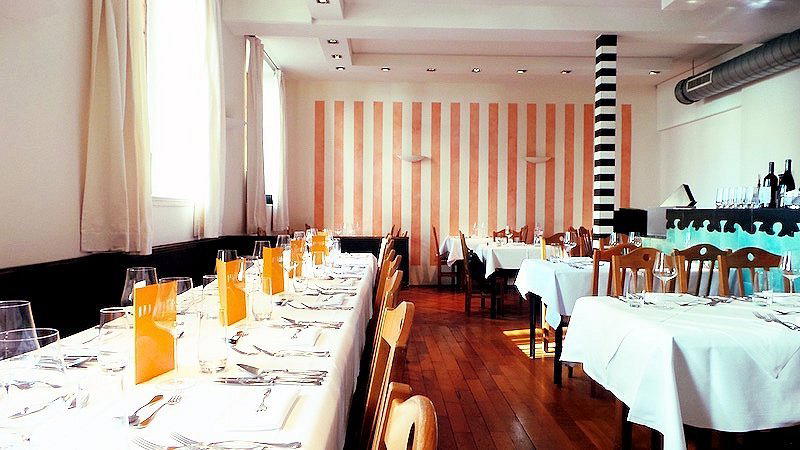
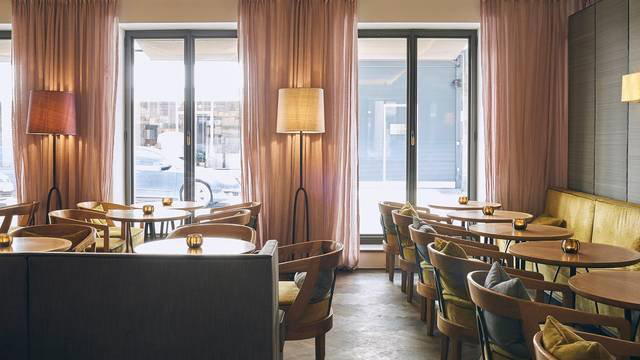
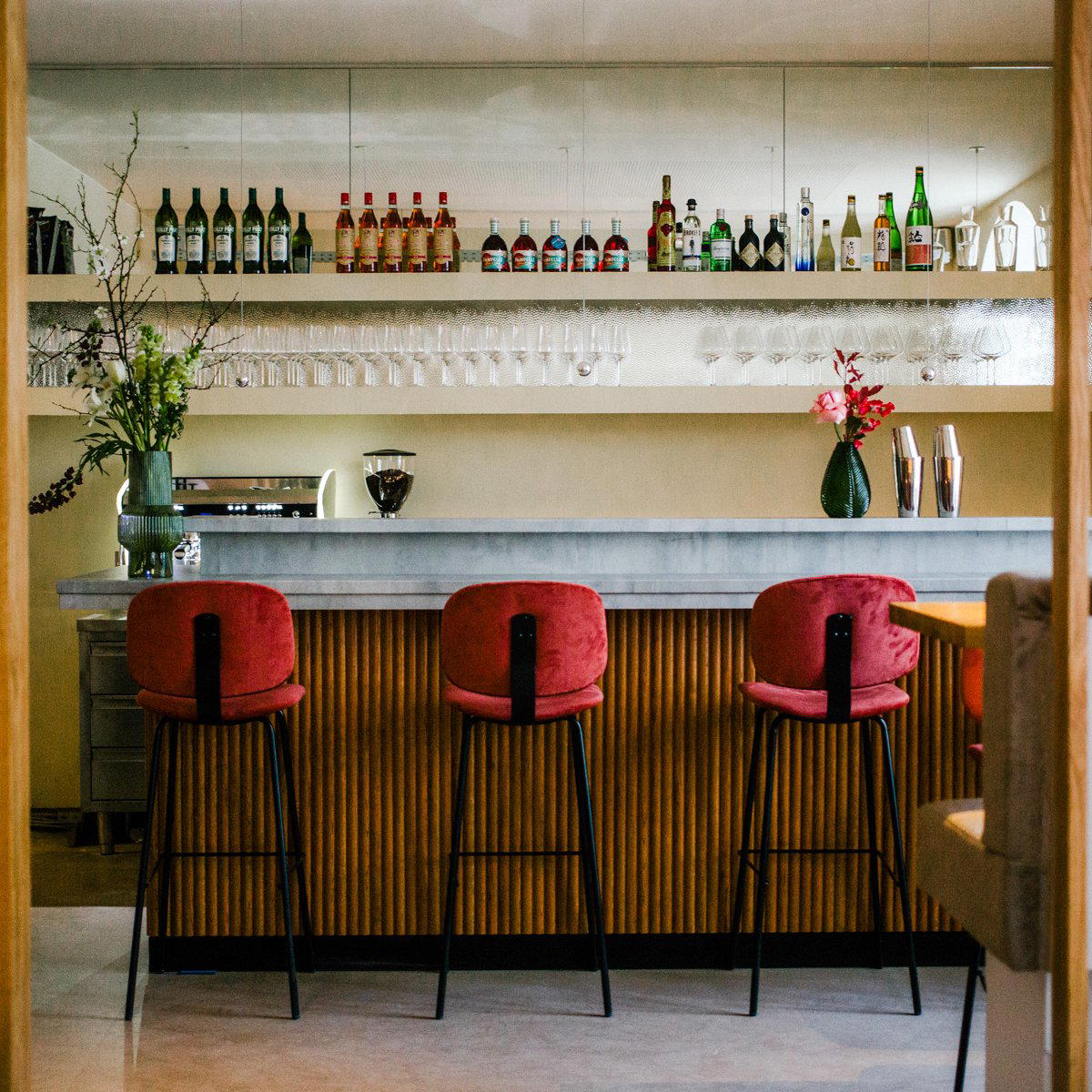
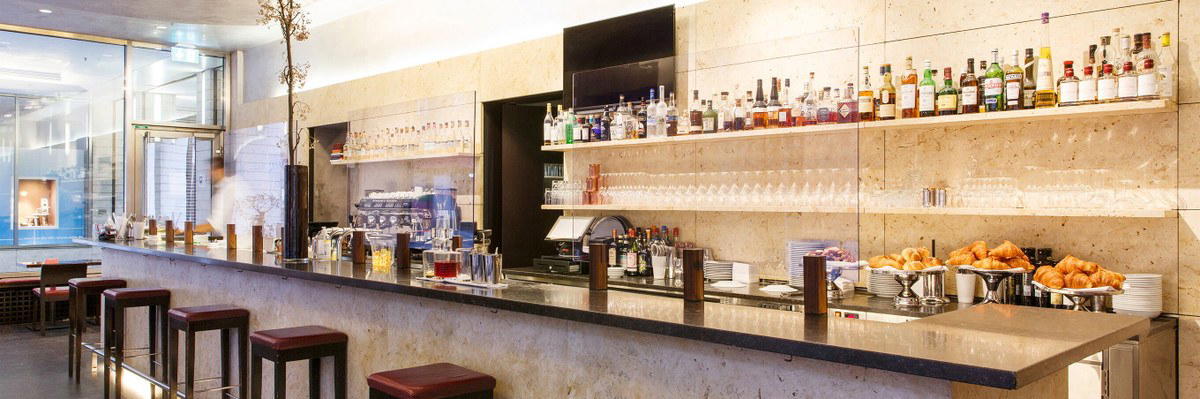
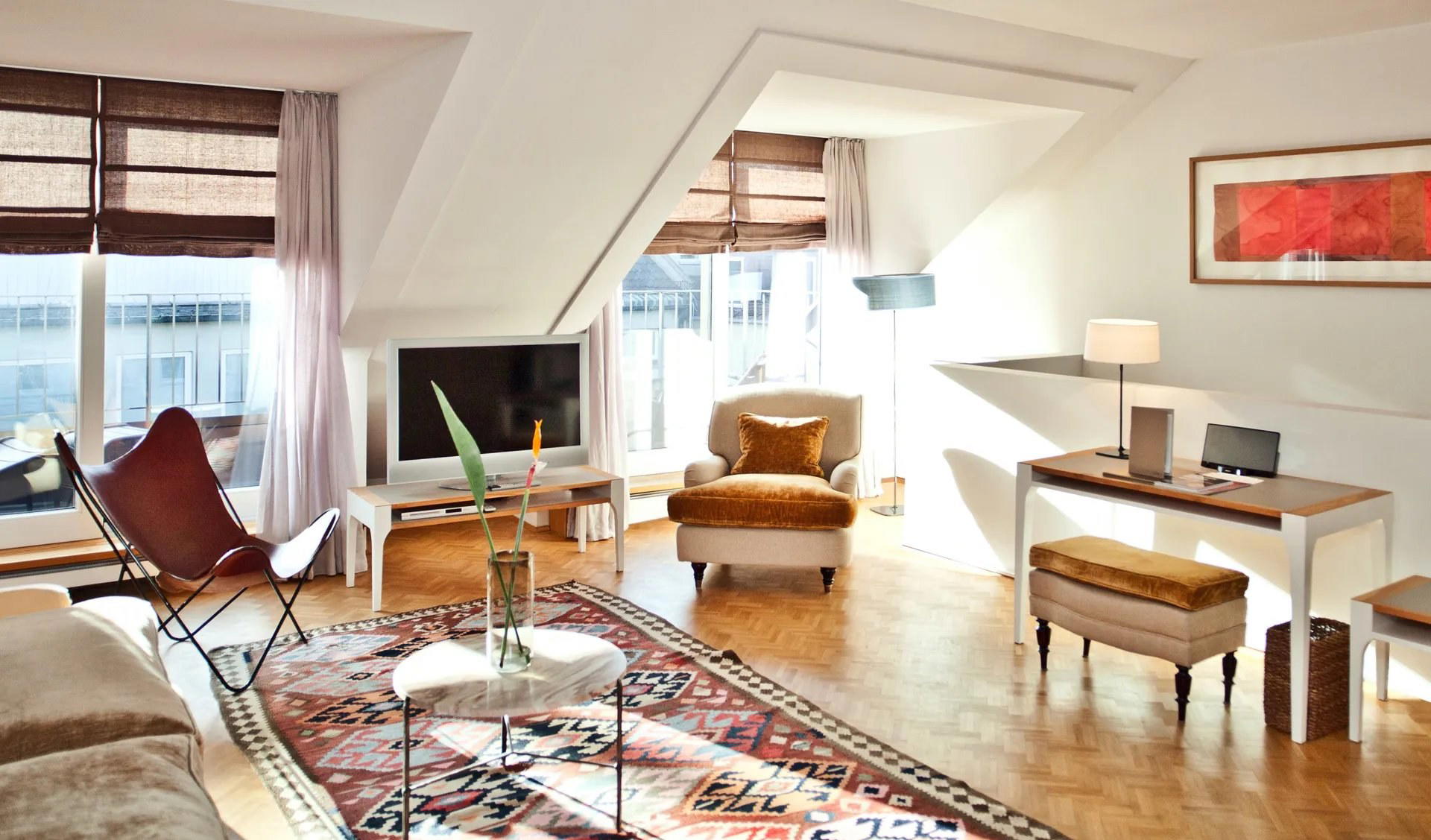
Bright and friendly with floor-to-ceiling windows, colorful artwork by Günther Kempf, relaxed laid-back atmosphere.