On Visserskaai 35, facing Ostend's working harbour, Lusitania occupies a stretch of Belgian coastline where the sourcing story writes itself: boats unload within sight of the kitchen, and the North Sea sets the daily agenda. For visitors approaching Belgian coastal dining seriously, this address on the fish quay places it inside a small peer group where geography and ingredient provenance do most of the editorial work.
Pearl is the En Primeur Club membership app — saves, bookings, and concierge access live there. Same editors, same standards.
- Address
- Visserskaai 35, 8400 Oostende, Belgium
- Phone
- +3259701765
- Website
- restaurant-lusitania.be
- Directions
- Get directions
 Saves & bookings on Pearl
The Quay as Context
Visserskaai is the kind of address that does the sourcing argument for you before you sit down. Ostend's fish quay runs along the harbour front where the Belgian trawler fleet has landed its catch for generations, and the restaurants that line it operate in direct proximity to that supply chain in a way that inland seafood dining cannot replicate. The address at number 35 places Lusitania squarely within this tradition: the smell of salt water and diesel, the visual presence of working vessels, and the ambient noise of a functioning port are the physical context in which this meal takes place. That context is not decorative. In Belgian coastal dining, proximity to the source has long been the primary credential, and Visserskaai is where that credential is most legible.
Ostend occupies a particular position in Belgium's dining geography. It is not a resort town performing seafood for tourists; it is a working port city with a year-round fishing industry, and its leading restaurants have historically operated on the understanding that the North Sea dictates the menu rather than the other way around. That logic places the Visserskaai address in a different register from the coastal brasseries you find in Knokke or De Panne, where the sea is more backdrop than supply chain. For more on how Ostend's restaurant scene fits together, the full Ostend restaurants guide maps the city's dining character across price tiers and neighbourhoods.
Ingredient Provenance and the North Sea Argument
Belgian coastal cuisine makes its case through specificity of catch rather than elaboration of technique. The North Sea is a cold, relatively shallow body of water that produces sole, turbot, ray, and crustaceans with a density of flavour that warmer-water equivalents rarely match. The fishing tradition off the Belgian coast, centred on beam trawling for flatfish, means that the supply arriving at Ostend's quay on any given morning is skewed toward species that have been central to classical French-influenced Flemish cooking for over a century. Dover sole meunière, waterzooi, and steamed langoustines are not nostalgia acts here; they are expressions of what the adjacent waters actually produce at volume.
The sourcing argument in this part of Belgium gains further weight when you consider the comparison set. Restaurants like Bartholomeus in Heist and Willem Hiele in Oudenburg have built their reputations on close relationships with specific fishermen and processors, translating provenance into a formal part of the dining proposition. The broader West Flemish coastal tier operates on a shared understanding that the fish arriving at the table should be identifiable by vessel and landing date, not just by species. That is a different standard from what most urban seafood restaurants can claim, and it is the standard by which the Visserskaai addresses are reasonably assessed.
Further along the Belgian fine dining spectrum, kitchens like Zilte in Antwerp and Boury in Roeselare have translated coastal ingredient logic into more technically elaborate formats, while Hof van Cleve in Kruishoutem sits at the apex of the Flemish fine dining tier regardless of ingredient geography. The Visserskaai addresses operate in a more direct register: the argument is the ingredient, and the preparation exists to present it rather than to transform it.
Ostend's Waterfront Dining Tier
The restaurants along Visserskaai and the adjacent harbour front form a coherent peer group in Ostend's dining structure, though they are not homogeneous. At one end you have the casual brasserie format, where moules-frites and garnaalkroketten are the primary commercial logic. At the other end, a smaller number of addresses operate with more considered menus and a closer relationship to the day's catch. The positioning of any Visserskaai address is partly determined by which of those registers it occupies.
Other Ostend addresses that merit attention in any serious survey of the city include Belle de jour, Bistro Mathilda, Brassi Casino, Brassi Grand Café, and 8400 Ostend. Each occupies a different point on the city's price and format spectrum, and taken together they illustrate the range available to someone spending serious time eating along this stretch of the Belgian coast.
For a wider view of Belgian seafood-driven fine dining in its most ambitious form, the comparison extends to Bozar Restaurant in Brussels and, at the international reference point, kitchens like Le Bernardin in New York City, where the technical argument for seafood-centred cooking is made at the highest level of elaboration. Belgian coastal dining generally makes a different and in some ways more direct case: less transformation, more fidelity to the raw material.
Planning a Visit
Visserskaai 35 is on Ostend's harbour front, accessible on foot from the city centre and within a short walk of the railway station, which connects Ostend directly to Brussels in under two hours by IC train. The harbour-front location means parking is available along the quay, though weekend afternoons in the summer months see the waterfront at its most congested. For the ingredient sourcing logic to hold, the most productive visits are on days when the trawlers have been operating, which in practice means avoiding Sundays when the fish market is closed and supply is less immediate. Bookings and current hours should be confirmed directly, as coastal restaurants in this tier frequently adjust their schedules by season. For context on the wider city, the De Jonkman in Sint-Kruis, Castor in Beveren, d'Eugénie à Emilie in Baudour, L'air du temps in Liernu, and Atomix in New York City each represent reference points for what serious ingredient-led cooking looks like across different formats and geographies.
Continue exploring
More in Ostend
Restaurants in Ostend
Browse all →
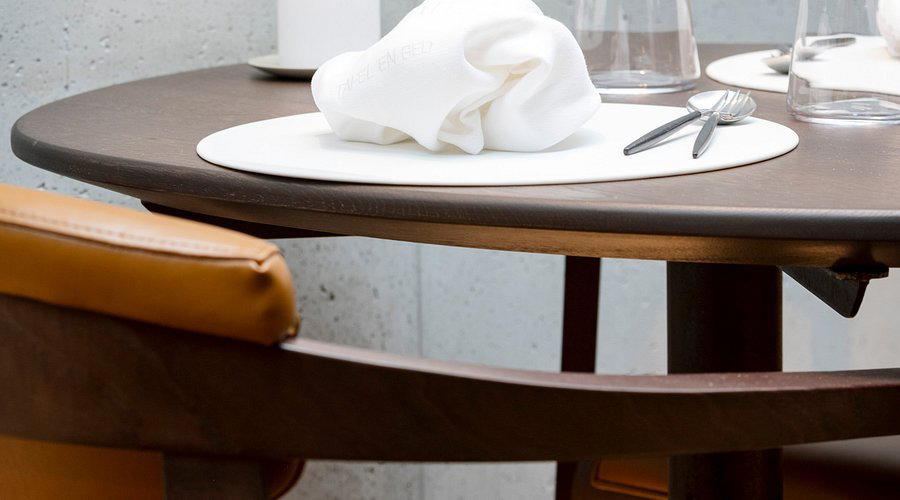
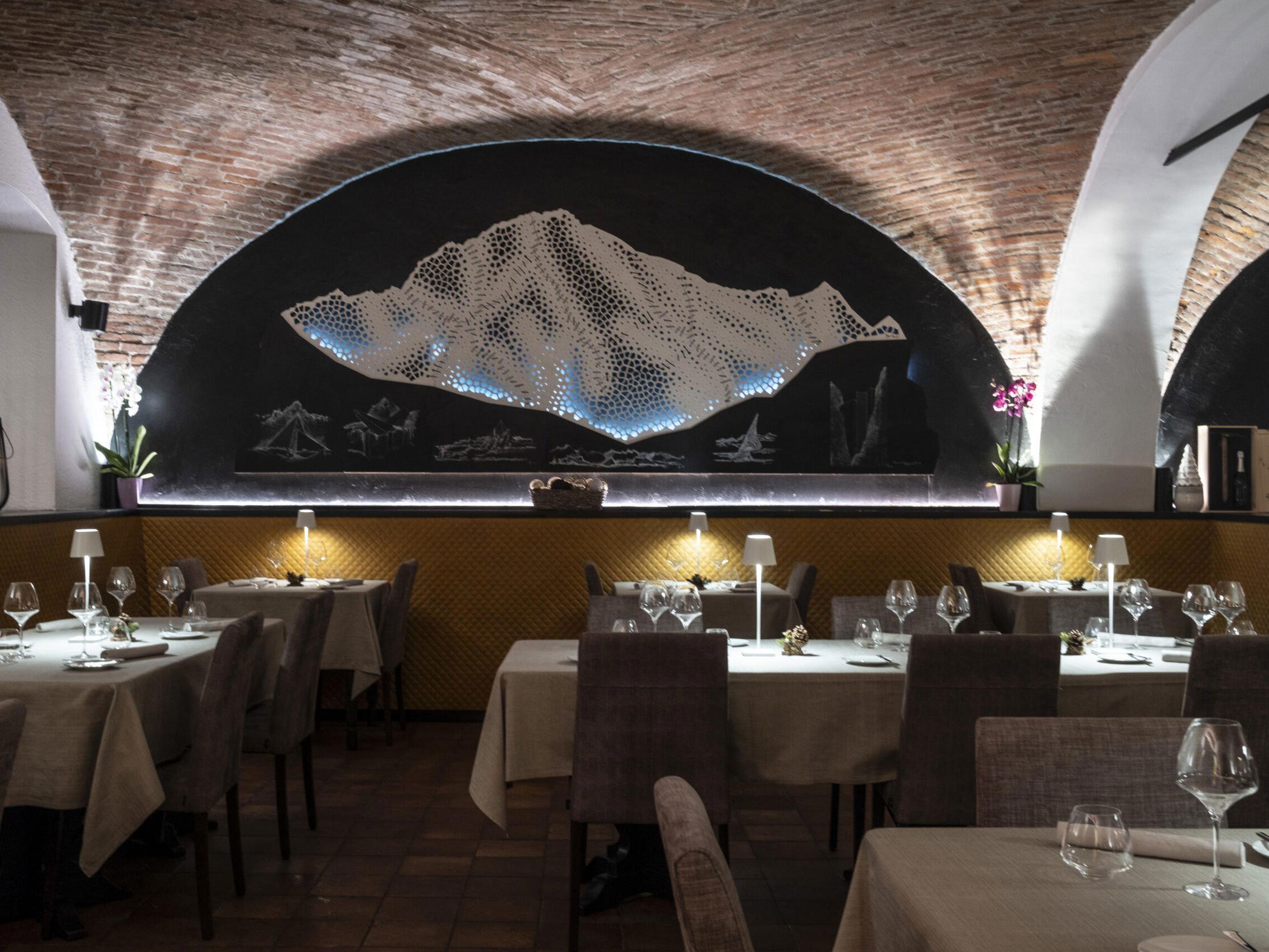
Bars in Ostend
Browse all →
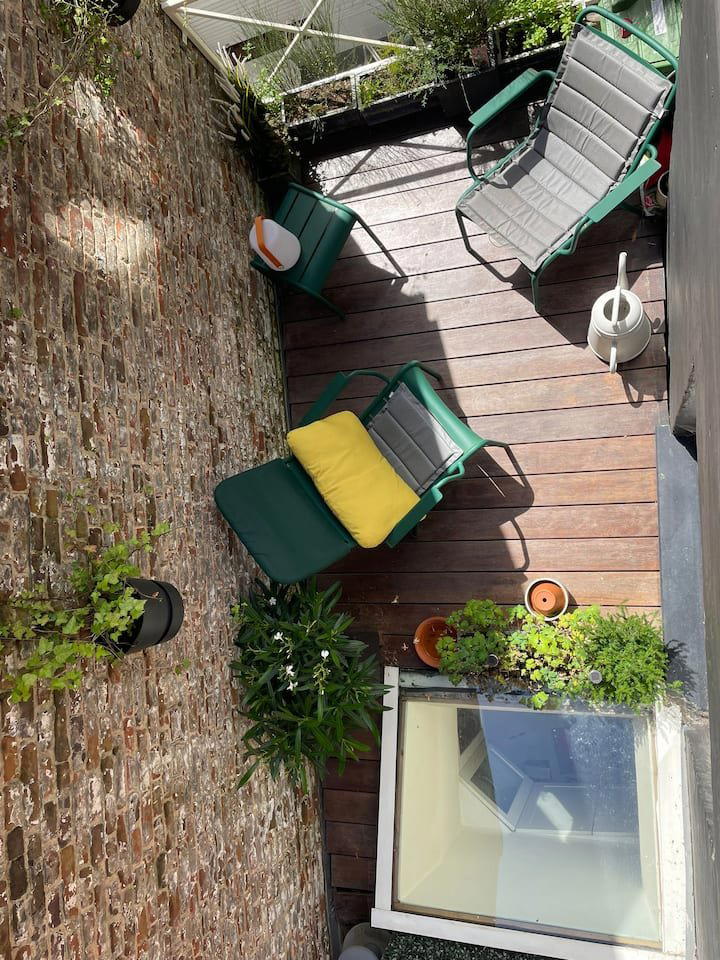
Hotels in Ostend
Browse all →
Wineries in Ostend
Browse all →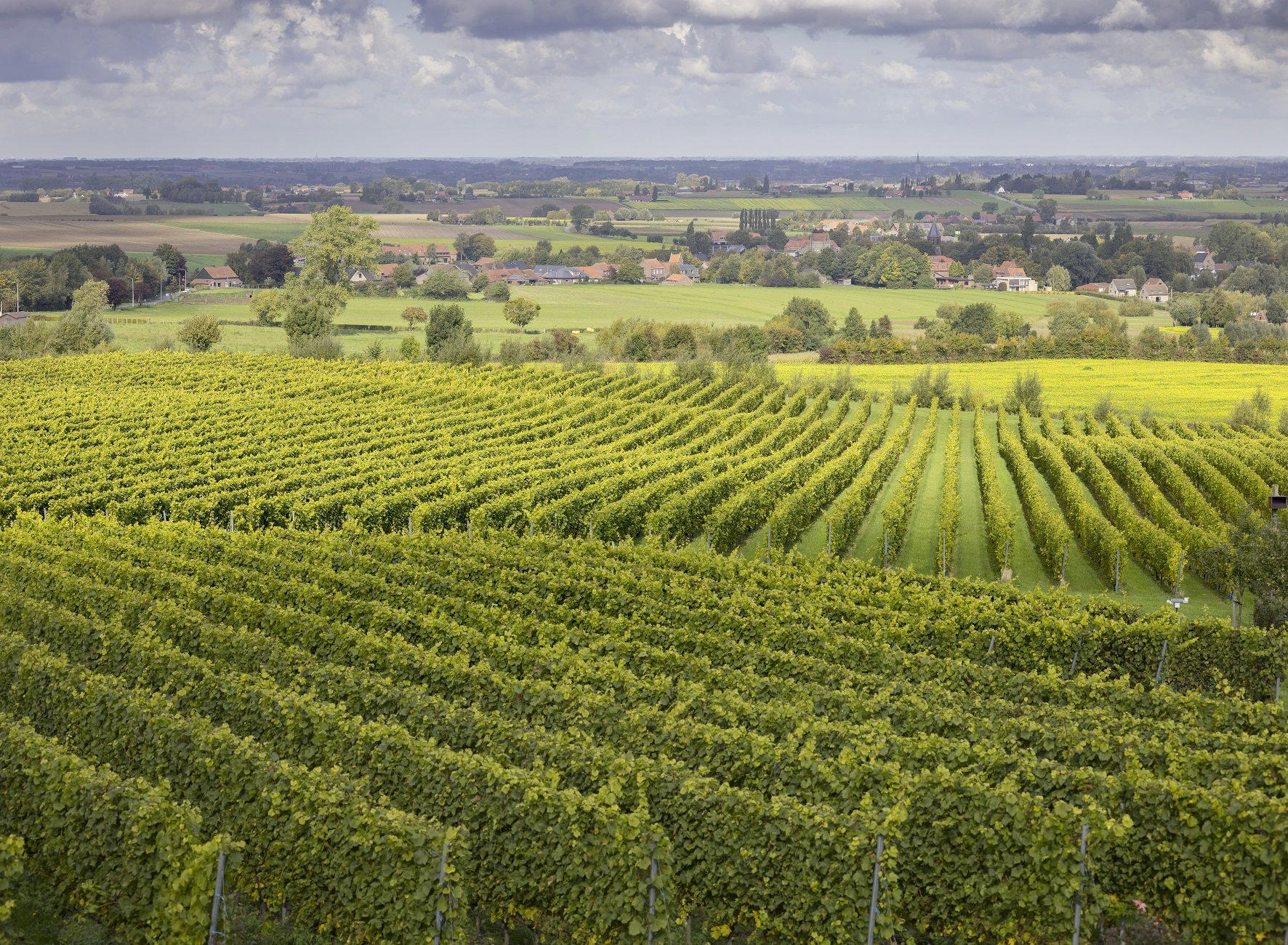
At a Glance
- Cozy
- Romantic
- Classic
- Date Night
- Family
- Group Dining
- Waterfront
- Local Sourcing
- Waterfront
Current opening hours
- Monday
- 12–3 PM, 6–9:30 PM
- Tuesday
- 12–3 PM, 6–9:30 PM
- Wednesday
- Closed
- Thursday
- Closed
- Friday
- 12–3 PM, 6–9:30 PM
- Saturday
- 12–3 PM, 6–9:30 PM
- Sunday
- 12–3 PM, 6–9:30 PM
Hours can change for holidays and private events. Last verified .
Warm and inviting coastal atmosphere with attentive table service, cozy interior suitable for romantic evenings or quiet dinners.
Know Before You Go
- Getting there
- Visserskaai 35, 8400 Oostende, Belgium