Marina sits on Ostend's working harbour at Hendrik Baelskaai 7, where the North Sea fishing tradition and the city's appetite for serious seafood cooking converge. The address places it among a cluster of waterfront tables that collectively define how Ostend eats in 2024. For visitors tracking Belgium's coastal dining scene, the harbour strip is a logical starting point.
Pearl is the En Primeur Club membership app — saves, bookings, and concierge access live there. Same editors, same standards.
- Address
- Hendrik Baelskaai 7, 8400 Oostende, Belgium
- Phone
- +3259703556
- Website
- resto-marina.be
- Directions
- Get directions
 Saves & bookings on Pearl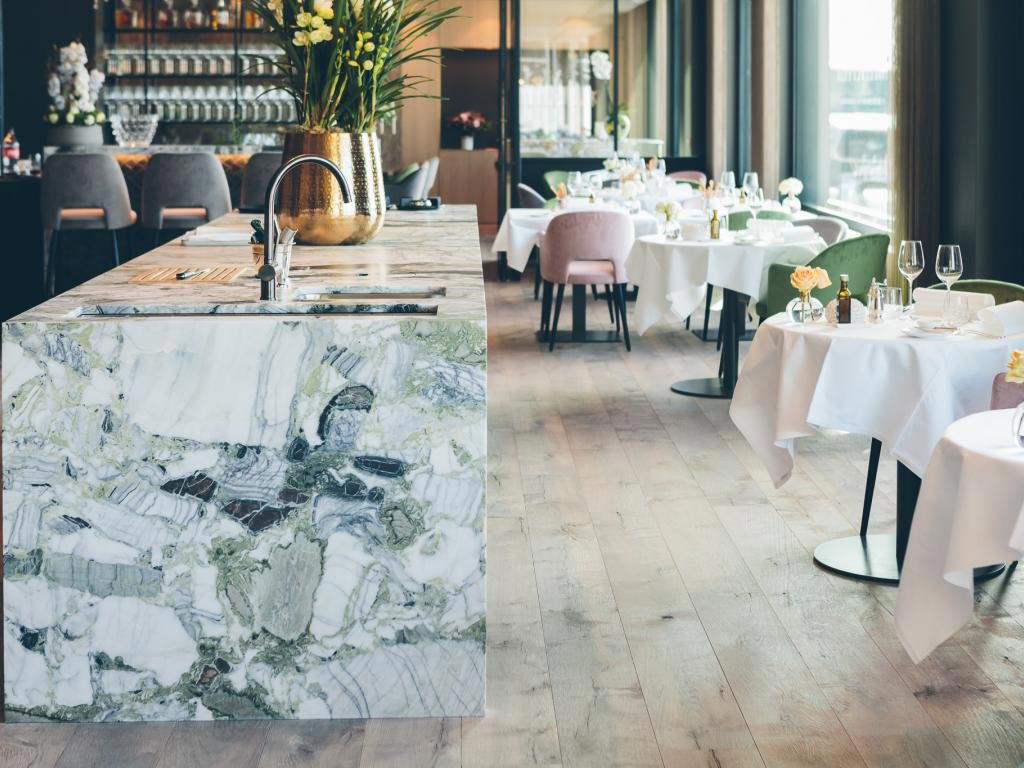
Where the Harbour Sets the Terms
Ostend's working waterfront on the Hendrik Baelskaai is one of the few places in Belgium where the distance between catch and plate is genuinely short. The quayside here is not decorative: trawlers unload, fish markets operate, and the restaurants that line the basin are subject to a particular discipline that landlocked kitchens are not. When a kitchen is this close to the source, the menu tends to answer for it. Marina, at number 7 on the Baelskaai, occupies that context directly. Before you consider what arrives on the plate, the address itself communicates something about what the kitchen is expected to do.
That expectation shapes how waterfront dining in Ostend differs from, say, the more composed tasting-menu registers at Willem Hiele in Oudenburg or the Michelin-decorated ambition of Bartholomeus in Heist. Those rooms make their case through accumulated technique and formal structure. The harbour strip operates differently: proximity to supply is itself an argument, and menus that lean into the daily catch carry a credibility that a fixed seasonal tasting format cannot replicate in the same way. Marina sits inside that logic.
The Architecture of a Harbour Menu
Across Belgium's serious seafood addresses, menu structure tends to split into two broad philosophies. One approach formalises the catch into a tasting sequence, imposing a chef-led narrative on what the sea provides. The other keeps the structure looser, allowing the day's supply to determine the offering more directly. The latter approach is harder to execute well: it requires sourcing discipline, kitchen flexibility, and a front-of-house team that can communicate provenance and preparation to guests without a fixed script. Along the Baelskaai, that second model dominates, and it positions waterfront addresses like Marina in a different competitive frame from Ostend's more format-driven rooms.
Compare this with how Belgium's higher-profile coastal restaurants have structured their offers. Zilte in Antwerp operates from a tasting-menu format that foregrounds chef vision over daily variation. Boury in Roeselare sits in a similar register. Those are rooms where the menu is a composed argument. The harbour model asks a different question: can the kitchen let the supply speak without over-processing it? At its finest, that restraint is its own sophistication, one that global seafood addresses like Le Bernardin in New York City have built entire reputations on demonstrating.
Ostend's Dining Tier: Where Marina Sits
Ostend's restaurant scene in 2024 spans a wider range than the city's modest scale might suggest. At the formal end, rooms like Brassi Casino draw on the historic Grand Casino building for architectural authority. Mid-range addresses such as Belle de jour and Bistro Mathilda fill a brasserie register that Belgian coastal towns do reliably well. The harbour-front cluster, by contrast, occupies a category that is defined less by price tier or format than by location logic: you are here because the fish came from there, and the kitchen's job is to close that gap with as little interference as possible. For a full picture of how these tiers interact, the EP Club Ostend restaurants guide maps the scene in detail.
Within that harbour cluster, Marina's address at Hendrik Baelskaai 7 places it in the thickest part of the waterfront activity. That positioning matters because it means the room is embedded in the working rhythm of the port rather than set back from it. The distinction between a quayside table and a restaurant that merely has a sea view is real, and it affects everything from the noise register to the sourcing tempo.
For context on what Belgium's broader fine-dining ambitions look like from a fish-focused perspective, Hof van Cleve in Kruishoutem and Bozar Restaurant in Brussels represent the more formal, multi-Michelin end of the national conversation. Marina operates several registers below that level of institutional recognition, which is not a criticism: the harbour-front model serves a different function in the dining ecosystem, and equating the two would misread what each is trying to do.
The Waterfront as Editorial Context
Belgium's coastline is short, about 67 kilometres, and Ostend claims the largest share of that frontage along with the country's primary fishing port. That concentration of seafood infrastructure in one relatively small city creates conditions that are unusual in northern Europe: a functioning fish auction, direct-landing access, and a critical mass of kitchens that have built supplier relationships over decades. Restaurants in Bruges or Ghent that serve North Sea fish are working through intermediaries. Kitchens on the Baalskaai are not, or at least they need not be. That is a structural advantage that informs what a harbour-front address like Marina can reasonably promise, even before a specific menu is considered.
It also shapes what a guest should look for. At addresses like 8400 Ostend or Brassi Grand Café, the offer is partly about the room and the occasion as much as the sourcing. On the Baelskaai, the sourcing tends to carry more of the argumentative weight. Guests who are primarily interested in atmosphere and formality might find that trade-off less satisfying. Guests who are tracking provenance and want the harbour's supply chain to be legible in what they eat will find the waterfront model more aligned with their priorities.
Other Belgian kitchens that engage seriously with sourcing and place include Castor in Beveren, De Jonkman in Sint-Kruis, L'air du temps in Liernu, and d'Eugénie à Emilie in Baudour. Each of those addresses makes a case for Belgian terroir in its own regional register. Marina's case, if it is making one, is built on the harbour itself.
Planning a Visit
Hendrik Baelskaai 7 is on Ostend's eastern harbour basin, reachable on foot from the city centre in under fifteen minutes and close to the Visserskaai fish market strip. Ostend is directly connected to Brussels by intercity train, with the journey running roughly 70 minutes from Brussels-Central. For up-to-date availability and to cross-reference with comparable waterfront options, the EP Club Ostend guide is the current reference point. Visitors with an interest in how Korean-influenced precision applies to seafood in a very different register might also note Atomix in New York City as a useful comparative frame for thinking about how seriously seafood sourcing can be structured around supply-chain transparency.
How Marina Ostend compares with similar nearby venues.
| Venue | Cuisine | Price |
|---|---|---|
| Storm | Modern French | €€€ |
Continue exploring
More in Ostend
Restaurants in Ostend
Browse all →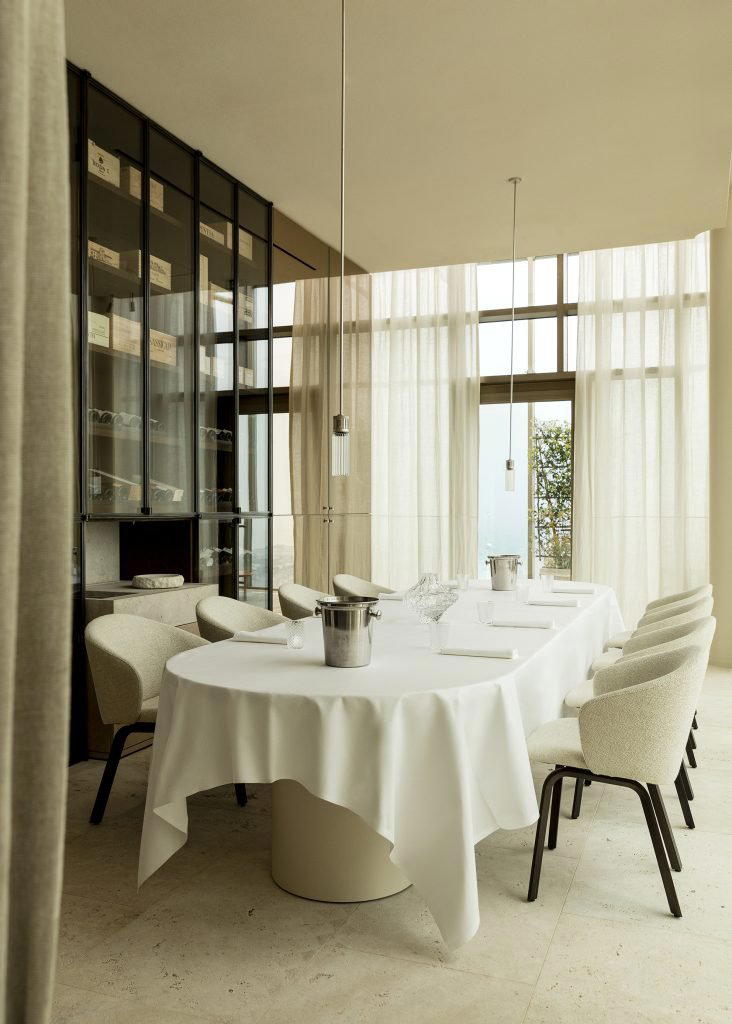
Bars in Ostend
Browse all →
Hotels in Ostend
Browse all →
Wineries in Ostend
Browse all →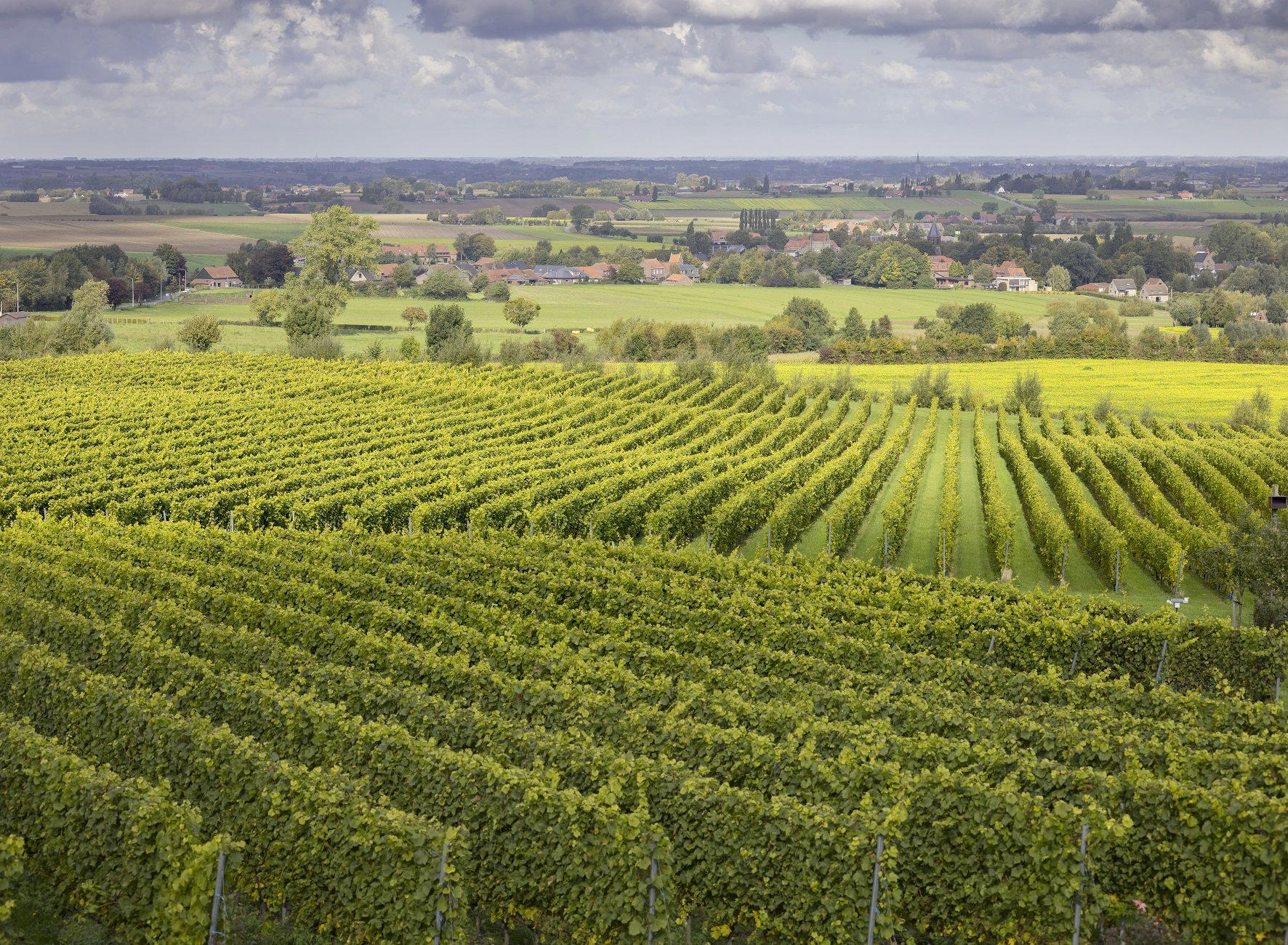
At a Glance
- Elegant
- Sophisticated
- Modern
- Date Night
- Special Occasion
- Waterfront
- Open Kitchen
- Private Dining
- Extensive Wine List
- Waterfront
Current opening hours
- Monday
- 12–2:30 PM, 6:30–10 PM
- Tuesday
- 12–2:30 PM, 6:30–10 PM
- Wednesday
- Closed
- Thursday
- Closed
- Friday
- 12–2:30 PM, 6:30–10 PM
- Saturday
- 12–2:30 PM, 6:30–10 PM
- Sunday
- 12–2:30 PM
Hours can change for holidays and private events. Last verified .
Elegant Italian grandeur with modern furnishings, open kitchen, polished professional service, and scenic views.
Know Before You Go
- Getting there
- Hendrik Baelskaai 7, 8400 Oostende, Belgium