8400 Ostend takes its name from the city's postal code, grounding itself firmly in the character of Belgium's most storied coastal resort. Sitting within Ostend's evolving dining scene, it represents the kind of address where the North Sea backdrop sets the tempo for the meal. For a full picture of the city's restaurant options, the EP Club Ostend guide provides broader context.
Pearl is the En Primeur Club membership app — saves, bookings, and concierge access live there. Same editors, same standards.
- Address
- Ostend, Belgium
- Phone
- +32 59 51 17 39
- Website
- texmexoostende.be
- Directions
- Get directions
 Saves & bookings on Pearl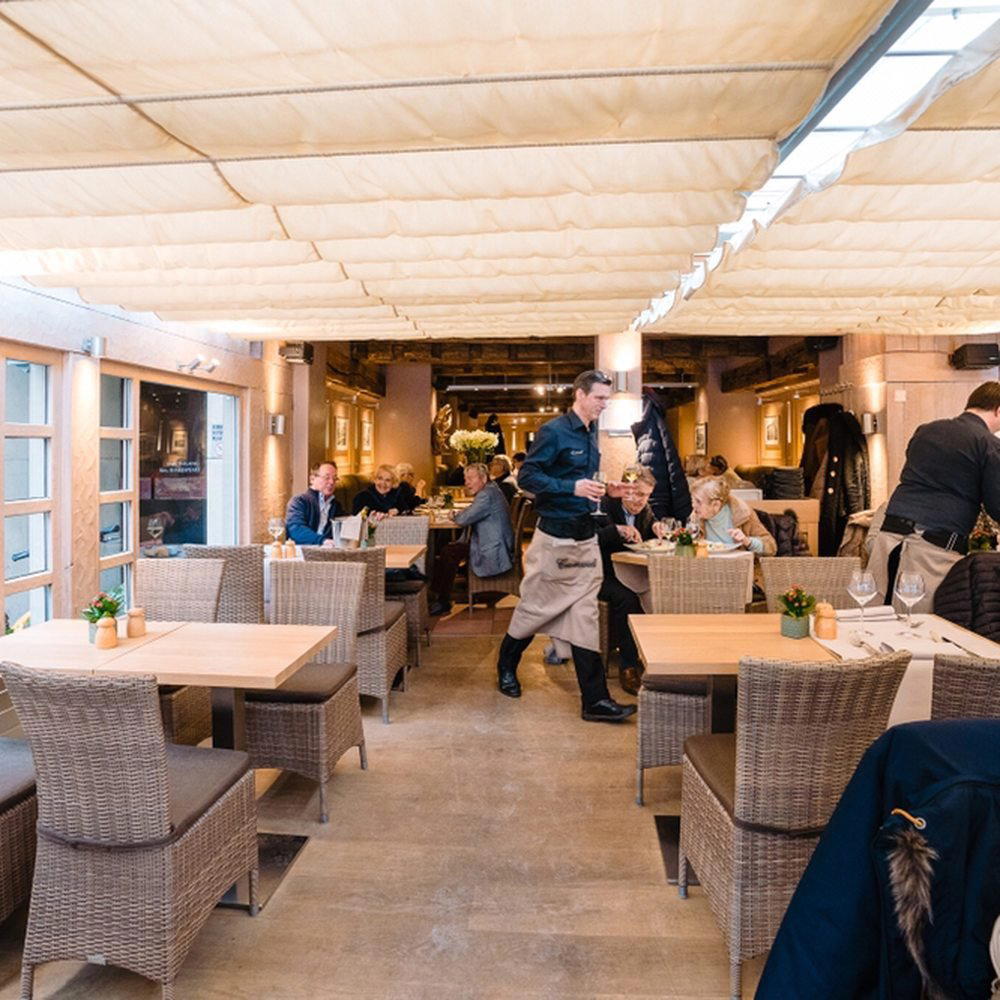
Where the North Sea Sets the Pace
Ostend has always eaten to the rhythm of its coastline. The city's relationship with the sea is not decorative — it is structural, shaping what ends up on the plate, when locals eat, and how long they linger. The wind off the Belgian coast has a way of slowing meals down, and the leading addresses in the city seem to understand that the ritual of eating here should match the environment outside: unhurried, coastal, deliberate. 8400 Ostend, named after the city's own postal code, positions itself within that tradition rather than against it.
Ostend sits in a specific register among Belgian coastal towns. It carries the weight of a 19th-century royal resort, a Belle Époque promenade culture that left behind wide seafronts and grand café architecture, and a more recent identity as a city reclaiming serious dining from decades of tourist-facing brasseries. That tension — between resort accessibility and genuine culinary ambition, defines the dining conversation here more than it does in, say, Bruges or Ghent. Addresses like Belle de jour, Bistro Mathilda, and Brassi Casino each occupy a different position in that negotiation between the casual and the considered.
The Dining Ritual on the Belgian Coast
Eating well in Ostend follows a different clock than eating well in Brussels or Antwerp. Lunch carries more weight here, the late-morning fish market activity, the proximity to day-trippers arriving by train from the capital, and the coastal habit of a proper midday meal mean that the rhythm of service at good Ostend restaurants tends to centre as much on afternoon eating as on dinner. The city's better kitchens have learned to honour both registers without collapsing one into the other.
The pacing of a meal in this city also reflects something older: the Belgian coastal tradition of eating seafood not as a performance but as a matter of fact. Greys shrimp, the small, intensely flavoured grijze garnaal fished from the North Sea, appear across Ostend menus as a baseline, not a luxury signal. The city's relationship with flat oysters from the Zeeland and Oosterschelde beds, with sole meunière, with steamed mussels prepared without fanfare, represents a culinary confidence that does not require novelty to justify itself. The dining ritual here is built on repetition and quality, not surprise.
For comparison, the ambition cooking happening slightly inland, at Boury in Roeselare or at Willem Hiele in Oudenburg, whose foraging-led kitchen sits close enough to the coast to use it as both larder and reference point, demonstrates how West Flanders has developed a regional fine dining identity that draws on coastal ingredients without requiring a sea view. 8400 Ostend operates within that broader West Flemish dining conversation, even as it anchors itself specifically to the city whose code it carries.
Belgium's coastline is short, 67 kilometres from De Panne to Knokke, and the dining options along it range from chip stands on the dijk to serious kitchens earning national attention. Ostend, as the largest coastal city, holds the most complex dining ecology. It supports grand café formats like Brassi Grand Café, neighbourhood bistros, and more intimate operations alongside one another, with the tourist season compressing and complicating the picture between June and August.
The regional comparison worth making is with Bartholomeus in Heist, which has built a reputation for high-level coastal cooking at the eastern end of the Belgian coast, a reminder that serious seafood ambition is not exclusive to Ostend but distributed across the coastline in smaller, often quieter towns. At the other end of the spectrum, the ambition of kitchens like Zilte in Antwerp or Hof van Cleve in Kruishoutem sets the ceiling for Belgian fine dining, against which coastal kitchens are increasingly measured.
Ostend's own mid-tier, addresses like Eclips, fills a practical role: reliable, locally-sourced cooking that serves the city's year-round population rather than chasing seasonal visitors. Understanding where a given address sits in this ecology matters more than any individual claim to distinction. For a full mapping of the city's options, the EP Club Ostend guide sets out the terrain clearly.
Planning a Visit
Ostend is accessible by direct train from Brussels in under 90 minutes, making it a natural destination for a day trip that extends into dinner, or for a weekend with enough time to eat twice well. Peak season runs from late June through August, when the city's population swells and table availability at the better addresses tightens considerably. Visiting in shoulder months, May, September, or October, offers cooler weather and a more local atmosphere, with the North Sea light in autumn particularly worth timing around.
For those building a broader Belgian dining itinerary, the connections outward from Ostend are worth considering: Bozar Restaurant in Brussels represents the capital's institutional fine dining, while more adventurous international reference points like Le Bernardin in New York City or Atomix in New York City offer a sense of where coastal and ingredient-led cooking sits in a global context. Closer to home, d'Eugénie à Emilie in Baudour, De Jonkman in Sint-Kruis, L'air du temps in Liernu, and Castor in Beveren fill out a picture of Belgian cooking that extends well beyond the coastline.
Continue exploring
More in Ostend
Restaurants in Ostend
Browse all →
Bars in Ostend
Browse all →
Hotels in Ostend
Browse all →
Wineries in Ostend
Browse all →
At a Glance
- Date Night
- Business Dinner
Classic bistro atmosphere with table service and alcohol service.
Know Before You Go
- Getting there
- Ostend, Belgium