Brassi Grand Café occupies one of Ostend's most recognisable seafront addresses, on the Albert I-promenade beside the Kursaal. The café draws a loyal local following that returns not for novelty but for consistency — the kind of place where the room and the ritual matter as much as what arrives at the table. It sits within a broader Ostend dining scene that rewards those who look past the obvious tourist track.
Pearl is the En Primeur Club membership app — saves, bookings, and concierge access live there. Same editors, same standards.
- Address
- Albert I-promenade, Kursaal-Westhelling, 8400 Oostende, Belgium
- Phone
- +32486410470
- Website
- brassi.be
- Directions
- Get directions
 Saves & bookings on Pearl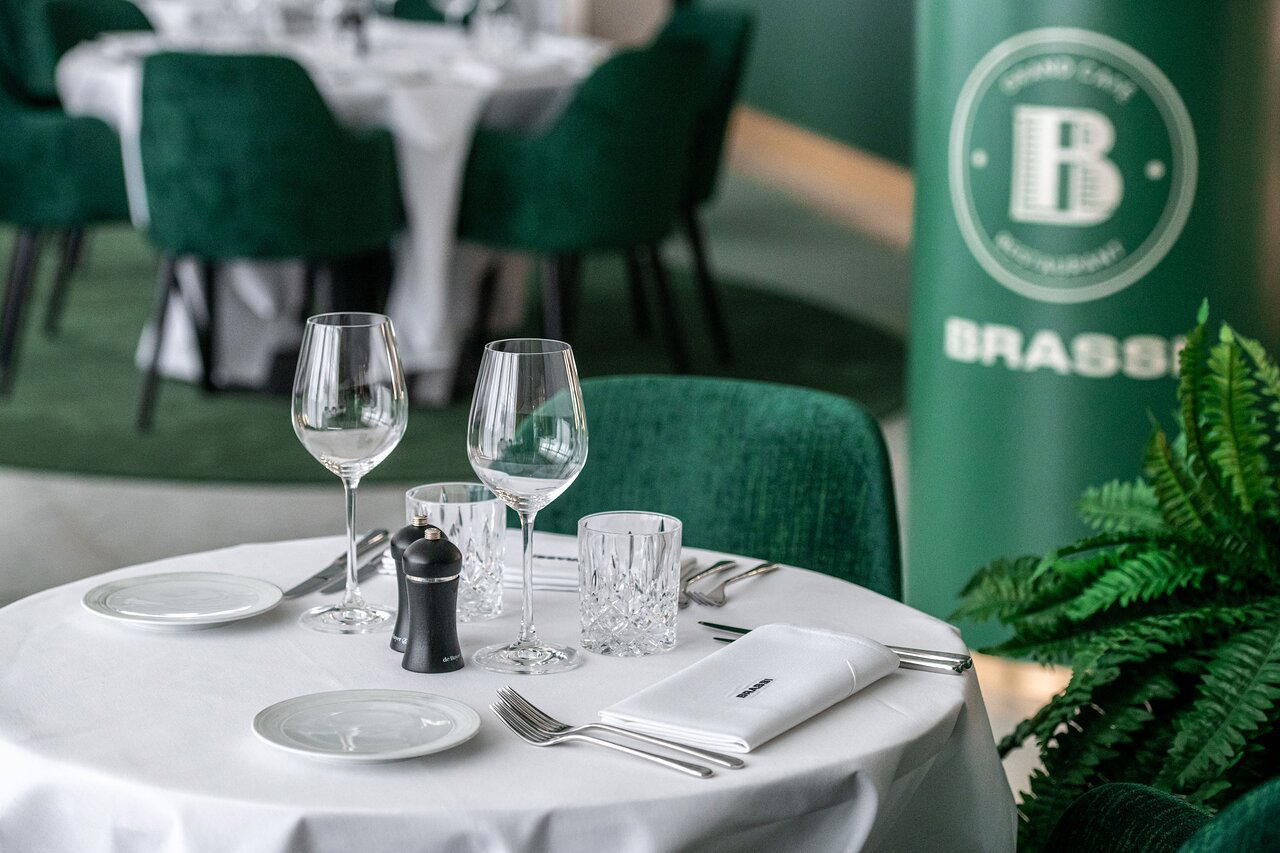
The Promenade as Context
Walk the Albert I-promenade on a grey North Sea afternoon and the Kursaal complex announces itself before you reach it: a long, low modernist structure that has anchored Ostend's seafront identity for decades. The grand café tradition in Belgian coastal cities is a specific thing — neither restaurant nor brasserie in the French sense, but a room designed to hold a crowd across several hours, from mid-morning coffee to a late dinner of whatever the boats brought in that morning. Brassi Grand Café occupies that position at the Kursaal-Westhelling address, with the promenade on one side and the historic Kursaal complex on the other. The location is not incidental; it shapes everything about who comes and why they return.
What Regulars Are Actually Ordering
The grand café format in Belgian coastal towns has a logic that regulars understand and first-timers often miss. The menu at this kind of venue is rarely about surprise. It is about execution — the shrimp croquette done properly, the sole meunière timed correctly, the moules-frites arriving at the right temperature. Ostend has a seafood identity that runs deep: the city was Belgium's primary fishing port for much of the 20th century, and the expectation that a promenade café will treat North Sea catch seriously is baked into the local dining culture. Regulars at Brassi Grand Café return because that expectation is met with consistency rather than ambition, which, in this context, is the higher compliment.
The unwritten menu, the choices that don't require reading the card, tends to cluster around classic Belgian brasserie standards: grey shrimp from the Flemish coast, preparations that let the seafood lead, and the kind of beer list that reflects proximity to some of Belgium's most serious producers. This is the tier of dining that Bistro Mathilda and Eclips also occupy in Ostend, though each with a different register. Brassi Grand Café's register is the most public-facing of the three: a room built for visibility, conversation, and the long afternoon.
The Kursaal Address and What It Implies
Venues at landmark addresses carry a specific burden: the location draws first-time visitors who may never return, which can gradually erode kitchen standards if management allows it. The Kursaal has enough cultural weight in Ostend, concert hall, casino, exhibition space, that foot traffic is never the problem. The question is always whether a café in that position is serving the room or the plate. The regulars who return to Brassi Grand Café across seasons are the clearest evidence available that the balance has not tipped entirely toward the former.
The Brassi Casino operates nearby within the same complex, and the two venues represent slightly different inflection points of the same idea: a Kursaal-adjacent dining experience calibrated to different moments in the day or occasion. Understanding that geography matters when planning where to sit and for how long.
Ostend's Dining Position in the Belgian Coastal Context
Belgium's dining reputation is built largely on the inland cities, Brussels, Ghent, Antwerp, and on the handful of destination restaurants that draw international attention. Boury in Roeselare and Hof van Cleve in Kruishoutem sit at the formal end of West Flanders dining, operating at a Michelin level that positions them against European peers rather than regional ones. Zilte in Antwerp does the same from a rooftop above the MAS museum. These are venues where the reservation is the event. Ostend operates differently.
The coast's dining identity is more horizontal than vertical. Rather than a single pinnacle, it distributes across a range of café, brasserie, and seafood-focused rooms where the quality ceiling is set by the ingredient supply, which, given the city's proximity to the North Sea catch, is genuinely high, rather than by tasting-menu ambition. Willem Hiele in Oudenburg, just inland from Ostend, represents the most serious fine-dining expression of this coastal ingredient logic. Brassi Grand Café sits at the accessible end of the same continuum.
For visitors who want to map the full range of what Ostend offers, the EP Club Ostend restaurants guide covers the scene in detail, including venues like Belle de jour and the broader 8400 Ostend address.
The Grand Café Format Across Europe
The grand café as a dining institution has survived in coastal cities precisely because it serves a function that more specialised restaurants cannot: it accommodates the full range of what people need from a room across a long day. A couple stopping for coffee at eleven, a family with children at noon, a pair of locals settling in for a three-course lunch with no particular rush, all of these coexist in the grand café format in a way that a tighter, more curated dining room does not allow. This is not a compromise; it is a specific hospitality philosophy with deep roots in Belgian and French coastal culture.
At the high end of the dining spectrum, venues like Bozar Restaurant in Brussels or Le Bernardin in New York City operate with a precision and intentionality that makes every element of the experience deliberate. The grand café asks something different of its kitchen: consistency over innovation, volume without sacrifice of quality, and the ability to hold a room across different needs and moods. These are harder to sustain than they appear, which is why the venues that do it well accumulate loyal regulars faster than destination restaurants accumulate trophy diners.
Planning a Visit
Brassi Grand Café sits at Albert I-promenade, Kursaal-Westhelling, 8400 Ostend. Ostend is accessible by direct train from Brussels in under two hours and from Bruges in roughly fifteen minutes, making it a practical day trip or an easy addition to a broader West Flanders itinerary. The promenade location means the café is walkable from both the train station and the main beach access points. For visitors combining dining with exploration, the Kursaal complex itself and the James Ensor House are within short walking distance. Contact details and current hours should be confirmed through the venue directly or via the Kursaal complex, as operational hours at coastal cafés in Belgium vary by season, the difference between summer and off-season service can be significant.
Visitors who want a contrast at the more experimental end of Belgian dining might consider Vrijmoed in Gent or La Durée in Izegem as part of a wider West Flanders or Flemish itinerary. For something closer in register but in a different geographic context, Lazy Bear in San Francisco shows how the communal, session-based dining format translates across cultures, even if the reference points are entirely different.
How Brassi Grand Café Ostend compares with similar nearby venues.
| Venue | Cuisine | Price |
|---|---|---|
| Frenchette | French - Brasserie, Farm to table | €€€ |
Continue exploring
More in Ostend
Restaurants in Ostend
Browse all →
Bars in Ostend
Browse all →
Hotels in Ostend
Browse all →
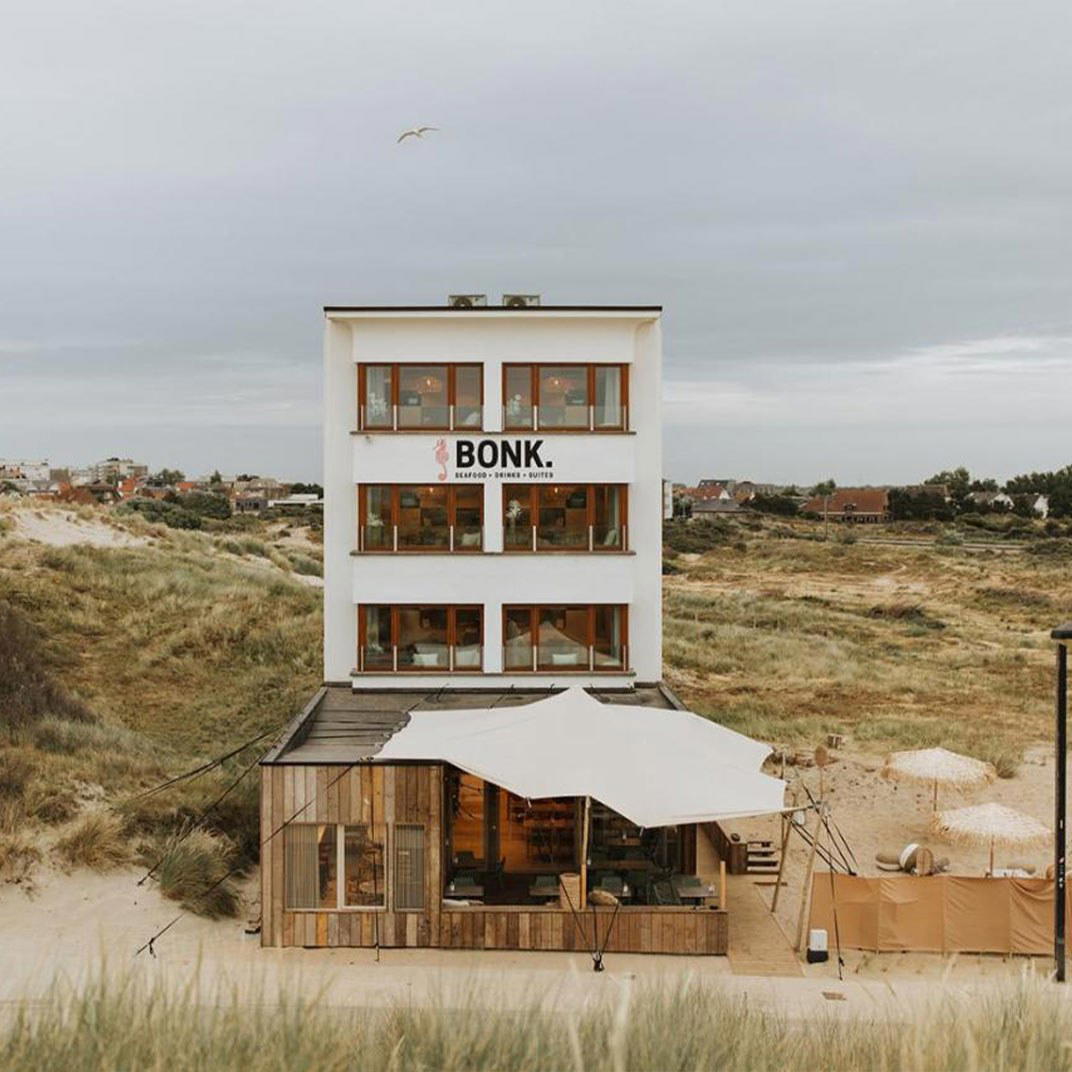
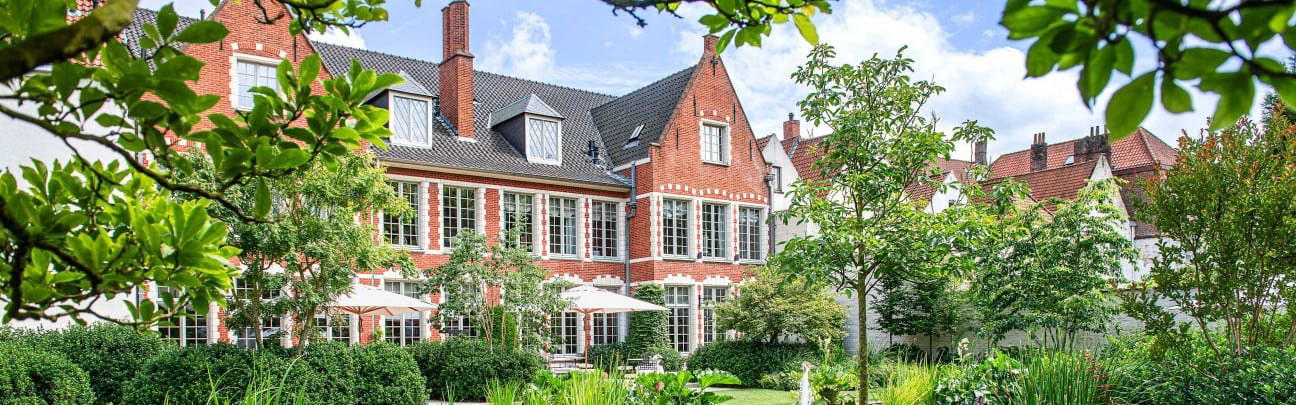
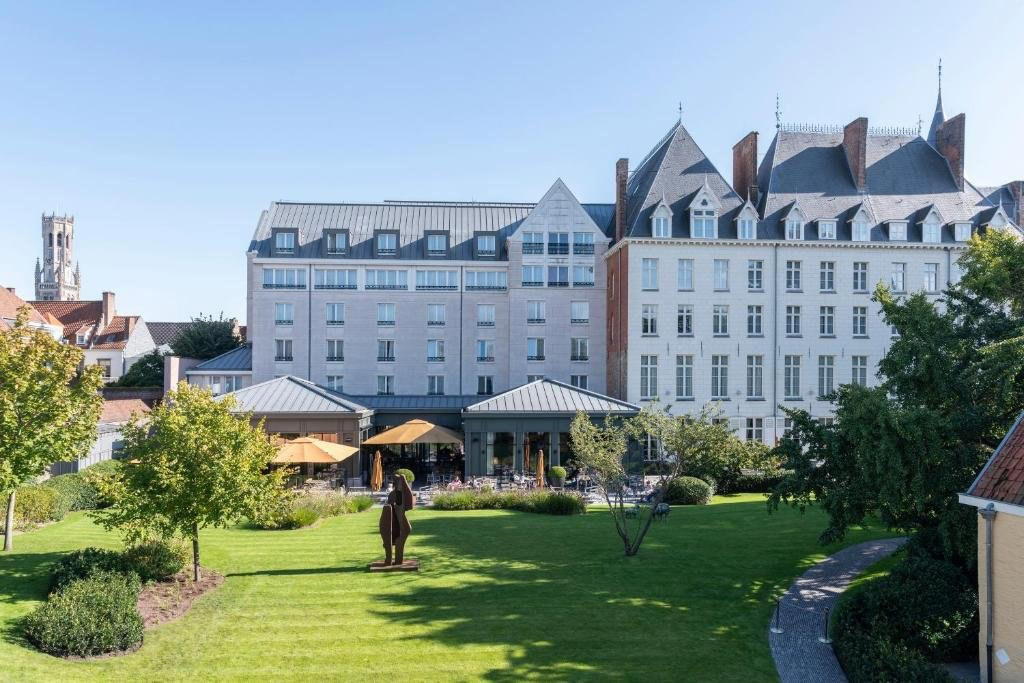
Wineries in Ostend
Browse all →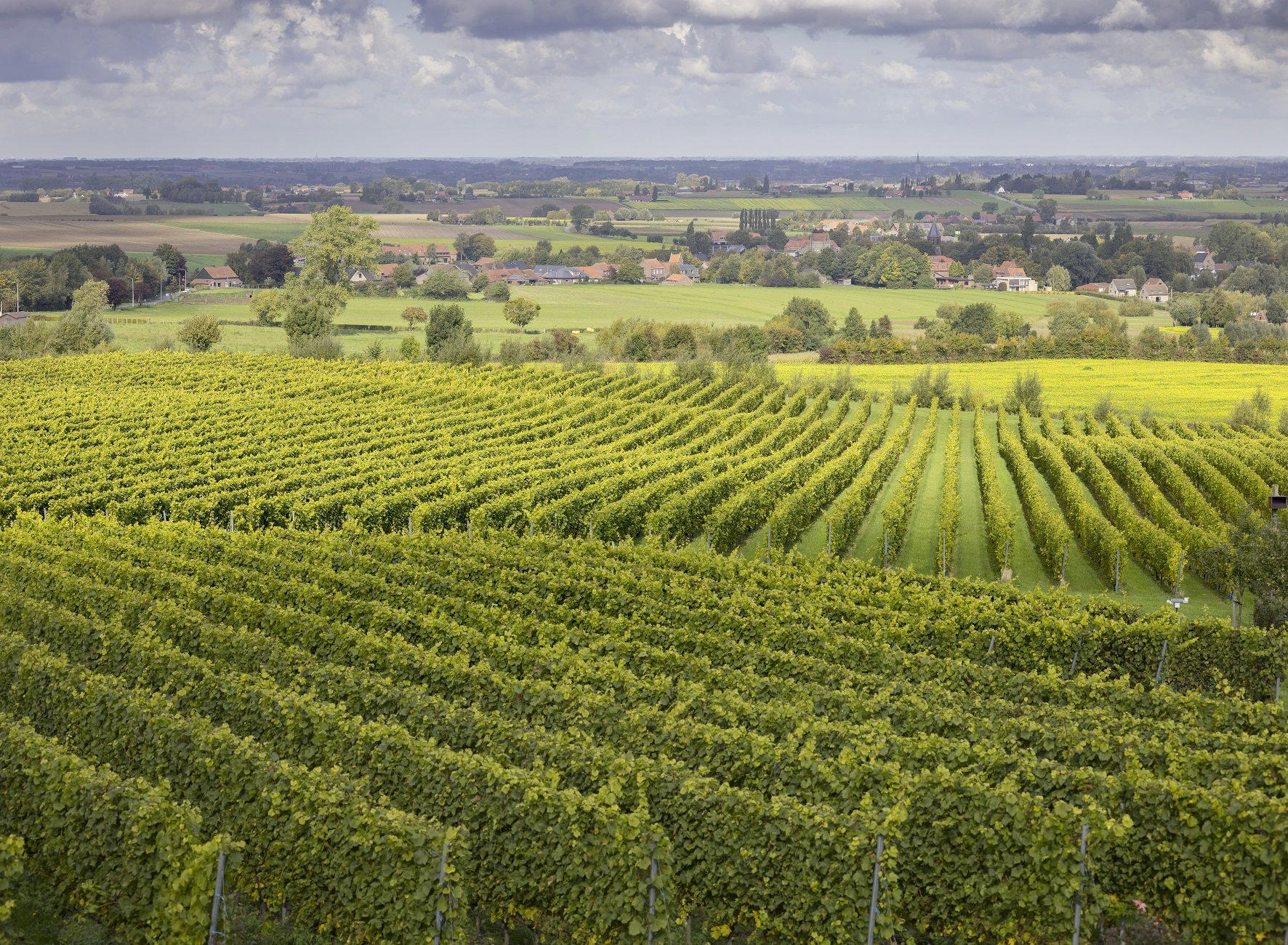
At a Glance
- Elegant
- Sophisticated
- Classic
- Date Night
- Special Occasion
- Waterfront
- Terrace
- Extensive Wine List
- Waterfront
Current opening hours
- Monday
- 12–2 PM, 6–11 PM
- Tuesday
- Closed
- Wednesday
- Closed
- Thursday
- 12–2 PM, 6–11 PM
- Friday
- 12–2 PM, 6–11 PM
- Saturday
- 12–11 PM
- Sunday
- 12–11 PM
Hours can change for holidays and private events. Last verified .
Elegant and charming brasserie atmosphere with contemporary French design, stylish presentation, and seaside sophistication.
Know Before You Go
- Getting there
- Albert I-promenade, Kursaal-Westhelling, 8400 Oostende, Belgium