Lunatico occupies a corner of Getsemaní, Cartagena's most creatively charged neighbourhood, where the city's colonial architecture gives way to street murals and late-night energy. The address places it at the intersection of neighbourhood dining culture and the broader revival reshaping the Caribbean coast's restaurant scene. For visitors reading Cartagena's dining moment, it belongs on the shortlist.
Pearl is the En Primeur Club membership app — saves, bookings, and concierge access live there. Same editors, same standards.
- Address
- Av. Pedregal #29-225, Getsemaní, Cartagena de Indias, Provincia de Cartagena, Bolívar, Colombia
- Phone
- +573102385804
- Website
- lunaticoexperience.com
- Directions
- Get directions
 Saves & bookings on Pearl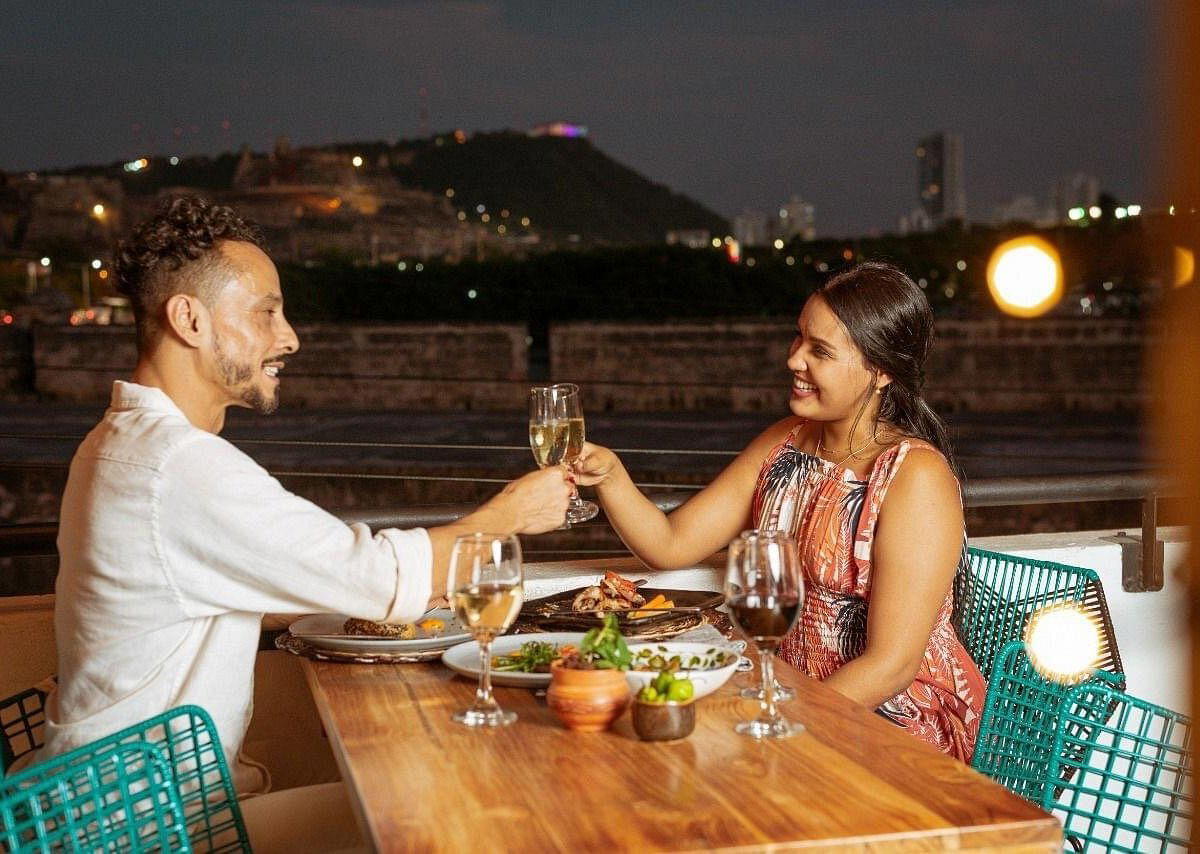
Getsemaní After Dark: The Setting That Shapes the Meal
Getsemaní has been Cartagena's most discussed neighbourhood for the better part of a decade, and the dining scene there reflects its particular character: less polished than the walled city, more restless, and considerably more interesting to follow. The streets around Plaza de la Trinidad fill with locals and travellers in roughly equal measure as the evening cools, and the restaurants that have taken root here tend to operate with a different register than the tourist-facing venues closer to the Old City walls. Lunatico, a Caribbean-Spanish Fusion Tapas restaurant in Getsemaní at Av. Pedregal #29-225, sits squarely in this context. The address alone signals something about the room's ambitions: this is a neighbourhood that rewards attention rather than demanding it.
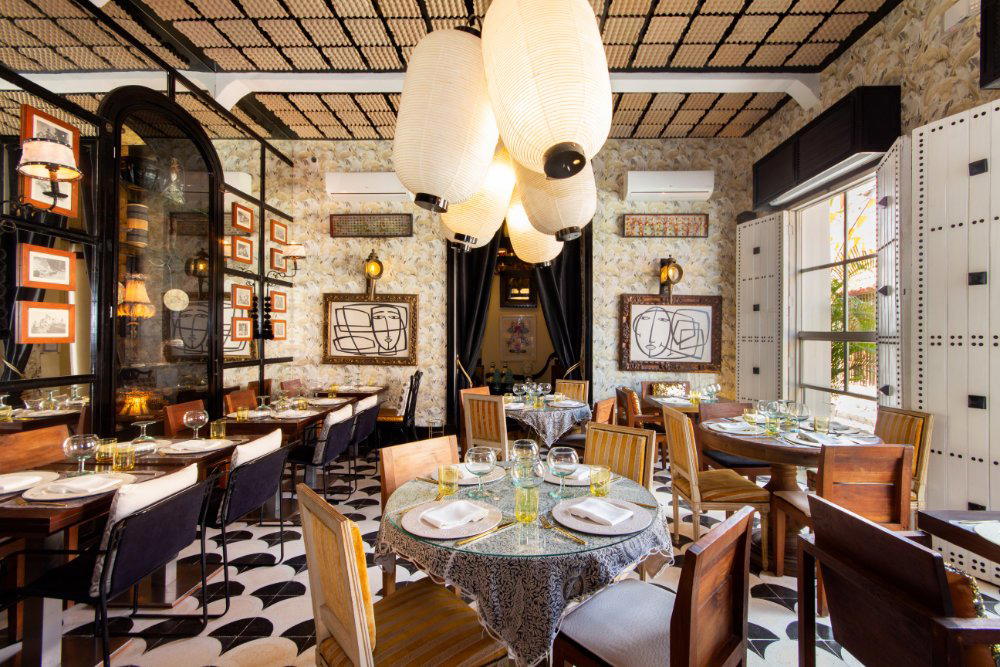
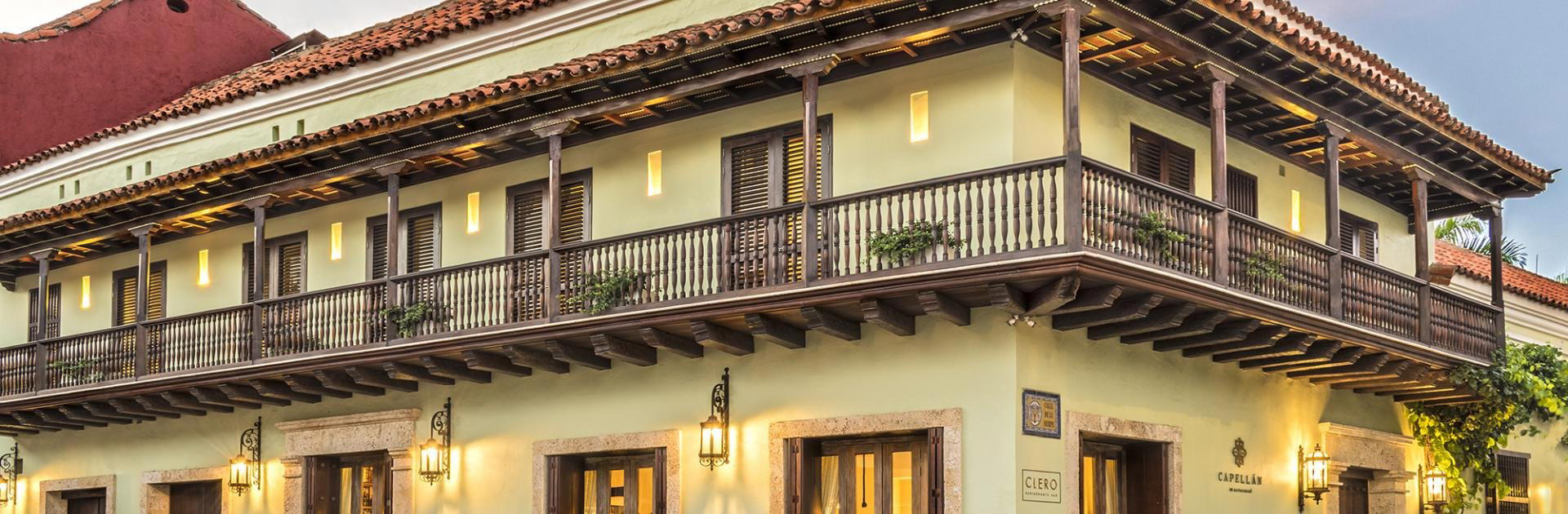
Cartagena's dining identity has long been pulled between two forces, the coastal Caribbean kitchen, built on seafood, coconut, and fermented heat, and an increasingly confident contemporary Colombian movement that draws on those same ingredients while engaging with wider techniques. The venues that manage both without collapsing into fusion cliché are the ones worth tracking. Lunatico's position in Getsemaní places it among a cohort that includes Clero Restaurante and Doña Lola, each approaching Colombian coastal cooking from a distinct angle.
The Rhythm of the Meal in Getsemaní
In this part of Cartagena, the dining ritual rarely begins before eight in the evening. The neighbourhood's energy builds slowly, a walk along the muralled streets, a drink at one of the small bars around the plaza, then a table. This pacing matters because it shapes what the kitchen delivers and when. Restaurants in Getsemaní have calibrated themselves to a guest who arrives already in a particular mood: unhurried, curious, and open to following the kitchen's lead. That's a different contract than the midday tourist trade closer to the Castillo.
The broader Colombian dining ritual in cities like Cartagena tends to favour multiple small courses over a single main, which aligns with the Caribbean tradition of sharing, various plates arriving in succession, with conversation and rum occupying the gaps. El Arsenal The Rum Box has built an entire identity around that pairing of rum culture and food culture just streets away. At Lunatico, the address in the same neighbourhood places it in a similar ritual framework.
For context on how Cartagena's neighbourhood dining compares to the wider Colombian scene, Debora Restaurante in Bogota and 37 Park in Medellín represent the higher-altitude cities' take on contemporary Colombian cooking, with different produce vocabularies and different pacing entirely. The Caribbean coast operates on its own clock and with its own pantry, and that distinction is felt at every meal in Getsemaní.
What the Neighbourhood Tells You About the Kitchen
Getsemaní's dining wave has attracted venues from several different directions. Some have come in as casual neighbourhood spots; others have positioned themselves with more deliberate ambition. The neighbourhood now contains enough density that comparison is inevitable: Kona brings its own distinct approach to the Cartagena table, and LA BRIOCHE Bocagrande occupies a different corner of the city's appetite entirely. The spread of venues across Cartagena's neighbourhoods means that dining in Getsemaní specifically has become something of a statement, a preference for atmosphere over formality, for neighbourhood texture over polished hotel-district service.
The Caribbean kitchen that underpins most serious cooking in Cartagena works with a short list of powerful ingredients: fresh fish from the Bay and the open Caribbean, plantain in multiple preparations, ají amarillo and other fermented or pickled heat, coconut milk in both savoury and sweet applications, and herbs that don't survive the altitude at which Bogotá and Medellín operate. Restaurants that understand this pantry and work within it, rather than importing assumptions from European or North American kitchens, tend to produce the meals that stay with visitors longest. This is the frame through which Getsemaní's leading addresses should be read.
Planning a Visit
Lunatico's address on Avenida Pedregal in Getsemaní is the practical starting point. The neighbourhood is walkable from the walled city, a fifteen-minute walk from the Clock Tower Gate, or a short taxi ride for those arriving from Bocagrande or the cruise port. Getsemaní operates leading explored on foot, and arriving slightly before your reservation time gives you the opportunity to read the street before sitting down. As with most serious restaurants in this part of Cartagena, arriving early in the evening window, around seven or eight, tends to produce a quieter, more attentive service experience than arriving at peak hour. Reservations are recommended, and booking ahead is the practical approach. Same-day walk-ins are less reliable at weekends.
For visitors building a broader Cartagena itinerary, Los Tacos Del Gordo and Crepes & Waffles Centro represent different points on the casual end of the city's eating spectrum. Further afield on the Colombian Caribbean coast, BK - BURUKUKA Restaurante Bar in Santa Marta shows how the same coastal cooking tradition plays out in a different port city. And for those comparing the Caribbean experience to high-technique international dining, Le Bernardin in New York City and Atomix in New York City represent the tier at which formal tasting menus are judged globally, useful calibration for understanding where ambitious Colombian coastal cooking sits in the wider conversation.
Other Colombia references useful for building regional context: Le Brunch Express in Envigado, La B Hamburgers in Sincelejo, and Bulgatta restaurante in Retiro each map different parts of the country's increasingly plural eating culture.
Style and Standing
Comparable venues nearby, for context on price, style, and recognition.
| Venue | Cuisine | Price | Notes |
|---|---|---|---|
| LunaticoThis venue — the venue you are viewing | Caribbean-Spanish Fusion Tapas | $$$ | Not listed |
| Clero Restaurante | Caribbean Seafood Fusion | $$$ | Getsemani |
| El Arsenal The Rum Box | Caribbean Rum Bar & Gastropub | $$ | Getsemani |
| Doña Lola | Caribbean with Spanish Influences | $$$ | Getsemaní |
| NIKU CARTAGENA | Nikkei Fusion (Japanese-Peruvian) | $$$ | Historic Center |
| Semolina Cartagena | Modern Italian | $$ | Bocagrande |
Continue exploring
More in Cartagena
Restaurants in Cartagena
Browse all →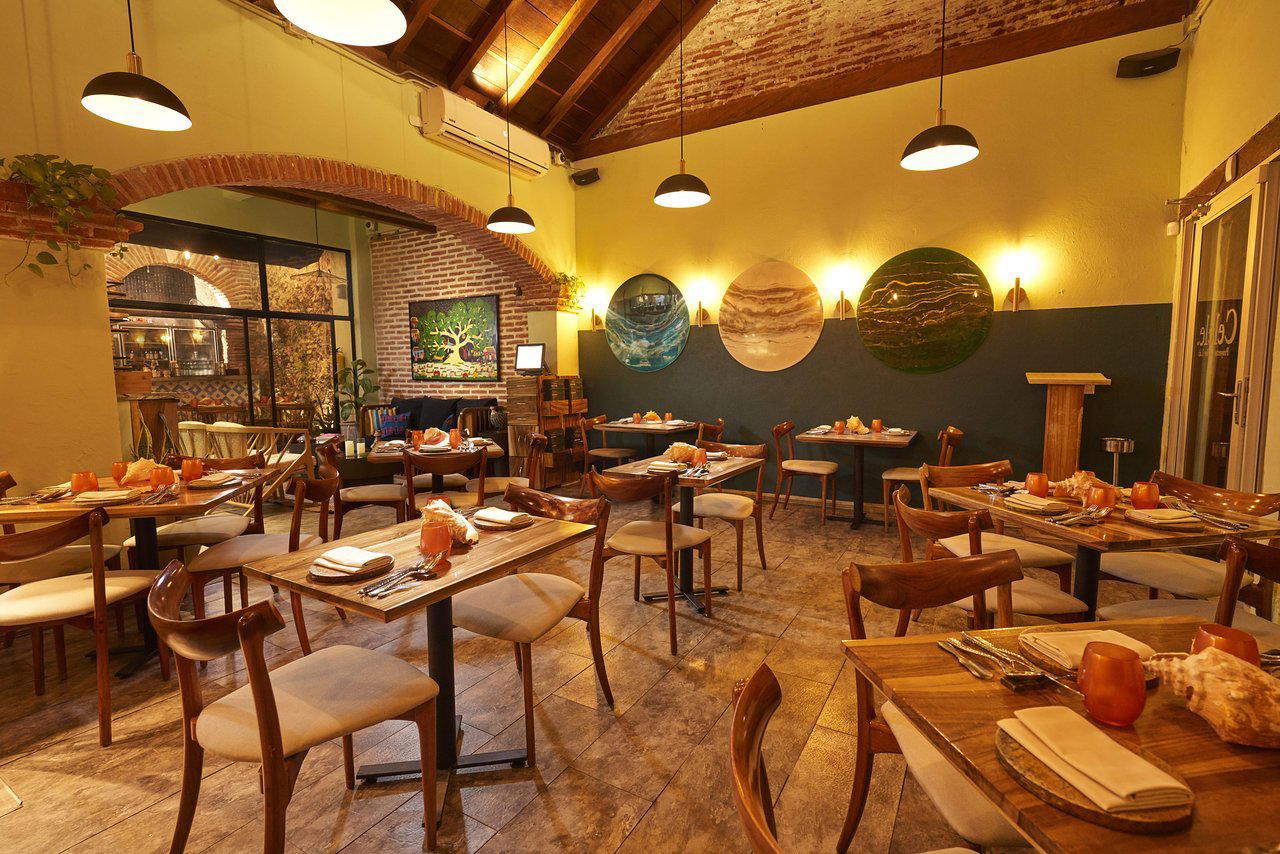
Bars in Cartagena
Browse all →
At a Glance
- Lively
- Trendy
- Cozy
- Date Night
- Casual Hangout
- Special Occasion
- Open Kitchen
- Craft Cocktails
- Local Sourcing
- Street Scene
Current opening hours
- Monday
- 5:30–9:30 PM
- Tuesday
- 5:30–9:30 PM
- Wednesday
- 5:30–9:30 PM
- Thursday
- 12–9:30 PM
- Friday
- 12–9:30 PM
- Saturday
- 12–9:30 PM
- Sunday
- Closed
Hours can change for holidays and private events. Last verified .
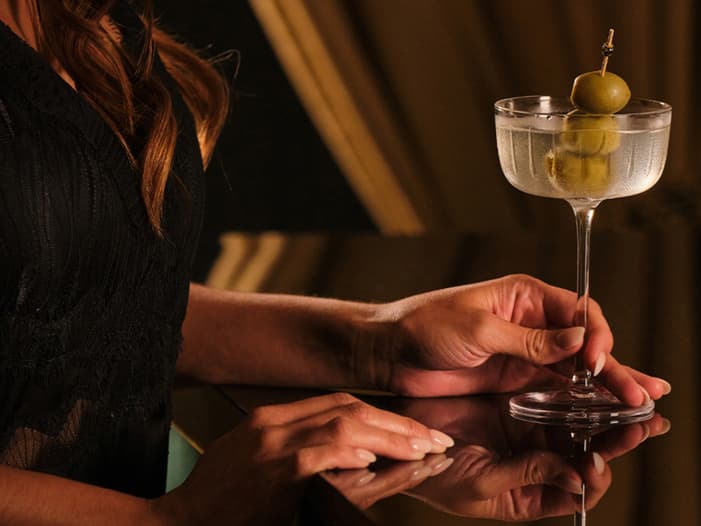
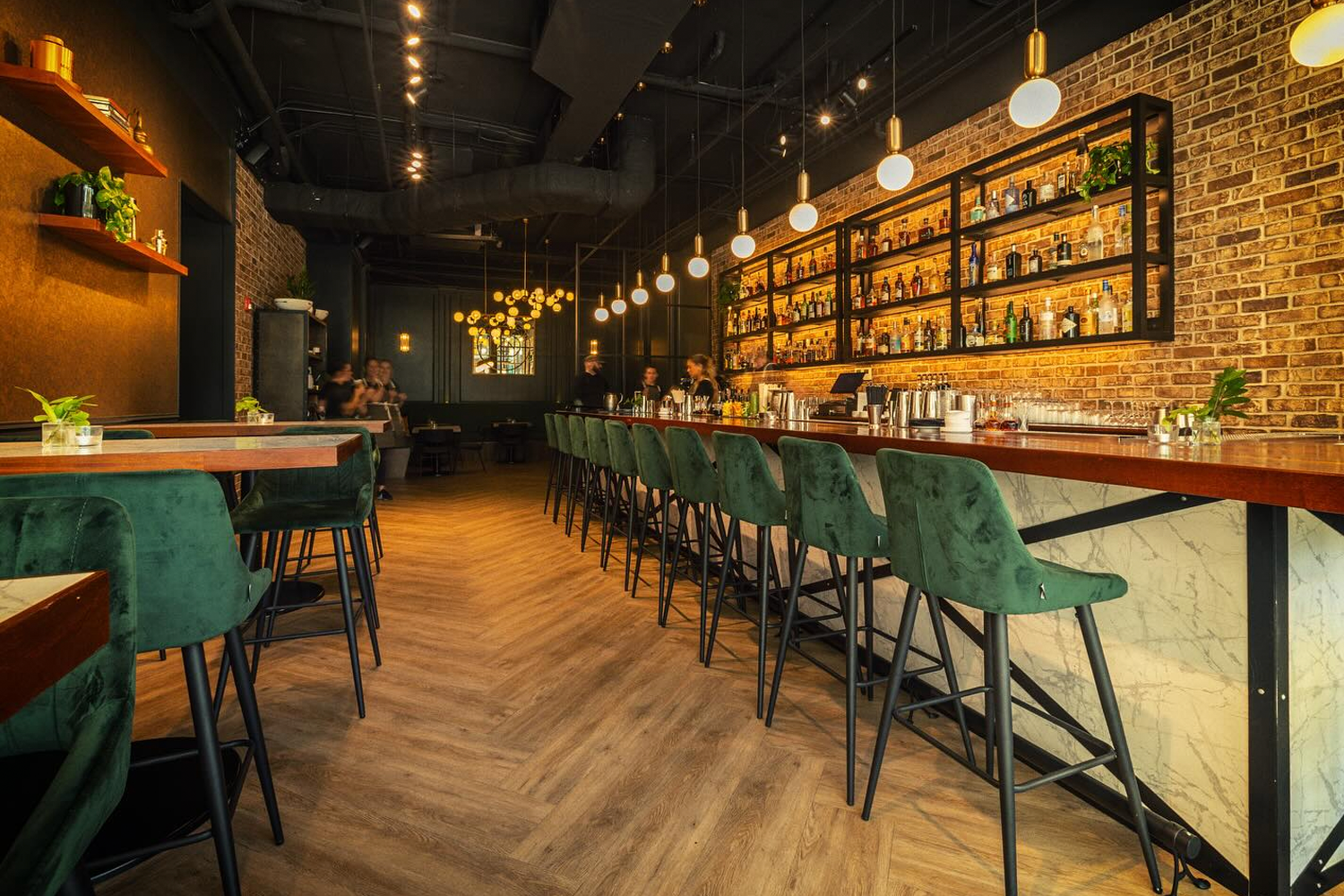
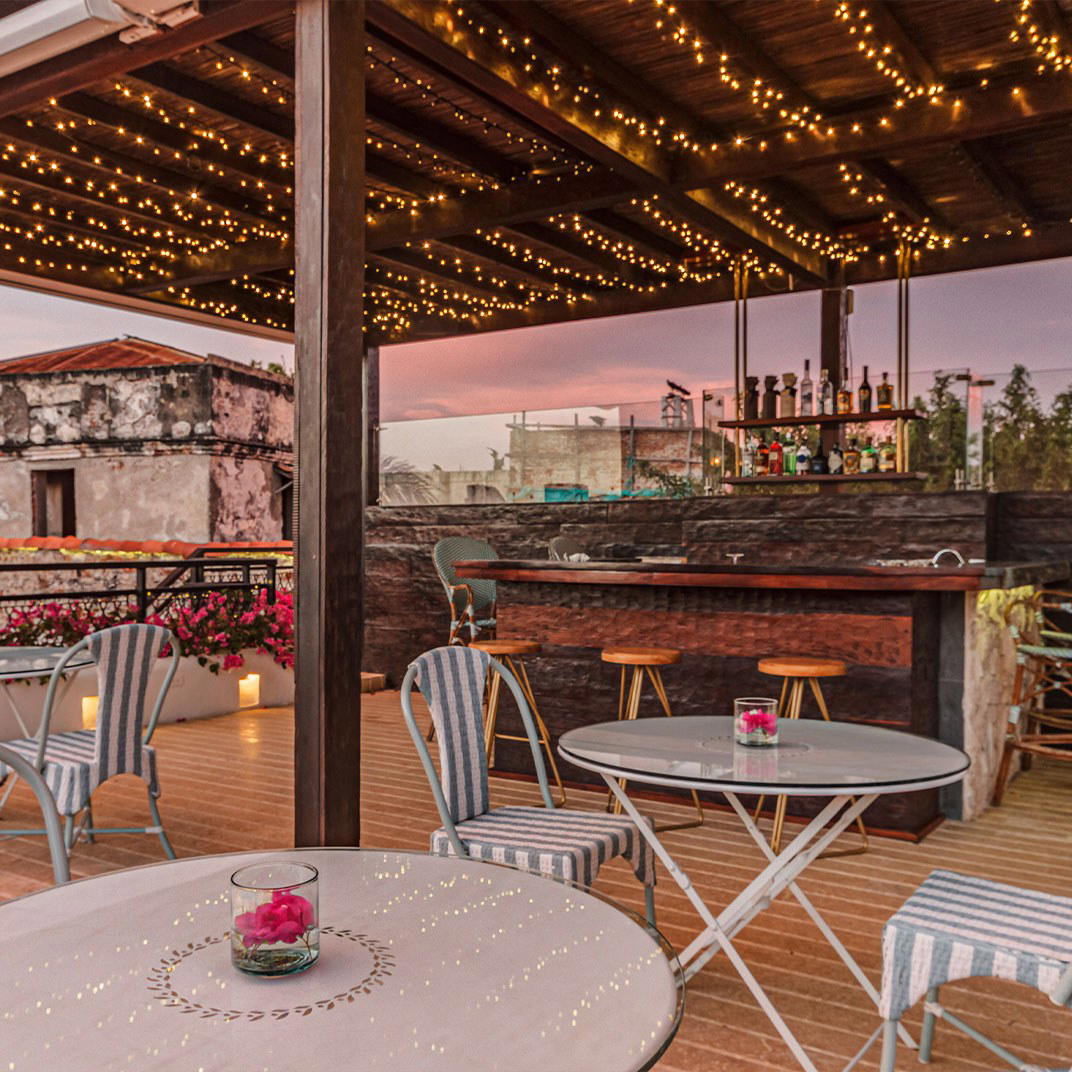
Lively and lively atmosphere with a fusion of Spanish and Caribbean influences in the Getsemani neighborhood.