In the upper Ahrntal valley, Lunaris 1964 draws on the agricultural traditions of the South Tyrolean Alps to anchor a dining experience rooted in what the surrounding terrain actually produces. The address, Cadipietra, at the valley's quieter northern reach, places it well inside the region where altitude-driven pasture and short growing seasons define ingredient character. For Italy's high-Alpine dining circuit, that provenance is the premise, not the backdrop.
Pearl is the En Primeur Club membership app — saves, bookings, and concierge access live there. Same editors, same standards.
- Address
- Località Cadipietra, 1, 39030 Cadipietra BZ, Italy
- Phone
- +39474652190
- Website
- wellnessresort.it
- Directions
- Get directions
 Saves & bookings on Pearl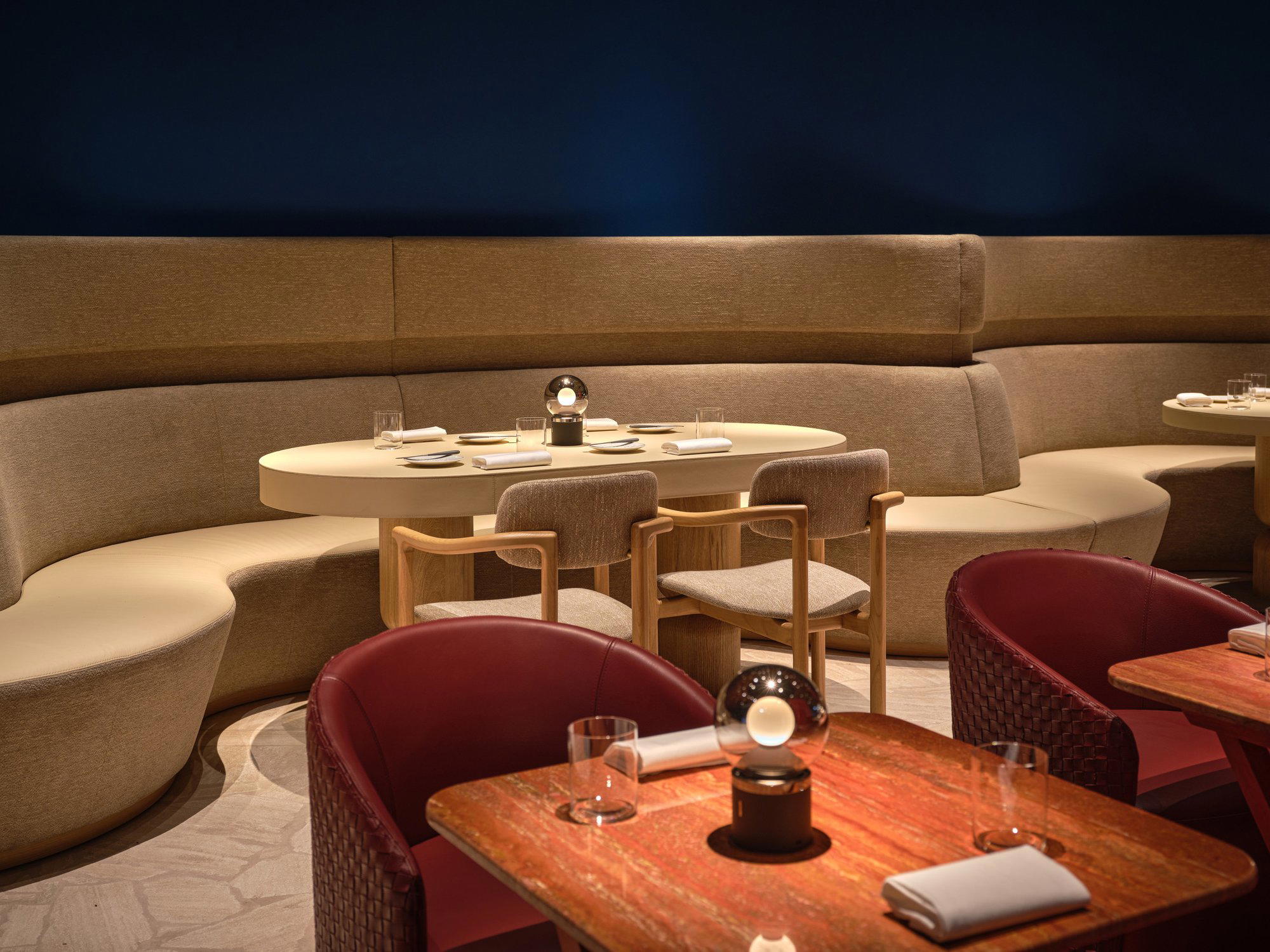
Where the Valley Sets the Table
The upper Ahrntal runs north from Sand in Taufers toward the Austrian border, narrowing as the peaks close in and the settlements thin out. At Cadipietra, the valley floor sits above 1,000 metres, and the surrounding range of high pasture, conifer forest, and glacially cold waterways shapes how this part of South Tyrol eats. Lunaris 1964 occupies that context directly, at Località Cadipietra 1, in a setting where the sourcing radius is shaped less by chef philosophy than by simple geography: the farms, the dairies, and the hunters are all within sight of the dining room.
South Tyrol has become one of the more closely watched regions in Italian fine dining over the past decade, in part because its ingredient base is genuinely distinct from the rest of the country. The combination of Germanic food tradition, Alpine pasture farming, and Italian culinary technique produces a cuisine with few direct equivalents elsewhere in Italy. Atelier Moessmer Norbert Niederkofler in Brunico is the region's most decorated expression of this tendency, with its strict cook-the-mountain sourcing discipline. Lunaris 1964 operates in the same geographic and conceptual territory, though further up the valley and further from the infrastructure of a market town.
Ingredient Geography in the High Alps
The argument for Alpine sourcing is practical. At altitude, growing seasons compress, which concentrates flavour in vegetables and forces preservation traditions, curing, pickling, fermenting, smoking, that have been part of South Tyrolean kitchen culture for centuries. The grey cattle of the Val Pusteria produce milk with high fat content suited to the aged cheeses that anchor the region's larder. Wild herbs from the high meadows, including varieties that do not exist at lower elevations, have historically been used in both cooking and the valley's herbal distillation tradition.
This is the ingredient context that gives Alpine dining in the Ahrntal its internal logic. A kitchen positioned this far up the valley, past the tourist infrastructure of the lower reaches, past the larger resort hotels, is working with what is genuinely close. That geographic fact shapes the menu in ways that broader-sourcing kitchens in the flatlands cannot replicate, regardless of procurement effort. For a comparison in scale and ambition, Italy's most discussed fine dining rooms, from Osteria Francescana in Modena to Le Calandre in Rubano, draw on entirely different regional ingredient systems. The South Tyrolean Alpine kitchen is a separate conversation.
The Ahrntal Dining Circuit
Cadipietra sits at the quieter end of Ahrntal's hospitality offer. The lower valley around Campo Tures and Sand in Taufers carries more of the tourist volume; further up toward Kasern and the national park border, the valley becomes progressively more remote. Lunaris 1964's address at Cadipietra places it in the middle register of this gradient, accessible but not busy, positioned for guests who have made the valley itself the destination rather than a stop on a wider itinerary.
For readers building an Italian fine dining programme around provenance-driven cooking, the South Tyrolean circuit is increasingly difficult to bypass. The region's combination of Michelin recognition, Alpine ingredient quality, and architectural hospitality gives it a different profile from coastal and urban Italian fine dining. Piazza Duomo in Alba and Uliassi in Senigallia represent entirely different Italian regional logics, neither is more or less valid, but they are not interchangeable with what the high Alpine valleys offer. See our full Ahrntal restaurants guide for a wider map of the valley's dining options.
Planning a Visit
The Ahrntal is reachable by road from Bruneck (Brunico) in approximately 40 minutes, with Brunico itself served by rail connections to Innsbruck and Bolzano. The valley road is direct in summer and early autumn; winter access depends on conditions and the specific destination within the valley. Cadipietra is well within the maintained road network, though visitors travelling from Bolzano or beyond should allow additional time in the winter months. Given the limited number of dining options at this level of the valley, advance planning is advisable regardless of season, the upper Ahrntal is not a place where same-evening decisions work reliably. For context on comparable high-commitment Alpine and Italian dining, Da Vittorio in Brusaporto and Villa Crespi in Orta San Giulio each represent the planning discipline that serious Italian regional dining requires.
Italian Fine Dining for Reference
The restaurant sits within Italy's broader fine dining map by category as much as by geography. Italy's most structured and documented fine dining rooms, including Enoteca Pinchiorri in Florence, Dal Pescatore in Runate, Enrico Bartolini in Milan, Reale in Castel di Sangro, Casa Perbellini 12 Apostoli in Verona, La Pergola in Rome, Quattro Passi in Marina del Cantone, and Gambero Rosso in Marina di Gioiosa Ionica, operate within regional ingredient traditions that are in each case defined by their geography. The South Tyrolean Alpine tradition differs from all of them in its German-speaking cultural inheritance, its altitude-driven ingredient constraints, and its proximity to Austrian and Central European food culture. For international reference points that similarly prioritise sourcing discipline above spectacle, Le Bernardin in New York City and Atomix in New York City each demonstrate how ingredient provenance functions as a structural commitment rather than a marketing position.
A Quick Peer Check
Comparable venues nearby, for context on price, style, and recognition.
| Venue | Cuisine | Price | Notes |
|---|---|---|---|
| Lunaris 1964This venue — the venue you are viewing | Alpine-Mediterranean Fine Dining | $$$$ | Not listed |
| Cetino | Seasonal Mediterranean Fine Dining | $$$$ | Cadenabbia di Griante |
| Schmied | South Tyrolean-Mediterranean Fine Dining | $$$ | Scena |
| Carlton Garden | Seasonal Italian in a Milanese garden setting | $$$$ | Quadrilatero della Moda |
| Cappella Restaurant | South Tyrolean Fine Dining | $$$$ | Colfosco |
| Alassio Restaurant | Coastal Mediterranean & Italian Comfort Food | $$ | Not listed |
Continue exploring
More in Ahrntal
Restaurants in Ahrntal
Browse all →
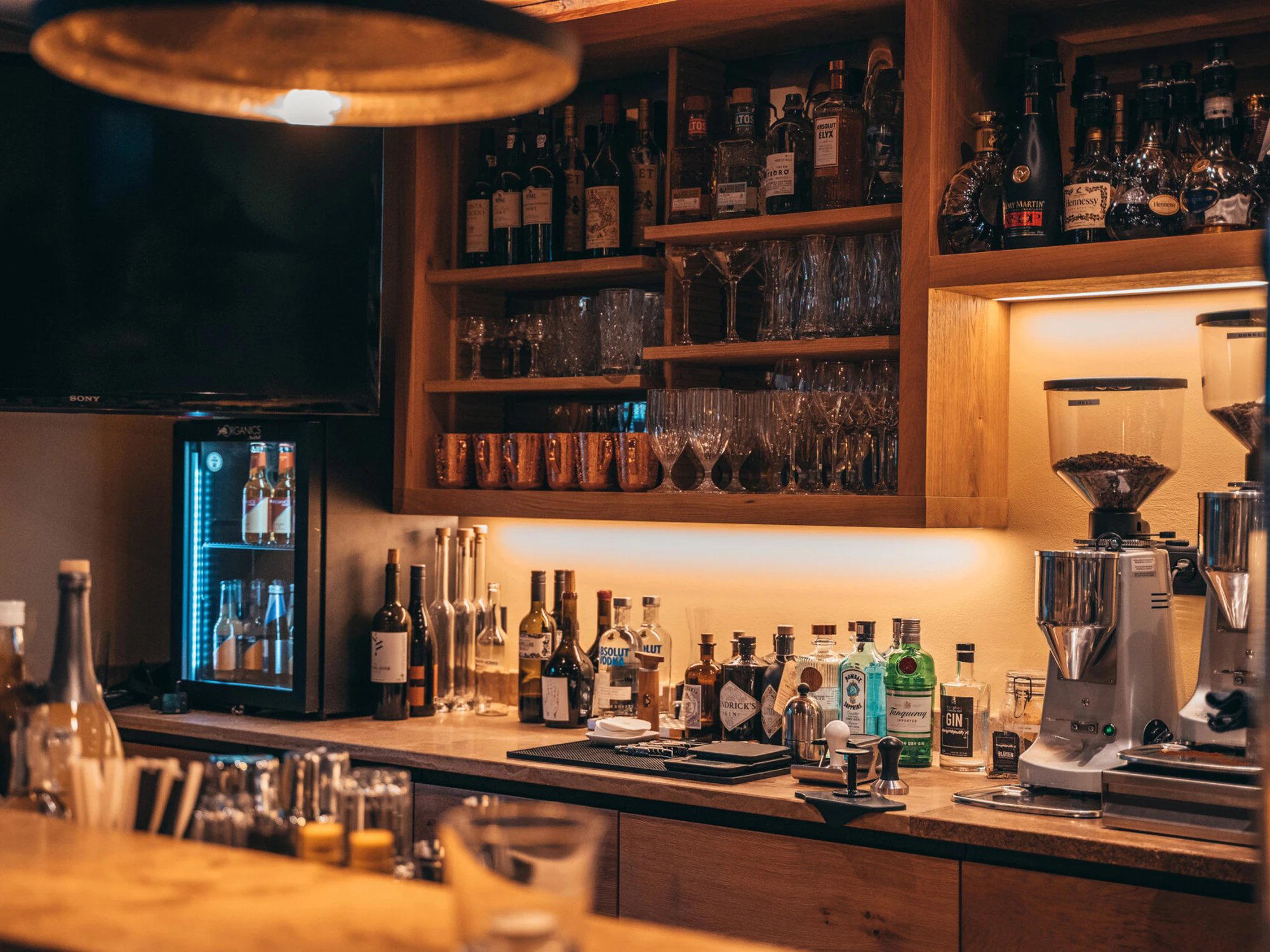
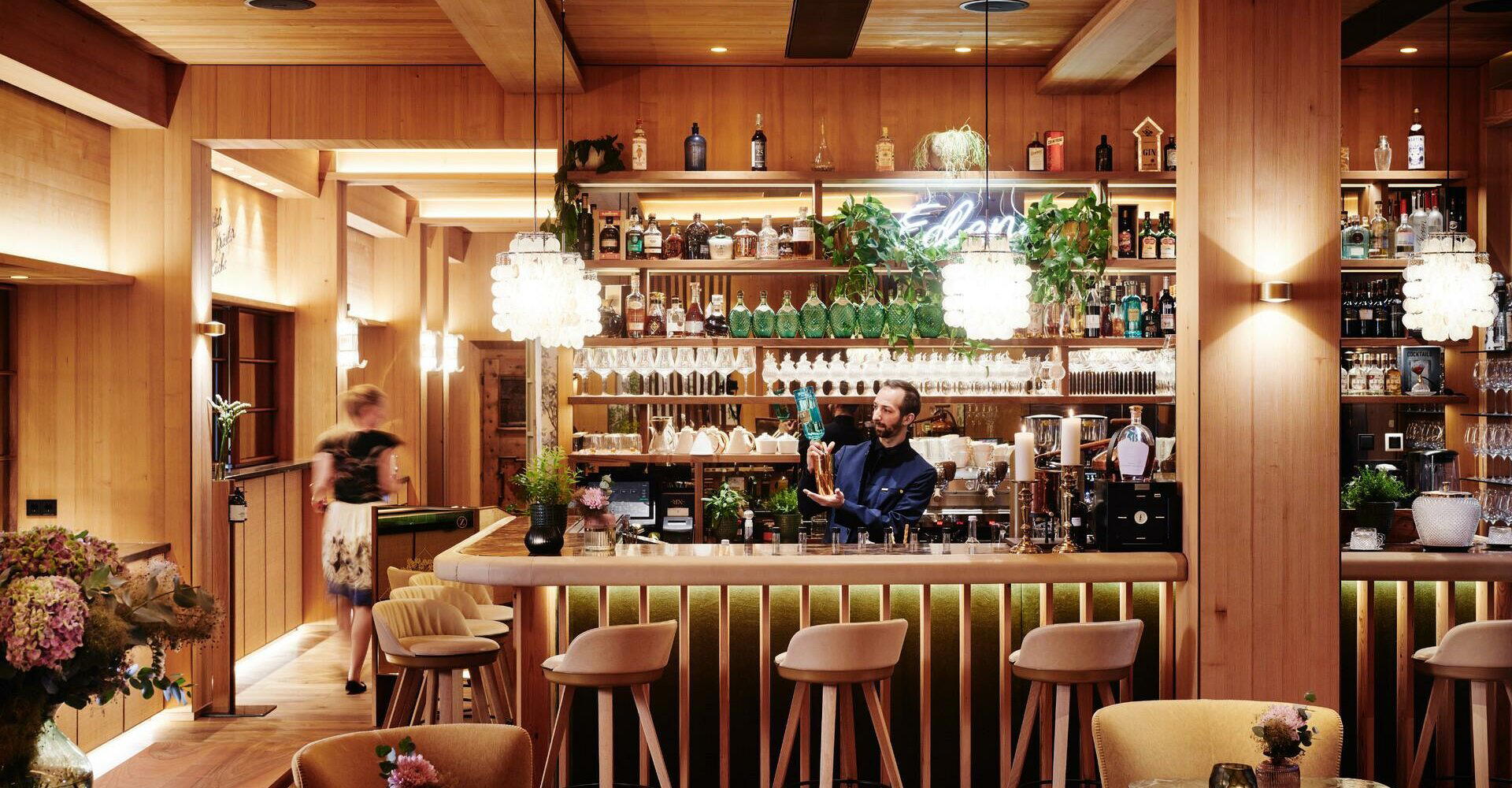
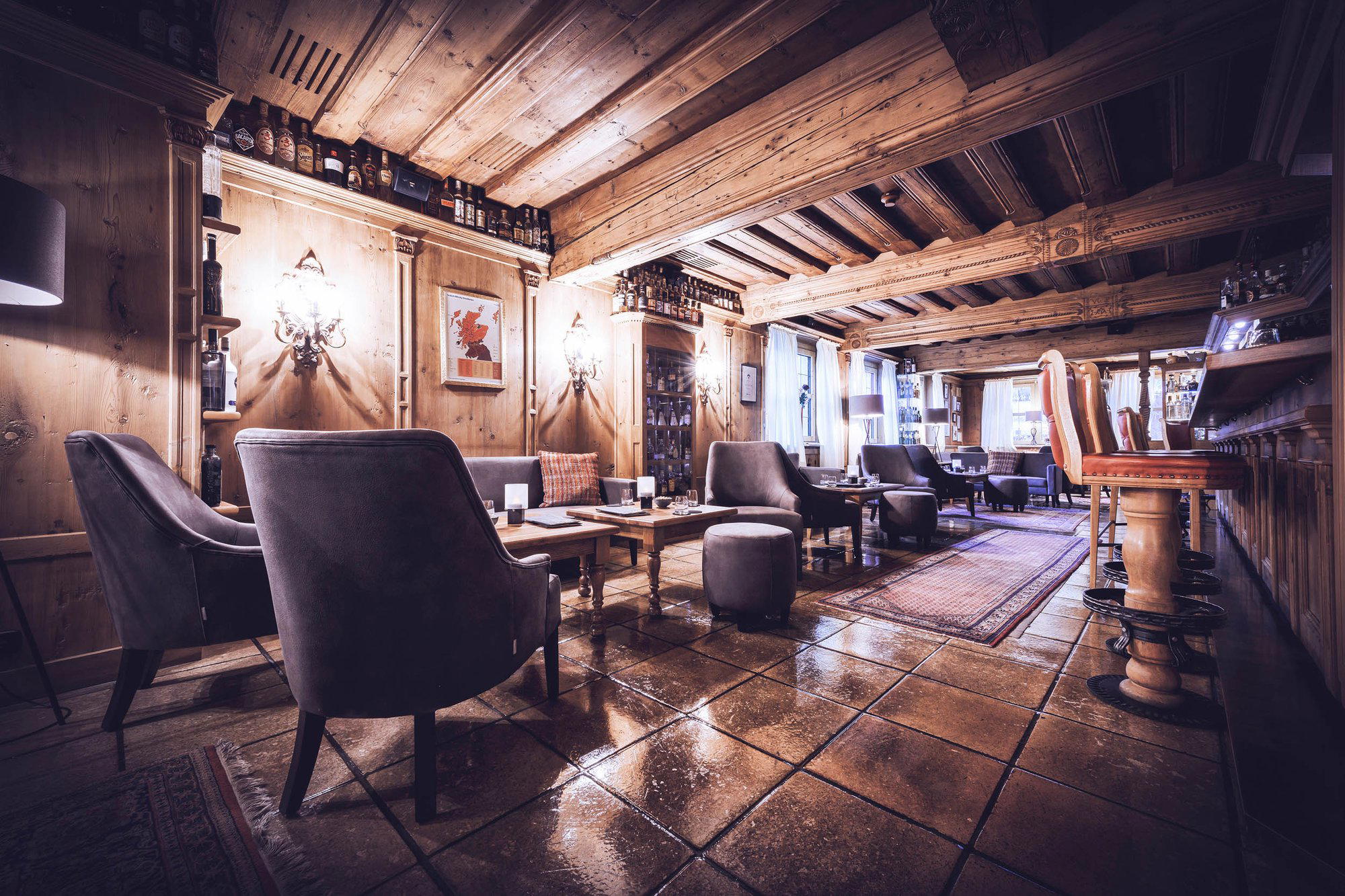
Bars in Ahrntal
Browse all →
Hotels in Ahrntal
Browse all →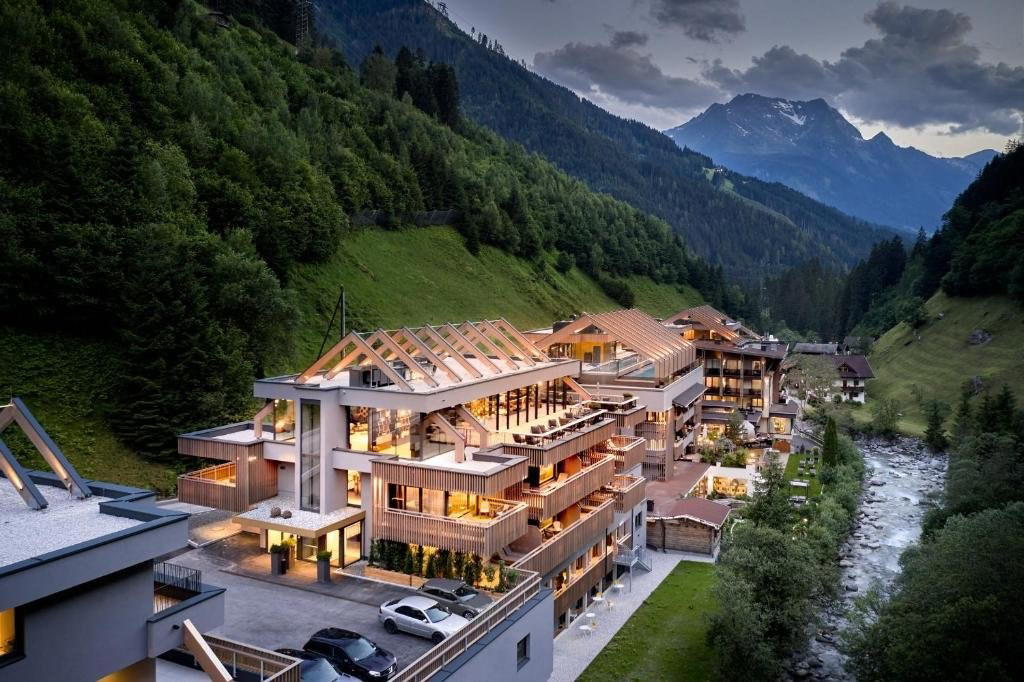

At a Glance
- Elegant
- Sophisticated
- Scenic
- Intimate
- Special Occasion
- Celebration
- Date Night
- Open Kitchen
- Panoramic View
- Hotel Restaurant
- Design Destination
- Organic
- Local Sourcing
- Farm To Table
- Mountain
Current opening hours
- Monday
- 6:45–11 PM
- Tuesday
- 6:45–11 PM
- Wednesday
- Closed
- Thursday
- Closed
- Friday
- 6:45–11 PM
- Saturday
- 6:45–11 PM
- Sunday
- 6:45–11 PM
Hours can change for holidays and private events. Last verified .
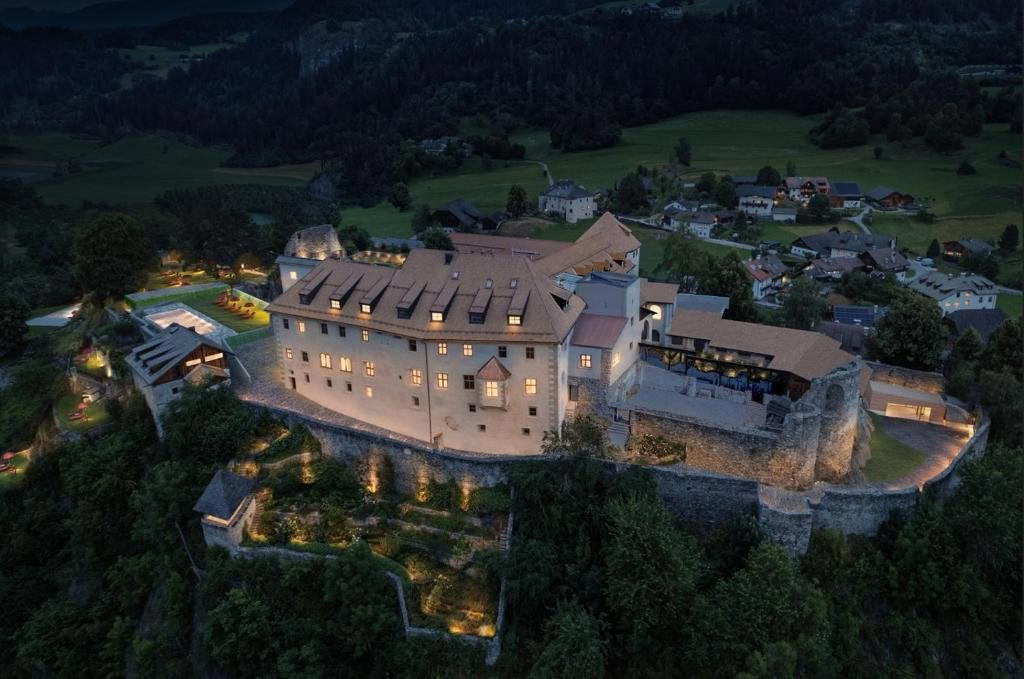
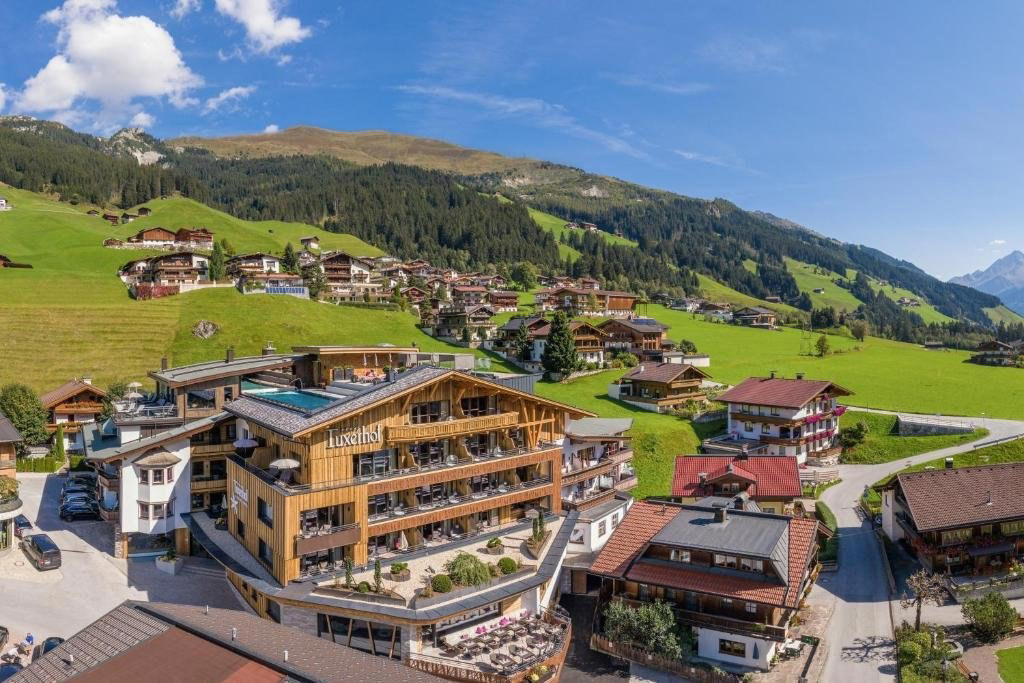
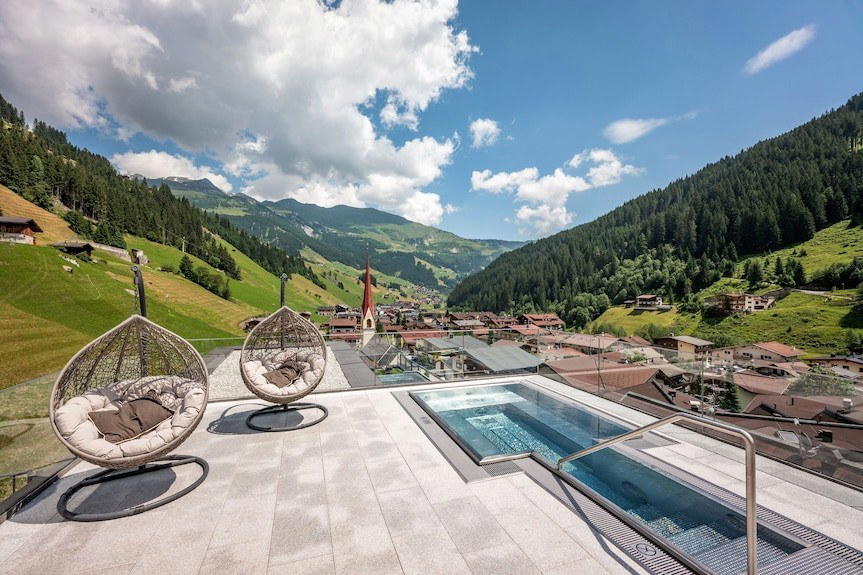
Refined and exclusive mountain setting with contemporary design, reflecting the soul of the Ahrntal Valley through sophisticated presentation and attention to detail.