Pi Sa

Conde Nast Hot List Restaurants
Our verdict
Pi Sa brings Sothea Seng’s ingredient-led Cambodian cooking to Phnom Penh’s French Quarter, close to the Old Market that supplies its produce. The appeal is not novelty for its own sake, but a capital-city expression of seasonal sourcing, Mekong fish, Khmer sour soups, and a room that places Cambodian materials inside a restored colonial shell.

Pearl is the En Primeur Club membership app, where members save venues, book tables and use the concierge.
The menu
What to order
- Creative Khmer tasting menus
- Market‑to‑table seasonal dishes
Approaching Pi Sa in Phnom Penh, the setting matters before the menu does. The restaurant sits within a city where dining can move between hotel polish, visitor-facing rooms, and family-run local cooking, but this room points to a more focused category: a contemporary restaurant shaped by hospitality, restraint, and a sense of place rather than imported luxury cues.
The Phnom Penh location also gives the restaurant a useful discipline. Daily decisions can remain connected to the rhythms of the capital, rather than becoming abstract talking points. That is the serious point here. Phnom Penh does not need another restaurant using local references as decoration; it benefits from rooms that treat the city as part of the meal’s structure.
Phnom Penh gives Pi Sa its backbone
The clearest way to read Pi Sa is through its relationship with Phnom Penh. The restaurant is best understood through a contemporary, place-aware lens, with the experience responding to the capital rather than chasing a fixed international template. In the city, that approach becomes urban and immediate: Phnom Penh supplies the daily context, while the restaurant builds a composed dining experience around hospitality and atmosphere.
That matters because restaurants in Cambodia are often explained internationally through a narrow set of reference points, while the actual dining landscape is broader and more layered. At Pi Sa, the stronger reading is not a checklist of famous signals but the way the restaurant frames a local point of view as the centre of the evening. Clarity, pacing, and balance matter more than heavy grand-dining gestures.
The restaurant’s argument is useful only if the experience carries it. Here, the Phnom Penh relationship is the evidence. Dining in the capital has a particular tension: the city has hotels, business dining, visitor-facing rooms, and a mixed audience, so a restaurant has to translate without becoming generic. Pi Sa frames that translation as hospitality rather than performance.
For broader Phnom Penh context, the city’s dining map now spans polished hotel dining, casual rooms, international formats, and other local restaurants. Pi Sa belongs to the smaller conversation around restaurants that present a contemporary Phnom Penh point of view, not only a familiar travel-dining script.
A polished room with a Phnom Penh point of view, not nostalgia
The room reinforces the same editorial point as the overall experience. Local reference and contemporary restaurant polish sit together in a way that aims beyond simple styling. The stronger reading is about Phnom Penh’s layered urban identity: city memory, hospitality, and a young dining culture trying to define refinement on its own terms.
This is where the restaurant’s place in Phnom Penh does useful work. The city carries history, market life, and modern capital-city energy in close range. A restaurant in this setting cannot rely on scenery alone; it has to decide whether design becomes decoration or context. Pi Sa uses the room to support a local point of view, with an atmosphere that avoids leaning too heavily on imported grand-dining codes.
Pi Sa’s role is relevant because contemporary restaurant culture in Phnom Penh is still being shaped for an international audience. Its presence in the capital signals a broader shift: the city is becoming a stage for more precise restaurant formats, where local identity, design-conscious travel, and business dinners can sit in the same room.
Readers mapping a Cambodia itinerary can use Pi Sa as a Phnom Penh anchor within a wider dining plan. Elsewhere in the city, other dining rooms may offer different settings and hospitality styles, but Pi Sa is the Phnom Penh reference point here: a restaurant that turns the capital itself into part of the experience rather than treating the city as a backdrop.
How to place Pi Sa in a Phnom Penh itinerary
Pi Sa is strongest for travellers who want the restaurant to feel rooted in Phnom Penh, rather than like a generic international room that could be anywhere. The evidence is editorial rather than ornamental: a Phnom Penh setting, a contemporary point of view, and recognition on the 2026 Hot List. Choose it for a composed meal in the capital, not for a quick snack or a fallback between plans.
Phnom Penh rewards planning by area and timing. Culture, markets, bars, and restaurants can sit close together in a single day, while hotel choice can change how much time is lost to traffic. For further planning, use Our full Phnom Penh restaurants guide, Our full Phnom Penh hotels guide, Our full Phnom Penh bars guide, Our full Phnom Penh wineries guide, and Our full Phnom Penh experiences guide. Travellers extending beyond Cambodia can also keep other Asia-focused dining in mind without losing sight of Pi Sa as the Phnom Penh stop.
Frequently asked questions
Is Pi Sa suitable for children?
Pi Sa is a polished restaurant in Phnom Penh, with a room shaped more for dinner than for casual family dining. Children who are comfortable in a quieter restaurant setting should manage well, especially if the meal is planned in advance.
What's the overall feel of Pi Sa?
Pi Sa reads as a polished Phnom Penh restaurant rather than a theme restaurant. Contemporary restaurant polish gives the room a measured, modern feel in Phnom Penh.
Has Pi Sa won any awards?
Pi Sa has received recognition on the 2026 Hot List.
What part of town is Pi Sa in?
Phnom Penh.
Do they take walk-ins at Pi Sa?
The venue details do not list a walk-in policy for Pi Sa. Given its recognition on the 2026 Hot List, it is sensible to plan ahead rather than assume a table will be available on arrival.
Comparable Venues Nearby
Comparable venues nearby, for context on price, style, and recognition.
| Venue | Cuisine | Price | Awards | Notes |
|---|---|---|---|---|
| Pi SaThis venue (the venue you are viewing) | Modern Cambodian fine dining | $30–50 | Conde Nast Hot List Restaurants | Not listed |
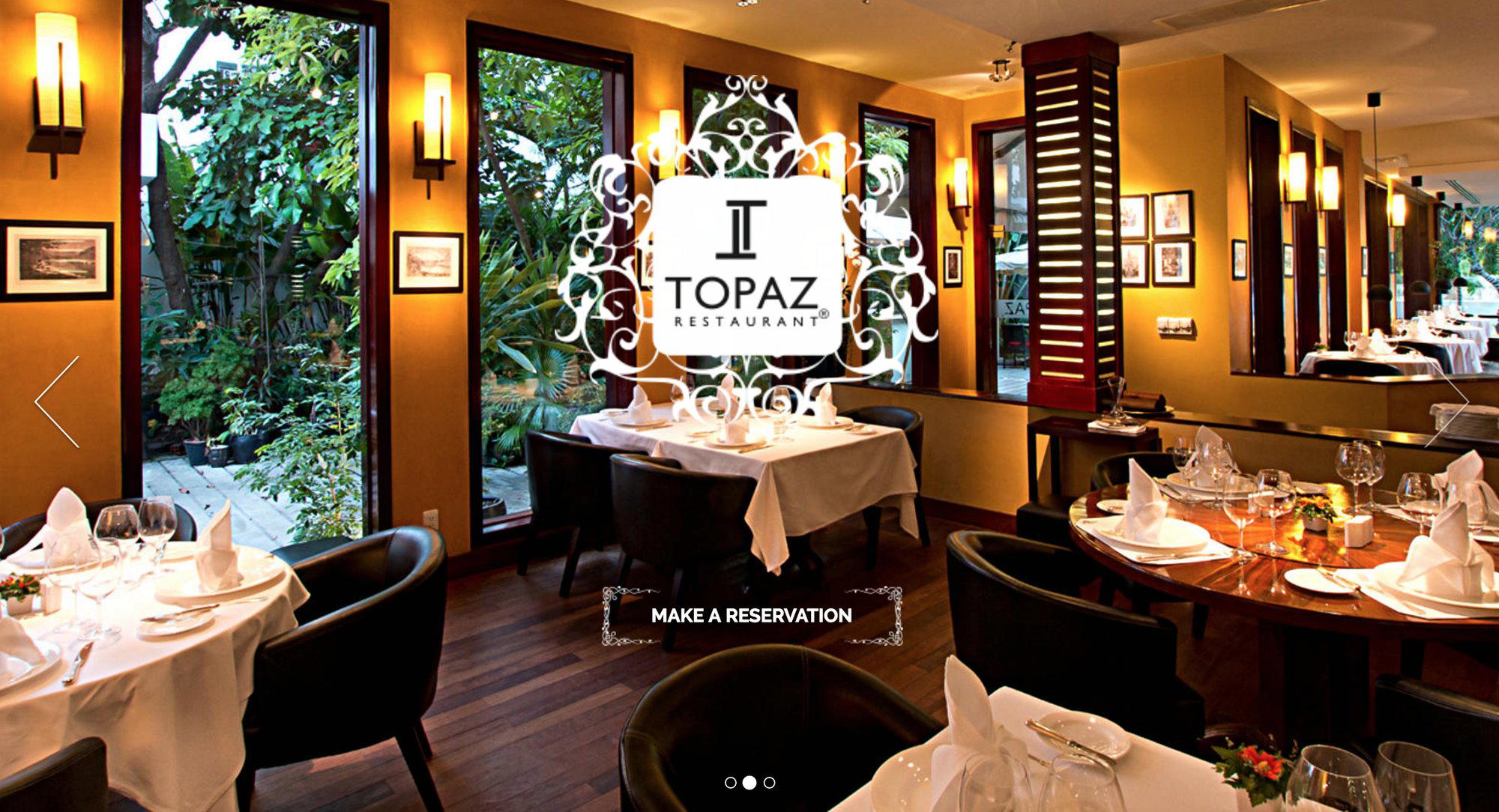
| TOPAZ | Classic French Fine Dining | $100–150 | Not listed | Khan Chamcar Mon |
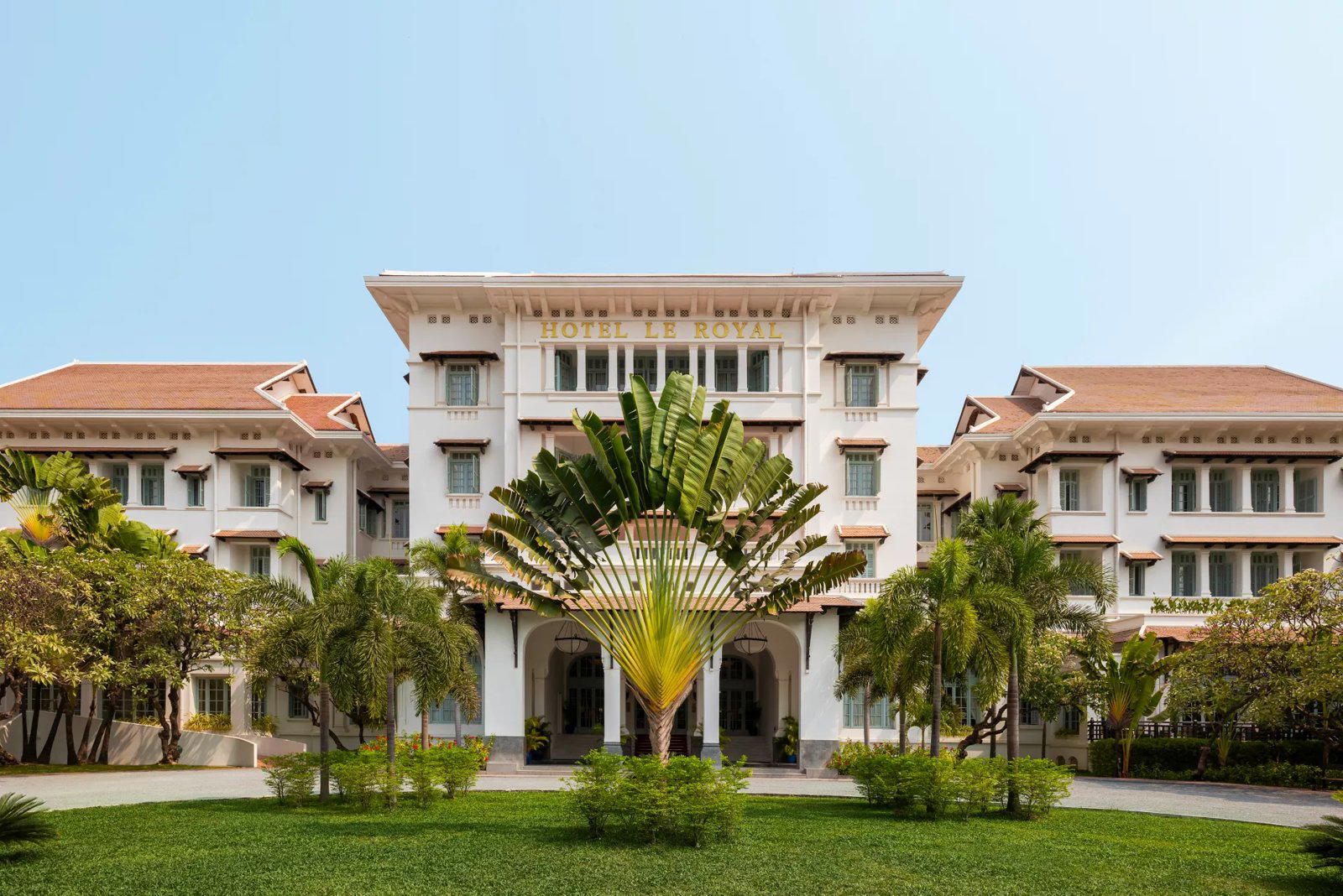
| Le Royal at The Raffles | Modern Khmer & French Fine Dining | $50–100 | La Liste Top Restaurants | Khan Daun Penh |
| Ox Club | Modern Mediterranean Steakhouse | $50–100 | Not listed | BKK1 |
| CUTS | Modern Steakhouse & Grill | $50–100 | Not listed | Khan Daun Penh |
Recognition history
Dated appearances from independent guides and award organizations, with the underlying list record or original source where available.
Conde Nast Hot List Restaurants
Conde Nast
Continue exploring
More in Phnom Penh

Details
- Elegant
- Classic
- Cozy
- Romantic
- Intimate
- Date Night
- Special Occasion
- Celebration
- Business Dinner
- Group Dining
- Historic Building
- Design Destination
- Standalone
- Open Kitchen
- Craft Cocktails
- Extensive Wine List
- Farm To Table
- Local Sourcing
- Sustainable Seafood
- Street Scene
- A La Carte
- Tasting Menu
- Set Menu
- Wine
- Cocktails
- Vegetarian Friendly
- Pescatarian Friendly
- Organic Focus
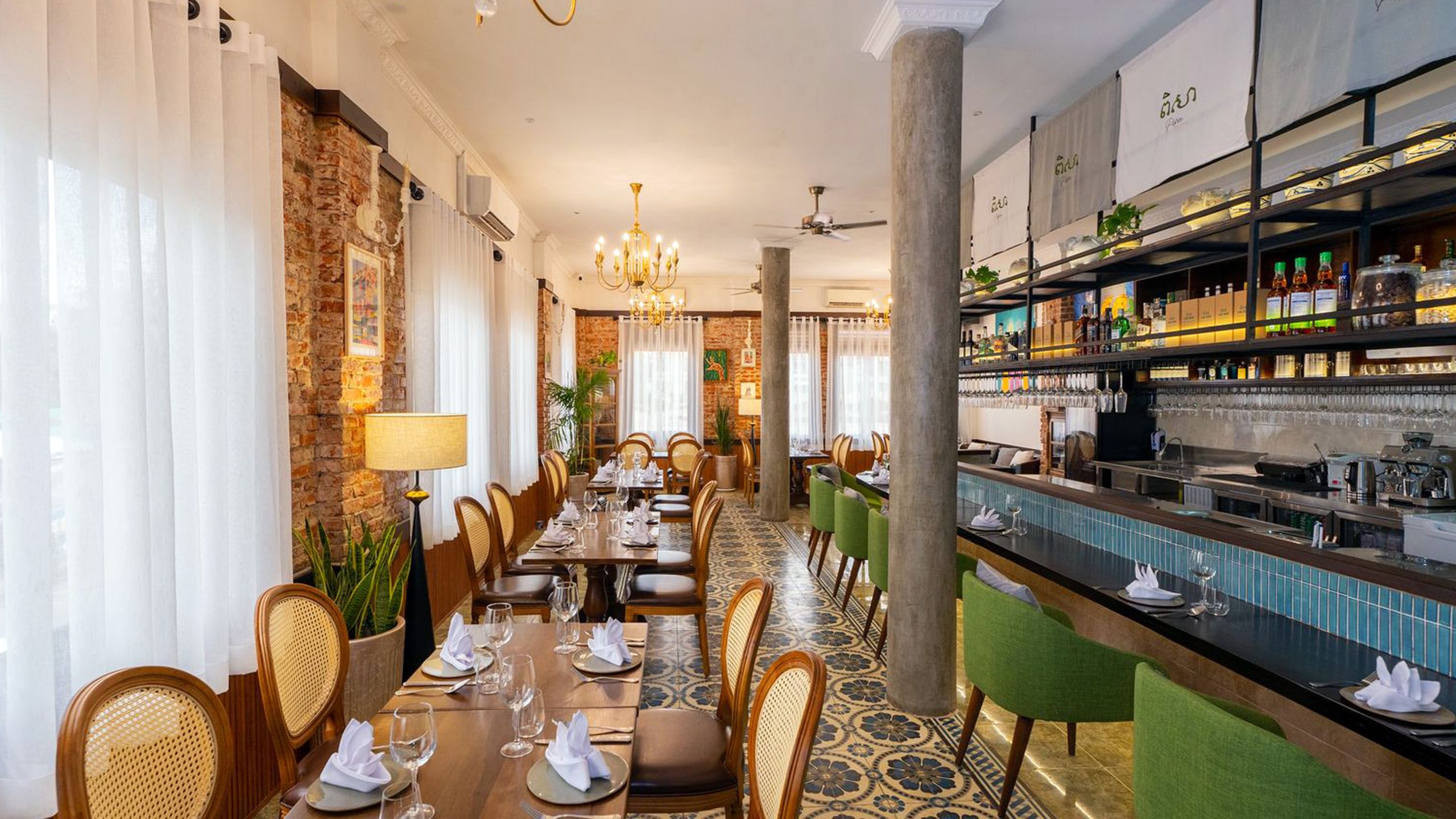
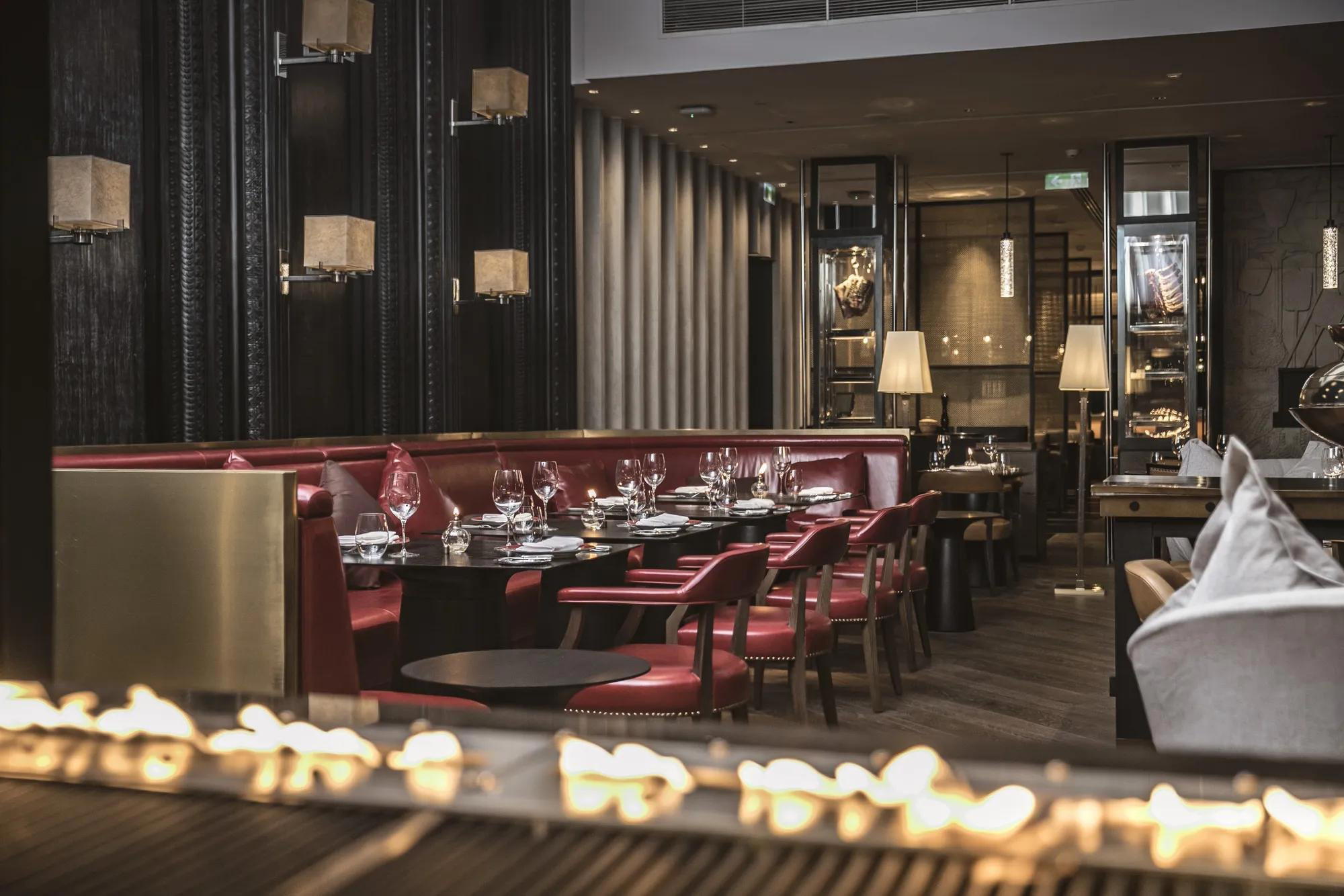
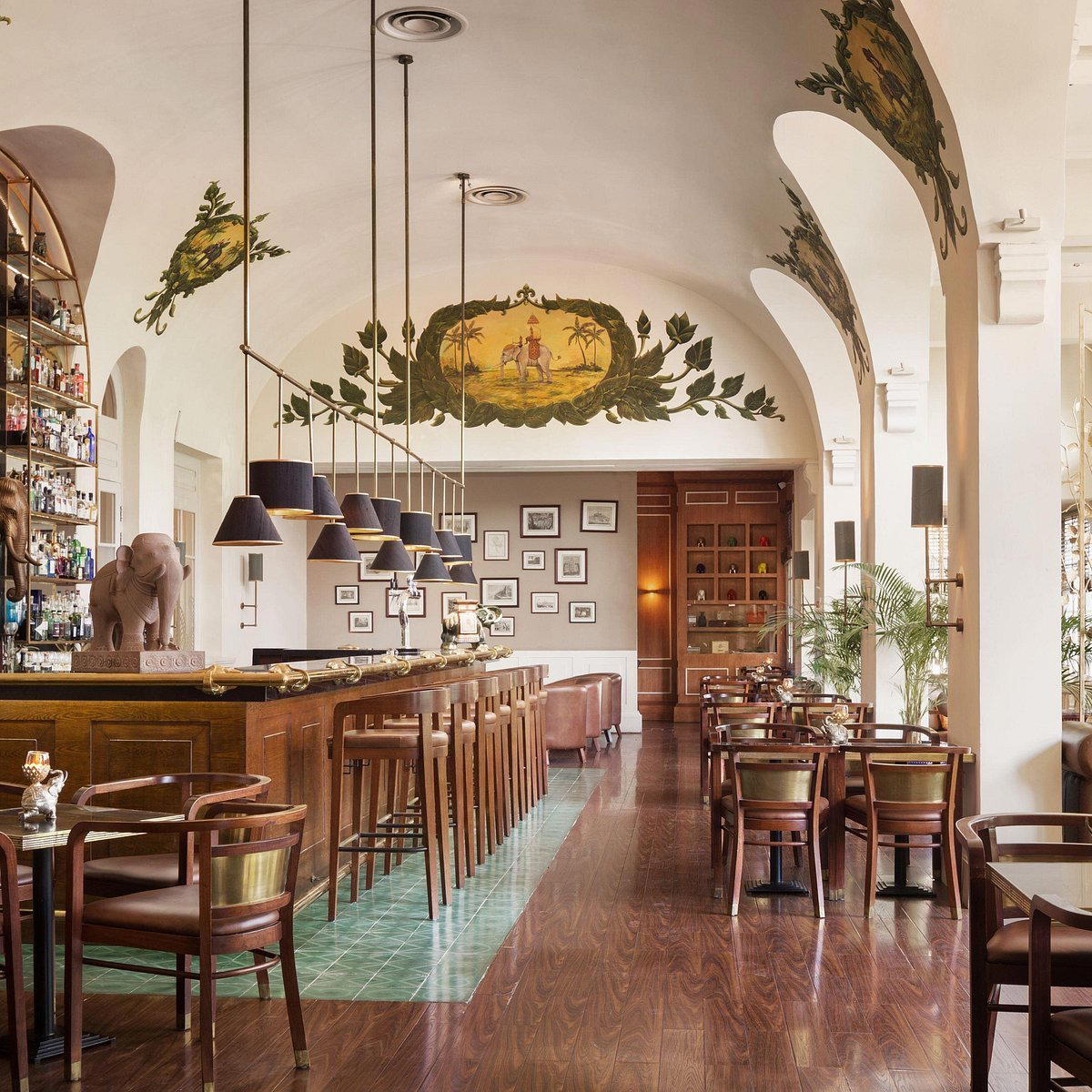
Situated on the first floor of a colonial‑era building, the dining room has exposed brick, candelabras, mahogany tables and green velvet banquettes, creating a warm, intimate and elegant fin‑de‑siècle bistro feel with views over the bustling old market streets below.