Our verdict
Aaraama Restaurant belongs to the quieter Wat Bo side of Siem Reap, where dining is shaped less by spectacle than by market proximity, temple-town rhythms, and the city’s long conversation between Khmer cooking and hotel-era polish. Treat it as a useful counterpoint to tasting-menu addresses and resort dining: a local-feeling stop for travelers who want Siem Reap’s ingredient culture without turning dinner into a production.

Pearl is the En Primeur Club membership app — saves, bookings, and concierge access live there. Same editors, same standards.
- Address
- Street 26, Wat Bo Road, Wat Bo Village, Sangkat Sala Kamreuk, Siem Reap, 17254, Cambodia (main restaurant)
- Directions
- Get directions
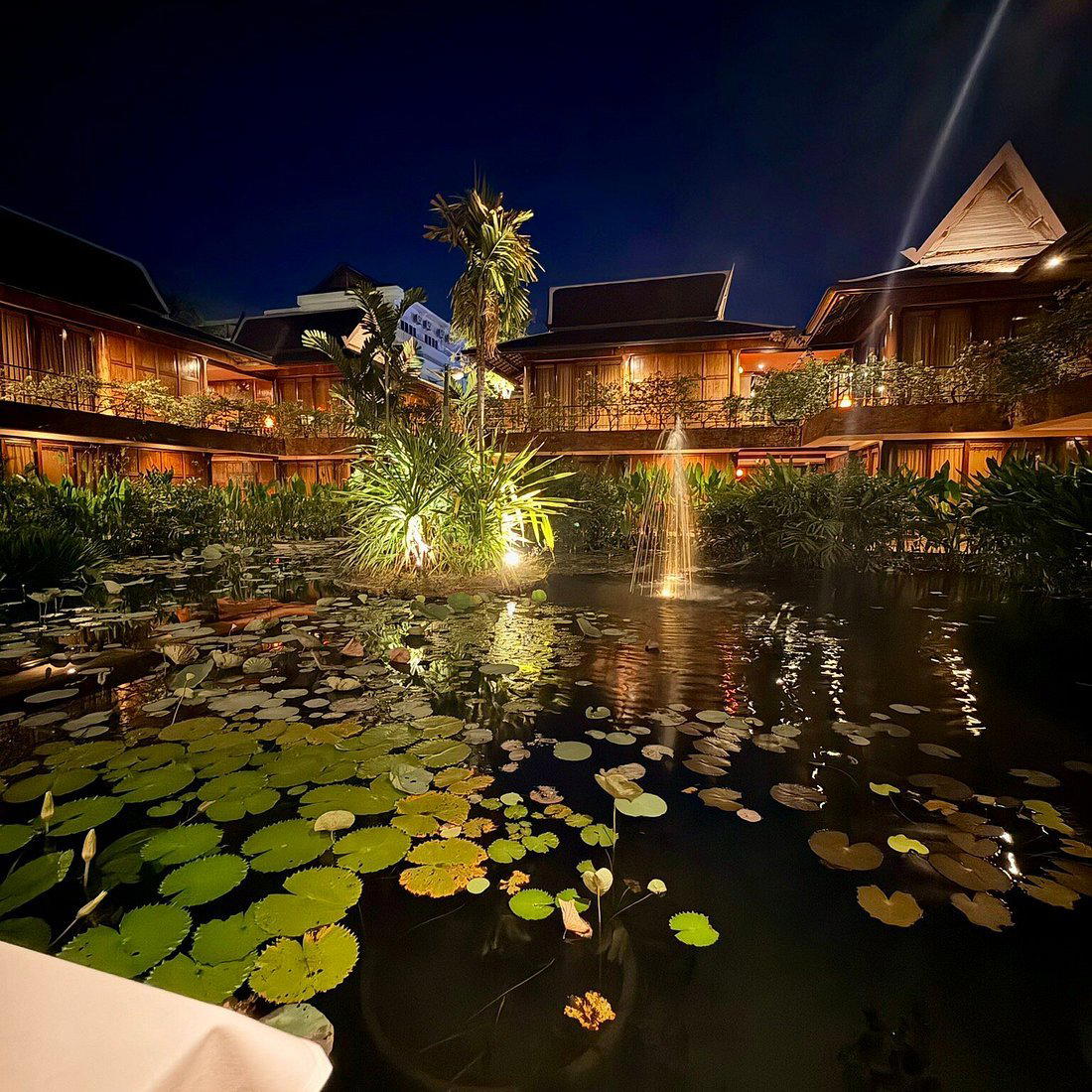
The menu
What to order
- Fish Amok
- Beef Lok Lak
- Grilled Lemongrass Chicken
- Nataing Dip
- Oxtail Pot-au-Feu
Siem Reap has a different pulse from the restaurant strips built for quick pre-temple dinners. The streets can feel lower, the pace looser, and the better meals in the city tend to make sense when read through context rather than staging: local supply, familiar flavours, relaxed service, and the everyday rhythms that visitors do not always notice on a first trip.
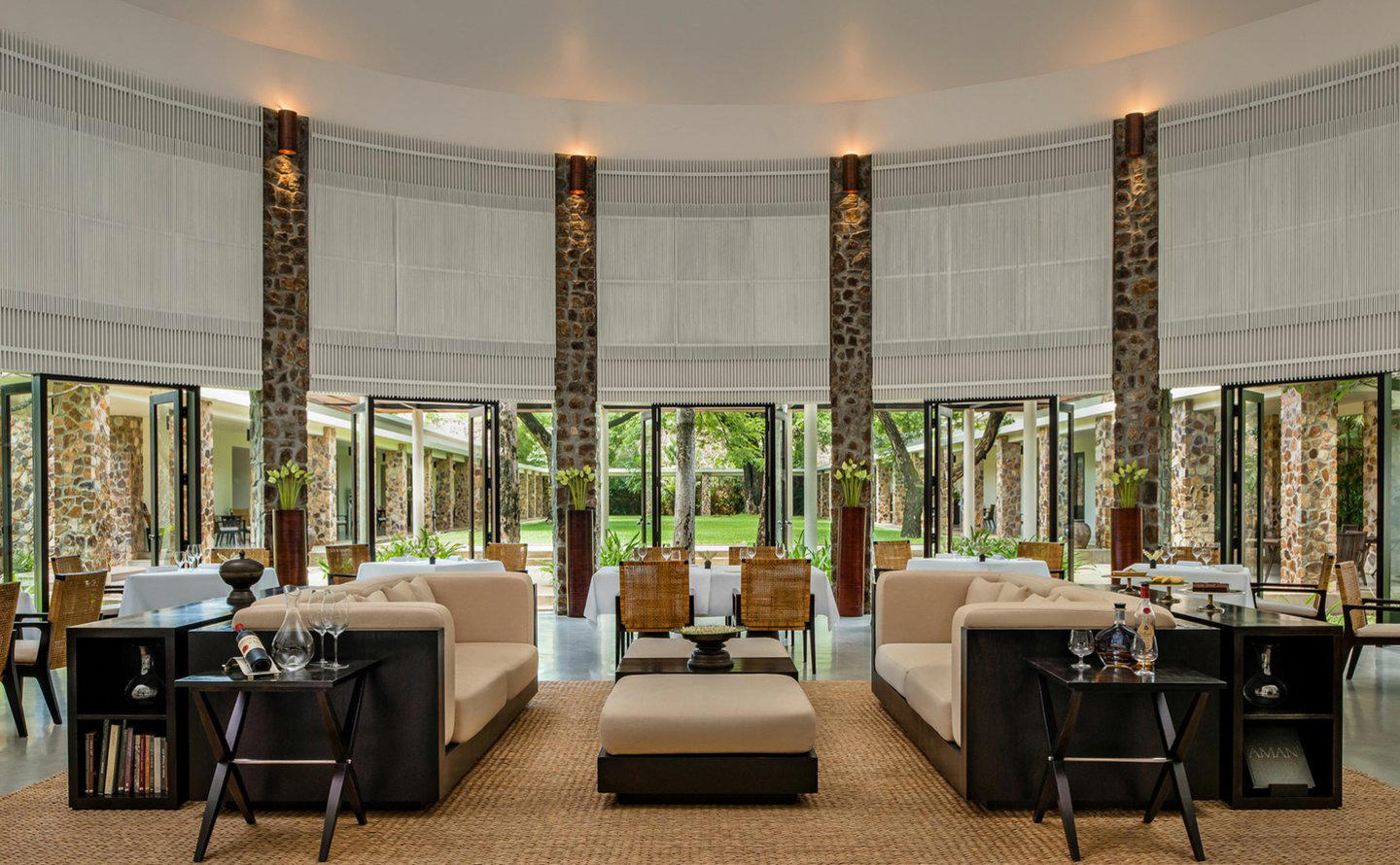
Aaraama Restaurant sits inside that quieter Siem Reap conversation. The useful way to read it is not primarily through trophy-table signalling, because the city has many different dining cues, but as part of the broader dining map where locality and familiar comfort matter. For travelers comparing the city’s restaurant range, some Siem Reap dining rooms represent a more composed end of contemporary cooking, while Baitong and other hotel dining rooms show how polished kitchens frame the city for international guests. Aaraama belongs to the more grounded lane: less about ceremony, more about how a Siem Reap meal can feel when it stays close to its setting.
Siem Reap dining is strongest when the market, not the room, leads
Siem Reap’s serious dining culture is often misunderstood as an Angkor add-on. In practice, the city has become one of Cambodia’s clearest visitor dining bases because it receives travelers with money to spend while remaining close to local supply chains. That tension shapes the experience. Restaurants can lean international, or they can work through local reference points, familiar preparations, and the kinds of meals that feel rooted in the city rather than imported for it.
The ingredient-sourcing question matters here because local cooking loses definition when every edge is softened for visitor comfort. The more convincing Siem Reap tables keep a sense of place visible, even when the room is calm and the service format is relaxed. Aaraama Restaurant is better understood within that category than within the city’s formal fine-dining bracket. Its Siem Reap setting points toward the everyday side of the city’s food economy, where the difference between a forgettable tourist meal and a useful one often comes down to whether the kitchen lets the local context do the work.
That makes it a sensible inclusion for travelers building a broader Siem Reap itinerary rather than chasing a single headline meal. Pairing a relaxed dinner with a more structured local dining format gives a clearer view of the city than repeating hotel dining every night. The contrast is especially sharp against larger, design-led rooms and resort restaurants, where comfort, service choreography, and international pacing often take priority over the less polished edges of the local dining scene.
How to place it within a Siem Reap food itinerary
A useful Siem Reap dining plan needs range. One night can be given to contemporary local cooking, another to a hotel dining room after a long temple day, and another to a lower-key restaurant where the city feels less choreographed. Aaraama fits that third slot. The appeal is not scarcity or award theatre; it is the chance to eat in Siem Reap without asking the restaurant to perform Angkor grandeur at every turn.
Siem Reap is also practical for travelers who want dinner without making the evening feel overplanned. The city works well after late-afternoon sightseeing, when appetite tends to favour something straightforward, comfortable, and easy to fit around the day. In that context, a relaxed local meal has more value than another imported format. Siem Reap has enough global dining to satisfy convenience; its stronger identity appears when kitchens treat local context as the main argument.
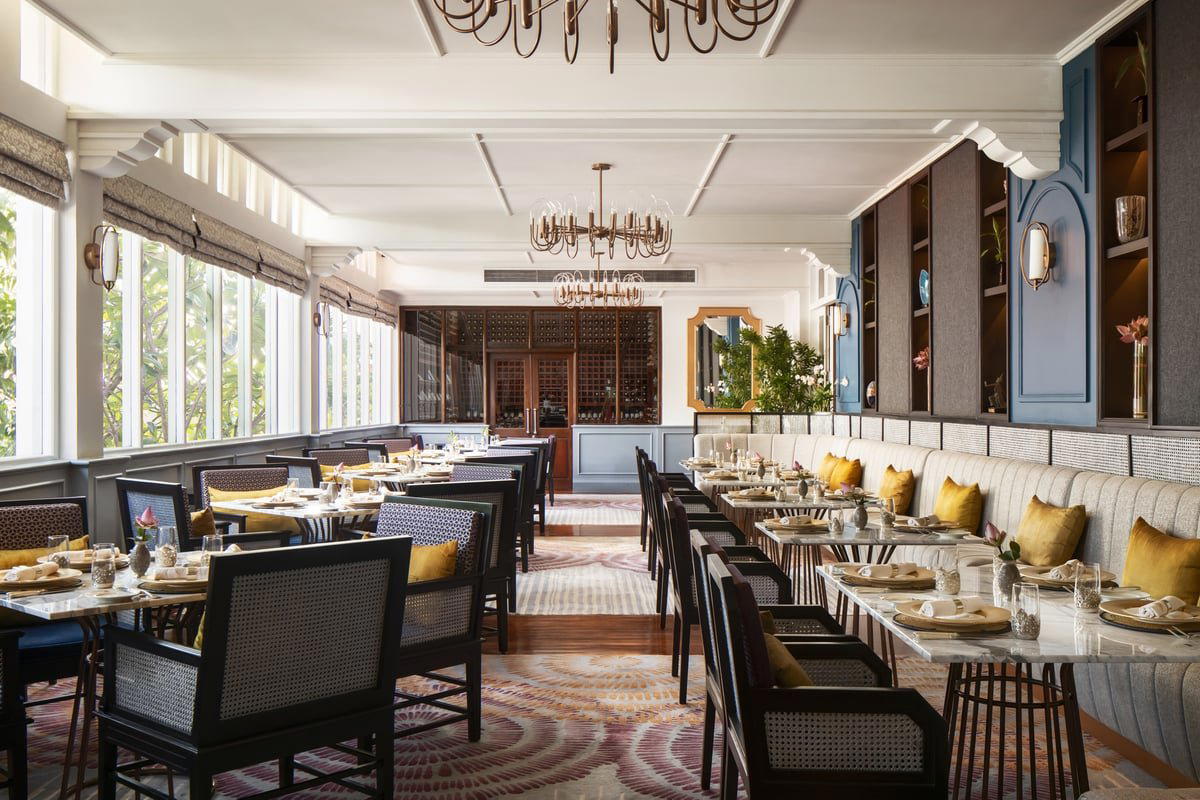
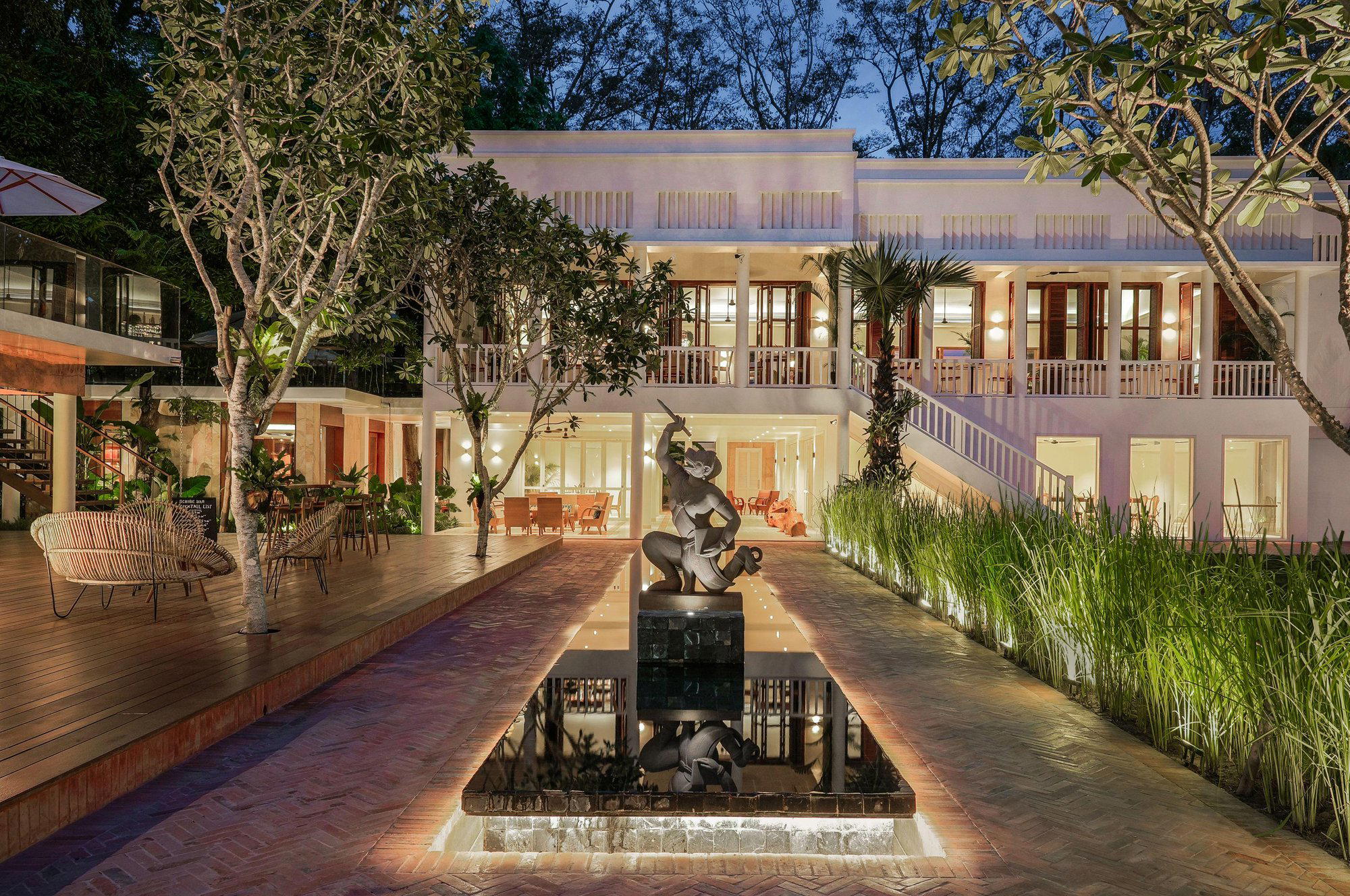
For a wider city read, compare Aaraama with Baitong, FCC Angkor Restaurant, Kroya by Chef Chanrith, and Wa Gallery, alongside other unnamed Siem Reap dining rooms. Those addresses help map how the city splits between local reference, hotel polish, traveler-facing comfort, and more composed destination dining. Beyond any single restaurant, Cambodia’s dining circuit is a useful reminder that the country’s restaurant culture is not a single temple-town story.
The decision: choose it for locality, not ceremony
The stronger case for Aaraama is editorial rather than ornamental. It belongs on an itinerary when the goal is to understand Siem Reap through city context: local dining logic, relaxed pacing, and the soft border between resident dining and traveler dining. It is not the address to choose when the night calls for a high-formality room, a named-chef storyline, or a meal selected mainly for award-led signalling. It is the address to consider when the meal should feel connected to the city around it.
That distinction matters in Siem Reap because the tourism economy can flatten restaurants into interchangeable pre- and post-temple stops. The better approach is to build contrast. Use our full Siem Reap restaurants guide for the dining map, then balance it with our full Siem Reap hotels guide, our full Siem Reap bars guide, our full Siem Reap wineries guide, and our full Siem Reap experiences guide. For readers cross-shopping outside Cambodia, other city guides show a different kind of specificity: narrower formats, tighter product focus, and different urban dining rhythms.
Frequently asked questions
Is Aaraama Restaurant suitable for children?
Aaraama Restaurant is in Siem Reap, which makes it a practical option to consider for mixed-age dining. Without a listed cuisine type or price range, the clearest read is that it suits children best when the meal is kept flexible and unhurried.
What's the overall feel of Aaraama Restaurant?
The setting is Siem Reap, which points to a grounded city dining room rather than a heavily formal destination venue. The overall feel is best read as relaxed and locally connected.
Where is Aaraama Restaurant in Siem Reap?
Siem Reap.
Do I need a reservation for Aaraama Restaurant?
For the smoothest visit, plan ahead and check Aaraama Restaurant’s official channels for the latest booking details, opening times, and any day-to-day changes before you go.
Comparison Snapshot
Comparable venues by cuisine and price in the same metro.
| Venue | Cuisine | Price |
|---|---|---|
| Aaraama RestaurantThis venue — the venue you are viewing | Tapas-style Khmer tasting of Cambodia’s culinary eras | $20–30 |
| FCC Angkor Restaurant | Modern Cambodian & Asian fusion in a colonial villa | $20–30 |
| Baitong | Khmer-Asian Hotel Dining | $10–20 |
Continue exploring
More in Siem Reap
Restaurants in Siem Reap
Browse all →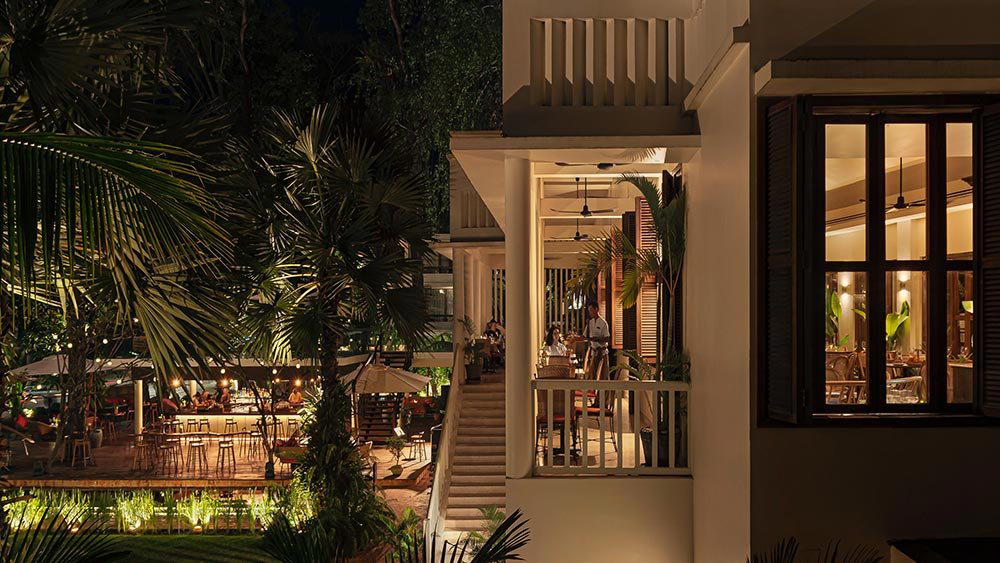
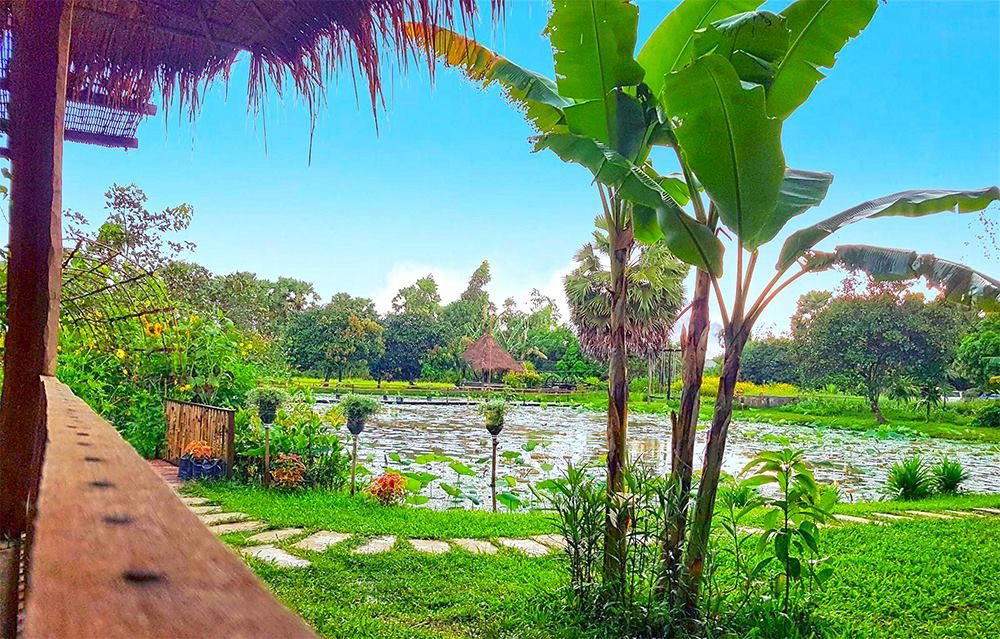
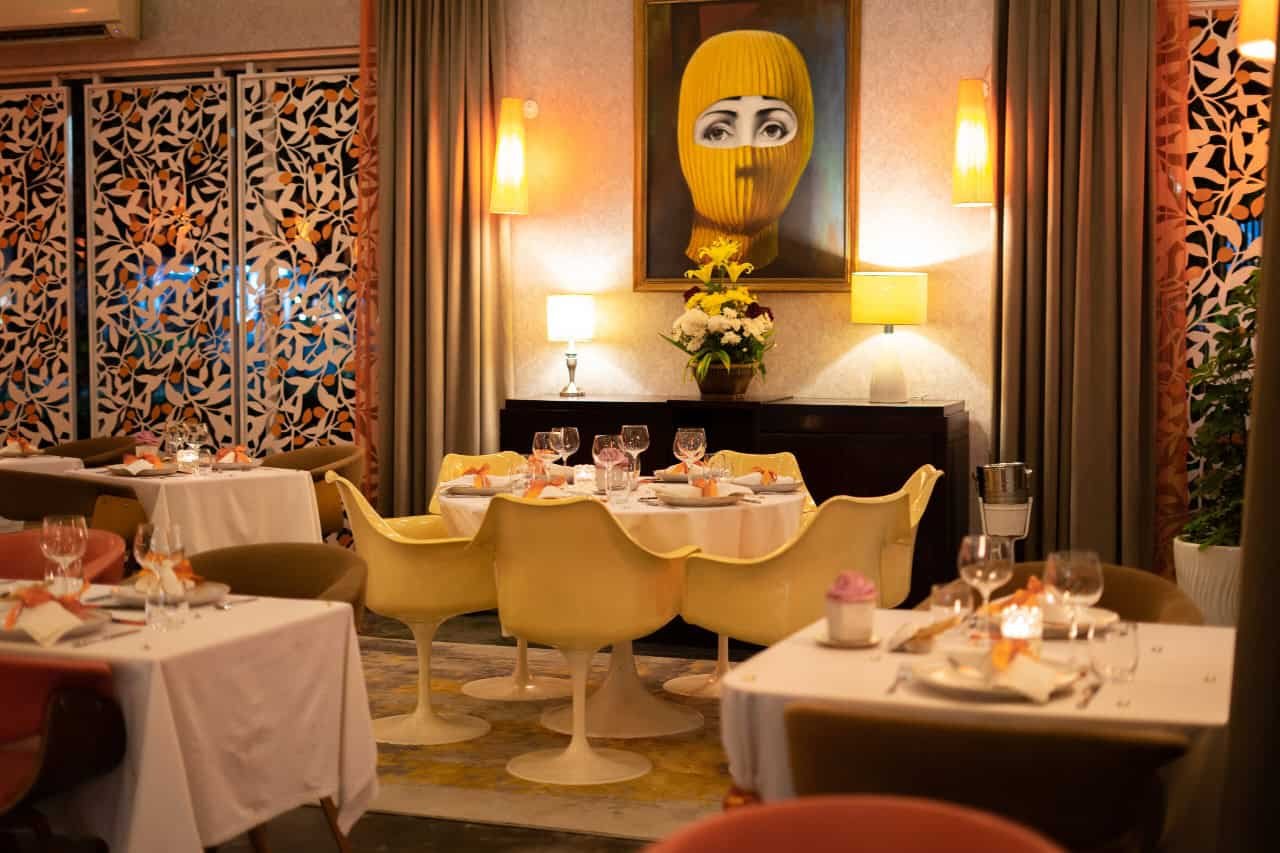
Bars in Siem Reap
Browse all →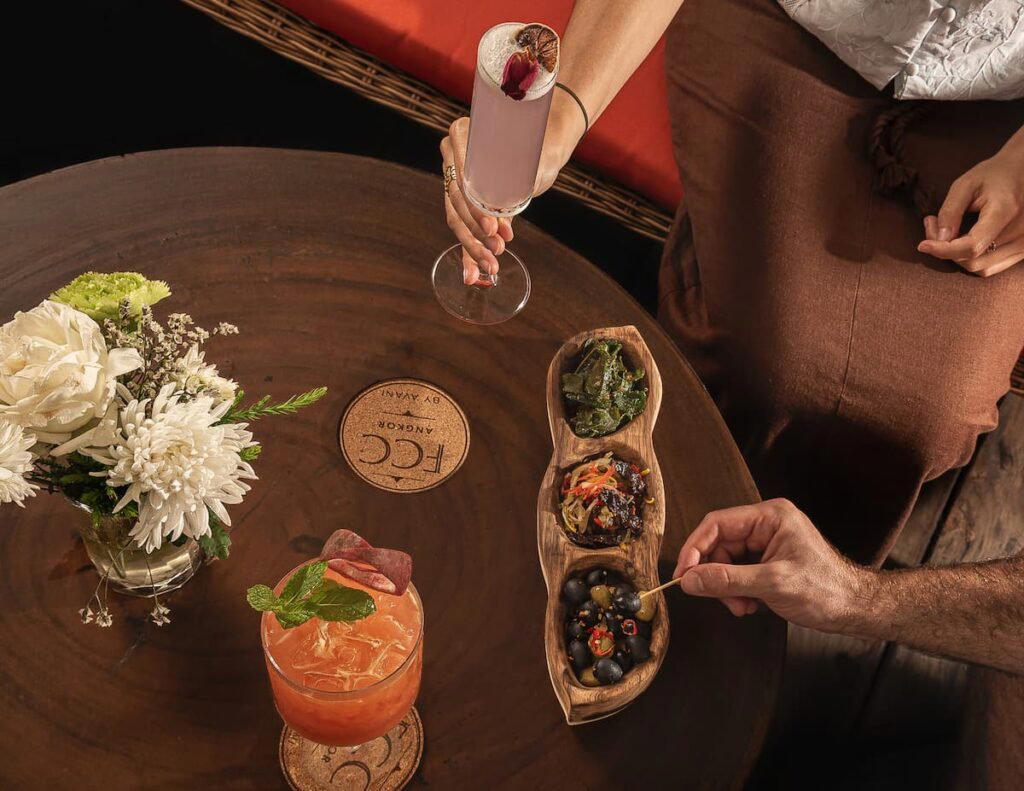
Details
- Scenic
- Elegant
- Romantic
- Classic
- Date Night
- Group Dining
- Celebration
- Special Occasion
- Casual Hangout
- Waterfront
- Garden
- Design Destination
- Hotel Restaurant
- Courtyard
- Local Sourcing
- Waterfront
- Garden
- A La Carte
- Small Plates
- Vegetarian Friendly
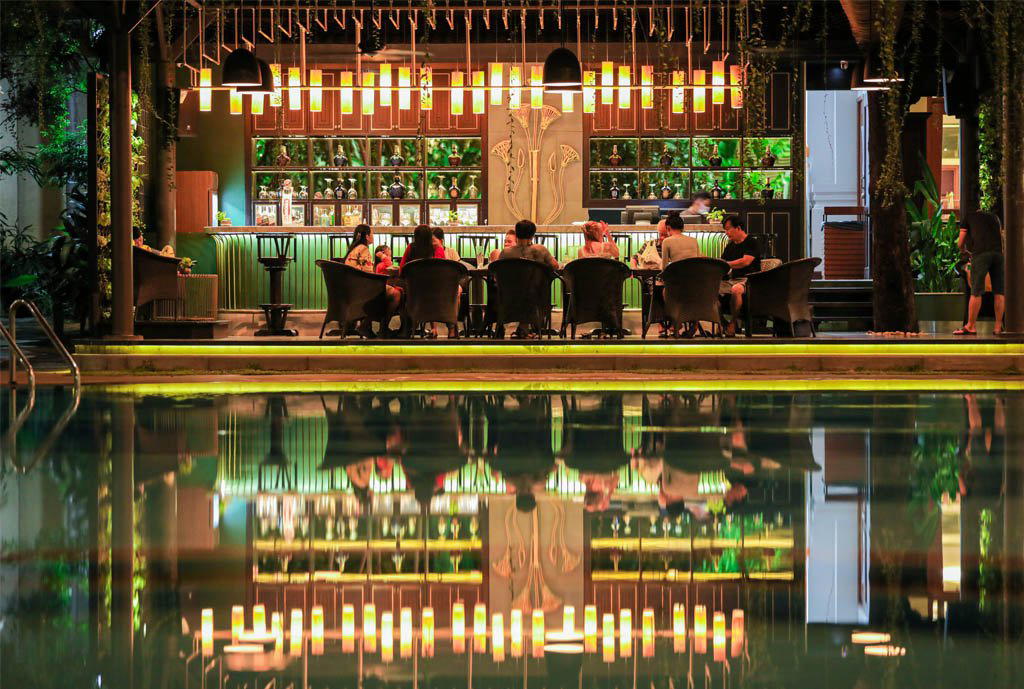
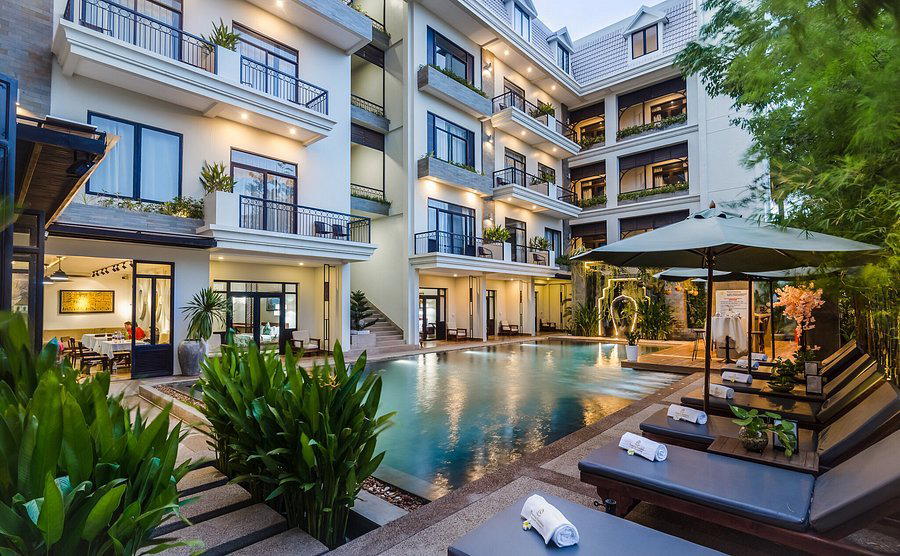
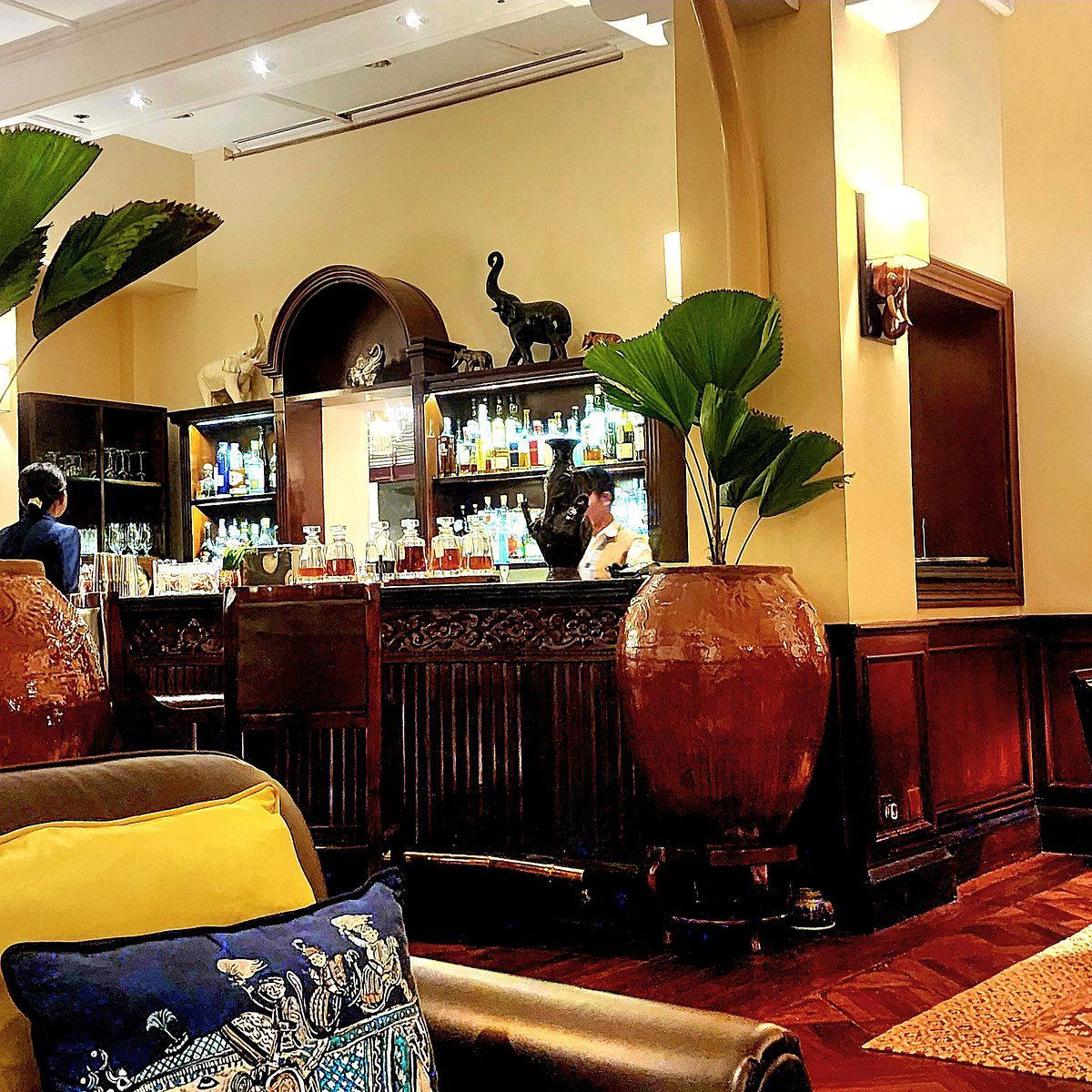
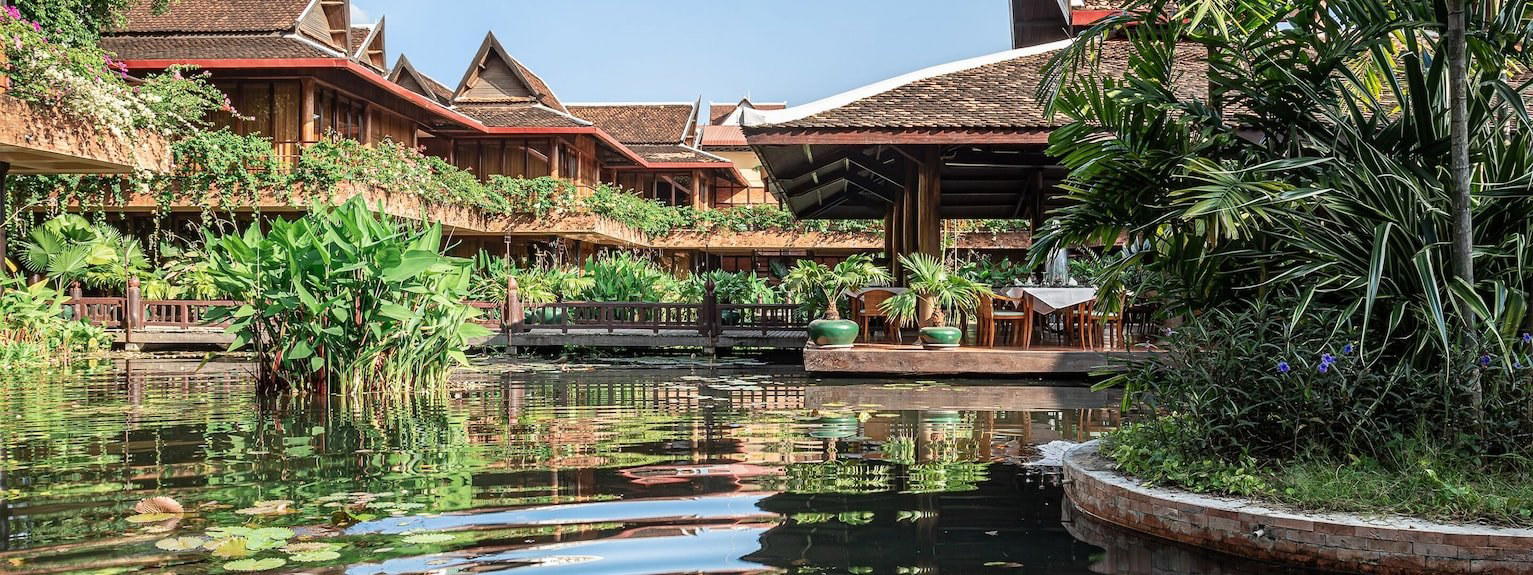
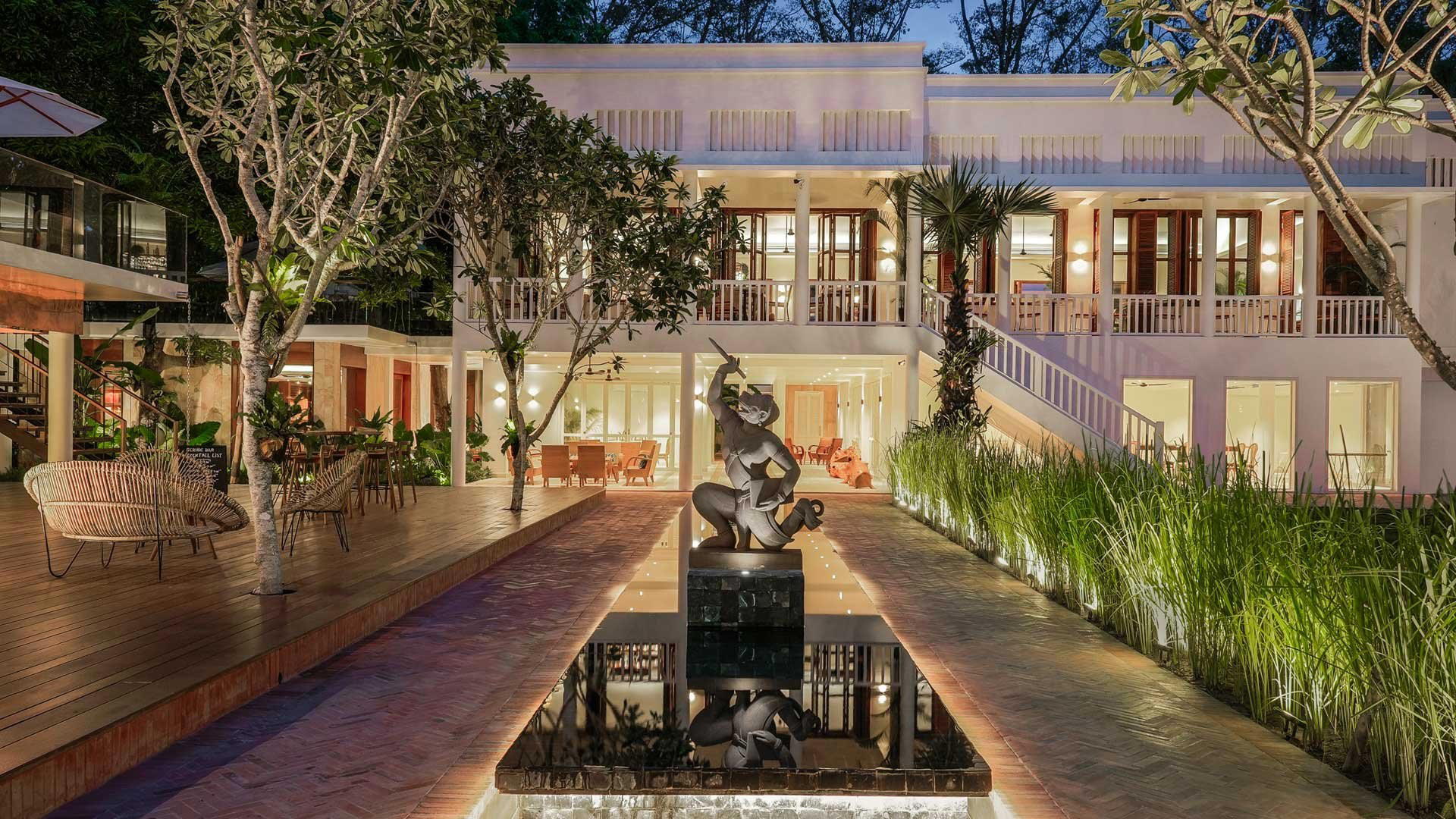
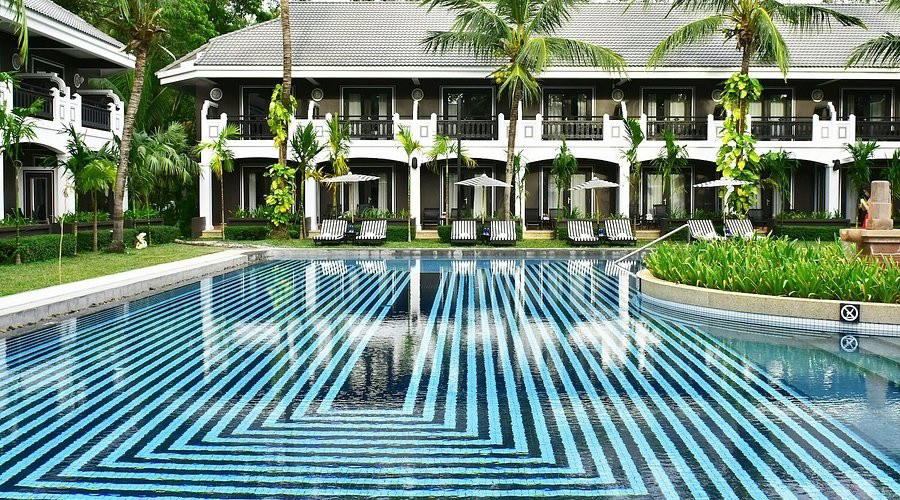
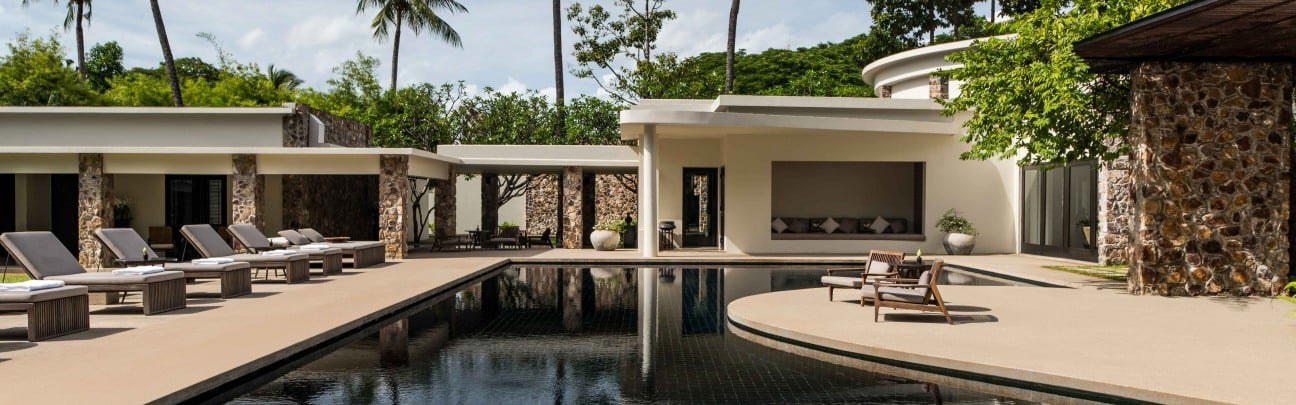
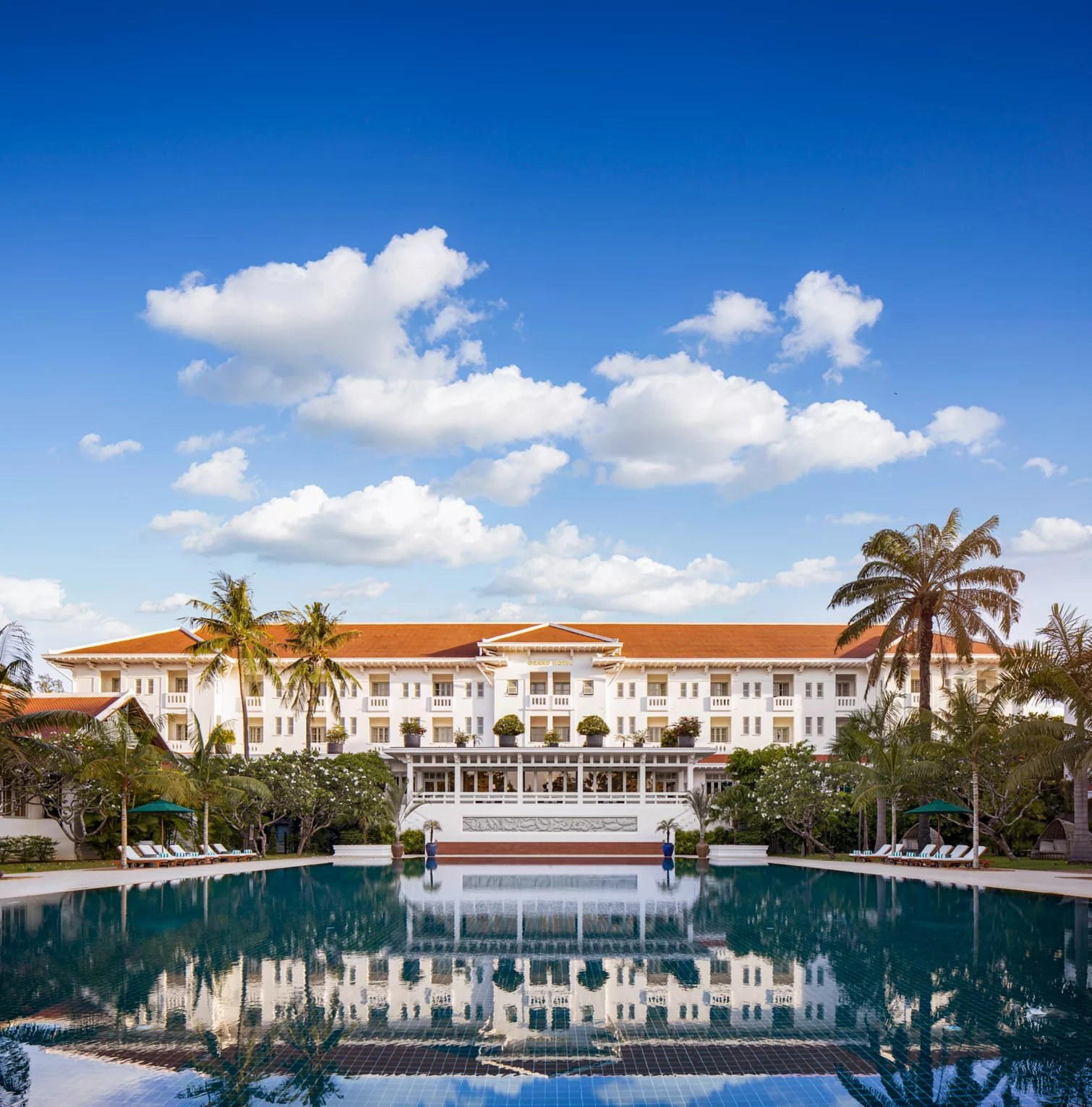
Open-air pavilions set over ponds and lush greenery create a tranquil, romantic setting with a timeless, resort-like feel; lighting and décor are elegant but relaxed rather than formal.