
Our verdict
Where a Year Becomes a Culinary Reference Point In Siem Reap, the more serious dining addresses tend to announce themselves through restraint rather than spectacle. Preah Sihanouk Avenue carries a particular weight in this regard: it is one of the city's better-structured thoroughfares, and the address at Khum 1 places 1932 in a part of town where the built environment still has legibility, where you arrive with some sense of occasion before you even reach the door. The name itself is doing editorial work. Nineteen thirty-two is not an arbitrary number; it anchors the restaurant's identity in a specific moment in Cambodia's culinary and cultural history, a period when French colonial infrastructure and indigenous Khmer tradition were actively in negotiation. That framing matters because it tells you immediately that this is a restaurant interested in provenance, not just in the food on the plate but in the longer arc that brought particular ingredients and techniques into Cambodian cooking in the first place. Ingredient Logic in the Khmer Kitchen The broader conversation about sourcing in Southeast Asian fine dining has accelerated sharply over the past decade. Across the region, a generation of restaurants has moved away from importing prestige ingredients and towards building menus that make a case for local agriculture as a point of distinction rather than compromise. Cambodia is a particularly interesting setting for this shift. The country's rice cultivation traditions are among the oldest and most varied in the region; its river systems produce freshwater fish species that appear in almost no other national cuisine; and its forest-edge farming communities grow aromatics, including varieties of kampot pepper and galangal, that chefs in Paris and Tokyo have begun to seek out specifically. 1932 sits within this ingredient-forward current. The name's historical orientation implies that the sourcing logic is not simply about sustainability optics but about reconstructing or preserving a specific culinary moment, asking what was being grown, caught, and cooked in Cambodia when the country's modern food culture was first being defined. That is a more demanding editorial position than most restaurants in the city attempt, and it places 1932 in a different competitive register than the broader Siem Reap dining scene. For comparison, Cuisine Wat Damnak has long operated on a similar premise, building its tasting menus around weekly-changing local sourcing; Malis takes a more urban, polished approach to Cambodian cuisine. 1932 appears to position itself in the more historically grounded corner of that conversation. Siem Reap's Evolving Fine Dining Tier Siem Reap's restaurant scene has matured considerably since the city's tourism infrastructure expanded around Angkor Wat visitation. For years, the city's dining offer was dominated by tourist-facing Khmer restaurants calibrated for accessibility rather than depth, alongside a handful of international hotel dining rooms. What has emerged more recently is a thinner but more serious layer of destination restaurants treating Cambodian cuisine as a subject worthy of the same analytical and sourcing rigour applied to, say, the New Nordic wave in Europe or the modern Mexican renaissance. Globally, the template for this kind of cuisine-led fine dining has been set by addresses like Osteria Francescana in Modena or Atomix in New York City, where the entire experience is framed through a specific cultural and historical lens. In Siem Reap, that aspiration is younger and the infrastructure is thinner, but the appetite for it is real. Other addresses in the city contribute to this developing tier from different angles. Lum Orng Restaurant in Sla Kram Sangkat and Kroya by Chef Chanrith in Svay Dankum Sangkat are part of the same broader movement toward Cambodian cuisine as a serious fine-dining subject. HAVEN in Sala Kamreuk Sangkat operates with a social enterprise model that connects sourcing to community employment, adding another dimension to the local-ingredient conversation. Taken together, these restaurants suggest that Siem Reap is developing a coherent fine-dining identity rather than simply importing one from elsewhere. Beyond the city, the Cambodian culinary conversation extends further. Jaan Bai Restaurant in Battambang is doing similar work in Cambodia's second city, and Shinta Mani Wild in Kampong Seila approaches Cambodian ingredients from a luxury eco-lodge context. The national picture, in other words, is more varied and more purposeful than a decade ago. Le Royal at The Raffles in Phnom Penh and Iza in Phnom Penh represent the capital's parallel development, while the country's broader food culture increasingly draws interest from travellers who would previously have considered only Bangkok or Ho Chi Minh City for a serious dining itinerary. Planning a Visit 1932 is located at Khum 1, Vithei Preah Sihanouk Avenue, Krong Siem Reap. The address is on one of the city's main arteries and is accessible by tuk-tuk from the Pub Street area and the Old Market district in under ten minutes. For visitors building a broader Siem Reap dining itinerary, the restaurant sits in a part of the city that also supports easy access to the riverside and the temple precinct. A morning at Angkor followed by an evening at a restaurant like 1932 is a logical pairing; the historical framing of both experiences rhymes in a way that feels deliberate rather than coincidental. For a broader caffeine-and-breakfast context before an evening at a restaurant of this register, The Little Red Fox Espresso Cafe in Siem Reap is a reliable option in the same city. Frequently Asked Questions Is 1932 child-friendly?In a city like Siem Reap, where dining out is generally relaxed, most restaurants accommodate families, but a restaurant with 1932's historically framed positioning is likely calibrated for adult diners interested in the cuisine rather than for children.What's the vibe at 1932?If the name and positioning are reliable indicators, the atmosphere is considered and purposeful rather than casual. In Siem Reap's developing fine-dining tier, restaurants in this register tend toward composed, quieter settings; if you are looking for energy and informality, the city's riverside strip offers that more readily.What's the must-try dish at 1932?What the restaurant's Cambodian sourcing focus suggests, however, is that dishes built around river fish, Kampot pepper, and heritage rice varieties would be central to the menu's argument, and those are the categories worth asking about when you book.Do they take walk-ins at 1932?In Siem Reap's growing fine-dining tier, the more intentional restaurants typically prefer reservations, particularly during peak Angkor tourism season from November through February; contacting the venue directly before visiting is the practical approach.What makes 1932 worth seeking out?Go for the premise as much as the plate. A restaurant that anchors its identity in a specific year of Cambodian culinary history is making an argument about provenance and tradition that most restaurants in the city do not attempt. Whether you come from a food perspective or a cultural one, that argument is worth testing in person.How does 1932 fit into Cambodia's wider culinary revival?The restaurant's name-as-historical-thesis places it within a small but growing cohort of Cambodian restaurants treating the country's indigenous food culture as a subject with genuine depth. That cohort includes addresses in both Siem Reap and Phnom Penh, but the Siem Reap examples, with their proximity to Angkor and its centuries of documented food culture, tend to ground their sourcing arguments in archaeology as much as agriculture. For a cuisine that was actively suppressed and disrupted during the Khmer Rouge period, restaurants that recover and reframe pre-colonial and early-colonial Cambodian food traditions are performing a function that goes beyond hospitality.

Pearl is the En Primeur Club membership app — saves, bookings, and concierge access live there. Same editors, same standards.
- Address
- Khum, 1 Vithei Preah Sihanouk Ave, Krong Siem Reap 17251, Cambodia
- Phone
- +855 63 963 888
- Hours
- Daily 6:30–10:30 PM
- Website
- restaurants.accorhotels.com
- Directions
- Get directions
The menu
What to order
- 1932 Fish Amok
- Braised Wagyu Beef Cheeks
- Chay Yor Bampong
- Phlea Salmon
Where a Year Becomes a Culinary Reference Point
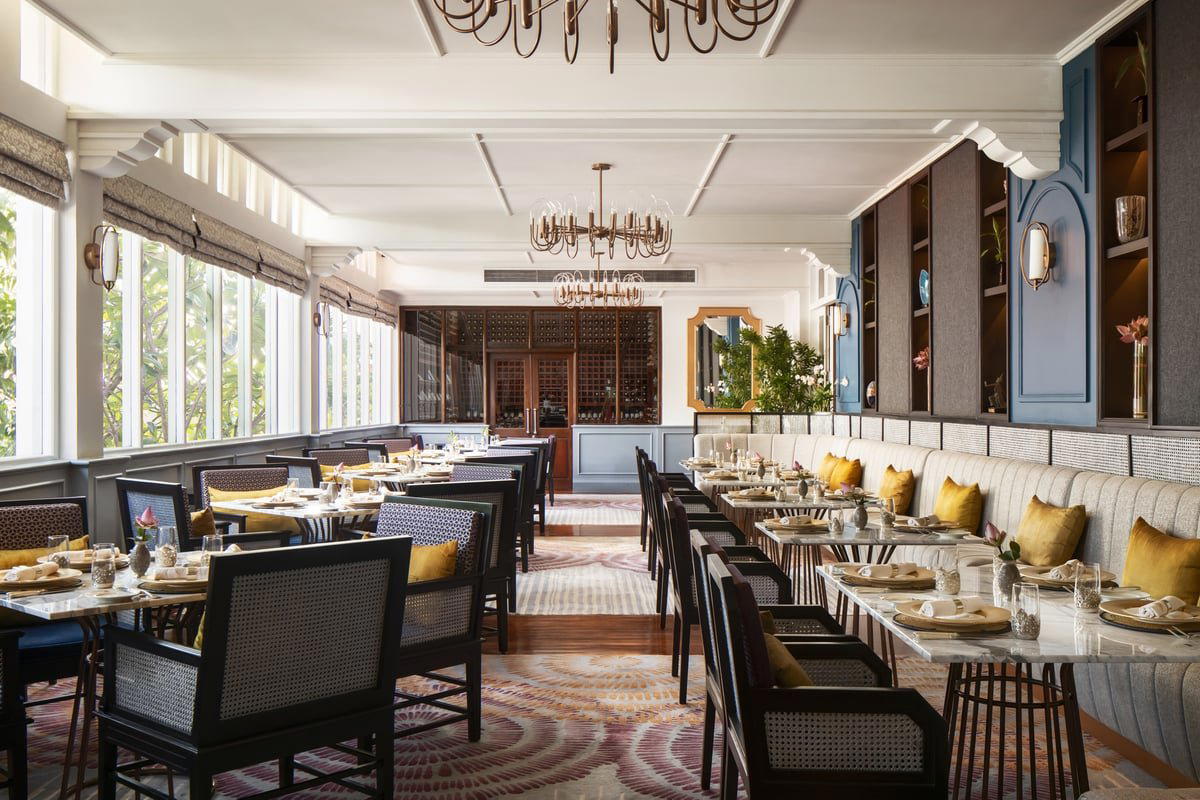
In Siem Reap, the more serious dining addresses tend to announce themselves through restraint rather than spectacle. Preah Sihanouk Avenue carries a particular weight in this regard: it is one of the city's better-structured thoroughfares, and the address at Khum 1 places 1932 in a part of town where the built environment still has legibility, where you arrive with some sense of occasion before you even reach the door. The name itself is doing editorial work. Nineteen thirty-two is not an arbitrary number; it anchors the restaurant's identity in a specific moment in Cambodia's culinary and cultural history, a period when French colonial infrastructure and indigenous Khmer tradition were actively in negotiation. That framing matters because it tells you immediately that this is a restaurant interested in provenance, not just in the food on the plate but in the longer arc that brought particular ingredients and techniques into Cambodian cooking in the first place.
Ingredient Logic in the Khmer Kitchen
The broader conversation about sourcing in Southeast Asian fine dining has accelerated sharply over the past decade. Across the region, a generation of restaurants has moved away from importing prestige ingredients and towards building menus that make a case for local agriculture as a point of distinction rather than compromise. Cambodia is a particularly interesting setting for this shift. The country's rice cultivation traditions are among the oldest and most varied in the region; its river systems produce freshwater fish species that appear in almost no other national cuisine; and its forest-edge farming communities grow aromatics, including varieties of kampot pepper and galangal, that chefs in Paris and Tokyo have begun to seek out specifically.
1932 sits within this ingredient-forward current. The name's historical orientation implies that the sourcing logic is not simply about sustainability optics but about reconstructing or preserving a specific culinary moment, asking what was being grown, caught, and cooked in Cambodia when the country's modern food culture was first being defined. That is a more demanding editorial position than most restaurants in the city attempt, and it places 1932 in a different competitive register than the broader Siem Reap dining scene. For comparison, Cuisine Wat Damnak has long operated on a similar premise, building its tasting menus around weekly-changing local sourcing; Malis takes a more urban, polished approach to Cambodian cuisine. 1932 appears to position itself in the more historically grounded corner of that conversation.
Siem Reap's Evolving Fine Dining Tier
Siem Reap's restaurant scene has matured considerably since the city's tourism infrastructure expanded around Angkor Wat visitation. For years, the city's dining offer was dominated by tourist-facing Khmer restaurants calibrated for accessibility rather than depth, alongside a handful of international hotel dining rooms. What has emerged more recently is a thinner but more serious layer of destination restaurants treating Cambodian cuisine as a subject worthy of the same analytical and sourcing rigour applied to, say, the New Nordic wave in Europe or the modern Mexican renaissance. Globally, the template for this kind of cuisine-led fine dining has been set by addresses like Osteria Francescana in Modena or Atomix in New York City, where the entire experience is framed through a specific cultural and historical lens. In Siem Reap, that aspiration is younger and the infrastructure is thinner, but the appetite for it is real.
Other addresses in the city contribute to this developing tier from different angles. Lum Orng Restaurant in Sla Kram Sangkat and Kroya by Chef Chanrith in Svay Dankum Sangkat are part of the same broader movement toward Cambodian cuisine as a serious fine-dining subject. HAVEN in Sala Kamreuk Sangkat operates with a social enterprise model that connects sourcing to community employment, adding another dimension to the local-ingredient conversation. Taken together, these restaurants suggest that Siem Reap is developing a coherent fine-dining identity rather than simply importing one from elsewhere.
Beyond the city, the Cambodian culinary conversation extends further. Jaan Bai Restaurant in Battambang is doing similar work in Cambodia's second city, and Shinta Mani Wild in Kampong Seila approaches Cambodian ingredients from a luxury eco-lodge context. The national picture, in other words, is more varied and more purposeful than a decade ago. Le Royal at The Raffles in Phnom Penh and Iza in Phnom Penh represent the capital's parallel development, while the country's broader food culture increasingly draws interest from travellers who would previously have considered only Bangkok or Ho Chi Minh City for a serious dining itinerary.
Planning a Visit
1932 is located at Khum 1, Vithei Preah Sihanouk Avenue, Krong Siem Reap. The address is on one of the city's main arteries and is accessible by tuk-tuk from the Pub Street area and the Old Market district in under ten minutes. For visitors building a broader Siem Reap dining itinerary, the restaurant sits in a part of the city that also supports easy access to the riverside and the temple precinct. A morning at Angkor followed by an evening at a restaurant like 1932 is a logical pairing; the historical framing of both experiences rhymes in a way that feels deliberate rather than coincidental. For a broader caffeine-and-breakfast context before an evening at a restaurant of this register, The Little Red Fox Espresso Cafe in Siem Reap is a reliable option in the same city.
Frequently asked questions
Is 1932 child-friendly?
What's the vibe at 1932?
What's the must-try dish at 1932?
Do they take walk-ins at 1932?
What makes 1932 worth seeking out?
How does 1932 fit into Cambodia's wider culinary revival?
Recognition history
Dated appearances from independent guides and award organizations, with the underlying list record or original source where available.
World Culinary Awards Cambodia's Best Hotel Restaurant 2025 #1
World Culinary Awards
Continue exploring
More in Siem Reap
Restaurants in Siem Reap
Browse all →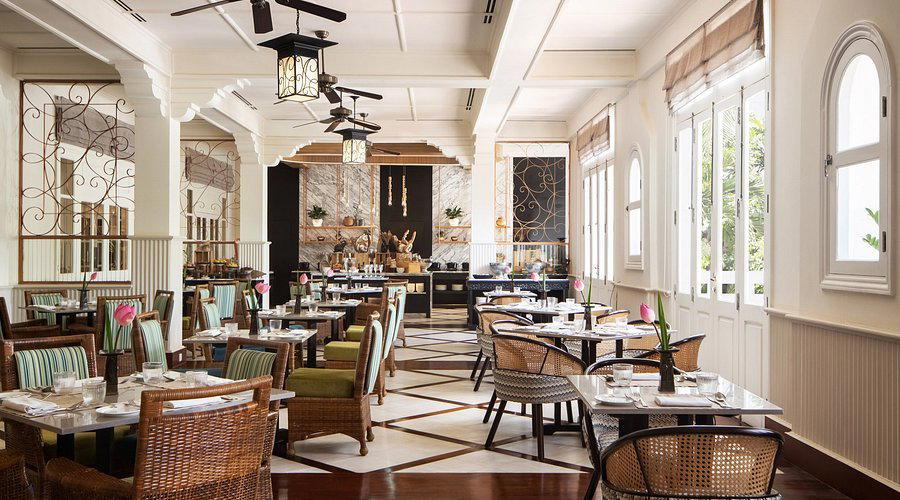
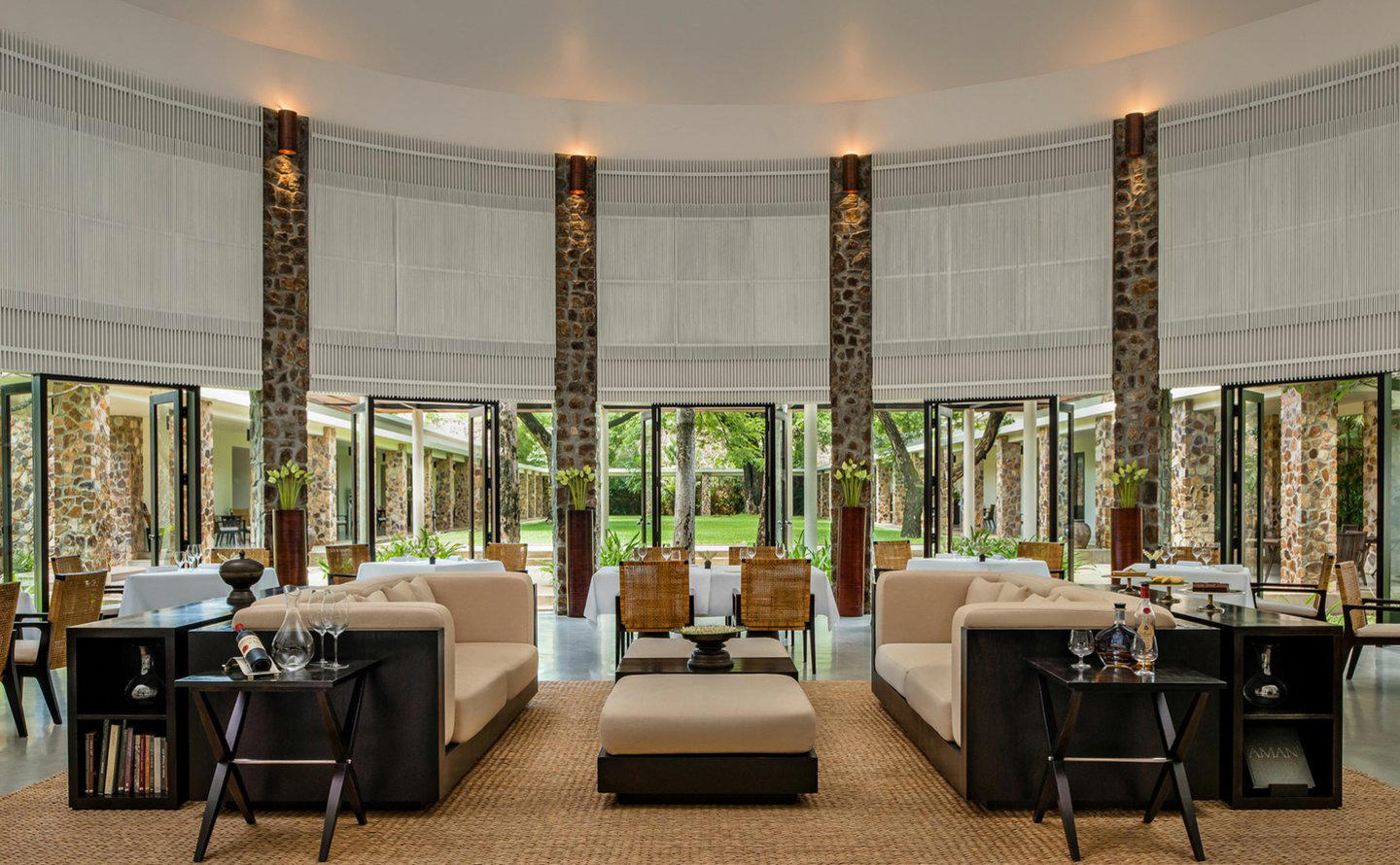
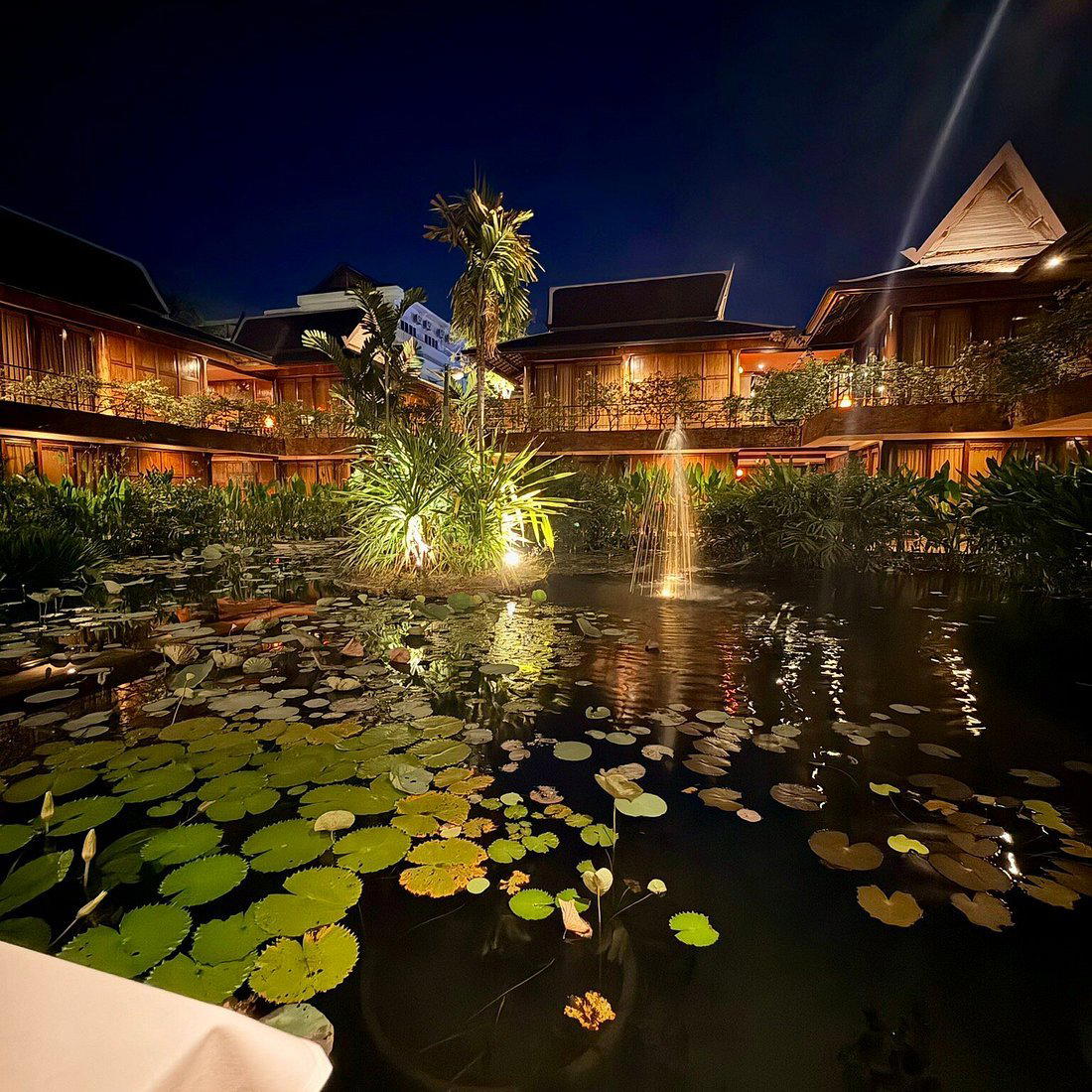
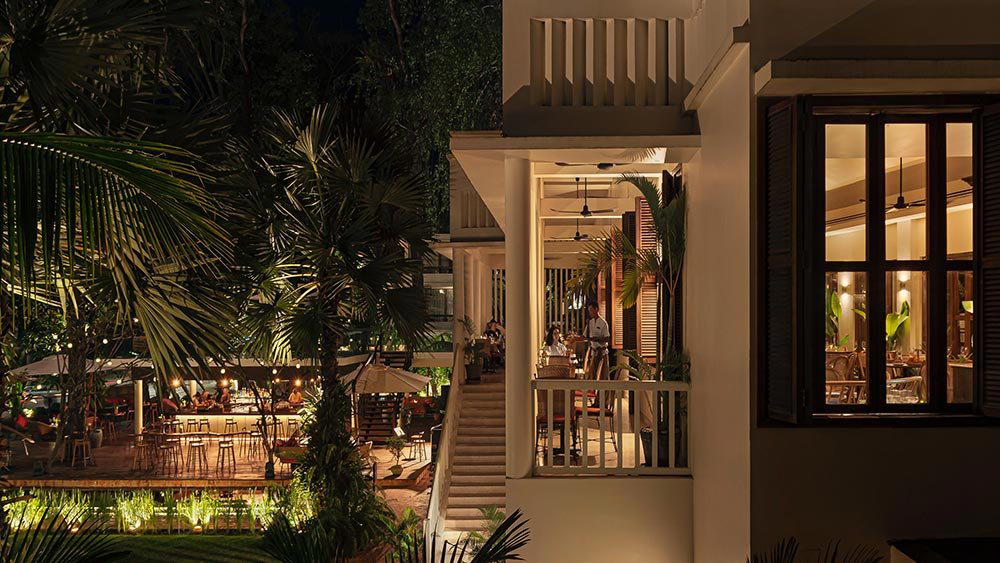
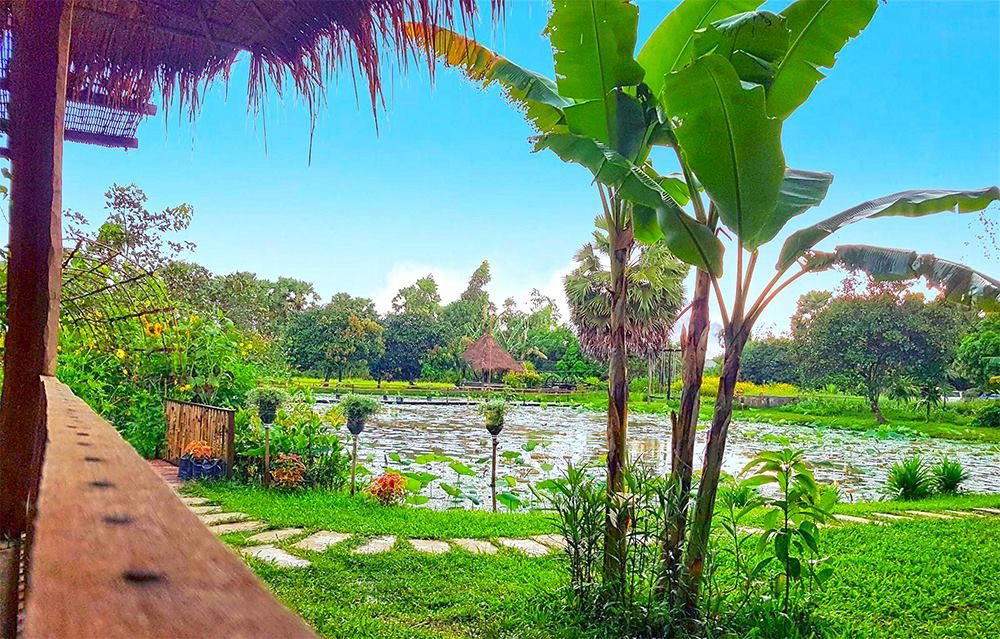
Bars in Siem Reap
Browse all →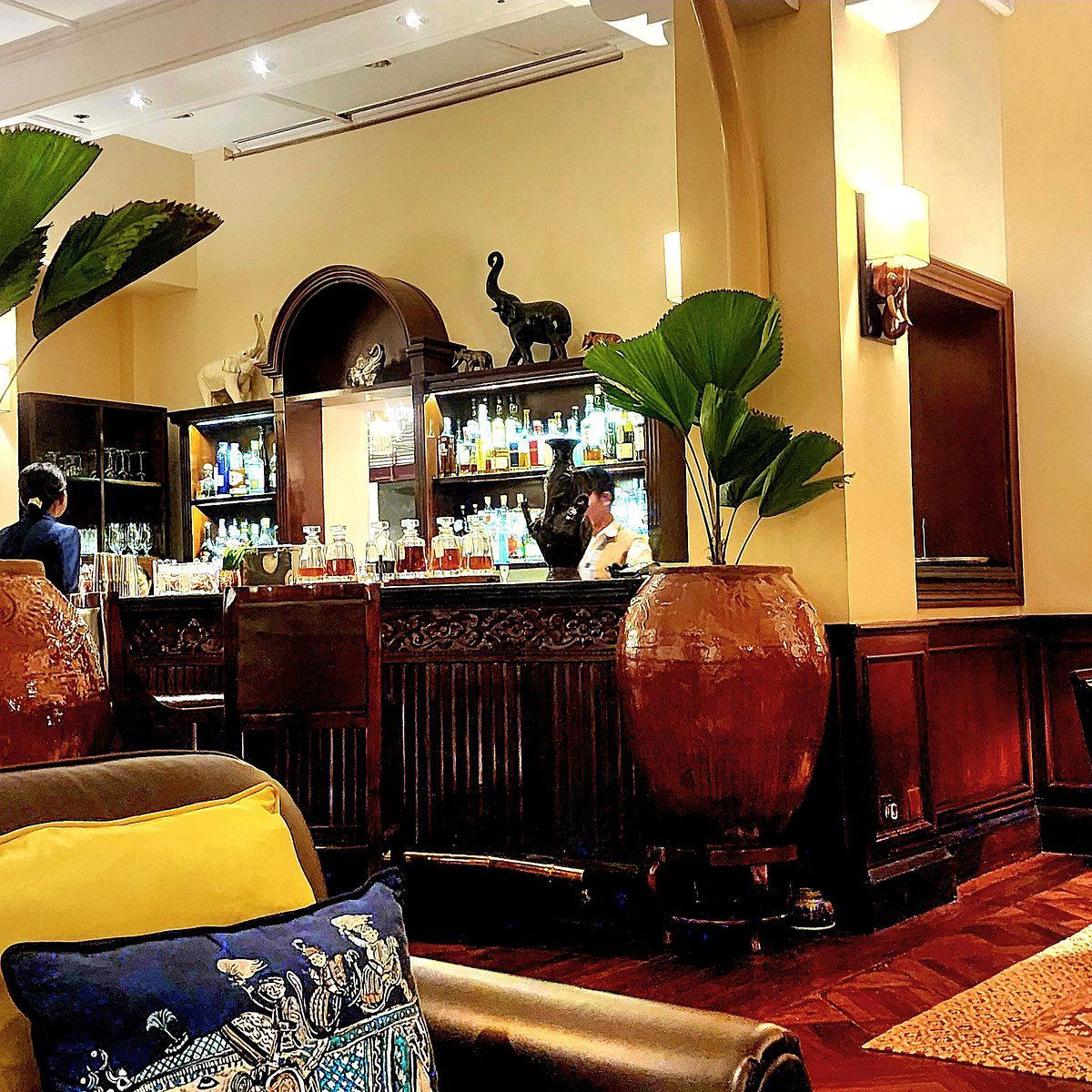
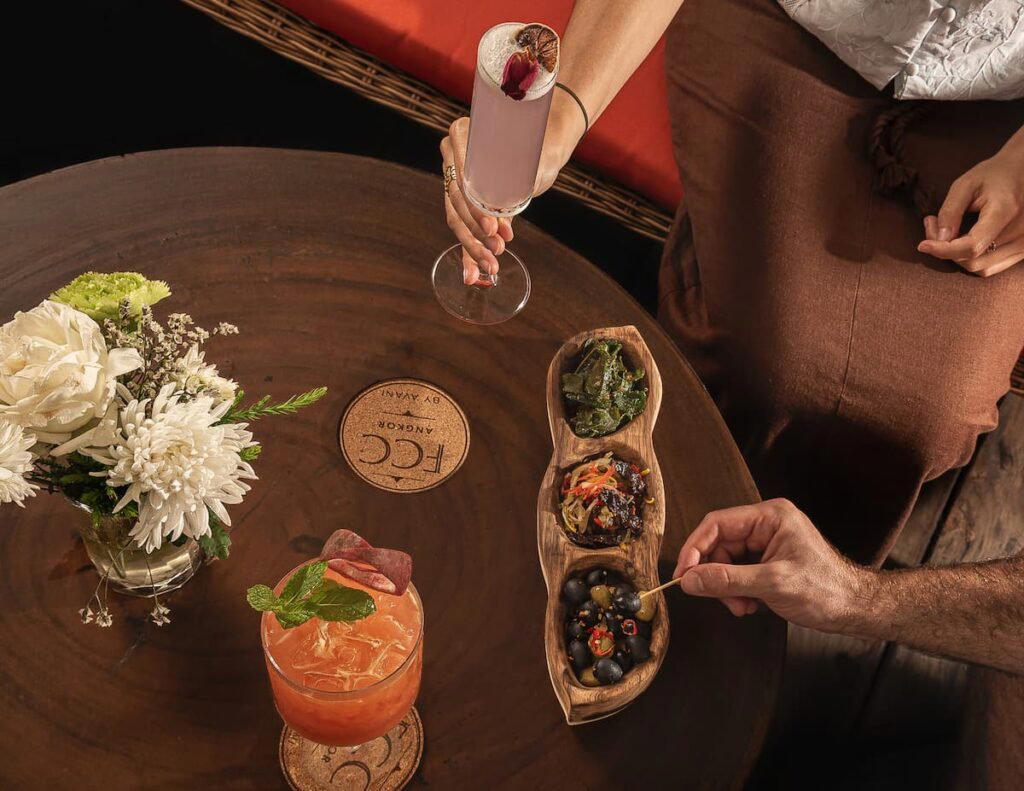
1932
The wine
- Wine program
- Exceptional wine program
- Extensive wine list
- Sommelier-led
Details
- Elegant
- Sophisticated
- Classic
- Ornate
- Intimate
- Special Occasion
- Date Night
- Celebration
- Hotel Restaurant
- Historic Building
- Extensive Wine List
- Sommelier Led
- Local Sourcing
- Tasting Menu
- Prix Fixe
- Wine Pairings
- Vegetarian Friendly
Current opening hours
- Monday
- 6:30–10:30 PM
- Tuesday
- 6:30–10:30 PM
- Wednesday
- 6:30–10:30 PM
- Thursday
- 6:30–10:30 PM
- Friday
- 6:30–10:30 PM
- Saturday
- 6:30–10:30 PM
- Sunday
- 6:30–10:30 PM
Hours can change for holidays and private events. Last verified .
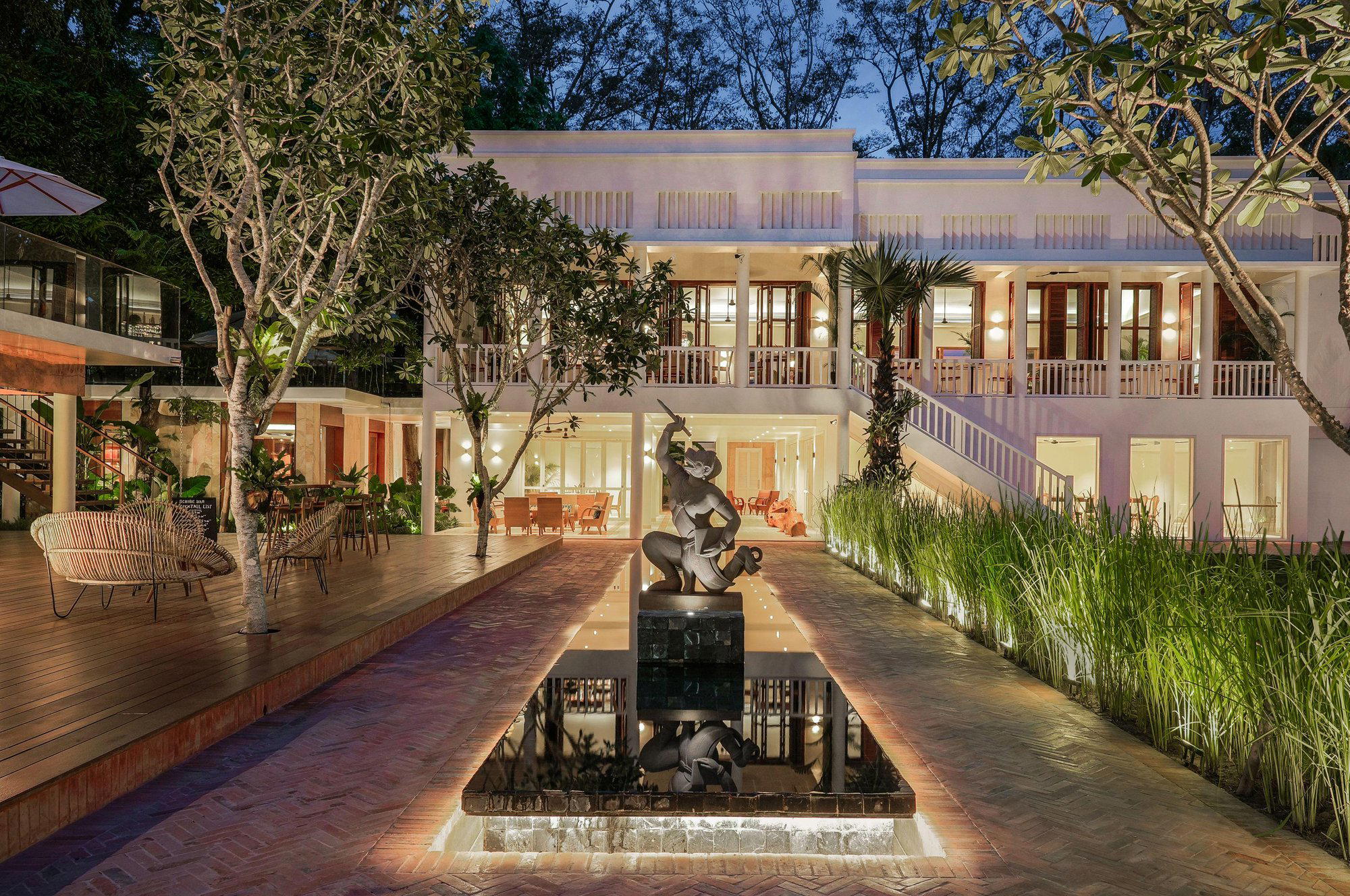
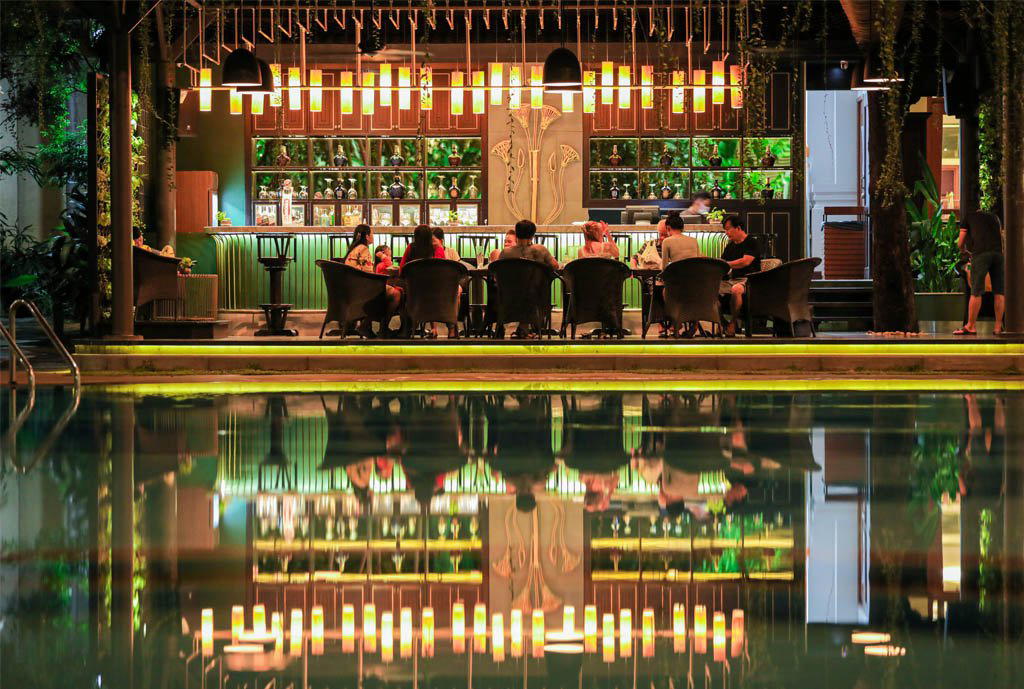
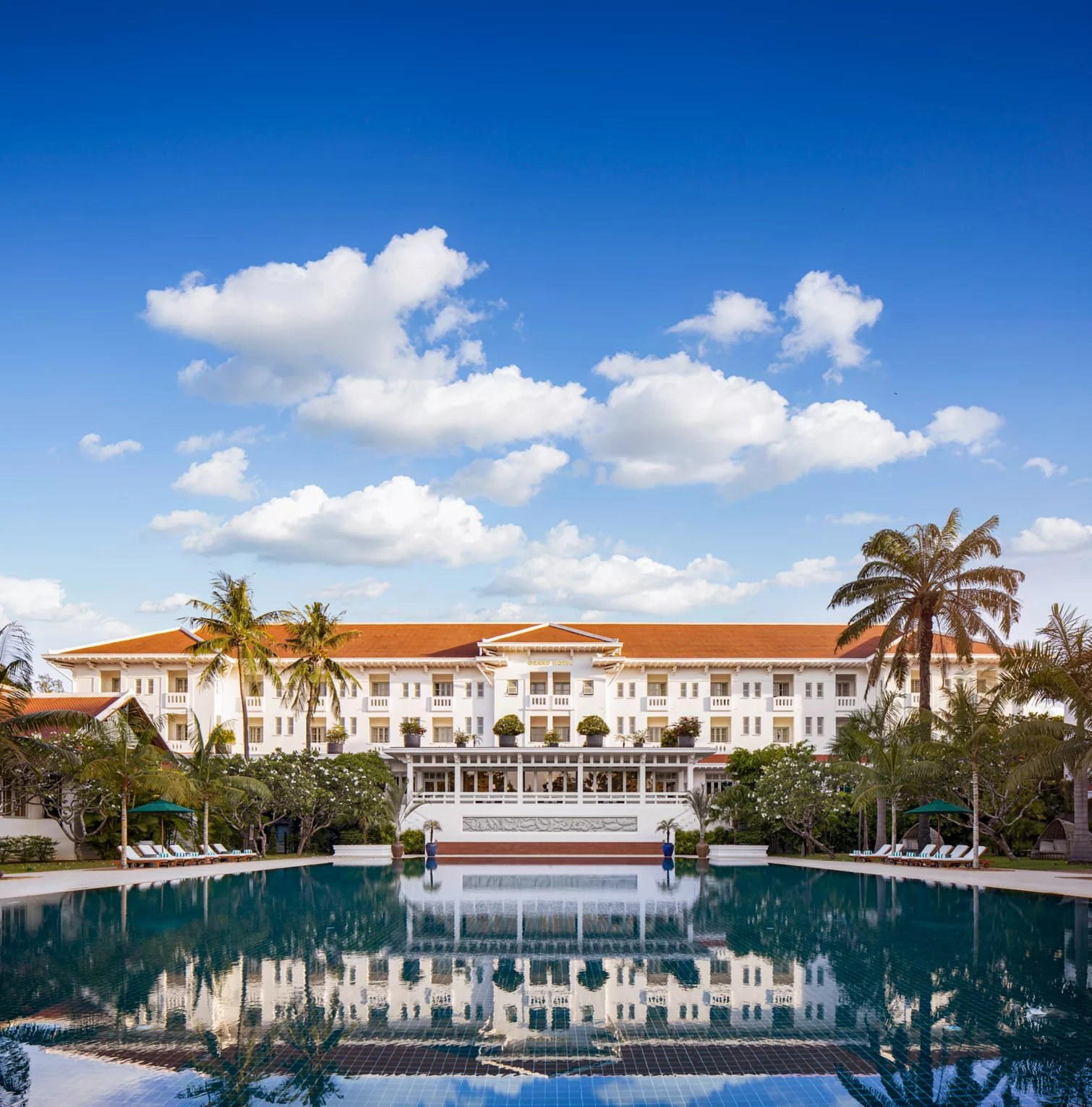
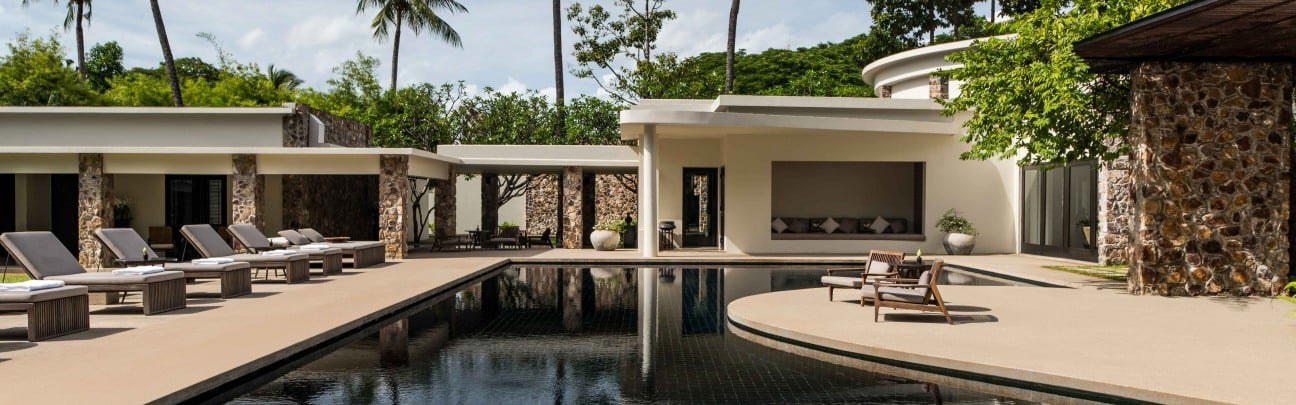
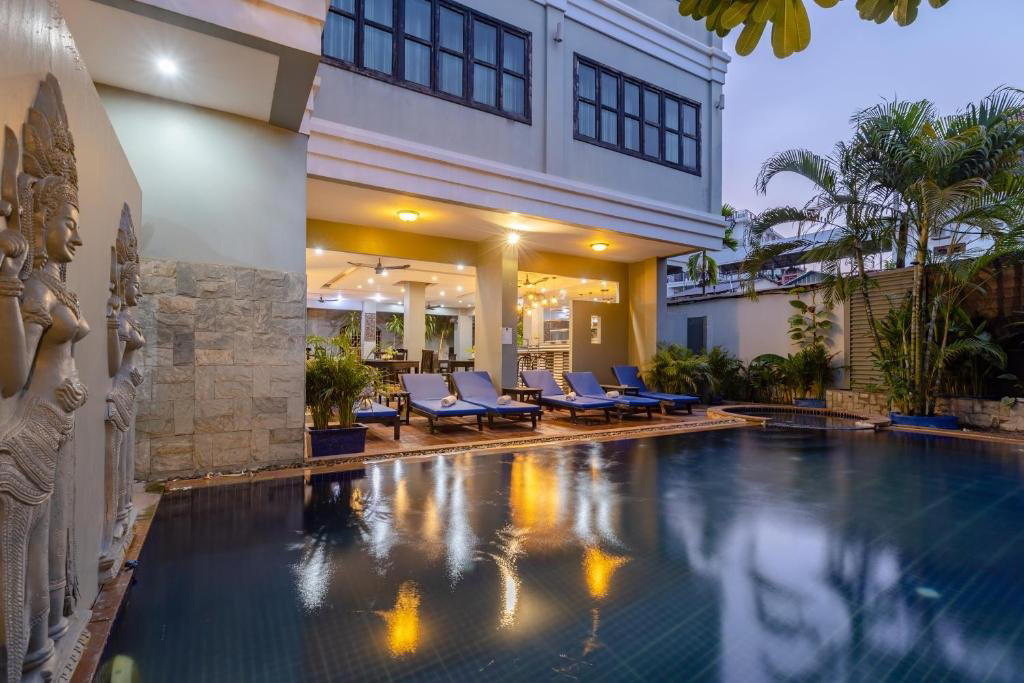
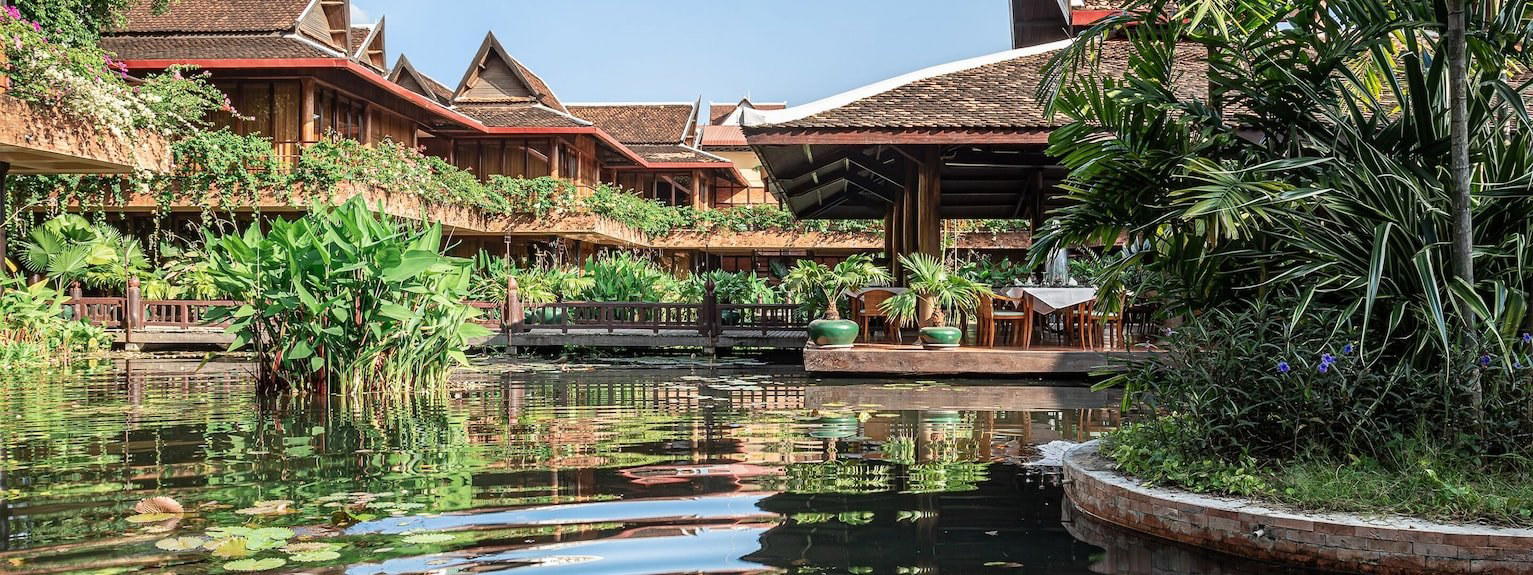
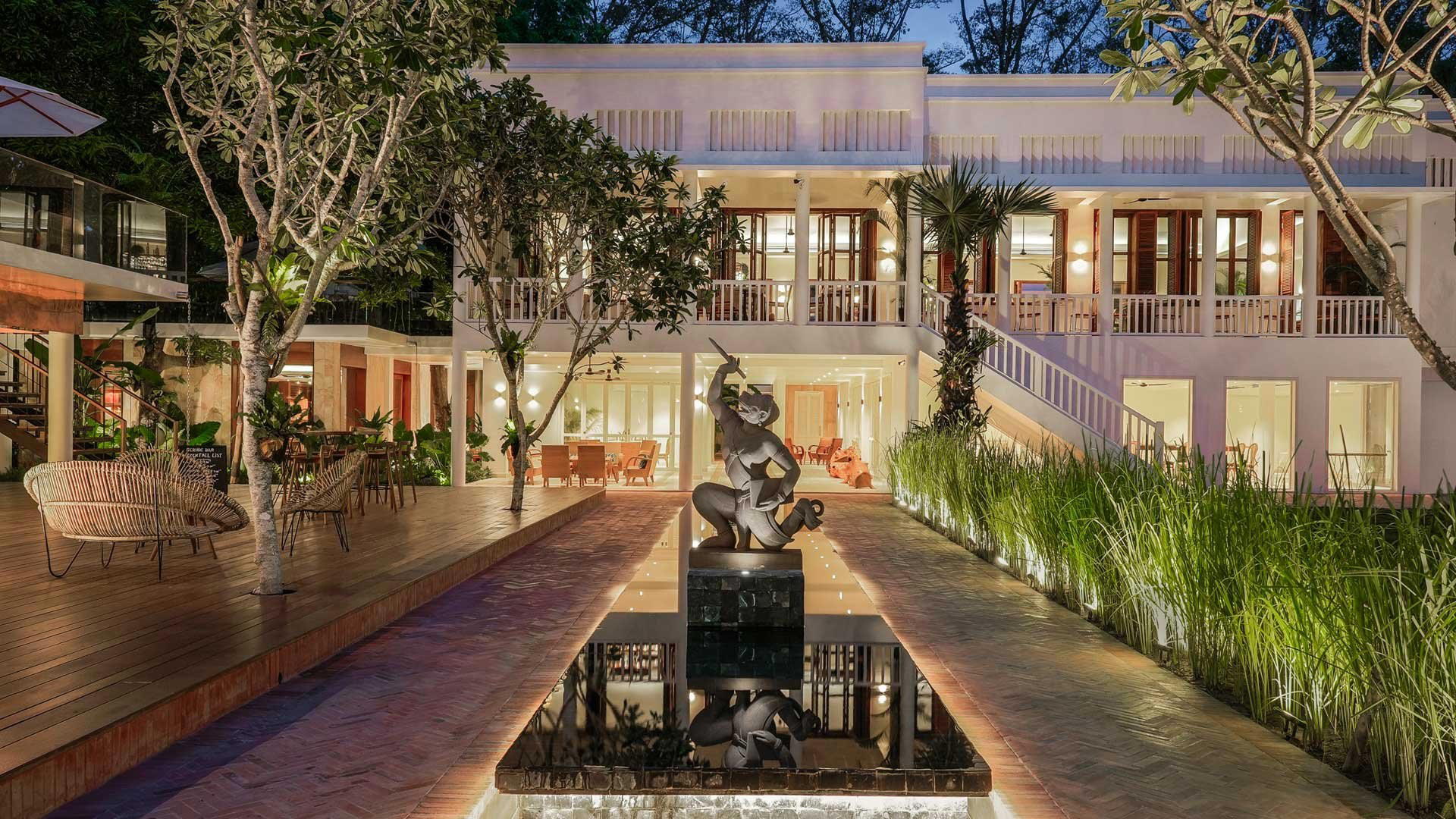
Enchanting and timelessly elegant with chandeliers, ceiling fans, and candelabras, creating a hushed and refined colonial atmosphere.