
Tabelog 100 #99
Our verdict
Ludens sits in Kyoto’s small but serious Italian-innovative tier, where the city’s produce culture meets a structured tasting-menu sensibility. Recognition in Tabelog 100 Italian WEST 2025 and a compact dining room make it a focused choice for diners comparing Kyoto’s non-washoku options beyond the temple-district circuit.

Pearl is the En Primeur Club membership app, where members save venues, book tables and use the concierge.
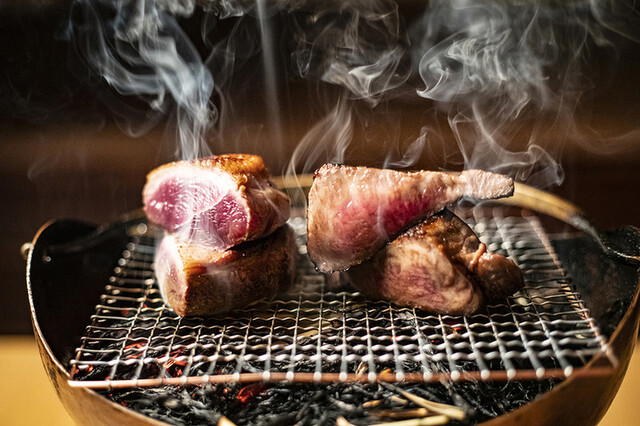
The menu
What to order
- Yojo soup (nourishing house soup)
- Seasonal yakuzen course menu
- Medicinal herbal tea pairing
- Yoji nabe nourishing hot pot
Kyoto’s quieter restaurant rooms often make their point before the first course. In Kyoto, the approach is measured rather than theatrical: a restaurant experience built around restraint, careful pacing, and a menu identity that reads less like a generic import than a Kyoto conversation with Italian structure. The distinction matters. Kyoto treats seasonality as discipline, not decoration, and its stronger non-Japanese restaurants succeed when they absorb that rhythm rather than simply imitate elsewhere.
Ludens sits in that narrower lane: Italian, innovative, and creative by category. Its Tabelog Hyakumeiten recognition for 2025 gives it a public benchmark in a region where Italian dining ranges from casual cooking to more controlled premium formats. For travelers using our full Kyoto restaurants guide, the point of difference is clear: Kyoto’s Italian scene is not only pasta and wine bars, but how local restraint changes the grammar of a Western menu.
Kyoto Italian filtered through a tasting-menu discipline
The menu architecture is part of the story. Rather than treating the meal as a simple choice between familiar signatures, the experience sits closer to Kyoto’s controlled dining culture, where pacing, portion size, and ingredient sequence can matter as much as individual plates. That puts Ludens in conversation with the city’s broader habit of restraint without making it something it is not. The Italian reference points remain, but selectively, with the restaurant’s innovative and creative categories framing the experience.
This is where Kyoto rewards precision. In larger Italian scenes, innovation often announces itself through technique or imported luxury. In Kyoto, the persuasive version is quieter: a meal structure that lets seasonality and restrained seasoning work. Ludens has built its reputation in that category, helped by the Tabelog Hyakumeiten 2025 selection and a format that feels considered rather than casual. It is not a casual Italian detour; it is a planned meal for diners who want Kyoto’s seasonal intelligence applied outside orthodox local dining.
That position makes comparisons delicate. Cucina Italiana Todo, Zucchero, HUNTER, and Tsuroku each help sketch the range of serious and more relaxed dining choices around Kyoto without reducing Ludens to a simple peer match. Ludens is closer to the cross-current between categories than to a simple trattoria model. The useful question is not whether it is “authentic” Italian, but whether Italian structure clarifies a Kyoto dining experience.
A measured room changes the meal's tempo
Focused restaurants are not automatically better, but they change the terms of a meal. Here, the appeal is the rhythm of a serious Kyoto dining room rather than the looseness of a neighborhood drop-in. The kitchen can run a measured sequence, the room can stay attentive, and attention remains on progression rather than menu navigation. In Kyoto, serious meals are often judged by transitions: how one course resets the palate, how drinks sit alongside the food, how the closing cadence avoids excess.
The setting also fits a Kyoto pattern visitors can miss. Ambitious dining is not confined to the city’s most obvious addresses; much of it sits within Kyoto’s quieter fabric, where the exterior may give little away. That does not make a restaurant obscure, but it changes reservation and arrival culture. Kyoto suits this style because its eating, drinking, and cultural circuits often overlap without announcing themselves loudly. Diners planning a wider stay can pair restaurant research with our full Kyoto hotels guide, our full Kyoto bars guide, our full Kyoto wineries guide, and our full Kyoto experiences guide to see how the city’s dining and cultural planning can connect.
The format is more adult than casual, though not forbidding. A polished, considered approach is a sensible fit for a room that treats pacing seriously. The value comes from entering the restaurant on its own terms rather than looking for a quick stop between sightseeing plans. Diners seeking fast Kyoto comfort food should look elsewhere; those interested in how contemporary Kyoto absorbs Italian technique will find the category revealing.
How to place it within a Kyoto eating itinerary
A useful Kyoto itinerary needs contrast. The city can overwhelm visitors with temple-adjacent sweets, market grazing, formal meals, and hotel dining, so Ludens works well as a counterpoint. It is better after a day of traditional cooking than before one: the Italian frame reads more clearly once the palate has registered Kyoto’s bias toward season, bitterness, texture, and restraint. Ludens is strongest in a multi-day plan, not as the single restaurant meant to explain the city.
For context, Kyoto supports several dining speeds. There are compact specialist rooms, casual-city staples, sharper neighborhood choices, and older sweet traditions on the same map. Together, these stops show Kyoto dining is less about one genre than scale, pace, and the seriousness with which small formats are handled. Ludens belongs in that wider picture because it gives the Italian category a Kyoto inflection without needing to abandon its stated Italian, innovative, and creative identity.
The broader Japan and overseas context also helps, but Kyoto is best understood on its own terms. Travelers comparing regional dining notes will find that each city uses outside influences differently, from casual formats to highly controlled rooms. Kyoto’s version is more inward-looking: even when the cuisine label is Italian, the city’s discipline is the filter. That is the reason to place Ludens carefully in an itinerary, not as a generic premium dinner but as a specific expression of how Kyoto reframes Western structure.
Frequently asked questions
Where do I go for Ludens?
Kyoto.
What time does Ludens open and close?
Published hours can change, so confirm the current schedule directly with Ludens before booking.
What does dinner at Ludens typically cost?
Pricing at Ludens is listed as dinner: JPY 15,000 - JPY 19,999; lunch: JPY 8,000 - JPY 9,999.
What has Ludens built its reputation on?
Its clearest credential is Tabelog Hyakumeiten recognition for 2025, a useful marker in Kyoto’s competitive Italian field. Tabelog lists Ludens in the Italian, innovative, and creative categories, with a score of 3.75.
Do they accommodate allergies at Ludens?
For specific allergies or dietary needs, contact Ludens directly at +81-75-231-5606 before booking.
Is Ludens suitable for children?
Ask Ludens directly before booking if you plan to visit with children, as suitability can depend on the restaurant’s current service format and availability.
Local
Comparable venues at the same tier for side-by-side context.
| Venue | Cuisine | Price | Awards | Notes |
|---|---|---|---|---|
| LudensThis venue (the venue you are viewing) | Medicinal Italian (Yakuzen) in a Kyoto Machiya | $100–150 | Tabelog 100 #99 | Not listed |
| Torinoki Coffee | Not listed | $1–10 | Tabelog 100 #20 | JPY 999 - JPY 999 View spending breakdown |
| HUNTER | Modern French Bistro with Charcoal-Grilled Meats | $100–150 | Michelin Bib Gourmand | French |
| Tsuroku | Kyoto Kappo | $150–200 | Michelin Plate | Japanese |
| Cucina Italiana Todo | Seasonal Italian Course Dining in Kyoto | $50–100 | Tabelog 100 #57 | JPY 8,000 - JPY 9,999 JPY 10,000 - JPY 14,999 |
| Zucchero | Italian | Not listed | Michelin Plate | Not listed |
Recognition history
Dated appearances from independent guides and award organizations, with the underlying list record or original source where available.
Tabelog 100 #99 · No. 99
Tabelog · Tabelog 100 - Italian - WEST - 2025
Continue exploring
More in Kyoto
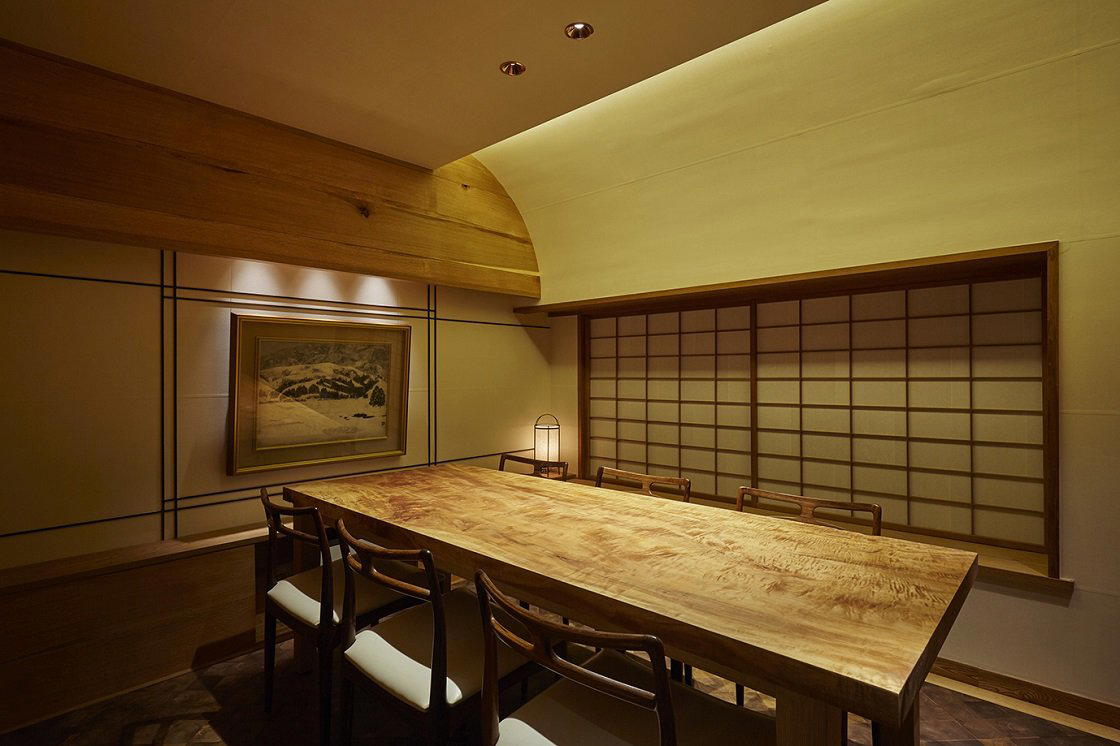
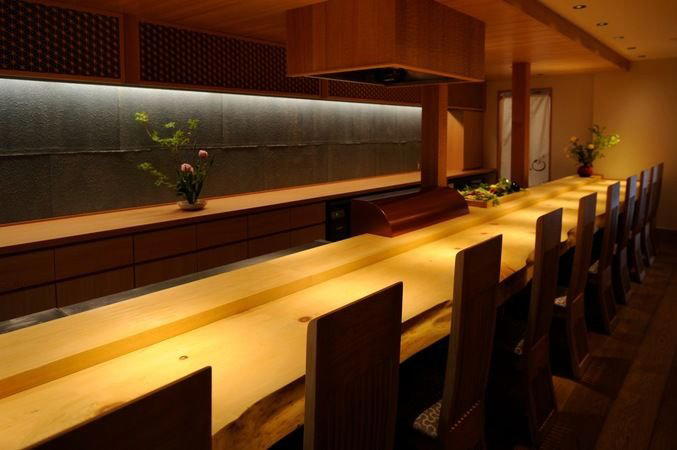
Restaurants in Kyoto
All restaurants in Kyoto →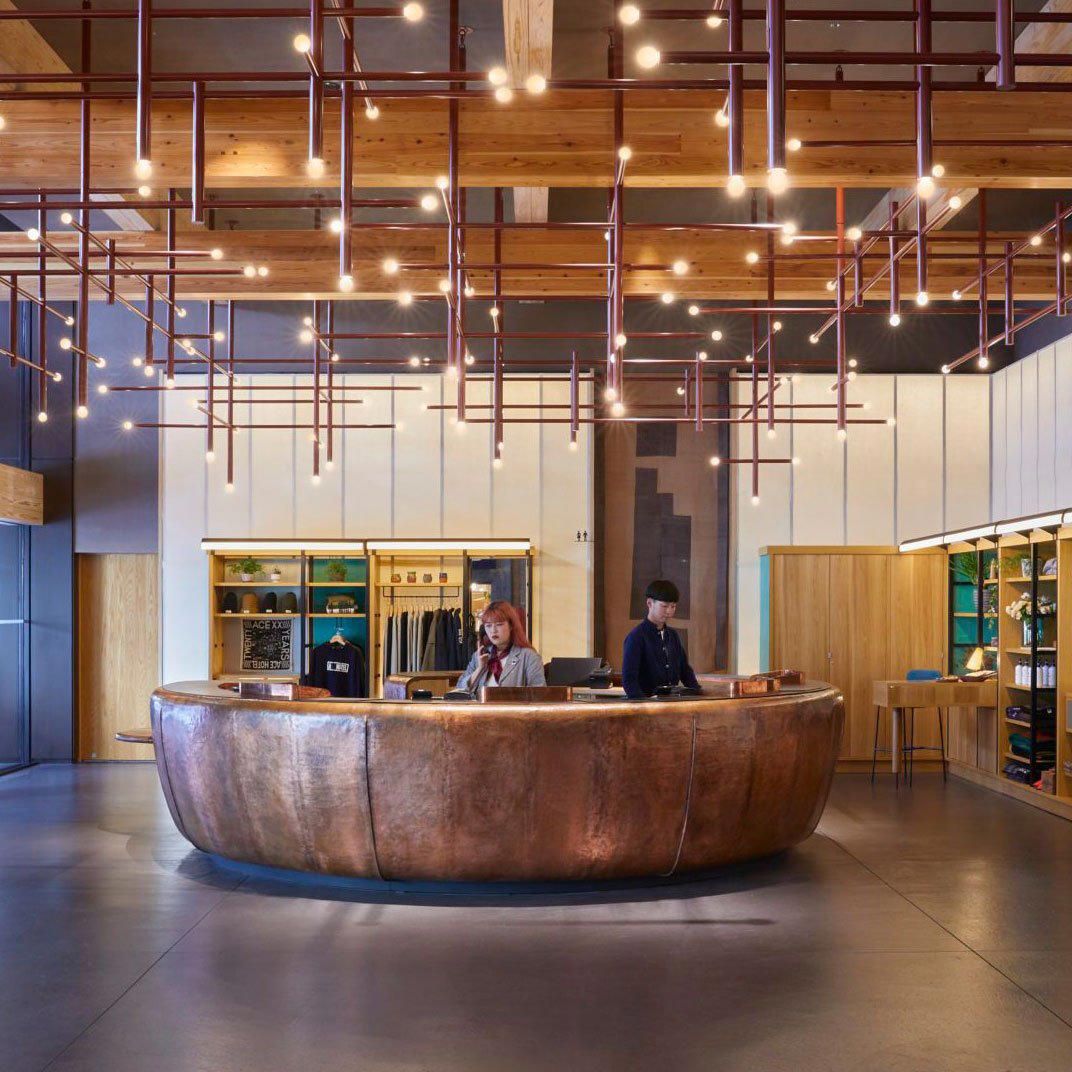
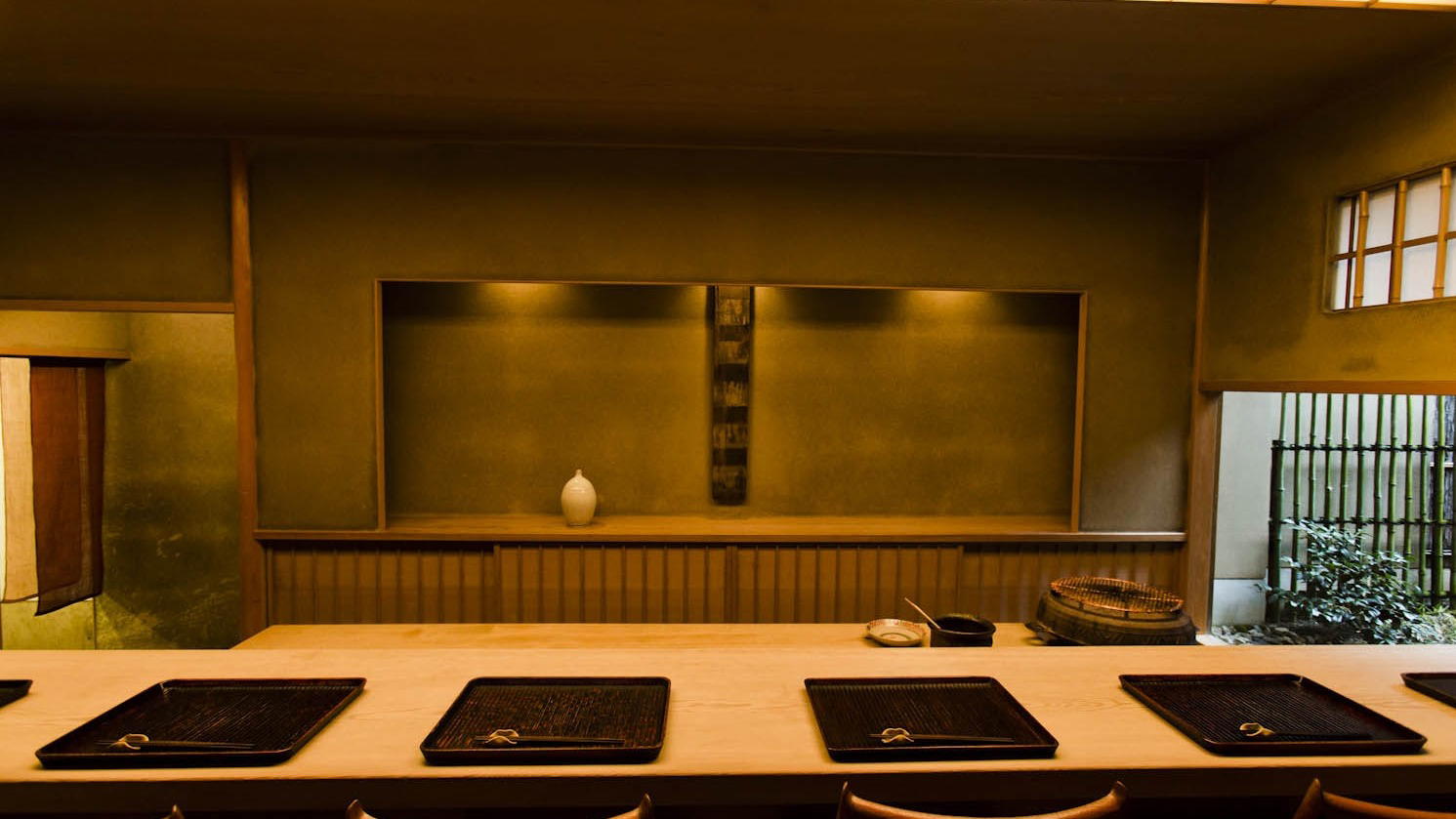
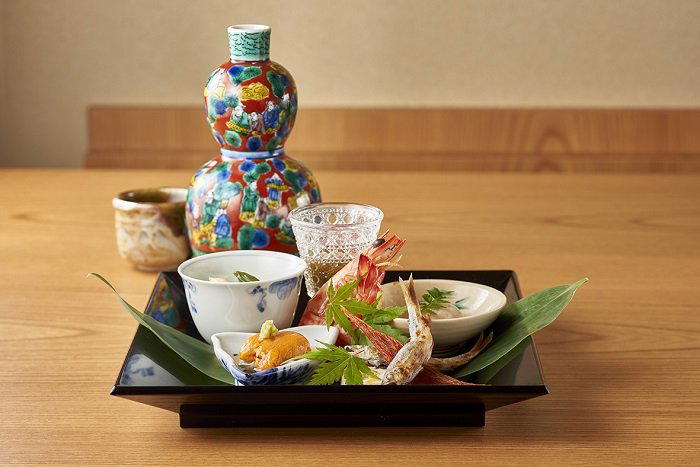
Bars in Kyoto
All bars in Kyoto →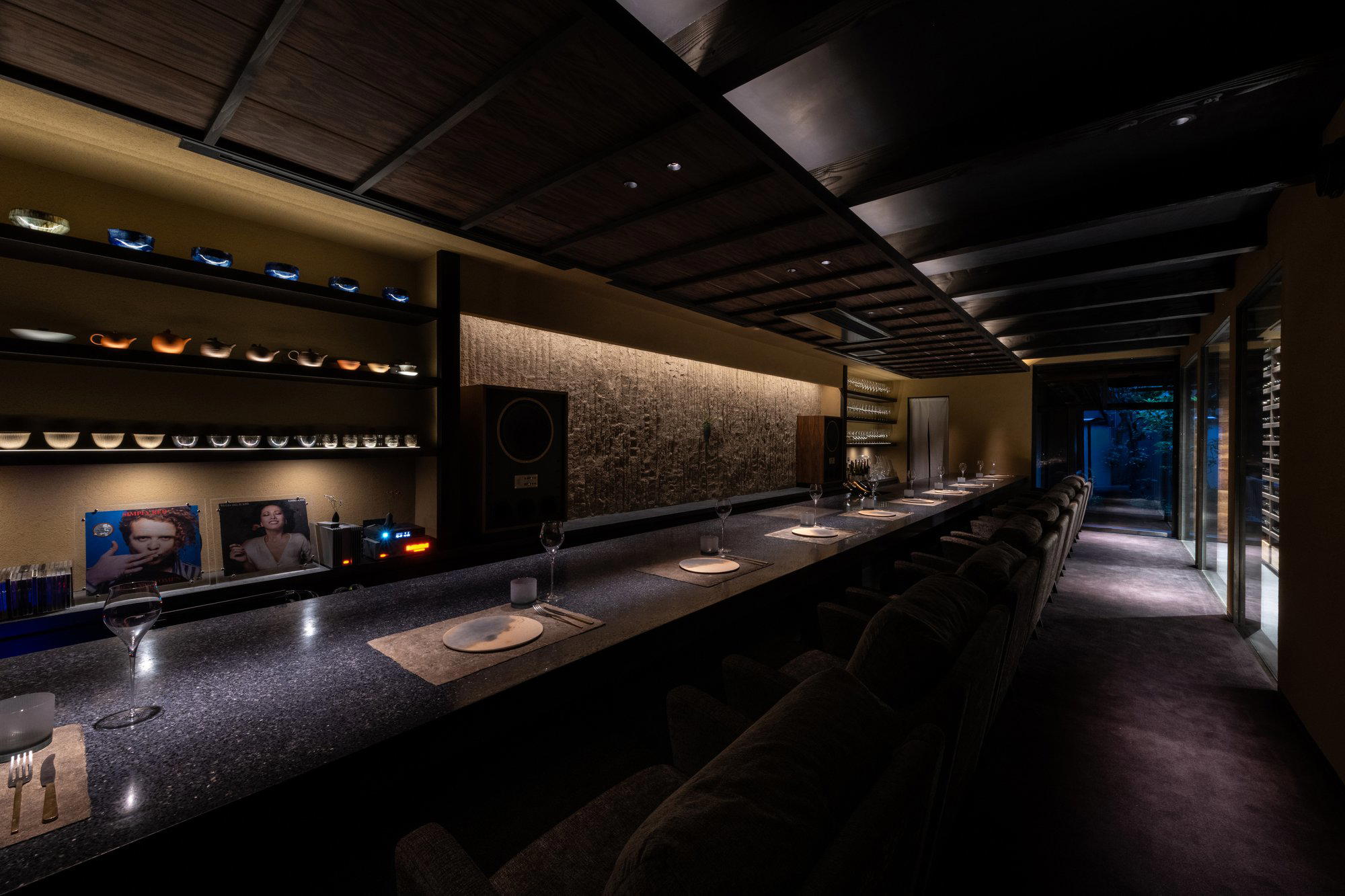

Hotels in Kyoto
All hotels in Kyoto →
Wineries in Kyoto
Browse all →
Details
- Intimate
- Elegant
- Cozy
- Modern
- Date Night
- Special Occasion
- Business Dinner
- Group Dining
- Private Event
- Solo
- Chefs Counter
- Garden
- Private Dining
- Design Destination
- Historic Building
- Standalone
- Extensive Wine List
- Local Sourcing
- Farm To Table
- Garden
- Tasting Menu
- Set Menu
- Counter Dining
- Wine
- Tea
- Zero Alcohol Tea Pairing
- Allergy Accommodating
- Pescatarian Friendly
Current opening hours
- Monday
- Closed
- Tuesday
- 12–2:30 PM, 6–9:30 PM
- Wednesday
- 12–2:30 PM, 6–9:30 PM
- Thursday
- 12–2:30 PM, 6–9:30 PM
- Friday
- 12–2:30 PM, 6–9:30 PM
- Saturday
- 12–2:30 PM, 6–9:30 PM
- Sunday
- Closed
Hours can change for holidays and private events. Hours as of .
Set in a renovated machiya townhouse with skylights and a small tsuboniwa garden, the atmosphere is calm and intimate, with refined counter and table seating suited to leisurely course dining.