Among Xiamen's seafood restaurants, Ludao occupies the city's coastal dining tradition where the South China Sea defines the menu rather than decorates it. Positioned in a port city where Hokkien flavours and fresh-catch culture intersect, it draws visitors and locals who want proximity to the water reflected in what arrives at the table. Peer venues in the same category include Hao Shi Lai and others in the mid-range seafood bracket.
 Discover on Pearl
Pearl is the En Primeur Club membership app — saves, bookings, and concierge access live there. Same editors, same standards.
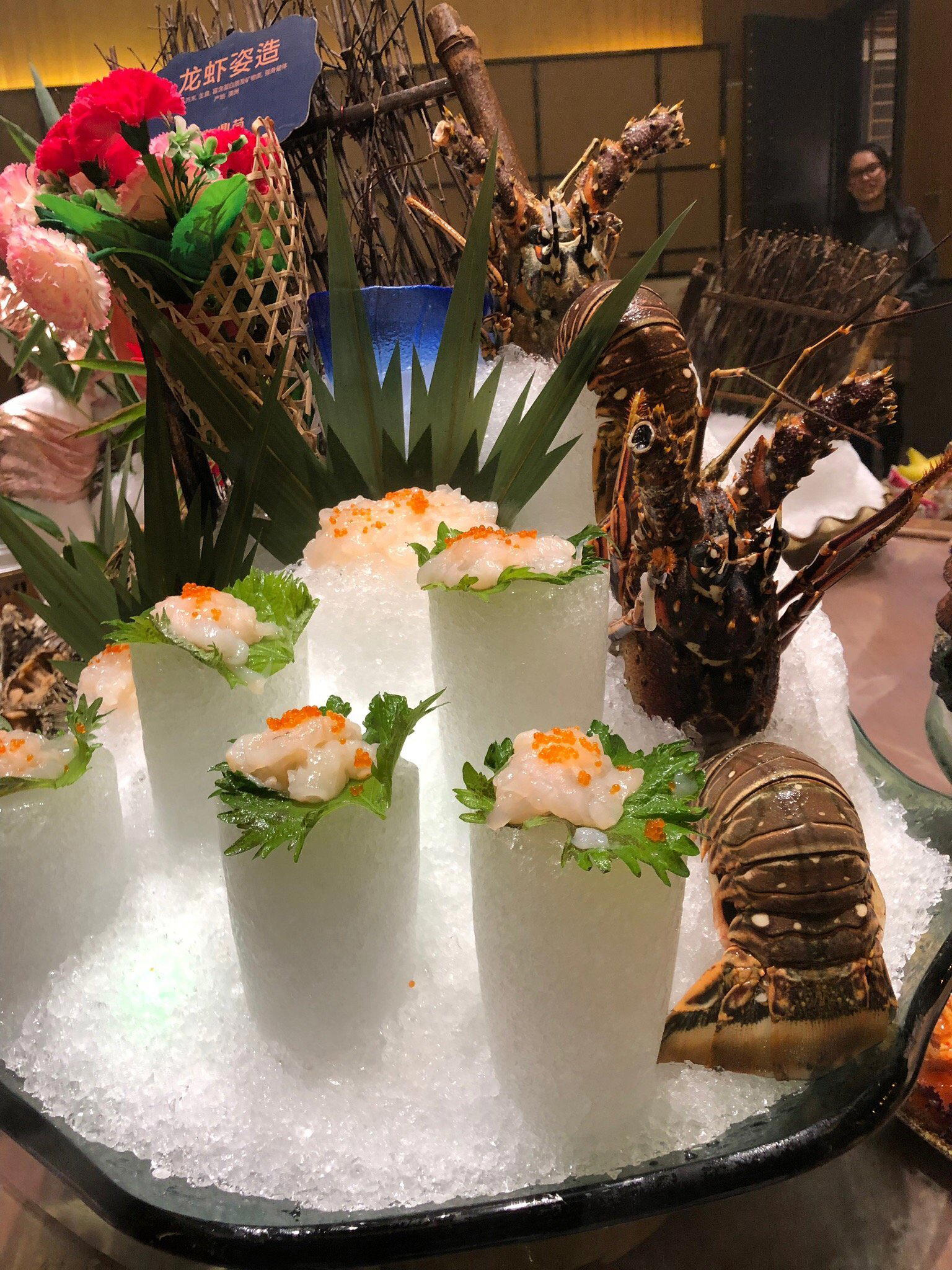
Xiamen's Seafood Culture and Where Ludao Sits Within It
Xiamen operates differently from China's inland food cities. Perched on an island at the mouth of the Jiulong River, facing Taiwan across the strait, the city's dining identity has always been pulled seaward. The South China Sea is not a backdrop here, it is a supply chain, and the restaurants that take it seriously treat sourcing as the central editorial decision rather than an afterthought. Ludao Seafood Restaurant belongs to this tradition, offering Fujian Seafood in Xiamen, China, at a mid-range price tier.
That geographic specificity matters more than it might seem. Xiamen's seafood culture draws from Hokkien (Fujian) culinary roots, where techniques tend toward light steaming, clear broths, and minimal interference with the primary ingredient. This is not the heavily sauced coastal cooking of Shanghai or the chilli-forward fish preparations of Sichuan. The regional grammar here prioritises texture and freshness above all else, and a restaurant's credibility in this market is largely determined by its proximity to the catch and its restraint in the kitchen.
That bracket sits below the formal banquet houses but above the street-level fish stalls lining the harbour front. It is the tier where families, business lunches, and serious food travellers tend to converge, enough formality to signal kitchen intention, enough accessibility that the focus stays on the food rather than the occasion.
The Neighbourhood Context: Reading Xiamen Through Its Eating Places
Xiamen divides naturally into two dining registers. Gulangyu Island, a short ferry ride from the main city, hosts cafes, boutique restaurants, and tourist-facing food culture. The main island's older neighbourhoods, particularly around Zhongshan Road and the areas extending toward the university district, carry the more embedded, locally anchored eating places. Seafood restaurants with serious kitchen ambitions tend to cluster away from the tourist ferry terminals, where rent pressures and foot-traffic economics push menus toward accessibility rather than depth.
This geographic sorting shapes expectations. A seafood restaurant drawing a local clientele rather than a tour-group crowd operates under different quality pressures: regulars notice when sourcing drops, and word travels fast in a city of this size. The Hokkien diaspora connection, Xiamen is one of the historic departure points for overseas Chinese communities across Southeast Asia, also means the city maintains an active culinary conversation with Fujianese cooking traditions abroad, which keeps standards calibrated against a broader reference frame.
For visitors planning around the city's food culture more broadly, the Fujian-focused restaurants in Xiamen offer useful context for understanding what distinguishes the cuisine regionally. Hokklo and Yanyu (Jiahe Road) both work within the Fujian tradition, while 1927 Dong Yuan Si Chu and Fleurs Et Festin approach the city's culinary heritage from different angles.
Seafood Cooking in the Fujian Tradition: What to Expect
Fujian seafood cooking carries a few hallmarks that distinguish it from other Chinese coastal traditions. Fish are typically prepared whole, which in this culinary context signals freshness rather than simply aesthetic preference, a fish cooked whole arrived at the kitchen intact. Shellfish preparations lean toward clear-broth approaches or light stir-frying with scallions and ginger, avoiding the heavy fermented pastes common in neighbouring Cantonese cooking. Oysters from the Xiamen coastline have a regional reputation, as do razor clams, cuttlefish, and several varieties of locally farmed and wild-caught fish.
The comparisons worth drawing here are not with other Chinese provinces but with the broader category of serious coastal cooking globally. The logic of sourcing proximity and minimal transformation that defines good Fujian seafood is the same logic operating at places like Le Bernardin in New York City, where technique exists in service of the primary ingredient rather than as a demonstration in its own right. At the other end of the formality scale, the precision-focused approach seen at Atomix in New York City shares the underlying philosophy: restraint as a marker of confidence. The execution differs enormously, but the editorial principle is consistent across serious seafood cooking traditions worldwide.
For context on how seafood-focused Chinese cooking operates at higher formality tiers elsewhere in the country, Xin Rong Ji (Xinyuan South Road) in Beijing and Chef Tam's Seasons in Macau offer useful reference points, as does Imperial Treasure Fine Chinese Cuisine in Guangzhou, which operates within a similar coastal ingredient framework at a more formal price tier. Jiangnan Wok·Rong in Fuzhou, Xiamen's closest major city, provides a useful regional comparison for how Fujian cooking varies even within the province.
Planning a Visit: Practical Considerations
Specific address, hours, and booking details for Ludao are not currently confirmed. Ludao is walk-in friendly. Arriving at lunch on a weekday typically offers the most flexibility without advance booking.
For travellers building a broader Xiamen itinerary, the city's compact geography makes it possible to combine a seafood meal with visits to the historic Zhongshan Road area or a ferry crossing to Gulangyu within the same afternoon. The island's scale works in a visitor's favour: most of the eating places worth attention sit within reasonable distance of the city centre. A stop at 1980 Shaorouzong for a more casual Fujian-style meal offers a useful contrast.
The Quick Read
Comparable venues nearby, for context on price, style, and recognition.
| Venue | Cuisine | Price | Notes |
|---|---|---|---|
| Ludao Seafood RestaurantThis venue — the venue you are viewing | SiMing District, Fujian Seafood | $$ | |
| 鱼友海鲜店 | 中山路地区, Xiamen Seafood | $$ | |
| J&A Steak House | Modern Western Steakhouse | $$$ | |
| Huang Zehe Peanut Soup | $ | Zhongshan Road, Traditional Fujianese Peanut Soup | |
| 黄则和花生汤 Huang Zehe Peanut Soup (黄则和花生汤) | $ | 思明区, Traditional Xiamen Peanut Soup and Snacks | |
| YANYU FUJIAN | $$$ | Siming District, Modern Fujian Fine Dining |


At a Glance
- Casual Hangout
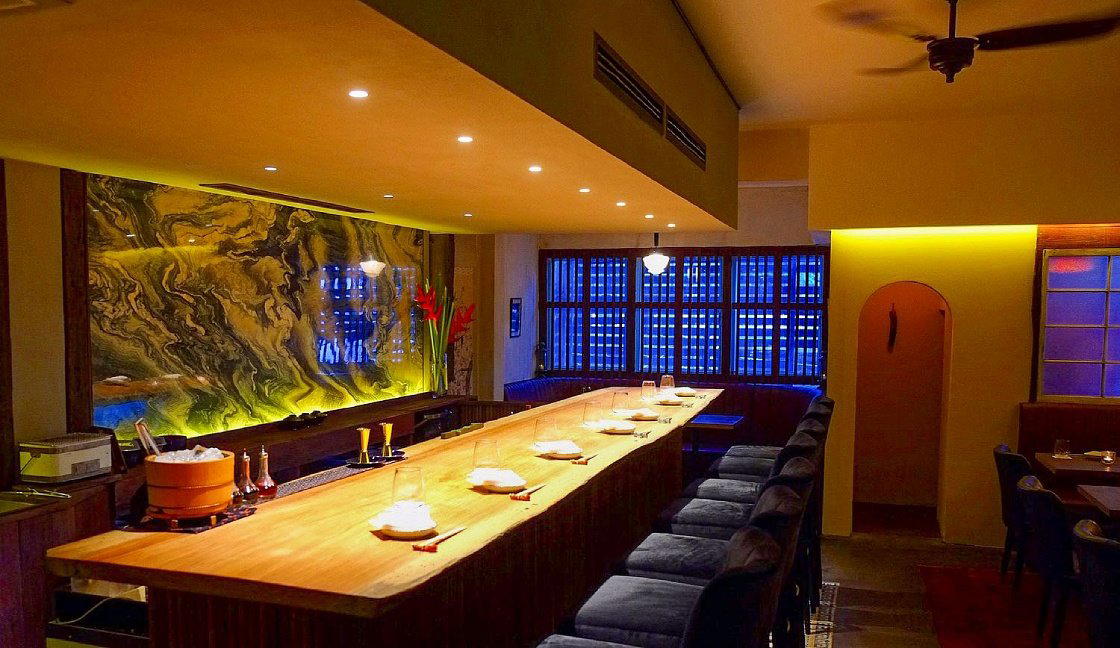
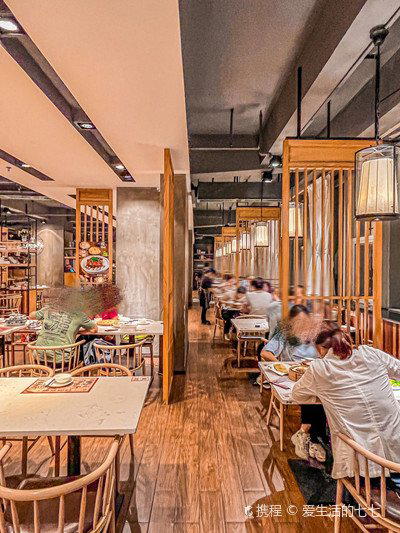
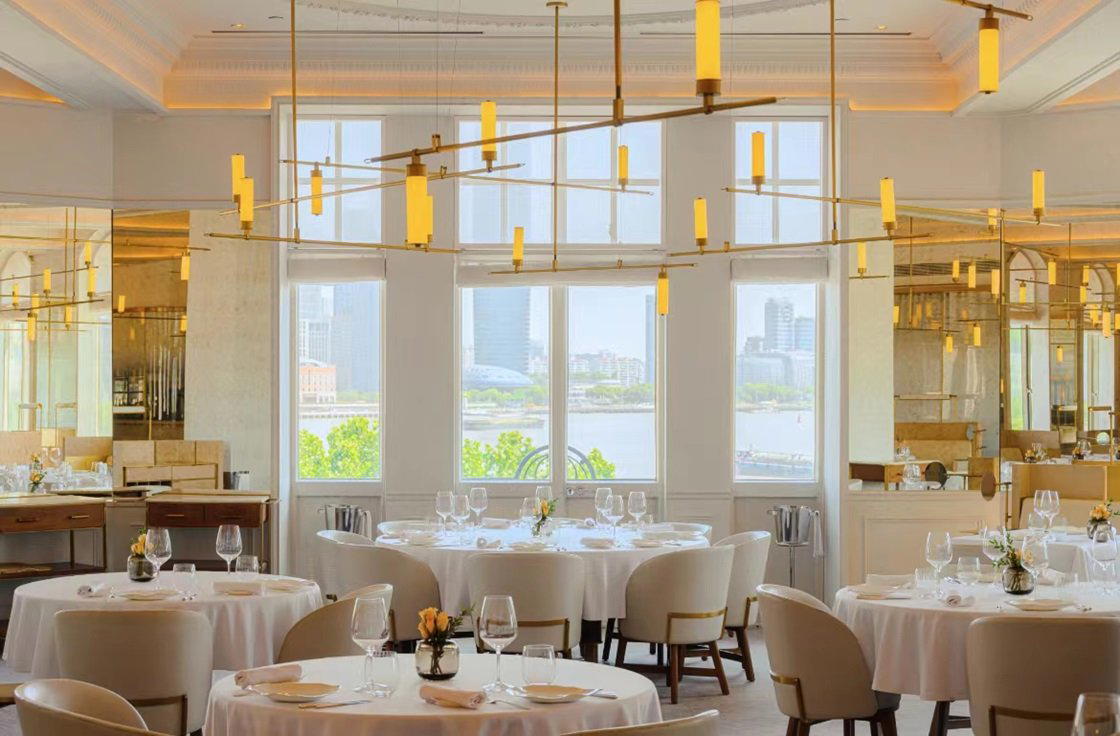
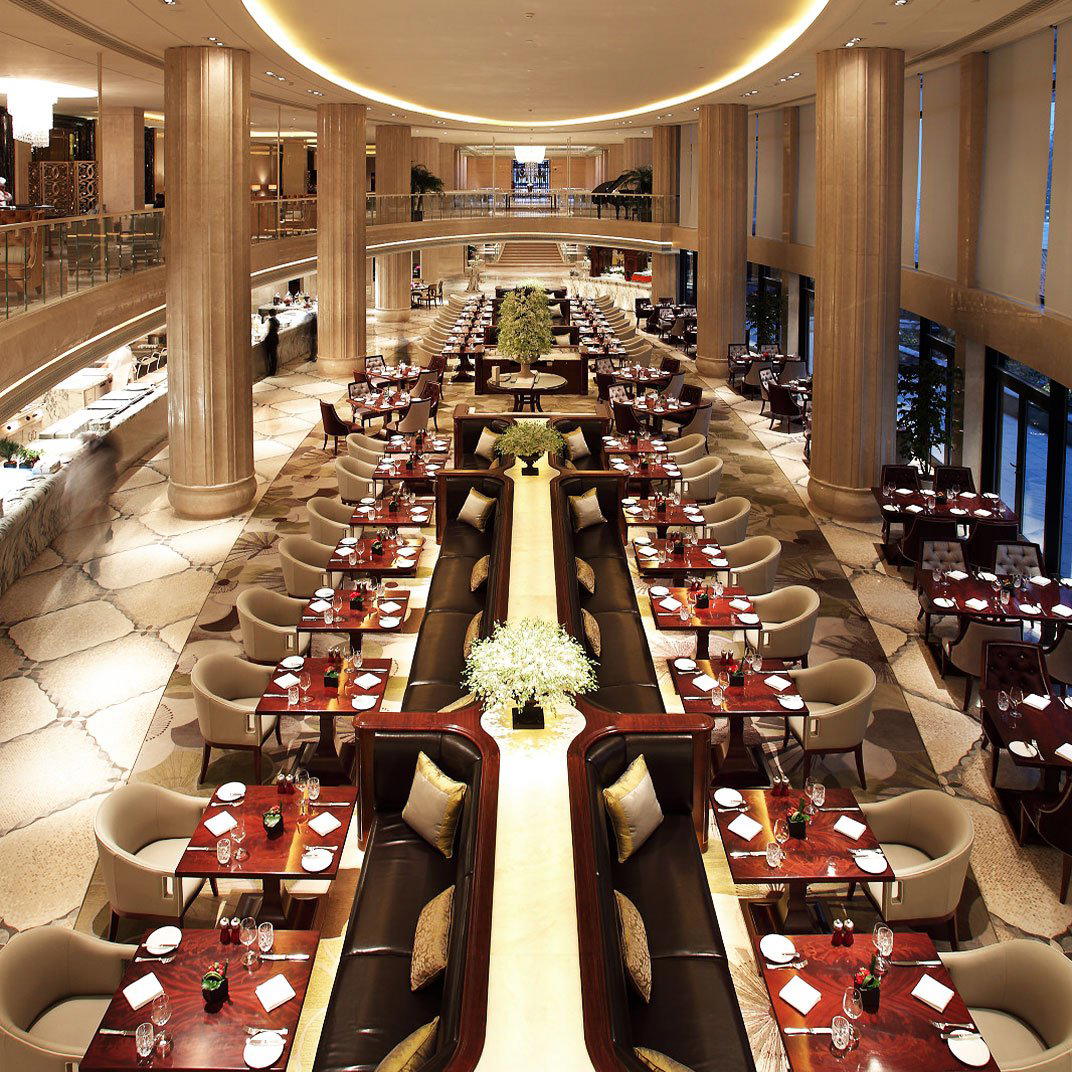
Clean decorated interior.