Lucy Wang sits on Dorfstrasse 68 in Ischgl, Austria's most internationally oriented ski resort, where the dining scene spans Michelin-recognised Austrian cooking and globally inflected menus. The venue's name signals an Asian-influenced direction within a village better known for Alpine cuisine, placing it in a small but growing niche of mountain restaurants that look outward rather than inward for culinary reference points.
Pearl is the En Primeur Club membership app — saves, bookings, and concierge access live there. Same editors, same standards.
- Address
- Dorfstr. 68, 6561 Ischgl, Austria
- Phone
- +43544420007
- Website
- lucywangischgl.com
- Directions
- Get directions
 Saves & bookings on Pearl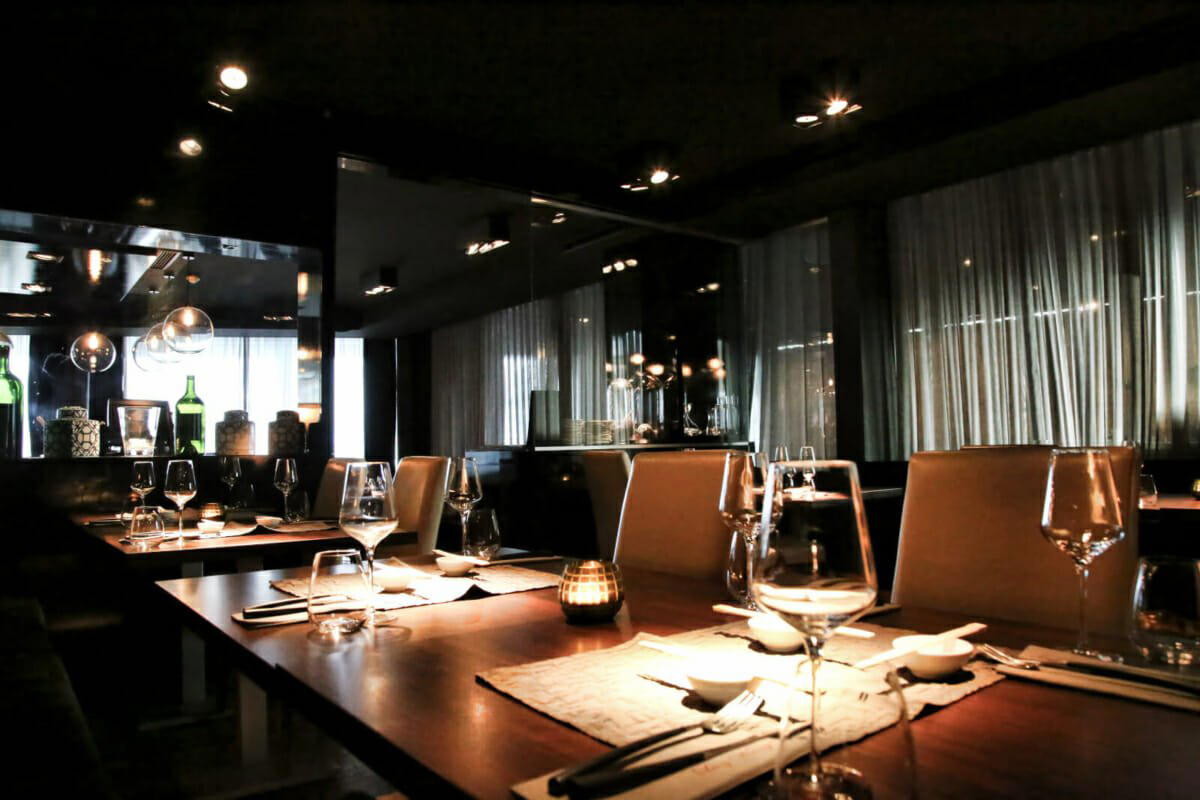
Asian Cooking in the Alps: A Niche That Has Earned Its Place
Ischgl built its dining reputation on the same foundations as its skiing: serious investment, international clientele, and a willingness to operate at a higher register than most Austrian mountain villages. The resort's Michelin-starred cluster, which includes Paznaunerstube and the creative French programme at Stüva, reflects a dining culture shaped as much by its European visitor base as by Tyrolean tradition. Against that backdrop, venues with Asian-influenced identities occupy a smaller, more specific tier — one that has grown steadily across high-altitude European resorts as the guest demographic has broadened and palate expectations have shifted.
Lucy Wang, addressed at Dorfstrasse 68 in the centre of Ischgl, sits within that tier. The name itself carries cultural weight: it signals a Chinese or East Asian culinary frame at an address where most neighbouring restaurants lean either into Austrian regionalism or broadly European fine dining. That positioning is not incidental. Across Alpine resort towns from Courchevel to Verbier, Asian-accented dining has moved from novelty to fixture, driven by demand from guests who want something outside the fondue-and-raclette circuit without necessarily landing at a white-tablecloth tasting menu.
The Cultural Context Behind the Name
Chinese cooking in European ski resorts follows a particular arc. The earliest iterations were adapted, simplified versions of Cantonese or Sichuan dishes recalibrated for a clientele that associated Chinese food with takeaway formats. Over the past decade, that model has been largely displaced by something more considered: restaurants that engage with specific regional Chinese traditions, or that blend East Asian technique with European ingredients in ways that reflect genuine culinary literacy rather than surface-level adaptation.
Where Lucy Wang positions itself on that spectrum is the operative question for anyone comparing it against Ischgl's broader dining options. The resort's competitive frame already includes the internationally minded Fliana Gourmet and the approachable Alpenhaus VIP, while venues like Genussrestaurant Sunna anchor the more regional end of the spectrum. An Asian-named venue at a Dorfstrasse address is, by the logic of Ischgl's dining map, pitching to guests who have already decided they want something outside the Alpine canon for at least one meal of their stay.
That is a well-established pattern at destination ski resorts. Courchevel's Le Montgomerie, Zermatt's several Asian-accented addresses, and similar venues in Kitzbühel all testify to the same demand signal: skiers who eat broadly and well at home expect the same breadth of option at altitude. The question is execution and commitment to a culinary identity, not whether the concept has an audience.
Ischgl's Dining Scene in Full
The resort's standing in Austrian gastronomy is documented beyond its ski infrastructure. Austria's broader fine dining circuit runs from Steirereck im Stadtpark in Vienna through regional anchors like Döllerer in Golling an der Salzach, Obauer in Werfen, and Landhaus Bacher in Mautern an der Donau. In the mountain corridor specifically, Gourmetrestaurant Tannenhof in Sankt Anton am Arlberg and Griggeler Stuba in Lech represent the kind of serious, award-tracked cooking that has given the Arlberg region a culinary profile well beyond its ski season. Ischgl contributes to that profile primarily through its Michelin-recognised addresses, but the full dining ecosystem includes mid-tier and concept-driven restaurants that serve the resort's younger, internationally mobile visitor base.
Venues like Ikarus in Salzburg and Kräuterreich by Vitus Winkler in Sankt Veit im Pongau show how Austria's mountain and sub-Alpine dining tier has diversified beyond traditional Stuben formats. Restaurant 141 by Joachim Jaud in Mieming and Ois in Neufelden further illustrate how regional Austrian cooking is being reinterpreted across formats that range from casual to ceremonial. Lucy Wang operates in a different register from all of these, drawing its conceptual energy not from Alpine tradition but from East Asian culinary culture as it translates to a European mountain context.
Planning Your Visit
Ischgl operates as a seasonal resort, with the dining season concentrated between late November and early May, when the ski lifts run and the village reaches full capacity. Dorfstrasse is the resort's central artery, making number 68 a walkable address from most accommodation in the village. For guests staying at properties off the main street, the walk from the gondola base area to Dorfstrasse is short and largely flat. The seasonal compression of Ischgl's hospitality calendar means that popular restaurants across all price tiers fill quickly, particularly during peak weeks in January and February and around the resort's annual concert events. Booking ahead is the operative logic for any Ischgl restaurant during high season, regardless of format or price point.
For broader context on where Lucy Wang fits within the resort's full dining range, the EP Club Ischgl restaurants guide maps the village's options across cuisine type, price tier, and booking difficulty. Guests comparing Asian-accented formats against the resort's French and Contemporary options will find useful comparisons there. For reference points outside the Alpine frame entirely, the approach to Korean-European fusion at Atomix in New York City and the precision seafood cooking at Le Bernardin in New York City illustrate how Asian culinary traditions intersect with Western fine dining at their highest expressions globally — a useful benchmark when assessing how an Alpine venue handles similar creative territory.
How Lucy Wang Ischgl compares with similar nearby venues.
| Venue | Cuisine | Price |
|---|---|---|
| Stüva | Creative French | €€€€ |
Continue exploring
More in Ischgl
Restaurants in Ischgl
Browse all →
Bars in Ischgl
Browse all →


Hotels in Ischgl
Browse all →

At a Glance
- Elegant
- Modern
- Sophisticated
- Cozy
- Date Night
- Group Dining
- Special Occasion
- Open Kitchen
- Extensive Wine List
- Craft Cocktails
Current opening hours
- Monday
- 4 PM–12 AM
- Tuesday
- 4 PM–12 AM
- Wednesday
- 4 PM–12 AM
- Thursday
- 4 PM–12 AM
- Friday
- 4 PM–12 AM
- Saturday
- 4 PM–12 AM
- Sunday
- 4 PM–12 AM
Hours can change for holidays and private events. Last verified .
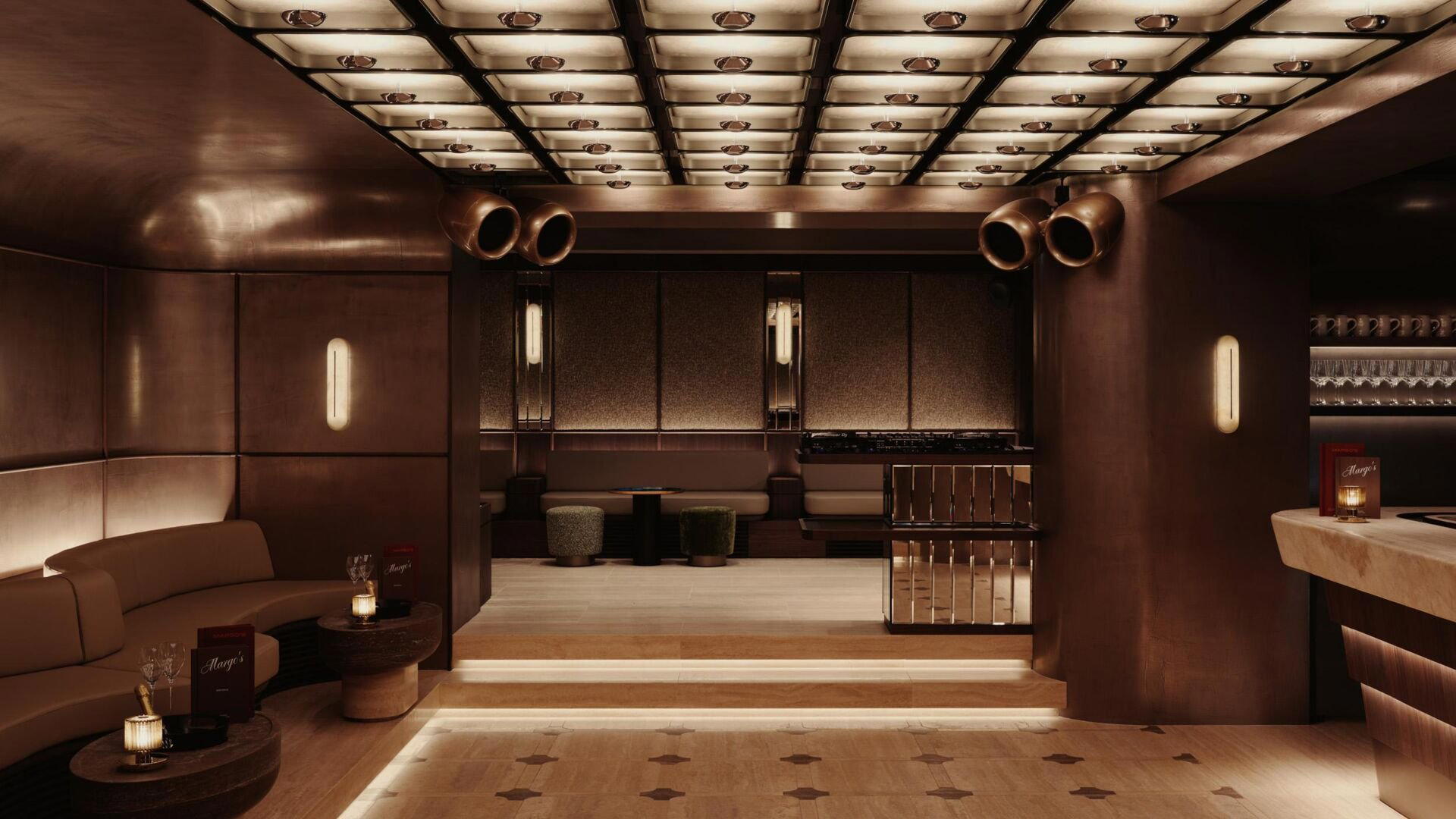
Dark rooms with illuminated tables, stylish modern decor blending contemporary design and cozy, relaxed atmosphere.