KOYA occupies the first floor of Dorfstrasse 91 in Ischgl, a resort village where après-ski energy and serious alpine dining coexist more naturally than you might expect. The address places it inside Ischgl's compact dining circuit, where a handful of restaurants hold their own against the broader Austrian fine dining conversation. For visitors already planning around the slopes, it sits within the village's walkable core.
Pearl is the En Primeur Club membership app — saves, bookings, and concierge access live there. Same editors, same standards.
- Address
- Dorfstr. 91 1. Stock, 6561 Ischgl, Austria
- Phone
- +43435444602
- Website
- trofana-alm.at
- Directions
- Get directions
 Saves & bookings on Pearl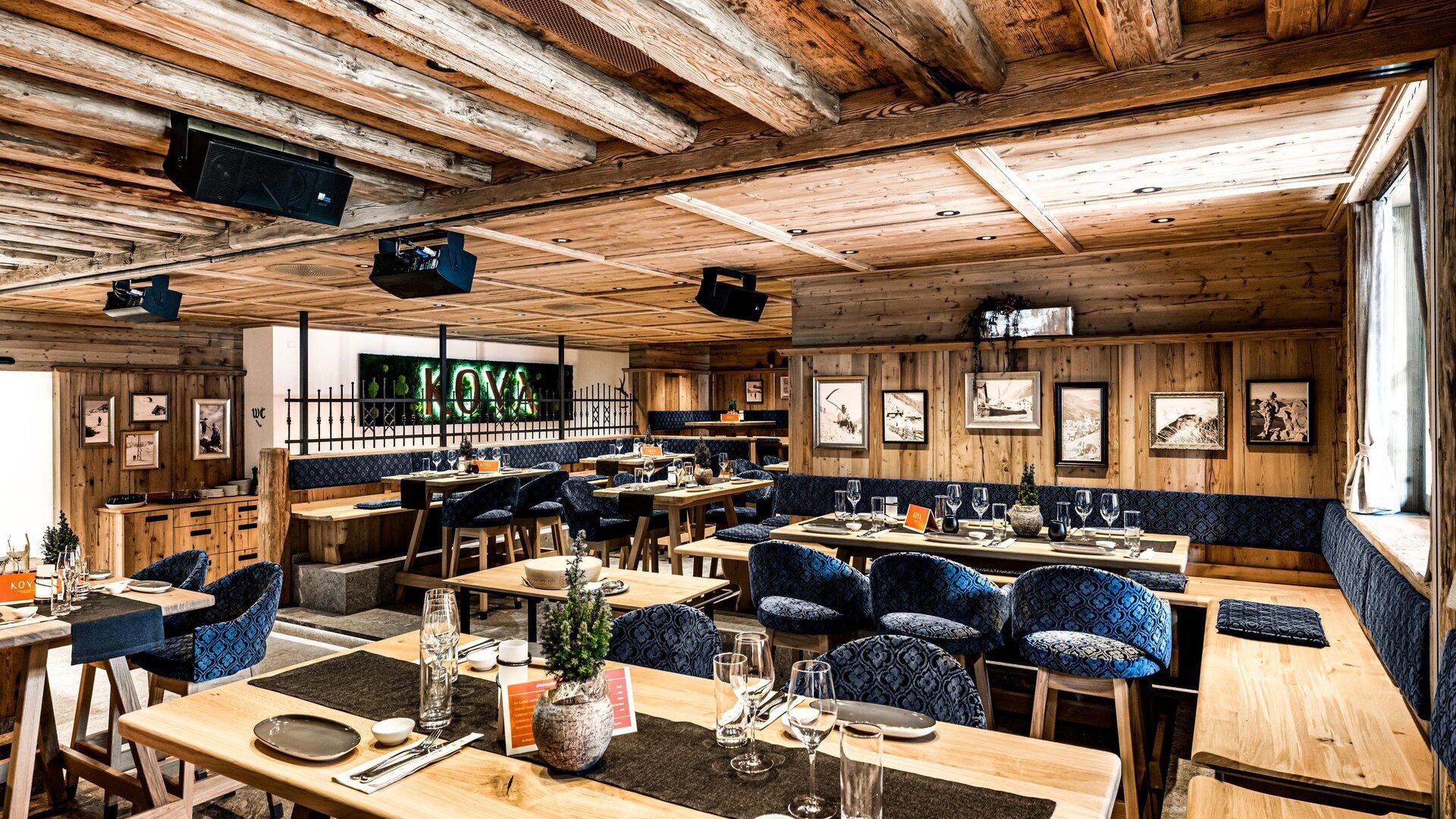
Where Ischgl's Dining Scene Actually Lives
Ischgl has a reputation problem — the wrong kind, from the outside. The Austrian resort is known first for its concert stages and late-night bars, which tends to obscure the fact that its restaurant offerings have quietly grown into something more considered. The village sits in the Paznaun valley at around 1,400 metres, and the altitude has always attracted skiers willing to spend seriously. That spending culture eventually extended to the table. Today, Ischgl carries a small but coherent fine dining circuit, with addresses like Paznaunerstube (Contemporary) and Stüva (Creative French) operating at the €€€€ tier alongside international-leaning rooms like Fliana Gourmet (International). KOYA sits on the first floor at Dorfstrasse 91, physically above the street-level noise, which is an apt metaphor for where it positions itself in the local hierarchy.
The broader Austrian fine dining scene provides useful context here. Kitchens from Steirereck im Stadtpark in Vienna to Obauer in Werfen have spent decades demonstrating that Austrian ingredients — game from alpine forests, dairy from mountain pastures, freshwater fish from cold-running rivers, reward serious kitchen attention. The argument for sourcing locally in the Alps is not merely fashionable; the raw material quality at elevation, from milk fat content in butter to the flavour concentration of slow-grown root vegetables in hard soil, is demonstrably different from lowland equivalents. That regional sourcing logic underlies the more serious restaurants in resort towns across the Arlberg region, from Gourmetrestaurant Tannenhof in Sankt Anton am Arlberg to Griggeler Stuba in Lech.
The Ingredient Logic of Alpine Kitchens
In resort dining, the sourcing conversation tends to happen in two registers. The first is about proximity: what can be grown, grazed, or foraged within the valley or neighbouring farms, and how that shapes the menu's seasonal rhythm. The second is about contrast: the pleasure of technically demanding cooking applied to humble, cold-climate produce. Austrian kitchens that do this well, including Kräuterreich by Vitus Winkler in Sankt Veit im Pongau and Döllerer in Golling an der Salzach, treat the alpine ingredient not as a limitation but as the central argument of the menu.
Ischgl's winter season runs from late November through April, and the sourcing calendar in any serious kitchen here is shaped by that window. Summer produce is absent; the kitchen works with preserved, aged, and cellar-stored ingredients alongside whatever the winter supply chain can deliver fresh. That constraint is also a discipline.
What the leading alpine kitchens understand, and what distinguishes KOYA's address in the broader Ischgl conversation, is that the first floor location on Dorfstrasse, away from the slope-facing terraces, shifts the dining proposition toward something more deliberate. You arrive because you chose to, not because you wandered past. That self-selection tends to produce a room with clearer intentions on both sides of the pass.
How KOYA Sits in the Ischgl Dining Circuit
Across Austrian resort dining, the competitive split runs roughly between hotel-attached dining rooms and freestanding addresses. Hotel kitchens carry the structural advantage of a captive audience and in-house supply chains; independent addresses tend to run leaner operations with more focused menus. KOYA's Dorfstrasse location places it in the latter category, operating from a first-floor setting that reads as a deliberate destination rather than a convenience stop.
For the kind of traveller already calibrating their Ischgl itinerary around restaurants rather than just the Silvretta Arena ski area, the reference set extends well beyond the village. Austria's broader fine dining map includes Ikarus in Salzburg, Landhaus Bacher in Mautern an der Donau, and Ois in Neufelden, along with Restaurant 141 by Joachim Jaud in Mieming in the Tyrolean region specifically. For international visitors arriving from cities with established serious dining cultures, including those who regularly eat at places like Le Bernardin in New York City or Atomix in New York City, the relevant question is always whether an alpine resort kitchen can hold that comparison with integrity.
The honest answer is that Ischgl's better addresses do this on their own terms. Alpine resort cooking is not competing with urban tasting-menu formats; it is doing something structurally different, built around seasonal compression, a captive audience of high-spending guests, and ingredients that reward restraint more than elaboration. Kitchens that understand this constraint tend to produce menus that read as genuinely local rather than imported and overlaid.
Planning Your Visit
KOYA is located at Dorfstrasse 91, first floor, in Ischgl village centre, 6561 Austria. Ischgl is accessible by road through the Paznaun valley from Landeck, the nearest rail hub, with the journey taking approximately 45 minutes by car or regional bus. The ski season, which runs from late November through late April, is the operational window for the village's restaurants; visiting outside that period means most dining addresses will be closed. For visitors planning around the slopes, the village's walkable layout means KOYA is reachable on foot from the main gondola area without significant detour. For a broader view of where KOYA sits within Ischgl's restaurant circuit, the full Ischgl restaurants guide maps the competitive set across price tiers and cuisine types.
How KOYA Ischgl compares with similar nearby venues.
| Venue | Cuisine | Price |
|---|---|---|
| Paznaunerstube | Contemporary | €€€€ |
| Heimatbühne | Austrian | €€€ |
| Stüva | Creative French | €€€€ |
Continue exploring
More in Ischgl
Restaurants in Ischgl
Browse all →
Bars in Ischgl
Browse all →


Hotels in Ischgl
Browse all →

At a Glance
- Lively
- Modern
- Elegant
- Special Occasion
- Group Dining
- After Work
- Open Kitchen
- Hotel Restaurant
- Mountain
Friendly calm with modern elegance amidst lively après-ski energy.