

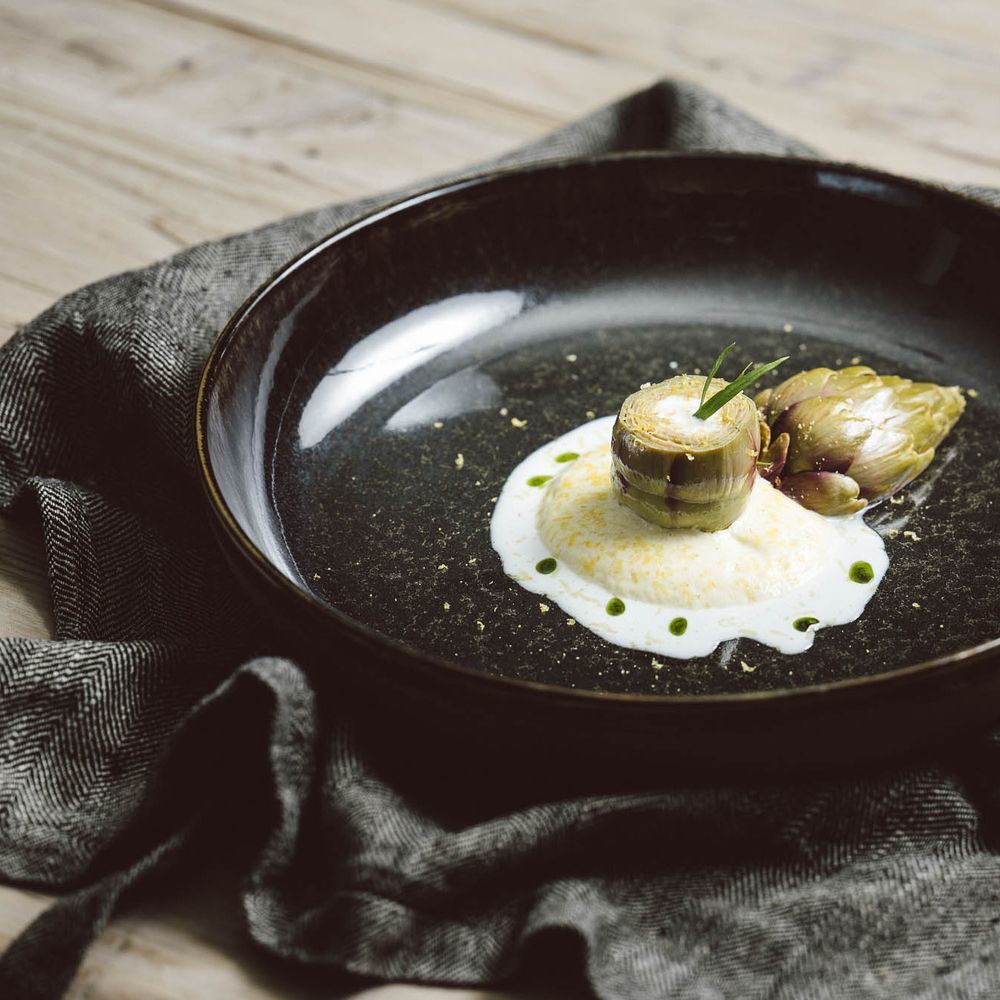
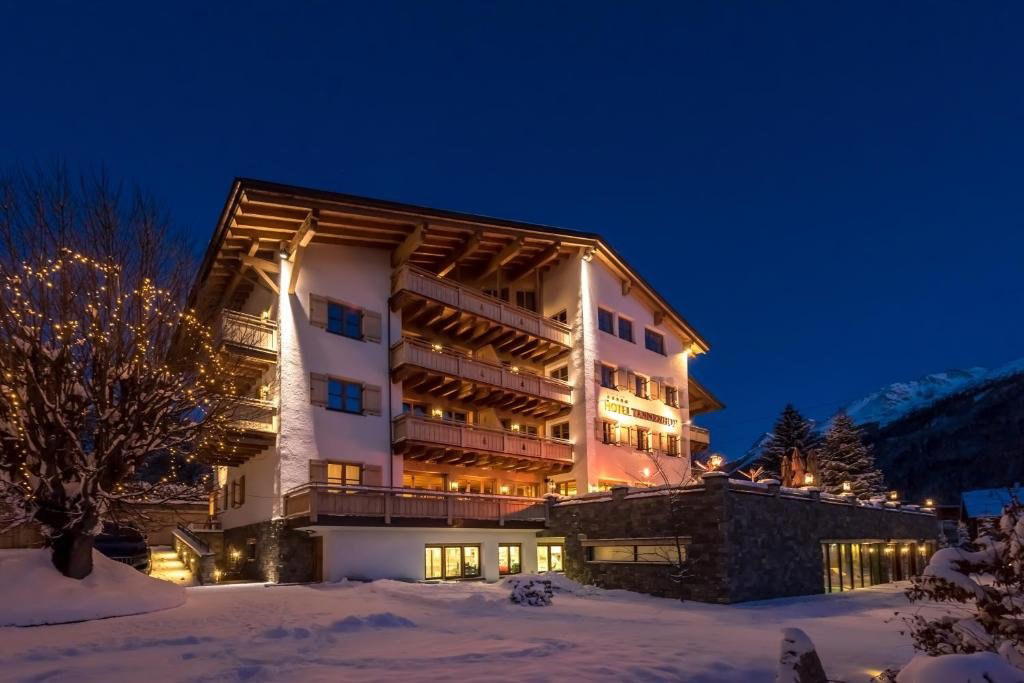
A Michelin Plate-recognised dining room at Hotel Trofana Royal, Heimatbühne sits steps from the ski slope and serves an à la carte menu built on Tyrolean produce: Paznaun Highland beef, Diasbach trout, and traditional Alpine cheese. The warm-wood interior holds only a handful of tables, making it one of Ischgl's more intimate options at the €€€ price point. Service is notably courteous for a resort setting.
Pearl is the En Primeur Club membership app — saves, bookings, and concierge access live there. Same editors, same standards.
- Address
- Dorfstr. 95, 6561 Ischgl, Austria
- Phone
- +43 5444 600
- Website
- trofana-royal.at
- Directions
- Get directions
 Saves & bookings on Pearl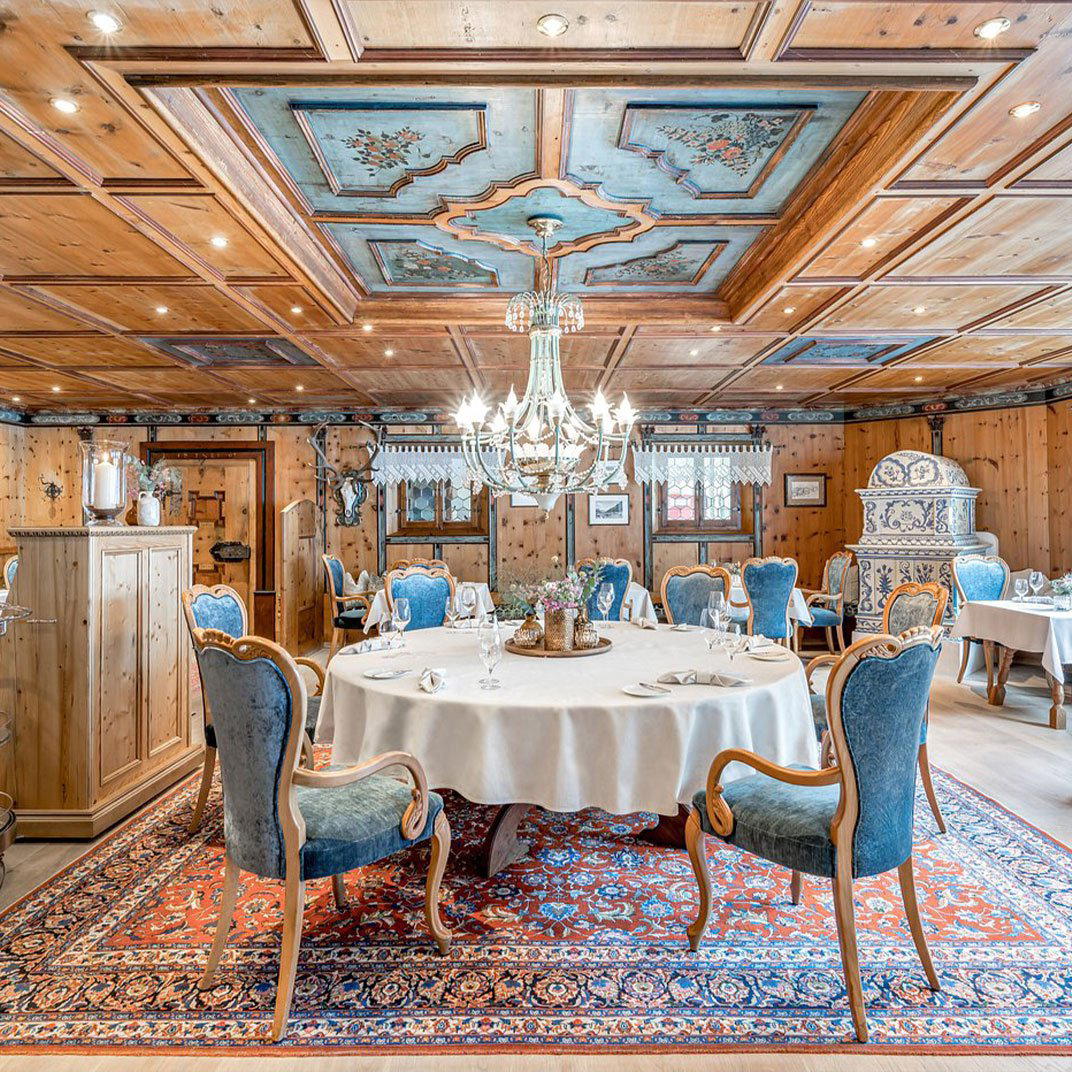
Where the Slope Meets the Stube
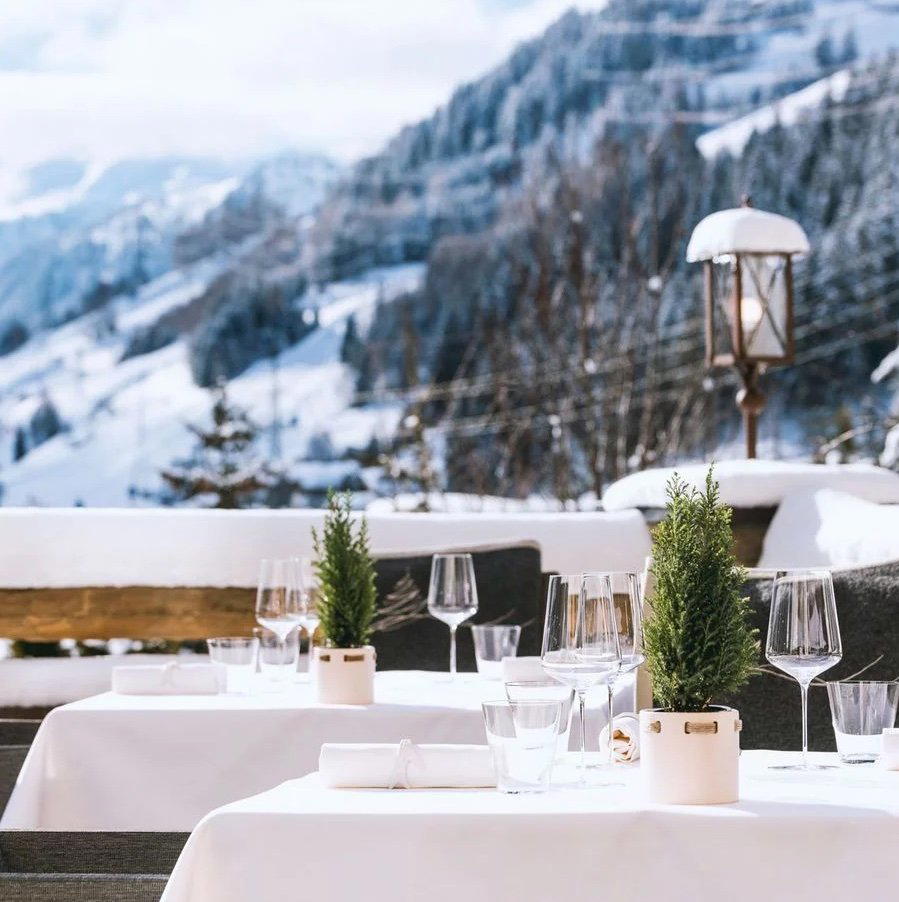
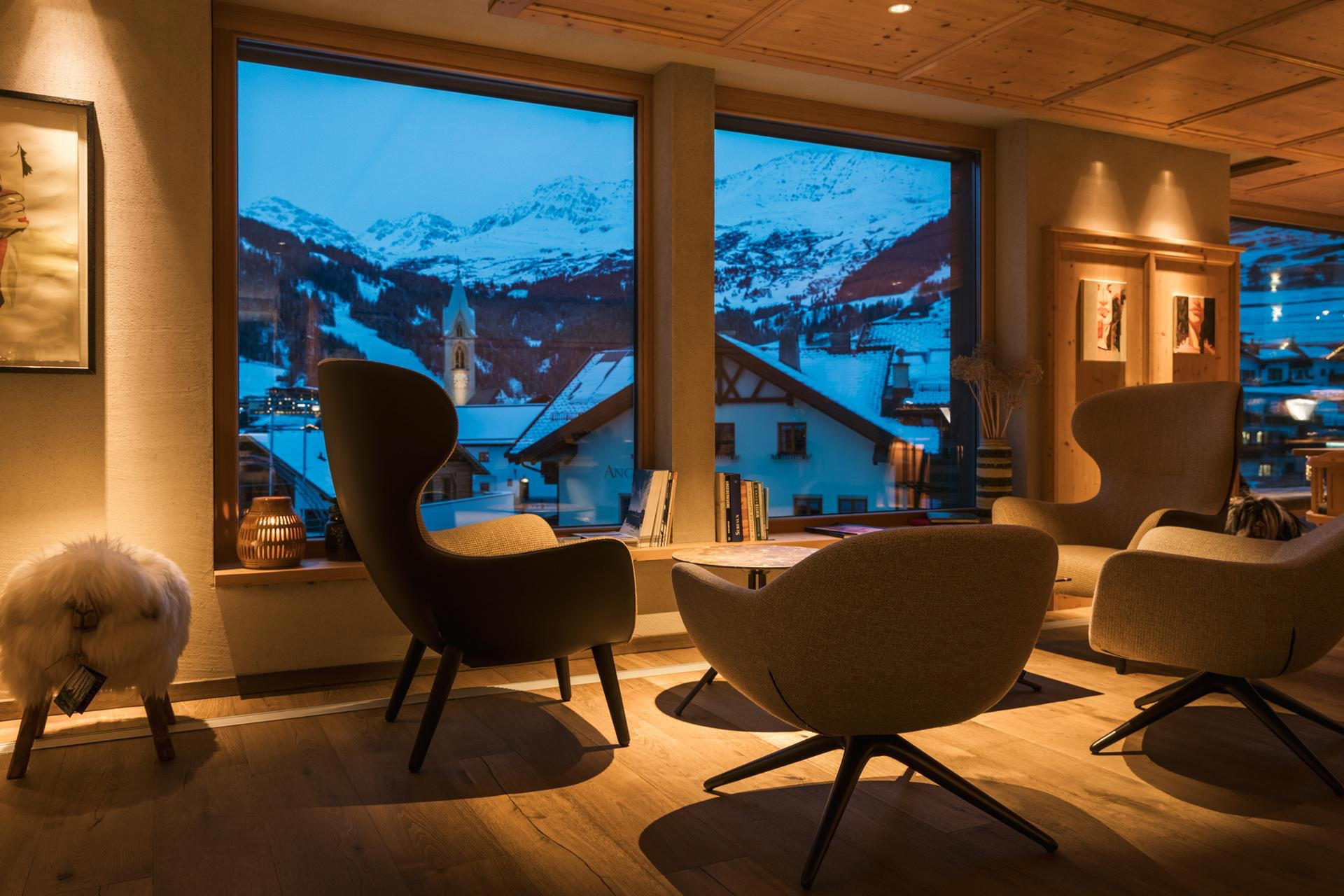
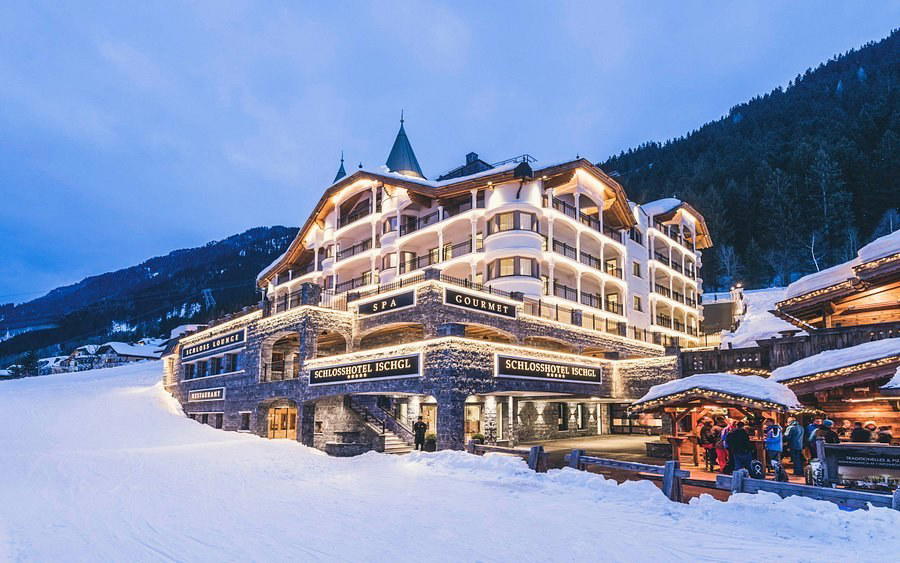
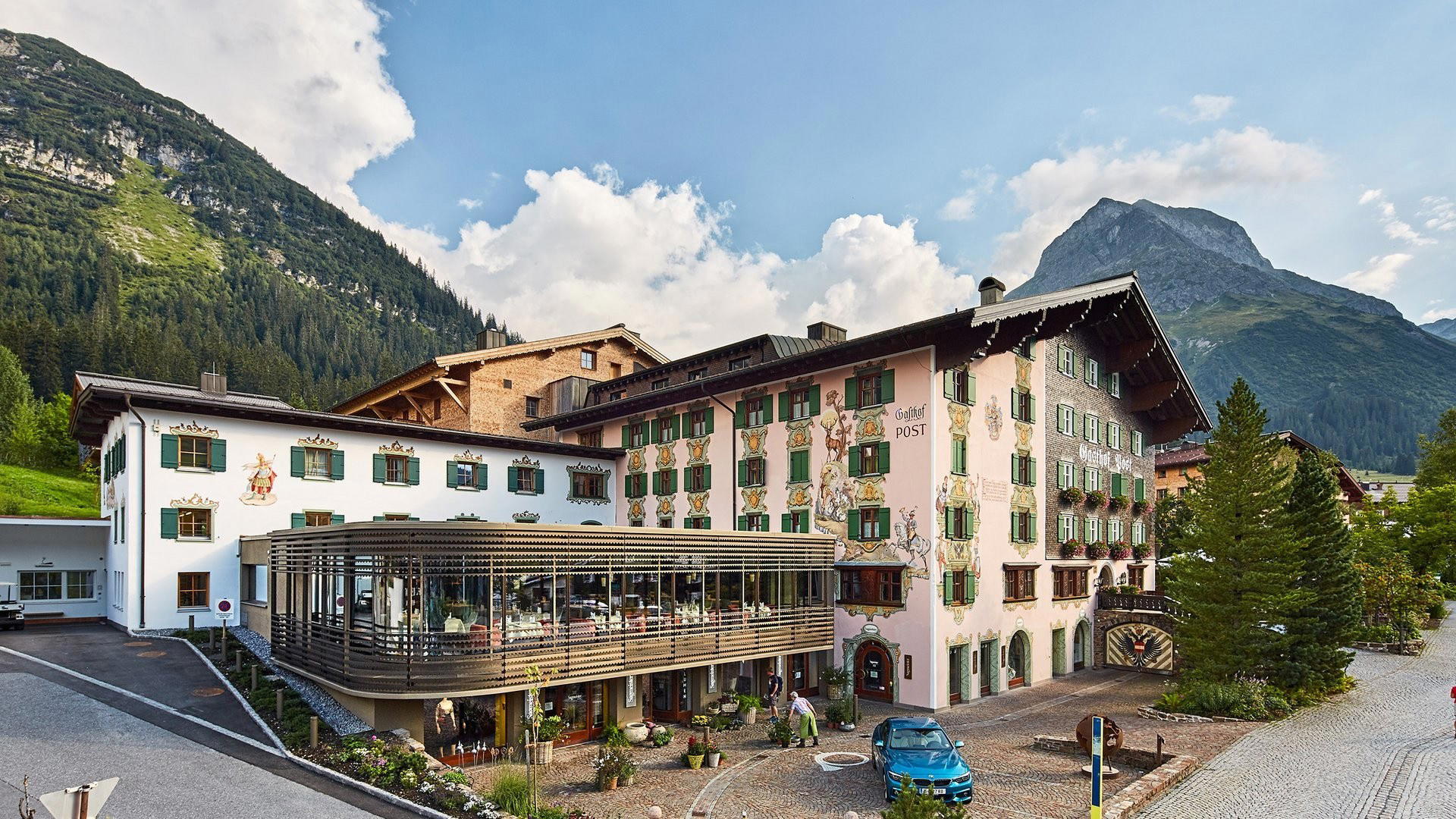
In Ischgl, the transition from mountain to table is rarely gradual. Boots are swapped for après wear at the base of the lift, and within minutes most skiers are choosing between the resort's escalating tiers of dining: hotel restaurants with Michelin stars, larger international operations, and a handful of rooms that sit closer to Tyrolean tradition without retreating into tourist formula. Heimatbühne occupies a specific position in that last category. Positioned directly adjacent to the ski slope and open to the lobby and bar area, it reads immediately as a room built for comfort after cold air rather than ceremony before a long evening. Warm wood panelling covers most surfaces, the table count stays deliberately small, and the atmosphere sits closer to a well-appointed alpine Stube than to the formal dining rooms a few floors up at the same property.
That distinction matters. The Trofana Royal also houses Paznaunerstube, one of Ischgl's Michelin-starred kitchens. Heimatbühne functions as its counterpart rather than its competitor: same building, different register entirely. Guests who want the hotel's kitchen credentials applied to an à la carte format, at a lower commitment in both formality and spend, are the room's natural audience.
Tyrolean Cooking as a Regional Argument
Austrian alpine cooking, when it is done with discipline rather than nostalgia, draws on a supply chain that most European cuisines would struggle to replicate. The Paznaun valley's elevation, grazing conditions, and short growing season produce proteins and dairy with a specificity that distinguishes them from lowland equivalents. Paznaun Highland beef is the clearest expression of this: cattle raised at altitude on mountain pasture develop a different fat composition and flavour density than their counterparts in flatter terrain. Diasbach trout, sourced from cold-water streams in the region, carries the clean mineral quality that fast-moving mountain water tends to produce. Traditional Alpine cheeses close the local triangle, representing centuries of cheesemaking adapted to the logistics of high-altitude herding.
Heimatbühne's à la carte format builds its menu from these three anchors. The approach aligns with a broader pattern visible across Austria's more serious regional kitchens, from Döllerer in Golling an der Salzach to Kräuterreich by Vitus Winkler in Sankt Veit im Pongau: treat regional produce as the argument, not the garnish. The Michelin Plate recognition awarded in 2025 signals that the kitchen's execution meets a threshold of consistency and technical care.
The Room and Its Logic
Alpine resort dining splits between two broad formats. The first is the destination restaurant: controlled environment, set menu, high spend, requiring guests to plan weeks or months ahead and commit to an evening as an event in itself. The second is the ski-adjacent dining room: accessible, à la carte, designed to absorb guests at different points of the day and accommodate the variability of mountain schedules. Heimatbühne sits firmly in the second category, and the physical design reinforces that. The connection to the lobby and bar means there is no hard threshold between the room and the wider hotel; the atmosphere is ambient rather than contained. With only a handful of tables, the scale stays personal rather than institutional, though the small capacity also means that availability is not guaranteed without planning ahead, particularly during peak ski season when Ischgl runs at or near capacity across its dining options.
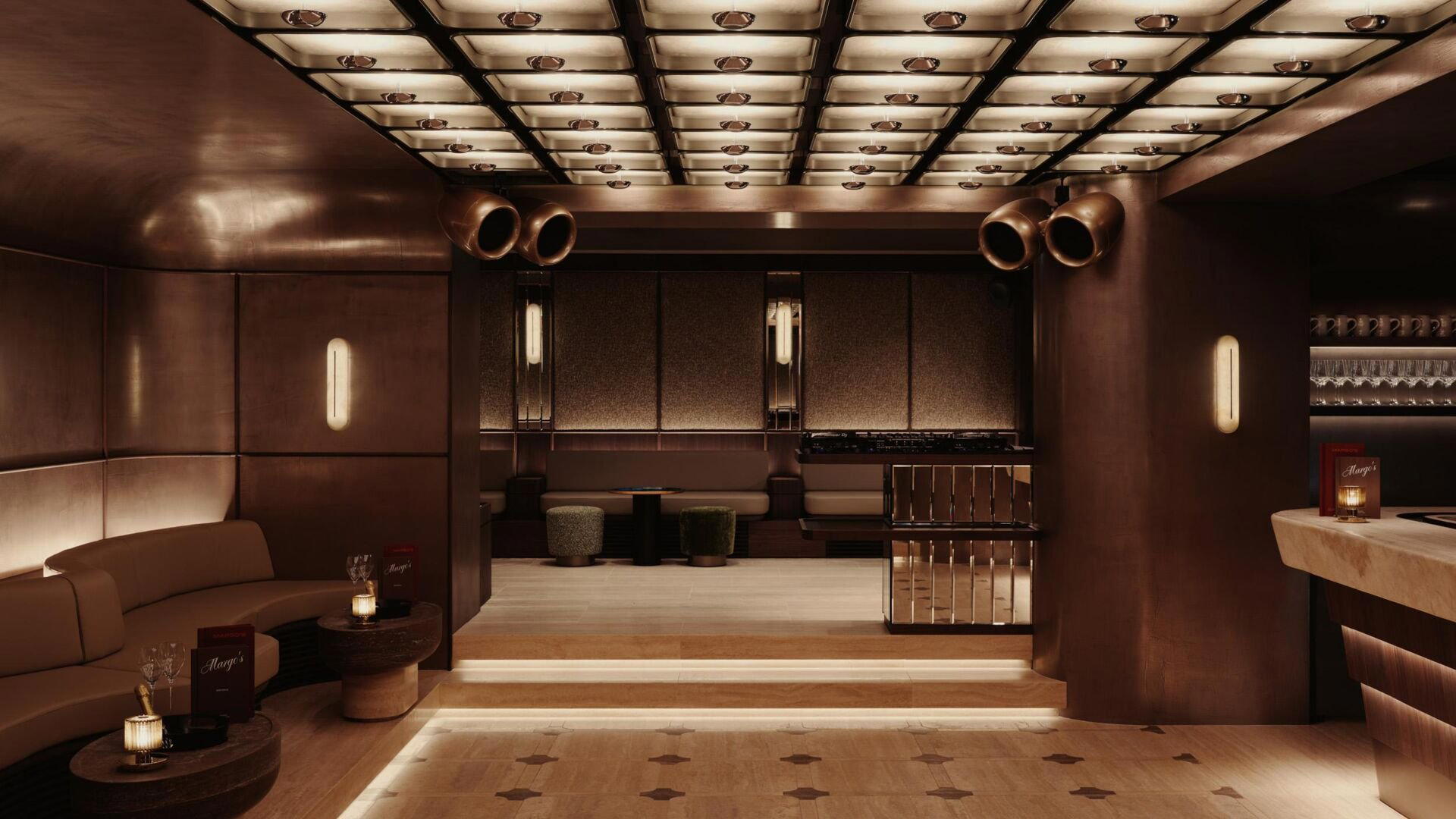
For context on Ischgl's full dining range, our full Ischgl restaurants guide maps the resort's options from the €€€€ Michelin tier down to more casual formats. The resort also supports a well-developed bar scene documented in our full Ischgl bars guide, and accommodation options across price tiers appear in our full Ischgl hotels guide.
Placing Heimatbühne in the Austrian Alpine Context
Ischgl sits within a broader Austrian alpine dining circuit that has developed serious culinary infrastructure over the past two decades. In the Arlberg region, Gourmetrestaurant Tannenhof in Sankt Anton am Arlberg and Griggeler Stuba in Lech operate in similar mountain-resort contexts with Michelin recognition. In Salzburg, Ikarus and Senns represent the city's high-end tier, while Steirereck im Stadtpark in Vienna remains the country's most prominent benchmark for Austrian regional cooking at the leading level. At the other end of the formality range, 1er Beisl im Lexenhof in Nußdorf am Attersee and Landhaus Bacher in Mautern an der Donau demonstrate how the Beisl and Gasthof tradition can operate at high quality without reaching for tasting-menu formats.
Heimatbühne sits in that conversation as the resort-adjacent option: Michelin-recognised, regionally grounded, and pitched at a price point (€€€) that sits one tier below the €€€€ operations at Fliana Gourmet and Schlossherrnstube. The 2025 Michelin Plate is the relevant credential here: it indicates that the Guide's inspectors found the food worth recommending without the kitchen reaching for the star tier's level of ambition or price.
Planning Your Visit
Heimatbühne is located at Dorfstr. 95, 6561 Ischgl, Austria, and reservations are essential.
Price and Recognition
Comparable venues nearby, for context on price, style, and recognition.
| Venue | Cuisine | Price | Awards | Notes |
|---|---|---|---|---|
| HeimatbühneThis venue — the venue you are viewing | Austrian | $$$$ | Michelin Plate | Not listed |
| Hotel Post Ursprung | Ischgl center, Alpine-Mediterranean | $$$ | Not listed | Not listed |
| Fliana Gourmet | Ischgl, Modern Austrian Fine Dining | $$$$ | Michelin Plate | Not listed |
| Lucy Wang | Not listed | $$$$ | Not listed | centre, Japanese Newstyle & French Brasserie |
| SPACE 73 | Not listed | $$$ | Not listed | Dorfstraße, Modern European Steakhouse & Lounge |
| KOYA | Ischgl, Japanese Cuisine & Brasserie | $$$$ | Not listed | Not listed |
Recognition history
Dated appearances from independent guides and award organizations, with the underlying list record or original source where available.
Falstaff Restaurant - 95 Falstaff Points
Falstaff
Michelin Plate
Michelin
Michelin Plate
Michelin
Michelin Plate
Michelin
Continue exploring
More in Ischgl
Restaurants in Ischgl
Browse all →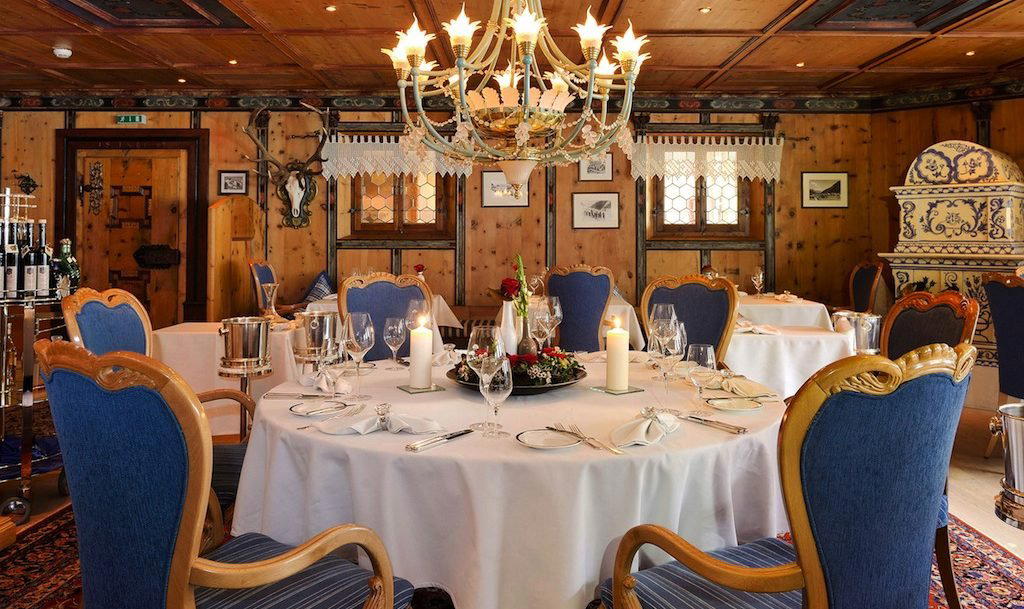
Bars in Ischgl
Browse all →


Hotels in Ischgl
Browse all →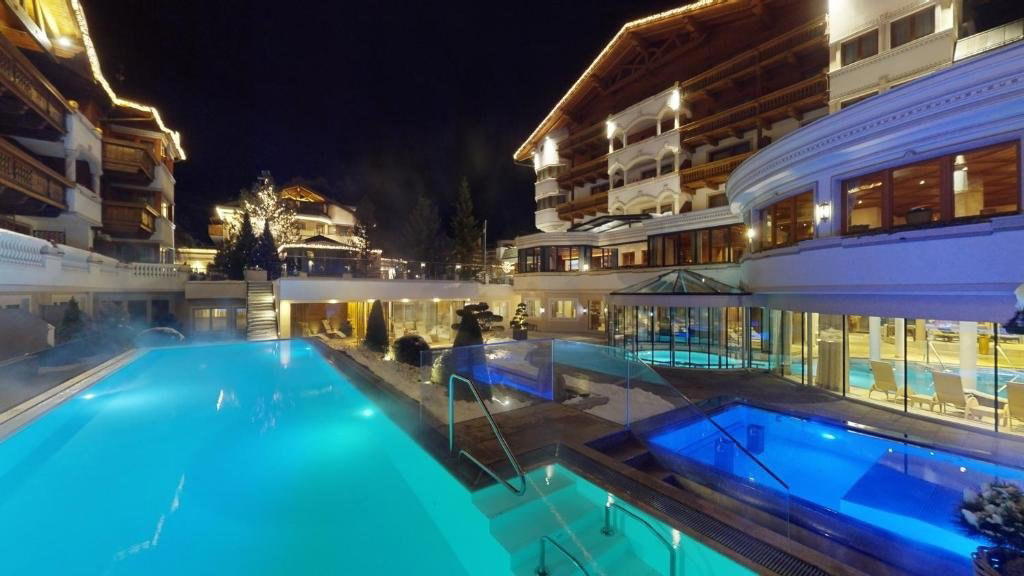

At a Glance
- Elegant
- Sophisticated
- Classic
- Intimate
- Special Occasion
- Date Night
- Celebration
- Hotel Restaurant
- Open Kitchen
- Extensive Wine List
- Sommelier Led
- Local Sourcing
- Farm To Table
- Mountain
Current opening hours
- Monday
- 7–9 PM
- Tuesday
- 7–9 PM
- Wednesday
- 7–9 PM
- Thursday
- 7–9 PM
- Friday
- 7–9 PM
- Saturday
- 7–9 PM
- Sunday
- Closed
Hours can change for holidays and private events. Last verified .
Inviting and classy decor with spacious, comfortable seating near the hotel lobby bar area; refined alpine elegance with artistic plating and attentive service.