Lucy Liu Kitchen and Bar occupies a laneway address at 23 Oliver Lane in Melbourne's CBD, positioning it within a corridor of Asian-influenced dining that has defined the city's after-dark eating scene for over a decade. Where Flower Drum holds the Cantonese fine-dining anchor and newer arrivals push pan-Asian fusion, Lucy Liu operates in the animated middle ground: a bar-forward room with kitchen ambitions that reward the curious diner.
Pearl is the En Primeur Club membership app — saves, bookings, and concierge access live there. Same editors, same standards.
- Address
- 23 Oliver Ln, Melbourne VIC 3000, Australia
- Phone
- +61 3 9639 5777
- Website
- lucylius.com.au
- Directions
- Get directions
 Saves & bookings on Pearl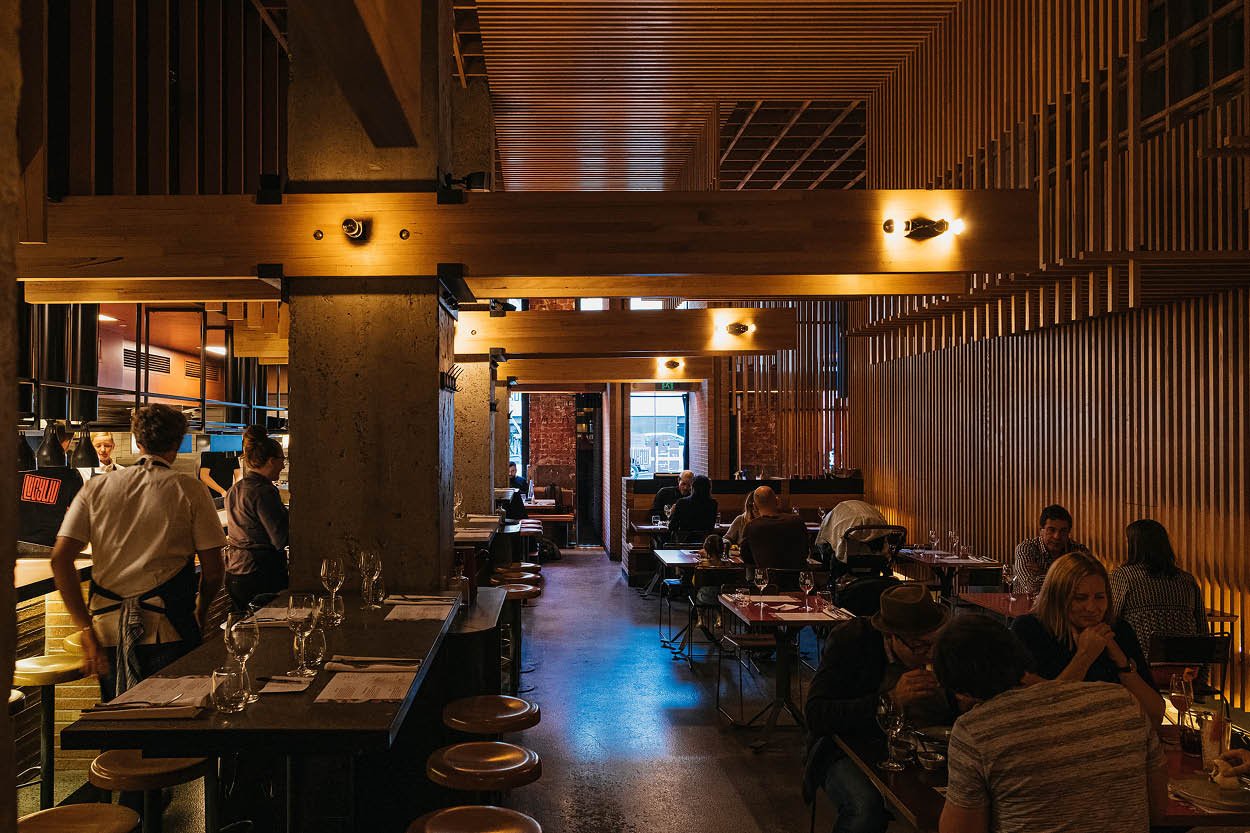
Oliver Lane and the Geography of Melbourne's Pan-Asian Dining
Melbourne's CBD laneways function as a kind of culinary shorthand for the city's character. Hosier Lane gets the photographers; Centre Place gets the commuters; Oliver Lane, tucked between Flinders Lane and Collins Street, gets the restaurants that want to be taken seriously without announcing it too loudly. Lucy Liu Kitchen and Bar sits at number 23, in a stretch that has quietly accumulated some of the more focused cooking in the central city. The address alone places it in a competitive cluster where proximity to the theatre district and the corporate towers of Collins Street means two distinct customer bases arriving at different hours with different expectations.
That dual-audience geography shapes how pan-Asian venues in this corridor have positioned themselves over the past decade. The question for any kitchen on Oliver Lane is whether it pitches toward the pre-theatre crowd looking for a brisk, legible meal, the late bar trade that wants something to absorb the cocktails, or the more deliberate diner who has made a specific reservation. The most durable venues in this tier have found ways to serve all three without diluting the food to the point of anonymity. For context on what the broader Melbourne CBD dining market looks like at its most committed, Flower Drum on Market Lane remains the reference point for Cantonese precision at the leading end, while Attica in Ripponlea represents the outer edge of what the city's fine-dining ambition looks like when it leaves the centre entirely.
The Room as a Statement of Intent
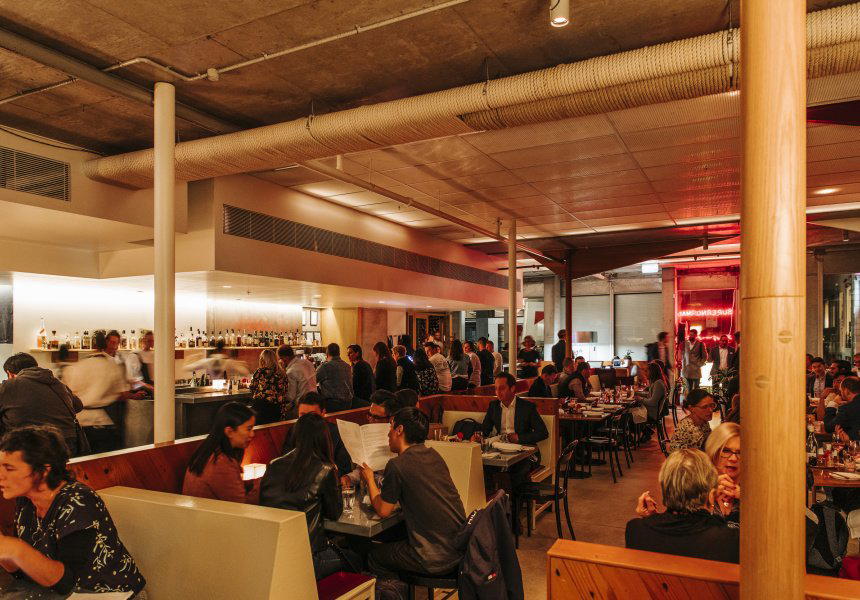
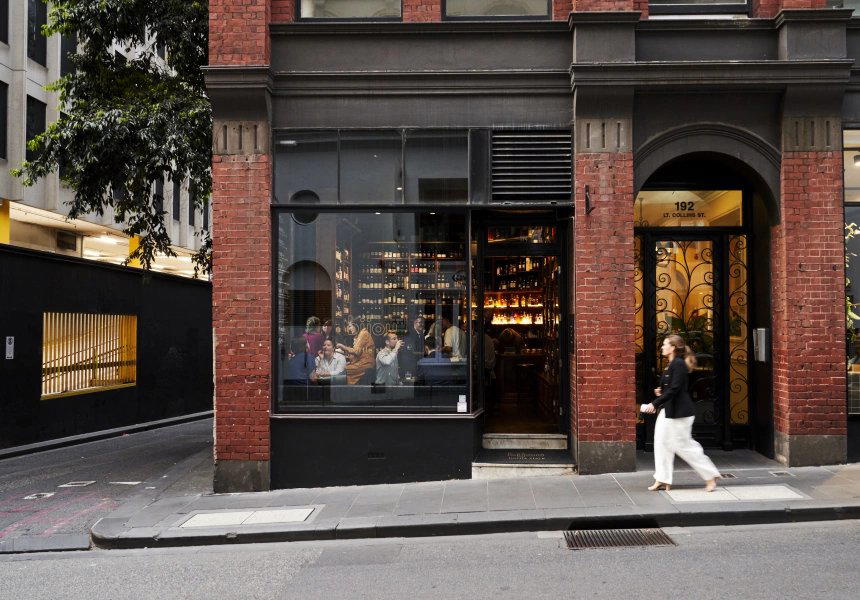
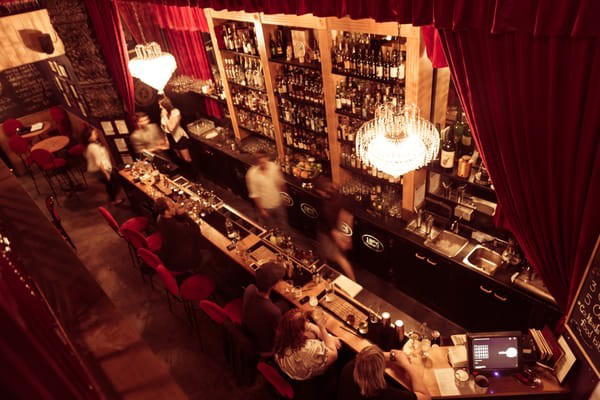
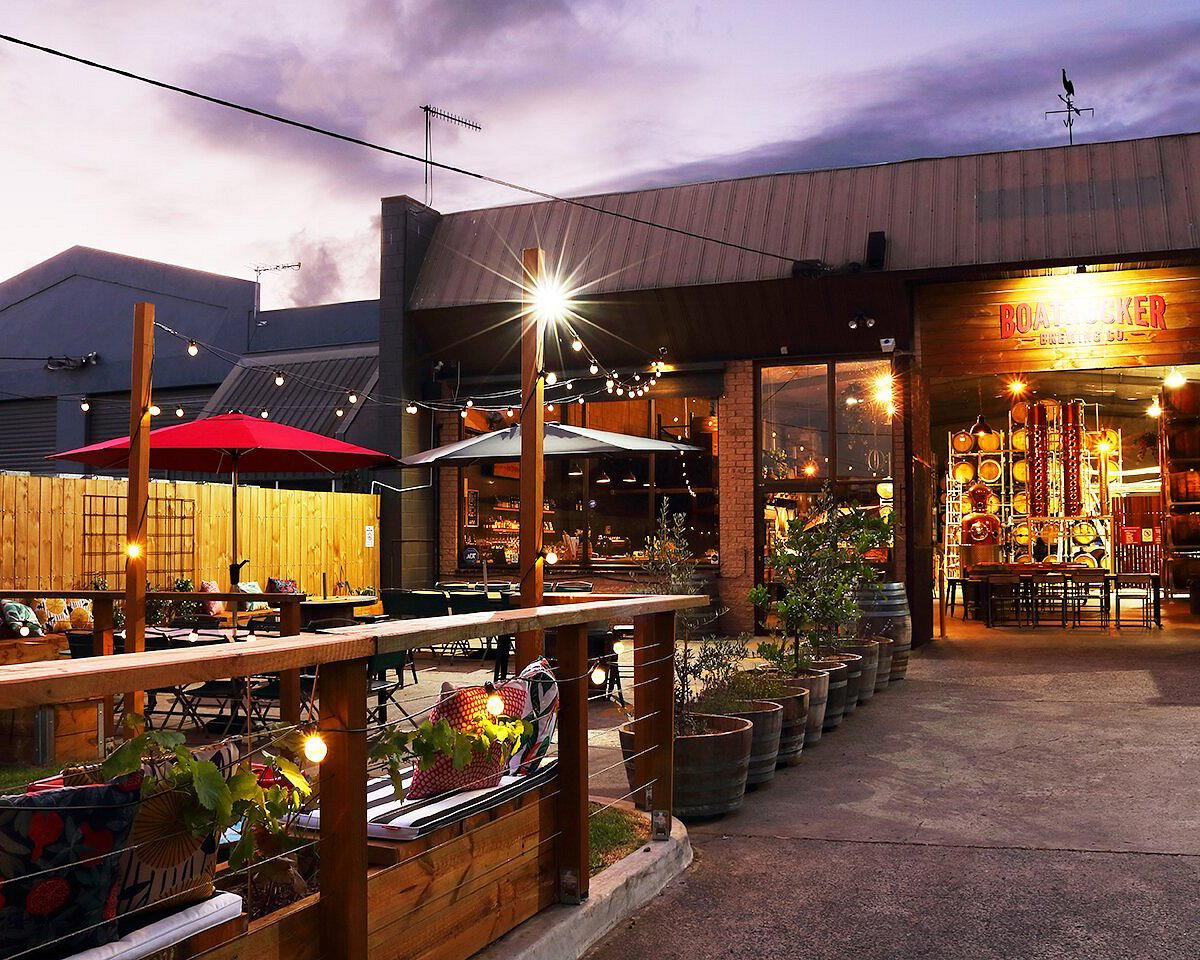
Approaching Lucy Liu from Oliver Lane, the transition from the ambient noise of the CBD to the interior is a considered compression. Laneway dining in Melbourne has historically meant tight rooms, low ceilings, and a design language that borrows from the spaces it occupies rather than imposing something imported. What distinguishes the venues that last in these corridors from those that cycle through is typically the quality of the bar program relative to the food, and the degree to which the room was designed to be occupied rather than merely photographed.
The bar-forward model that Lucy Liu represents has a specific logic in the Melbourne context. The city's cocktail culture matured significantly through the 2010s, moving from novelty theatre toward technical substance, and venues that positioned themselves as kitchen-and-bar hybrids rather than restaurants-with-a-bar-attached captured a useful flexibility. A diner who arrives at 6pm wanting a full meal and one who arrives at 9:30pm wanting small plates and a Negroni can both find a coherent reason to be in the same room. That operational model suits Oliver Lane particularly well, given the lane's foot traffic patterns across a weekday evening.
Pan-Asian Cooking in a City That Has Seen Every Version of It
Melbourne has processed more iterations of pan-Asian cooking than almost any other Australian city. The first wave arrived in the 1990s as a blunt instrument: lemongrass in everything, fusion as a synonym for confusion. The second wave, which ran through the 2000s, sharpened into sub-regional specificity, with Vietnamese, Japanese, and Sichuan venues establishing distinct identities rather than pooling their cuisines into a single vague category. The current moment is more nuanced: the leading pan-Asian kitchens in the CBD draw on specific technique from specific traditions while building menus that read coherently as a whole rather than as a cultural sampler plate.
For comparison, 48h Pizza e Gnocchi Bar in the same neighbourhood demonstrates what happens when a kitchen commits deeply to a single culinary tradition; the contrast is instructive. A venue like Lucy Liu operates in the more contested space where breadth is both the asset and the risk. Done well, a pan-Asian menu in a city with Melbourne's eating public reads as confident synthesis. Done poorly, it reads as indecision. The venues that have earned sustained recognition in this format are those where the bar program and the kitchen are operating at equivalent levels of craft, so that neither is subsidising the other.
Across Australia more broadly, the tension between regional specificity and accessible pan-Asian formats plays out in different ways depending on the city. Rockpool in Sydney built its reputation partly on resolving exactly that tension at a fine-dining price point. Botanic in Adelaide approaches the question from a tasting-menu angle. Melbourne's CBD, with its density of eating options and its relatively sophisticated dining public, is a harder market to read, which is precisely why the venues that establish a clear identity within it tend to hold their position for longer than those that hedge.
Where Lucy Liu Sits in the Competitive Set
Nor is it the neighbourhood bistro tier, where 7 Alfred and Above Board operate with a different set of priorities. Lucy Liu belongs to a middle tier of CBD venues where the bar is a genuine program, the kitchen has a point of view, and the room is designed for repeat visits rather than single occasions. This is a competitive but durable position in Melbourne's eating market, provided the execution is consistent across both sides of the operation.
For readers building a broader Melbourne itinerary, our full Melbourne restaurants guide maps the city's dining by neighbourhood and format, from the CBD laneway cluster to the inner-north and beyond. Those extending their Australian travel might also consider Hentley Farm in Seppeltsfield, Provenance in Beechworth, or further afield, Pipit in Pottsville and Salt Water Restaurant in Cairns. For international context on what technically serious bar-and-kitchen hybrids look like at the highest level, Le Bernardin in New York City and Lazy Bear in San Francisco represent two very different answers to the same question, as does Ormeggio at The Spit in Mosman and Lizard Island Resort for those interested in how Australian hospitality translates across different settings.
Planning Your Visit
Lucy Liu Kitchen and Bar is located at 23 Oliver Lane, Melbourne VIC 3000, accessible on foot from Flinders Street Station in under ten minutes. Oliver Lane runs parallel to Collins Street and is leading approached from Exhibition Street or Swanston Street. Given the lane's position between the theatre district and the corporate precinct, weekday evenings from Thursday onward tend to draw the densest foot traffic; those seeking a quieter room will find earlier sittings on Tuesday or Wednesday more accommodating. As with most CBD laneway venues in this format, the bar area typically operates on a walk-in basis while the dining room may benefit from advance reservation, particularly for groups of four or more on weekend nights.
Continue exploring
More in Melbourne
Restaurants in Melbourne
Browse all →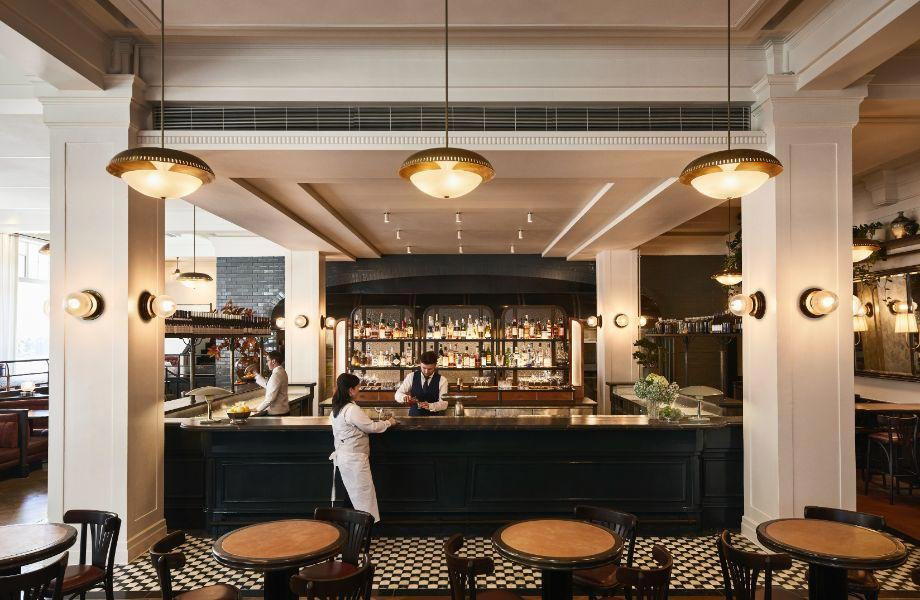
Bars in Melbourne
Browse all →
Hotels in Melbourne
Browse all →
At a Glance
- Trendy
- Lively
- Modern
- Industrial
- Date Night
- Group Dining
- Late Night
- Open Kitchen
- Craft Cocktails
Current opening hours
- Monday
- 11:30 AM–11 PM
- Tuesday
- 11:30 AM–11 PM
- Wednesday
- 11:30 AM–11 PM
- Thursday
- 11:30 AM–11 PM
- Friday
- 11:30 AM–11 PM
- Saturday
- 11:30 AM–11 PM
- Sunday
- 11:30 AM–11 PM
Hours can change for holidays and private events. Last verified .
Bustling and stylish street food atmosphere with industrial design and lively energy.
Know Before You Go
- Getting there
- 23 Oliver Ln, Melbourne VIC 3000, Australia