Lucky Danger Chinatown
Lucky Danger in Washington D.C.'s Chinatown corridor has built a reputation on Chinese-American classics reframed for a contemporary audience. The format sits at the intersection of casual counter service and considered cooking, drawing a lunch and dinner crowd from the surrounding Penn Quarter. For a neighbourhood that has shed most of its historic Chinese identity, Lucky Danger represents a deliberate act of reclamation.
 Discover on Pearl
Pearl is the En Primeur Club membership app — saves, bookings, and concierge access live there. Same editors, same standards.
- Address
- 709 D St NW, Washington, DC 20004
- Phone
- +17712335454
- Website
- luckydanger.co
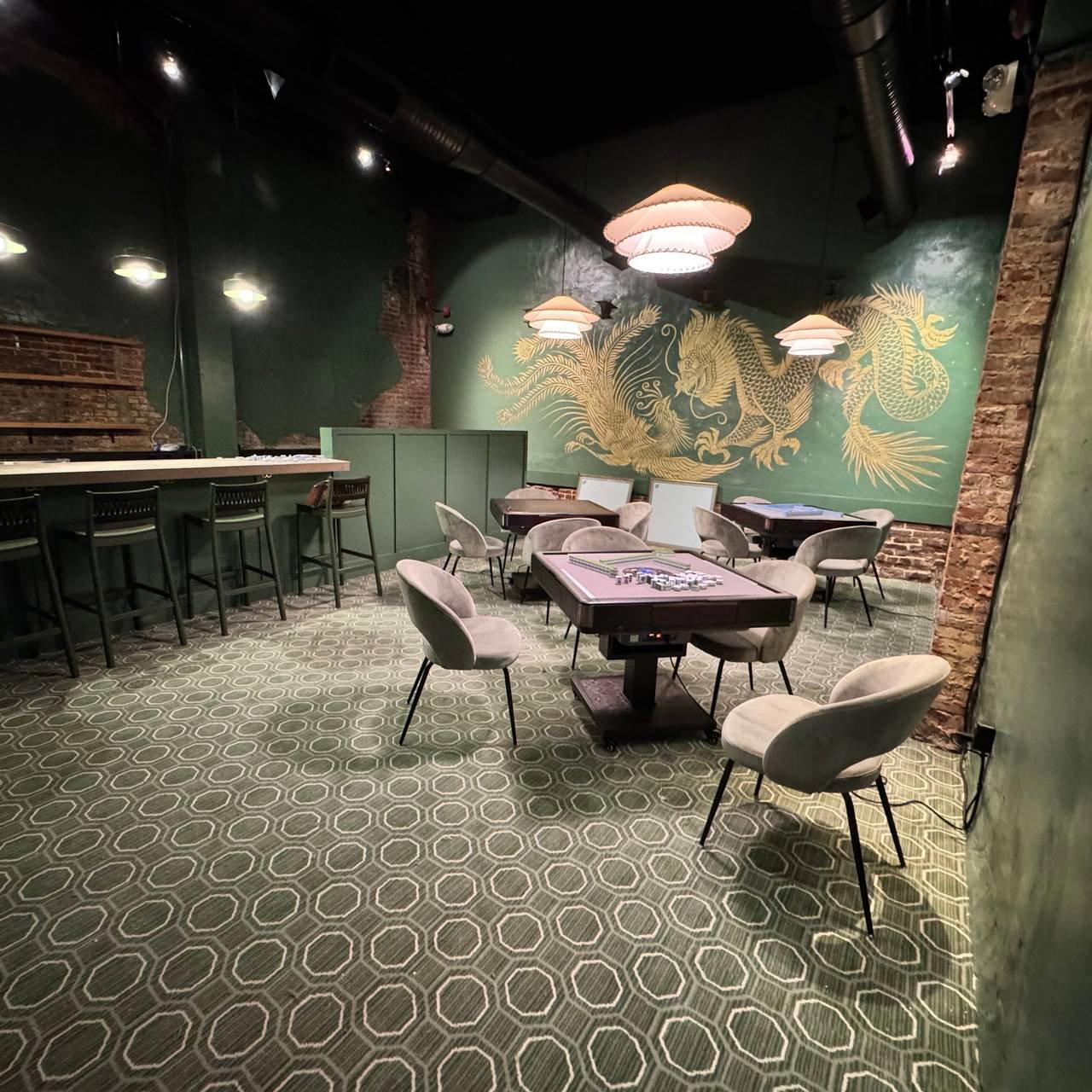
What Chinatown Lost, and What Lucky Danger Is Trying to Recover
Washington, D.C.'s Chinatown is a compact dining district near Capital One Arena, and Lucky Danger serves Modern American Chinese here at a mid-range price point. The stretch of H Street and the surrounding blocks once held a genuine immigrant community; today, fewer than a handful of Chinese-owned businesses remain, with the area having been absorbed almost entirely by Penn Quarter's office towers, sports bars, and chain restaurants. Against that backdrop, Lucky Danger at 709 D St NW occupies an unusual position: it is a Chinese-American restaurant operating in a neighbourhood where that tradition has been largely erased, which makes the act of cooking there as much a statement about place as it is about food.
This is the editorial lens through which Lucky Danger makes most sense. It is a deliberate response to what the neighbourhood lost, and that sense of purpose shapes how the restaurant has evolved since opening.
The Evolution of the Format
Chinese-American cooking has undergone a complicated reassessment in American cities over the past decade. The category spent years being either dismissed as low-end comfort food or overworked into something unrecognisable by fine dining kitchens. The more interesting middle ground, where the vernacular is treated with respect but not reverence, has been slower to develop. Lucky Danger sits in that middle ground, taking dishes from the Chinese-American canon and executing them with an attention to sourcing and technique that places it closer to the ethos of D.C.'s better casual restaurants than to the steam-table model it superficially resembles.
That positioning has shifted over time. Early iterations leaned into the nostalgic register more heavily; the current direction is more confident in its editorial point of view, treating the food as worthy of scrutiny rather than irony. This is a trajectory visible in other American cities too, where Chinese-American restaurants have moved from self-deprecating comfort toward something more self-assured. Lucky Danger's location in a hollowed-out Chinatown gives that evolution an added layer of meaning that restaurants in more intact Chinese neighbourhoods don't carry in quite the same way.
Where It Sits in D.C.'s Dining Scene
Washington D.C. has a restaurant culture that skews heavily toward two poles: high-investment tasting menu formats at one end and fast-casual at the other. The middle tier, where thoughtful cooking meets accessible pricing and informal atmosphere, is less developed than in comparable American cities. Lucky Danger occupies that middle tier alongside a small cohort of restaurants that have made deliberate choices about format and audience.
For comparison, D.C.'s more celebrated dining addresses pull hard in the other direction. Jônt and minibar both operate at the tasting-menu end of the spectrum, with price points and booking demands that put them in a completely different conversation. Albi and Causa occupy the higher casual-to-fine-dining register at the $$$$ tier. Oyster Oyster at the $$$ level represents the kind of ingredient-led, mission-forward casual dining that has found its audience in the city. Lucky Danger operates in a related spirit but through a different cultural tradition, one that is underrepresented at this level of execution in D.C. specifically.
The Chinese-American Canon, Reconsidered
Chinese-American cooking is a distinct culinary tradition, not a lesser version of regional Chinese cooking. It developed over more than a century in American cities, shaped by available ingredients, immigrant adaptation, and the preferences of a broad customer base. The dishes it produced, from General Tso's chicken to egg rolls to lo mein in their American forms, are genuinely interesting objects when examined on their own terms rather than measured against mainland Chinese antecedents.
The trend in cities like New York, Los Angeles, and San Francisco has been toward restaurants that apply this understanding: taking the Chinese-American canon seriously as a subject of culinary inquiry. Lucky Danger is the most visible practitioner of that approach in Washington D.C., a city that hasn't historically had a strong Chinese restaurant culture at any price tier. That gap makes Lucky Danger's presence more significant than its square footage might suggest.
For reference, the broader American fine dining conversation has been shaped by restaurants such as Le Bernardin in New York City, Alinea in Chicago, and The French Laundry in Napa, all of which operate in traditions with deep institutional credibility. Lucky Danger is working in a tradition that has been systematically undervalued, which makes the execution stakes different. Getting Chinese-American food right in this context requires a different kind of confidence than replicating a French canon. Other restaurants taking comparable risks in their own regional traditions include Lazy Bear in San Francisco, Providence in Los Angeles, and Blue Hill at Stone Barns in Tarrytown, each of which has staked a distinct identity through culinary tradition rather than format spectacle.
Internationally, the seriousness with which Chinese culinary traditions are treated at the highest levels is evident in addresses like 8 1/2 Otto e Mezzo Bombana in Hong Kong, though that comparison operates in an entirely different register and price bracket. Closer to home, Atomix in New York City demonstrates how Asian culinary traditions can anchor a serious tasting-menu format in an American city, a model that Lucky Danger doesn't replicate but that contextualises why the category deserves critical attention.
In Context: Similar Options
Comparable venues nearby, for context on price, style, and recognition.
| Venue | Cuisine | Price | Awards | Notes |
|---|---|---|---|---|
| Lucky Danger ChinatownThis venue — the venue you are viewing | Modern American Chinese | $$ | , | |
| Dolan Uyghur Restaurant | Authentic Uyghur | $$ | , | Cleveland Park |
| Tony Cheng | Classic Cantonese & Mongolian BBQ | $$ | , | East End |
| Astoria DC | Sichuan Chinese with craft cocktails | $$ | , | Dupont Circle |
| Rewind | American Diner with Latin Influences | $$ | , | Dupont Circle |
| Little Engine | Revved-Up Rotisserie & Wings | $$ | , | Eastern Market |
Continue exploring
More in Washington DC
Restaurants in Washington DC
Browse all →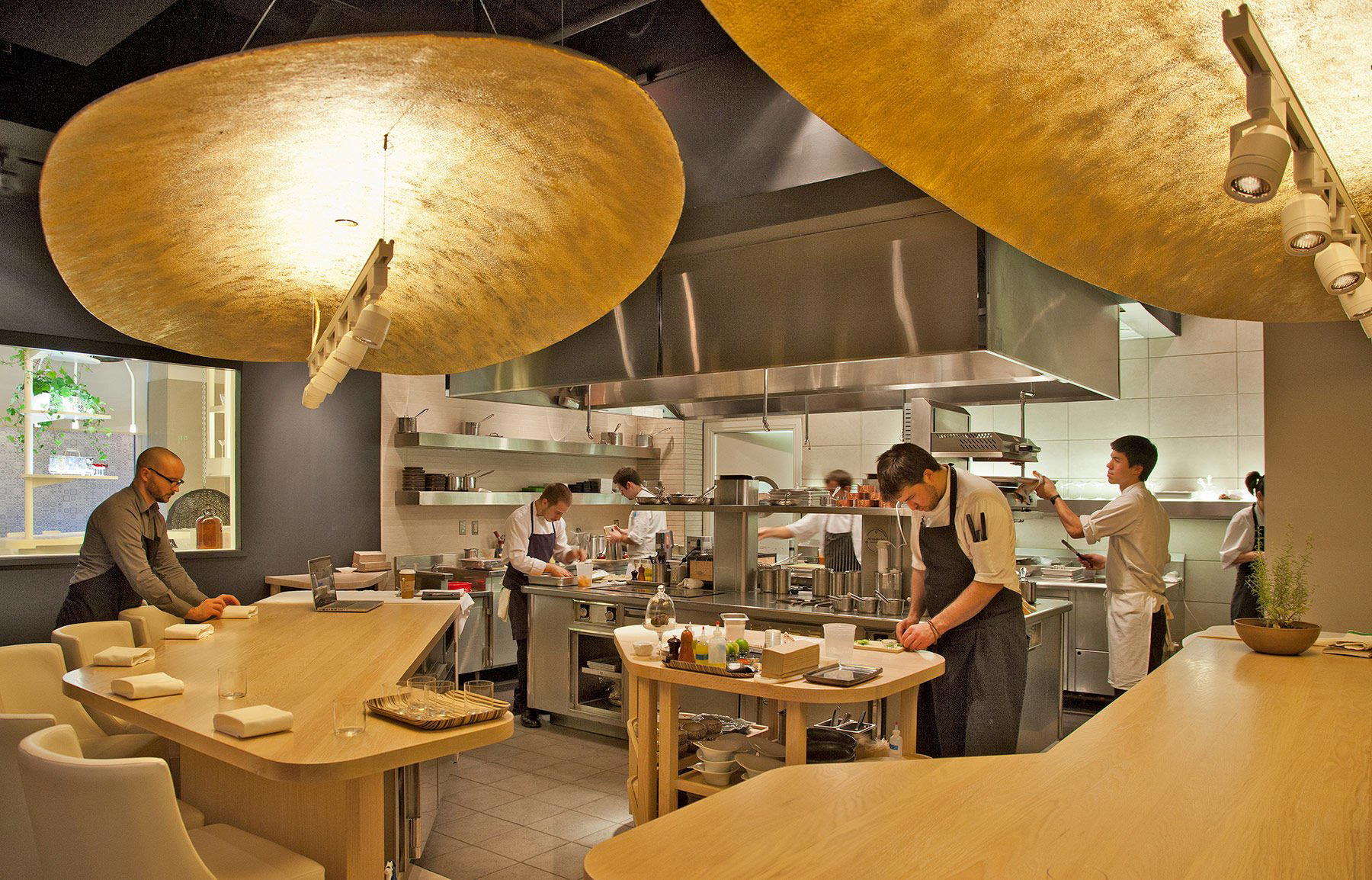
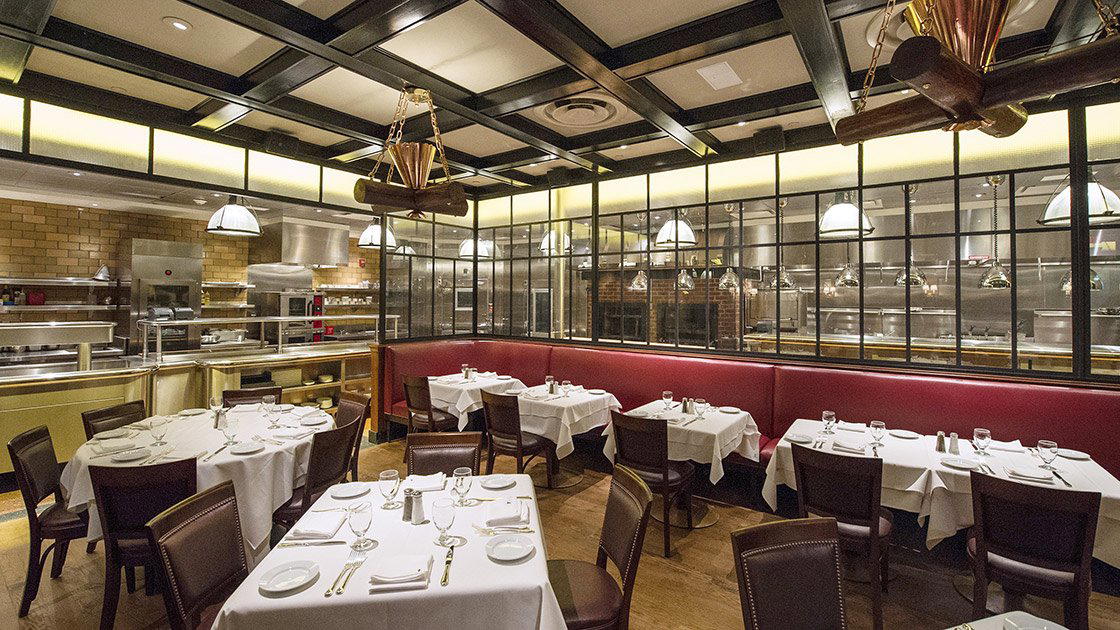
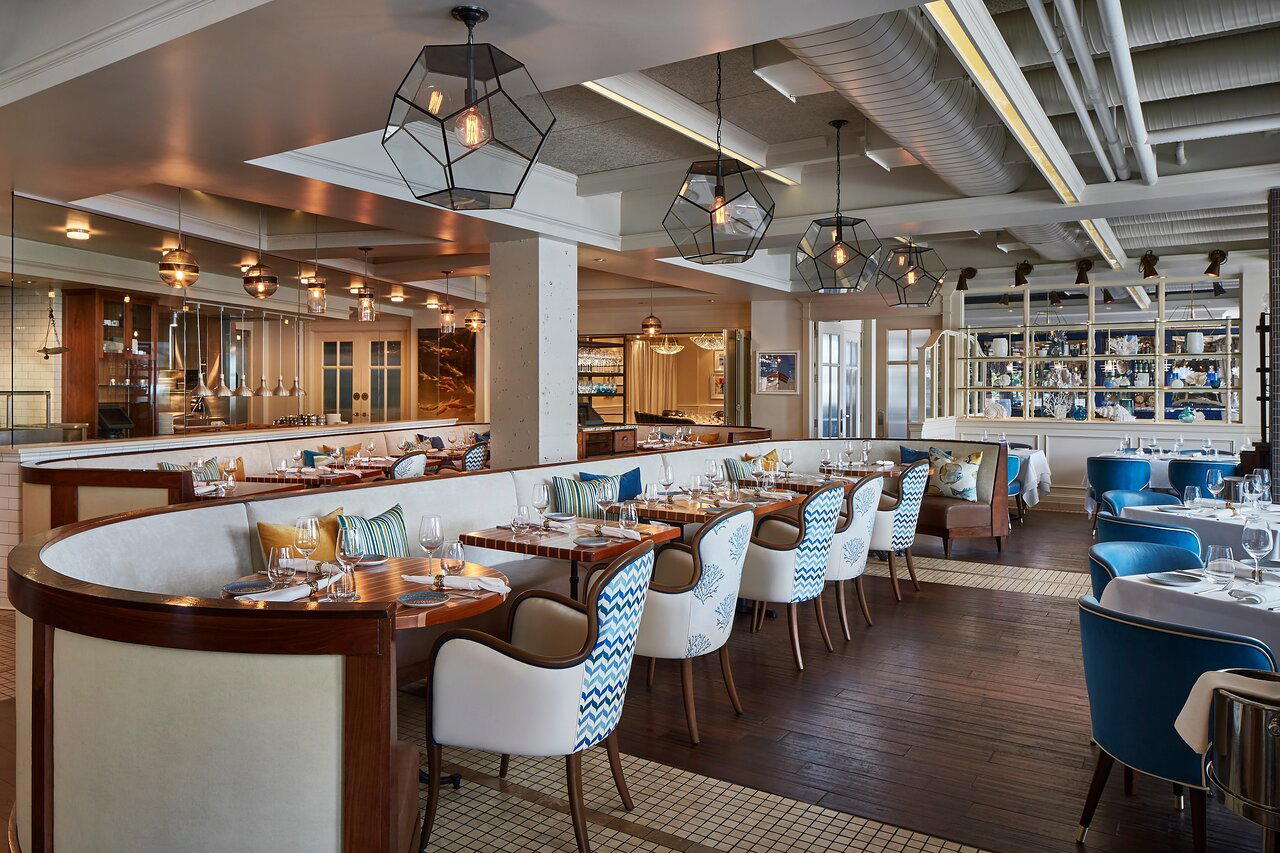
Bars in Washington DC
Browse all →
Hotels in Washington DC
Browse all →
At a Glance
- Trendy
- Lively
- Modern
- Casual Hangout
- Date Night
- Open Kitchen
- Craft Cocktails
Intimate dining room with vibrant, energetic atmosphere from three bars serving inventive cocktails.