Tony Cheng
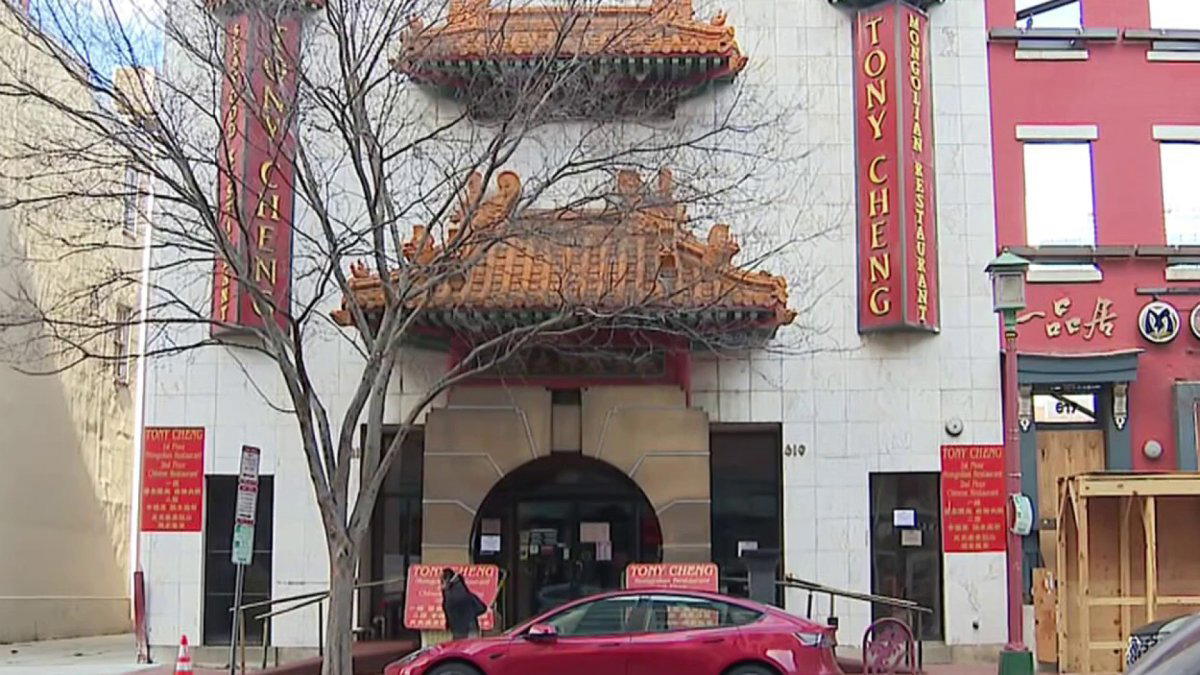
Tony Cheng is a long-standing anchor of Washington D.C.'s Chinatown dining scene, located at 619 H St NW. One of the neighborhood's most recognizable addresses for Chinese cuisine, the restaurant has served as a reference point for traditional formats in a corridor that has seen significant commercial change over the decades.
 Discover on Pearl
Pearl is the En Primeur Club membership app — saves, bookings, and concierge access live there. Same editors, same standards.
- Address
- 619 H St NW, Washington, DC 20001
- Phone
- +12023718669
- Website
- tonycheng.shop
Chinatown's Dwindling Table Count and What Still Holds
Washington D.C.'s Chinatown, centered on H Street NW between 5th and 8th, has contracted sharply since its peak decades. What was once a dense residential and commercial district has compressed to a symbolic few blocks, with chain restaurants and sports bars filling the gaps left by family-run Chinese businesses. Tony Cheng at 619 H St NW is a Classic Cantonese & Mongolian BBQ restaurant in Washington, DC, with a recommended reservation policy and a price point around $30 per person. The address itself carries weight: in a corridor where the density of authentic Chinese dining has thinned considerably, a restaurant that has maintained its presence across multiple decades occupies a different category than newer arrivals.
This is the context that matters most when reading Tony Cheng's place in D.C. dining. The question isn't how it compares to the omakase counters of Dupont Circle or the tasting-menu formats at Jônt and minibar. It's how it functions within a neighborhood that has been hollowing out around it, and what role a traditional multi-format Chinese restaurant plays in a city whose fine dining identity skews heavily toward contemporary American and European forms.
How the Menu Architecture Signals Intent
Chinese restaurants of Tony Cheng's type, large-format, multi-room, serving both Mongolian barbecue and traditional Cantonese or northern Chinese dishes depending on the floor or section, operate on a structural logic quite different from the prix-fixe or à la carte models that dominate D.C.'s higher-profile dining conversation. The menu in this format is deliberately broad: it absorbs large parties, covers multiple regional Chinese cooking styles, and allows a table to eat in ways that range from quick and informal to extended and ceremonial.
That breadth is a feature, not a hedge. In Chinese dining tradition, the size and range of a menu communicates hospitality at scale. A table of eight ordering across a wide selection is a different social contract than a tasting counter where the chef's sequence controls the pace. The Mongolian barbecue format specifically, where diners select raw ingredients that are then cooked on a large flat grill, inverts the standard restaurant model: the diner becomes a partial author of the meal. This participatory element was once novel in American cities and remains a format distinction that separates Tony Cheng from the city's predominantly chef-driven dining scene.
For comparison, consider the editorial logic of restaurants like Causa or Albi, both of which operate with tightly authored menus where the kitchen controls sequence, ingredient sourcing, and presentation with precision. Tony Cheng's structure does the opposite, and intentionally so. The menu architecture here is less about singular vision and more about accommodation: of group dynamics, of varying appetites, of the social rituals that Chinese banquet dining has codified over centuries.
D.C.'s Chinese Dining Tier and Where This Sits
Washington D.C. does not have the depth of Chinese dining found in cities like San Francisco, Los Angeles, or New York, where regional specificity runs to Sichuan, Shanghainese, Fujianese, and Cantonese sub-genres each with multiple serious practitioners. In D.C., the Chinese dining scene has always been relatively limited in scope, and the contraction of the H Street Chinatown has reduced it further. This makes the remaining operators more significant by default, not because competition is weak but because the alternatives are genuinely fewer.
Within that context, a restaurant that has maintained a physical presence at a prominent Chinatown address across decades functions as a civic anchor as much as a dining destination. It sustains the symbolic geography of a neighborhood that is otherwise difficult to read as a functioning Chinatown without some imagination. The D.C. dining conversation tends to rotate around newer entrants, from the sustainable sourcing model at Oyster Oyster to the technically driven formats elsewhere, but the longer-standing operators carry a different kind of authority rooted in continuity rather than novelty.
For readers building a D.C. itinerary around the full range of the city's dining, our full Washington, D.C. restaurants guide maps the scene across neighborhoods and price tiers. Nationally, the conversation about Chinese-American dining institutions finds parallels in how cities like New York and Hong Kong have handled their own generational Chinese restaurant questions, a comparison that surfaces across venues including 8 1/2 Otto e Mezzo Bombana in Hong Kong, though in a very different register.
The Role of Format in a Changing Neighborhood
Multi-floor Chinese restaurants with distinct dining formats on separate levels were a standard model in American Chinatowns from the 1960s through the 1980s. The format allowed a single address to serve lunch dim sum crowds, weeknight family tables, and weekend banquet bookings without reconfiguring the room. Tony Cheng's dual-format structure, combining Mongolian barbecue with a separate full-service Chinese dining room, reflects that era's logic of maximum utility within a single footprint.
That model has become less common as American dining preferences shifted toward smaller, more focused restaurant concepts. The large Chinese dining room serving a long menu to a mixed crowd is now somewhat out of step with how newer restaurants position themselves. Formats like those at Lazy Bear in San Francisco or Alinea in Chicago, or in D.C.'s own upward-tilting tasting-menu tier, move in the opposite direction: restricted capacity, fixed menus, chef-controlled pacing. Tony Cheng operates in a tradition that predates those trends and has not adopted them, which is precisely what gives it its specific character.
Planning Your Visit
Tony Cheng is located at 619 H St NW, Washington, DC 20001, in the heart of the city's compact Chinatown, at 619 H St NW, Washington, DC 20001. The H Street corridor is accessible and central, making it a practical stop before or after events at Capital One Arena nearby. Reservations are recommended. Budget: Expect about $30 per person. Format note: Confirm at booking whether you are dining in the Mongolian barbecue section or the main Chinese dining room, as the experience differs substantially between the two.
Budget Reality Check
Comparable venues nearby, for context on price, style, and recognition.
| Venue | Cuisine | Price | Awards | Notes |
|---|---|---|---|---|
| Tony ChengThis venue — the venue you are viewing | $$ | , | ||
| Lucky Danger Chinatown | East End, Modern American Chinese | $$ | , | |
| Astoria DC | $$ | , | Dupont Circle, Sichuan Chinese with craft cocktails | |
| The Hamilton | $$ | , | East End, Modern American Steakhouse with Sushi | |
| Dukem Ethiopian Restaurant | Cardozo, Traditional Ethiopian | $$ | , | |
| Nooshi | $$ | , | Golden Triangle, Pan-Asian Noodles & Sushi |
Continue exploring
More in Washington DC
Restaurants in Washington DC
Browse all →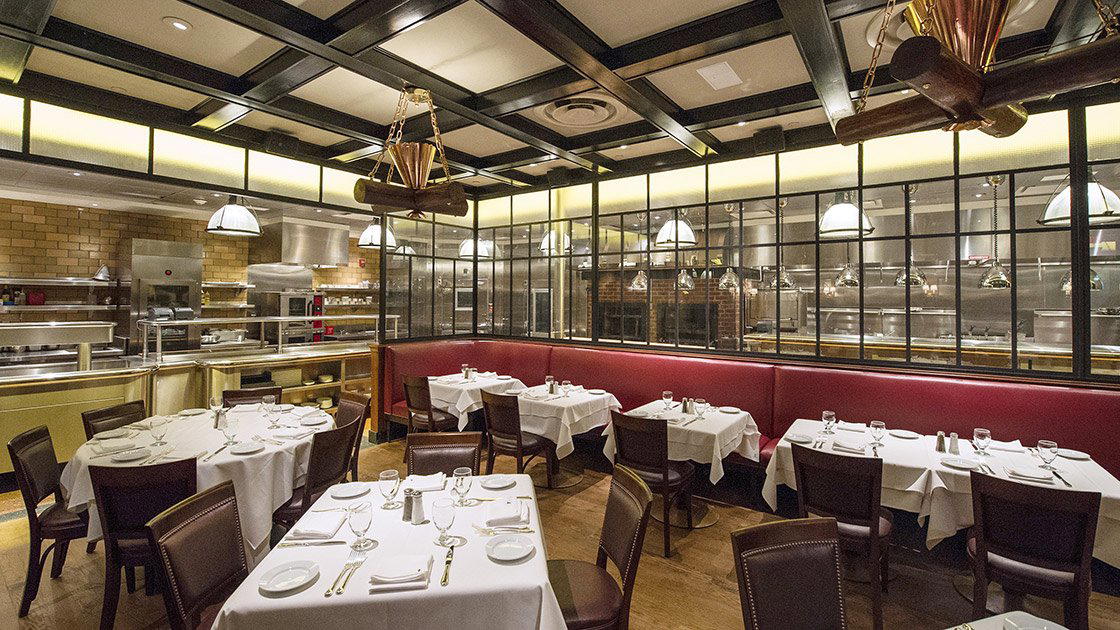
Bars in Washington DC
Browse all →
Hotels in Washington DC
Browse all →
At a Glance
- Classic
- Iconic
- Family
- Group Dining
- Casual Hangout
- Historic Building
Classical Chinese decor with white tablecloths, uniformed waiters, and a quiet, welcoming atmosphere.