Diana
Our verdict
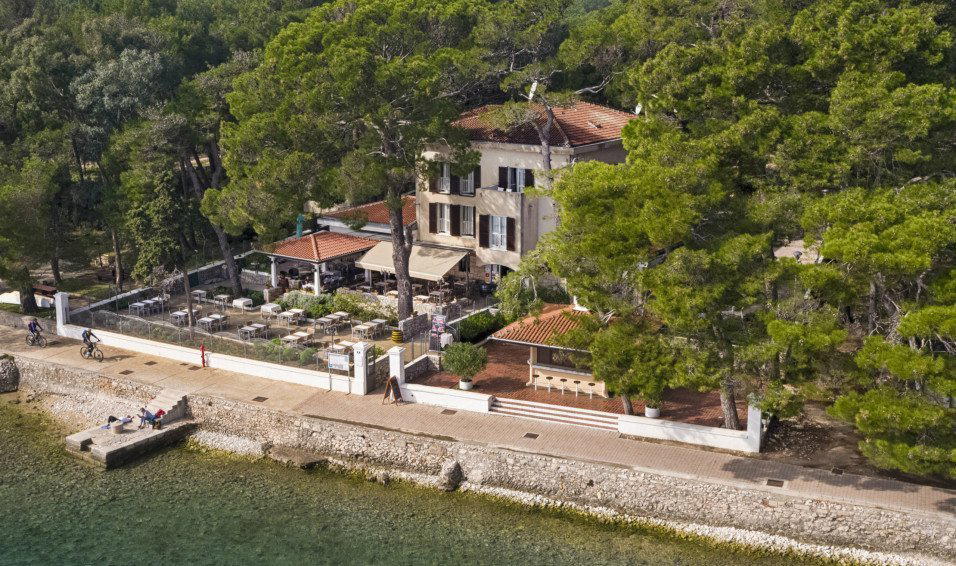
Diana occupies a seafront address on Mali Lošinj's main promenade, drawing on the Kvarner Gulf's Adriatic tradition of letting the catch set the menu's terms. The dining room faces the water directly, and the kitchen works within a straightforward seasonal register that positions Diana as a reliable choice for quality local seafood on an island where the restaurant scene spans from fishermen's konoba to contemporary Croatian cuisine.

Pearl is the En Primeur Club membership app, where members save venues, book tables and use the concierge.
The menu
What to order
- Beef tartare
- Flambé steak Diana
- Rib-eye
- T-bone
The Promenade Setting and What It Signals
Mali Lošinj's main seafront promenade, Šetalište Dr. Alfreda Edlera von Manusso Montesole, frames one of the Kvarner Gulf's most coherent dining stretches. The island sits roughly midway down the Croatian coast, accessible by ferry from Brestova or Valbiska on the mainland, and its restaurant culture reflects a geography that puts Adriatic seafood at the centre of almost every menu. Diana's address on this promenade places it in direct relationship with the water: the setting is not incidental to the experience but constitutive of it, in the way that Adriatic dining rooms have always used proximity to the sea as a form of editorial argument. Arriving along the promenade in the evening, with the Kvarner light flattening across the water, the context for what you are about to eat is already established before you sit down.
On an island where the dining range runs from working-harbour konobe like Konoba Cigale to contemporary Croatian cooking at Alfred Keller in Mali Lošinj, Diana occupies a middle register: a seafront restaurant that signals quality and tradition without repositioning itself as a destination kitchen. That positioning carries its own logic. Not every dining room on a small Croatian island should be chasing the kind of recognition that drives Pelegrini in Sibenik or LD Restaurant in Korčula. Some places do something more specific: they hold a culinary line, season after season, for a place and its ingredients.
How the Kvarner Gulf Shapes a Menu
The Kvarner Gulf is one of the most clearly defined seafood regions in the Adriatic. Cold-water inflows from northern channels, combined with the sheltered basin between the island chains and the mainland, produce shellfish, fish, and crustaceans that chefs across Croatia, and several in Italy, have spent years trying to source. The scampi native to these waters have a distinct sweetness that sets them apart from Mediterranean alternatives; the sea bass and bream raised in or caught from the surrounding waters carry the mineral register that the Gulf's temperature differential produces.
For a restaurant working within this geography, menu architecture is largely a matter of recognising what the season and the catch are already offering, then deciding how much intervention to apply. The Adriatic tradition, shared from Trieste down through Istria, the Kvarner islands, and into Dalmatia, tends toward restraint: grilling over wood, dressing with local olive oil, balancing acidity with lemon or wine. The question a restaurant like Diana poses is how faithfully that tradition is being observed versus how much the kitchen is shaping raw material into something more composed.
For contrast, Artatore and Baracuda represent other points in the local spectrum, while BoccaVera and Corrado offer further variation in style and register. The island's dining scene, small as it is, has more differentiation than a casual visitor might expect.
The Adriatic Seafood Restaurant as a Format
Understanding what Diana is requires understanding the format it inhabits. The seafront Adriatic restaurant, with its water views, seasonal catch, and wine list built around Žlahtina, Malvazija, or light reds from the islands, is one of Croatian dining's most coherent categories. At the higher end, this format connects to the Croatian restaurants that have begun drawing serious attention: Agli Amici Rovinj in Rovinj, Nebo by Deni Srdoč in Rijeka, and, further inland, Korak in Jastrebarsko, which shows what Croatian kitchens can do when formal technique meets local produce. At the other end, the konoba format prioritises simplicity and provenance over refinement.
Diana sits somewhere between those poles, in the space that Kvarner island dining has historically occupied: accessible, seafood-forward, tied to the promenade social ritual that has shaped evening life on the island for generations. Comparable formats elsewhere, the Ligurian port trattoria, the Basque coastal marisquería, even the quieter tables at a fish-focused American institution like Le Bernardin in New York City, all share the same fundamental argument: that proximity to the source of ingredients, and respect for that proximity in the kitchen, is itself a form of quality. The scale and ambition differ; the underlying logic does not.
Planning a Visit
Mali Lošinj is reachable by ferry from Brestova on the Istrian coast (roughly two hours to Valbiska on Krk, with onward connections) or by catamaran from Rijeka during peak season. The island's dining season concentrates between May and October, with July and August bringing the highest demand across all restaurants. For context on how the broader island restaurant scene is currently configured, our full Mali Lošinj restaurants guide maps the options across format and price tier. Visitors planning a wider Croatian itinerary might also consider Boskinac in Novalja on the Pag island route, Dubravkin Put in Zagreb as a capital-city anchor, Krug in Split, or Restaurant 360 in Dubrovnik for the south. On the island itself, reservations during high summer are advisable for any seafront restaurant; the promenade fills from mid-July onward and walk-in availability at quality addresses becomes unreliable after 7pm. Dinner on the promenade here follows a slow, social pace: two hours at a minimum is the norm, not the exception, and the format rewards that tempo.
For visitors whose dining radar includes Lazy Bear in San Francisco-style communal formats or highly produced tasting menus, the register at Diana is different in almost every respect. The value proposition here is place, catch, and tradition rather than technique or production. Those are legitimate and distinct reasons to sit down at a table.
Frequently asked questions
How do I find Diana?
Diana is located at Šetalište Dr. Alfreda Edlera von Manusso Montesole 2, 51550, Mali Lošinj, Croatia, Mali Losinj.
Is Diana in Mali Lošinj open year-round or only during the tourist season?
Operating hours and seasonal schedule are not formally documented for Diana. Mali Lošinj sees its primary visitor volume between June and September, and many promenade restaurants on Šetalište Dr. Alfreda Edlera von Manusso Montesole operate on reduced hours or close entirely in winter. Confirming current opening dates directly with the venue is the safest approach before planning a visit outside peak season.
What's the signature dish at Diana?
Given its address on Mali Lošinj's main seafront promenade and the Kvarner Gulf's well-documented seafood profile, which includes scampi, sea bass, and shellfish drawn from cold northern Adriatic inflows, the menu almost certainly centres on the day's local catch. Treat any fixed signature claim with scepticism until confirmed on arrival or via direct contact with the restaurant.
How hard is it to get a table at Diana?
Mali Lošinj draws significant summer ferry and catamaran traffic, and promenade restaurants on Šetalište Dr. Alfreda Edlera von Manusso Montesole fill quickly during July and August. Advance booking for peak season is advisable, though no specific reservation policy or lead time has been formally documented for Diana. Outside high season, availability is generally more relaxed across the island.
What has Diana built its reputation on?
Diana sits on one of the Kvarner Gulf's most coherent dining waterfronts, a setting that has historically anchored seafront restaurants to the region's seafood tradition rather than any single chef or concept.
How does Diana handle allergies?
No specific allergy policy is documented for Diana in Mali Lošinj. For a restaurant operating in the Adriatic seafood format, shellfish and finfish are central to the menu, making this a relevant question for anyone with seafood sensitivities. check the venue's official channels before visiting, phone and website details were not available at time of publication.
Does Diana justify its prices?
Promenade seafood restaurants in Mali Lošinj generally sit above the Croatian interior average, reflecting the island's tourism draw and the logistical cost of sourcing fresh Kvarner Gulf catch. Requesting a current menu or price list before visiting is the practical step.
Reputation Context
Comparable venues nearby, for context on price, style, and recognition.
| Venue | Cuisine | Price | Notes |
|---|---|---|---|
| DianaThis venue (the venue you are viewing) | Mediterranean Steakhouse | $30–50 | Not listed |
| Rosemary | Mediterranean Seafood | Not listed | Mali Losinj |
| Nostromo | Mediterranean Seafood | Not listed | Mali Losinj |
| Za Kantuni | Traditional Croatian Seafood | Not listed | Mali Losinj |
| Konoba Lanterna | Croatian Grill & Seafood | $50–100 | Mali Losinj |
| Artatore | Croatian Seafood | $30–50 | Artatore |
Diana
Featured Guides
Continue exploring
More in Mali Losinj
Restaurants in Mali Losinj
All restaurants in Mali Losinj →
Bars in Mali Losinj
All bars in Mali Losinj →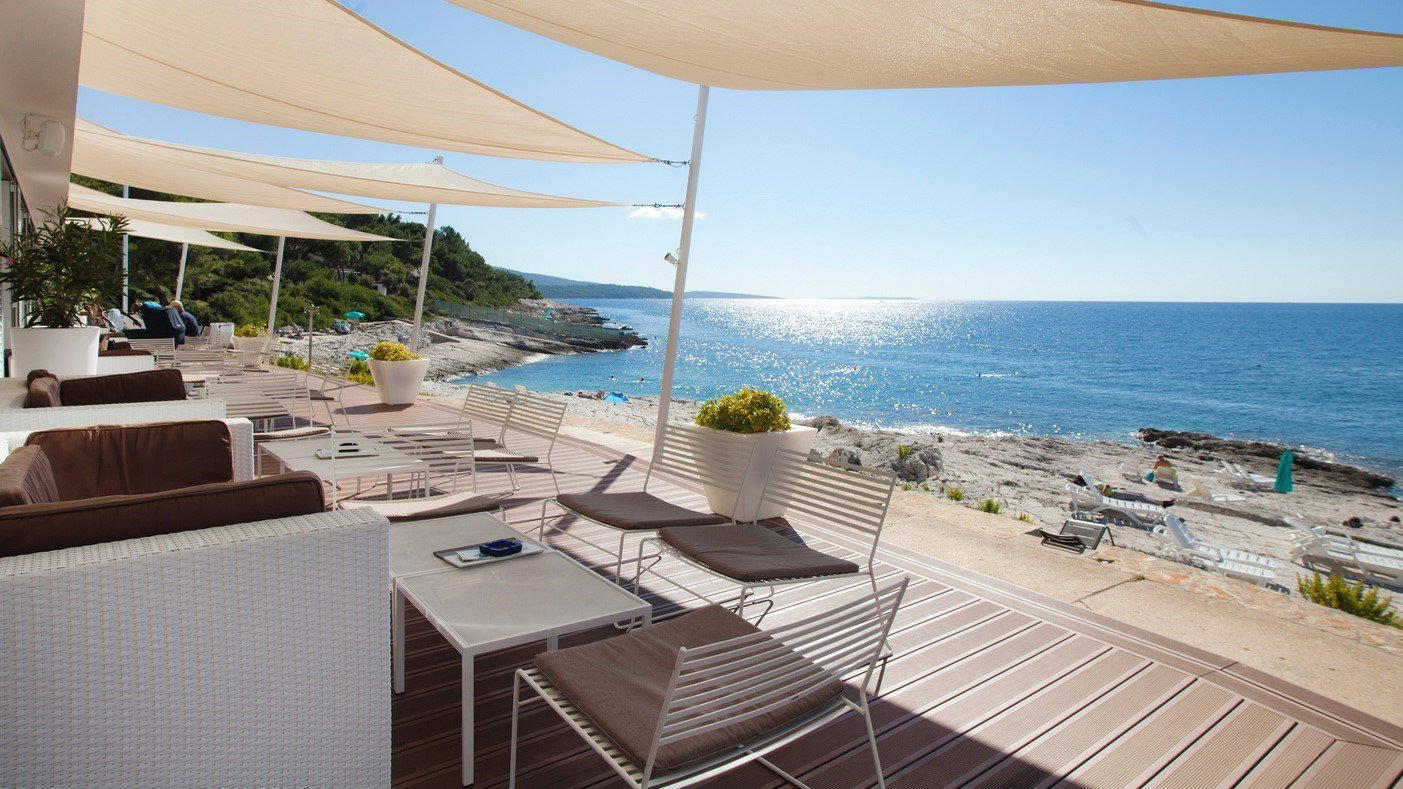
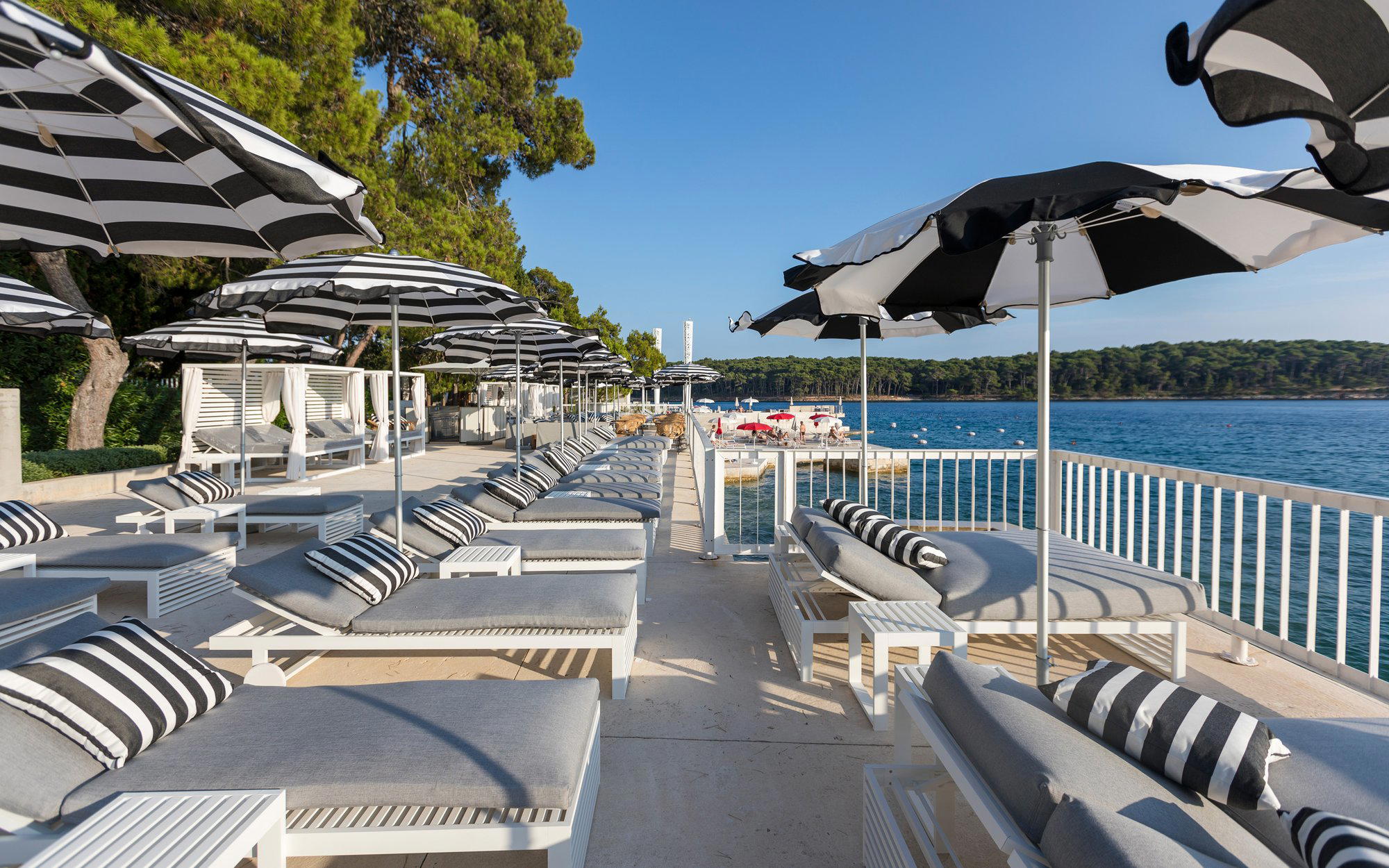
Hotels in Mali Losinj
All hotels in Mali Losinj →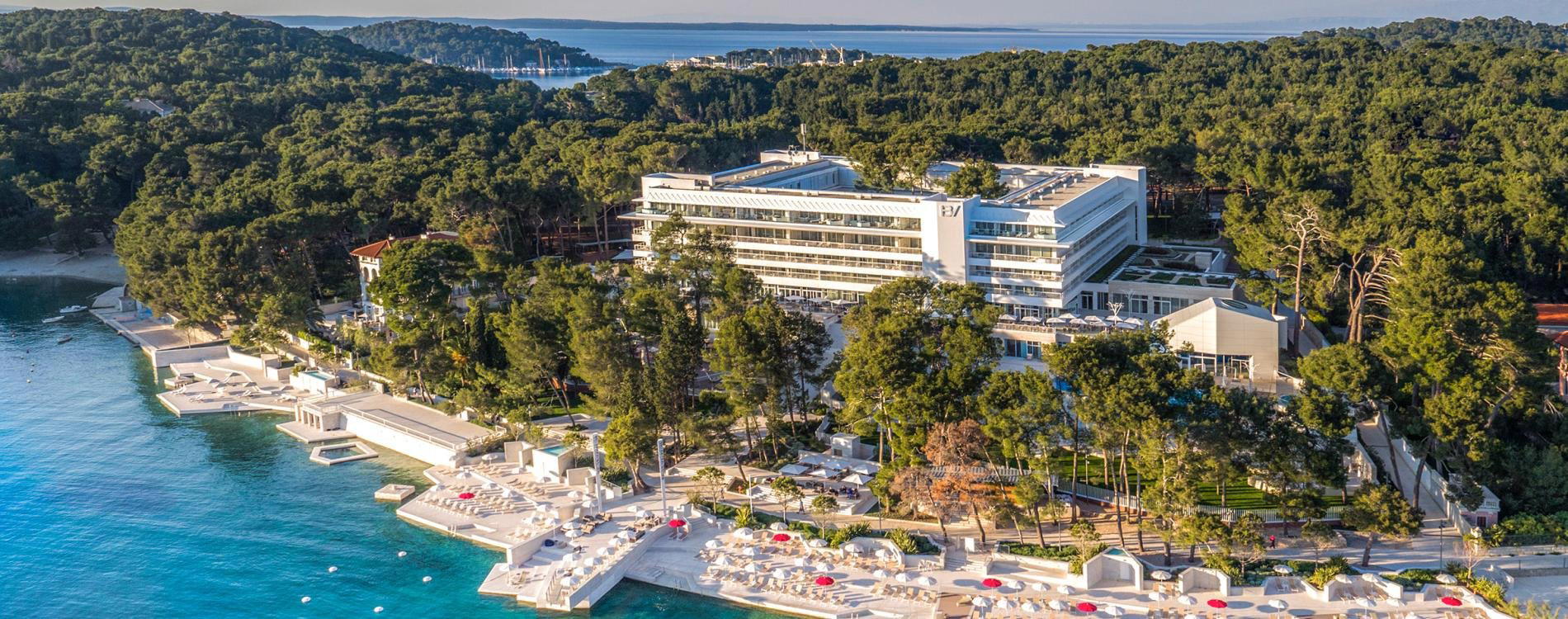
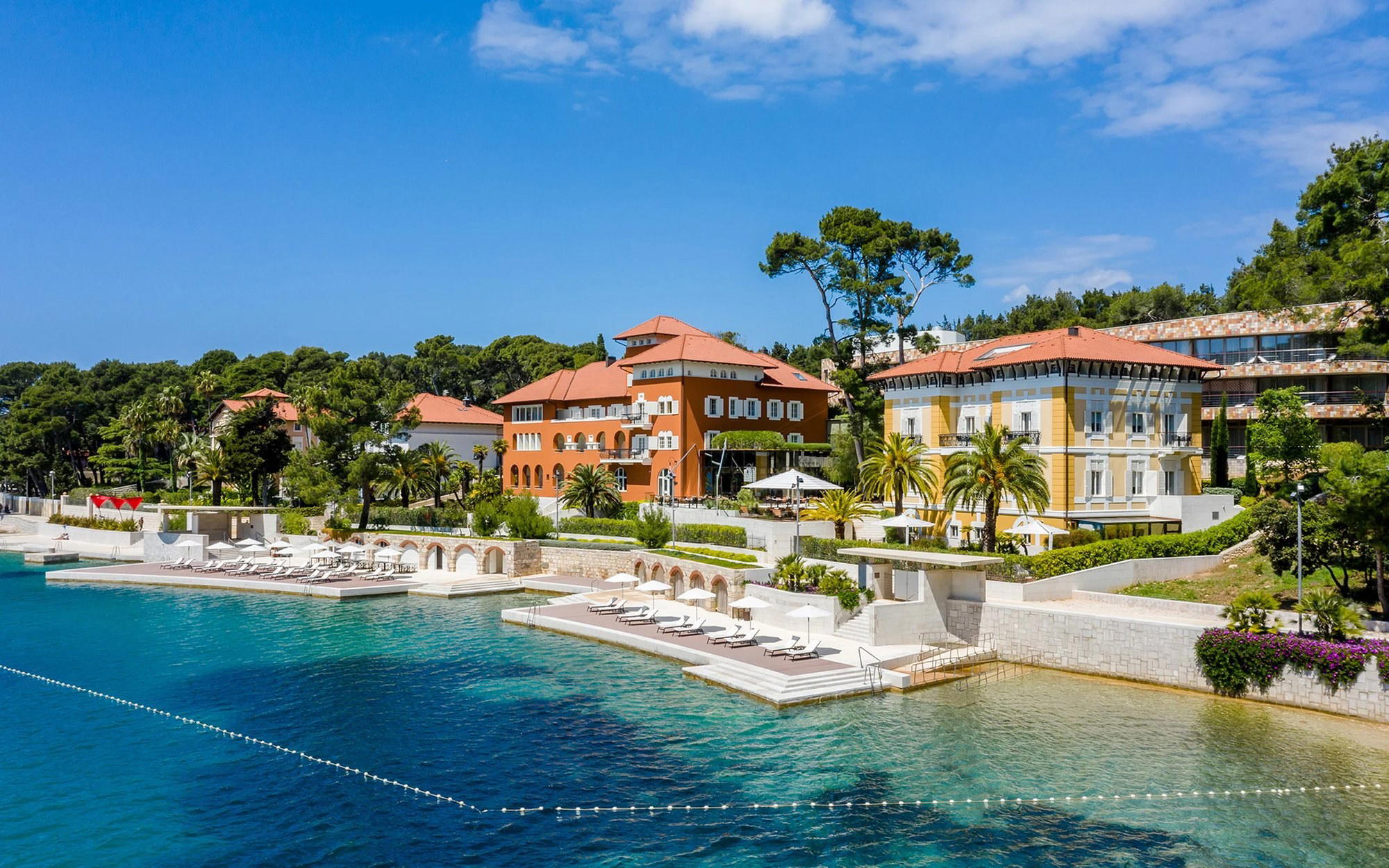
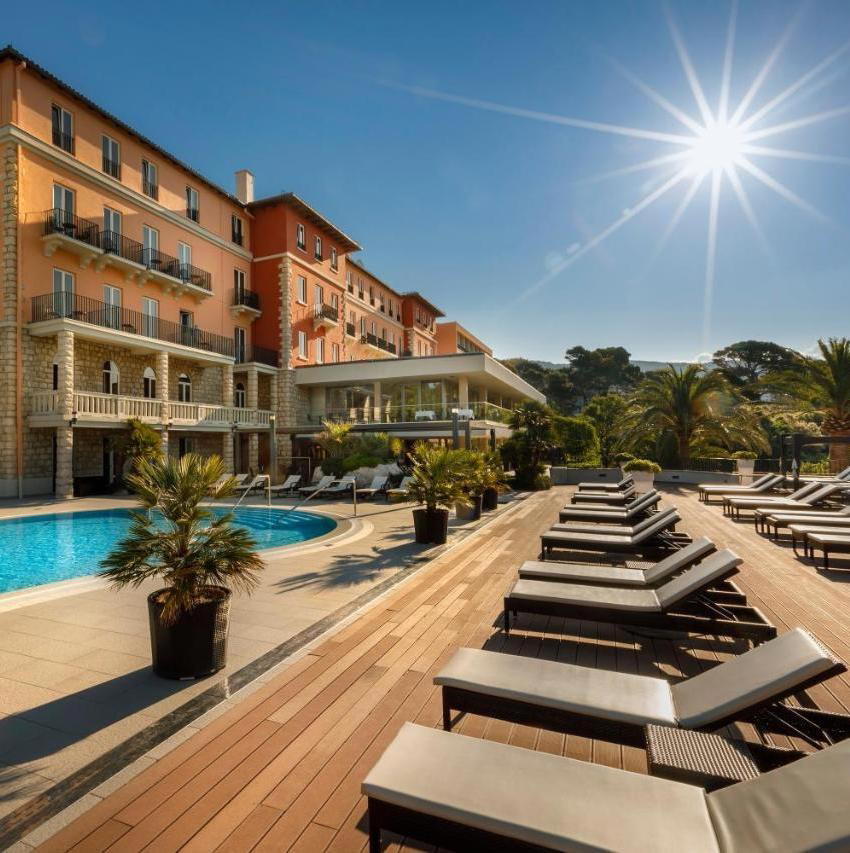
Wineries in Mali Losinj
Browse all →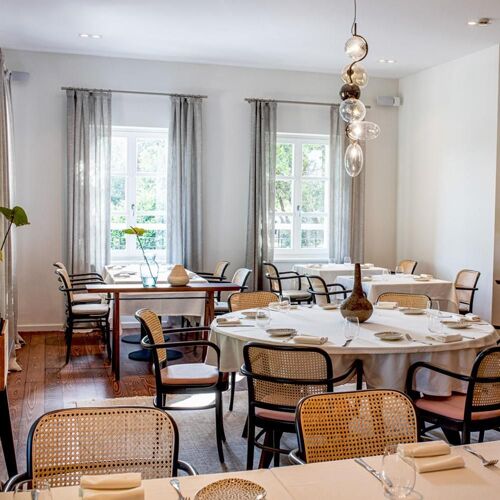
Details
- Scenic
- Elegant
- Date Night
- Special Occasion
- Waterfront
- Terrace
- Extensive Wine List
- Waterfront
- A La Carte
Current opening hours
- Monday
- 11 AM–9 PM
- Tuesday
- 11 AM–9 PM
- Wednesday
- 11 AM–9 PM
- Thursday
- 11 AM–9 PM
- Friday
- 11 AM–9 PM
- Saturday
- 11 AM–9 PM
- Sunday
- 11 AM–9 PM
Hours can change for holidays and private events. Hours as of .
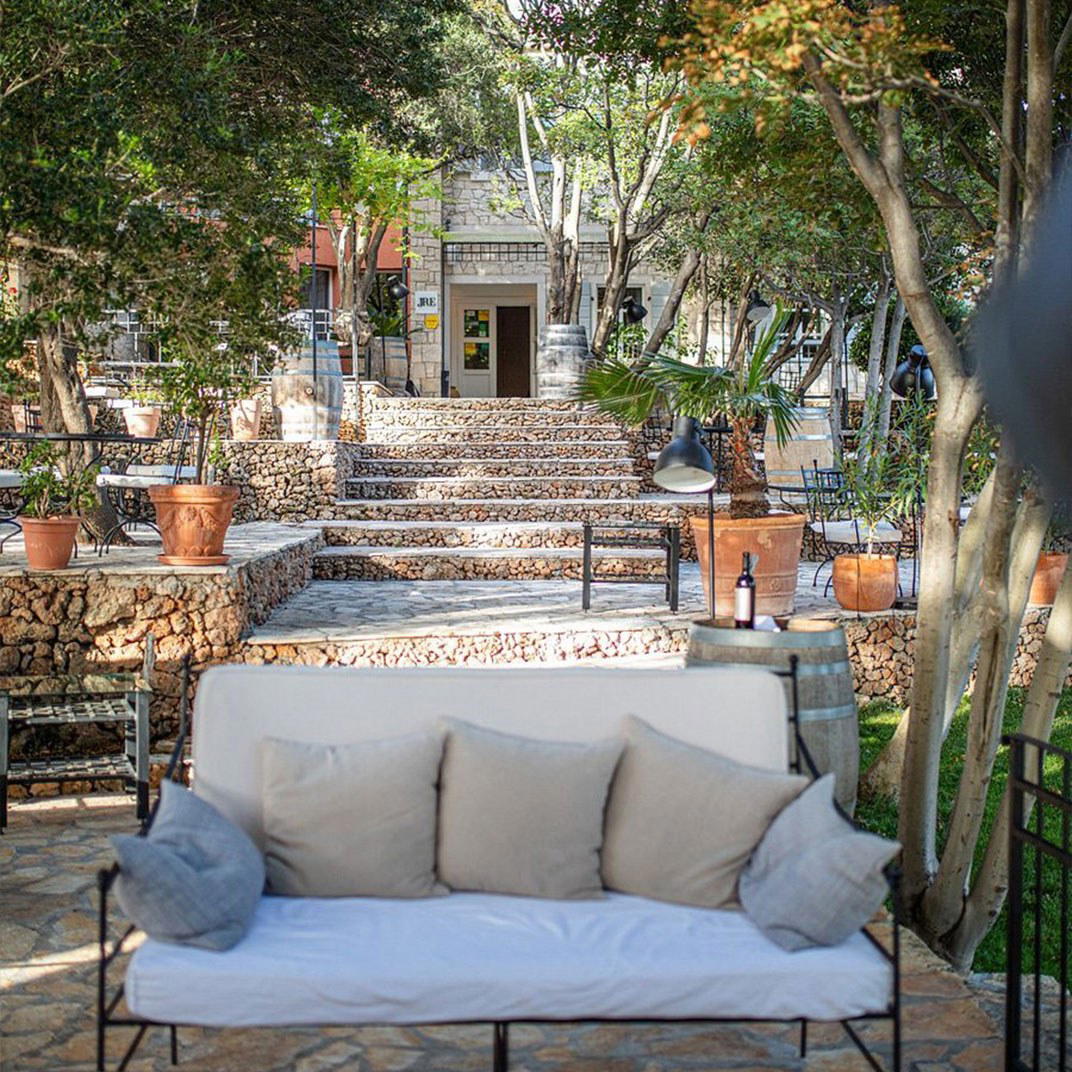
Warm and friendly atmosphere on a spacious shaded terrace meters from the sea with bay views.