Cattivella
Cattivella brings Italian-inspired cooking to Denver's Central Park neighborhood at 10195 E 29th Drive, operating within a broader city movement toward ingredient-conscious, locally grounded dining. The kitchen sits in a price tier and format that rewards advance planning, particularly on weekends. For visitors mapping Denver's serious dining circuit, it belongs in the same conversation as the city's more recognized contemporary tables.
Pearl is the En Primeur Club membership app — saves, bookings, and concierge access live there. Same editors, same standards.
- Address
- 10195 E 29th Dr #110, Denver, CO 80238
- Phone
- +13036453779
- Website
- cattivelladenver.com
- Directions
- Get directions
 Saves & bookings on Pearl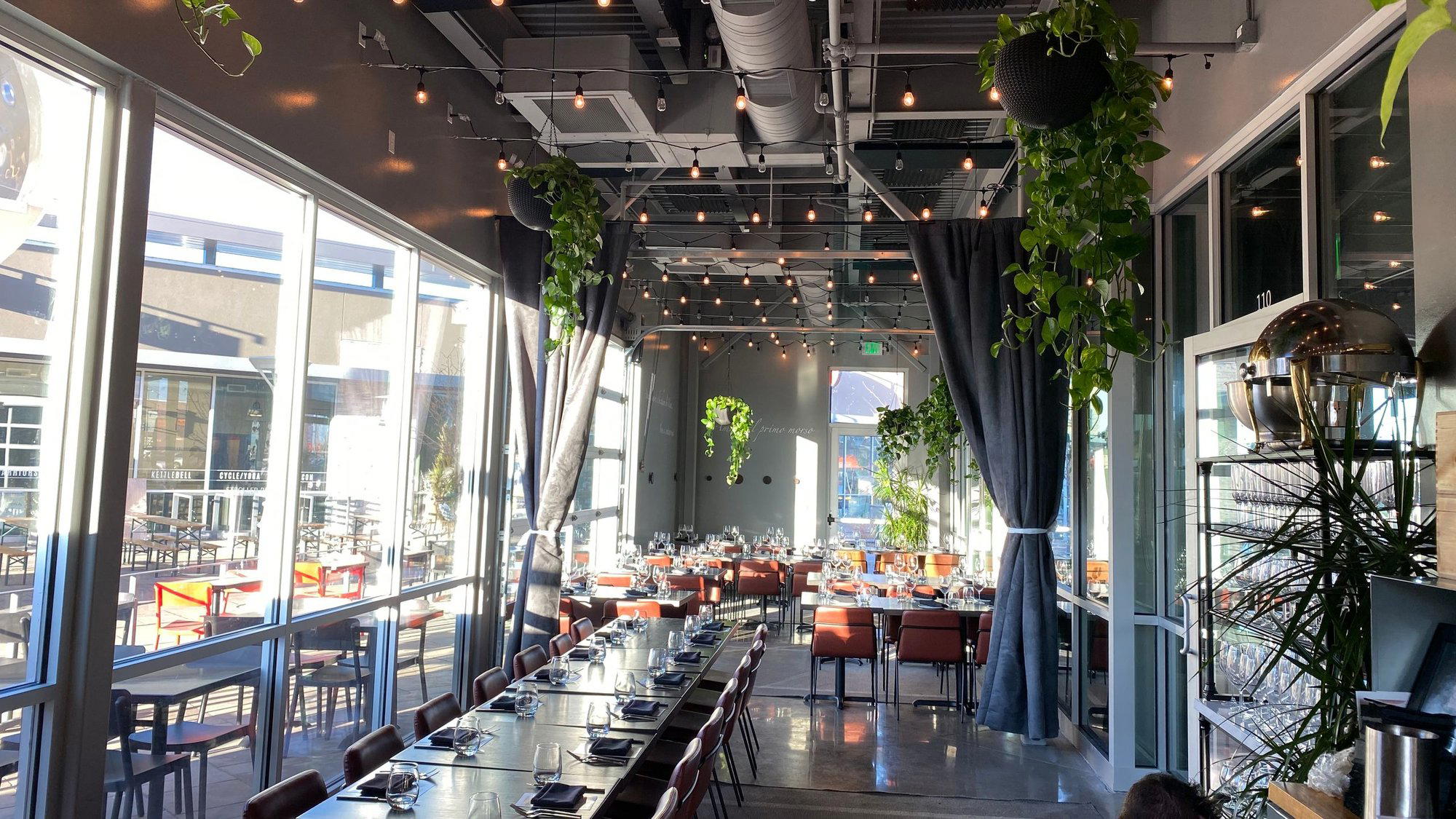
Italian Roots in Denver's Newest Neighborhood
Denver's dining geography has expanded steadily eastward over the past decade, and the Central Park neighborhood now carries restaurants that would have been inconceivable in that corridor fifteen years ago. The shift reflects a broader pattern in American urban dining: purpose-built communities attract residents with disposable income and food literacy, and the restaurant supply eventually catches up. Cattivella is a Denver restaurant at 10195 E 29th Dr #110 in the Central Park neighborhood, serving authentic regional Italian with wood-fired specialties at about $55 per person. That positioning is neither a limitation nor a marketing point; it simply defines the context in which the kitchen operates.
Italian-American dining in Denver spans a wide range. At the accessible end, trattorias and pasta houses fill the $$ tier alongside spots like Annette, which draws on European baking and preservation traditions, and Alma Fonda Fina, which anchors the Mexican end of the city's mid-range. Cattivella occupies a slightly different register: Italian in spirit, specific in execution, and placed in a neighborhood where it functions as a destination rather than a walk-in option. That destination dynamic tends to sharpen kitchens. When diners travel to you rather than stumbling past, the pressure to justify the trip is built into every service.
Where It Sits in Denver's Broader Scene
Denver's serious dining tier has consolidated around a handful of formats: tasting-menu counters, ingredient-driven contemporary rooms, and a smaller cohort of cuisine-specific specialists. Brutø and The Wolf's Tailor operate at the $$$$ end of the contemporary spectrum, while Beckon runs a tightly controlled prix-fixe format. Cattivella sits in a different lane: the cuisine-specific specialist that uses a recognizable culinary tradition as its organizing logic rather than abstract creativity. That approach has real advantages. Italian cooking carries built-in frameworks around pasta technique, wood-fire cooking, cured meats, and seasonal produce that give a kitchen clear benchmarks and give diners clear expectations. The question, as with any serious Italian table, is how faithfully and intelligently those frameworks are applied.
Nationally, the restaurants doing this most seriously, places like Le Bernardin in New York City or, in a different register, The French Laundry in Napa, demonstrate that cuisine specificity and ambition are not in tension. Closer in format and ethos, Smyth in Chicago and Single Thread Farm in Healdsburg show how ingredient sourcing can be the primary editorial statement of a kitchen rather than a secondary marketing note. Cattivella, within its Denver context, participates in that broader conversation about what it means to cook with intention inside a defined culinary tradition.
The Sustainability Frame: Sourcing as Kitchen Logic
One significant shift in serious American restaurant cooking over the past two decades has been the reframing of sourcing from a virtue signal into an operational logic. Kitchens that once listed local farms as a marketing appendix now build their menus backward from what those farms produce. That inversion changes everything: the chef's job becomes translation rather than imposition, and the menu becomes a record of what the region offered at a specific moment rather than a static document reprinted seasonally.
Italian cooking, by its structure, is particularly well-suited to this approach. The cuisine's regional specificity, the way a Ligurian kitchen differs from a Sicilian one not because of ideology but because of what the land and sea around it produce, models exactly the kind of ingredient-first logic that contemporary sourcing demands. A wood-fired kitchen running Italian technique has natural anchors: the hearth imposes its own discipline on what can and cannot be cooked, and the char, smoke, and direct heat favor vegetables, proteins, and breads that have genuine structural integrity rather than commodity uniformity. Produce grown for flavor rather than shelf life survives that heat differently, and the difference shows.
This is the frame in which kitchens like Cattivella operate most meaningfully. Restaurants investing in ethical sourcing relationships, supporting local producers in Colorado and the broader Mountain West, and treating waste reduction as a kitchen-management discipline rather than a PR exercise are participating in a shift that extends well beyond Denver. Blue Hill at Stone Barns in Tarrytown built its entire identity around this premise. Atelier Moessmer Norbert Niederkofler in Brunico applies it within a strict Alpine Italian context, using only ingredients from the surrounding mountain region. These are not comparable in scale to a neighborhood Italian in Denver, but they illustrate the principle: ingredient provenance is not a garnish on the menu, it is the menu's reason for existing.
For diners who care about this dimension of a meal, the relevant question is less about whether a restaurant claims to source responsibly and more about whether that sourcing is legible in the food itself. A kitchen that knows its producers can answer questions about where specific ingredients come from. A kitchen that treats the claim seriously builds its prep, its waste stream, and its purchasing around the commitment rather than listing it on a chalkboard.
Planning Your Visit
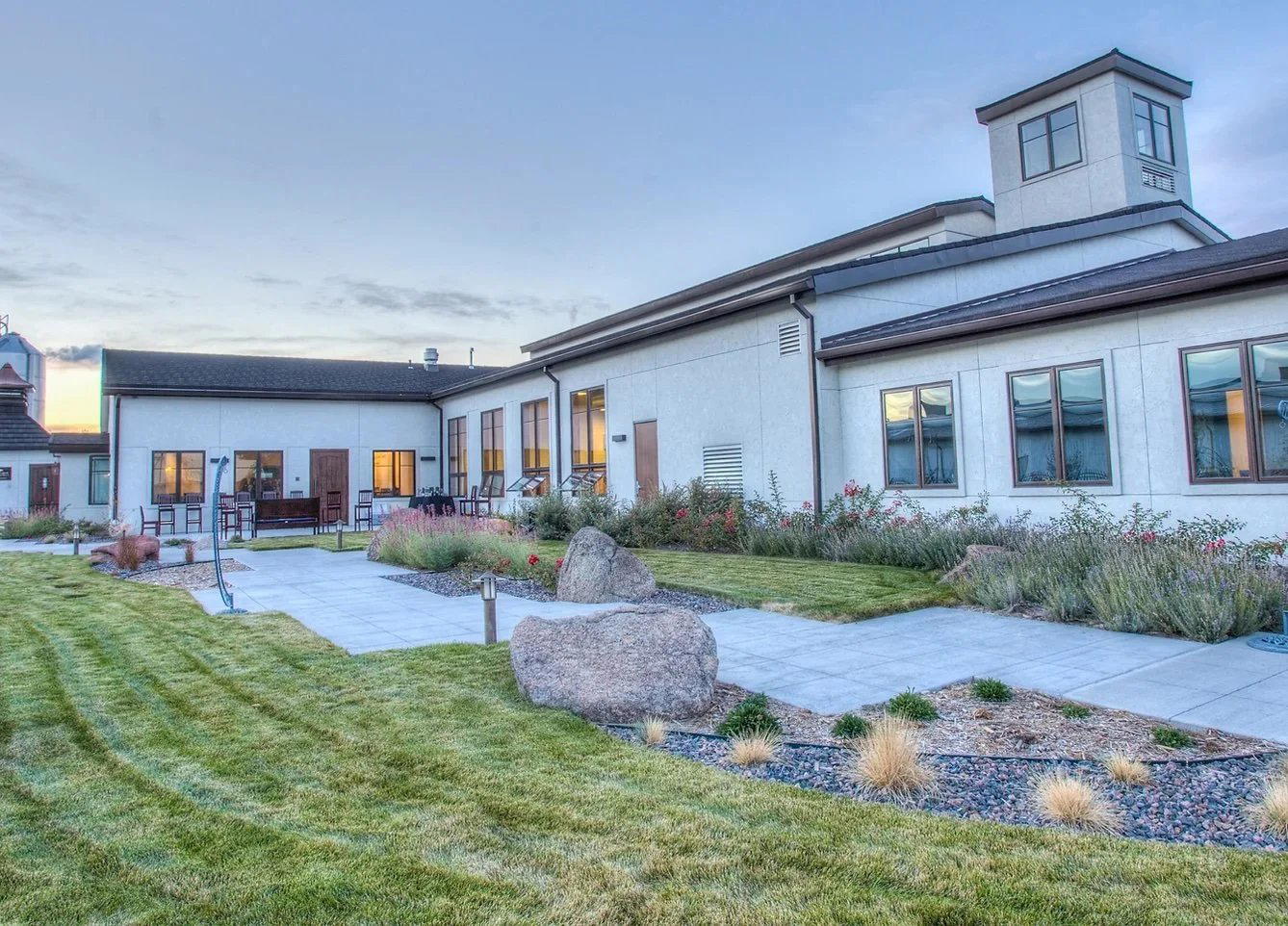
Cattivella sits at 10195 E 29th Drive in Denver's Central Park neighborhood, which means arriving by car or rideshare is the practical default for most visitors staying in central Denver. The address places it in a mixed-use development corridor rather than a traditional restaurant row, so the surrounding context is residential and retail rather than the dense dining cluster you'd find in RiNo or LoHi. That changes the visit slightly: this is a dinner destination, not a neighborhood you drift through before choosing where to eat.
Hours are Monday through Thursday from 5 to 9 PM, Friday and Saturday from 5 to 10 PM, and closed Sunday. Reservations are recommended. Building in lead time for booking is sensible.
Diners looking for reference points across the American table can also consider Lazy Bear in San Francisco, Providence in Los Angeles, Addison in San Diego, Atomix in New York City, The Inn at Little Washington, and Emeril's in New Orleans as markers of what serious American kitchens are doing in different regional registers. Cattivella's Italian orientation and Denver location place it in its own specific niche, but the broader standard of intentional cooking applies across all of them.
A Pricing-First Comparison
Comparable venues nearby, for context on price, style, and recognition.
| Venue | Cuisine | Price | Notes |
|---|---|---|---|
| CattivellaThis venue — the venue you are viewing | Not listed | $$$ | Not listed |
| Luca | Capitol Hill, Rustic Wood-Fired Italian | $$$ | Not listed |
| Shells and Sauce | Not listed | $$$ | Congress Park, Italian-American Trattoria |
| Festa del Chianti Classico | Not listed | $$$ | Central Platte Valley, Tuscan-Inspired Italian Wine Dinner |
| Cucina Colore | Not listed | $$$ | Cherry Creek, Contemporary Italian Trattoria |
| Panzano | Not listed | $$$ | Central Business District, Contemporary Northern Italian |
Continue exploring
More in Denver
Restaurants in Denver
Browse all →
Bars in Denver
Browse all →
Hotels in Denver
Browse all →

At a Glance
- Elegant
- Rustic
- Intimate
- Date Night
- Group Dining
- Special Occasion
- Casual Hangout
- Open Kitchen
- Private Dining
- Standalone
- Extensive Wine List
- Beer Program
- Local Sourcing
Current opening hours
- Monday
- 5–9 PM
- Tuesday
- 5–9 PM
- Wednesday
- 5–9 PM
- Thursday
- 5–9 PM
- Friday
- 5–10 PM
- Saturday
- 5–10 PM
- Sunday
- Closed
Hours can change for holidays and private events. Last verified .
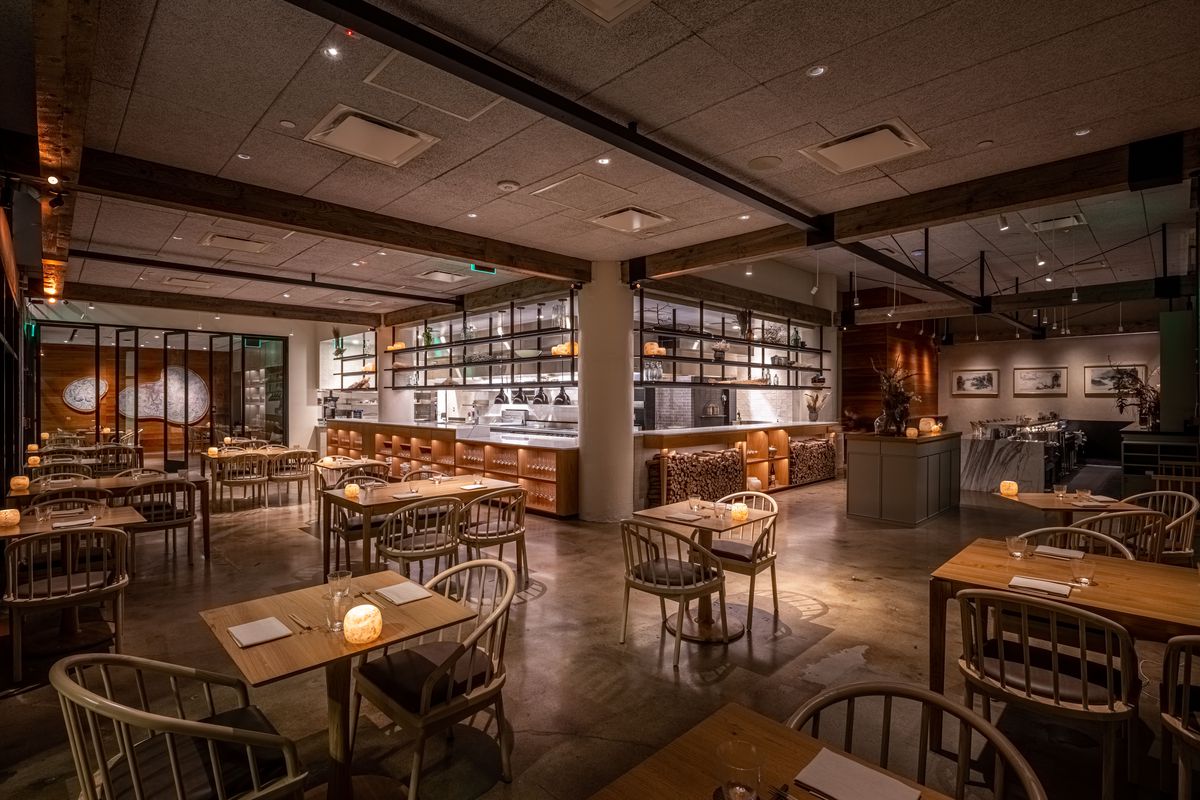
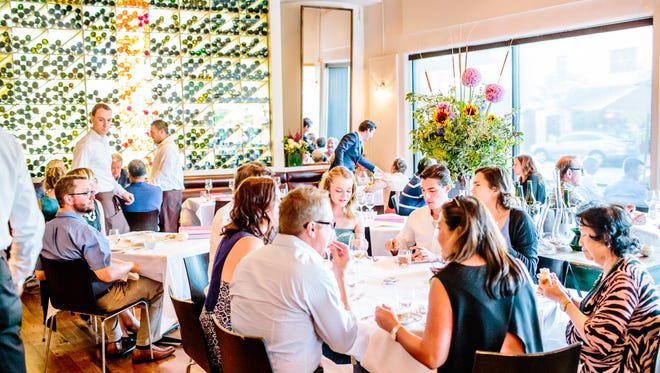
Warm and inviting wood-fired Italian setting with an exhibition kitchen, blending rustic authenticity with contemporary culinary presentation.