La Cabro d'Or



Michelin Plate · Relais Chateaux Award · We're Smart World 2 Radishes
Our verdict
The more accessible sibling of the two-Michelin-starred L'Oustau de Baumanière, La Cabro d'Or holds a Michelin Plate in 2024 and 2025 and represents the Baumanière estate's commitment to Provençal cooking at a slightly gentler register. Chef Michel Hulin's menu includes a dedicated vegetable-forward 'Green Food' offering alongside the classic Provençal repertoire, making it a considered entry point into the estate's broader dining world.

Pearl is the En Primeur Club membership app, where members save venues, book tables and use the concierge.
The menu
What to order
- Langoustines
- Carré d’agneau des Alpilles
- Poulpe de Méditerranée
Where the Baumanière Estate Lets Its Guard Down
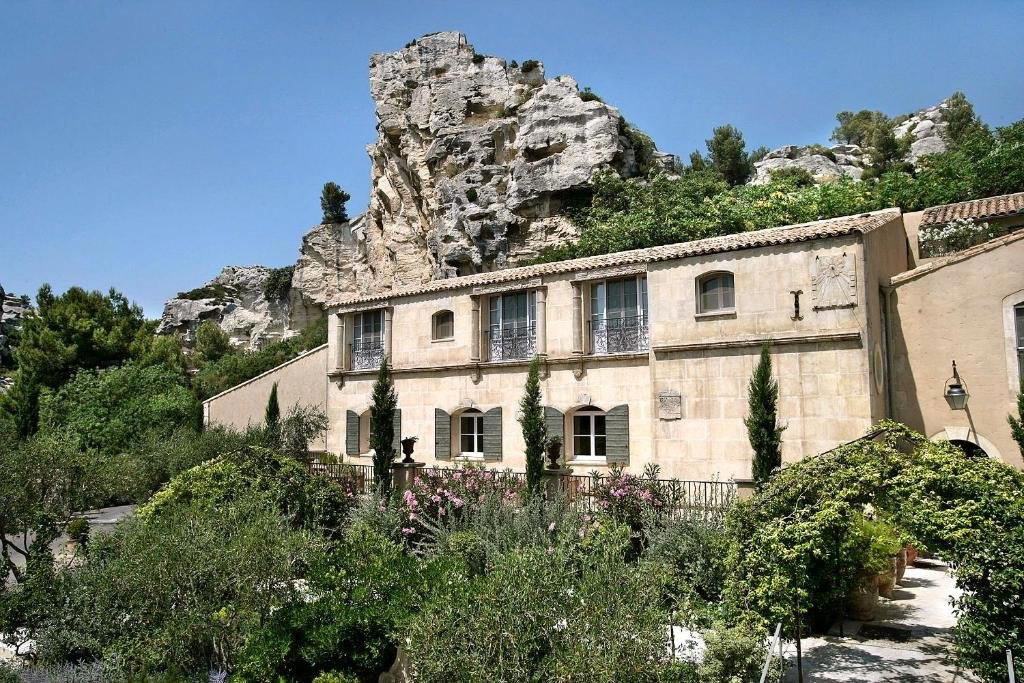
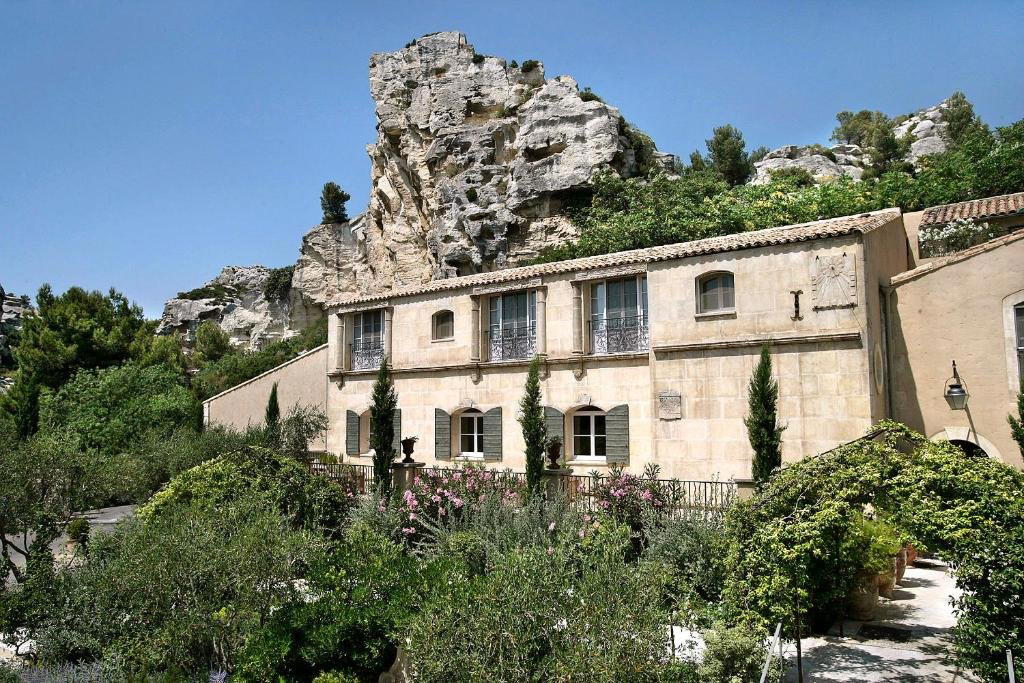
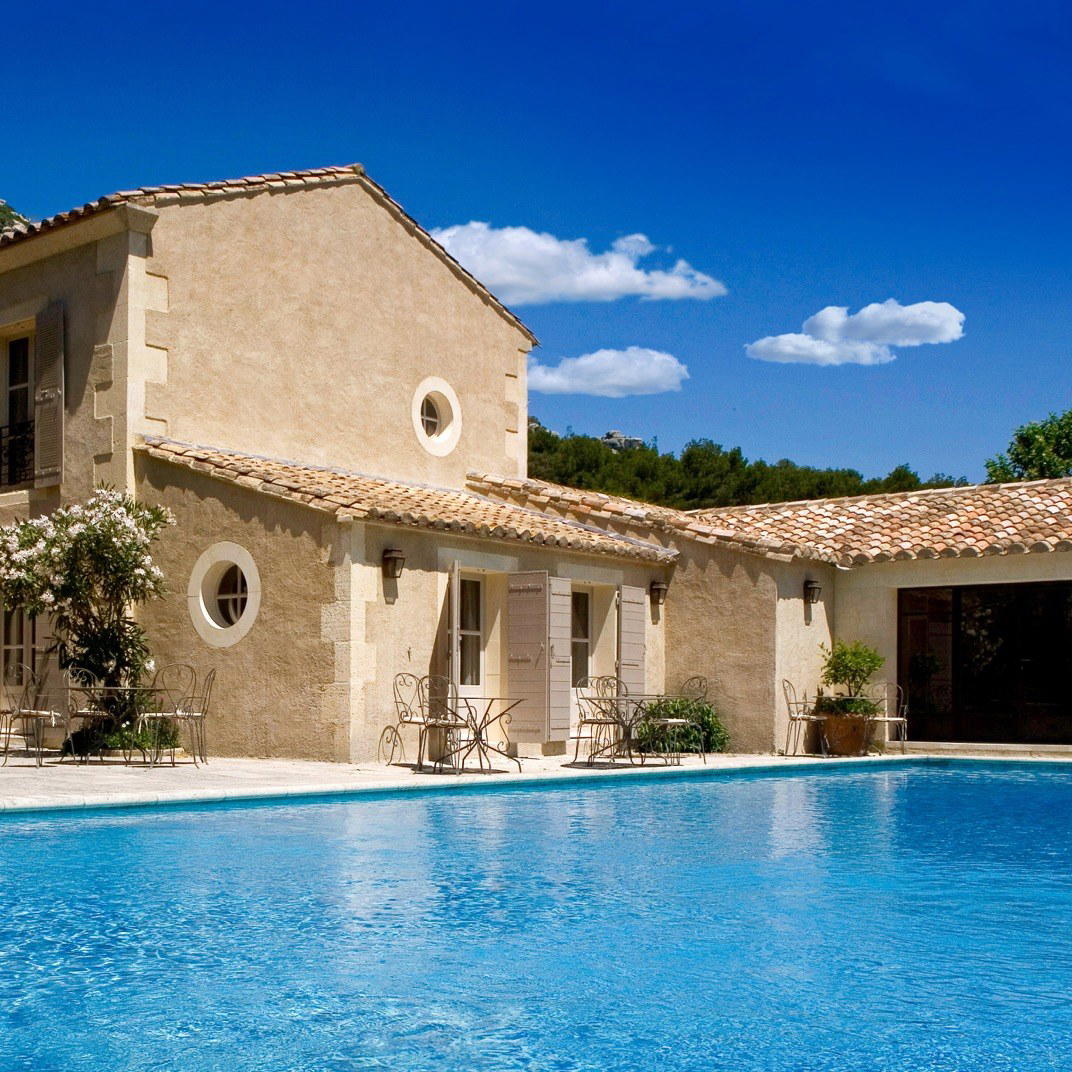
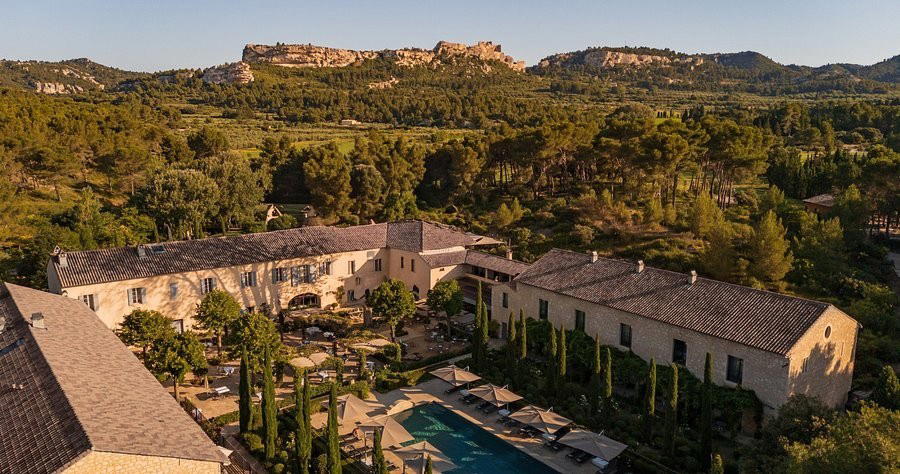
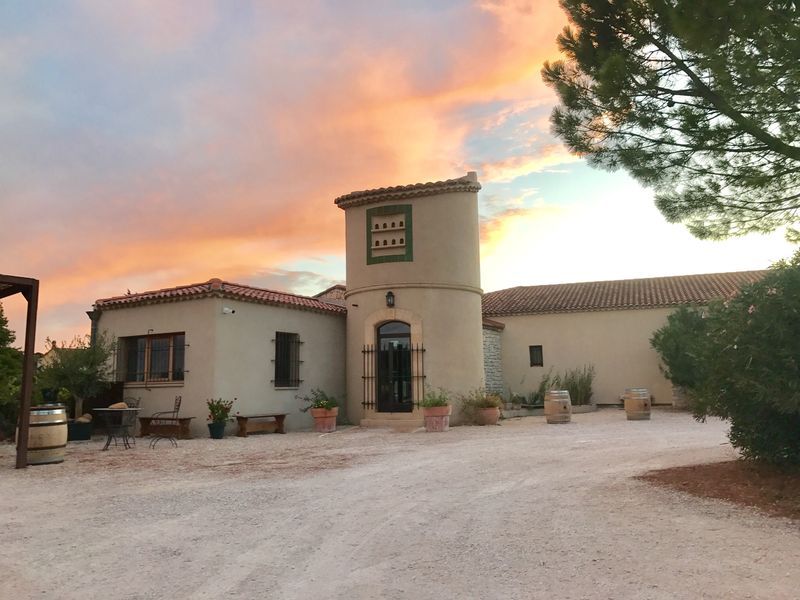
Arriving at the Mas de Baumanière compound in Les Baux-de-Provence, the architecture does a great deal of the work before a single plate arrives. The low-slung mas buildings, the dry-stone walls catching afternoon light, the limestone ridgeline of Les Alpilles overhead, this part of Provence presents itself with a quiet geological authority that shapes how you experience everything served beneath it. La Cabro d'Or sits within that compound as the estate's second restaurant, its register pitched below the two-Michelin-starred L'Oustau de Baumanière in formality and price, but sharing the same stone, the same terroir, and in many respects the same culinary seriousness.
That relationship between sibling restaurants on a single estate is a pattern found across French gastronomy at the highest level. Properties like Troisgros and Paul Bocuse's Auberge du Pont de Collonges have long used secondary dining formats to extend a house culinary identity across different occasions and guest types. At Baumanière, La Cabro d'Or handles the afternoon terrace lunch, the midweek dinner that doesn't require three months of forward planning, and the guest who wants to be inside the estate's world without committing to the full orchestration of the main table.
Michelin Plate and What That Recognition Actually Signals
La Cabro d'Or carries a Michelin Plate in both 2024 and 2025, a designation that tends to be misread as a consolation marker but functions more precisely as a quality floor. The Plate indicates that Michelin's inspectors found the cooking consistently competent, the ingredients handled with care, and the kitchen operating at a standard above the casual regional average. In the Bouches-du-Rhône department, where Provençal cooking ranges from genuinely ambitious to warmly mediocre, that distinction matters. The closest comparison within Les Baux is L'Aupiho at Domaine de Manville, which operates in a similar estate-restaurant model at the €€€€ price tier, and Baumanière Hôtel & Spa, which occupies the same physical property. At the broader regional level, the reference points are restaurants like AM par Alexandre Mazzia in Marseille, Alain Llorca in La Colle-sur-Loup, and La Bastide Bourrelly in Cabriès, all of which operate in the upper tier of Provençal fine dining and provide a sense of where La Cabro d'Or fits competitively.
Chef Michel Hulin and the Green Food Menu
Southern French fine dining has historically been anchored in fats: butter, cream, and the aged cheeses that underpin classical Provençal and Lyonnaise traditions alike. The estate's own recognition notes that when Chef Michel Hulin introduced a dedicated vegetable-forward 'Green Food' menu at La Cabro d'Or, the move was described as modest first steps, with Hulin's classical instincts still reaching for cream and butter even within a plant-forward context. That tension is itself informative. The French haute cuisine tradition has been slower than many peers, Nordic kitchens, certain Japanese kaiseki counters, even the vegetable-centric format pioneered by Bras in Laguiole, to fully commit to vegetable cookery as a primary mode rather than an accompaniment. Hulin's menu represents an early-stage reorientation, the kind of move where intention and execution are still negotiating with each other.
That is not a dismissal. It is a description of where this kitchen sits in a larger culinary conversation happening across French fine dining. The fact that the Baumanière estate, one of the most historically significant properties in southern France, has introduced a green food programme at all is worth noting. The direction of travel is clear even if the destination is not yet fully reached. For context on how far a fully committed vegetable-centred kitchen can develop over decades, the work at Bras provides the regional French benchmark.
Wine at La Cabro d'Or: The Alpilles AOC and the Baumanière Cellar
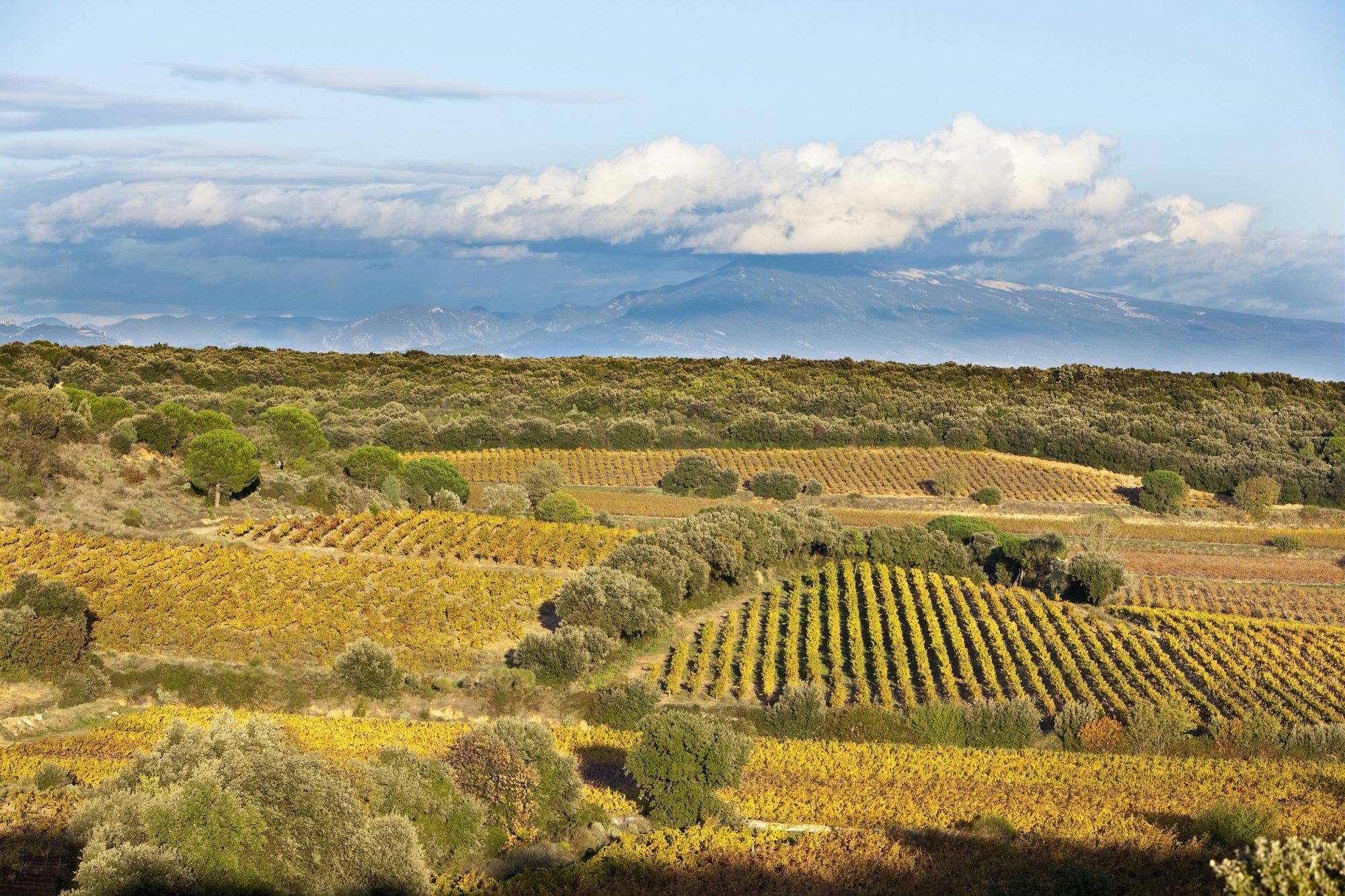
The editorial angle that most rewards attention at La Cabro d'Or is the wine programme, because it draws directly on one of the more interesting and still somewhat underrated appellations in France. Les Baux-de-Provence AOC sits within the Les Alpilles natural area, and its reds, built predominantly on Grenache, Syrah, and Mourvèdre, share the garrigue-inflected profile of their Rhône neighbours while maintaining the mineral sharpness that limestone soils impart. The Baumanière estate has long cultivated relationships with the producers of this appellation, and the cellar at La Cabro d'Or operates in the shadow of the main house's collection, which runs to considerable depth given the property's decades of operation.
For guests arriving from further afield, particularly those used to navigating Burgundy-dominated French wine lists, the Alpilles appellation offers a useful reorientation. Wines here tend to be structured without the extraction that can characterise hotter southern appellations, and the leading producers manage aromatics with a lightness that pairs well with the herbal, olive-oil character of Provençal cooking. The 'Green Food' menu creates a specific pairing opportunity: structured rosés from Provence and lighter reds from the appellation handle the bitterness of cooked greens and the sweetness of stone fruit better than most heavier wines. The Baumanière estate's wine knowledge, accumulated across its operation of both L'Oustau de Baumanière and La Cabro d'Or, provides a sommelier context that would be difficult to replicate at a standalone restaurant in this price tier. Guests at tables working through the vegetable menu should ask specifically about local appellation whites and rosés, where the regional specificity is strongest.
For those building a broader frame of reference across French fine dining and wine, the cellar work at properties like Flocons de Sel in Megève, Mirazur in Menton, and Alléno Paris au Pavillon Ledoyen represents different regional approaches to wine integration within a tasting format, each shaped by its geography as much as by its cellar holdings.
Planning a Visit: Logistics and Positioning
La Cabro d'Or is located at Mas de Baumanière, 13520 Les Baux-de-Provence. Les Baux sits approximately 30 kilometres northeast of Arles and around 20 kilometres from Saint-Rémy-de-Provence, making it accessible by car from either direction. The village has no rail connection; driving is the practical approach, and the winding D27 road into the commune means arrival itself becomes part of the experience. The price tier is €€€€, placing La Cabro d'Or at the upper end of the regional range, though it sits below the pricing of L'Oustau de Baumanière for a comparable evening's spend. Booking for dinner, particularly in high season between May and September, warrants advance planning, though the lead time required falls considerably short of the three-to-four month horizon that now applies to the main restaurant during peak periods. Lunches on weekdays tend to be more accessible. For a full picture of what Les Baux offers in dining, drinking, accommodation, and experiences, the EP Club Les Baux restaurants guide, hotels guide, bars guide, wineries guide, and experiences guide provide neighbourhood-level detail across each category.
Frequently asked questions
What should I eat at La Cabro d'Or?
Chef Michel Hulin runs two parallel menus: a classic Provençal menu rooted in southern French tradition, and a dedicated 'Green Food' vegetable menu that places vegetables in the lead role without relying on cream, butter, or cheese. The vegetable menu is the more forward-looking of the two and the reason the restaurant earned editorial notice from Michelin Plate recognition in both 2024 and 2025. If your priority is understanding where Provençal cooking is heading rather than where it has been, the Green Food menu is the more instructive choice.
What price level is La Cabro d'Or?
Pricing at La Cabro d'Or is listed as €€€€.
What part of town is La Cabro d'Or in?
La Cabro d'Or is located at Mas de Baumanière, 13520 Les Baux-de-Provence, France, Les Baux.
The Minimal Set
| Venue | Cuisine | Price | Awards | Notes |
|---|---|---|---|---|
| La Cabro d'OrThis venue (the venue you are viewing) | Refined Provençal Fine Dining | $100–150 | Michelin Plate · Relais Chateaux Award | Not listed |
| L'Oustau de Baumanière | Modern Provençal Fine Dining | $200–300 | 3 Michelin Stars · La Liste Top Restaurants | Creative |
| L'Aupiho - Domaine de Manville | French Author Cuisine | $100–150 | 1 Michelin Star · We're Smart World Top 100 #27 | Modern Cuisine |
| Baumanière Hôtel & Spa | Modern Provençal Fine Dining | $300–500 | Relais Chateaux Award | French Provençal |
Recognition history
Dated appearances from independent guides and award organizations, with the underlying list record or original source where available.
Michelin Plate
Michelin
Relais Chateaux Award
Relais Chateaux
We're Smart World 2 Radishes
We're Smart World
Full recognition history (5 entries)
Michelin Plate
Michelin
Michelin Plate
Michelin
Continue exploring
More in Les Baux-de-Provence
Restaurants in Les Baux-de-Provence
All restaurants in Les Baux-de-Provence →
Bars in Les Baux-de-Provence
Browse all →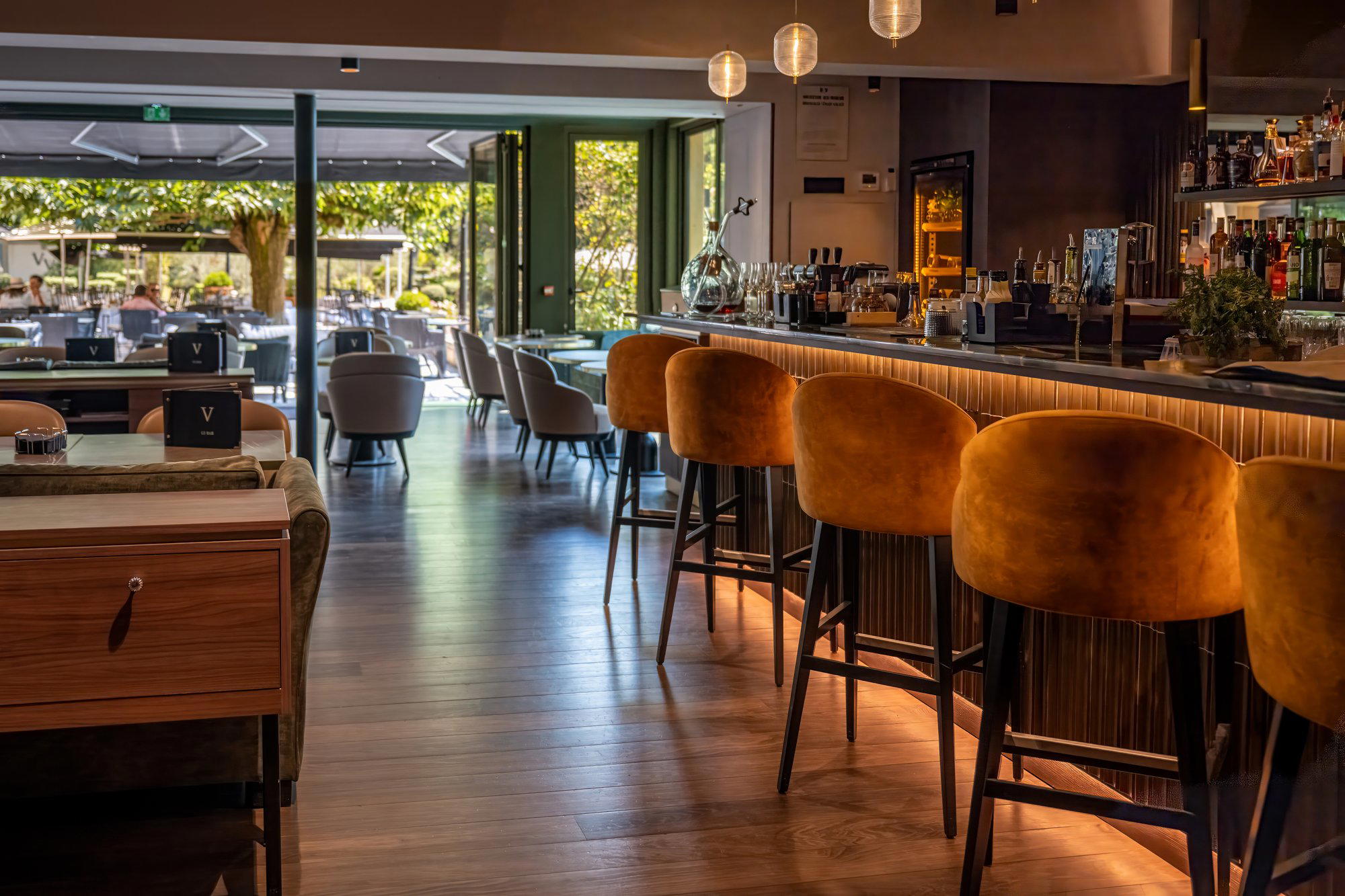

La Cabro d'Or
The wine
- Extensive wine list
- Sommelier-led
Details
- Romantic
- Elegant
- Rustic
- Scenic
- Intimate
- Sophisticated
- Date Night
- Special Occasion
- Celebration
- Terrace
- Garden
- Hotel Restaurant
- Extensive Wine List
- Sommelier Led
- Farm To Table
- Local Sourcing
- Garden
- Mountain
- Tasting Menu
- A La Carte
- Prix Fixe
- Wine
- Vegetarian Friendly
Current opening hours
- Monday
- Closed
- Tuesday
- Closed
- Wednesday
- 12–2 PM, 7–9:30 PM
- Thursday
- 12–2 PM, 7–9:30 PM
- Friday
- 12–2 PM, 7–9:30 PM
- Saturday
- 12–2 PM, 7–9:30 PM
- Sunday
- 12–2 PM, 7–9:30 PM
Hours can change for holidays and private events. Hours as of .
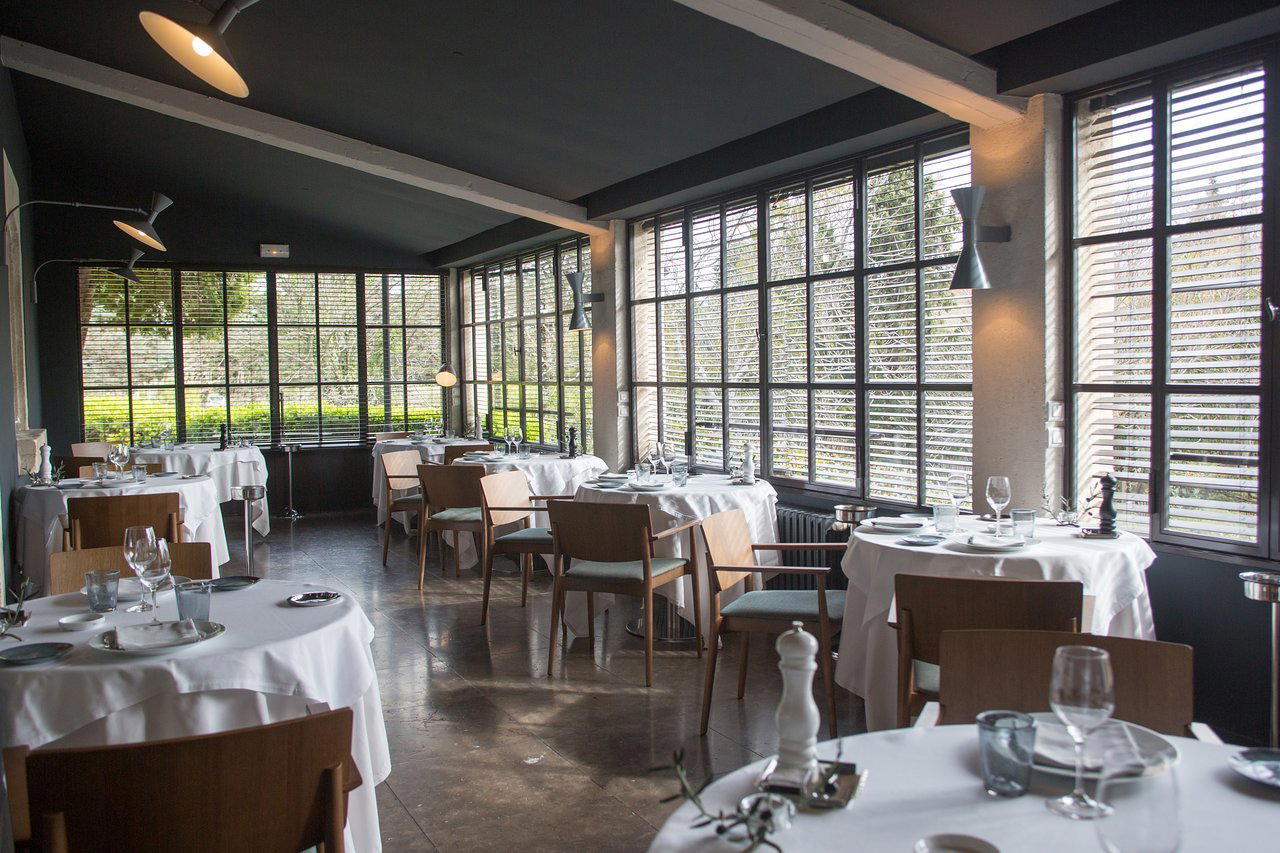
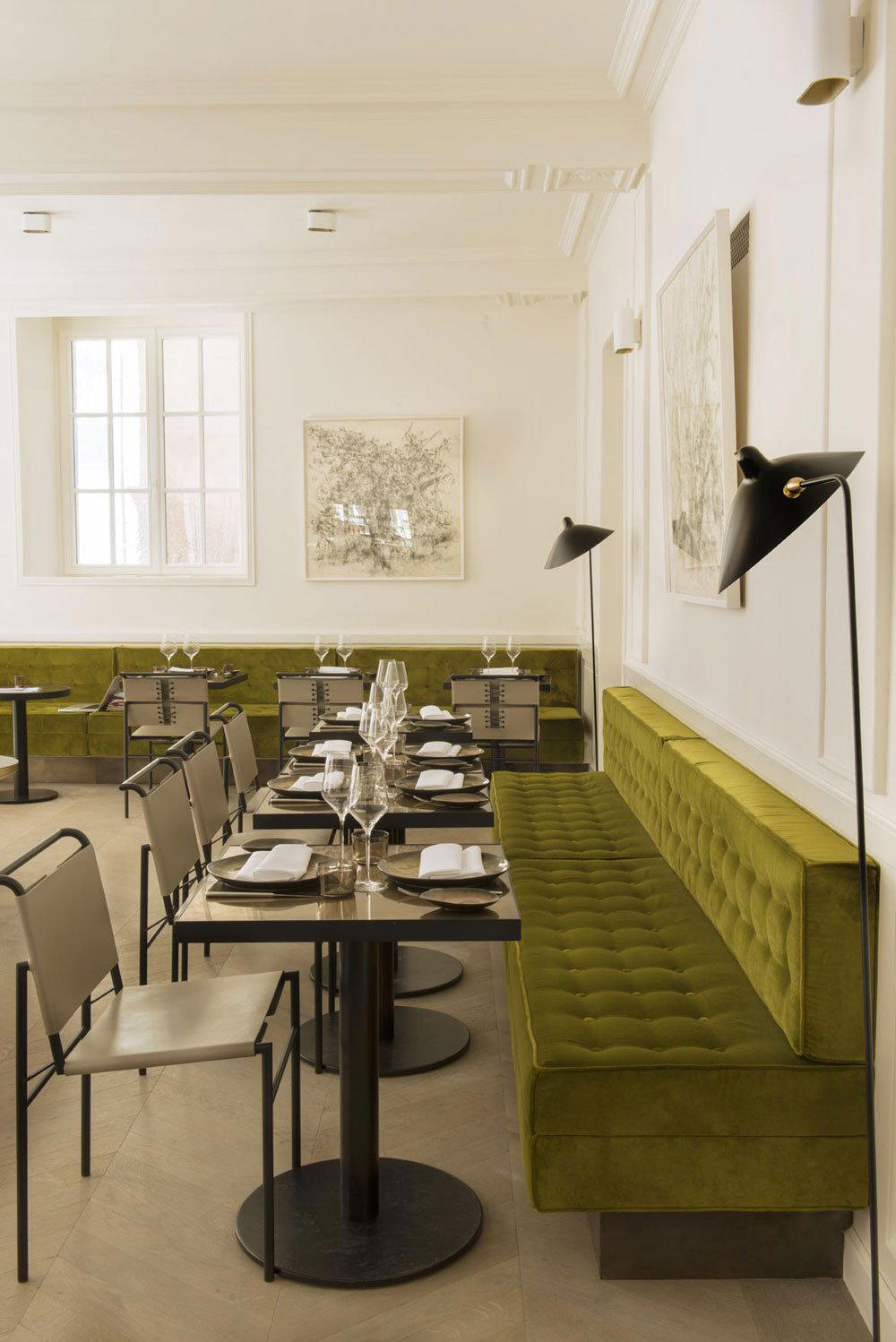
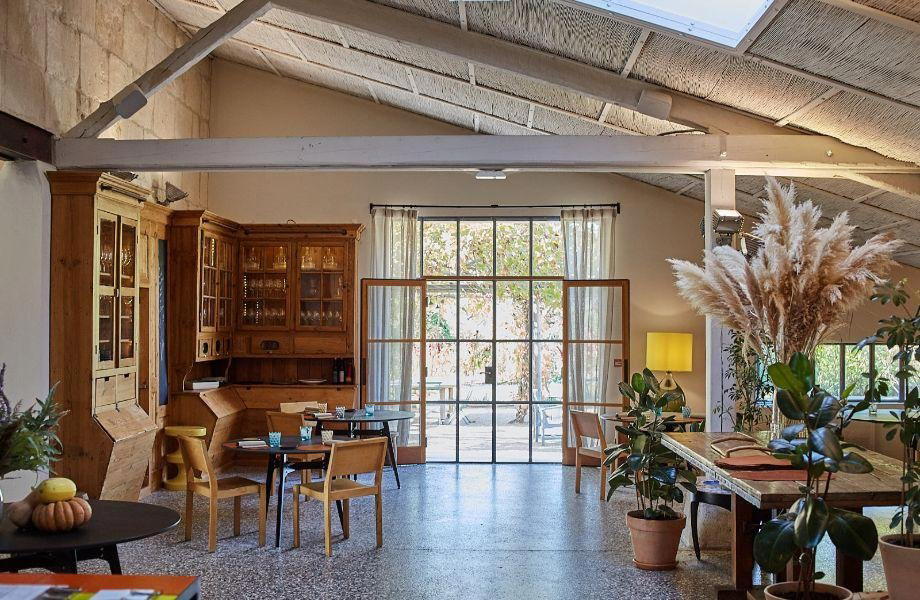
Chaleureuse et intimiste interior with well-spaced tables for privacy; seductive terrace under plane trees amid nature.