Google: 4.7 · 188 reviews




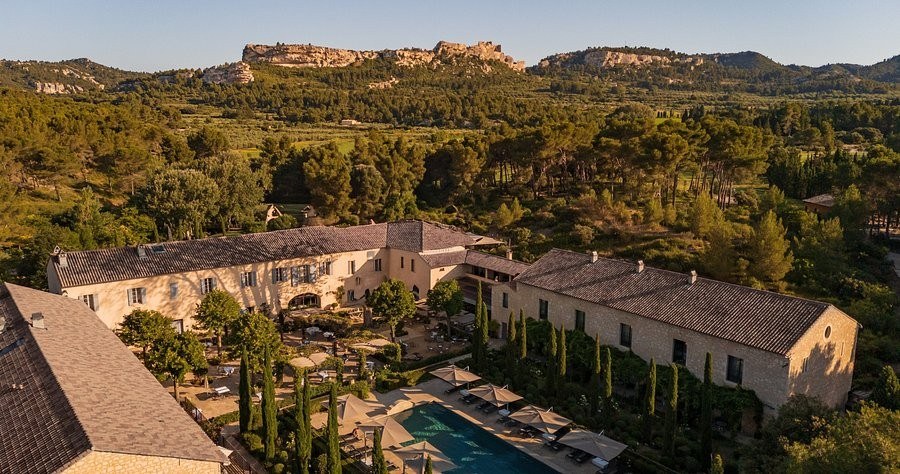
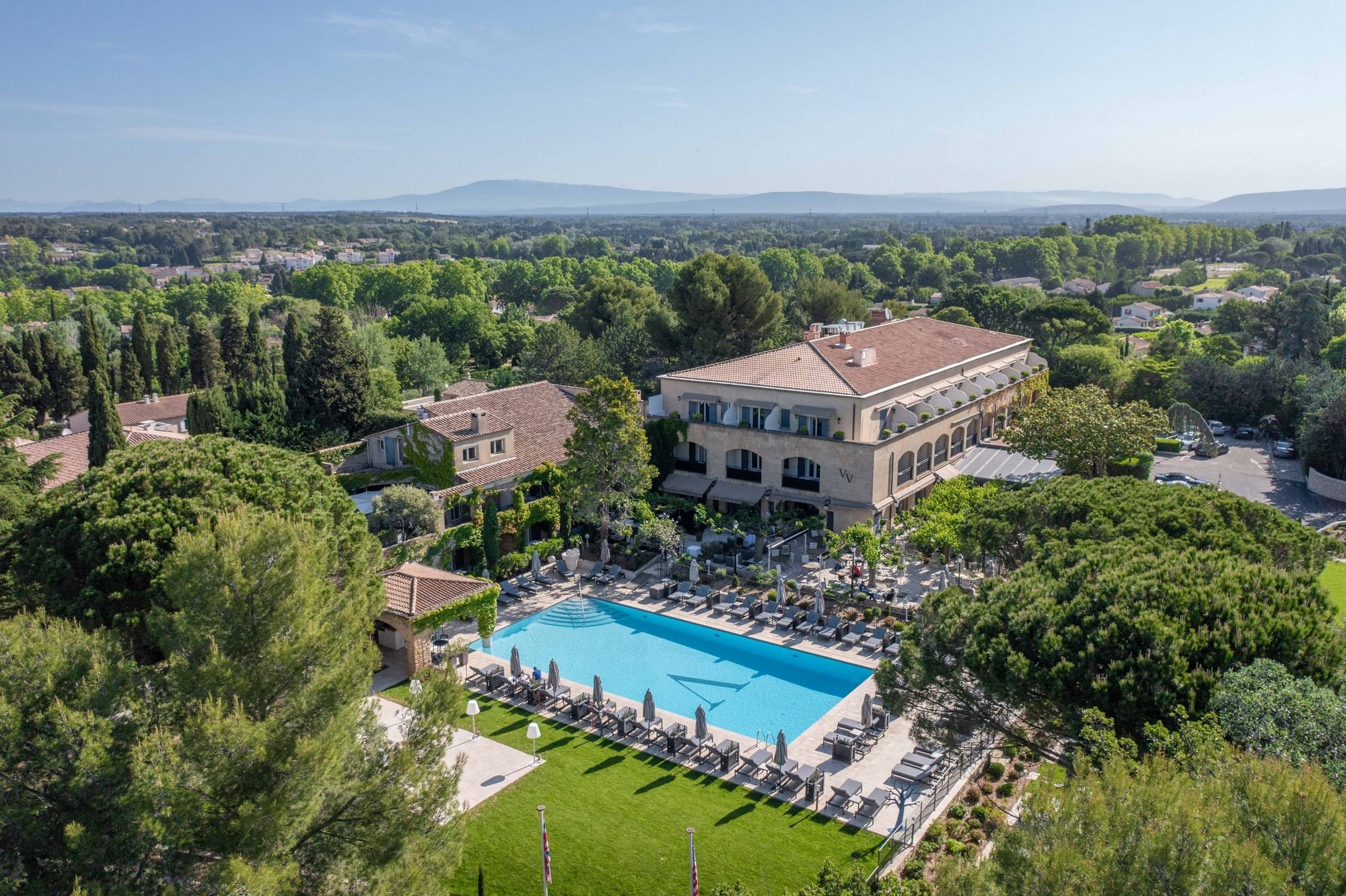
L'Aupiho holds a Michelin star (2025) within Domaine de Manville, a golf and spa resort at the foot of the Alpilles in Les Baux-de-Provence. Belgian chef Lieven van Aken builds menus around the Provençal larder — saffron, langoustines, seaweed — with enough technical precision to push regional cooking past the familiar. The century-old plane-tree terrace sets the context for everything on the plate.
 Discover on Pearl
Pearl is the En Primeur Club membership app — saves, bookings, and concierge access live there. Same editors, same standards.
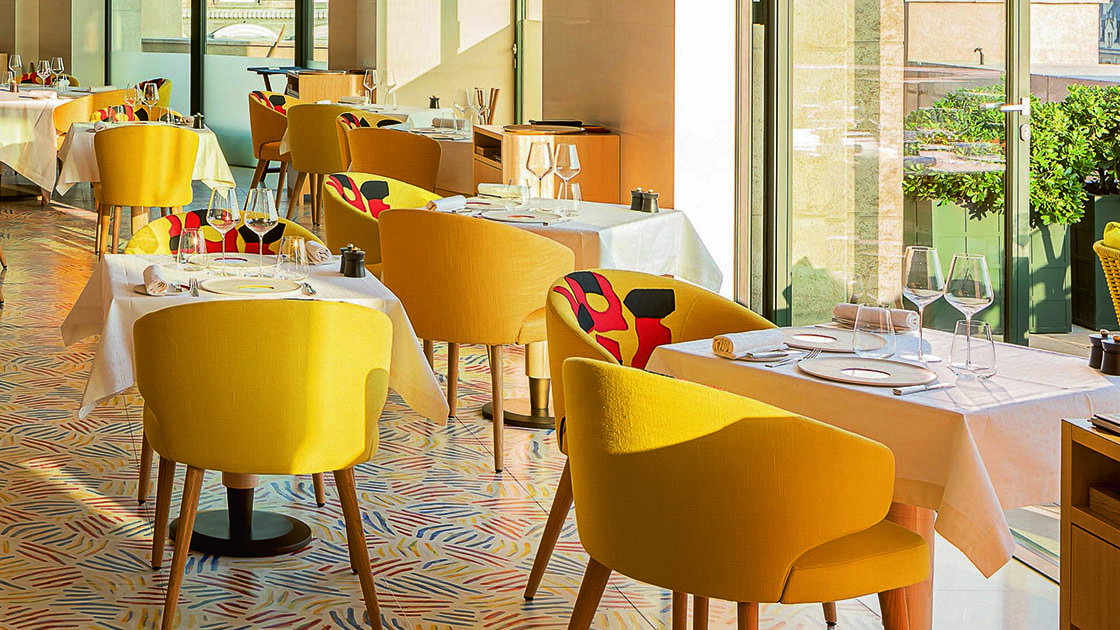
Where the Alpilles Dictates the Menu
Les Baux-de-Provence sits at an unusual intersection in French fine dining. The village and its immediate surrounds carry enough culinary weight to sustain several serious kitchens in close proximity, including L'Oustau de Baumanière and La Cabro d'Or, both operating at the €€€€ tier with deep roots in Provençal tradition. Within that context, L'Aupiho at Domaine de Manville occupies a specific position: a hotel restaurant that takes its sourcing coordinates from the land immediately surrounding it, then applies a degree of technical ambition that the broader resort setting might not lead you to expect.
The approach at L'Aupiho is less about reimagining Provence from a distance and more about interrogating what the Alpilles and the Baux corridor actually produce. The garrigue-covered limestone hills that frame the domaine provide aromatic herbs, wild plants, and the kind of mineral-inflected terroir that shapes both the regional wine character and the flavour logic of the kitchen. When a menu lists vegetarian bouillabaisse with saffron rouille, it is not reaching for novelty — it is pulling directly from the spice trade routes and fishing culture that have defined Mediterranean Provence for centuries, then asking what that tradition means when the sea is an hour's drive south and the garden is right outside.
The Sourcing Logic Behind the Plate
Southern French cooking has always organised itself around the market, and that market discipline is visible in how L'Aupiho constructs its menu. Provence's ingredient calendar is specific: early-season asparagus from the Vaucluse, saffron cultivated in scattered plots across the region, Mediterranean langoustines that arrive fresh from the coast, and lamb from the Alpilles itself, one of the named AOC meat designations in France. A kitchen working at this level in this location is expected to source within those parameters. The question is what it does with them.
The appearance of seaweed tartare alongside Mediterranean langoustines in the same dish is a useful signal. It suggests a chef reading coastal terroir laterally — connecting the sea bottom with the plate surface rather than treating shellfish as a luxury protein to be sauced conventionally. That kind of ingredient logic, where each component earns its place through provenance and contrast rather than prestige alone, reflects a wider movement in serious French regional cooking. Kitchens such as Bras in Laguiole established the template decades ago: let the specific landscape dictate the menu, then build technique around what the land offers rather than importing a pre-formed cuisine onto it.
Smoked and grilled sweetbread appearing on the same menu as langoustines and vegetarian bouillabaisse tells you something about the kitchen's range. Offal cookery at this level requires confidence , sweetbreads are delicate, easy to overcook, and demand precision in both preparation and pairing. Smoking and grilling introduce char and fat, which then need something to cut against. The seaweed reference elsewhere on the menu suggests the kitchen is comfortable using oceanic brine and mineral sharpness as counterweights to richness, a technique with strong precedent in contemporary French cooking from AM par Alexandre Mazzia in Marseille north to Flocons de Sel in Megève.
The Terrace, the Setting, and What They Mean for the Meal
Eating outside under century-old plane trees on a summer evening in the south of France is not incidental to the experience , it is structurally part of it. The plane trees at L'Aupiho are not decorative. They provide the kind of dense, cooling canopy that makes outdoor dining at altitude and in full Provençal summer heat genuinely comfortable rather than aspirational. The light changes slowly here as the evening progresses, from hard afternoon white to the low amber that the Alpilles are known for, and that progression shapes the pacing of a long meal in ways that a fixed indoor room cannot replicate.
Domaine de Manville operates as a full luxury resort with a golf course, spa, and pool, which positions L'Aupiho within a specific market tier. Resort restaurants in the €€€€ bracket carry a built-in risk of complacency: the captive audience is always there. The Michelin recognition in 2025 is evidence that L'Aupiho has resisted that drift. Michelin's regional inspectors in southern France operate against a demanding reference field. The star places L'Aupiho in the same recognition tier as a number of standalone destination restaurants across France, from Auberge de l'Ill in Illhaeusern to Mirazur in Menton at its multiple-star apex on the coast.
Chef Lieven van Aken and the Belgian-Provençal Line
In fine dining, a chef's training lineage functions as a sourcing document for their cooking style. Lieven van Aken began his career in Brussels before working under Michel Guérard at Eugénie-les-Bains, one of the founding kitchens of nouvelle cuisine and the originator of cuisine minceur, a cooking philosophy built on restraint, vegetable intelligence, and the extraction of flavour without excess fat or reduction. That background is legible in the L'Aupiho menu. The vegetarian bouillabaisse, which takes one of Provence's most labour-intensive fish preparations and reconstitutes it as a vegetable dish, is exactly the kind of structural exercise that Guérard's kitchen trained its alumni to attempt: honour the original, understand why it works, then rebuild it from different materials.
A Belgian sensibility in a Provençal kitchen is not as unusual as it might appear. Belgium has produced a consistent stream of technically rigorous chefs who have integrated into French fine dining at every level, from bistrot to multi-starred houses. The detail, noted in the EP Club assessment, that van Aken's dishes carry a recognisable flavour foundation with an additional dimension in each, points to that dual formation: Provençal ingredient logic operating at a level of technical precision associated with northern European kitchen training. The dessert course drew particular notice in the EP Club evaluation, rated among the strongest encountered in the preceding twelve months, which is a specific and meaningful endorsement given the reference field available across France.
For comparison of how Belgian and northern European-trained chefs embed themselves in destination French kitchens elsewhere, see Alléno Paris au Pavillon Ledoyen, or for a contrasting Nordic application of similar technical discipline, Frantzén in Stockholm and FZN by Björn Frantzén in Dubai.
Planning Your Visit
L'Aupiho sits within Domaine de Manville on the D27 road in Les Baux-de-Provence, at the foot of the Alpilles. The address is D27, 13520 Les Baux-de-Provence. Given its resort context, the restaurant serves both hotel guests and outside visitors, but summer evenings on the terrace book ahead. At the €€€€ price point with a Michelin star awarded in 2025 and a Google rating of 4.7 from 176 reviews, this is not a walk-in proposition during high season. The village of Les Baux draws significant visitor numbers between June and September, and the terrace format , the most sought-after setting at L'Aupiho , has limited covers. Plan accordingly.
For those building a broader stay around Les Baux dining, the Baumanière Hôtel & Spa and its associated restaurants represent a different approach to Provençal cooking at the same price tier. The full picture of what the area offers across restaurants, bars, wineries, and experiences is covered in our Les Baux restaurants guide, bars guide, wineries guide, and experiences guide. For accommodation beyond the domaine itself, the Les Baux hotels guide covers the full options in the area.
What to Order at L'Aupiho
The sourcing-driven menu at L'Aupiho rotates with season and availability, so no single dish is guaranteed year-round. That said, the kitchen's documented signatures give clear direction. The vegetarian bouillabaisse with saffron rouille is the most structurally ambitious item on record: a dish that tests whether the kitchen can hold the aromatic and textural logic of a fish preparation together without its primary ingredient. If it is on the menu, it is the clearest signal of what van Aken's approach is doing. The smoked and grilled sweetbread with seaweed tartare and Mediterranean langoustines sits at the intersection of land and sea ingredients, the pairing that most directly reflects the Alpilles-to-coast sourcing philosophy of the kitchen. And on the evidence of the EP Club assessment, the dessert course is where the meal earns its final credential , order it in full regardless of what precedes it. The full Les Baux restaurants guide provides context for how L'Aupiho compares with neighbouring kitchens at similar and higher price points.
Price and Recognition
These are the closest comparables we have in our database for quick context.
| Venue | Price | Awards | Notes |
|---|---|---|---|
| L'Aupiho - Domaine de Manville | €€€€ | Michelin 1 Star | This venue |
| L'Oustau de Baumanière | €€€€ | Michelin 3 Star | Creative, €€€€ |
| La Cabro d'Or | €€€€ | Provençal, €€€€ | |
| Baumanière Hôtel & Spa | French Provençal |
At a Glance
- Elegant
- Romantic
- Rustic
- Scenic
- Sophisticated
- Special Occasion
- Date Night
- Celebration
- Garden
- Hotel Restaurant
- Terrace
- Extensive Wine List
- Sommelier Led
- Farm To Table
- Local Sourcing
- Garden
- Mountain
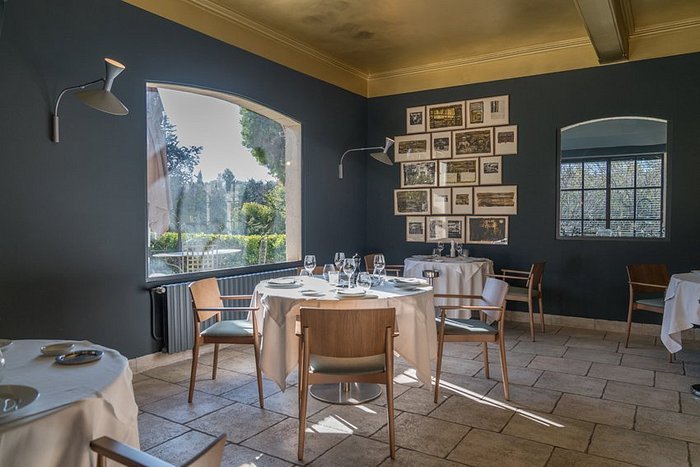
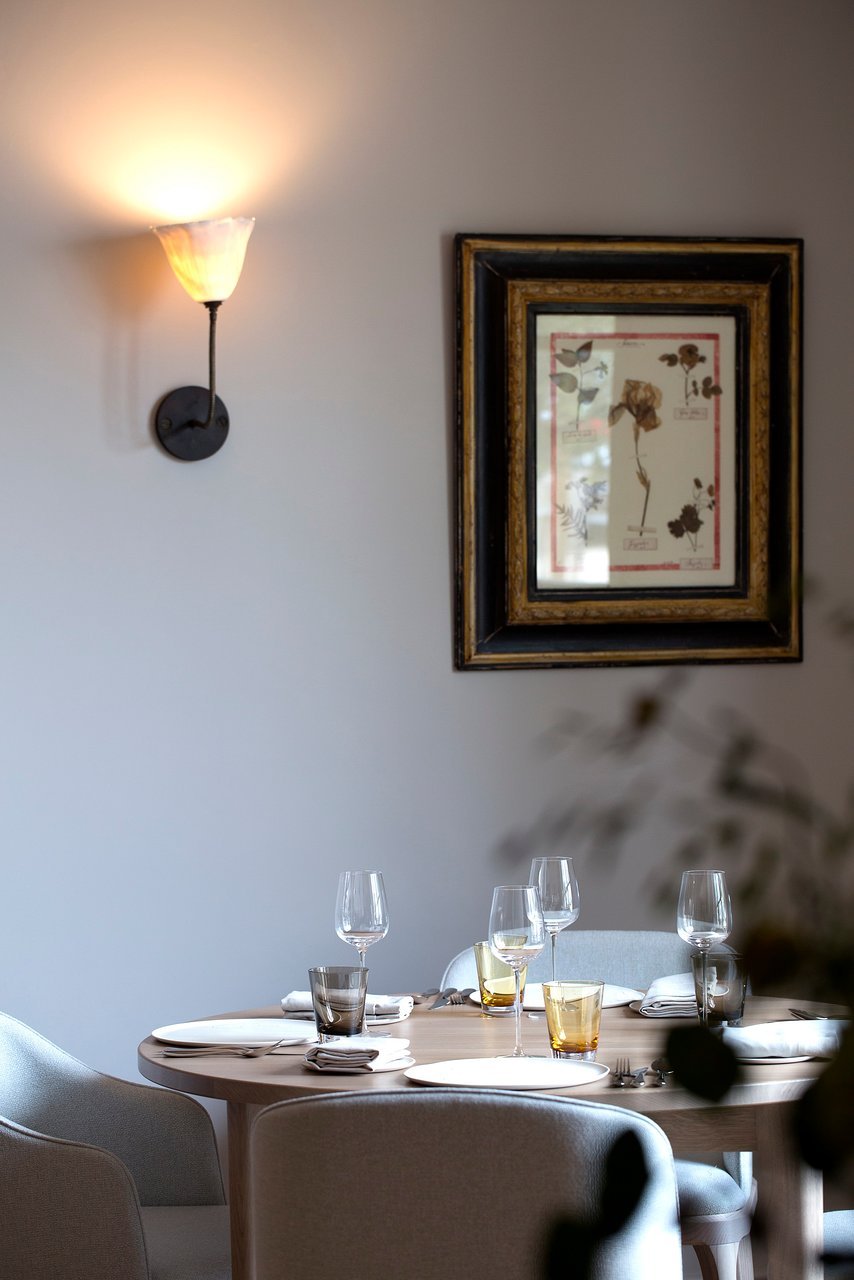
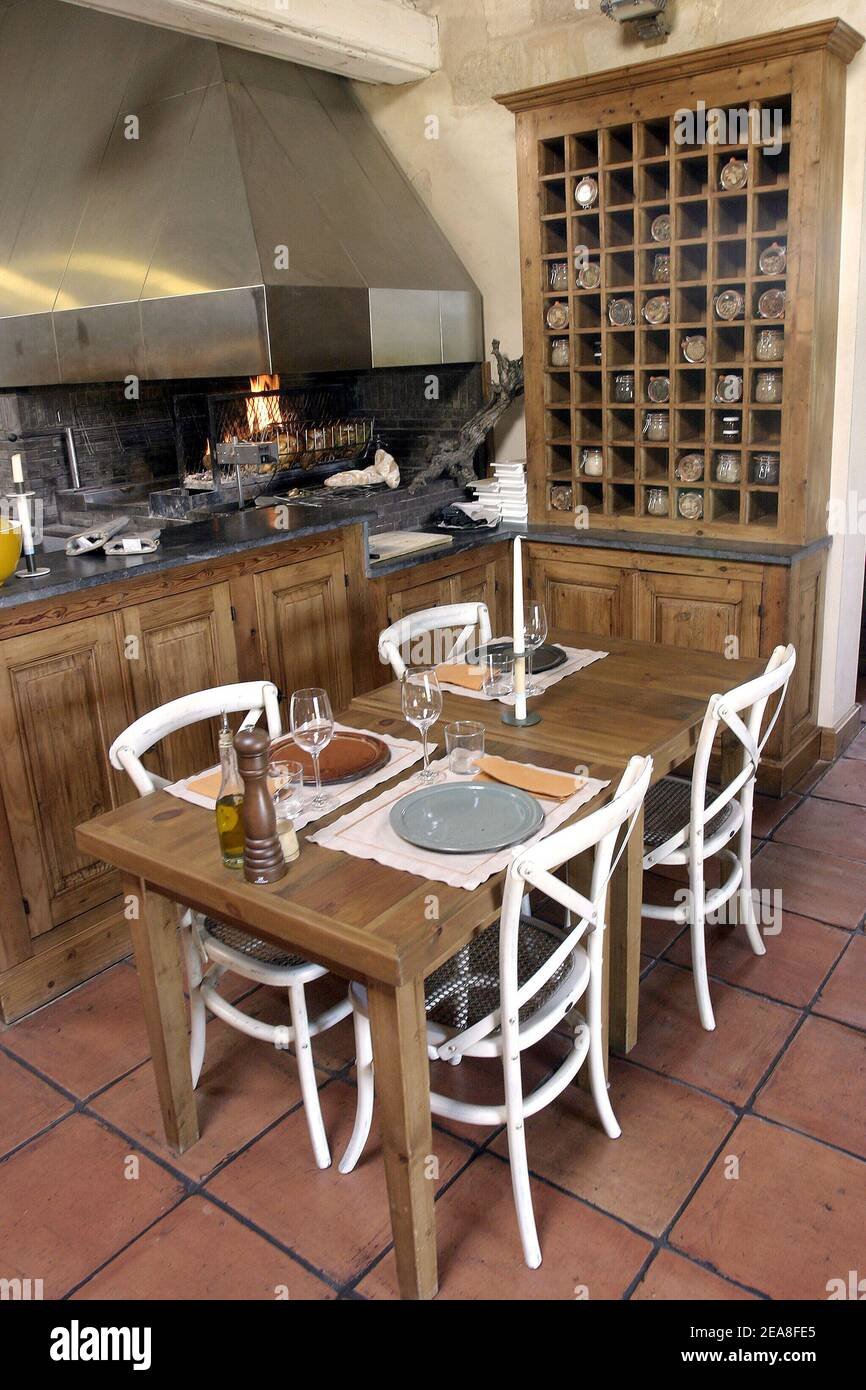
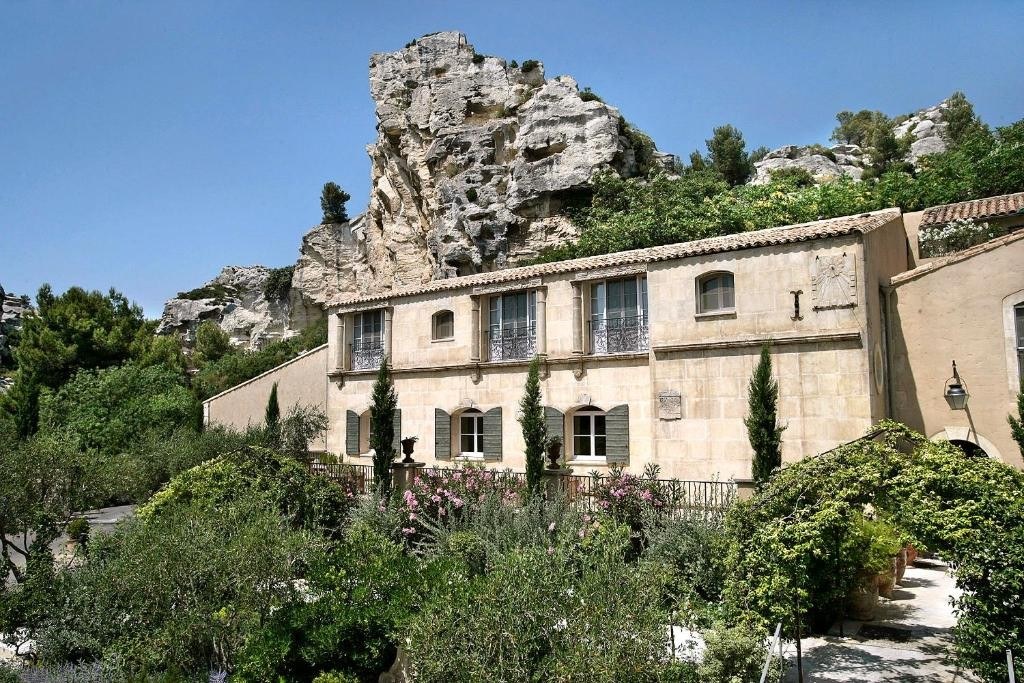
Chaleureuse atmosphere in an elegant house with soothing fountain, warm and magical at nightfall.