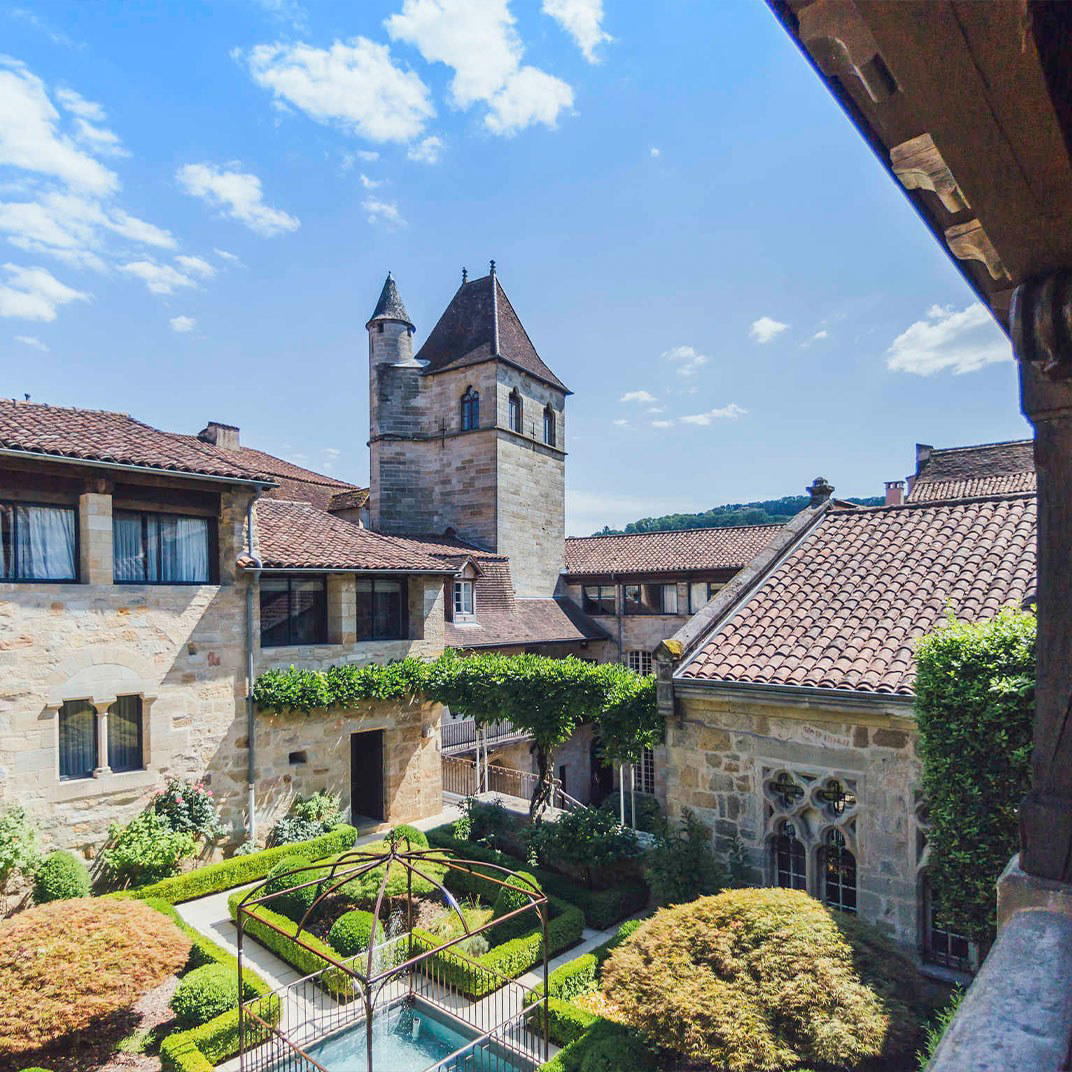
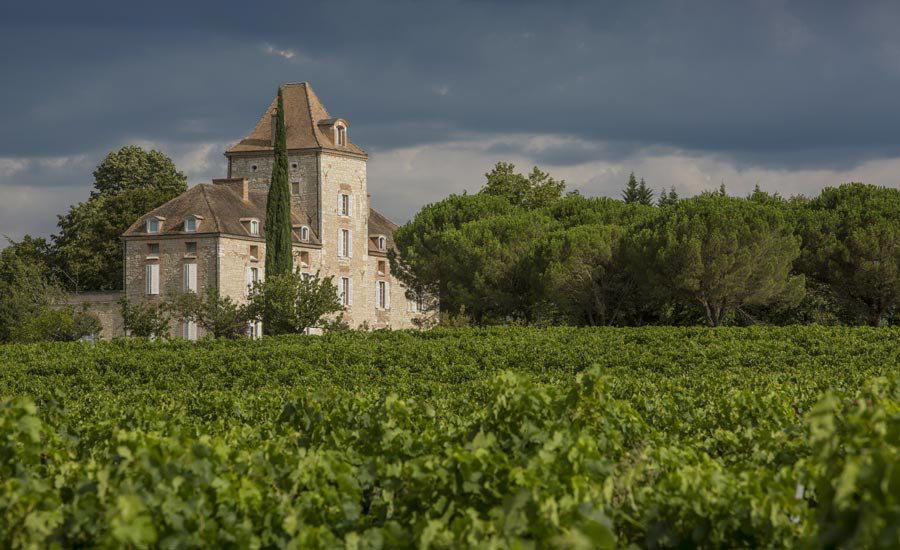
Auberge Lou Bourdié serves Traditional Quercy Regional French Bistro cooking in a historic building in Bach, with local sourcing and a leisurely pace for lunch or dinner.
Pearl is the En Primeur Club membership app — saves, bookings, and concierge access live there. Same editors, same standards.
- Address
- D19 Le Bourg, 46230 Bach, France
- Phone
- +33565317746
- Website
- loubourdie.fr
- Directions
- Get directions
 Saves & bookings on Pearl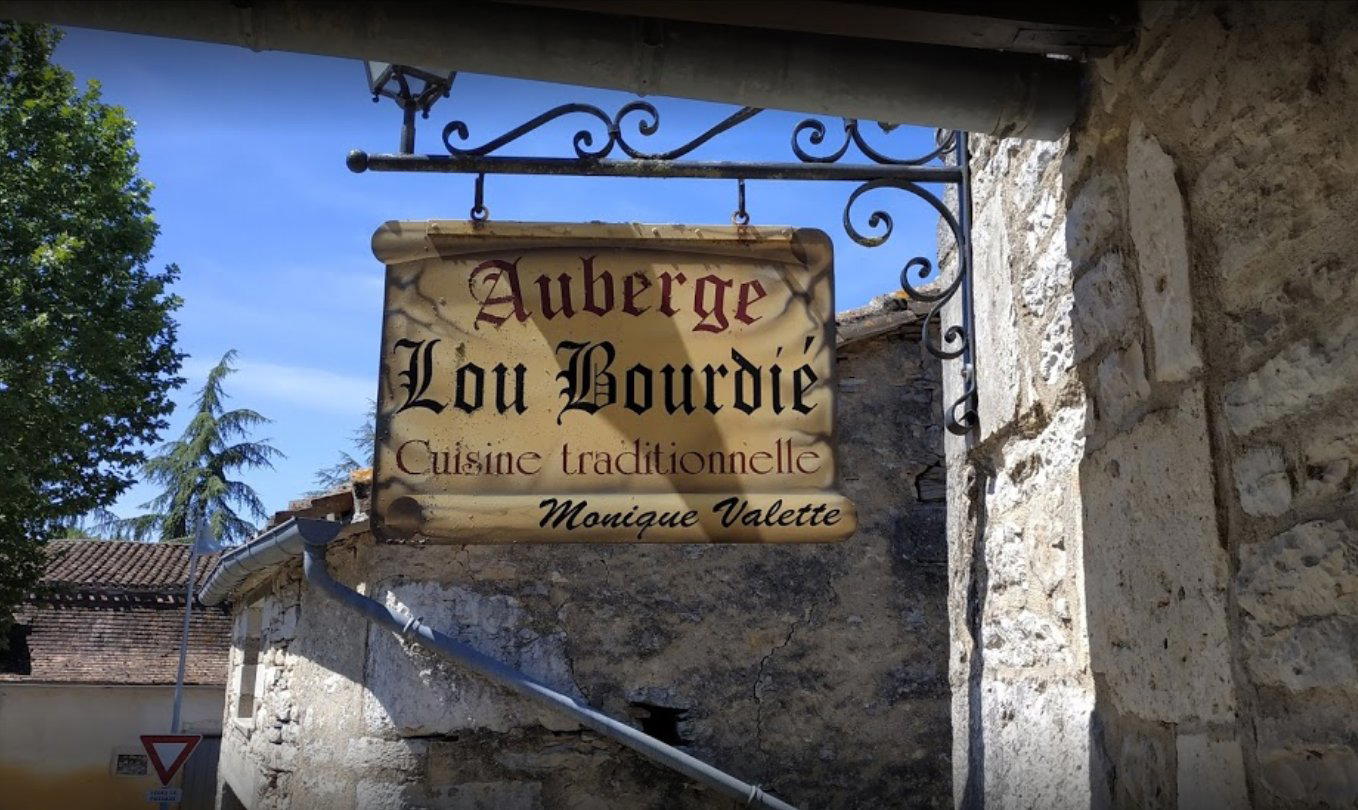
Rural Lot, Serious Table
The Lot valley occupies a particular position in the French provincial imagination: limestone causses dropping into river bends, walnut groves running to the edge of villages that have changed shape slowly over centuries. Bach sits within this geography, a commune of a few hundred residents on the D19 between Cahors and Figeac, where the road narrows and the pace of daily life is calibrated to seasons rather than schedules. It is the kind of place that filters out casual visitors before they arrive. Getting there requires a deliberate choice, and that deliberateness tends to self-select a certain kind of diner.
Lou Bourdie operates within this context. The address, D19 Le Bourg, places it at the heart of the village, which in Bach means a handful of stone buildings grouped around the essentials. There is no urban camouflage here, no neighbourhood restaurant scene to blend into. A table in this part of the Lot is its own destination, and the food that justifies such a journey draws from the same land that surrounds it.
What the Lot Produces and Why That Matters
Southwest France has one of the most legible ingredient maps in the country. The Lot and its neighbouring departments supply black truffles from Périgord, duck and goose for foie gras and confit, walnuts pressed into oils and ground into sauces, lamb from the causses, and river fish from the Lot, the Célé, and the Dordogne. These are not incidental local touches but structural ingredients that define the cooking of the region at every price point. The difference between a village table in the Lot and the destination addresses further north, such as Bras in Laguiole or Auberge du Vieux Puits in Fontjoncouse, lies not in access to these ingredients but in the ambition brought to bear on them.
Regional sourcing at this level is less a philosophy than a constraint made virtue. Supply chains in rural Lot are short by necessity. The walnut oil on the table likely came from a press within thirty kilometres. The duck was raised in the same valley system. This proximity shapes the character of the food before a single decision is made in the kitchen: the seasons here are not a marketing concept but a hard limit on what is possible each week. When black truffle season closes in February, it closes. When spring lamb appears, the menu moves.
This kind of ingredient-led cooking sits within a broader tradition of auberge cooking in southern France, where the line between restaurant and inn, between hospitality and feeding the village, has always been porous. The term auberge carries specific weight in this region: it implies a kitchen that feeds from its surroundings and keeps a direct relationship with the people who produce what it serves. Auberge de l'Ill in Illhaeusern represents the apex of this tradition in Alsace; in the Lot, the format is less formal, less decorated, but drawing from the same structural logic.
Placing Lou Bourdie in the Lot Dining Scene
Bach is not a dining destination in the way that Cahors, thirty kilometres to the south, functions for visitors to the region. Cahors carries the weight of its AOC wine appellation, its medieval centre, and the pull of the pilgrimage route to Santiago de Compostela, which passes through town. Restaurants in Cahors price and position against a tourist economy. Village tables in Bach price and position against their neighbours and their regulars. That distinction matters when calibrating expectations.
Within Bach itself, Seeli represents another option in this village, and the two addresses together give the commune a more developed dining offer than its size would ordinarily suggest. For context on the wider Bach and Lot dining scene, our full Bach restaurants guide maps the options across the area.
The comparison set for a rural Lot restaurant is not the three-Michelin-star tier of Alléno Paris au Pavillon Ledoyen or Mirazur in Menton, though those addresses define the ceiling of French fine dining against which all domestic restaurants are implicitly measured. Nor does it sit naturally alongside urban creative programs such as AM par Alexandre Mazzia in Marseille. Georges Blanc in Vonnas and Troisgros in Ouches represent the decorated end of that tradition; Lou Bourdie sits in an earlier, less institutionalised position within it.
The Case for Eating Outside Cahors
Visitors to the Lot who confine their restaurant choices to Cahors miss a structural feature of how this region actually produces and serves its food. The farms are not near Cahors; they are distributed across the causses and river valleys, near villages like Bach. The closer a kitchen sits to its sources, the shorter the time between harvest and plate. For ingredients like truffle, where degradation begins within days of lifting, proximity is not a romantic idea but a measurable quality advantage.
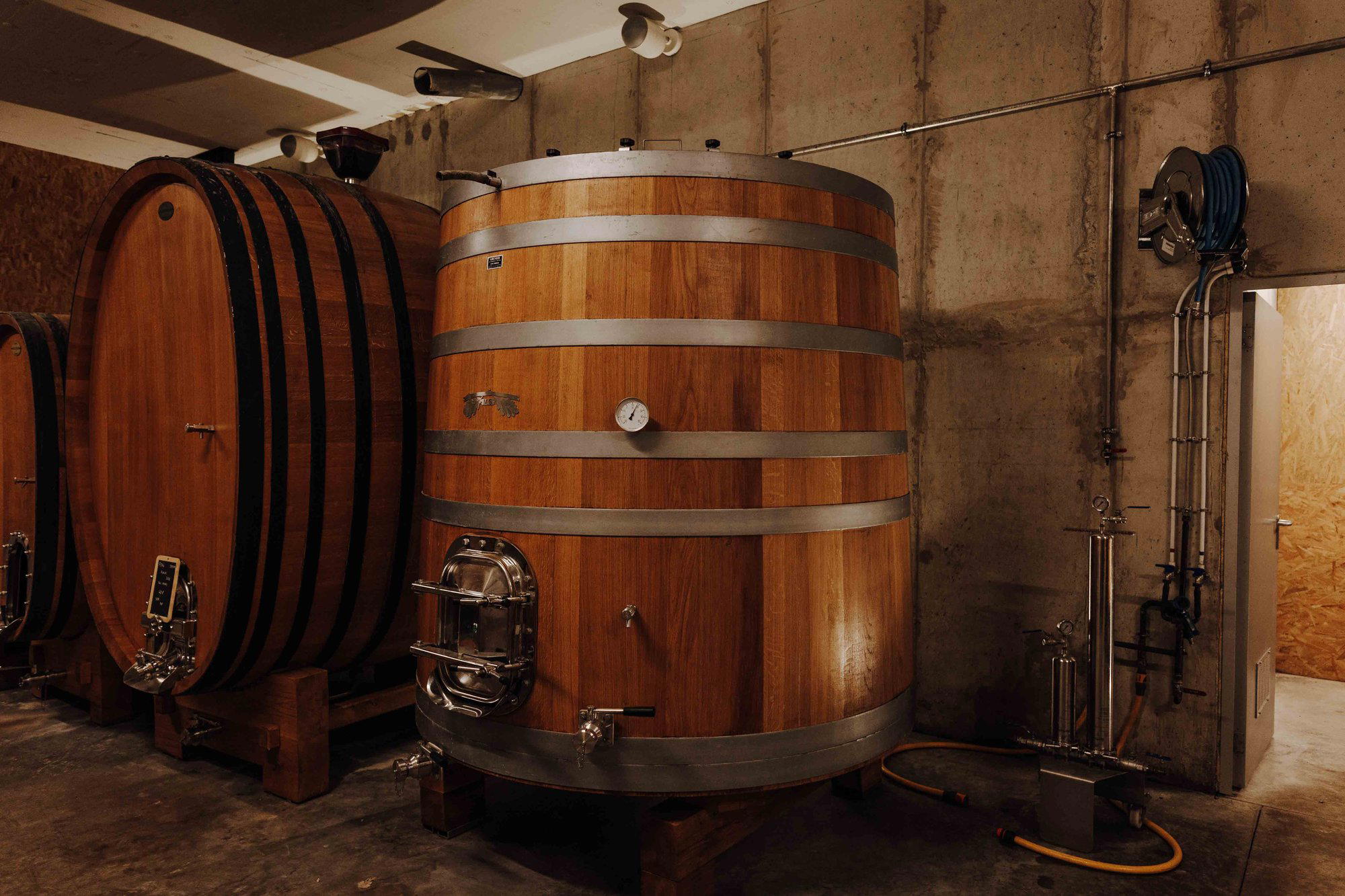
The same logic applies to the Cahors wine appellation. The Malbec-dominant reds of the region, often called the black wine of Cahors for their density and tannin structure, pair directly with the duck and lamb that define the local kitchen. A table in Bach that sources from its immediate surroundings and pours from the local appellation is offering a kind of coherence that a restaurant in a larger city, even one with excellent sourcing, cannot fully replicate. Comparable integrity between place and plate can be found at L'Oustau de Baumanière in Les Baux, where Provençal sourcing and setting operate in similar alignment, or at Flocons de Sel in Megève, where Alpine terroir shapes both the kitchen and the cellar.
Planning a Visit
Bach is approximately an hour's drive from both Cahors and Figeac, and requires a car. There is no meaningful public transport connection to the village, and the surrounding area is leading explored over multiple days rather than as a day trip from a larger base. The Lot is a summer and early autumn destination for much of its tourist traffic, which means spring visits offer a quieter experience with the landscape at its most active. Truffle season runs November through February, which draws a different, more specialist visitor to the region. Booking ahead is advisable given the limited capacity typical of village restaurants in this part of France.
For reference on what the decorated end of French provincial dining looks like, Paul Bocuse in Collonges-au-Mont-d'Or, Assiette Champenoise in Reims, Au Crocodile in Strasbourg, Christopher Coutanceau in La Rochelle, Le Bernardin in New York, and Atomix in New York each illustrate different national and international expressions of the same commitment to sourcing and craft that defines serious cooking at any latitude.
How LOU BOURDIE Bach compares with similar nearby venues.
| Venue | Cuisine | Price |
|---|---|---|
| Causses Toujours | Traditional Cuisine | €€ |
| Auberge du Sombral - Les Bonnes Choses | Country cooking | € |
| La Table de Haute-Serre | Modern Cuisine | €€ |
Continue exploring
More in Bach
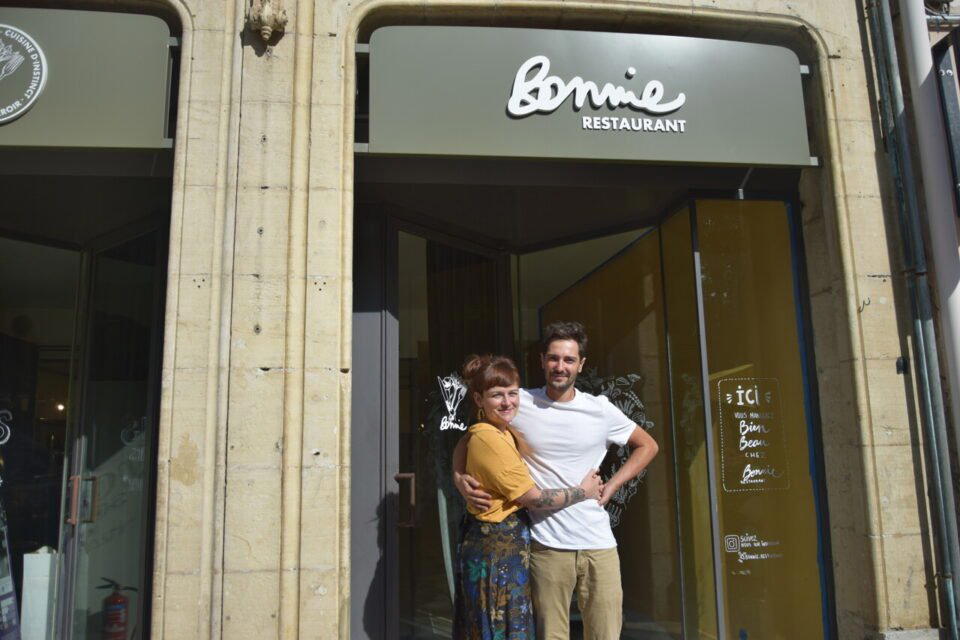
Restaurants in Bach
Browse all →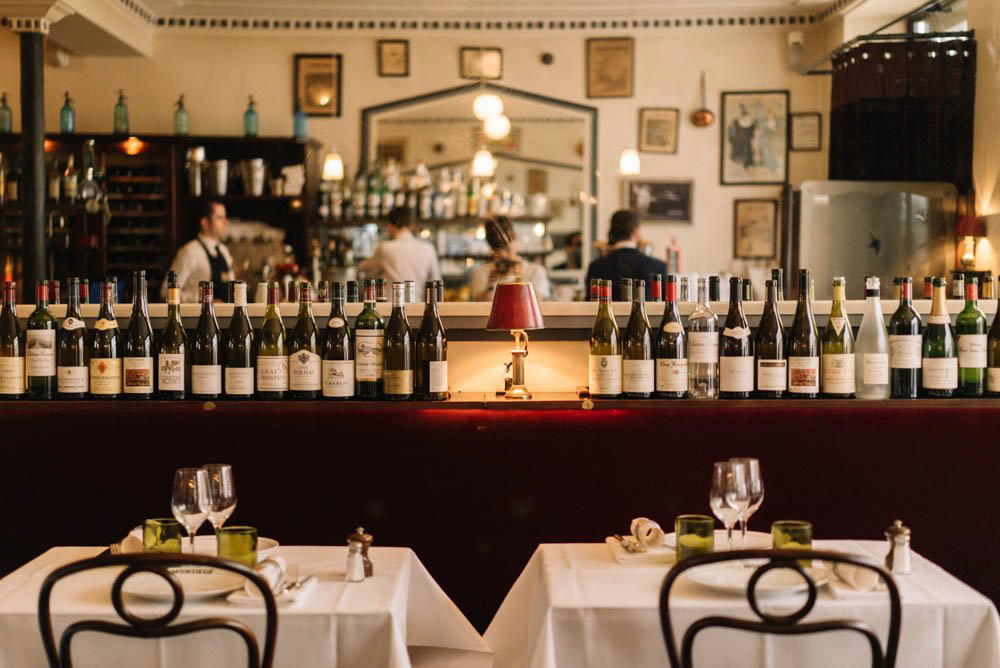
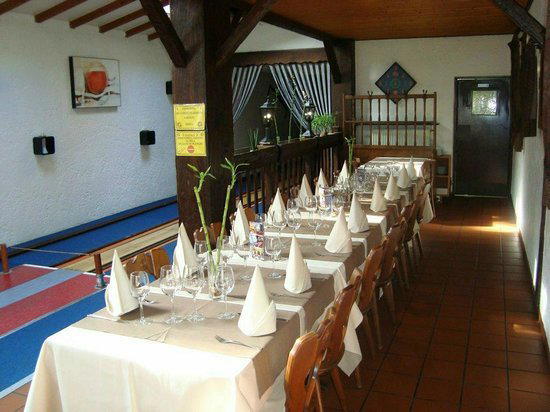
Bars in Bach
Browse all →
Hotels in Bach
Browse all →

At a Glance
- Rustic
- Cozy
- Classic
- Casual Hangout
- Family
- Historic Building
- Local Sourcing
Current opening hours
- Monday
- 12–2 PM
- Tuesday
- 12–2 PM
- Wednesday
- Closed
- Thursday
- 12–2 PM
- Friday
- 12–2 PM
- Saturday
- Closed
- Sunday
- 12–2 PM
Hours can change for holidays and private events. Last verified .