Le Florentin occupies a square-facing address in Moissac, a Tarn-et-Garonne town better known for its Romanesque cloister and chasselas grapes than its restaurant scene. The kitchen draws on one of France's most quietly productive agricultural corridors, where market produce, river fish, and regional charcuterie define the plate before any chef technique enters the picture. For visitors passing through the Midi-Pyrénées, it offers a grounded, locally anchored meal in a town that rewards the detour.
Pearl is the En Primeur Club membership app — saves, bookings, and concierge access live there. Same editors, same standards.
- Address
- 8 Pl. Roger Delthil, 82200 Moissac, France
- Phone
- +33563041918
- Directions
- Get directions
 Saves & bookings on Pearl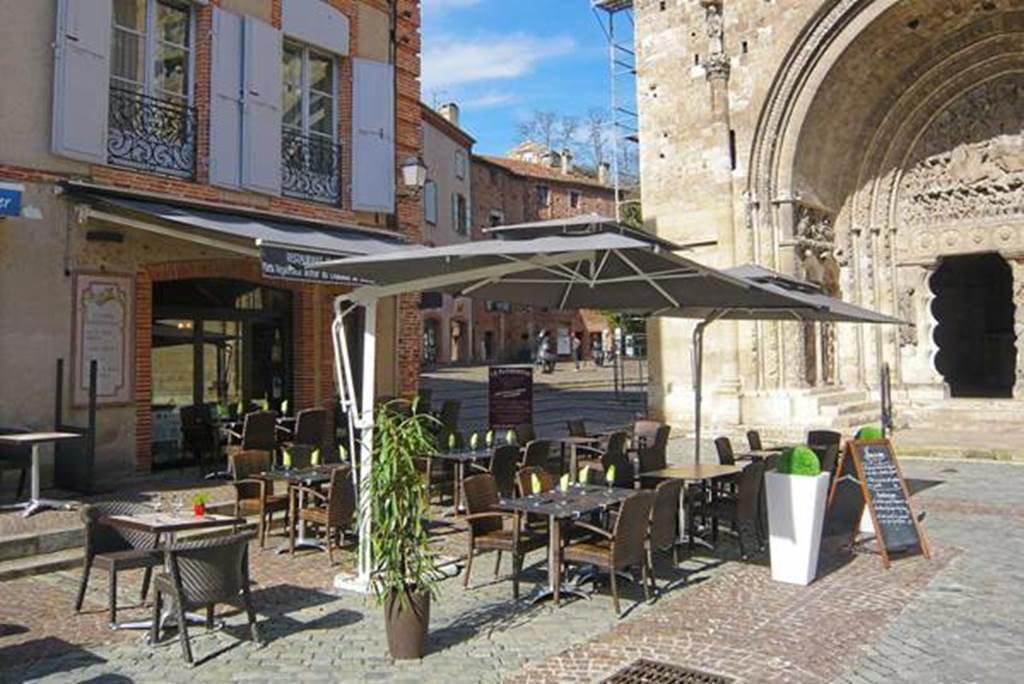
Where the Tarn Valley Sets the Table
Moissac sits at a junction the French interior rarely advertises: the confluence of the Tarn and the Garonne, a stretch of river lowland that has been producing fruit, grain, and preserved meats since the medieval abbeys made agriculture their business. The town's chasselas grapes carry an AOC designation, its plums feed the Agen prune trade to the north, and the surrounding market gardens supply a chain of small-town kitchens that operate largely below the radar of the Michelin circuit. Le Florentin, at 8 Place Roger Delthil, sits inside this agricultural logic. The address puts it on one of Moissac's central squares, the kind of place where plane trees hold the shade and the pace of a meal feels calibrated to the town rather than to any metropolitan urgency.
France's most-discussed restaurant addresses tend to cluster in Paris, Lyon, and the Côte d'Azur. The dining landscape includes houses like Alléno Paris au Pavillon Ledoyen in Paris, Mirazur in Menton, and Bras in Laguiole, where Michel Bras built an entire gastronomic identity around the wild plants of the Aubrac plateau. But France's dining geography extends well past those reference points, into market towns where the sourcing infrastructure is often richer than the critical attention it receives. The Tarn-et-Garonne department is a reasonable case in point: agricultural density without the tourist volume that tends to drive restaurant ambition in more visited regions.
The Sourcing Logic of the Midi-Pyrénées Interior
The editorial question worth asking about any restaurant in this corridor is not what the chef trained but where the produce comes from, because the regional supply network is the story. The Garonne basin runs from the Pyrenean foothills through Toulouse and northwest toward Bordeaux, and along that route it organizes one of France's more coherent farm-to-table geographies: stone fruit from the Agen plum belt, white asparagus from the Landes fringe, duck and goose from Gascony, river fish from the Tarn and its tributaries, and cheese from the Pyrenean shepherding communities to the south. A kitchen in Moissac that sources honestly from its immediate radius has access to ingredients that kitchens in Paris pay a significant premium to import.
This sourcing logic is not distinctive to Le Florentin, but it is the frame through which any serious meal in this part of France should be read. The Midi-Pyrénées has historically been a supplier region rather than a destination region, which means its leading local kitchens often serve produce at a stage of freshness that longer supply chains cannot replicate. Chasselas grapes, for instance, are thin-skinned and bruise easily in transport; eating them close to the vine is a materially different experience from eating them in a city market three days later. The same principle applies to stone fruit, river crayfish, and the early-season vegetables that the market gardens around Moissac turn out in volume each spring.
Comparable sourcing-led kitchens elsewhere in provincial France have built substantial reputations on exactly this kind of proximity advantage. Auberge du Vieux Puits in Fontjoncouse, deep in the Corbières, operates on the same principle: a remote address that becomes credible precisely because the local agricultural environment justifies the journey. La Marine in Noirmoutier built its reputation around the island's salt-marsh produce and Atlantic catch. The pattern holds: provincial depth of sourcing, when handled with discipline, produces a different kind of plate than urban technique applied to imported ingredients.
Moissac as a Dining Destination
The town draws visitors primarily for its Benedictine abbey and the Romanesque cloister attached to it, among the more complete surviving examples of 12th-century carved stonework in southern France. Pilgrims on the Camino de Santiago pass through; so do architectural historians and the slow-travel circuit that moves through the Lot and Tarn valleys between late spring and early autumn. The restaurant scene is small and calibrated to that visitor profile rather than to any culinary destination logic of its own. For those using Moissac as a base, the surrounding area extends toward Montauban to the east and Agen to the northwest, both of which carry their own market and restaurant infrastructure.
For context on how France's serious provincial tables sit relative to each other, it is worth noting the range: from the three-star weight of Troisgros - Le Bois sans Feuilles in Ouches or Paul Bocuse in Collonges-au-Mont-d'Or, through mid-tier regional anchors like Auberge de l'Ill in Illhaeusern or Georges Blanc in Vonnas, to the smaller, lower-profile houses that serve travellers moving through market towns. Le Florentin operates in that third tier: a square-front address in a town of roughly twelve thousand people, where the competitive set is local and the pressure is toward honest, seasonal cooking rather than ambitious tasting menus. That is not a criticism; it describes a category of French restaurant that is often where the leading value and one direct expression of regional produce actually lives.
For the full picture of where the restaurant fits among Moissac's options, see our full Moissac restaurants guide. Readers interested in the broader French regional fine-dining arc might also consider AM par Alexandre Mazzia in Marseille, Christopher Coutanceau in La Rochelle, Assiette Champenoise in Reims, Au Crocodile in Strasbourg, L'Oustau de Baumanière in Les Baux, or Flocons de Sel in Megève for mountain-region contrast. Internationally, Le Bernardin and Atomix in New York represent different ends of the French-influenced fine-dining spectrum.
Planning a Visit
Moissac is accessible by rail on the Bordeaux-Toulouse TGV corridor, with a regional stop that puts it roughly an hour from Toulouse and ninety minutes from Bordeaux. By road, it sits on the A62 autoroute route between those two cities. The town is compact and the central squares are walkable from the train station. The square setting at Place Roger Delthil is easy to locate on foot from the abbey.
How It Stacks Up
Comparable venues nearby, for context on price, style, and recognition.
| Venue | Cuisine | Price | Notes |
|---|---|---|---|
| Le FlorentinThis venue — the venue you are viewing | Southwest French Bistro | $$ | Not listed |
| Assoiffés | French Bistro with Natural Wines | $$ | Les Chalets / Bayard / Belfort / Saint-Aubin / Dupuy |
| Les Sales Gosses - le Bistrot | Modern French Bistro | $$ | Les Chalets / Bayard / Belfort / Saint-Aubin / Dupuy |
| Les Copains D'abord | Traditional Southwestern French Bistro | $$ | Bonhoure / Guilheméry / Château de l'Hers / Limayrac / Côte Pavée |
| Lou podel | French Bistro with Local Périgord Specialties | $$ | Sarlat-la-Canéda |
| La Vieille Auberge | Bistronomic Regional French | $$ | Souillac |
Continue exploring
More in Moissac
Restaurants in Moissac
Browse all →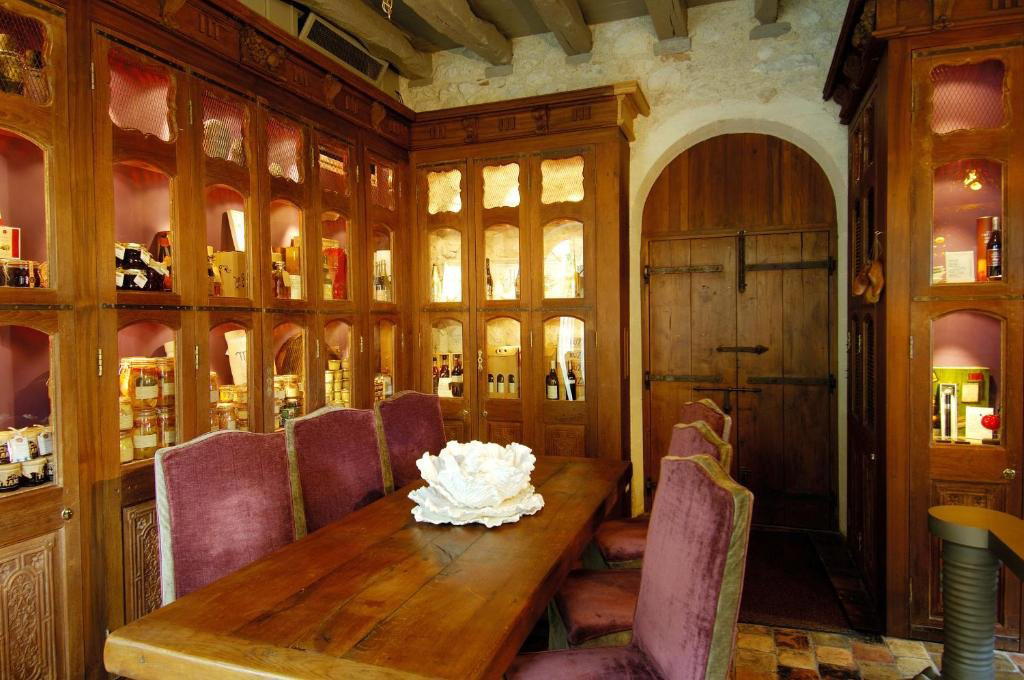
At a Glance
- Elegant
- Classic
- Cozy
- Family
- Special Occasion
- Terrace
- Historic Building
- Local Sourcing
Current opening hours
- Monday
- 9:30 AM–3 PM
- Tuesday
- 9:30 AM–3 PM
- Wednesday
- 9:30 AM–3 PM
- Thursday
- 9:30 AM–3 PM
- Friday
- 9:30 AM–10 PM
- Saturday
- 9:30 AM–10 PM
- Sunday
- 9:30 AM–6:30 PM
Hours can change for holidays and private events. Last verified .
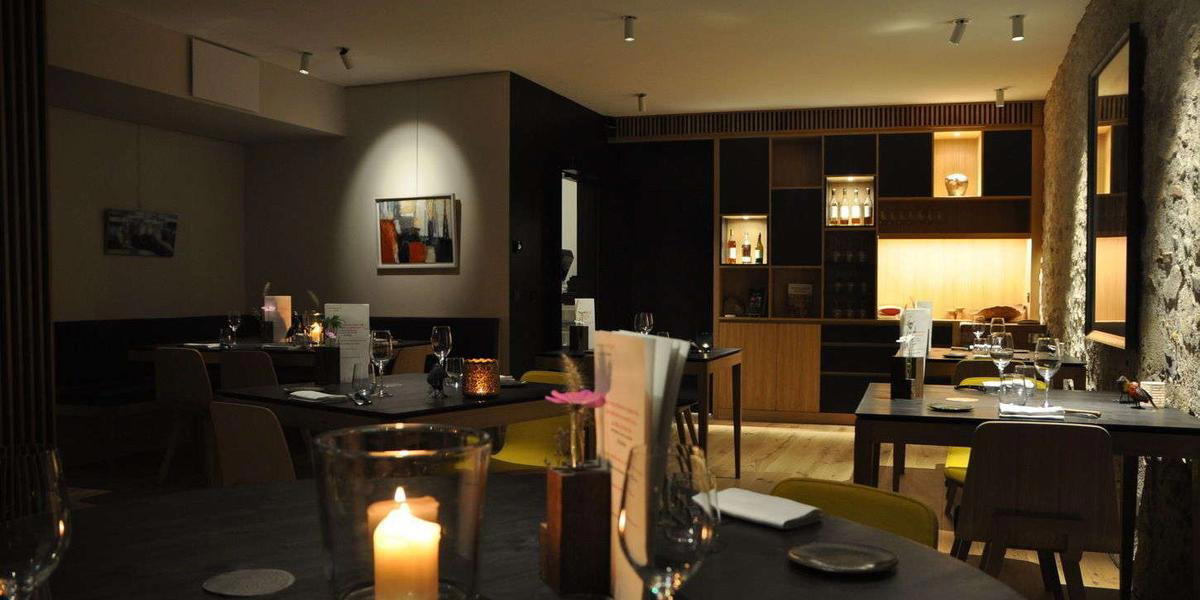
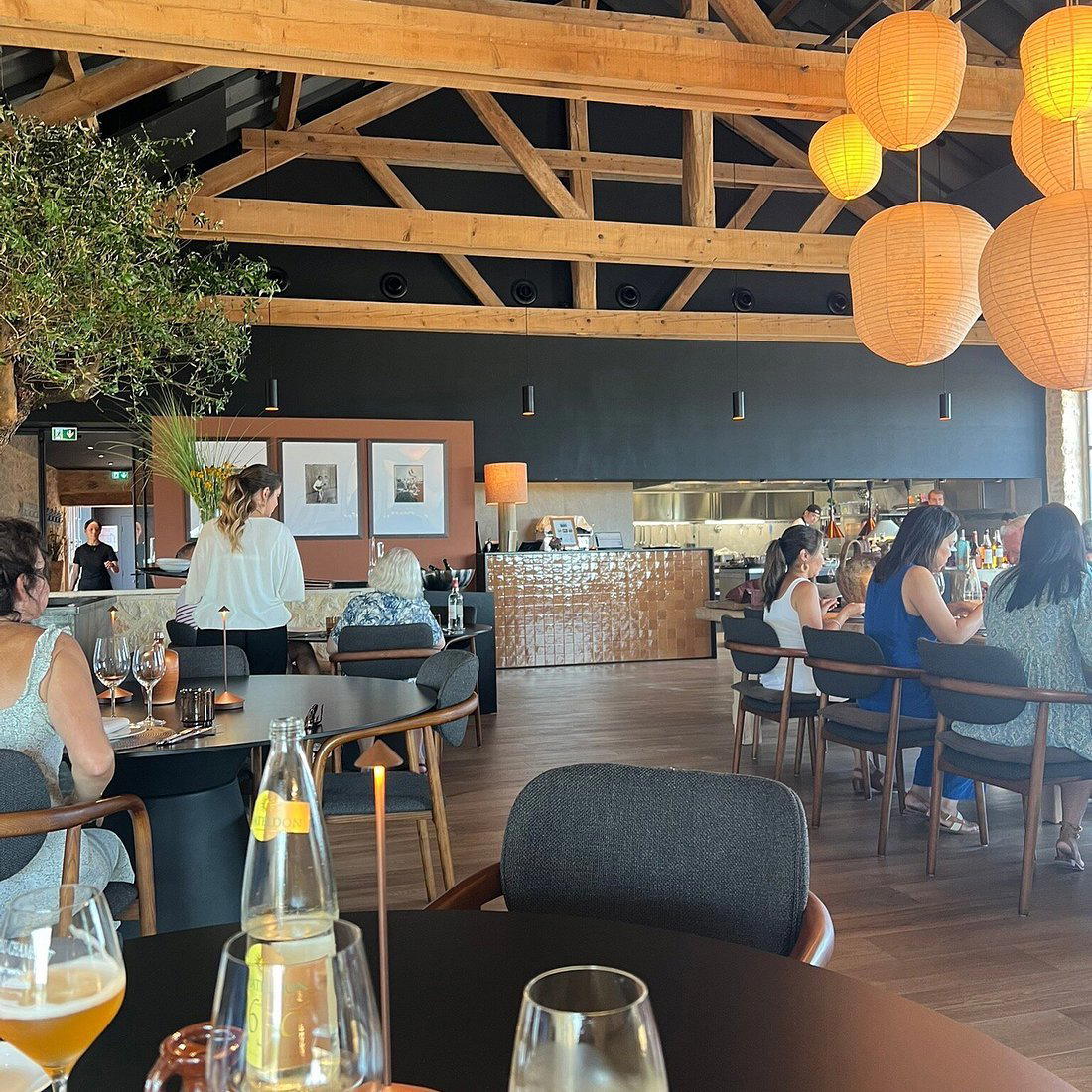
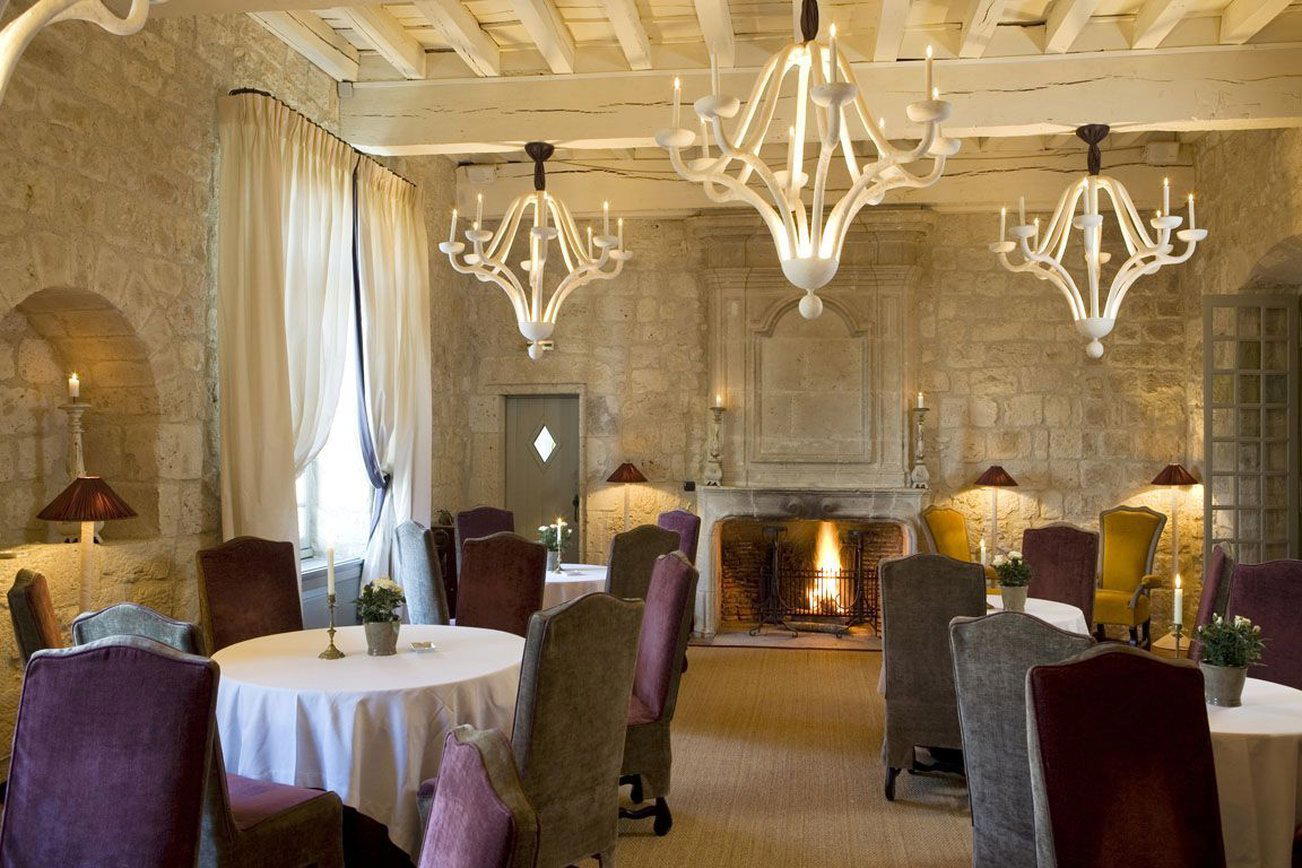
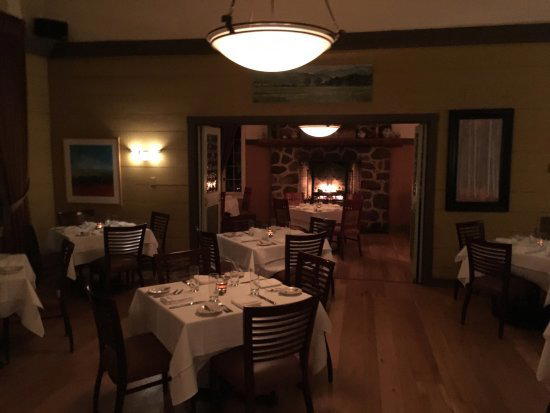
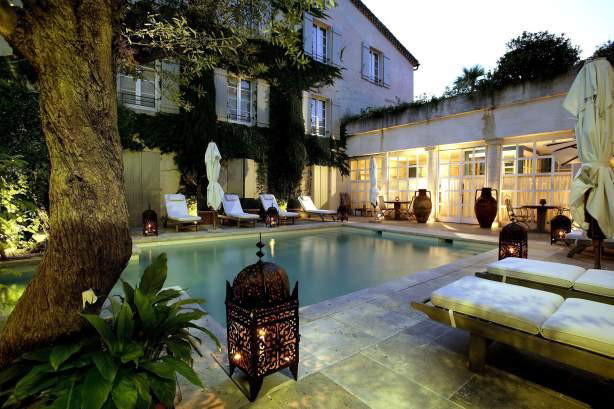
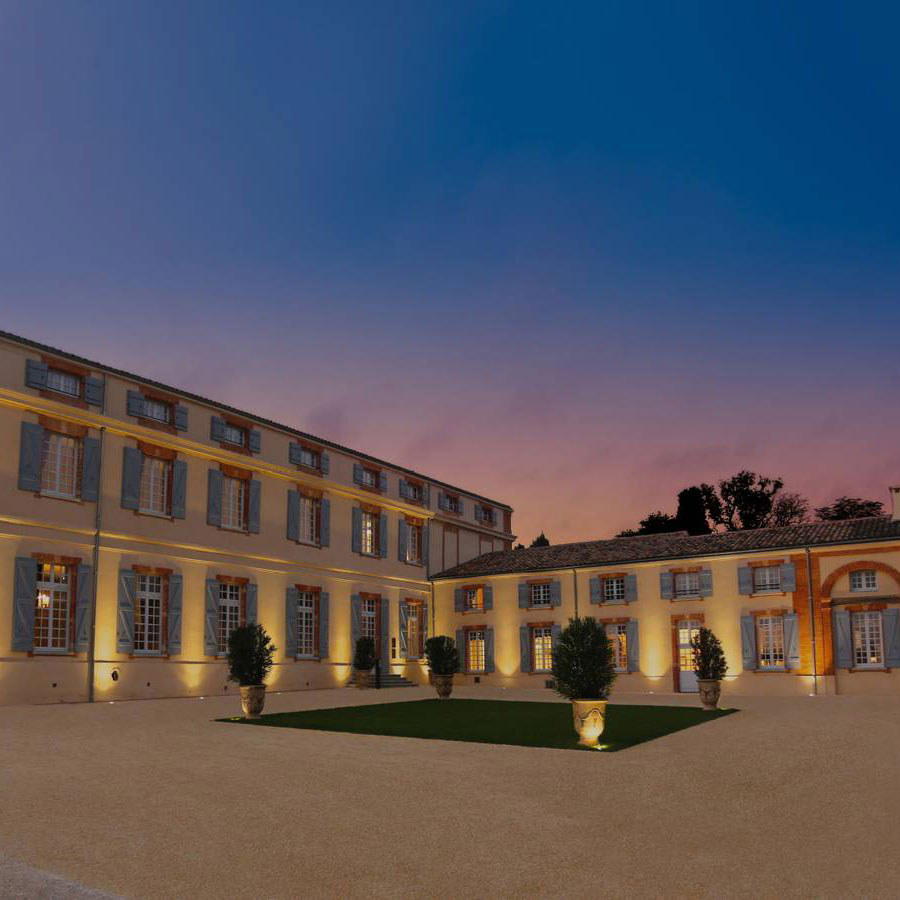
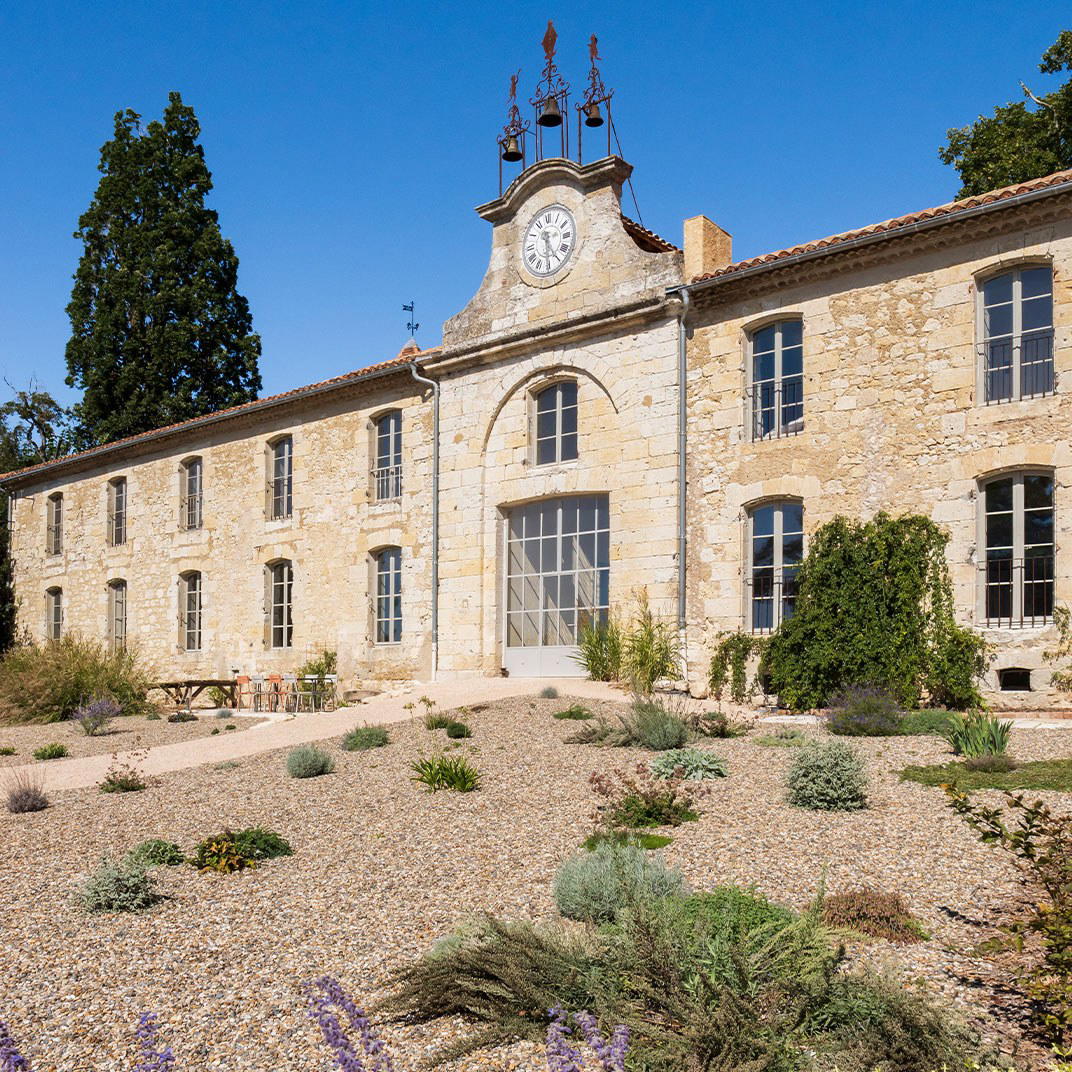
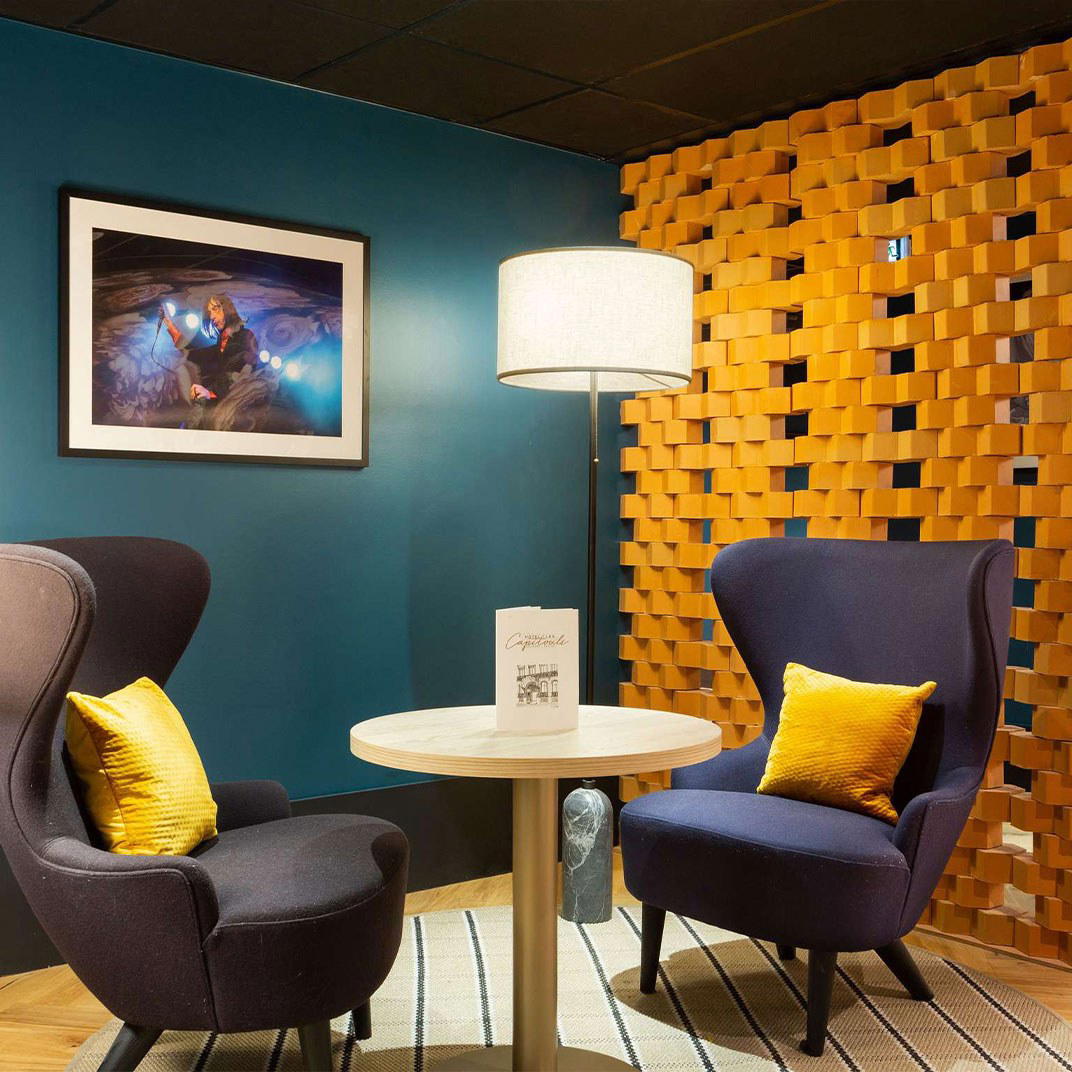
Elegant and refined decor with contemporary warm elements, terrace views of abbey architecture.