Our verdict
In the medieval cliff-top village of Domme, Cabanoix et Châtaigne anchors its menu in the Périgord Noir's most defining ingredients: walnuts, chestnuts, and the foraged produce of the Dordogne valley. The kitchen reads as a direct expression of place, where what grows within reach of the village largely determines what arrives at the table. For a concentrated taste of southwest French terroir without the ceremony of a formal tasting room, this address earns its place on the itinerary.

Pearl is the En Primeur Club membership app — saves, bookings, and concierge access live there. Same editors, same standards.
- Address
- 3 Rue Geoffroy de Vivans, 24250 Domme, France
- Phone
- +33553310711
- Hours
- Mon 12–1:30 PM, 7–8:30 PMTue 9 AM–5 PM, 7–9:30 PMWed 7–8:30 PMThu–Fri ClosedSat–Sun 12–1:30 PM, 7–8:30 PM
- Directions
- Get directions
The menu
What to order
- Confit de canard
- Foie gras
- Châtaigne desserts
Périgord on a Plate: Terroir Dining in the Dordogne Valley
Domme sits on a limestone promontory above the Dordogne river, a fortified bastide whose stone lanes and covered market hall have changed little since the thirteenth century. Arriving on foot through the Porte des Tours, with the valley spread out below and the smell of oak and damp earth rising from the hillside, you are already inside the ingredient story that defines cooking in the Périgord Noir. Cabanoix et Châtaigne, at 3 Rue Geoffroy de Vivans, sits within that fabric. The name itself is a declaration of intent: cabanoix (a Périgord walnut preparation) and châtaigne (chestnut) are two of the region's most structurally important ingredients, and placing them in the restaurant's title signals exactly the editorial lens through which the kitchen operates.
The Ingredient Geography of the Périgord Noir
French regional cooking is at its most coherent when a kitchen commits fully to the produce calendar of its own terrain, and the Dordogne valley provides an unusually dense larder. Walnuts from the Périgord hold a protected designation of origin (AOP Noix du Périgord), covering varieties grown across four departments; chestnuts from the surrounding forests have fed both humans and livestock in this region for centuries. Black truffle production in the Périgord and neighbouring Quercy remains among the most significant in France outside Provence. Foie gras, duck confit, and cèpe mushrooms gathered from the oak woods round out a culinary signature that is immediately identifiable and deeply tied to geography.
Cabanoix et Châtaigne draws on precisely this supply chain. A restaurant operating in Domme with this name and this brief is not reaching toward a creative or international register; it is working within a tradition that prioritises proximity and seasonality over technique as spectacle. That positioning places it in a different competitive tier from the Michelin-starred rooms that have shaped southwest French cuisine at the regional level, such as Bras in Laguiole or Les Prés d'Eugénie - Michel Guérard in Eugénie-les-Bains, but it also means the kitchen's success is measured differently: by fidelity to the season and the source rather than by innovation or transformation.
What the Menu Communicates About Place
In kitchens that work this way, the menu functions less as a chef's creative statement and more as a seasonal inventory of the surrounding landscape. Walnut oil replaces butter in certain preparations; chestnut flour appears in bread and pastry; foie gras and confit duck arrive as honest regional staples rather than luxury flourishes. This approach to sourcing is common to the better bistros and auberges across the Périgord Noir, but it requires discipline to execute without allowing the menu to become static or predictable across the year. The kitchen at Cabanoix et Châtaigne, based on its positioning within the village's dining scene, appears to work within this discipline. For comparison, the broader ambition of Flocons de Sel in Megève or the three-star precision of Mirazur in Menton represents a different register entirely: those kitchens transform their regional ingredients through invention; this one honours them through directness.
The Dordogne's terroir-led restaurants operate on a model that rewards return visits across the seasons. Walnut harvest runs from mid-September through October; truffle season peaks between December and February; cèpe mushrooms appear after autumn rains. A menu anchored in this cycle shifts meaningfully across the calendar year, which is part of the argument for visiting the Périgord outside the summer high season when the village itself is less crowded and the produce roster moves into its more autumnal, richer phase.
Domme's Dining Position
Domme has a small restaurant scene calibrated to its size and its tourism model. The village draws significant visitor numbers during July and August, and much of its dining offer adjusts accordingly, with terrace tables filling quickly and menus weighted toward accessibility. Cabanoix et Châtaigne occupies a specific niche within that scene: it frames itself around local product identity rather than scenic terrace appeal alone, which separates it from the more tourist-facing options along the main square. L'Esplanade represents Domme's more formal end of the spectrum; Cabanoix et Châtaigne reads as a complementary address with a tighter, more ingredient-driven focus. For a broader view of where both sit in the village context, our full Domme restaurants guide maps the options by occasion and register.
French regional cooking at this level is not operating in isolation. The farm-to-table commitment that defines the leading auberges of the southwest is mirrored, at very different price points and ambition levels, by starred addresses elsewhere in France: Auberge du Vieux Puits in Fontjoncouse and Auberge de l'Ill in Illhaeusern both anchor their cooking in regional supply chains, but at a scale and formality that Domme's village dining does not replicate. Cabanoix et Châtaigne is positioned for a different kind of reader: one who wants the ingredient logic without the ceremony.
Planning Your Visit
Domme is accessible by car from Sarlat-la-Canéda, approximately fifteen kilometres to the north, which serves as the main transport hub for the Périgord Noir. The village itself is compact; the restaurant sits on Rue Geoffroy de Vivans, a few minutes' walk from the Porte des Tours entrance. Given the scale of Domme's dining scene and the restaurant's position as one of the more focused addresses in the village, booking ahead is advisable during summer months, when the bastide sees its heaviest footfall. Autumn visits, timed to align with walnut harvest and the early truffle season, offer a different proposition: quieter streets, cooler temperatures, and a menu that shifts toward the richer, earthier end of the Périgord register.
Frequently asked questions
Is Cabanoix et Châtaigne good for families?
Domme itself is a village-scale destination with a relaxed pace, and a restaurant rooted in Périgord larder cooking — walnuts, chestnuts, duck, seasonal vegetables — tends to offer the kind of recognisable, ingredient-driven plates that translate well across ages. The address at 3 Rue Geoffroy de Vivans places it in the historic centre, so access with young children on foot across cobbled lanes is worth factoring in.
Is Cabanoix et Châtaigne better for a quiet night or a lively one?
Domme is a small fortified bastide with a restaurant scene scaled to match — this is not a town with late-night energy or large group dining culture. Cabanoix et Châtaigne, positioned on Rue Geoffroy de Vivans in the village core, fits the pattern of a considered, quieter dinner rather than a convivial night out. July and August bring more visitors to the area, which shifts the ambient energy somewhat, but the setting points toward an unhurried meal rather than a high-tempo one.
What does the name Cabanoix et Châtaigne tell you about the cooking at this Domme restaurant?
The name directly maps the kitchen's ingredient allegiances: cabanoix derives from the Occitan and local French for walnut, while châtaigne is chestnut — two crops that have defined Périgord Noir agriculture for generations, with Périgord walnuts holding protected AOP designation. Restaurants in the Dordogne that name themselves after specific regional produce typically signal a commitment to seasonal, terroir-led cooking rather than a broad European or fusion approach. For visitors to Domme at 3 Rue Geoffroy de Vivans, that framing sets accurate expectations: this is a kitchen oriented toward the valley's own larder.
What's the signature dish at Cabanoix et Châtaigne?
No specific menu items are documented for Cabanoix et Châtaigne, so naming a single signature dish would be speculation. The name itself — cabanoix (walnut) and châtaigne (chestnut) — signals that the kitchen works closely with the defining produce of the Périgord Noir, a region where walnuts hold AOC status and chestnuts have been a dietary staple for centuries. Dishes built around these ingredients, alongside duck confit, foie gras, and black truffle when in season, represent the culinary logic of the surrounding terrain.
Where is Cabanoix et Châtaigne located?
Cabanoix et Châtaigne is located at 3 Rue Geoffroy de Vivans, 24250 Domme, France, Domme.
Do they take walk-ins at Cabanoix et Châtaigne?
In practice, Domme's peak season runs July and August, when visitor numbers are high relative to the village's limited restaurant capacity — arriving without a reservation during those months carries real risk. Outside of peak season, the quieter calendar may allow for more flexibility, but confirming ahead of time is advisable.
Comparison Snapshot
| Venue | Cuisine | Price | Awards | Notes |
|---|---|---|---|---|
| Cabanoix et ChâtaigneThis venue — the venue you are viewing | French Market Bistro | $20–30 | Not listed | Not listed |
| Mirazur | Modern French Fine Dining | $300–500 | 3 Michelin Stars · World's 50 Best #1 | Modern French, Creative |
| Alléno Paris au Pavillon Ledoyen | Modern French Fine Dining | $150–200 | 3 Michelin Stars · World's 50 Best #79 | Creative |
| Kei | Modern French with Japanese Influences | $300–500 | 3 Michelin Stars · World's 50 Best #93 | Contemporary French, Modern Cuisine |
| L'Ambroisie | Classic French Haute Cuisine | $300–500 | 2 Michelin Stars · World's 50 Best #23 | French, Classic Cuisine |
| Le Cinq - Four Seasons Hôtel George V | Modern French Fine Dining | $300–500 | 3 Michelin Stars · World's 50 Best #24 | French, Modern Cuisine |
Continue exploring
More in Domme
Restaurants in Domme
Browse all →
Bars in Domme
Browse all →
Hotels in Domme
Browse all →

Details
- Rustic
- Cozy
- Intimate
- Date Night
- Special Occasion
- Historic Building
- Local Sourcing
- A La Carte
- Gluten Free Options
Current opening hours
- Monday
- 12–1:30 PM, 7–8:30 PM
- Tuesday
- 9 AM–5 PM, 7–9:30 PM
- Wednesday
- 7–8:30 PM
- Thursday
- Closed
- Friday
- Closed
- Saturday
- 12–1:30 PM, 7–8:30 PM
- Sunday
- 12–1:30 PM, 7–8:30 PM
Hours can change for holidays and private events. Last verified .
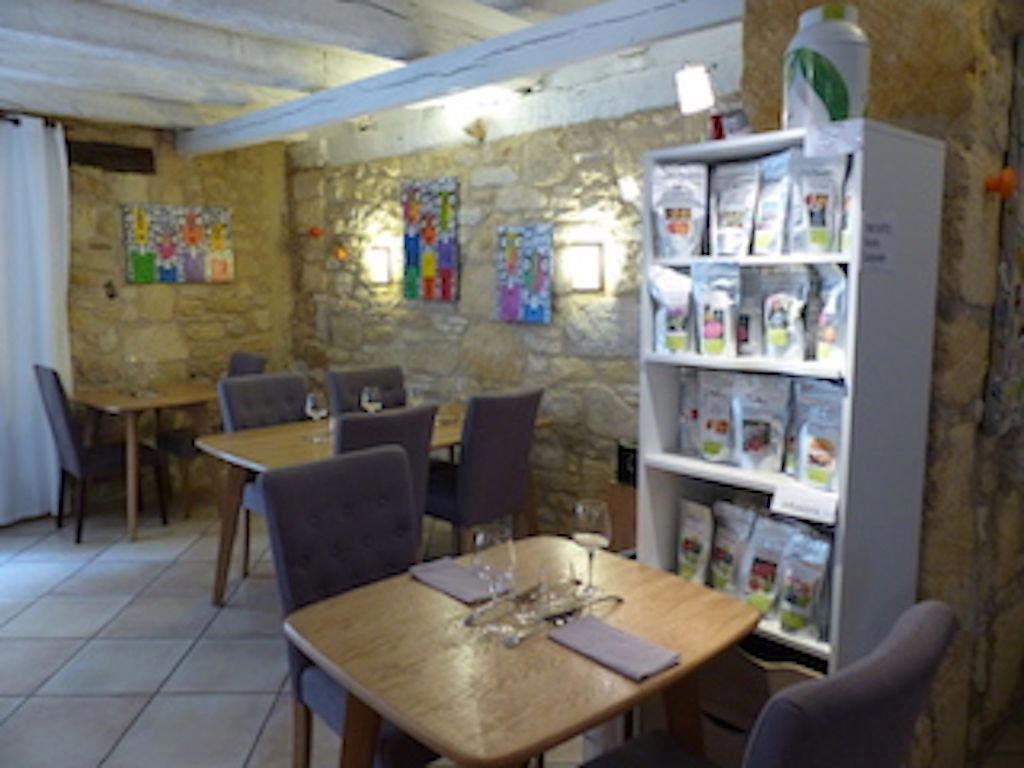
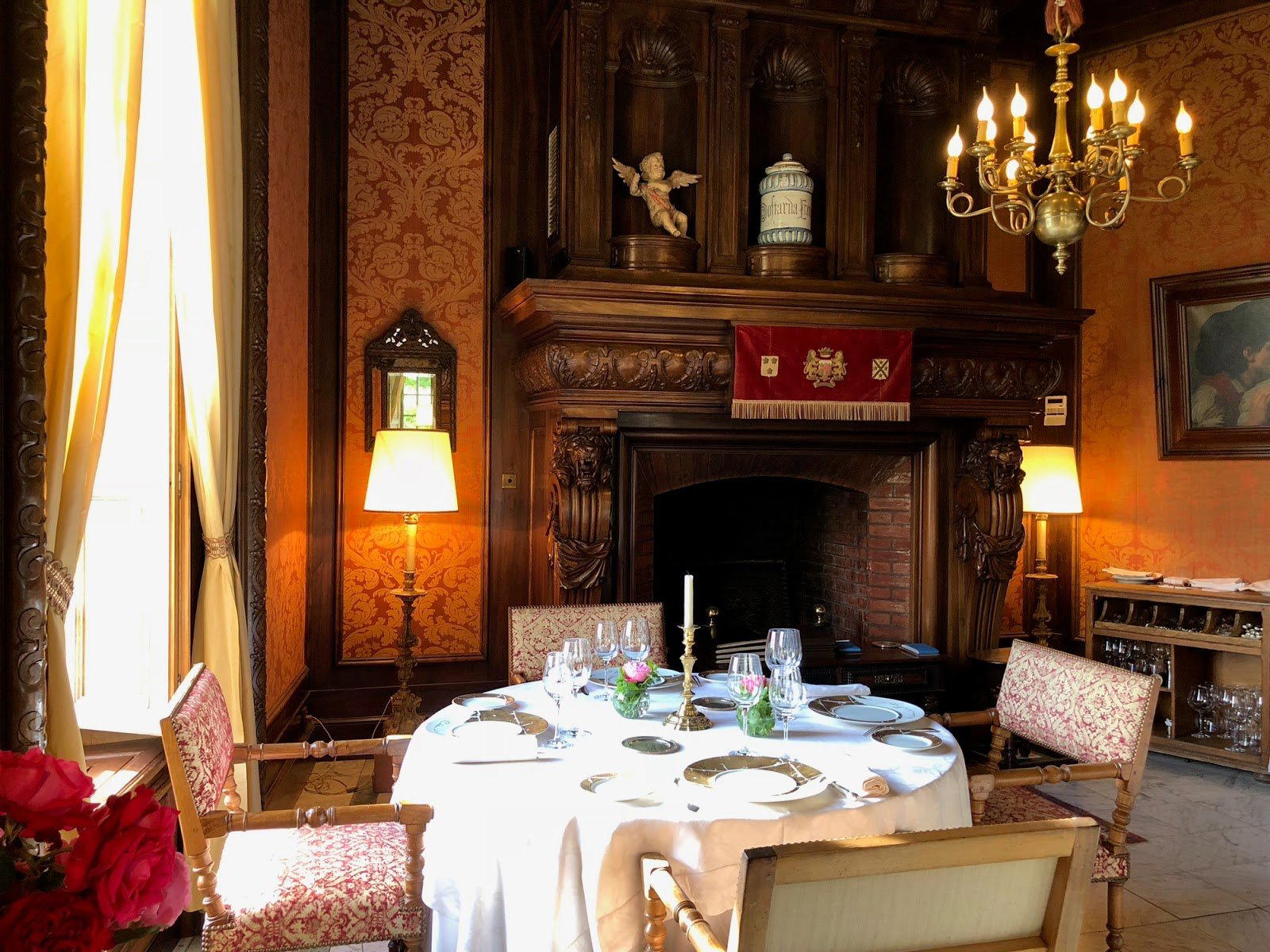
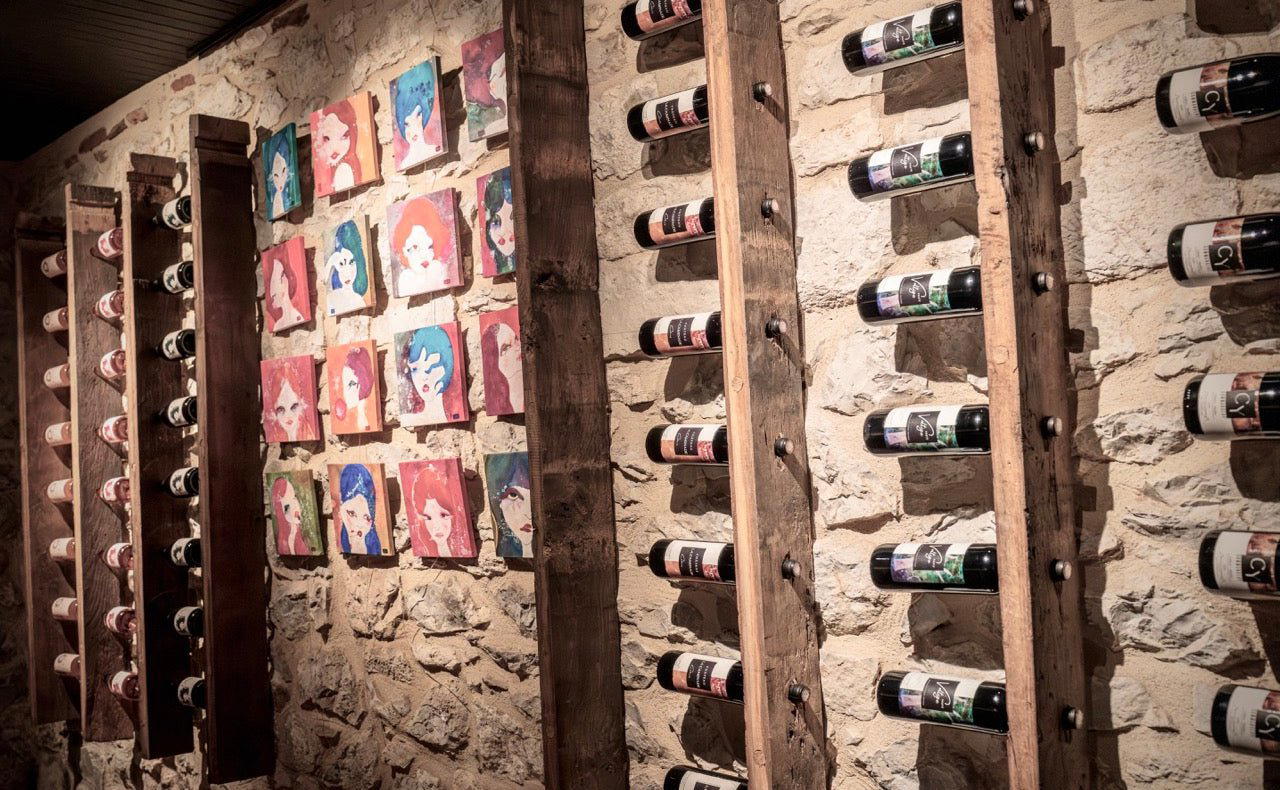
Charming rustic atmosphere in a miniature historic dining room with a cozy, intimate feel.