L'Hémicycle occupies a distinctive address on the Allées Charles de Fitte in Toulouse, placing it within the city's serious dining circuit rather than its tourist-facing riverbank strip. The format and kitchen orientation position it alongside the quieter, repeat-customer end of southwestern France's restaurant scene, where the room earns loyalty through consistency over spectacle.
Pearl is the En Primeur Club membership app — saves, bookings, and concierge access live there. Same editors, same standards.
- Address
- 76 All. Charles de Fitte, 31300 Toulouse, France
- Phone
- +33534518982
- Directions
- Get directions
 Saves & bookings on Pearl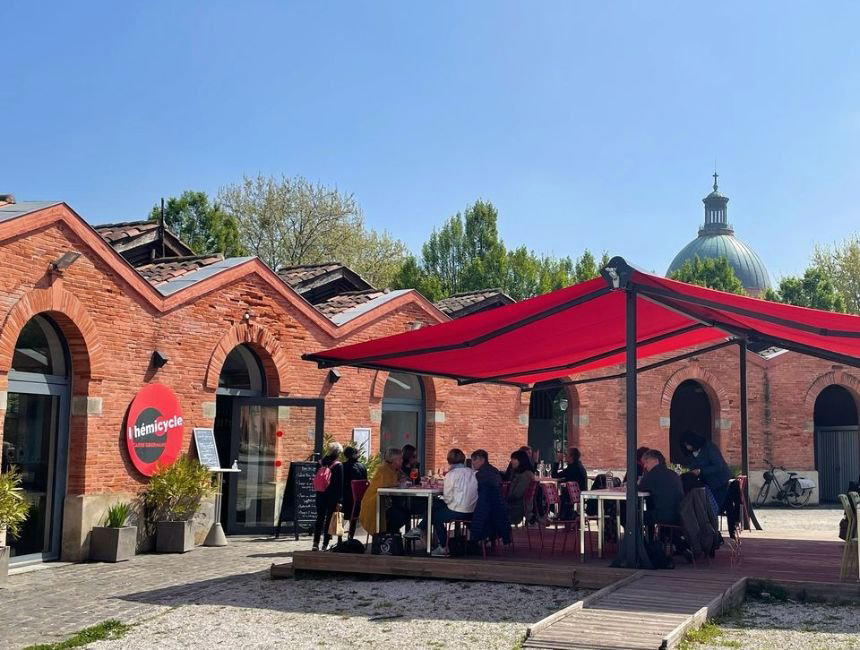
The Allées Charles de Fitte End of Toulouse Dining
Toulouse's restaurant scene sorts itself fairly clearly by geography. The Capitole square and its immediate surroundings attract the event-meal crowd: anniversaries, visiting relatives, first-time tourists orienting by landmark. The Allées Charles de Fitte corridor, which runs southwest from the Garonne toward the Saint-Cyprien quarter, operates on a different logic. The clientele here tends to be local, repeat, and largely unbothered by whether a room photographs well. L'Hémicycle, at number 76 on that stretch, sits inside that second world. The address alone signals where it positions itself relative to Toulouse's wider dining map.
Saint-Cyprien is one of the city's older working districts, now gentrified enough to carry a handful of serious restaurants without losing the neighbourhood texture that gives them context. The streets around the Allées are walkable from the Pont Neuf and the nearby Les Abattoirs contemporary art museum, which has contributed to a quieter but consistent flow of culturally oriented visitors alongside the residential regulars. For a restaurant that earns loyalty through returning guests rather than first-timers, this is a functional location in both directions.
What the Regulars Come Back For
Across southwestern French restaurant culture, the venues that build durable repeat clientele tend to share a few structural traits: a room that doesn't ask to be noticed, a menu with enough consistency to become familiar and enough rotation to reward attention, and a price point that makes the return visit an easy decision rather than a considered one. Toulouse's equivalent tier — restaurants that sit below the full occasion-dining bracket of Michel Sarran or Py-r but well above the casual lunch crowd — is where loyalty-driven rooms like L'Hémicycle tend to operate most effectively.
The regulars' perspective at a restaurant like this is different from the first-time diner's checklist. They're not asking whether there's a tasting menu or a wine pairing programme. They're reading the room for what's changed since the last visit, clocking which dishes have held their place across seasons, and choosing their table by preference rather than availability. That kind of relationship between a room and its clientele takes years to build and is harder to replicate than a Michelin star.
Toulouse has a strong enough culinary infrastructure to support several tiers simultaneously. At the more formal end, Acte 2 Yannick Delpech and Agapes operate within the modern cuisine bracket at €€€, while SEPT covers a similar register with its own format. L'Hémicycle's position on the Allées rather than closer to the city centre puts it in a slightly different competitive set: less concerned with the comparison to those rooms, more focused on the street-level relationship with its own neighbourhood.
Southwestern France as a Dining Region
Any serious restaurant in Toulouse exists inside a regional cooking tradition that runs deeper than fashionable ingredient sourcing. The southwest, the band running from Bordeaux through Gascony into the Pyrenean foothills and across to the Languedoc, is one of France's most specific culinary zones. Duck and foie gras are structural rather than decorative, Armagnac has a role in the cellar that Cognac never quite claims in Paris kitchens, and cassoulet remains a contested civic identity rather than a menu novelty. That context shapes what regulars in Toulouse expect from a room even when the kitchen doesn't lead with traditional signatures.
For broader reference points on how ambitious French kitchens at the serious end of that regional tradition operate, the national picture runs from institutions like Paul Bocuse - L'Auberge du Pont de Collonges and Auberge de l'Ill to more contemporary registers like Bras in Laguiole, which is geographically the closest of France's landmark three-star rooms to Toulouse, or Flocons de Sel in Megève. L'Hémicycle operates well below that stratosphere, but understanding where the region sits in the national conversation gives useful calibration for what a serious Toulouse restaurant is working within.
Further afield, Mirazur in Menton, AM par Alexandre Mazzia in Marseille, and Assiette Champenoise in Reims each represent a different French regional approach to modern cooking at the highest formal level. The contrast with a neighbourhood-anchored room in Saint-Cyprien is deliberate: those rooms are destinations; L'Hémicycle is a local.
Planning a Visit
The address at 76 Allées Charles de Fitte places L'Hémicycle on the western bank of the Garonne, accessible on foot from the Pont Neuf in under ten minutes from the city's historic core. The Saint-Cyprien area is served by Toulouse's metro network, making the walk from the nearest station direct for visitors not on foot from central accommodation. Toulouse's dining rhythm tends toward a traditional French schedule, lunch service matters here in a way it doesn't in larger French cities, so confirming session times before arriving is worth the minor effort. For a full picture of how L'Hémicycle sits within the city's dining options across all tiers and neighbourhoods, the EP Club Toulouse restaurants guide provides the wider context.
How L'Hémicycle Toulouse compares with similar nearby venues.
| Venue | Cuisine | Price |
|---|---|---|
| Chez Loustic | Modern Cuisine | €€ |
| Michel Sarran | French, Creative | €€€€ |
Continue exploring
More in Toulouse
Restaurants in Toulouse
Browse all →
Bars in Toulouse
Browse all →
Hotels in Toulouse
Browse all →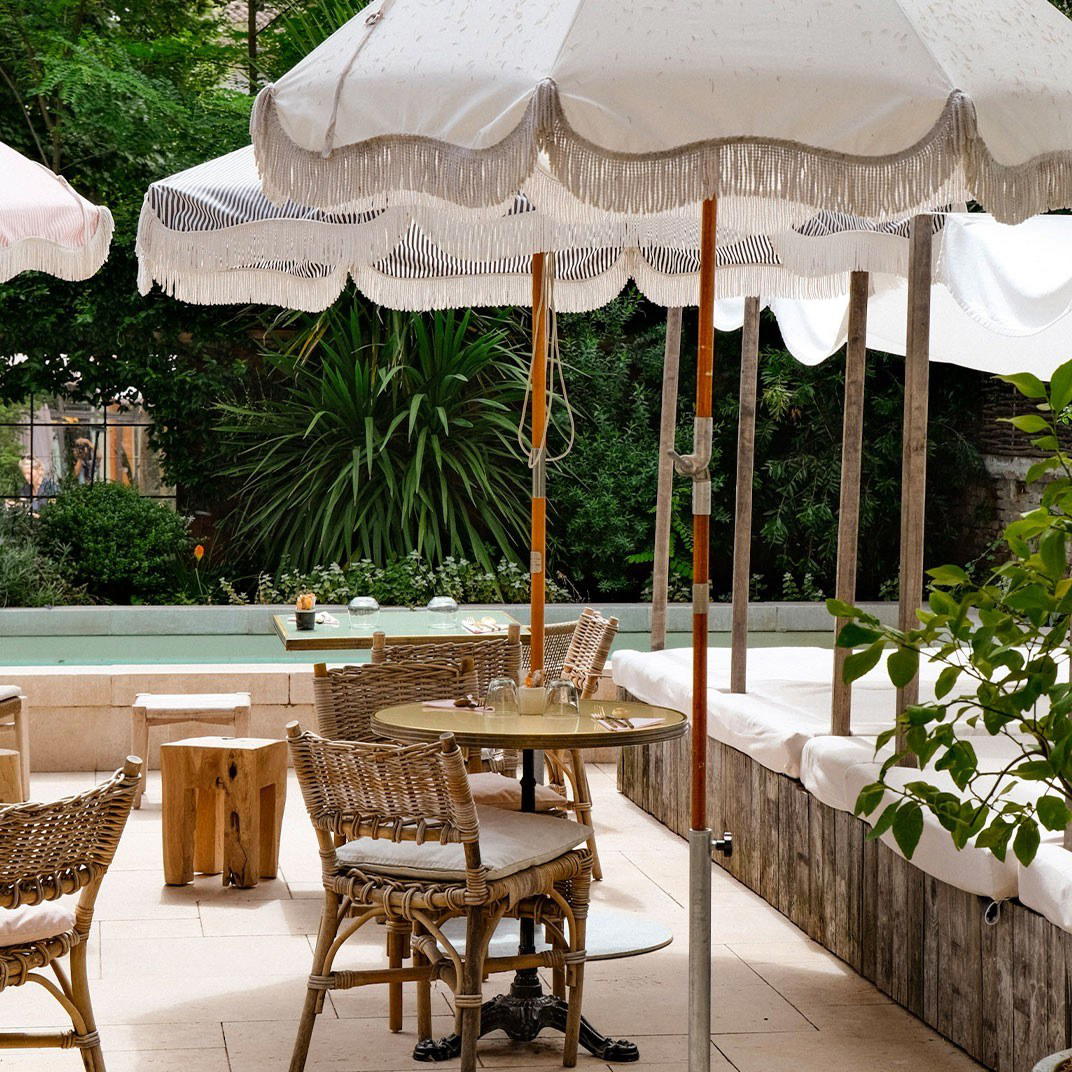
Wineries in Toulouse
Browse all →

At a Glance
- Cozy
- Elegant
- Scenic
- Casual Hangout
- Terrace
- Garden
- Historic Building
- Local Sourcing
- Garden
Current opening hours
- Monday
- Closed
- Tuesday
- Closed
- Wednesday
- 12–6 PM
- Thursday
- 12–6 PM
- Friday
- 12–6 PM
- Saturday
- 12–6 PM
- Sunday
- 12–6 PM
Hours can change for holidays and private events. Last verified .
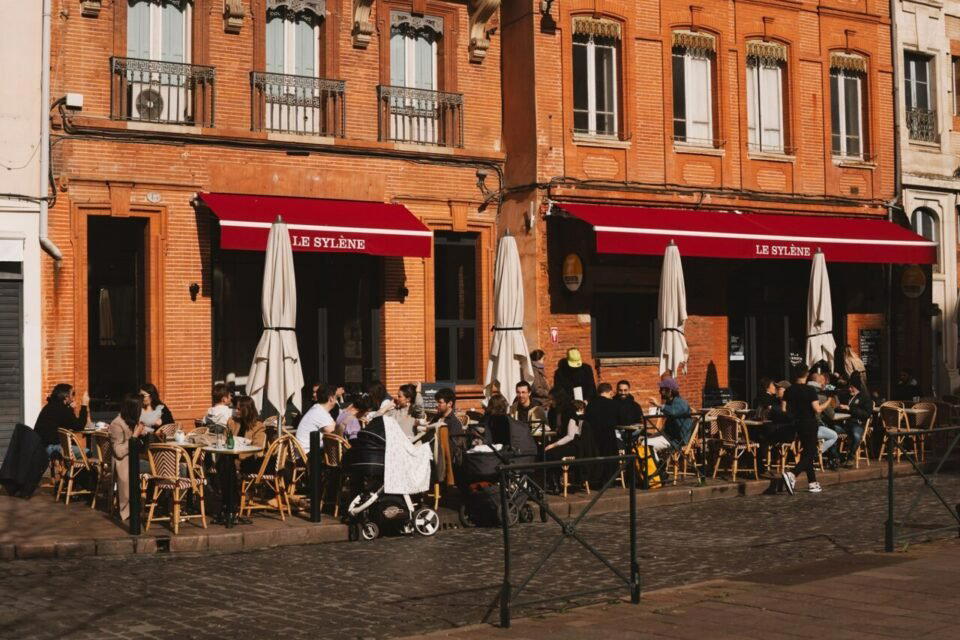
Calm and pleasant setting with brick architecture sparkling in the sun, quiet terrace in museum gardens, and cozy interior.
Know Before You Go
- Getting there
- 76 All. Charles de Fitte, 31300 Toulouse, France