Seeli
Seeli sits on Seestrasse in Bäch SZ, a quiet lakeshore settlement on the eastern bank of Lake Zurich where Swiss hospitality tradition runs deep and the surrounding region supports some of the country's most serious fine dining.
Pearl is the En Primeur Club membership app — saves, bookings, and concierge access live there. Same editors, same standards.
- Address
- Seestrasse 189, 8806 Bäch SZ, Switzerland
- Phone
- +41447840300
- Website
- xn--seeli-bch-12a.ch
- Directions
- Get directions
 Saves & bookings on Pearl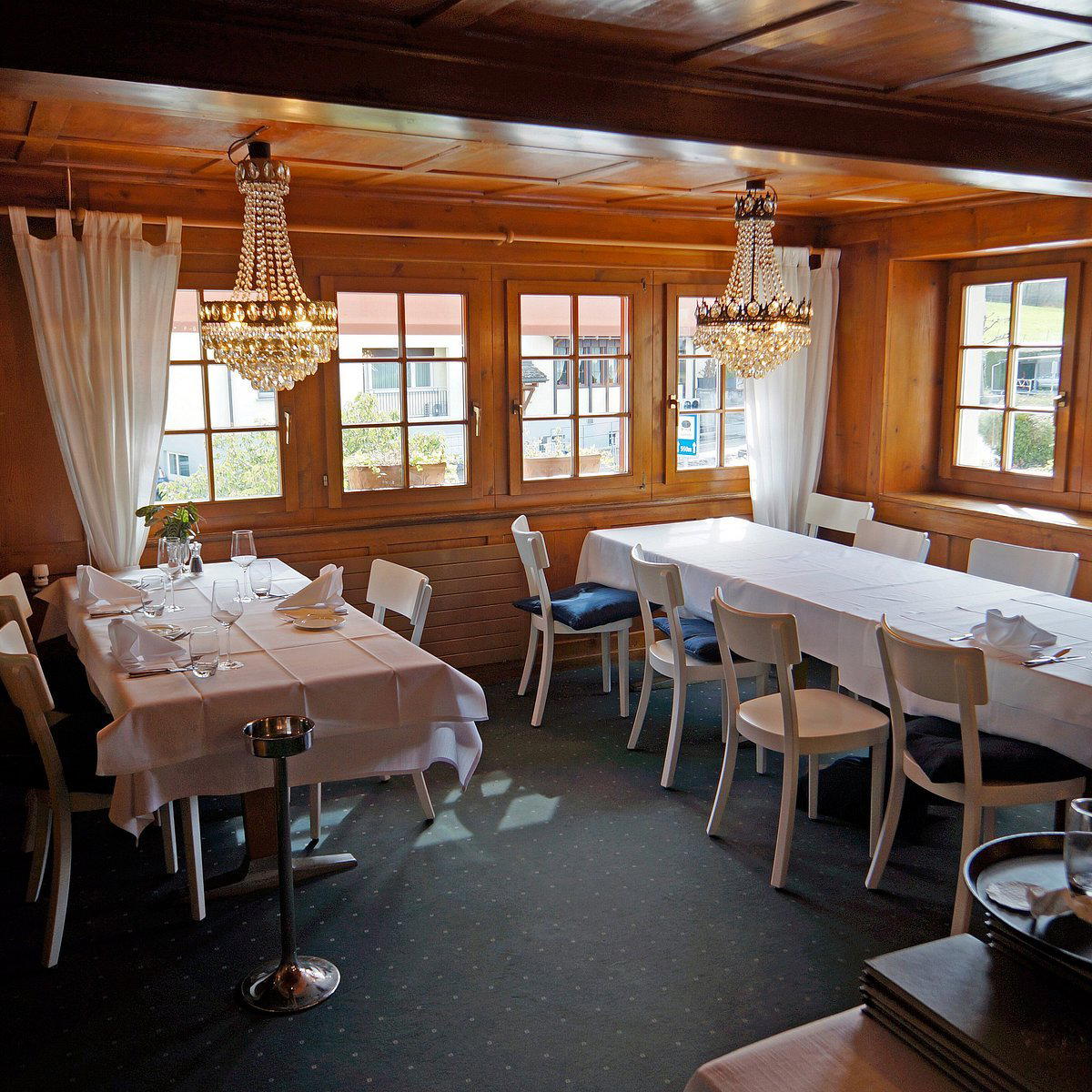
Lake Zurich's Eastern Shore: A Dining Context Worth Understanding
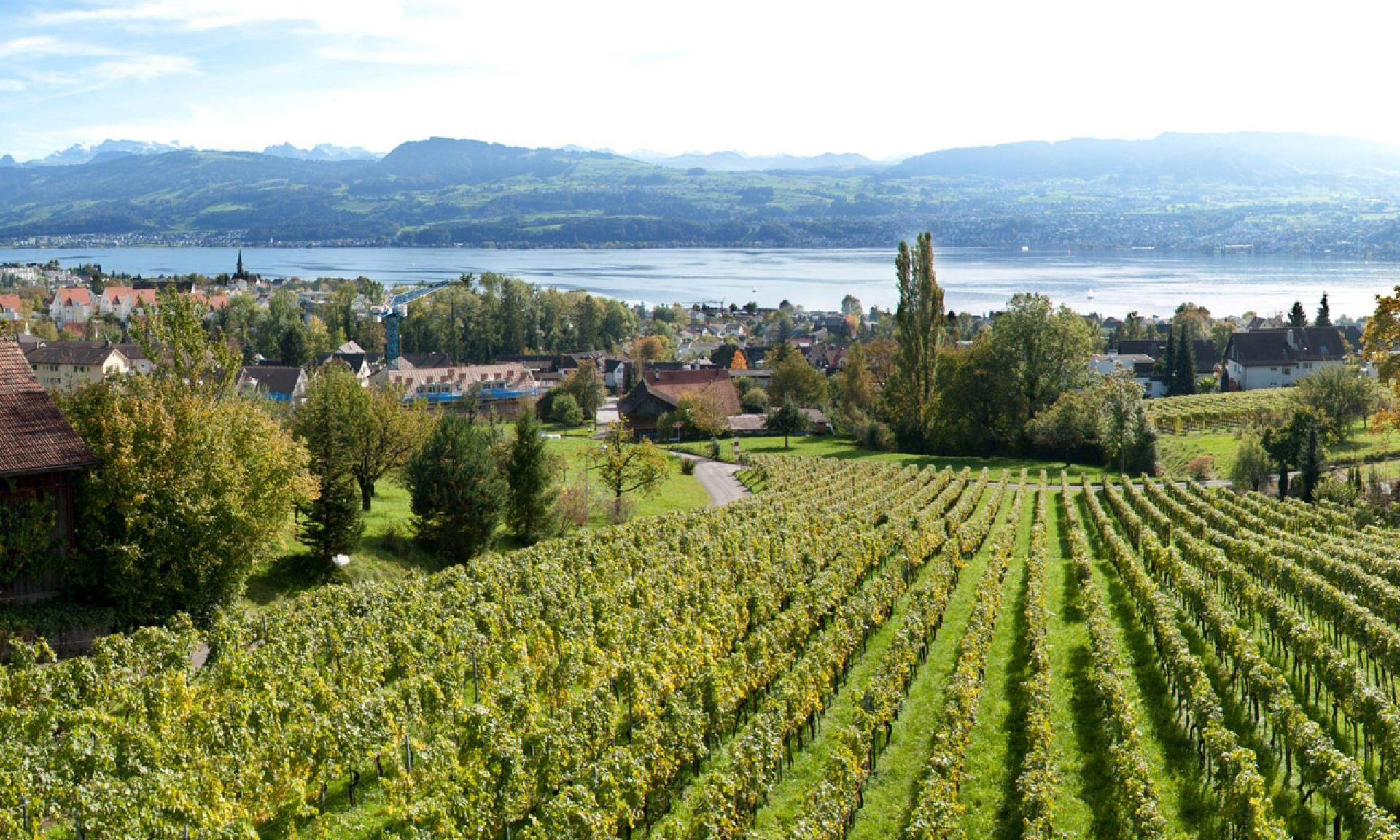
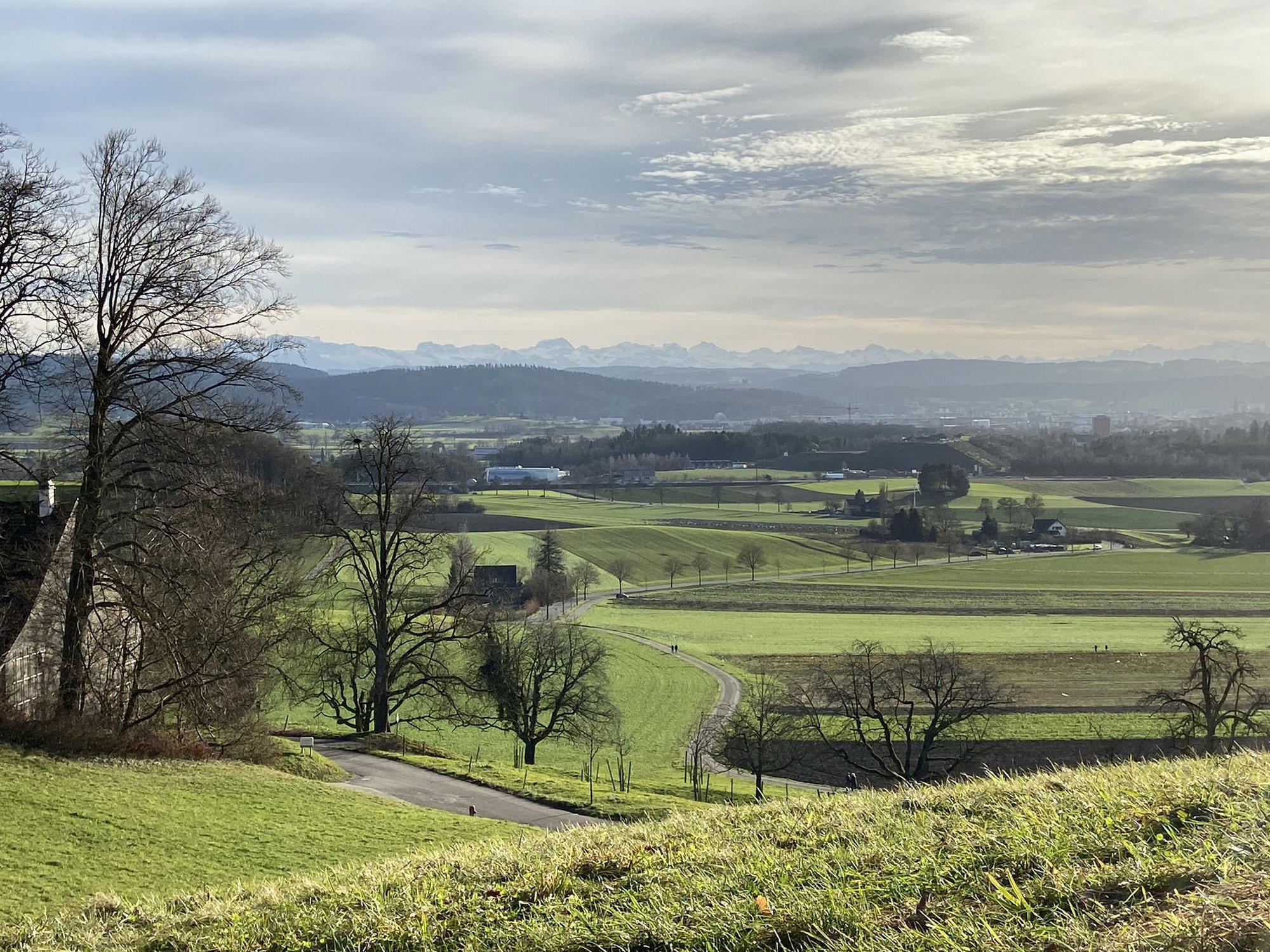
The eastern bank of Lake Zurich does not announce itself the way Zurich's Seefeld district does, nor does it carry the culinary density of central Lucerne or Basel. What it offers instead is a particular kind of Swiss lakeshore quietness: the water close, the Alps visible on clear days, and a dining culture that has historically served residents rather than visitors chasing press coverage. Bäch, a settlement within the municipality of Freienbach in canton Schwyz, sits inside this quieter register. Seestrasse, the road that traces the lake's eastern edge, is the address of Seeli, a venue that occupies territory where the scene itself is defined more by local continuity than by seasonal publicity.
Understanding what Seeli likely represents requires understanding what lakeshore dining in this part of Switzerland has traditionally meant. The cooking traditions of canton Schwyz, though less internationally documented than those of Geneva or the Engadin, draw on the same alpine-continental logic that shapes Swiss gastronomy at large: dairy produce of serious quality, freshwater fish from the lake itself, and a seasonal discipline that follows agricultural rather than trend cycles. Against that backdrop, an address on Seestrasse 189 in Bäch reads as a venue embedded in place rather than positioned against an external reference point.
Where Seeli Sits Relative to the Regional Scene
Switzerland's fine dining tier is well-documented and concentrated in a handful of cities and resort destinations. At the upper end of that spectrum, addresses like Schloss Schauenstein in Fürstenau, Cheval Blanc by Peter Knogl in Basel, and Hotel de Ville Crissier in Crissier operate in the country's highest recognition brackets. Regional venues serving communities outside those centres occupy a different, more revealing position: they sustain themselves on local patronage, seasonal consistency, and the kind of repeat custom that decorated urban rooms rarely depend upon.
Bäch's position between Zurich and the Schwyz hinterland places Seeli within reach of a sophisticated dining population without requiring it to compete directly with city-centre institutions. That geography is a structural advantage. Venues like Magdalena in Schwyz demonstrate that canton Schwyz supports serious cooking at a level that rewards attention from beyond its borders. Seeli occupies lakeshore territory that the Magdalena's mountain-valley setting does not, giving the two addresses genuinely different characters despite their proximity within the same canton.
For a broader map of dining in the Lake Zurich region and beyond, our full Bach restaurants guide provides context across categories and price points. The Swiss German-speaking lake district also has strong representatives further along the shore: focus ATELIER in Vitznau and Colonnade in Lucerne show how the lakeside format can support both creative tasting menus and more accessible brasserie formats.
The Cultural Logic of Swiss Lakeshore Cooking
Across Switzerland's lake districts, from Geneva to Constance, the water has historically shaped what appears on the plate. Féra, the delicate whitefish native to alpine lakes, remains a touchstone dish across the French-Swiss and German-Swiss traditions alike, appearing in preparations that range from classical meunière to more contemporary cured and cold-smoked presentations. Lake Zurich's version, Felchen, carries the same cultural weight in the German-speaking east. Any serious lakeshore restaurant in this corridor deals with that ingredient, whether as a centrepiece or as a signal of local sourcing credibility.
Swiss German culinary tradition also maintains a stronger connection to central European dairy and meat cookery than its Francophone neighbour. Schweinshaxe preparations, aged alpine cheeses served as a course rather than an afterthought, and a respect for older sauce-based techniques distinguish the Zurichsee cooking register from the more France-influenced kitchens of Lausanne or Geneva. Venues like La Table du Lausanne Palace in Lausanne and L'Atelier Robuchon in Geneva operate from a distinctly Francophone framework; Seeli's Schwyz address places it inside a different culinary lineage entirely.
That lineage connects, in the broader alpine sense, to the kind of produce-led cooking that has given Switzerland's mountain and lake regions an enduring place in serious European dining. Addresses like Memories in Bad Ragaz, 7132 Silver in Vals, and Da Vittorio - St. Moritz in St. Moritz each demonstrate how alpine geography can anchor different culinary approaches, from contemporary Swiss tasting menus to imported Italian luxury. The eastern Lake Zurich corridor sits geographically between these poles without being defined by either.
Planning a Visit
Seeli's address at Seestrasse 189, 8806 Bäch SZ places it directly on the lakeshore road, accessible from Zurich by car in roughly thirty minutes via the A3 motorway, or by regional train to nearby Pfäffikon SZ followed by a short onward transfer. For visitors already planning time in the Zurich area who want to extend their dining itinerary into the surrounding cantons, the venue sits at a practical midpoint between the city and the Schwyz interior. LOU BOURDIE, also in Bach, provides an additional reference point for those building a two-stop itinerary in the area. This also applies to any dietary or allergy requirements, which Swiss kitchens of this type typically accommodate when notified ahead of time.
Visitors whose dining frame of reference extends to international benchmarks will find useful comparisons in how produce-led restraint operates at the highest level: Le Bernardin in New York City demonstrates what singular focus on a single protein category can achieve at the summit of a market, while Atomix in New York City shows how cultural rootedness can anchor a contemporary tasting menu format. The Swiss lakeshore tradition operates with different inputs but a comparable logic: place, season, and produce as the primary arguments. Einstein Gourmet in Sankt Gallen and IGNIV Zürich by Andreas Caminada in Zurich and La Brezza in Ascona complete the regional picture of what Swiss German and Swiss Italian dining looks like across its various contemporary registers.
How Seeli Bach compares with similar nearby venues.
| Venue | Cuisine | Price |
|---|---|---|
| Loy Fah | Thai contemporary | €€€ |
| Gasthof zur Sonne | Swiss | €€ |
Continue exploring
More in Bach
Restaurants in Bach
Browse all →
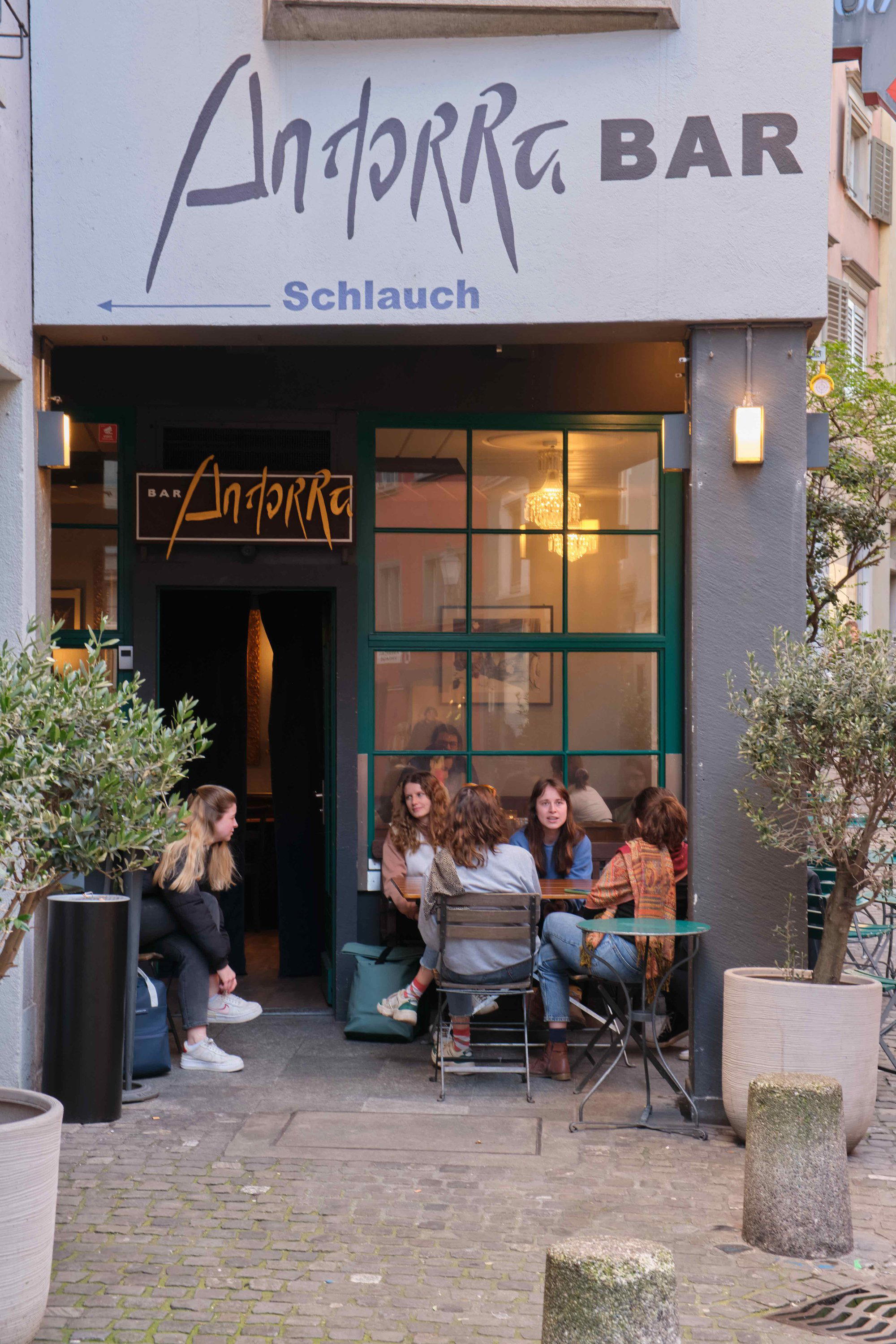
Bars in Bach
Browse all →
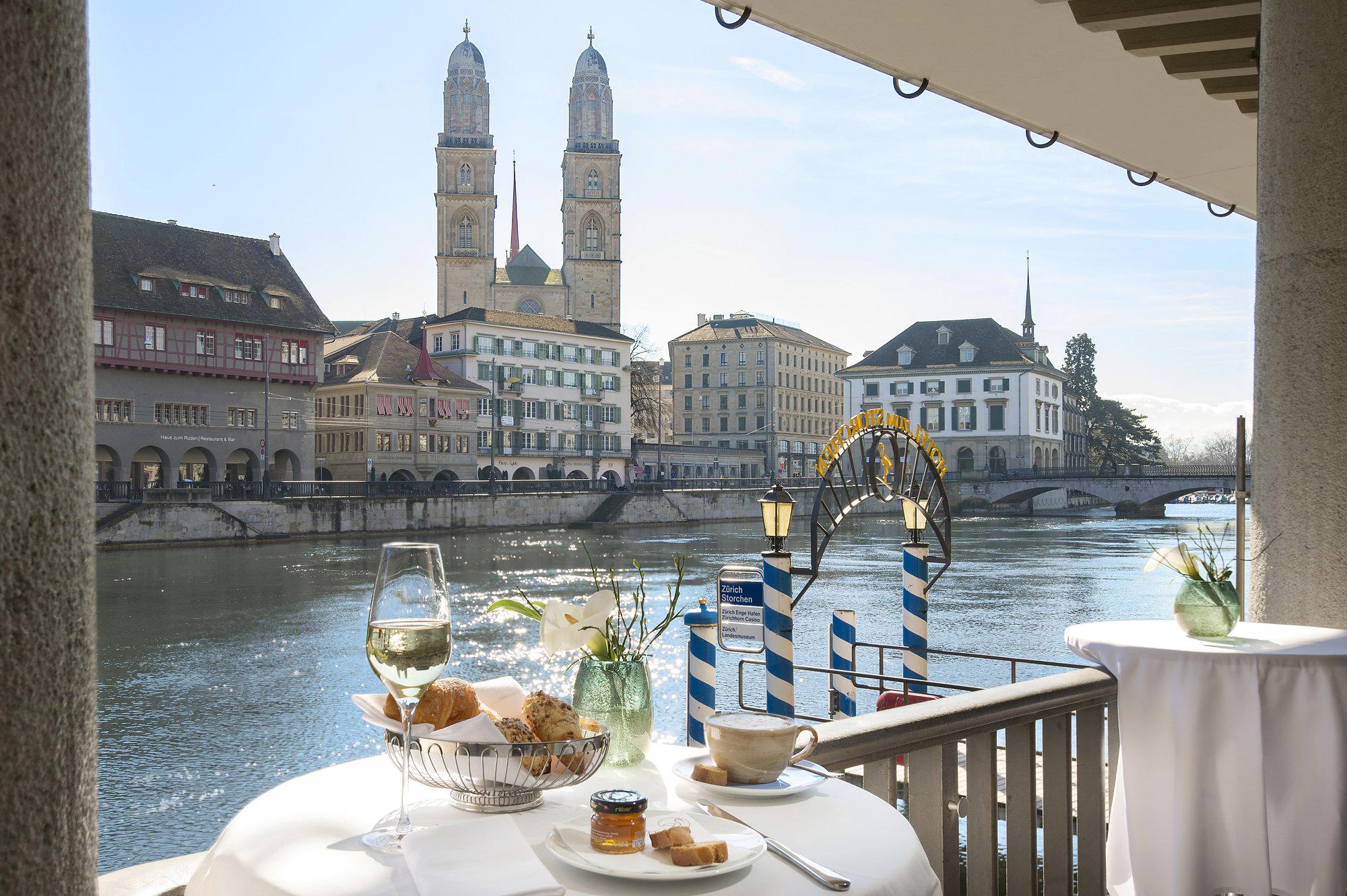
Hotels in Bach
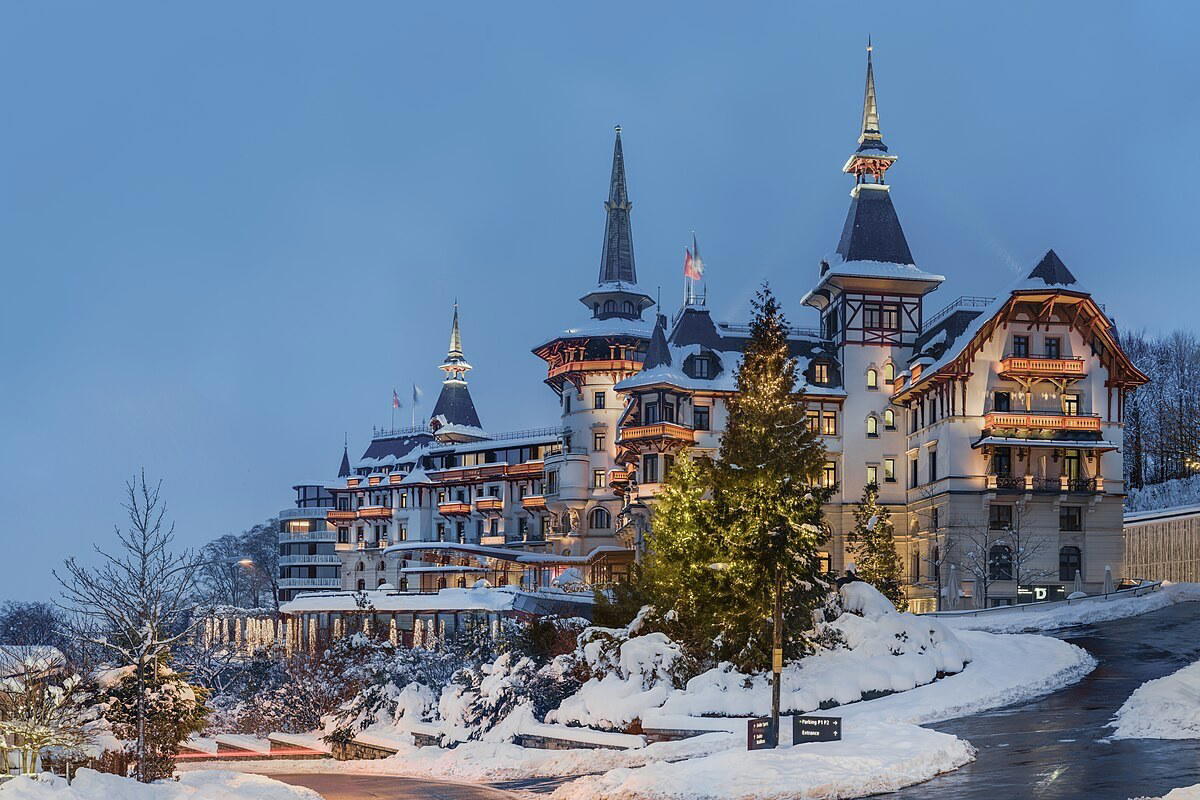
Browse all →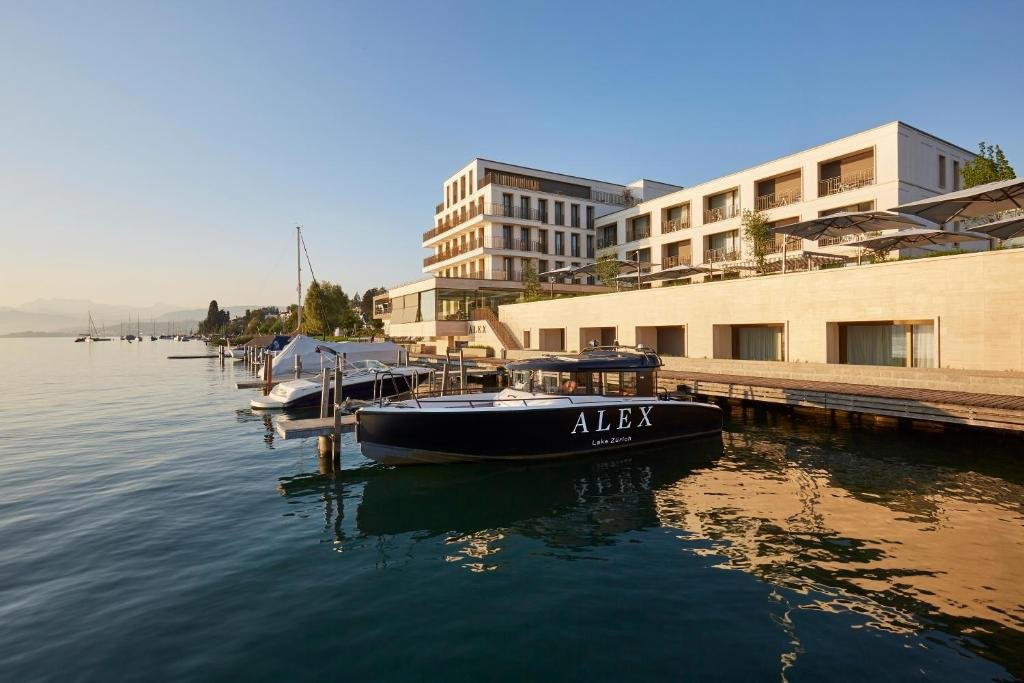

At a Glance
- Intimate
- Cozy
- Date Night
- Historic Building
Current opening hours
- Monday
- Closed
- Tuesday
- Closed
- Wednesday
- 11 AM–2:30 PM, 5:30–10 PM
- Thursday
- 11 AM–2:30 PM, 5:30–10 PM
- Friday
- 11 AM–2:30 PM, 5:30–11 PM
- Saturday
- 5–11 PM
- Sunday
- 11 AM–4 PM
Hours can change for holidays and private events. Last verified .
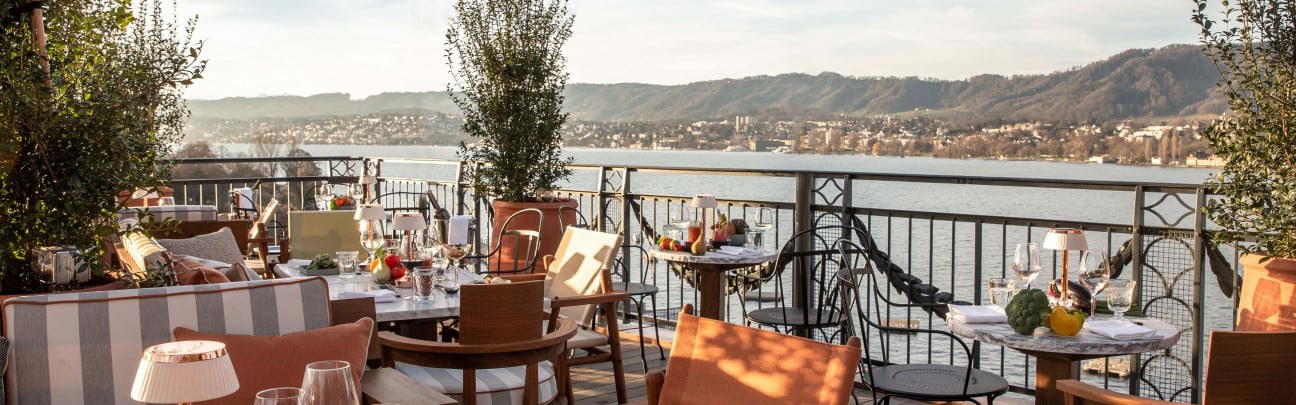
Beautiful ambience with intimate and well-kept rooms.