
Michelin Bib Gourmand
Our verdict
The menu reads as modern French with grounding in seasonal produce: asparagus roll with pine nuts and guanciale, cod with kombu and tarragon-infused pea mousseline, broad-bean gnocchi with artichoke and parmesan. Her partner runs the floor and handles wine pairings with evident knowledge.

Pearl is the En Primeur Club membership app, where members save venues, book tables and use the concierge.
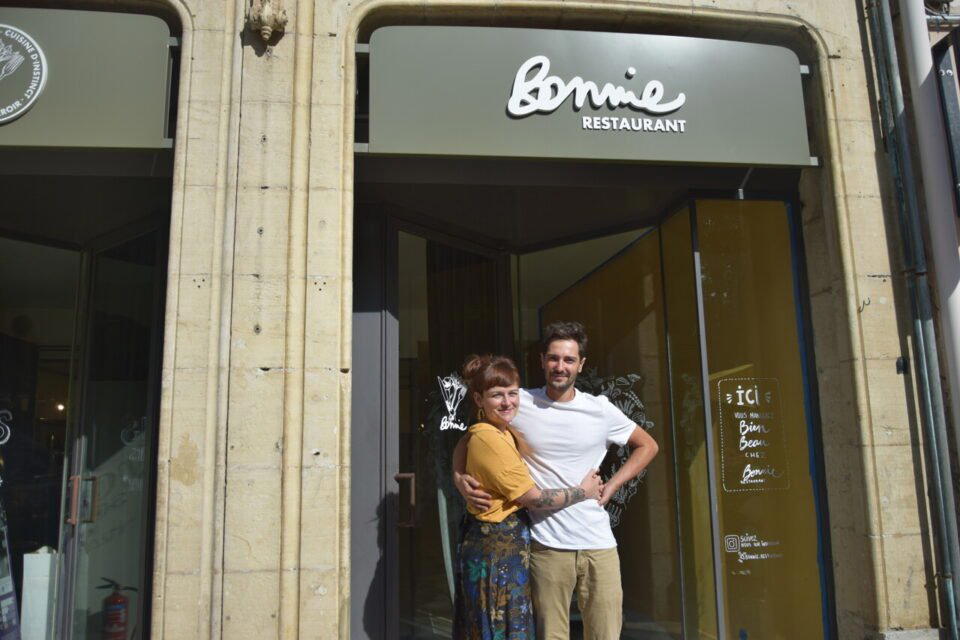
This matters because Cahors occupies an interesting position in the southwest French dining map. The city has proximity to Quercy's limestone plateau, the Lot Valley's kitchen gardens, and a farming culture that has always produced serious ingredients. What it has historically lacked is a restaurant generation willing to work those materials with the same ambition applied further north. Bonnie, along with a small cohort of modern-leaning addresses including L'Ô à la Bouche and Tandem, represents a shift in that direction.
Where the Ingredients Come From and Why the Menu Is Built That Way
The dishes documented at Bonnie make the sourcing logic legible. Asparagus roll with pine nuts and guanciale draws on two distinct ingredient traditions: the asparagus and pine nuts reach back into the seasonal produce rhythms of southern France, while guanciale, the Italian cured cheek, introduces a curing technique that deepens the fat register without the bluntness of lard or smoked bacon. The pairing is not decorative cross-referencing, it is a structural decision about how to build salt and richness into a vegetable-led dish.
The cod with kombu and tarragon-infused pea mousseline is the dish that most clearly signals Charlotte Bauduret's engagement with ingredient science alongside classical French preparation. Kombu, a dried seaweed used widely in Japanese cuisine for its glutamate concentration, does here what a long-reduced fish stock might do in a traditional French kitchen: it amplifies savouriness without adding heaviness. Tarragon is a classic French herb, anise-forward and delicate, and its use in a pea mousseline keeps the plate rooted in the Lot's spring produce calendar even as the kombu signals a broader technical vocabulary. This combination, seasonal French ingredients, classical technique, precise non-French seasoning tools, is the register that places Bonnie in the contemporary modern-French camp rather than in the tradition-only school represented nearby by Chez Suzanne.
Broad-bean gnocchi in creamy artichoke and parmesan sauce completes the picture. Broad beans are strictly seasonal, concentrated in a narrow window in late spring, and their appearance on a menu signals a kitchen that times its sourcing rather than substituting frozen product. Artichoke and parmesan together form a classic Italian-adjacent combination, but within a French context, Cahors sits in a region where Italian culinary influence has filtered through for centuries via trade routes, the pairing reads as natural rather than fashionable. The gnocchi format itself requires precision: too dense and it becomes stodgy; too light and it won't carry the sauce. The fact that this dish has been publicly cited as representative of the restaurant's output suggests the kitchen executes it with consistency.
Charlotte Bauduret in the Context of France's Emerging Female Chefs
France's restaurant infrastructure has long carried a structural imbalance between the visibility of its female cooks and the recognition they receive at the highest tiers. That is shifting, slowly, and the shift is more visible in regional cities and mid-market modern-French addresses than at the three-Michelin-star level. Bauduret's position in Cahors fits a pattern: chefs with strong technical foundations building independent projects in cities that offer lower operational costs, genuine local produce networks, and audiences ready for something more considered than the local bistro default. For comparison points at higher tiers, Mirazur in Menton and Flocons de Sel in Megève illustrate what the French regional fine-dining model can reach; Bonnie operates in a different tier and at a different scale, but the animating instinct, chef-driven, regionally specific, ingredient-led, belongs to the same current.
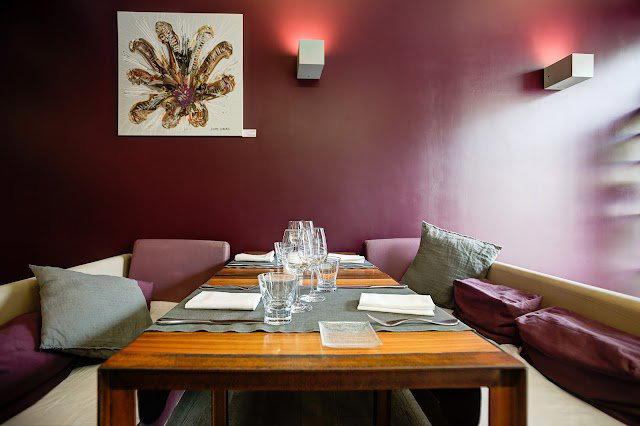
What distinguishes Bauduret's project from a standard chef-owner opening is the deliberate integration of the applied arts. The frescoes are not decoration commissioned from someone else; she made them. The visual identity of the restaurant is hers. This creates a coherence between the room and the food that is rarer than it sounds. Many restaurants achieve a design-food alignment through expensive interior consultants; Bonnie achieves it because the same sensibility governs both. Whether that sensibility translates into a Michelin visit or sustained award recognition is a separate question, but it makes the dining experience internally consistent in a way that distinguishes it from both the unreconstructed traditional addresses and the more stylistically borrowed modern restaurants in the city.
Service, Wine, and the Practical Logistics
Bauduret's partner handles the floor and, according to the restaurant's cited profile, brings specific competence to wine pairing advice. In a city whose regional identity is built around Malbec, this matters. Cahors Malbec has undergone a significant reputational rehabilitation over the past decade, moving from its association with tannic, extracted wines toward a more varied picture that includes fresher, lower-intervention expressions alongside the traditionally structured bottles. A floor team that can navigate that range, and match it to a menu that moves between the richness of guanciale and the delicacy of pea mousseline, adds real value to the experience. For readers building a broader Cahors itinerary, our full Cahors wineries guide maps the regional wine scene in more detail. For accommodation planning, our full Cahors hotels guide covers the city's range. Given the profile this restaurant has developed, booking ahead is the sensible move, particularly for weekend evenings and during the spring asparagus season when the menu is at its most produce-driven. For readers planning a fuller day, our Cahors bars guide and our experiences guide round out the options.
Within the Cahors modern dining tier, Le Bistro 1911 operates at a lower price point and with a less formally constructed menu, making it a reasonable comparison for readers assessing the city's range. Bonnie and its close peers in the modern-French bracket are the addresses that position Cahors as a destination for food-focused travel in the southwest, rather than simply a stopover on the way to the Dordogne or Toulouse.
Frequently asked questions
Is Bonnie child-friendly?
Bonnie's profile centres on refined modern French cooking with considered plating and an art-forward dining room painted by Charlotte Bauduret herself. Nothing in the restaurant's documented profile excludes younger guests, but the focused, intimate setting at 27 place Jean-Jacques-Chapou is calibrated for an adult-paced meal rather than a casual family outing.
What is the atmosphere like at Bonnie?
The dining room doubles as a personal gallery: Bauduret painted the large floral frescoes on the walls and designed the full visual identity of the space. Paired with attentive floor service from her partner and specific wine pairing guidance, the room reads as precise and personal rather than formal or neutral.
What awards or recognition does Bonnie have?
Bonnie has received recognition including: Is there anything France's talented female chefs can't do? Charlotte Bauduret – Bonnie is her maiden name – brings together her two passions at this establishment: cooking (modern, vibrant, indulgent, rooted in tradition but elevated with p….
What dish is Bonnie famous for?
Three dishes define the documented menu at Bonnie: asparagus roll with pine nuts and guanciale, cod with kombu and tarragon-infused pea mousseline, and broad-bean gnocchi in a creamy artichoke and parmesan sauce. Each reflects Bauduret's method of grounding classical French technique in seasonal produce while introducing Mediterranean and umami-led elements.
At-a-Glance Comparison
Comparable venues nearby, for context on price, style, and recognition.
| Venue | Cuisine | Price | Awards | Notes |
|---|---|---|---|---|
| BonnieThis venue (the venue you are viewing) | Modern French Bistro | $30–50 | Michelin Bib Gourmand | Not listed |
| Chez Suzanne | Modern French Bistro | $50–100 | Michelin Plate | near Pont Valentré |
| Le Bistro 1911 | Classic French Bistro | $30–50 | Michelin Plate | Cahors center |
| L'Ô à la Bouche | Modern French Bistro | $30–50 | Michelin Bib Gourmand | Allées Fénelon |
| Tandem | Modern French Bistro | $30–50 | Michelin Plate | centre historique |
| Bistrot August | Seasonal French Bistro | $30–50 | Michelin Plate | Les Chalets / Bayard / Belfort / Saint-Aubin / Dupuy |
Recognition history
Dated appearances from independent guides and award organizations, with the underlying list record or original source where available.
Michelin Bib Gourmand
Michelin
Full recognition history (2 entries)
Michelin Plate
Michelin · 2026 Michelin Plate
Continue exploring
More in Cahors
Restaurants in Cahors
All restaurants in Cahors →
Hotels in Cahors
Browse all →

Details
- Cozy
- Elegant
- Romantic
- Modern
- Date Night
- Special Occasion
- Open Kitchen
- Extensive Wine List
- Local Sourcing
- Street Scene
- A La Carte
- Vegetarian Friendly
Current opening hours
- Monday
- Closed
- Tuesday
- 12–2:30 PM, 7:30–9 PM
- Wednesday
- 12–2:30 PM, 7:30–9 PM
- Thursday
- 12–2:30 PM, 7:30–9 PM
- Friday
- 12–2:30 PM, 7:30–9 PM
- Saturday
- 12–2:30 PM, 7:30–9:30 PM
- Sunday
- Closed
Hours can change for holidays and private events. Hours as of .
Colorful walls adorned with the chef's floral frescoes create a warm, cozy, and artistic atmosphere.