A hut-style address on the southern shore of Altaussee lake, Loserhütte sits where the Loser mountain meets the water's edge, drawing visitors who come first for the Alpine setting and stay for whatever the kitchen is producing that season. The Salzkammergut region's tradition of lake-to-table and pasture-sourced cooking gives huts like this one a distinct culinary logic that differs from any urban equivalent.
Pearl is the En Primeur Club membership app — saves, bookings, and concierge access live there. Same editors, same standards.
- Address
- Fischerndorf 81, 8992 Altaussee, Austria
- Phone
- +43362271202
- Website
- loserhuette.at
- Directions
- Get directions
 Saves & bookings on Pearl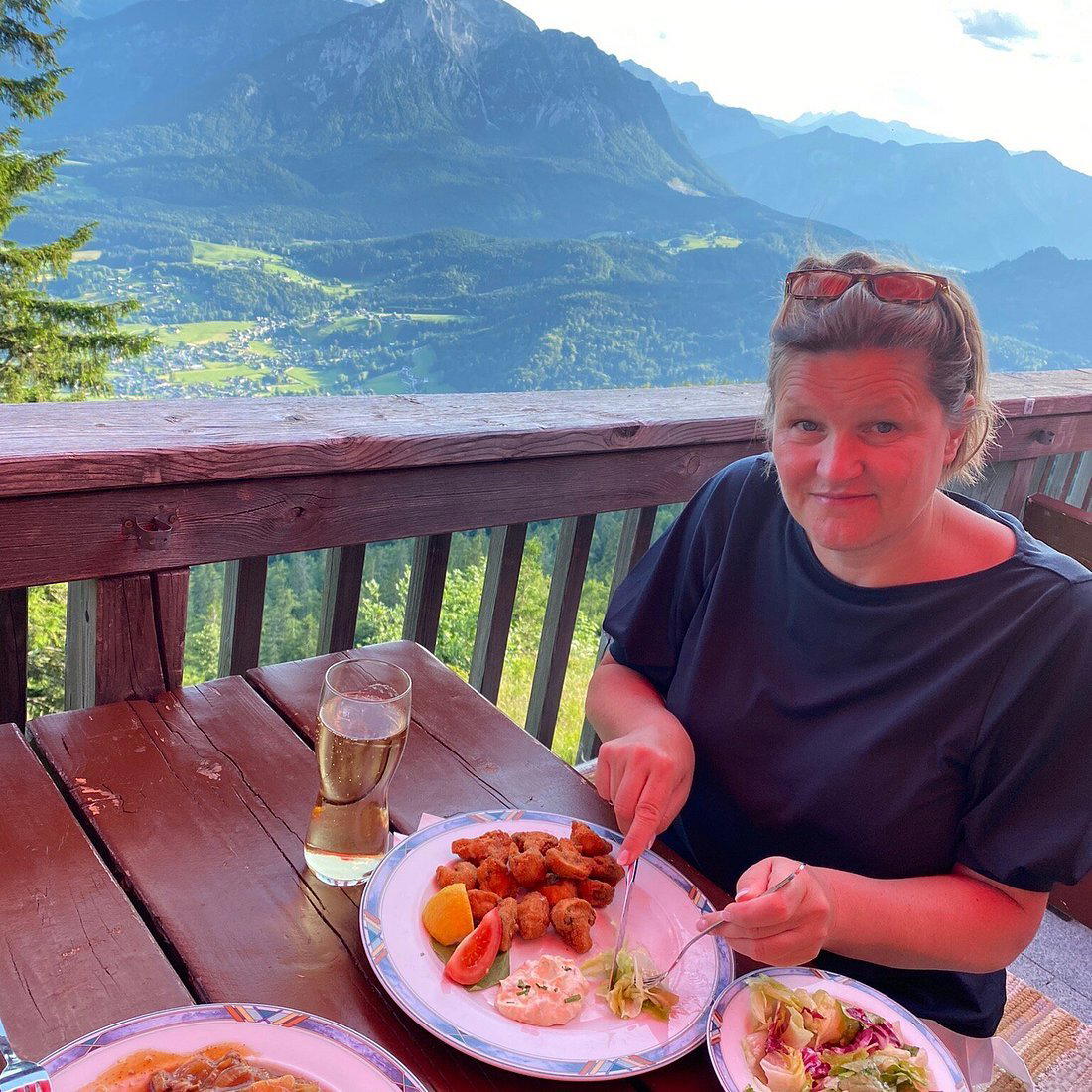
Where the Loser Mountain Meets the Lake Shore
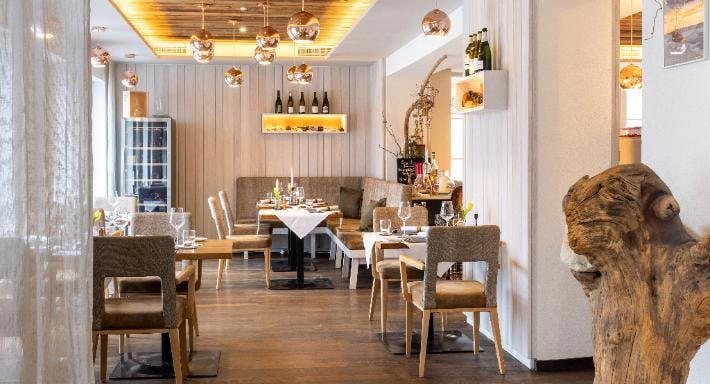
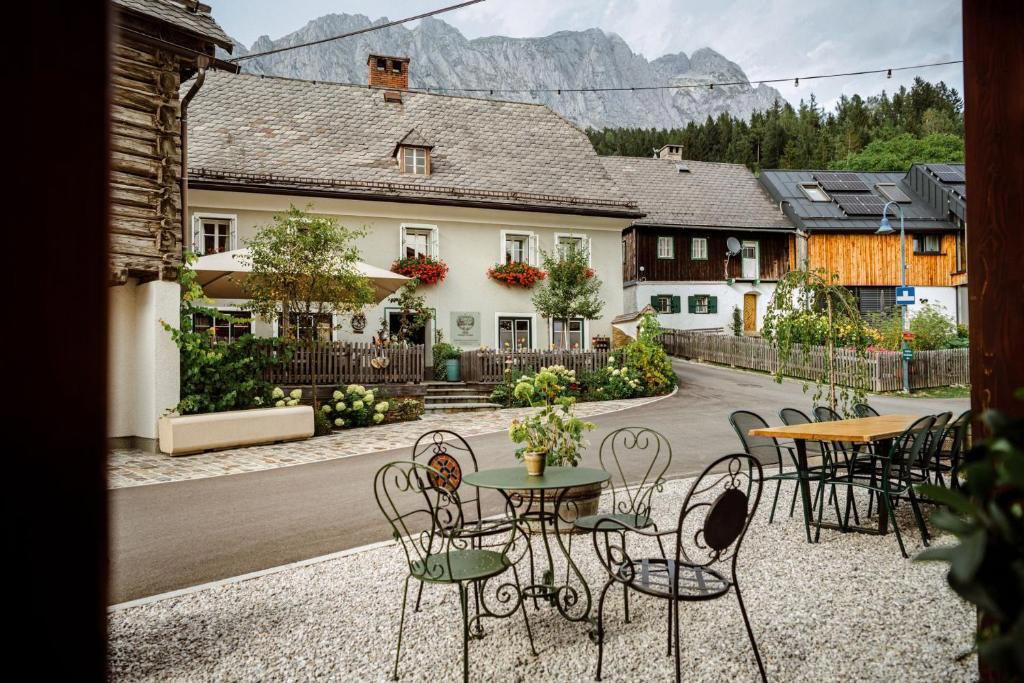
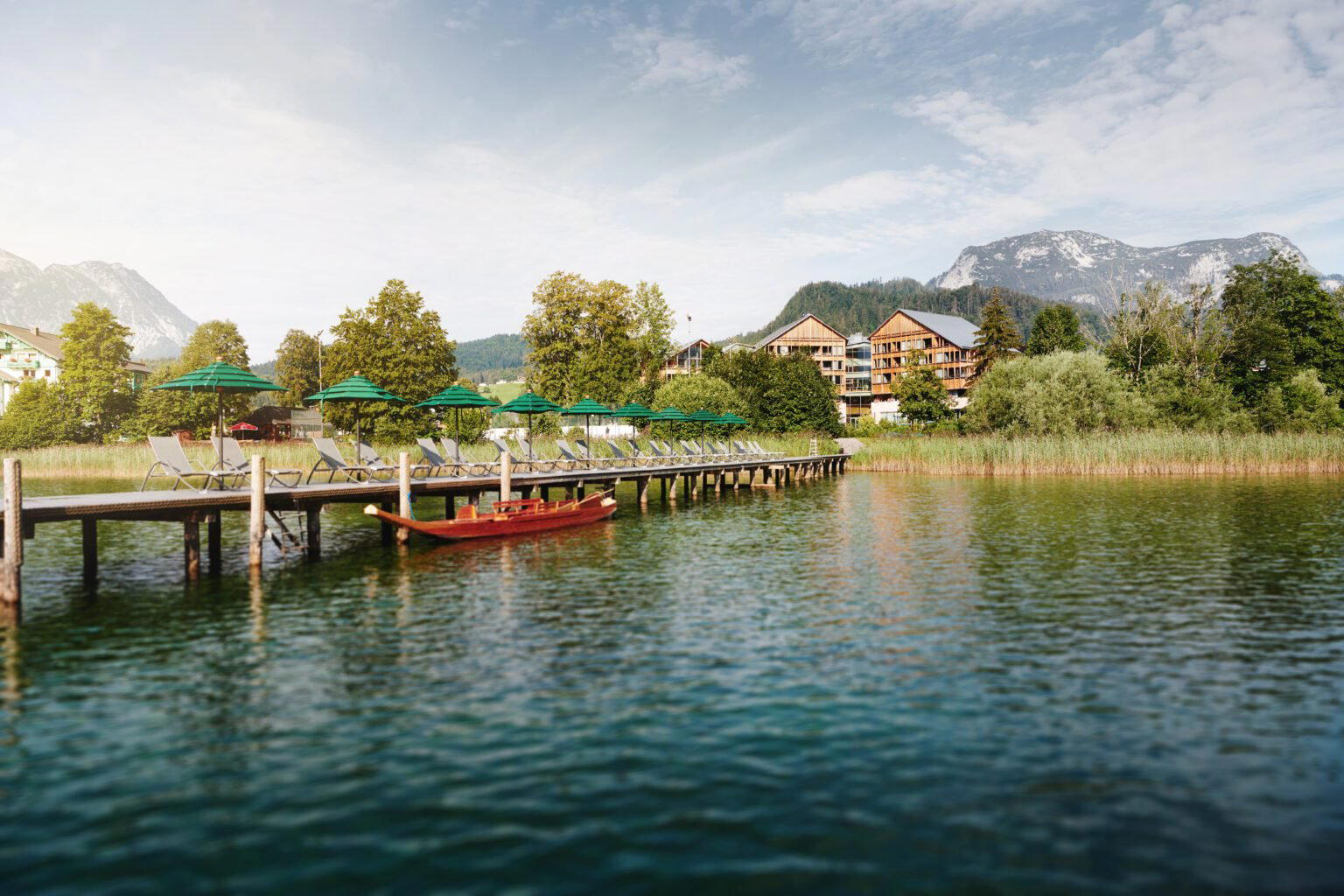
Approach Loserhütte from Fischerndorf and the logic of the address becomes immediately clear. The southern shore of Altaussee lake sits beneath the steep limestone face of the Loser, and the hut occupies a position that feels less chosen than inevitable, the natural stopping point between mountain and water. The Salzkammergut has been organising its settlements this way for centuries, and the hut tradition in this part of Styria carries an architectural and culinary grammar that visitors from Vienna or Salzburg often find disorienting in its directness. There is no ambient softening here, no design layer placed between the guest and the landscape. The mountains are present in the room, through the glass, in the air.
Altaussee itself is a small municipality of roughly 1,800 permanent residents, better known among Austrians than among international visitors, which means it operates at a pace and a price register quite different from the more marketed lake towns of the Salzkammergut. The lake's water comes from alpine springs and is among the cleanest in Austria, a fact that shapes what local kitchens can source from it.
The Ingredient Logic of an Alpine Hut Address
The editorial angle on any Salzkammergut hut worth discussing is sourcing, because the region's geography makes it almost unavoidable. The Loser plateau above Altaussee sits at roughly 1,600 metres, which means alpine meadow grazing at altitude, a different fat profile, a different muscle texture in the beef and lamb that comes down from it compared with valley-floor rearing. The lake below the hut has its own contribution: Altaussee is a freshwater system with char, trout, and the region's prized Reinanke (a local whitefish) that appear on menus across the Salzkammergut whenever the season permits.
This is the ingredient architecture that huts in the Austrian Alps have worked with for generations, and it is worth understanding before arriving. Unlike urban restaurants, where provenance is often communicated through menu annotation and tasting notes, a hut kitchen's sourcing tends to be structural rather than declarative. The proximity is assumed. What you are eating is, by default, a function of what the surrounding environment produced that week. The better huts operate as a direct expression of that constraint rather than a departure from it.
Altaussee's position in Styria places it within reach of some of Austria's most serious culinary territory. The region's broader tradition of refined alpine cooking finds its most documented expression at places like Steirereck im Stadtpark in Vienna and Obauer in Werfen, both of which have built long reputations on Austrian ingredient specificity. Loserhütte operates at a different register, but the underlying sourcing logic connects them.
The Altaussee Dining Context
The town's restaurant tier is compact but covers a meaningful range. At the creative end, Geiger Alm and Stefan Haas Fine Dine represent the more considered, higher-investment end of the local offering. Strandcafé and Wirtschaft Altaussee anchor the more traditional, informal end. Loserhütte, positioned on the lake shore beneath the Loser, occupies the hut category that sits between those poles, more specific in its location logic than a town-centre Wirtschaft, less formally structured than a fine dining address.
That middle position has its own advantages. Austrian mountain huts at this altitude and lake proximity tend to attract a local clientele that knows exactly what it wants: a particular kind of Styrian hospitality that is warm without being performative, food that is direct without being rustic by design. The seasonal calendar matters here more than at urban addresses. Winter access to the lake shore is limited, and the summer months, particularly July and August, see the highest visitor concentration as the hiking trails on the Loser draw day-trippers who then look for somewhere to eat at the water's edge.
Placing It Against the Austrian Alpine Dining Canon
Austria's alpine dining tier has produced some of Europe's most technically accomplished regional cooking over the past two decades. Döllerer in Golling an der Salzach and Kräuterreich by Vitus Winkler in Sankt Veit im Pongau have each built identities around the alpine ingredient palette, foraged herbs, high-altitude dairy, freshwater fish, in ways that have earned sustained recognition. Griggeler Stuba in Lech and Gourmetrestaurant Tannenhof in Sankt Anton am Arlberg represent the Vorarlberg and Tyrolean end of the same tradition. Further afield, Landhaus Bacher in Mautern an der Donau, Schwarzer Adler in Hall in Tirol, Ois in Neufelden, Restaurant 141 by Joachim Jaud in Mieming, and Ikarus in Salzburg complete a picture of a country that takes its regional larder seriously at multiple price points and formats.
Loserhütte does not sit in competition with that tier. It sits in a different category, where the measure of quality is fidelity to place rather than technical ambition. That is not a lesser criterion. Particularly honest cooking in Austria happens in addresses that the Michelin inspectors have no particular reason to visit, because the format does not accommodate the kind of multi-course architecture that earns stars. What it accommodates instead is a specific relationship between location and plate that the starred houses often have to work harder to achieve.
For international comparison: the gap between a serious alpine hut and a destination fine dining address is not unlike the gap between a technically precise tasting-menu counter such as Le Bernardin in New York City or Atomix in New York City and a well-sourced neighbourhood restaurant in the same city. The category difference is structural, not a quality judgment.
Planning Your Visit
Altaussee is accessible by road from Bad Aussee, roughly 5 kilometres to the east, which connects by rail to Graz and Salzburg. The lake shore at Fischerndorf, where Loserhütte sits at address number 81, is reached by following the southern bank road from the village centre. Summer weekend demand on the Loser trails means the area sees significant day-visitor traffic between June and September, with July and August requiring the advance planning for any lakeside address. Visitors are advised to make direct contact before travelling, particularly for off-season months when hut operating calendars in the Salzkammergut vary significantly based on weather and local demand.
At-a-Glance Comparison
Comparable venues nearby, for context on price, style, and recognition.
| Venue | Cuisine | Price | Awards | Notes |
|---|---|---|---|---|
| Loserhütte | Authentic Austrian Mountain Hut Cuisine | $$ | Not listed | Altaussee |
| Wirtschaft Altaussee | Modern Austrian-Asian Fusion | $$ | Not listed | Fischerndorf |
| Strandcafé | Traditional Austrian Lakeside | $$$ | Not listed | Altaussee |
| Stefan Haas Fine Dine | Modern Alpine Seasonal Fine Dining | $$$$ | Michelin Plate | Altaussee |
| Geiger Alm | Dining | Not listed | Michelin 1 Star | Altaussee |
| Auszeit | Modern Austrian with Italian Influences | $$ | Not listed | Altmünster |
Continue exploring
More in Altaussee
Restaurants in Altaussee
Browse all →
Bars in Altaussee
Browse all →
At a Glance
- Rustic
- Cozy
- Scenic
- Casual Hangout
- Family
- Historic Building
- Panoramic View
- Mountain
Cozy alpine atmosphere with relaxing hospitality and sociable vibe amid dramatic mountain panoramas.