Sjuut
Sjuut occupies a village address on Dorpsstraat in Schinnen, a Limburg commune where the agricultural hinterland shapes what ends up on the plate. The surrounding South Limburg landscape, with its loamy soils and proximity to both Belgian and German producers, puts regional ingredient sourcing at the centre of the dining conversation here, placing Sjuut in a tradition of Dutch provincial restaurants that draw competitive energy from their geography rather than their postcode.
Pearl is the En Primeur Club membership app — saves, bookings, and concierge access live there. Same editors, same standards.
- Address
- Dorpsstraat 74, 6365 BH Schinnen, Netherlands
- Phone
- +31464431767
- Website
- sjuut.nl
- Directions
- Get directions
 Saves & bookings on Pearl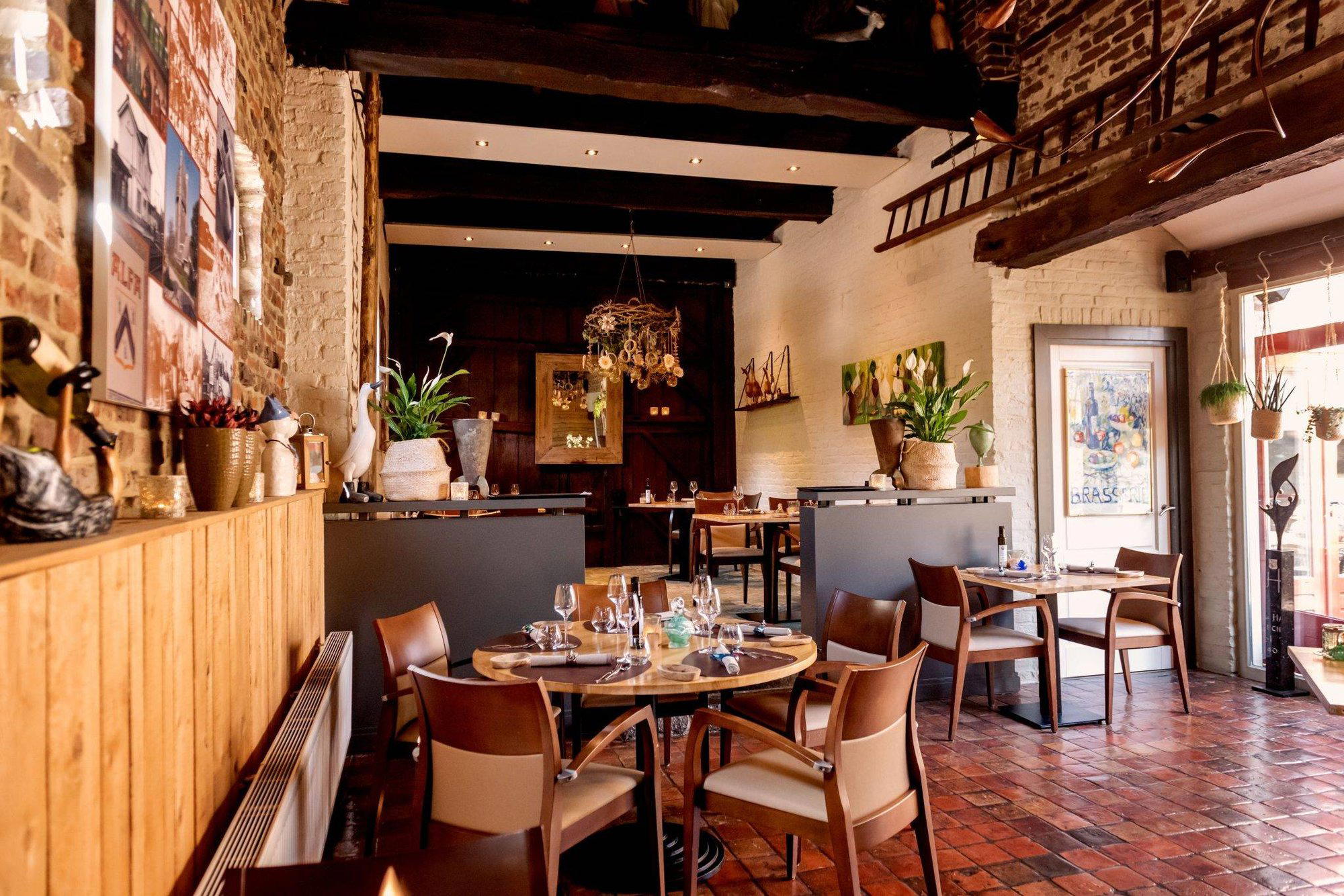
A Village Address in South Limburg's Dining Geography
Schinnen sits in the rolling agricultural south of the Netherlands, a few kilometres from the Belgian border and within reach of the German Rhineland. It is not a city dining market. Restaurants that operate here do so in a context defined by proximity to farmland, estate producers, and the cross-border ingredient networks that characterise Limburg cooking at its most grounded. Dorpsstraat, Schinnen's main village spine, carries that provincial character plainly: low-rise, unhurried, with none of the ambient noise of a metropolitan dining strip. Sjuut, at number 74, occupies that street on its own terms. Sjuut is a restaurant in Schinnen, Netherlands, serving Organic Regional European cuisine at about USD 75 per person. While Michelin attention has traditionally concentrated on the Randstad and a handful of destination restaurants in Brabant and Zeeland, the southern provinces have built a quieter track record. Brut172 in Reijmerstok, a few minutes from the German border, operates in a similar geographic register: small-village address, strong regional ingredient logic, and a comparable set that looks outward toward Belgian and German fine dining as much as it does toward Amsterdam. Schinnen and its neighbouring communes form part of that same geography.
What Ingredient Sourcing Means in Limburg
South Limburg's agricultural character is specific enough to matter at the table. The region produces asparagus of particular note in spring, draws on dairy from farms in the Heuvelland, and sits within range of the Ardennes for game and forest ingredients. The border position matters practically: producers in the Belgian provinces of Liège and Namur, and across into the German Eifel, are within ordinary supply-run distance. That cross-border sourcing is not a stylistic choice so much as a geographic fact for any restaurant operating at this latitude.
Dutch provincial restaurants that take their sourcing seriously tend to calibrate their menus around what is actually available rather than what a metropolitan supply chain can deliver. The contrast with, say, Ciel Bleu in Amsterdam or FG in Rotterdam is a function of context as much as ambition: city restaurants have access to global logistics; village restaurants in South Limburg have a different kind of advantage, one rooted in what a short supply chain actually enables. Freshness windows are tighter, producer relationships more direct, and seasonal variation harder to smooth over with imported substitutes.
This is the tradition Sjuut operates within. The restaurant sits at a Schinnen address that places it squarely inside that provincial sourcing logic, away from the pressures and postures of urban fine dining.
South Limburg in the Dutch Restaurant Map
Understanding where Sjuut sits requires understanding what Dutch provincial fine dining looks like as a category. The Netherlands has a tier of Michelin-recognised restaurants outside its major cities that draw serious diners willing to travel for the quality-to-formality ratio that village and small-town addresses often deliver. De Lindehof in Nuenen and De Treeswijkhoeve in Waalre operate in the Brabant version of this model. De Lindenhof in Giethoorn and De Groene Lantaarn in Staphorst anchor it in the northeast. The south adds its own character through the Limburg and Zeeland producers that underpin restaurants like Inter Scaldes in Kruiningen.
Within Schinnen itself, the local dining conversation also includes Aan Sjuuteeänjd, a regional cuisine address at the €€€ price point that shares the village with Sjuut and points to a local dining culture with more depth than the population size might suggest. See our full Schinnen restaurants guide for broader context on what the village offers.
For diners travelling from elsewhere in the Netherlands, the southern restaurant circuit, which might also include Tribeca in Heeze and De Bokkedoorns in Overveen, demonstrates that the country's most interesting eating is not confined to its urban centres. Stronger examples from that national market, represented by De Librije in Zwolle and 't Nonnetje in Harderwijk, sets the standard against which provincial ambition is measured, but the comparison is instructive rather than hierarchical: different dining contexts serve different reader decisions.
A Quick Peer Check
Comparable venues nearby, for context on price, style, and recognition.
| Venue | Cuisine | Price | Awards | Notes |
|---|---|---|---|---|
| SjuutThis venue — the venue you are viewing | Organic Regional European | $$$ | Not listed | Not listed |
| Aan Sjuuteeänjd | Organic Contemporary European | $$$ | Michelin Plate | Schinnen |
| Clermont | Modern European Fine Dining | $$$ | Not listed | Vaals |
| Ivory | Modern European Fine Dining | $$$ | Not listed | Stadscentrum |
| PRESSROOM | Modern European Bistro | $$$ | Not listed | Spuistraat Noord |
| Jagersrust | Contemporary European Brasserie | $$$ | Not listed | Ossendrecht, North Brabant Province |
Continue exploring
More in Schinnen
Restaurants in Schinnen
Browse all →
At a Glance
- Cozy
- Rustic
- Intimate
- Elegant
- Special Occasion
- Date Night
- Open Kitchen
- Extensive Wine List
- Farm To Table
- Organic
- Local Sourcing
Current opening hours
- Monday
- Closed
- Tuesday
- Closed
- Wednesday
- Closed
- Thursday
- Closed
- Friday
- 6–10 PM
- Saturday
- 6–10 PM
- Sunday
- 1–6 PM
Hours can change for holidays and private events. Last verified .
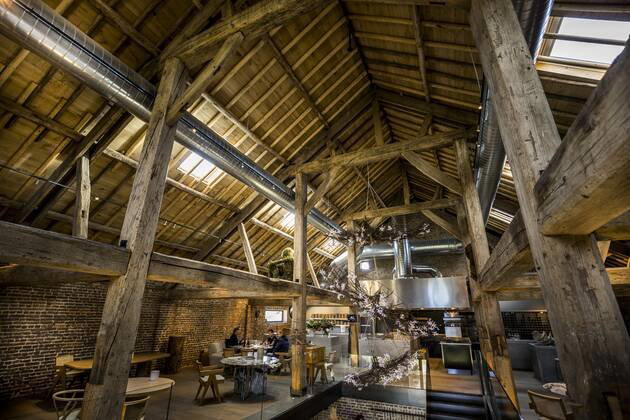
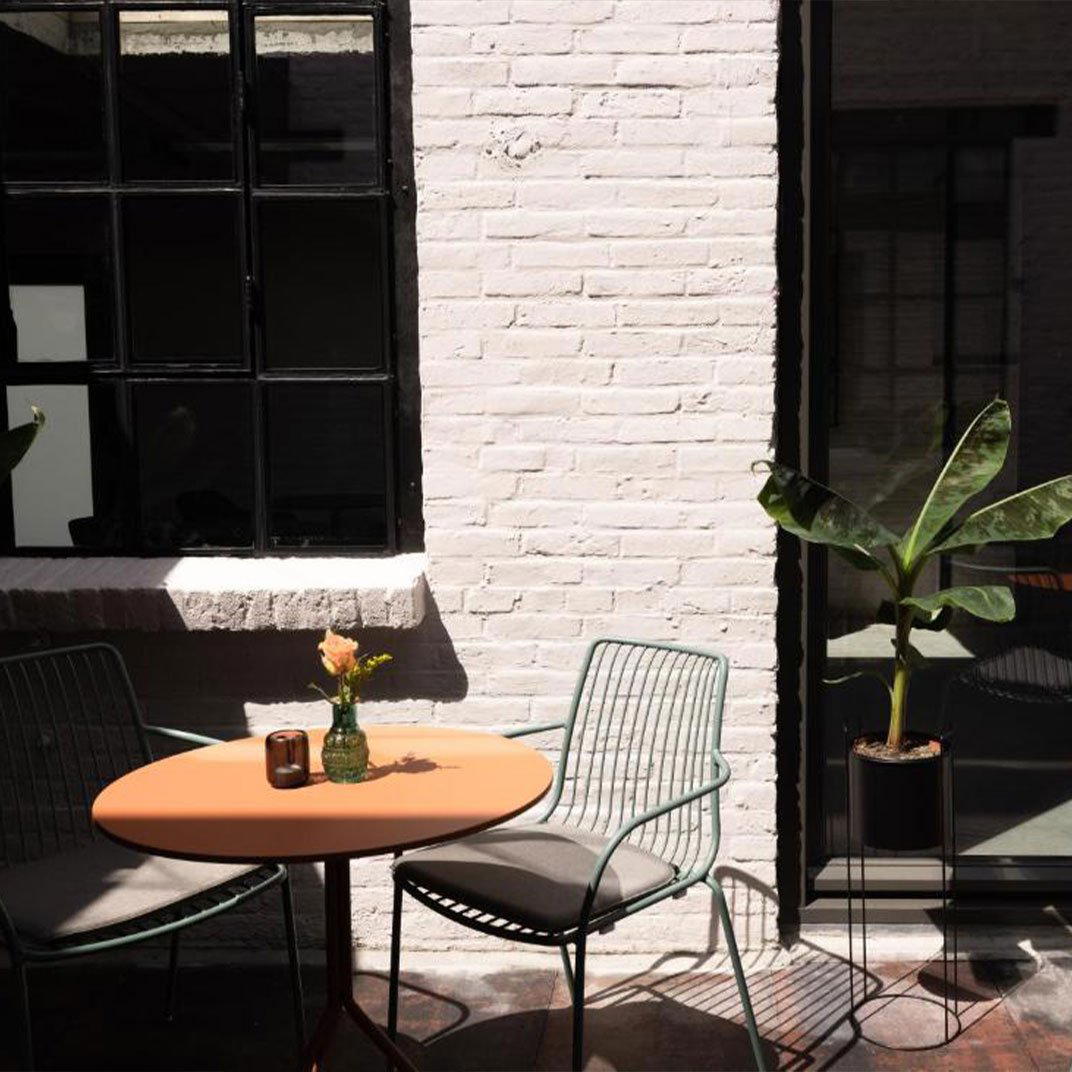
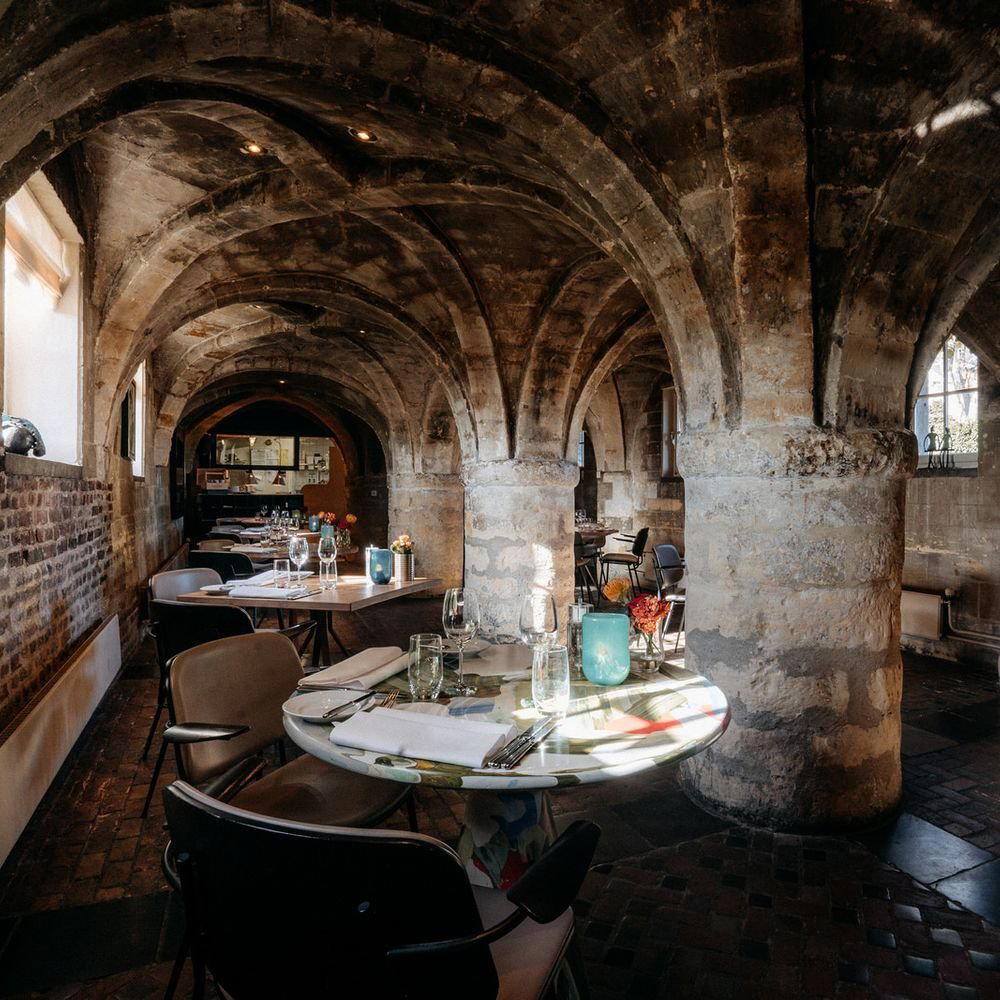
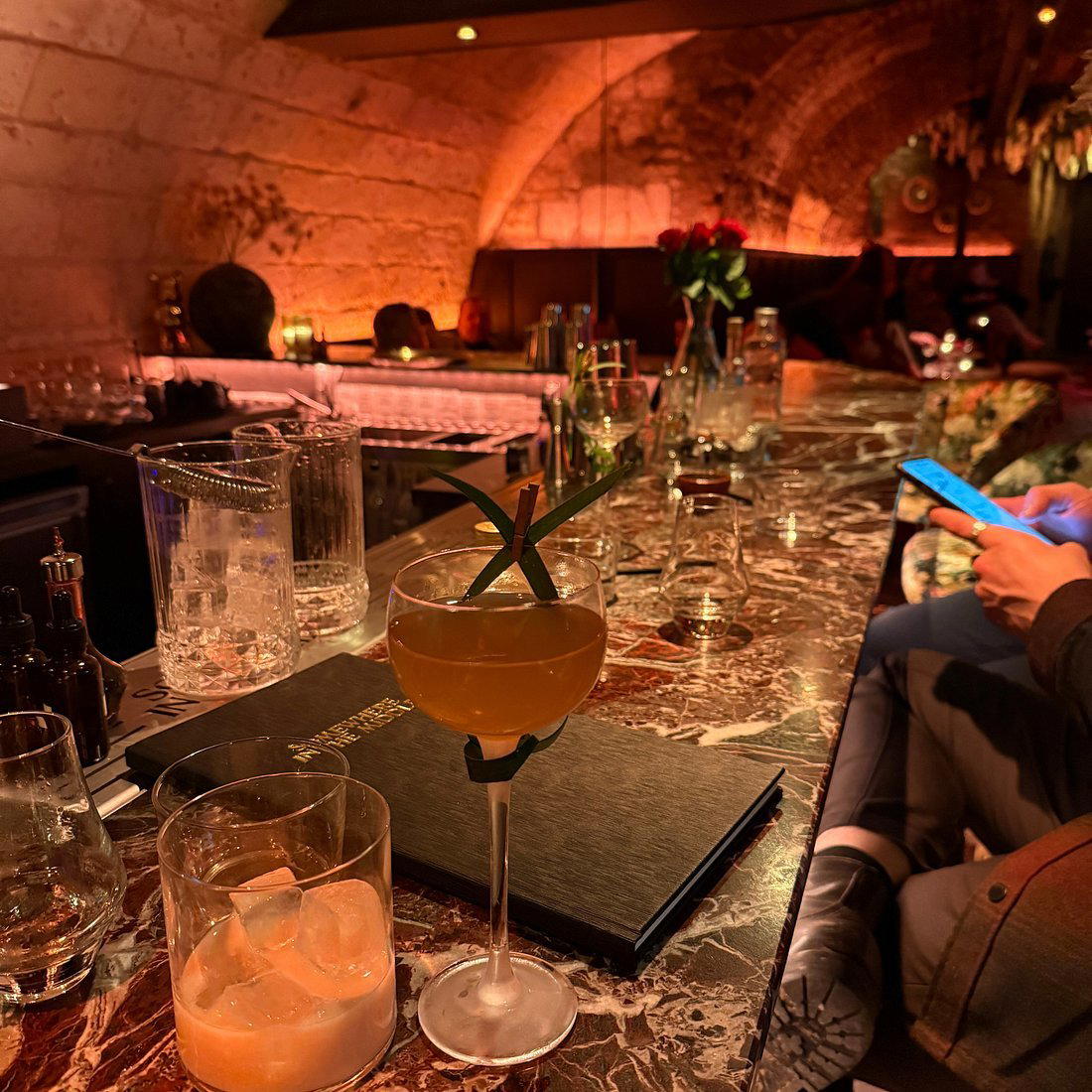
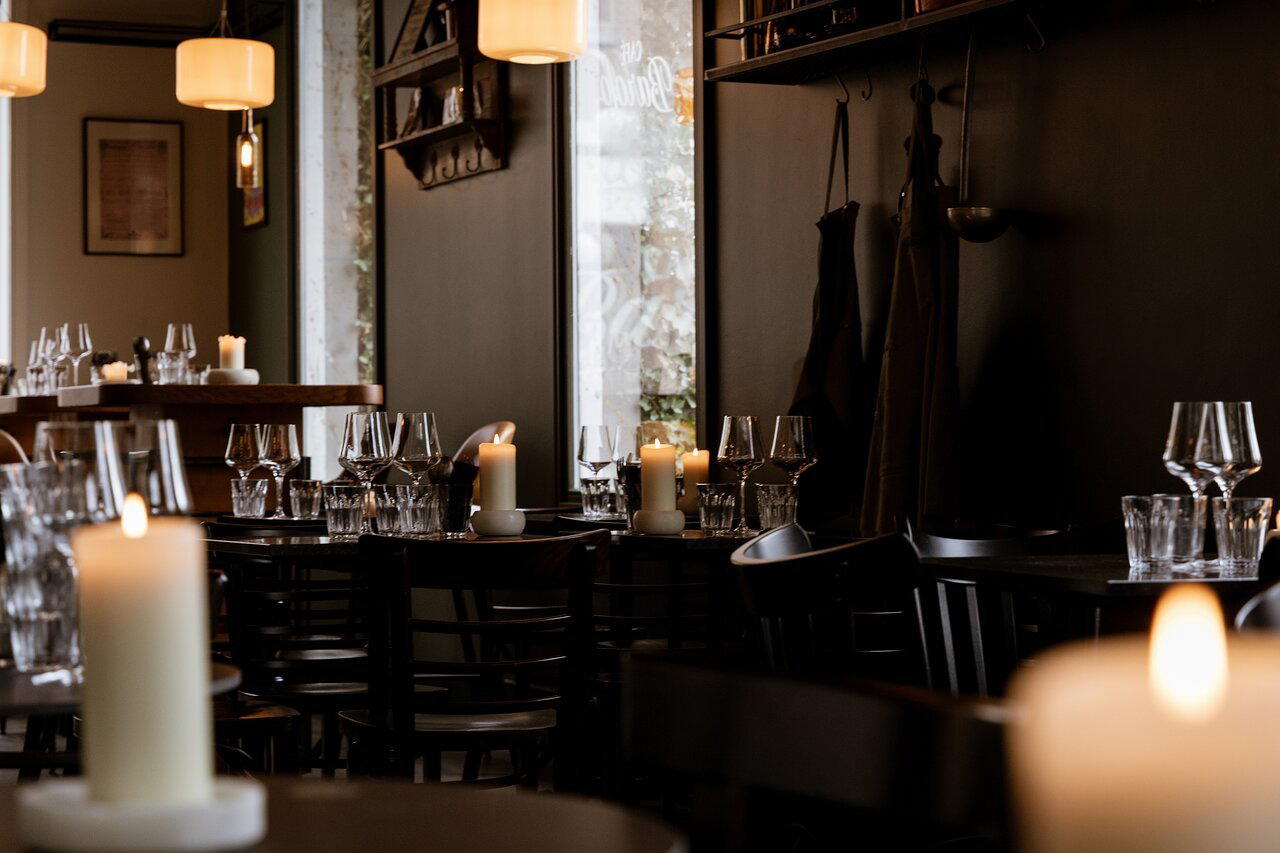
Cozy farmhouse atmosphere with warm Burgundian hospitality and eye-catching designer lighting.