L'Orangerie
L'Orangerie sits on Rue Docteur E. Neuville in Villers-le-Bouillet, a small Walloon commune in the Liège province where serious cooking tends to operate well below the radar of Belgium's better-known dining circuits. The restaurant draws attention in a region where ingredient-led kitchens are redefining what provincial fine dining looks like, making it a reference point for anyone tracing Belgian gastronomy beyond Brussels and the Flemish coast.
Pearl is the En Primeur Club membership app — saves, bookings, and concierge access live there. Same editors, same standards.
- Address
- Rue Docteur E. Neuville 17, 4530 Villers-le-Bouillet, Belgium
- Phone
- +32496535310
- Directions
- Get directions
 Saves & bookings on Pearl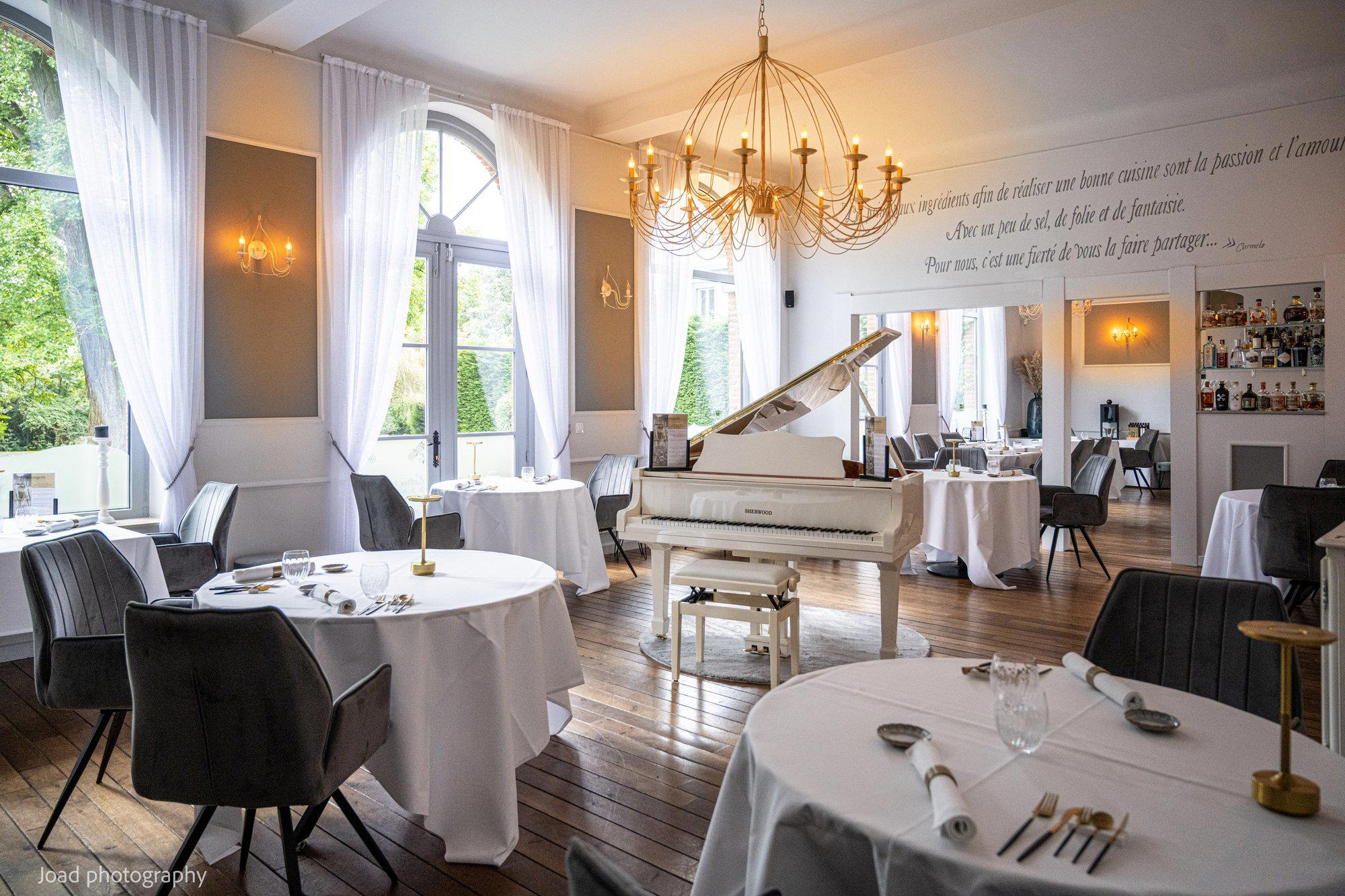
Wallonia's Quieter Table: Dining in Villers-le-Bouillet
L'Orangerie is a restaurant in Villers-le-Bouillet, Belgium, serving Franco-Belgian Fine Dining at about $80 per person. Belgium's most discussed restaurants cluster predictably: the Flemish coast produces kitchens like Bartholomeus in Heist and Willem Hiele in Oudenburg, while Flanders inland delivers Hof van Cleve in Kruishoutem and De Jonkman in Sint-Kruis. Wallonia receives considerably less coverage despite the Liège province offering its own tradition of ingredient-focused cooking shaped by proximity to the Ardennes, the Meuse valley, and a network of small producers. Villers-le-Bouillet sits in that context: a commune of a few thousand residents between Liège and Namur, where the agricultural rhythm of the surrounding countryside feeds directly into what ends up on local tables.
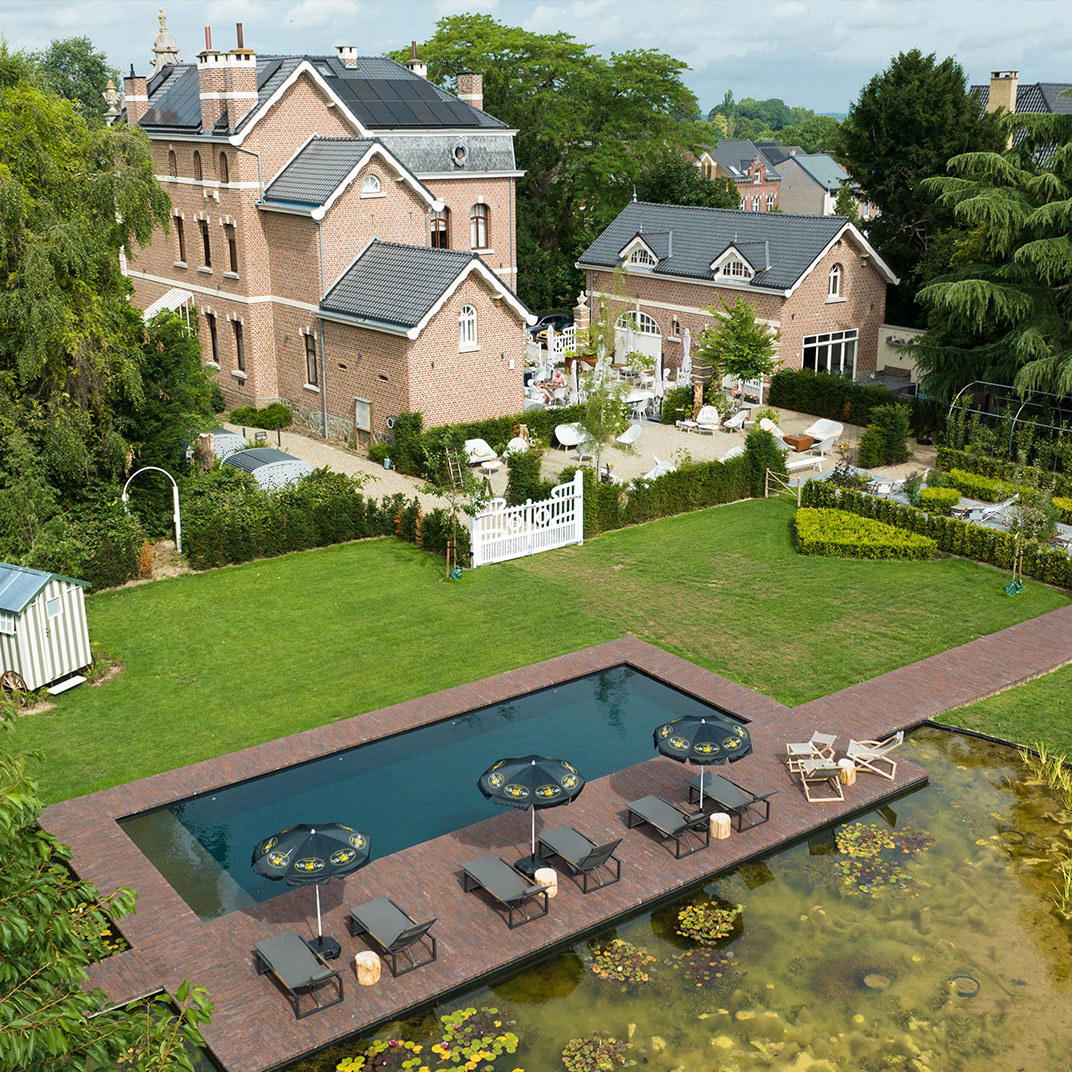
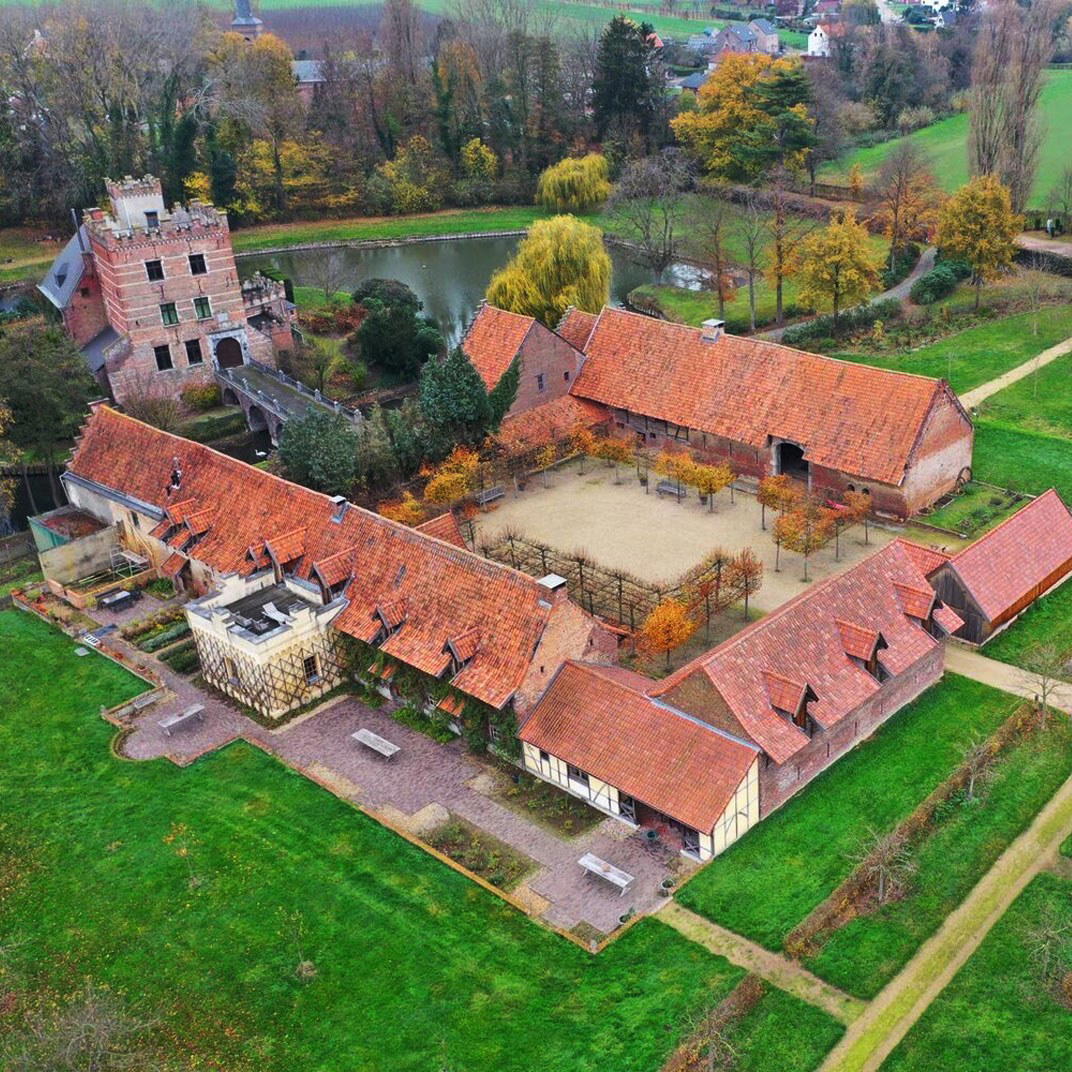
L'Orangerie occupies a position on Rue Docteur E. Neuville 17, a residential address that places the restaurant firmly in the register of neighbourhood dining rather than destination spectacle. In Belgium's provincial fine dining tradition, the leading tables frequently operate from converted townhouses, former farmsteads, or village properties where the physical intimacy of the space sets the terms of the meal before the first course arrives. The restaurant's name evokes the glass-enclosed garden rooms that French and Belgian châteaux used to extend the growing season.
The Ingredient Logic Behind Liège-Province Cooking
The Ardennes and the Meuse valley define much of what Wallonian cooking can, at its most serious, actually be. Game from managed forests, freshwater fish from river tributaries, aged cheeses from smaller producers, and heritage vegetable varieties cultivated by farmers who supply individual restaurants rather than wholesale networks, these are the raw materials that distinguish kitchens in this region from those working primarily with imported or industrial supply chains. The broader European fine dining shift toward traceable sourcing has reinforced what was already a practical reality for Wallonian restaurants: the countryside is close, the producers are accessible, and the seasonal window is narrow enough to create genuine discipline around what can be served when.
That discipline is visible across the peer group. L'air du Temps in Liernu has built its international reputation explicitly around a kitchen garden and supplier relationships treated as the intellectual core of the menu, not a marketing footnote. La Table de Maxime in Our operates in a similarly rural Wallonian frame. Both represent a strand of Belgian cooking where what grows nearby, and when, determines what the kitchen can credibly do. L'Orangerie in Villers-le-Bouillet belongs to the same geographical and philosophical proximity, even if its profile has developed more quietly than either of those two references.
Belgium's Provincial Fine Dining Tier: Where L'Orangerie Sits
Belgian fine dining outside the major cities tends to split into two recognizable formats. The first is the gastronomic destination that draws visitors specifically for the meal, typically carrying formal recognition and commanding prices that reflect both the cooking and the journey required to get there. The second is the serious neighbourhood restaurant where the cooking earns local loyalty through consistency and sourcing integrity, without necessarily pursuing the certification path. The restaurant's positioning in Villers-le-Bouillet places it in the second category: a restaurant where the surrounding commune's agricultural character shapes the kitchen's possibilities, and where the dining experience is calibrated to a residential rather than a pilgrim audience.
That distinction matters when comparing against the Flemish benchmark kitchens that dominate Belgian critical attention. Boury in Roeselare and Zilte in Antwerp operate in the destination tier, with pricing and booking dynamics that reflect their recognized status. Wallonian alternatives like d'Eugénie à Emilie in Baudour and Maison Colette in Tongerlo occupy comparable middle ground: serious cooking without the full apparatus of destination dining. The EP Club guide to Villers-le-Bouillet restaurants maps this local context in more detail, including the nearby Kaillou, which provides useful comparison within the same commune.
Arriving in Villers-le-Bouillet
The commune sits roughly equidistant between Liège and Namur, accessible by road from both. Visitors coming from Brussels, where Bozar Restaurant anchors the capital's fine dining offer, should plan for approximately 70 to 80 kilometres of travel, with Liège serving as the more practical transit point for those arriving by train. The Liège-Guillemins station connects to Brussels, Paris, and Amsterdam via high-speed rail. The Meuse valley and the Hesbaye plateau, which extends through this part of Liège province, offer context that makes the journey worthwhile beyond the meal itself.
What the Name Signals About the Approach
An orangerie, in the historical European sense, was a practical tool: a glassed structure designed to protect citrus trees and tender plants through winters that would otherwise kill them, extending the kitchen's access to ingredients beyond what the open garden could provide. As a restaurant name, it carries that meaning forward, a declared interest in productive cultivation, in the relationship between a controlled environment and what it yields, and in treating the growing season as something to be extended and preserved rather than simply accepted as a constraint. As a signal of intent, it aligns with the broader Wallonian cooking tradition described above.
For travellers who have moved through Belgium's more celebrated kitchens, from the formal precision of Le Chalet de la Forêt in Uccle to the coastal produce focus of Castor in Beveren, or who approach European fine dining through international reference points like Le Bernardin in New York or Atomix, a table in a Wallonian commune like Villers-le-Bouillet represents a different kind of proposition. The scale is smaller, the supply chains shorter, and the cooking exists in a region where the agricultural calendar still structures the menu in ways that are harder to maintain in larger urban kitchens. La Durée in Izegem offers a comparable Flemish counterpart in terms of scale and setting.
Planning Your Visit
Reservations are recommended, and weekend sittings merit several weeks' lead time. The Liège province dining scene rewards those who plan the route before the meal, the combination of the Meuse valley, the Hesbaye plateau, and the quiet character of communes like Villers-le-Bouillet makes a dedicated day or evening around the table worth constructing carefully.
Quick Comparison
Comparable venues nearby, for context on price, style, and recognition.
| Venue | Cuisine | Price | Awards | Notes |
|---|---|---|---|---|
| L'OrangerieThis venue — the venue you are viewing | Franco-Belgian Fine Dining | $$$$ | Not listed | Not listed |
| Kaillou | Modern French-Asian Fusion | $$$ | Not listed | Villers-le-Bouillet |
| Un temps pour Soi | French Market Bistro | $$$ | Michelin Plate | Villers-le-Bouillet |
| Cyrano | French-Belgian Fine Dining | $$$$ | Not listed | Waimes |
| Folies Gourmandes | Classic French Haute Bistro | $$$$ | Not listed | Quartier Centre |
| G.L.I.S.S | Modern French-Belgian Fine Dining | $$$$ | Not listed | Nieuwenhove |
Continue exploring
More in Villers-le-Bouillet
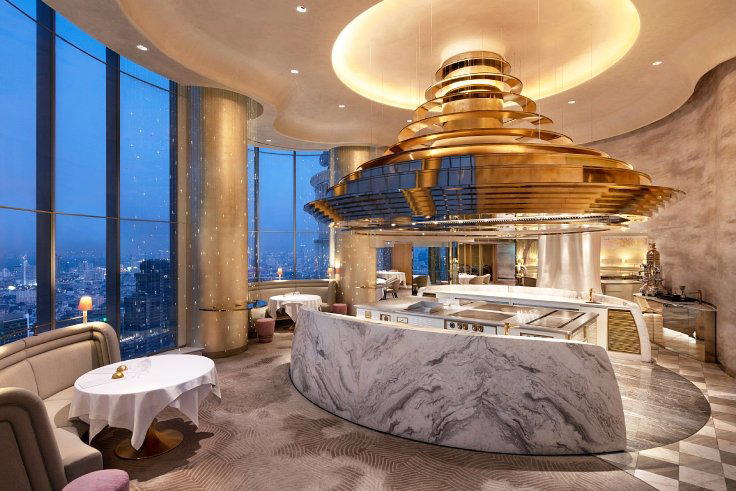
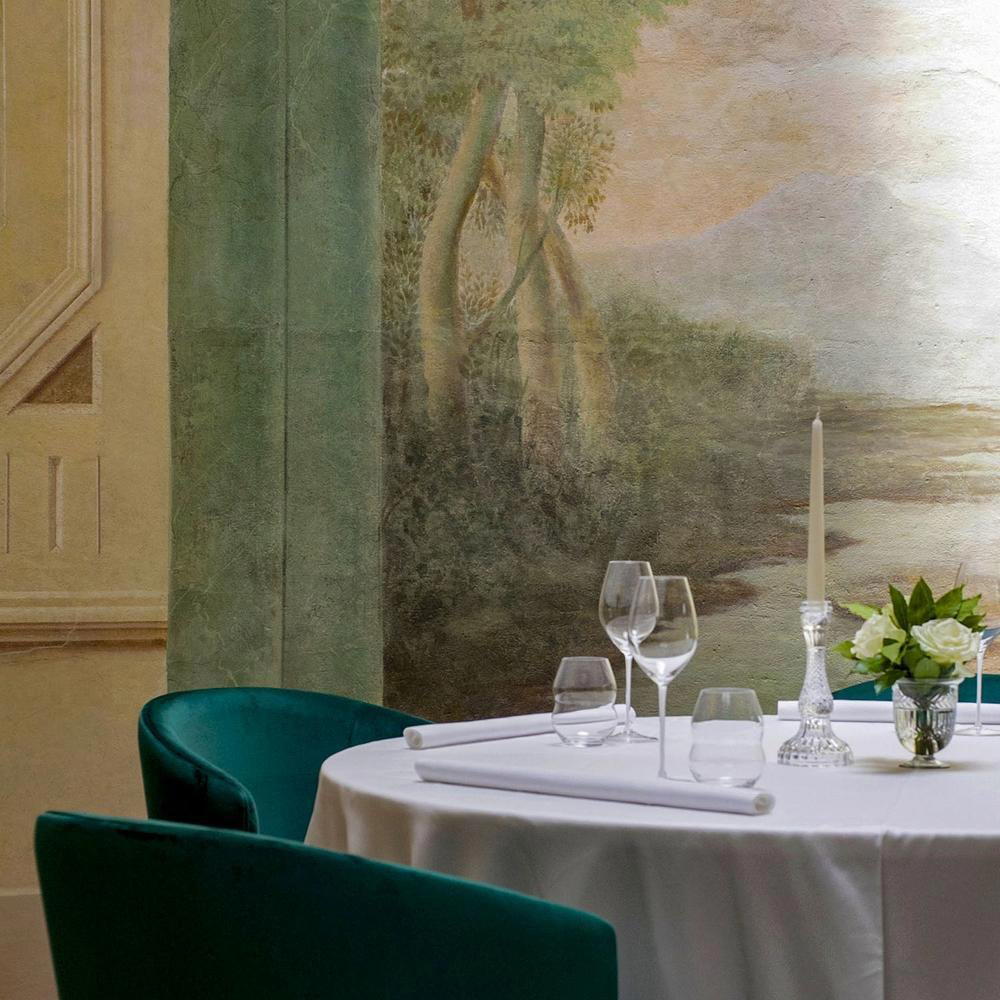
Restaurants in Villers-le-Bouillet
Browse all →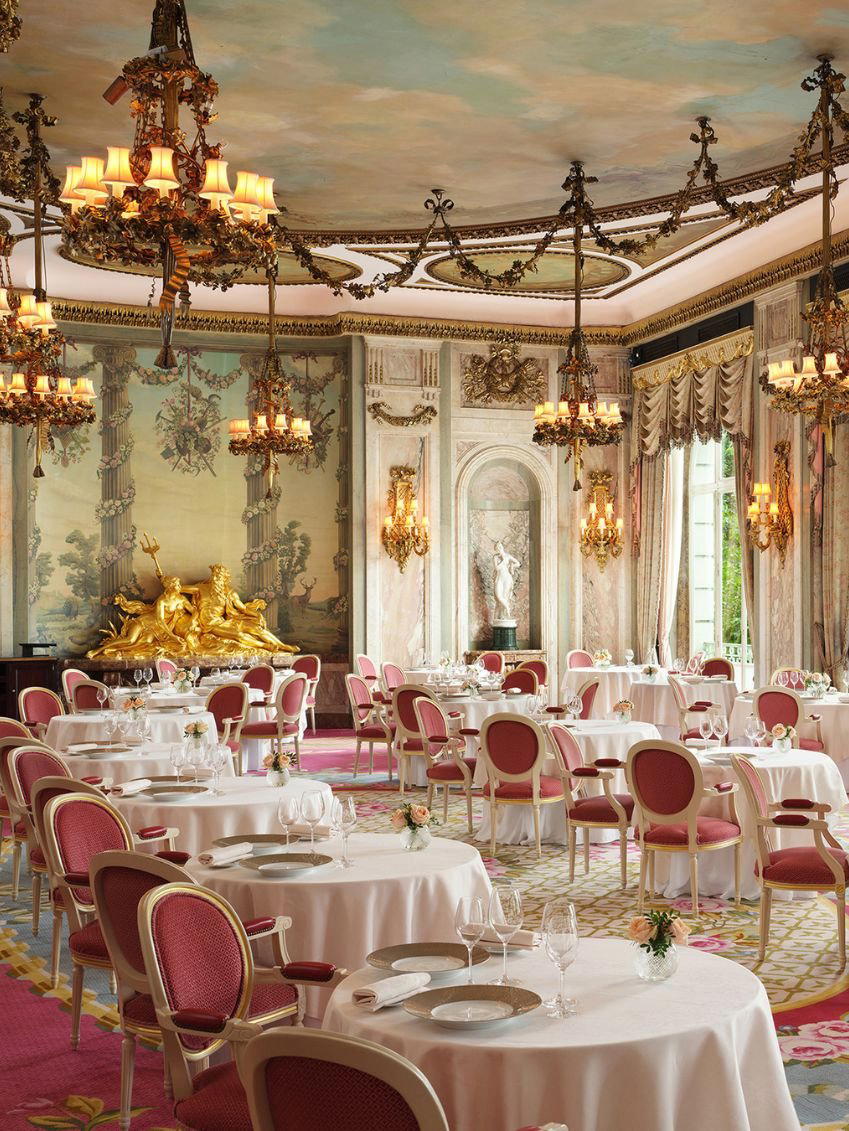
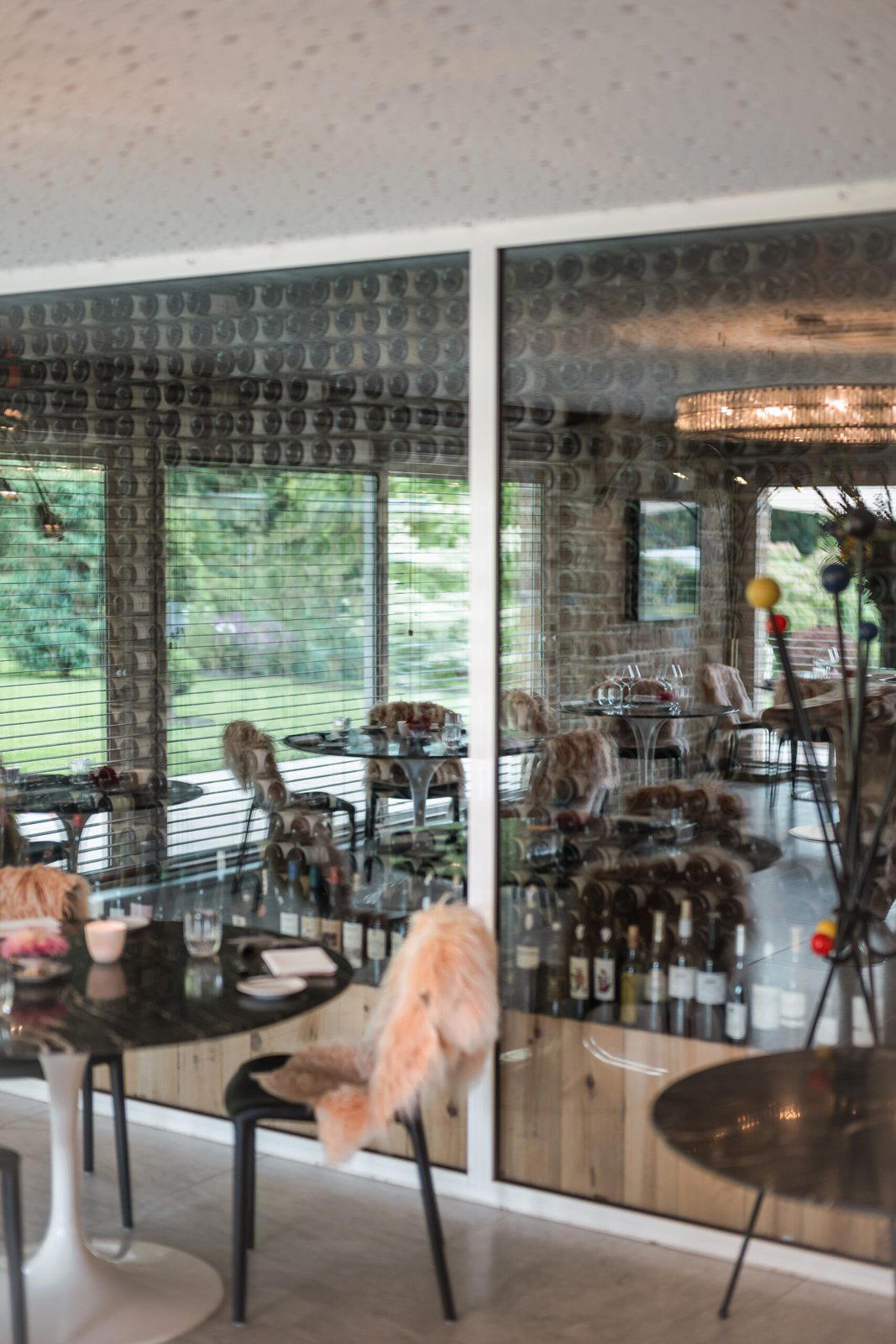
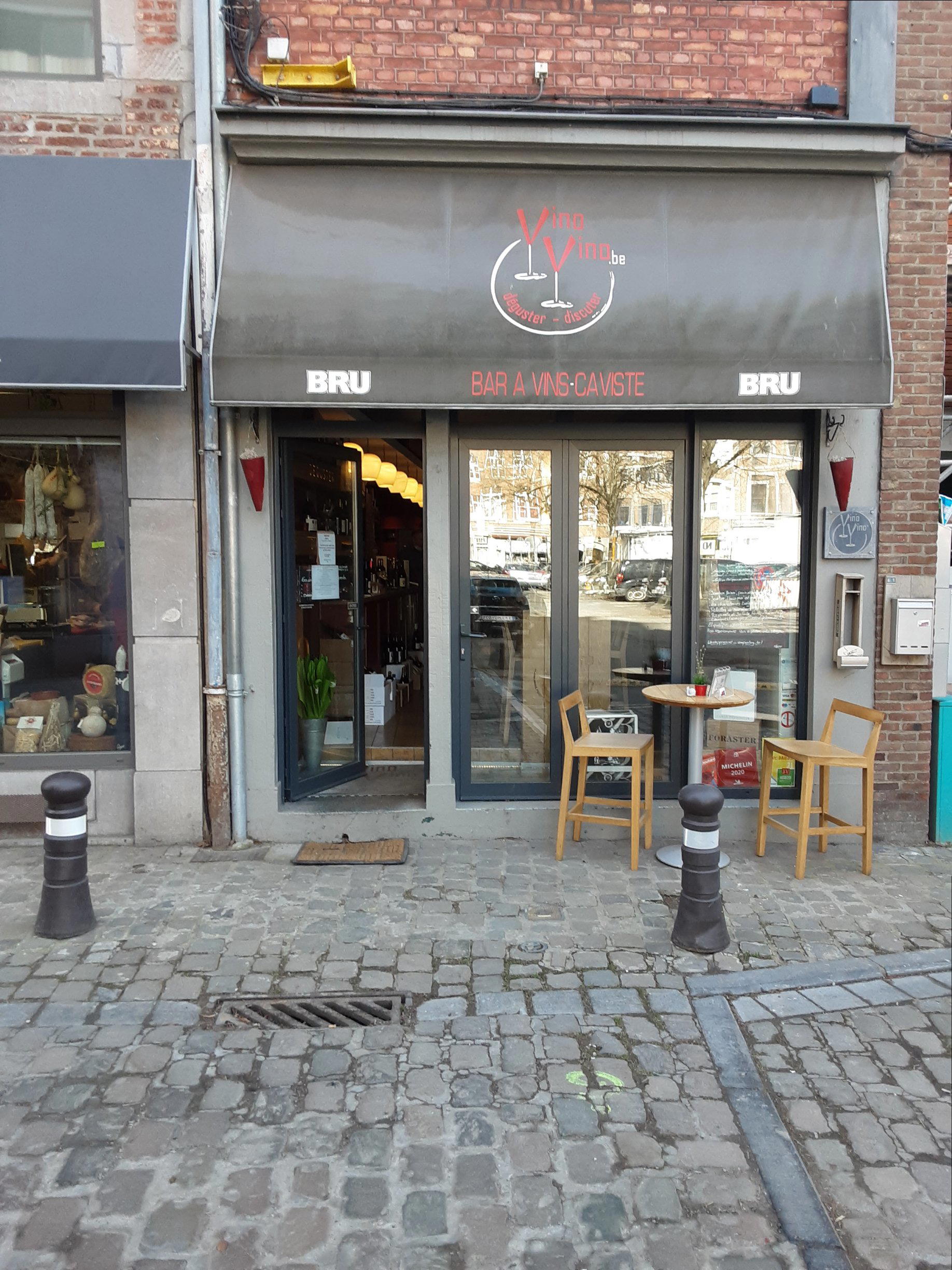
Bars in Villers-le-Bouillet
Browse all →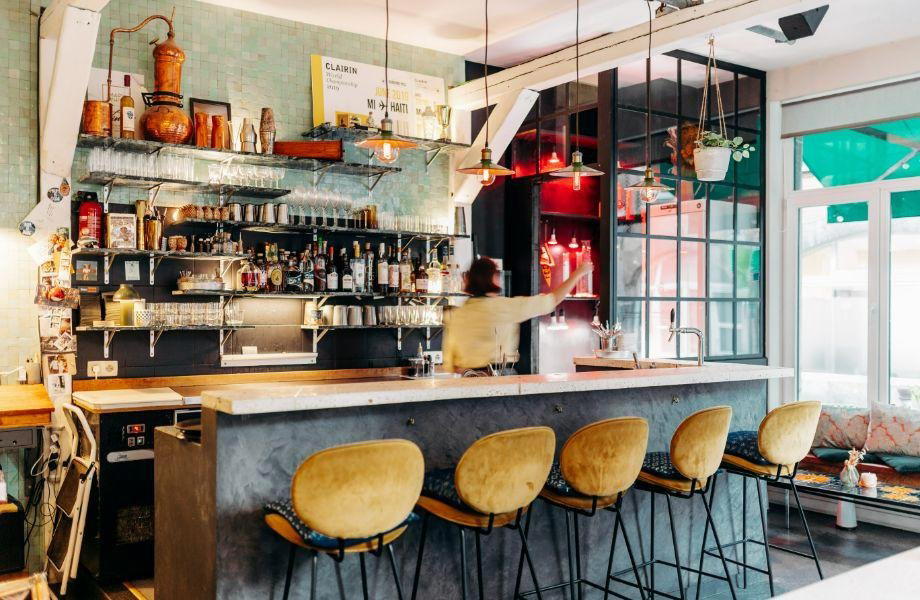
At a Glance
- Romantic
- Elegant
- Sophisticated
- Cozy
- Date Night
- Special Occasion
- Historic Building
- Terrace
- Local Sourcing
- Garden
Current opening hours
- Monday
- Closed
- Tuesday
- Closed
- Wednesday
- 6:30–9 PM
- Thursday
- 12–2 PM, 6:30–9 PM
- Friday
- 12–2 PM, 6:30–9 PM
- Saturday
- 6:30–9 PM
- Sunday
- 12–2 PM
Hours can change for holidays and private events. Last verified .
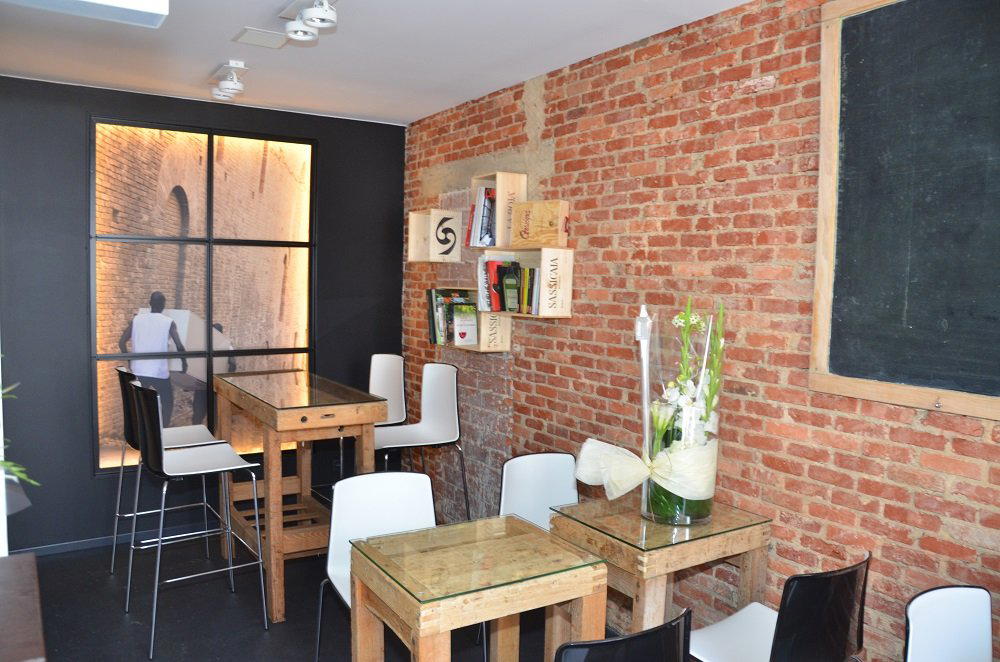
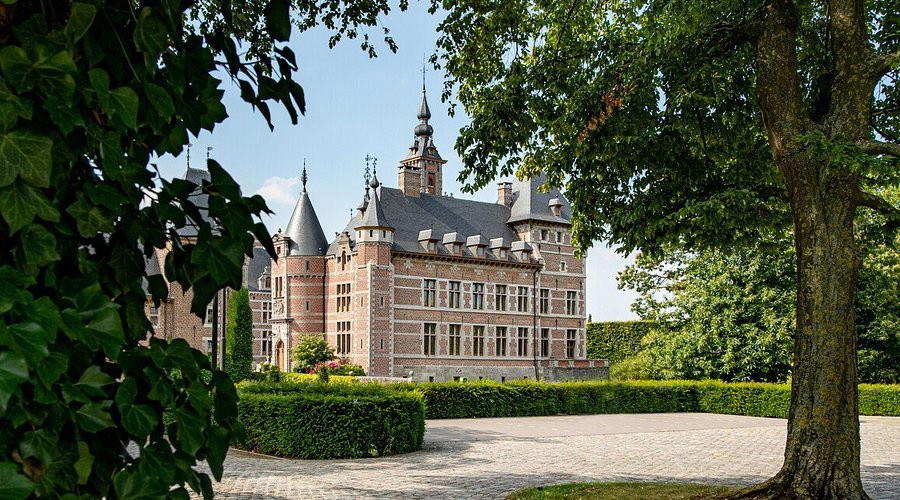
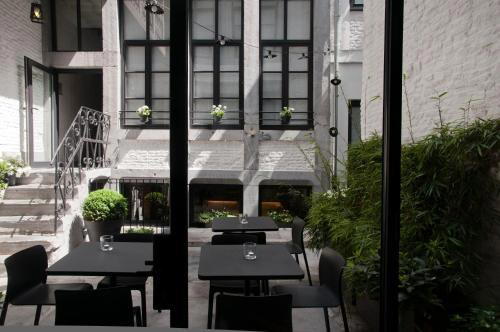
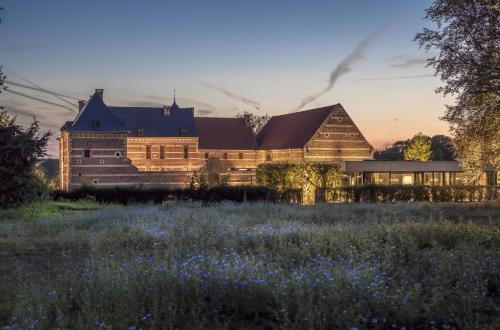
Trendy, chic, modern atmosphere in an enchanting castle domain with terrace dining in summer.