Kaillou
Our verdict
Kaillou sits in Villers-le-Bouillet, a quiet Walloon commune in the Hesbaye region of Liège province, where Belgium's tradition of serious cooking at a remove from urban circuits runs deep. With virtually no public-facing profile, it occupies the kind of position that rewards direct contact over digital research. Visitors looking for context on the broader Walloon dining scene should cross-reference our full Villers Le Bouillet restaurants guide.

Pearl is the En Primeur Club membership app, where members save venues, book tables and use the concierge.
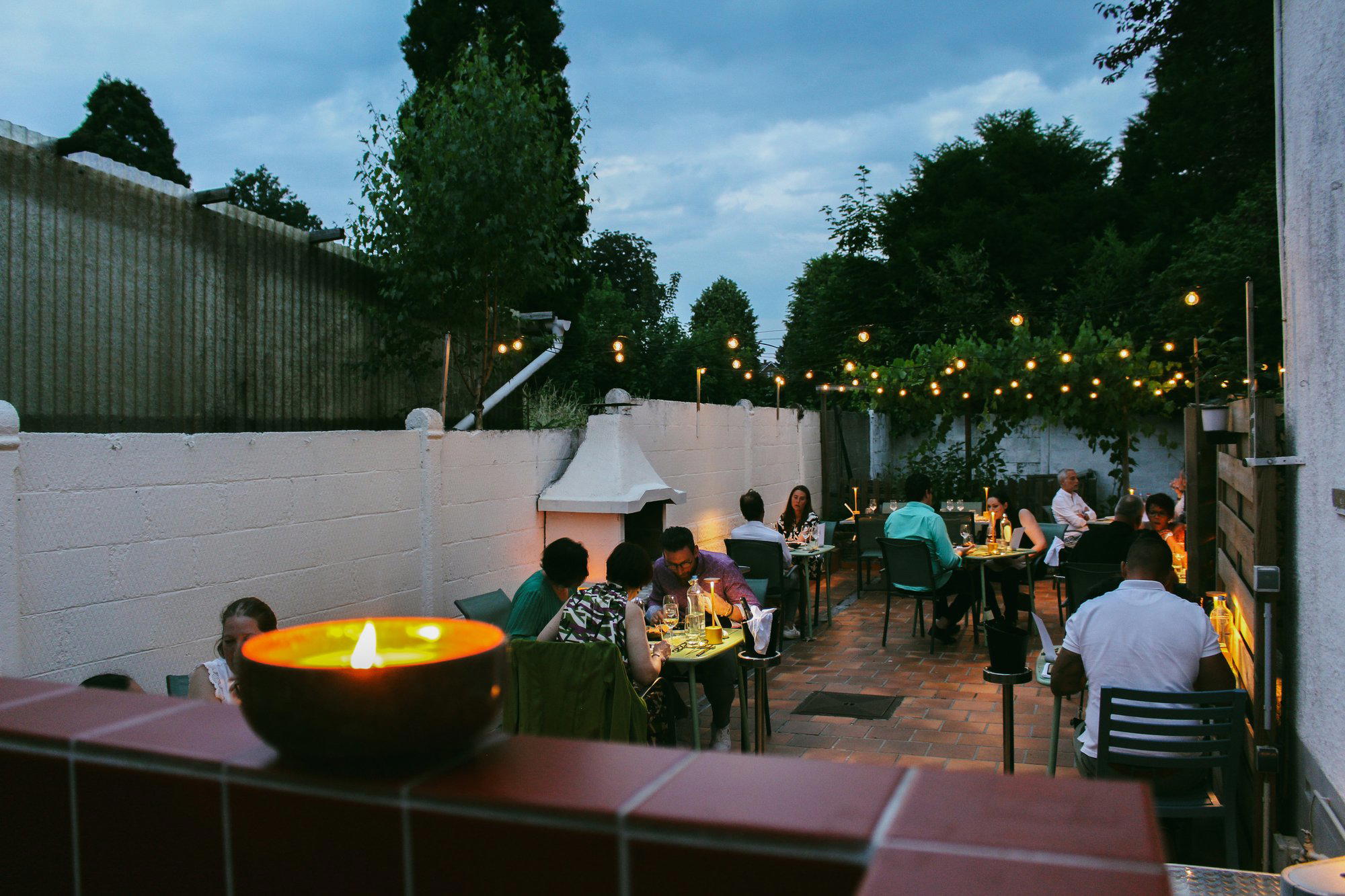
Where Hesbaye Meets the Table
The Hesbaye plateau, stretching across Liège province between the Meuse and Geer valleys, is agricultural Belgium at its most unassuming. Flat cereal fields, modest villages, and the occasional limestone farmhouse define the approach to Villers-le-Bouillet. It is not the kind of terrain that draws international food press. That is, in part, what makes the serious dining that does exist here worth paying attention to. Restaurants operating outside Belgium's main urban corridors, Brussels, Ghent, Antwerp, often occupy a specific niche: they draw on regional produce and local custom without the pressure to perform for a city audience, and they tend to develop a loyal, local constituency that sustains them through word of mouth rather than algorithm. Kaillou, at Rue de Huy 82 in Villers-le-Bouillet, sits in that pattern.
The Walloon Dining Tradition as Frame
To understand what a restaurant like Kaillou likely represents, it helps to understand how serious cooking operates in Wallonia more broadly. The French-speaking south of Belgium has long maintained a culinary tradition closer to northern French classicism than to the product-forward Flemish modernism that drives venues like Boury in Roeselare or De Jonkman in Sint-Kruis. Walloon cooking historically leaned on stocks and reductions, on game from the Ardennes, on freshwater fish from the Meuse, and on the kind of technique-first discipline that traces back through French regional cooking rather than through Nordic or Japanese influences. That lineage has never entirely disappeared, even as younger chefs have introduced lighter, more contemporary registers into the mix.
The Liège province specifically has produced a distinct culinary identity. Liège-style preparations, whether the famous gaufre de Liège or the slow-braised lapin à la liégeoise, carry a sweetness and depth that reflects the region's Walloon character. Restaurants in the surrounding communes often draw on those cultural anchors even when their cooking reaches beyond them. For a useful comparison of how Walloon and French-inflected kitchens operate at the top of their range, L'air du temps in Liernu and La Table de Maxime in Our offer reference points at different price tiers and creative registers. The nearby L'Orangerie in Villers-le-Bouillet provides the most immediate local comparison.
A Restaurant Without a Public Profile
Kaillou holds an unusual position in the current moment of restaurant discovery. At a time when most European dining venues of any ambition maintain a searchable digital presence, a website, a booking platform, a social feed, Kaillou operates without a publicly listed phone number, website, or booking method in any aggregated database. That absence is not necessarily a sign of dormancy. In Belgium's smaller communes, a significant number of respected tables maintain their reputation through local knowledge, personal recommendation, and physical contact rather than through online infrastructure. The restaurant's address on the Rue de Huy, a road connecting Villers-le-Bouillet to the Meuse corridor, places it on a legible local route, not a destination address designed for GPS-directed visitors from outside the province.
This creates a specific set of logistical realities for visitors planning around Kaillou. Direct outreach, arriving in person during service hours, or asking locally in Villers-le-Bouillet, is the most reliable approach until a contact method becomes publicly established. Visitors combining Kaillou with a broader Belgian itinerary should note that Bozar Restaurant in Brussels and Le Chalet de la Forêt in Uccle represent the kind of high-reference urban anchors against which provincial Walloon dining is often compared. For those coming from the coast or Flanders, Bartholomeus in Heist and Castor in Beveren show how Belgium's serious restaurant circuit extends well beyond its obvious centres.
Belgium's Provincial Restaurant Circuit
Belgium's restaurant density relative to its population remains one of the more discussed facts in European dining. The country holds a disproportionate number of Michelin-starred addresses for its size, venues like Hof van Cleve in Kruishoutem, Zilte in Antwerp, and Willem Hiele in Oudenburg all occupy international reference points, but that recognition is unevenly distributed. Wallonia, and Liège province in particular, contains a dense network of serious tables that operate below the threshold of international press attention. Venues like d'Eugénie à Emilie in Baudour, La Durée in Izegem, and Maison Colette in Tongerlo each illustrate how Belgium sustains a middle tier of regional cooking that requires no international validation to maintain its local standing.
Kaillou belongs to that circuit by geography and, in all likelihood, by disposition. Restaurants on the Rue de Huy axis serve a population that treats serious eating as a regular practice rather than a destination occasion, which tends to produce menus calibrated to return visits rather than to single-performance showmanship. For context on how that same regional seriousness plays out at international scale, Le Bernardin in New York City and Atomix in New York City demonstrate how French and Korean culinary discipline each translate across geographic distance, a useful reminder of how rooted technique travels.
Planning a Visit
Villers-le-Bouillet sits roughly equidistant between Liège and Namur, accessible by road from either city in under 30 minutes. The commune is not served by a major rail hub, so arrival by car is the practical default for most visitors. Given the absence of a published website or phone number, the most direct approach for anyone intending to eat at Kaillou is to visit the address on Rue de Huy directly, or to ask locally in the village for current service hours and reservation practice. Walloon restaurants at this level of local establishment, operating without heavy digital infrastructure, often run set formats on specific days of the week, which local knowledge will confirm faster than any online search. Those building a multi-stop itinerary across the Liège corridor should consult our full Villers Le Bouillet restaurants guide for the most current local context.
Frequently asked questions
Is Kaillou okay with children?
Nothing in Kaillou's public record indicates a specific children's policy. The address, Rue de Huy 82 in the quiet commune of Villers-le-Bouillet, points to a neighbourhood restaurant setting rather than a formal dining room, which in Wallonia typically means families are not unwelcome. Calling ahead is the sensible approach before visiting with young children.
Is Kaillou better for a quiet night or a lively one?
Villers-le-Bouillet is a small agricultural commune on the Hesbaye plateau, not a destination known for late-night energy. Kaillou's setting on Rue de Huy 82 places it firmly in that unhurried provincial context. Expect a quieter register, the kind of place where conversation carries rather than competes.
Where exactly is Kaillou located, and how do you get there from Liège or Namur?
Kaillou sits at Rue de Huy 82 in Villers-le-Bouillet, a commune on the Hesbaye plateau in Liège province. By road, the village falls within roughly 30 minutes of both Liège and Namur, making it accessible as an evening destination from either city. There is no direct public transport connection to Villers-le-Bouillet, so a car or arranged transfer is the realistic option.
What should I eat at Kaillou?
In the Walloon provincial tradition that surrounds Villers-le-Bouillet, kitchens at this level tend to anchor their offer in seasonal Hesbaye produce, cereal-country vegetables, regional poultry, and freshwater fish from nearby river valleys. Contacting the restaurant directly will give you the clearest picture of the current menu.
What's Kaillou's location?
Kaillou is located at Rue de Huy 82, 4530 Villers-le-Bouillet, Belgium, Villers Le Bouillet.
Is Kaillou reservation-only?
No booking policy has been published for Kaillou. Reaching the restaurant through local channels before your visit is the practical approach.
What has Kaillou built its reputation on?
The country's restaurant density and Michelin coverage mean that serious addresses in Liège province often earn word-of-mouth standing long before any formal recognition. Kaillou's reputation, whatever its current form, appears to operate through exactly that local and regional network.
Budget and Context
Comparable venues nearby, for context on price, style, and recognition.
| Venue | Cuisine | Price | Awards | Notes |
|---|---|---|---|---|
| KaillouThis venue (the venue you are viewing) | Modern French-Asian Fusion | $50–100 | Not listed | Not listed |
| L'Orangerie | Franco-Belgian Fine Dining | $50–100 | Not listed | Villers-le-Bouillet, Franco-Belgian Fine Dining |
| Un temps pour Soi | French Market Bistro | $50–100 | Michelin Plate | Villers-le-Bouillet, French Market Bistro |
| 3Sense | Modern Belgian-French Gastro-Bistro | $50–100 | Not listed | Wilderen, Modern Belgian-French Gastro-Bistro |
| Hexa-Gone | Modern French-Belgian Brasserie | $50–100 | Not listed | Parc industriel des Hauts-Sarts, Modern French-Belgian Brasserie |
| Coquo | French Seasonal Fine Dining | $50–100 | Michelin Bib Gourmand · Star Wine List | Bierwart, French Seasonal Fine Dining |
Continue exploring
More in Villers-le-Bouillet
Restaurants in Villers-le-Bouillet
All restaurants in Villers-le-Bouillet →
Bars in Villers-le-Bouillet
Browse all →

Details
- Romantic
- Charming
- Elegant
- Intimate
- Cozy
- Date Night
- Special Occasion
- Sommelier Led
- Local Sourcing
- Tasting Menu
Current opening hours
- Monday
- Closed
- Tuesday
- 7–11 PM
- Wednesday
- 7–11 PM
- Thursday
- 7–11 PM
- Friday
- 7–11 PM
- Saturday
- 7–11 PM
- Sunday
- Closed
Hours can change for holidays and private events. Hours as of .
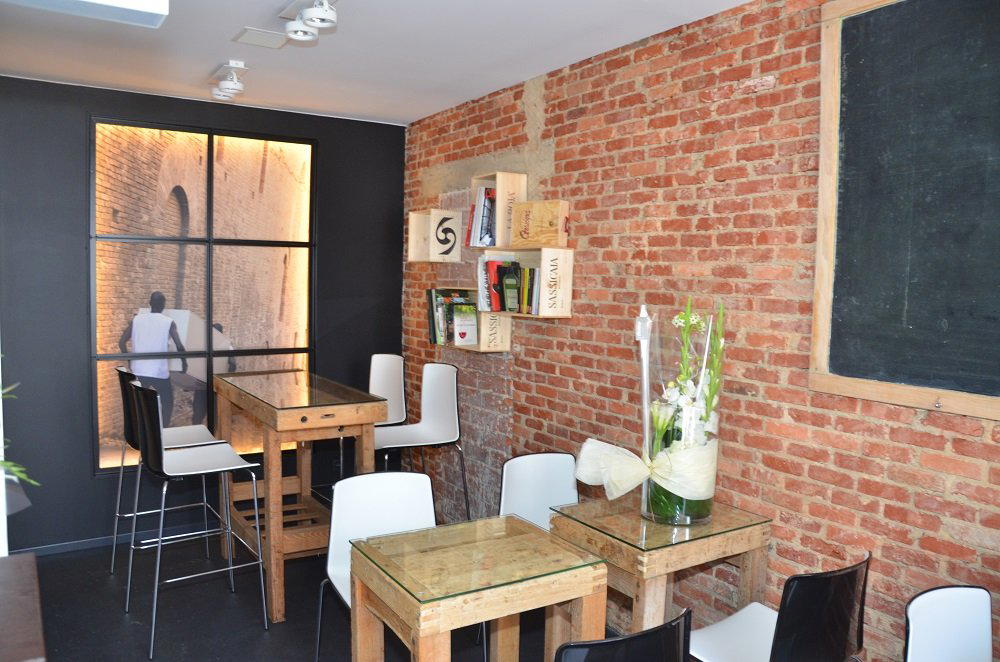
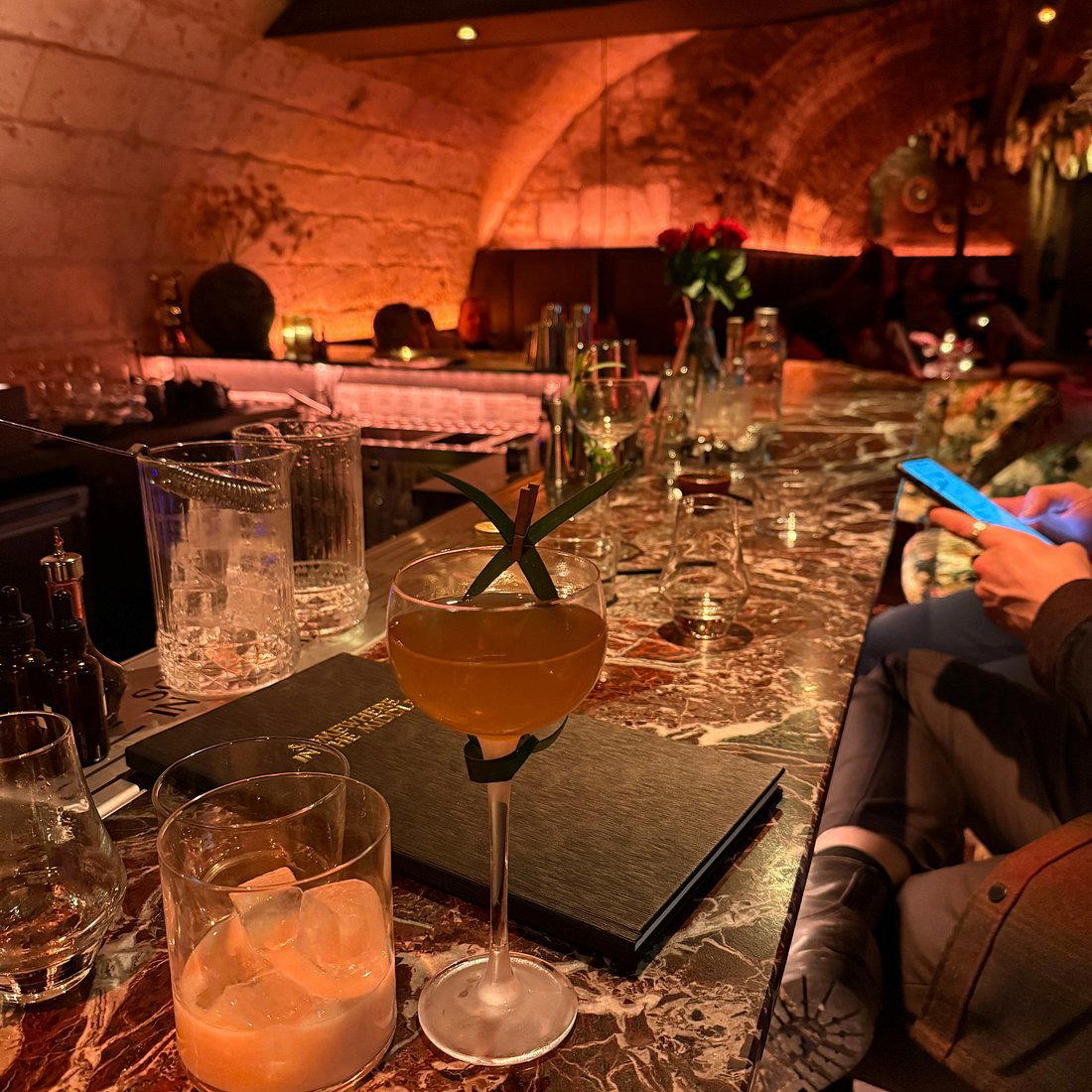
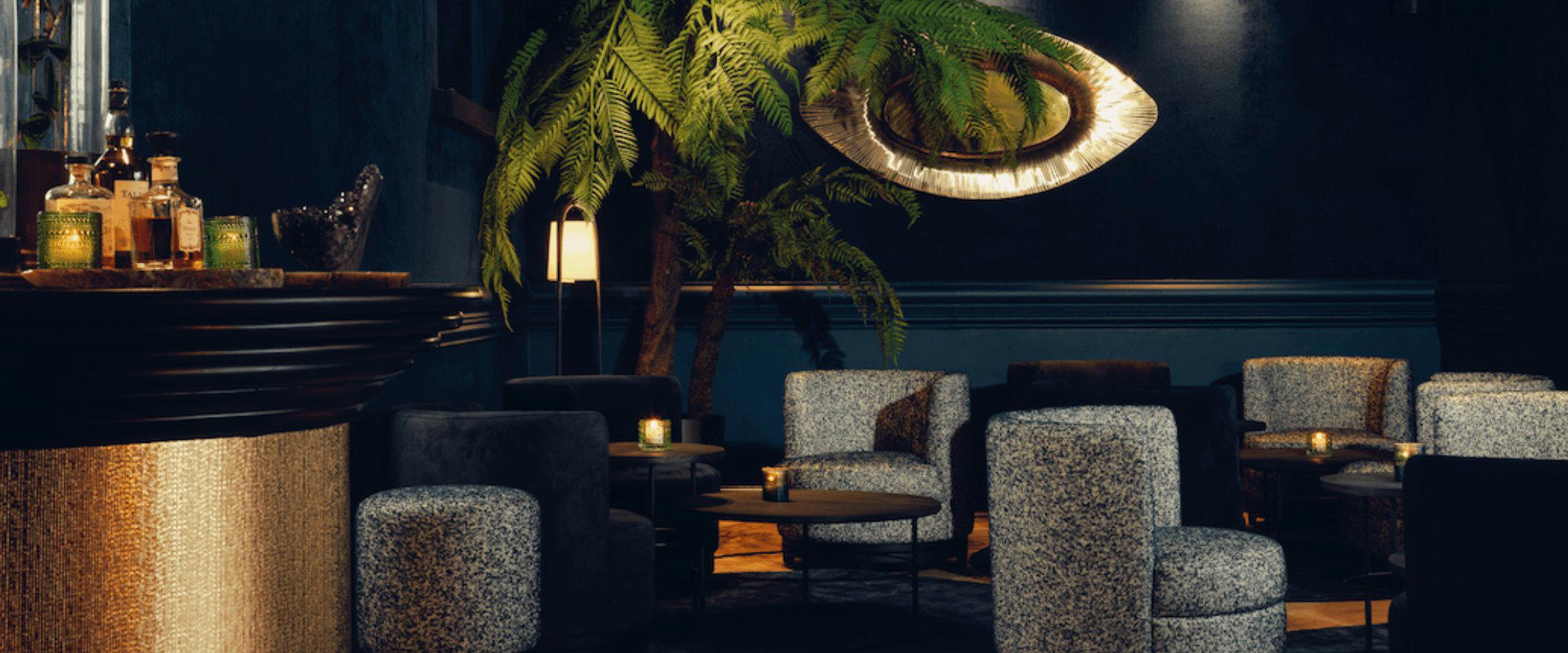
Relaxed and intimate atmosphere in a charming, simple interior with warm, attentive service.